§ Sector — Tourism & Culture
Accessible tourism, museums and culture
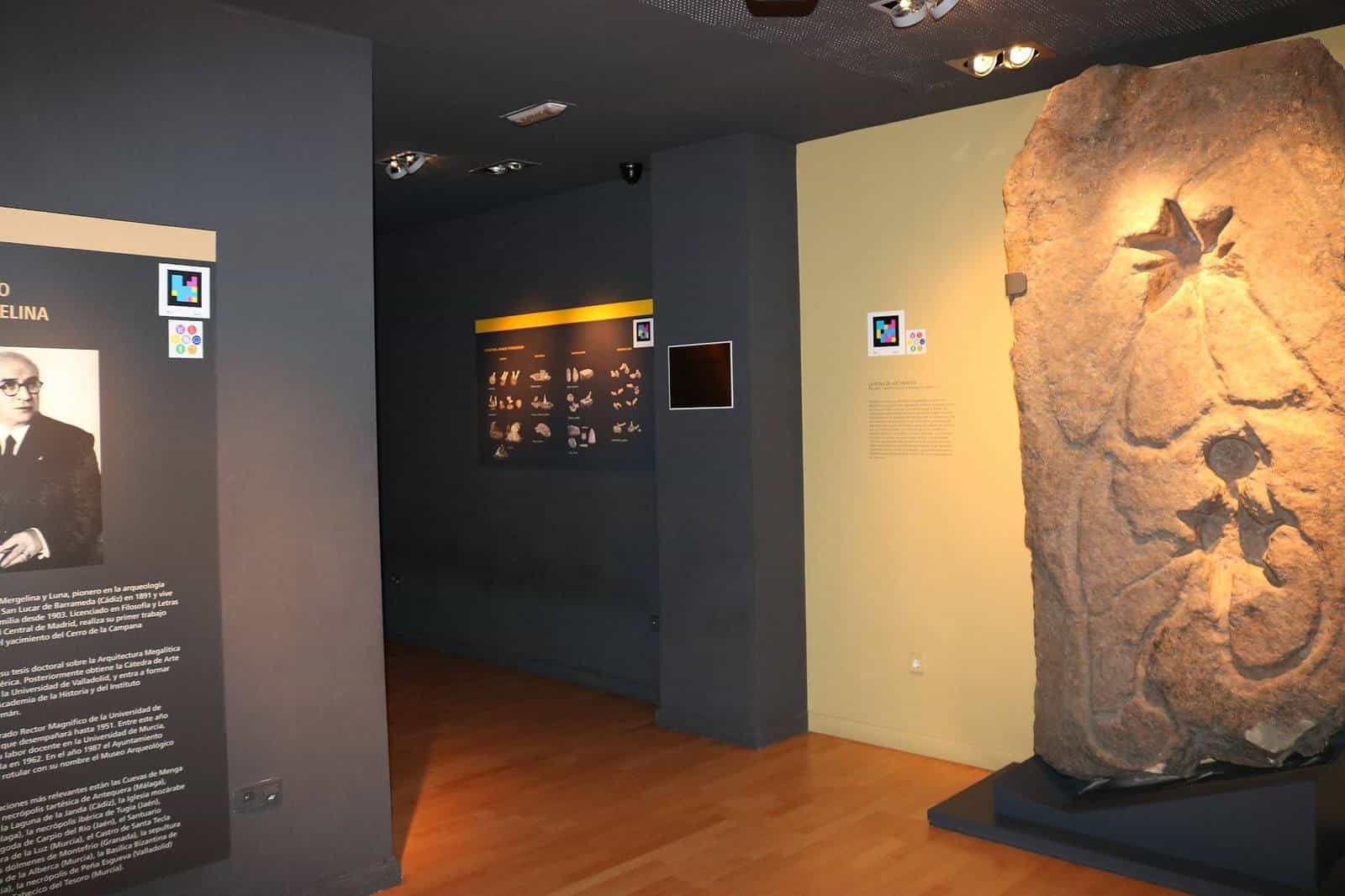
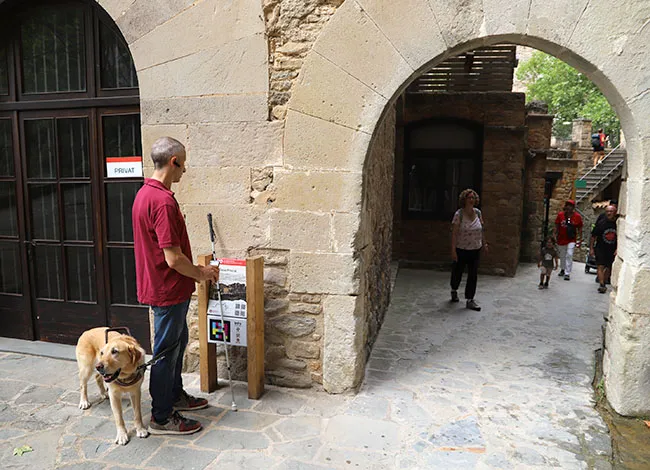
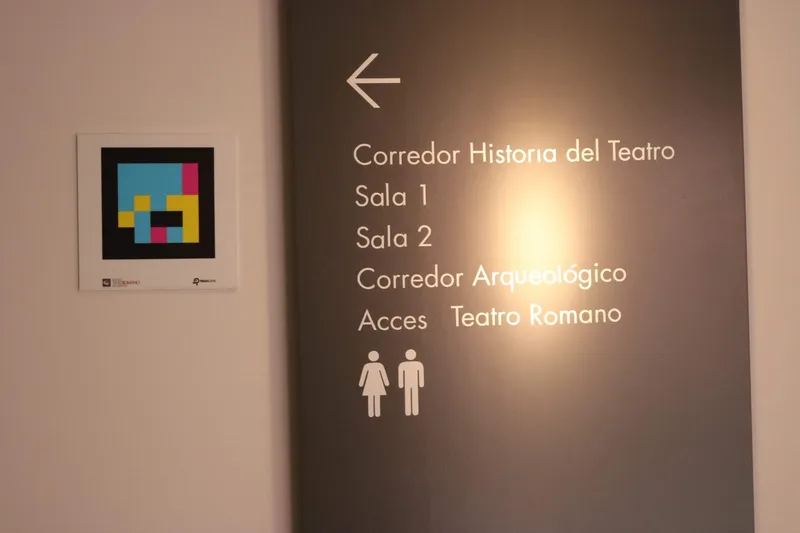
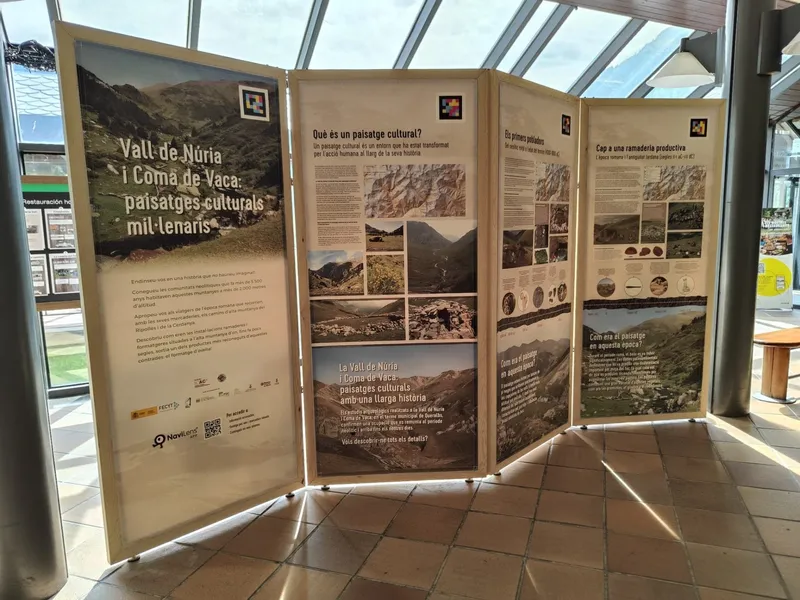
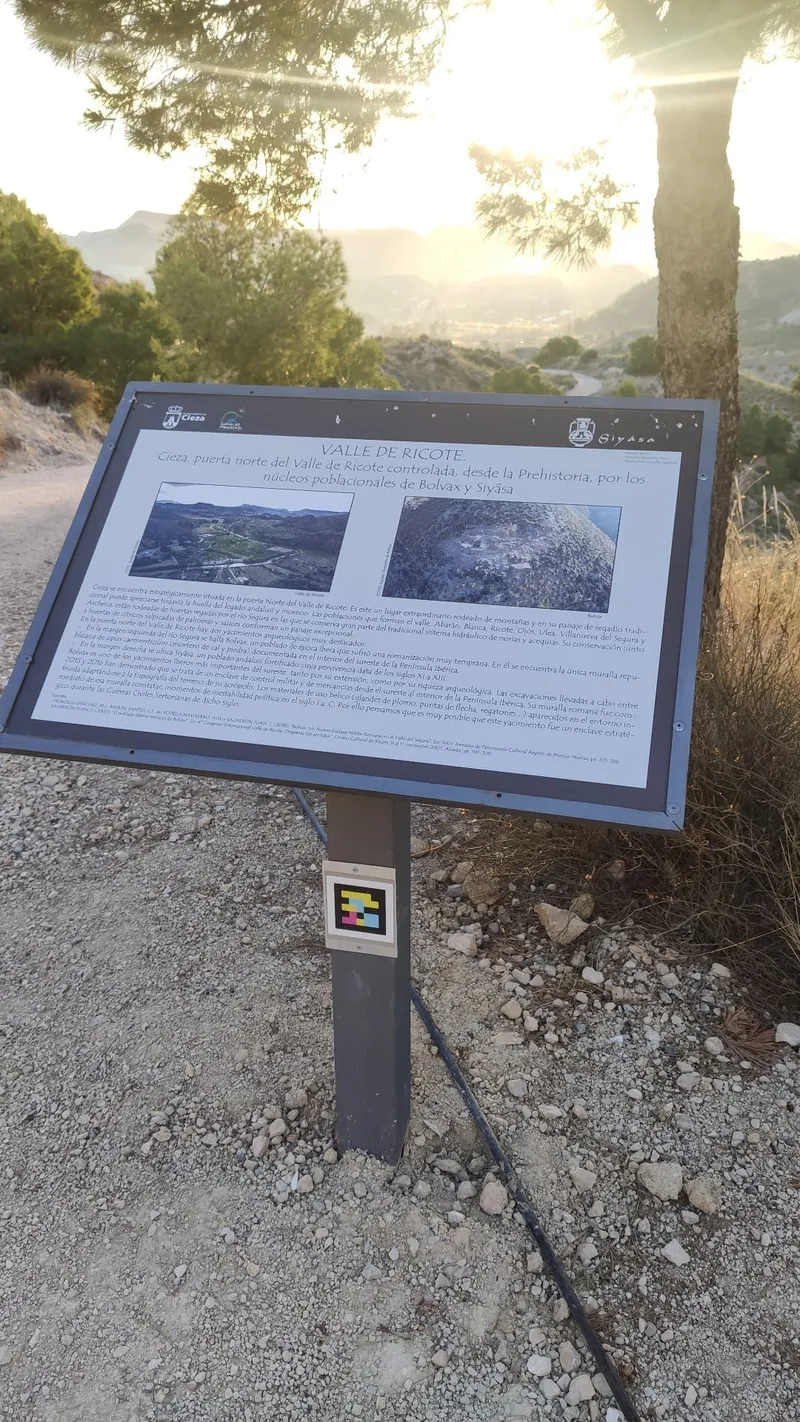
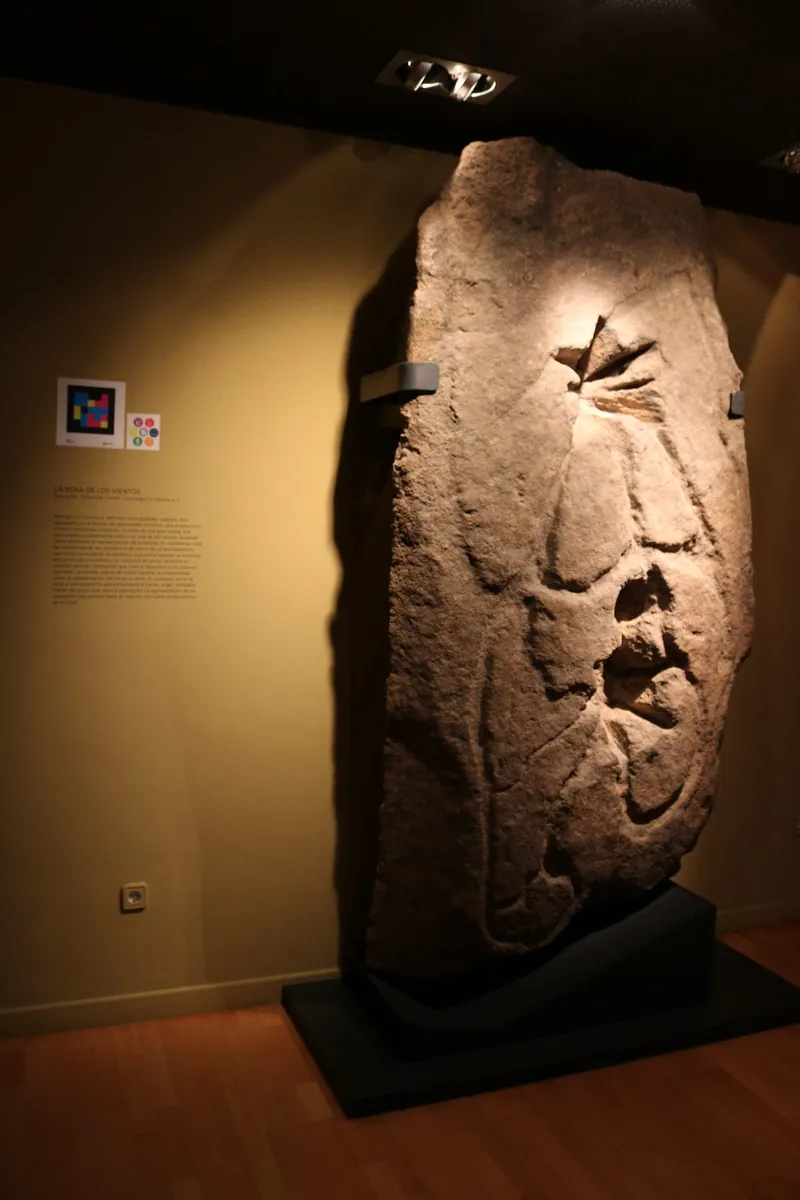
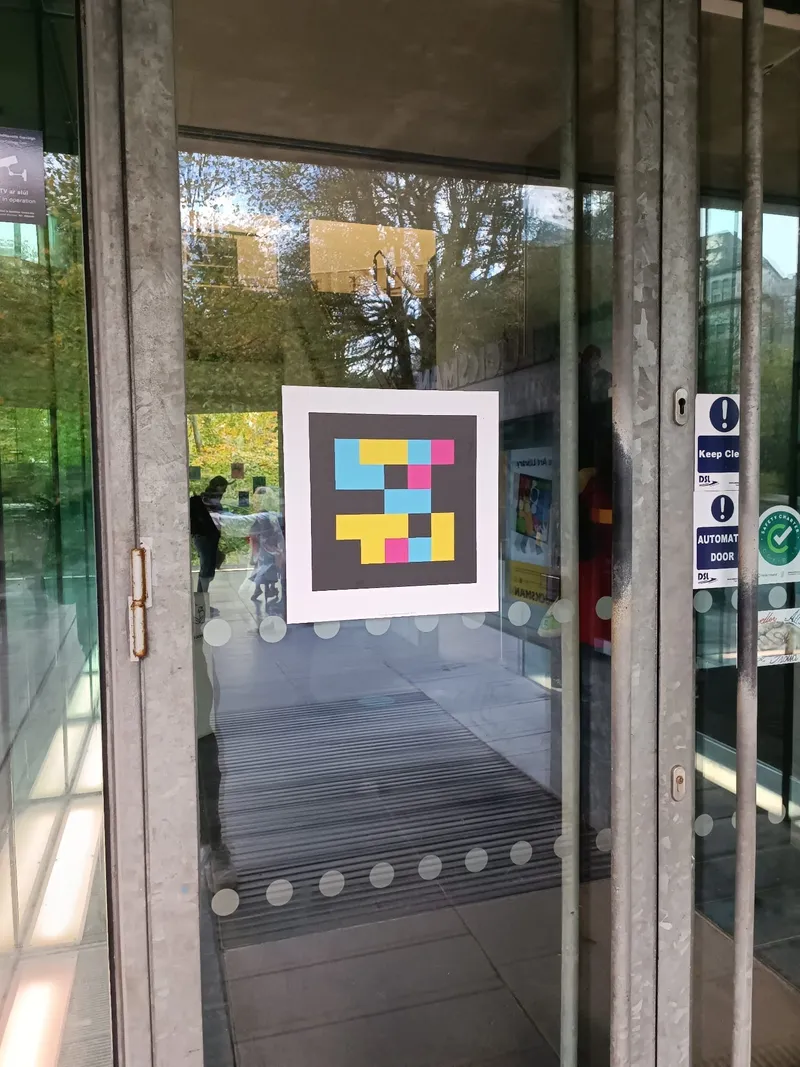
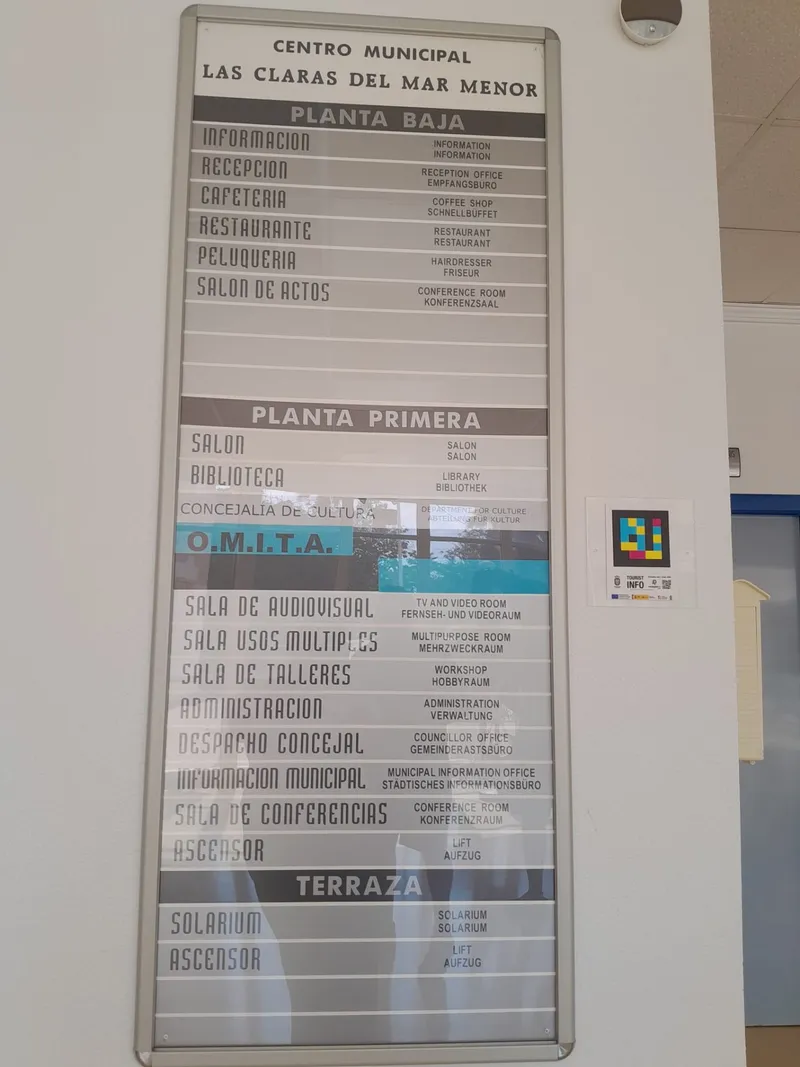
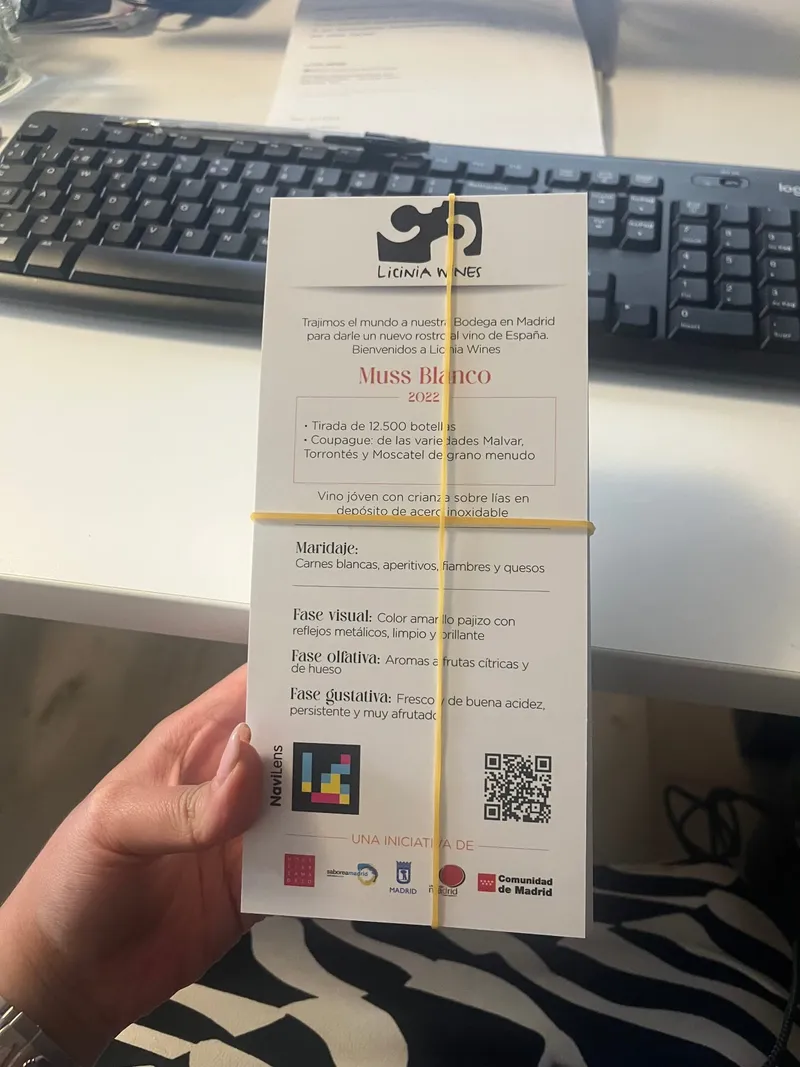
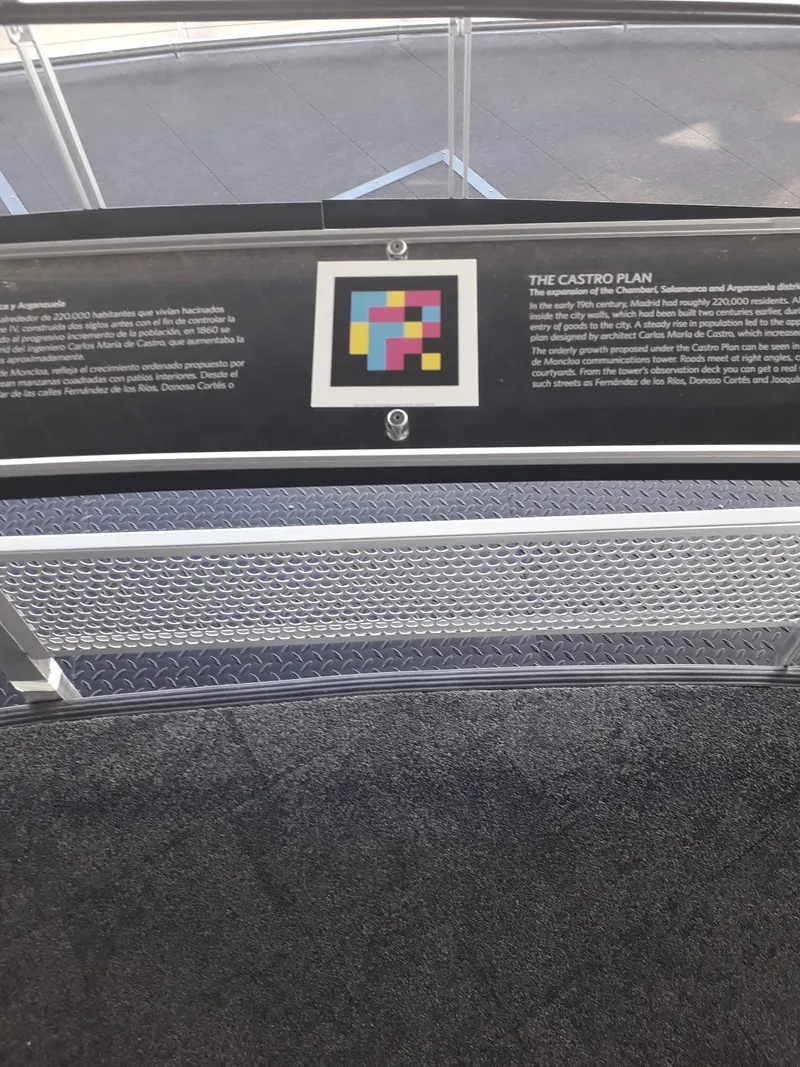
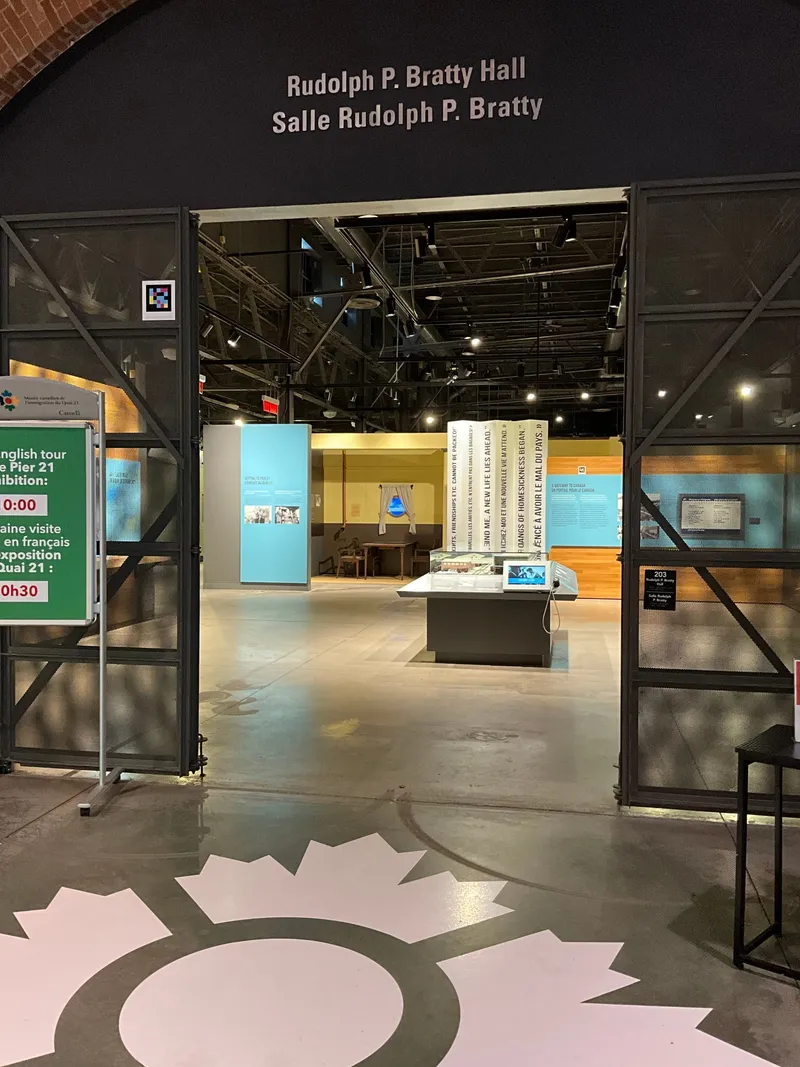
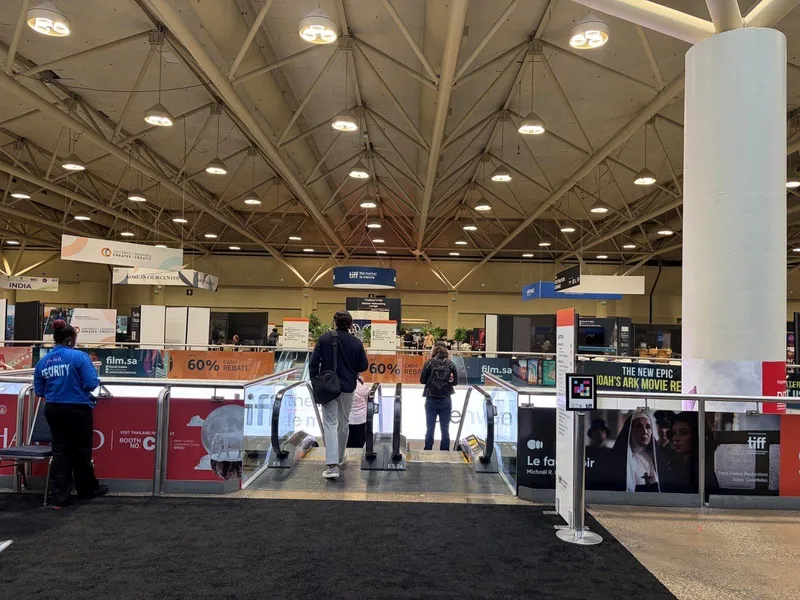
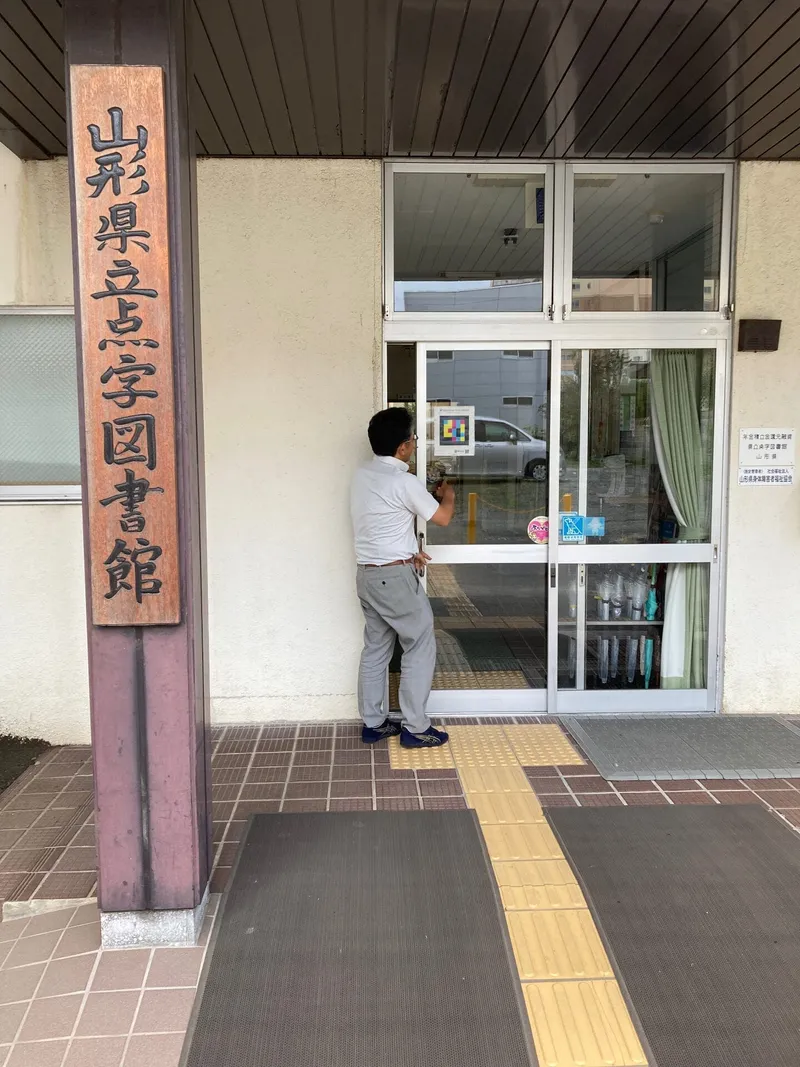
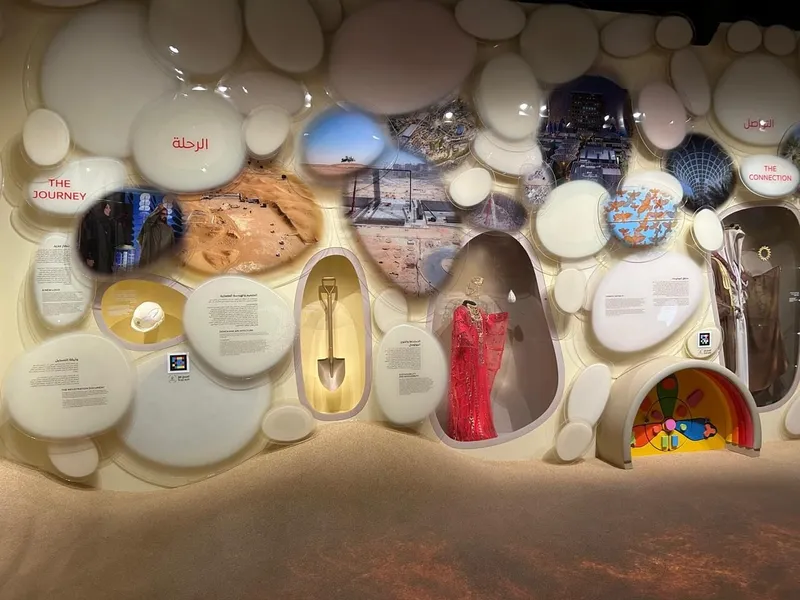
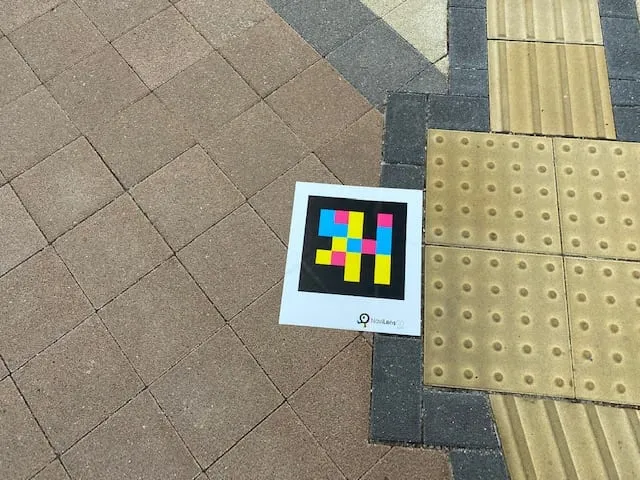
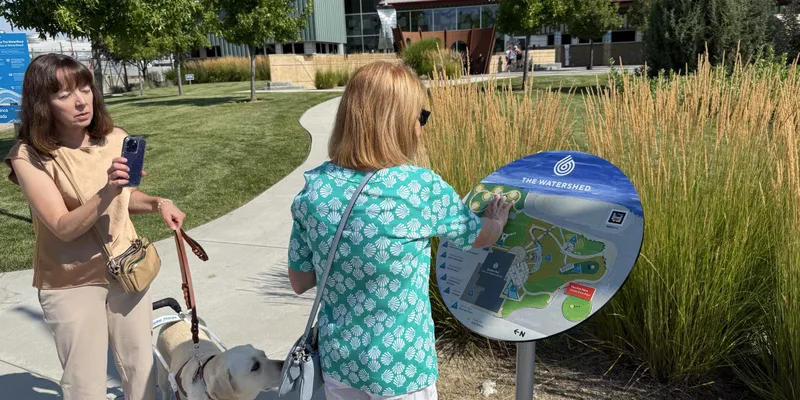
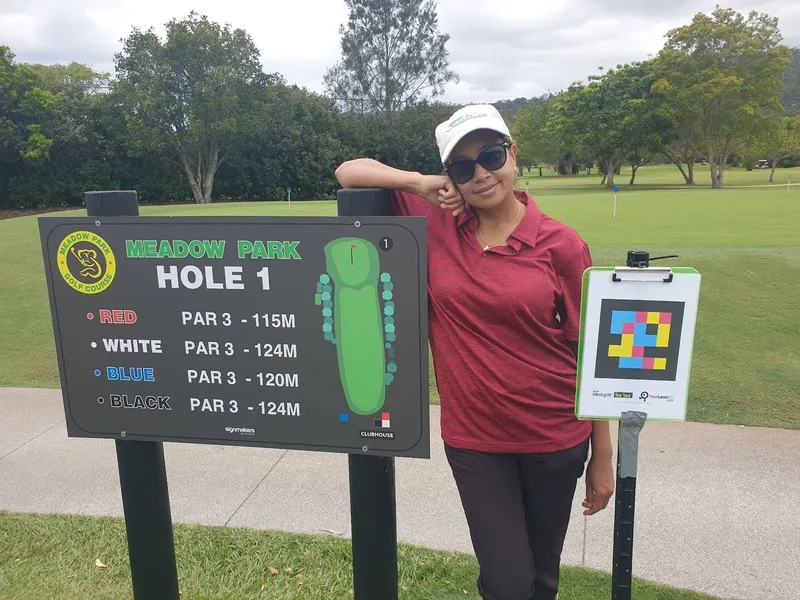
NaviLens improves wayfinding and access to information at tourist destinations, museums, routes, monuments and cultural venues. It delivers accessible, multilingual content so every visitor can discover, navigate and enjoy the space more independently.
- 12×
- Farther than a QR code
- 42
- Languages with audio output
- <1s
- Detection time
- 160°
- Code capture angle
§ Why NaviLens in tourism
Wayfinding and accessible information throughout the visit
- 01
Useful information at every stop
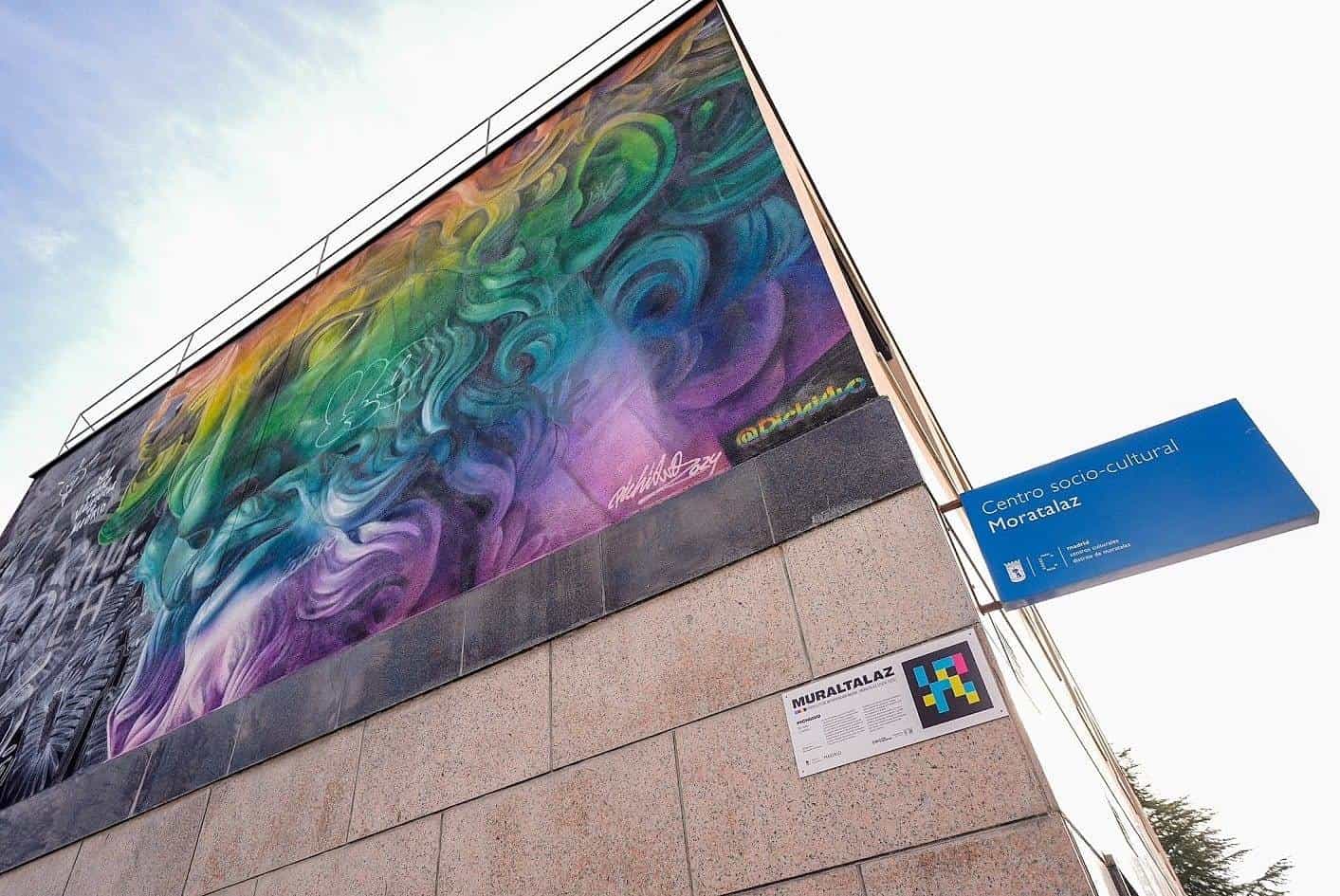
NaviLens lets you offer clear, accessible contextual information at tourist and cultural points of interest. Every visitor can access it in their language and preferred format, finding their way more easily in unfamiliar environments.
- 02
Easier access to culture
In museums, exhibitions, routes or destinations, NaviLens makes information available in real time. A solution to understand, navigate, discover and enjoy each space more independently.
- 03
Information that travels with the experience
From wayfinding and routes to context content or services, NaviLens codes help visitors move, decide and make the visit smoother end to end.
§ How we roll it out
From assessment to an accessible venue.
A simple process with no service interruption and no construction. End-to-end in 1–3 weeks.
- 01
Venue assessment
We study your destination, museum or cultural venue: routes, points of interest, existing signage and accessibility needs.
1–3 days
- 02
Signage design
We design the location, size and content of each NaviLens code so it fits the venue's visual identity.
3–5 days
- 03
Install
We produce and install the codes with no construction and no interruption to operations. No wiring, no power required.
1–2 days
- 04
Measure & iterate
Dashboard with usage data, most-requested languages, hotspots and accessibility metrics. We adjust with you.
Ongoing
§ Featured story
Paws on the Wharf · Guide Dogs UK · Canary Wharf
An art trail that blind visitors could walk on their own.
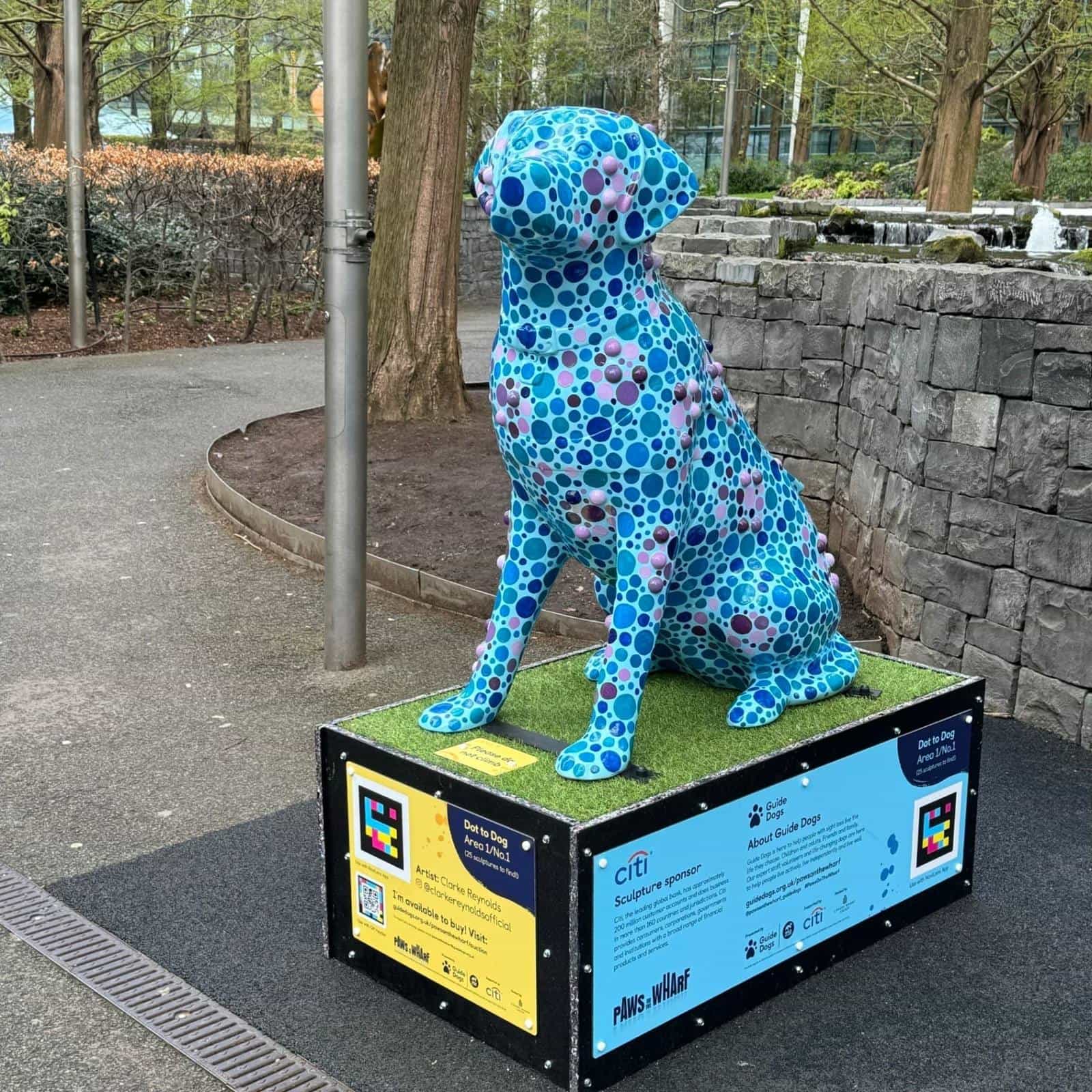
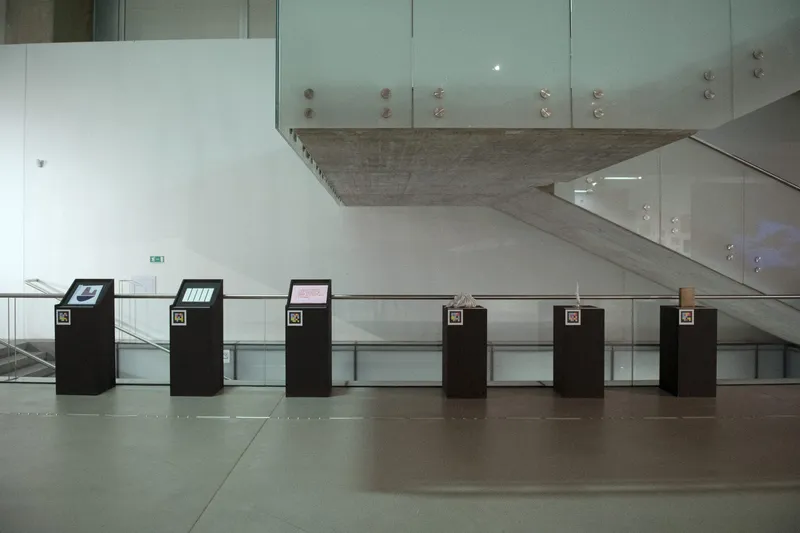
From 25 March to 17 May 2024, Guide Dogs UK and Wild in Art placed 25 life-size guide-dog sculptures around Canary Wharf and along the Thames. Every plinth carried a NaviLens code in place of a conventional QR, reading out the artwork, the artist and the sponsor in the visitor’s own language – which made it the first Wild in Art trail that blind and partially sighted visitors could follow independently.
§ In their own words — Tourism & Culture
What managers of destinations and cultural venues are saying.
- ÁguilasOriginal quote in Spanish
Este código es el 99 de un total de 200 que se van a instalar en distintos puntos del municipio. Se trata, en definitiva, de hacer uso de las nuevas tecnologías para hacer más inclusivos nuestros recursos.
Cristóbal Casado
Tourism Councilmember · City of Águilas
- BenidormOriginal quote in Spanish
NaviLens es una evolución de los códigos QR sobre la que vamos a implementar aplicabilidad universal. La información es leída por el terminal, la interpreta, la georreferencia, la amplía con la documentación que queramos destacar y la transforma en audio, en el idioma del usuario e incluso con un mensaje visual en lengua de signos.
Toni Pérez
Mayor of Benidorm
- BenissaOriginal quote in Spanish
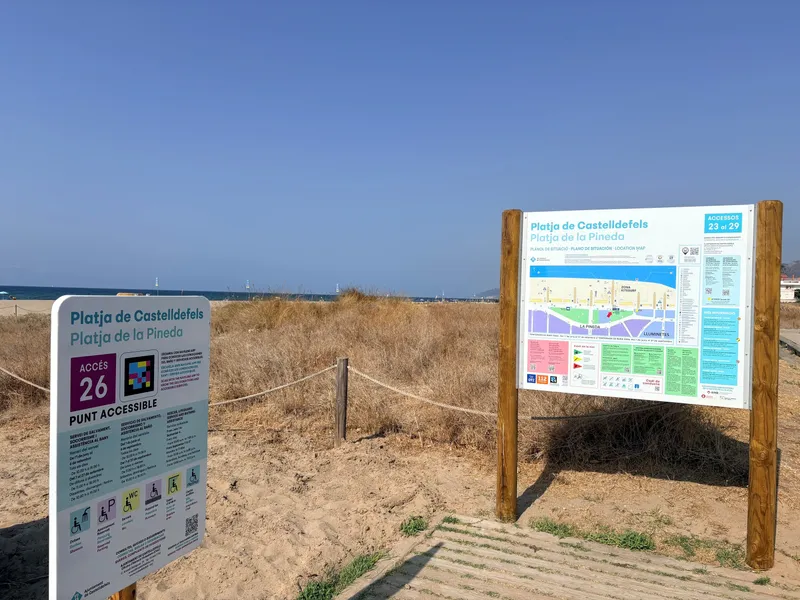
Benissa se esfuerza por ofrecer una experiencia inclusiva para todos. La playa de la Fustera y varios puntos del casco histórico cuentan con accesos adaptados, aparcamientos reservados y servicios especiales para personas con movilidad reducida, garantizando que todos puedan disfrutar de su encanto natural y cultural.
Ajuntament de Benissa
Inclusive Tourism portal · accessible destination strategy
§ Success stories
Destinations, museums and routes running with NaviLens.
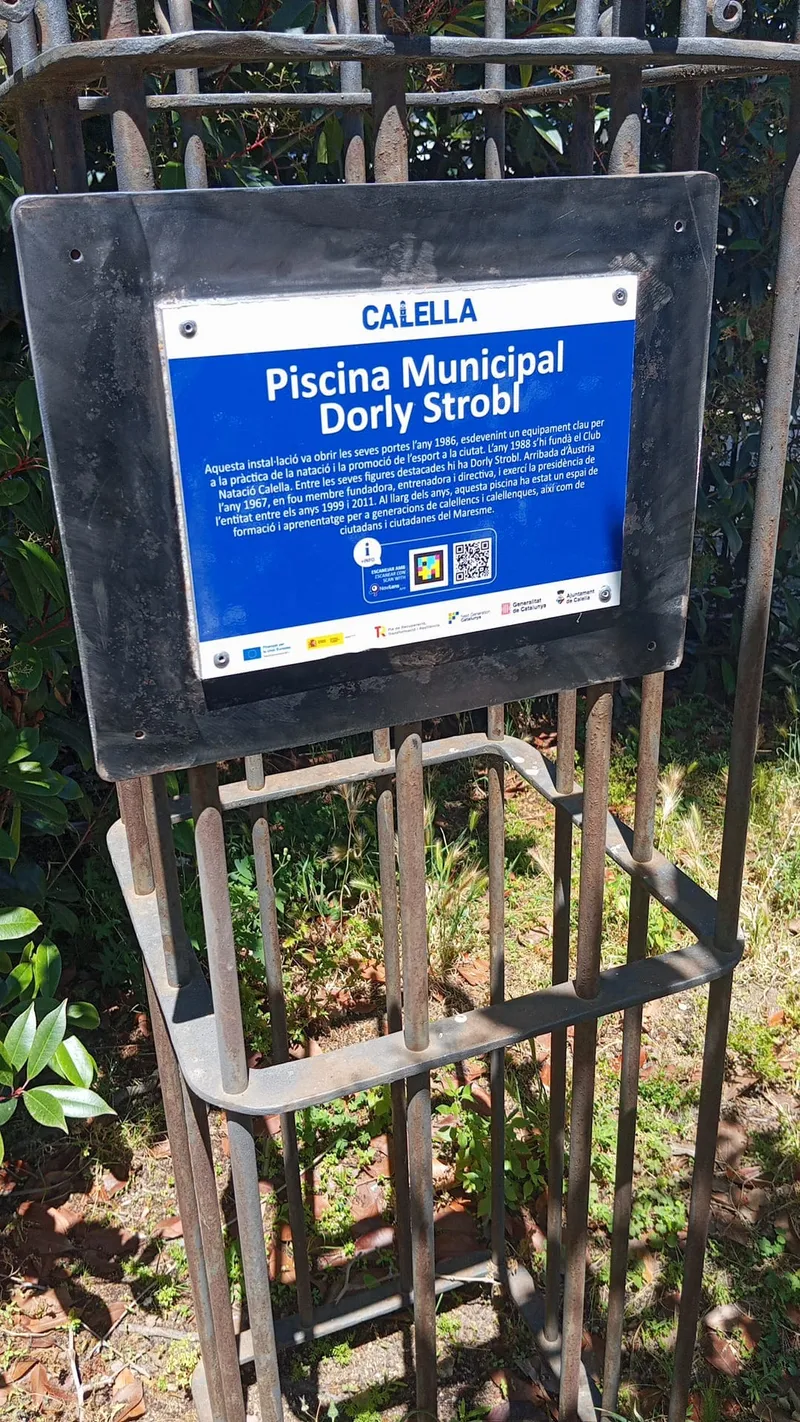
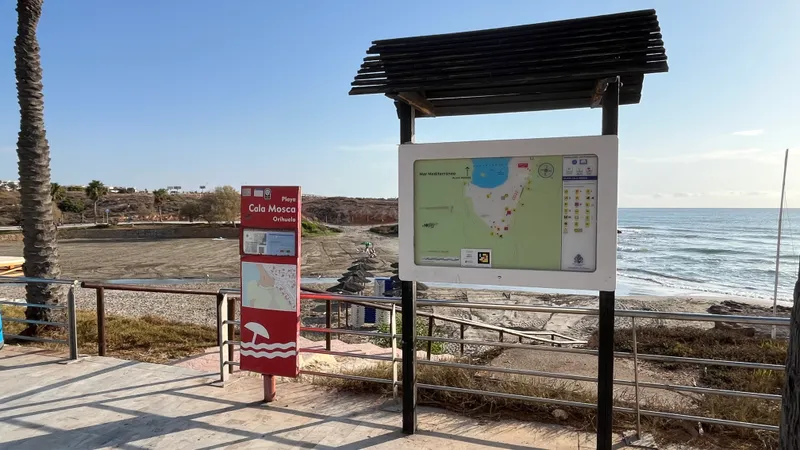
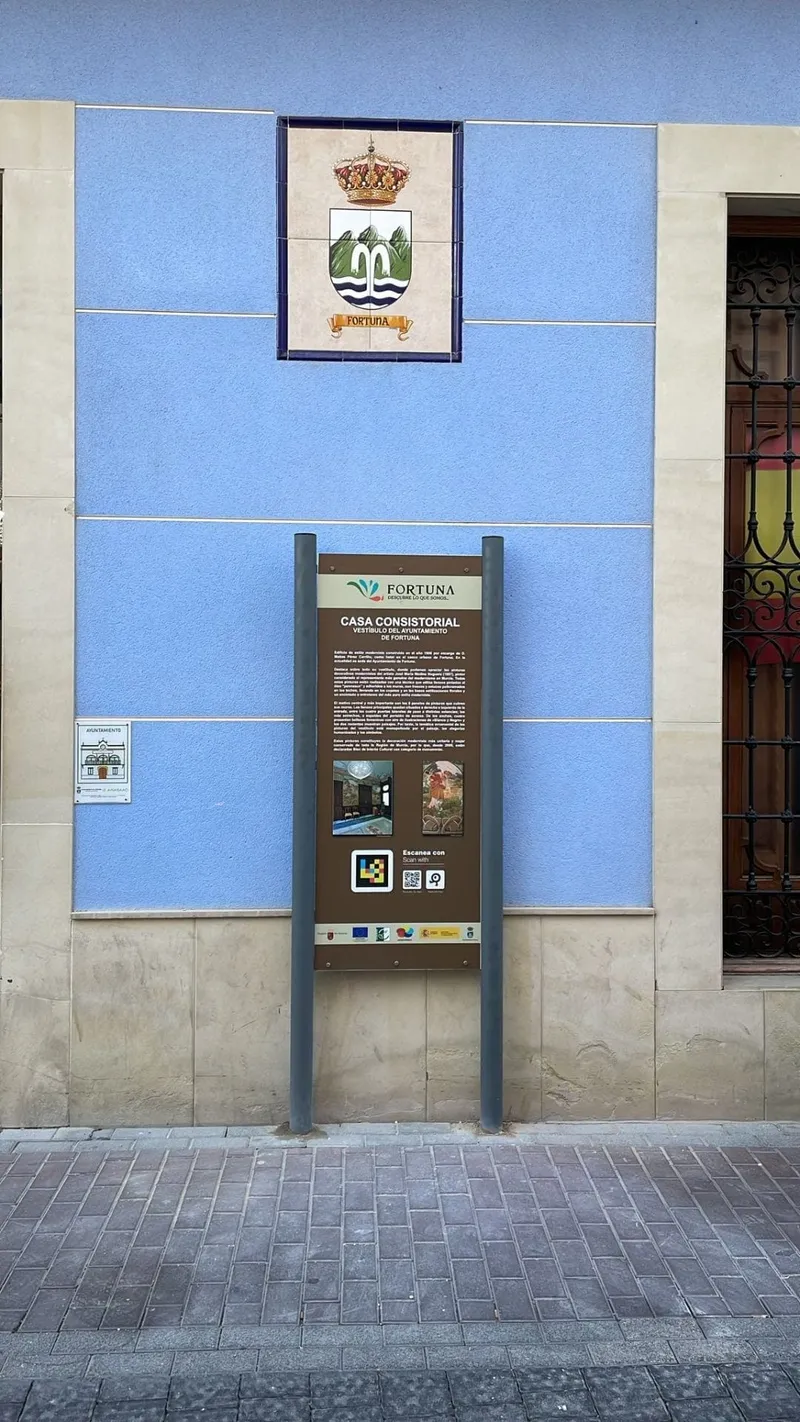
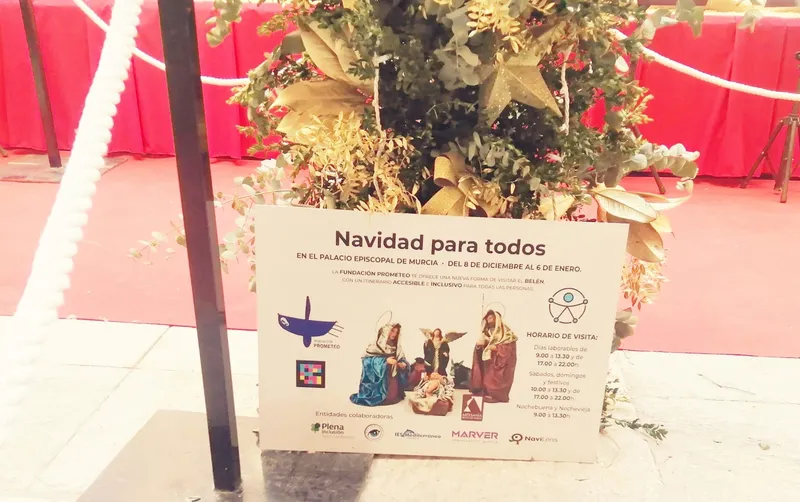
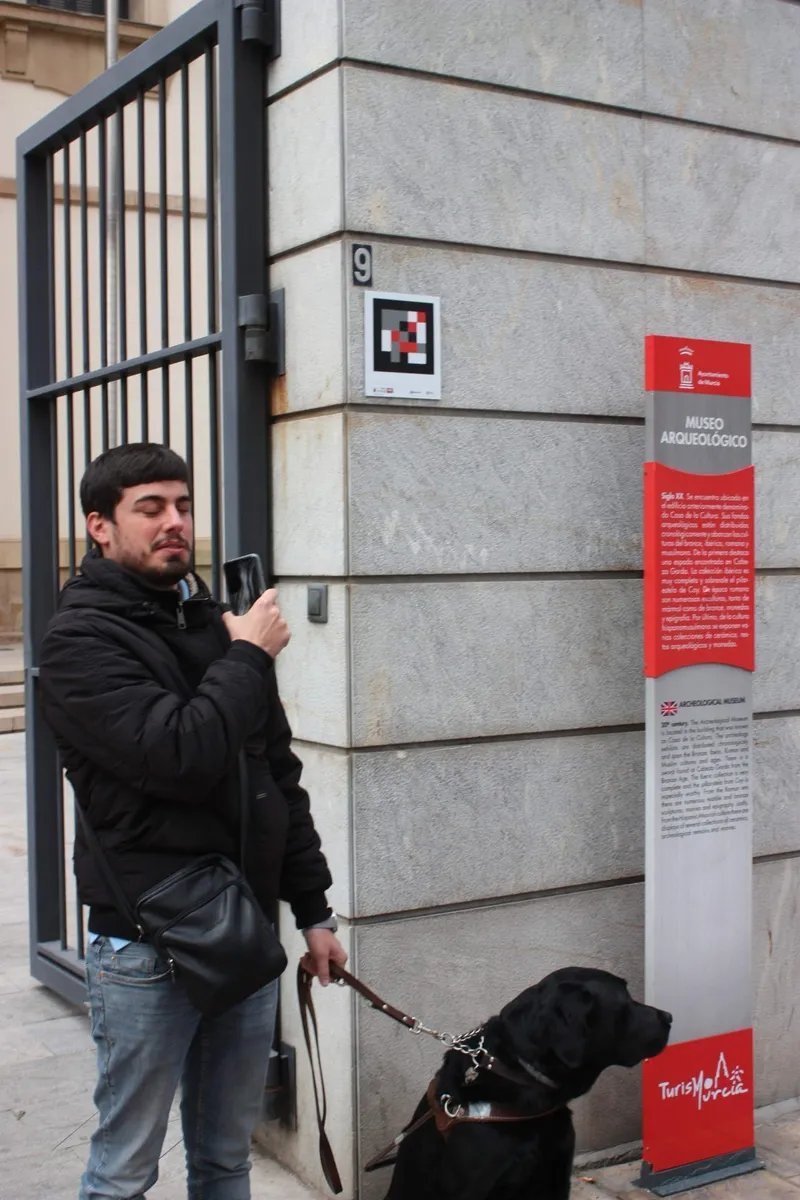
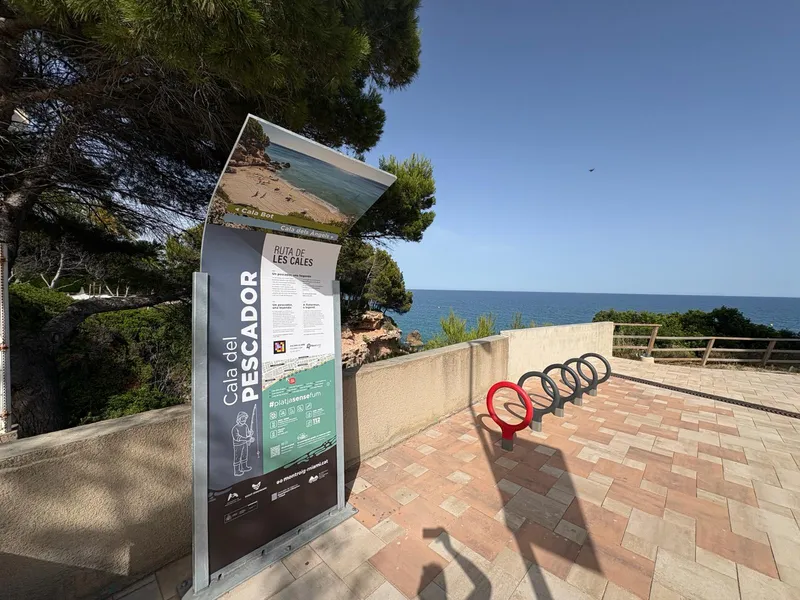
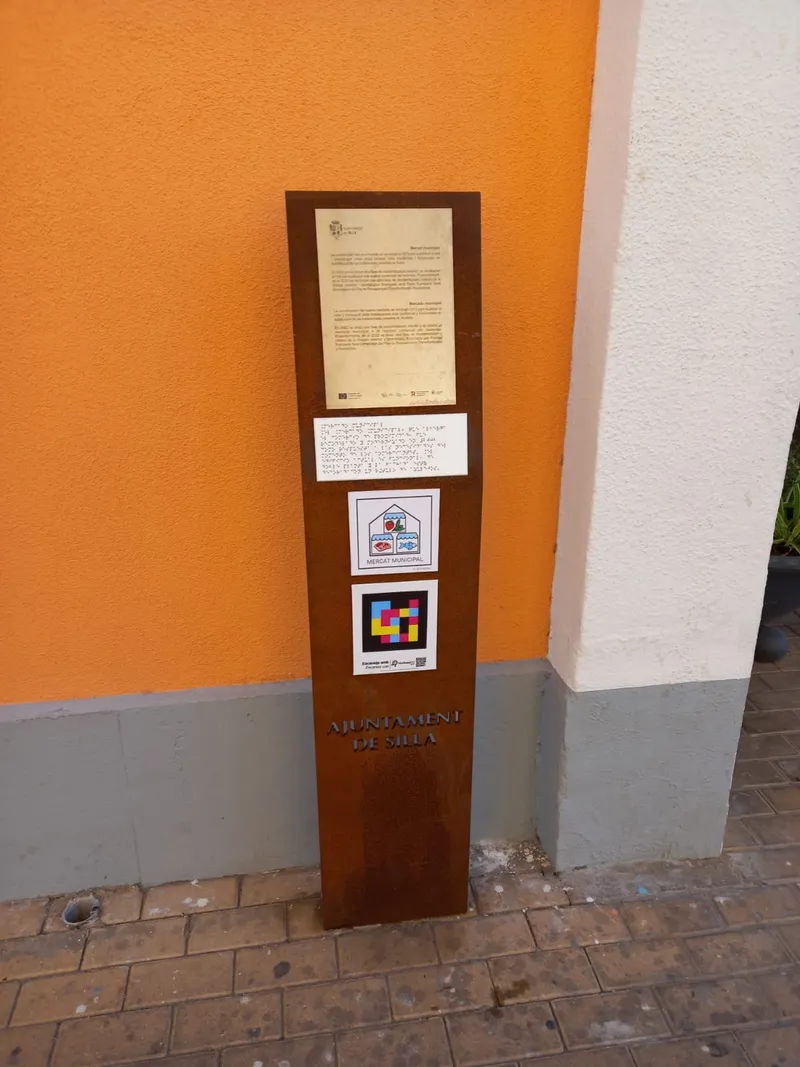
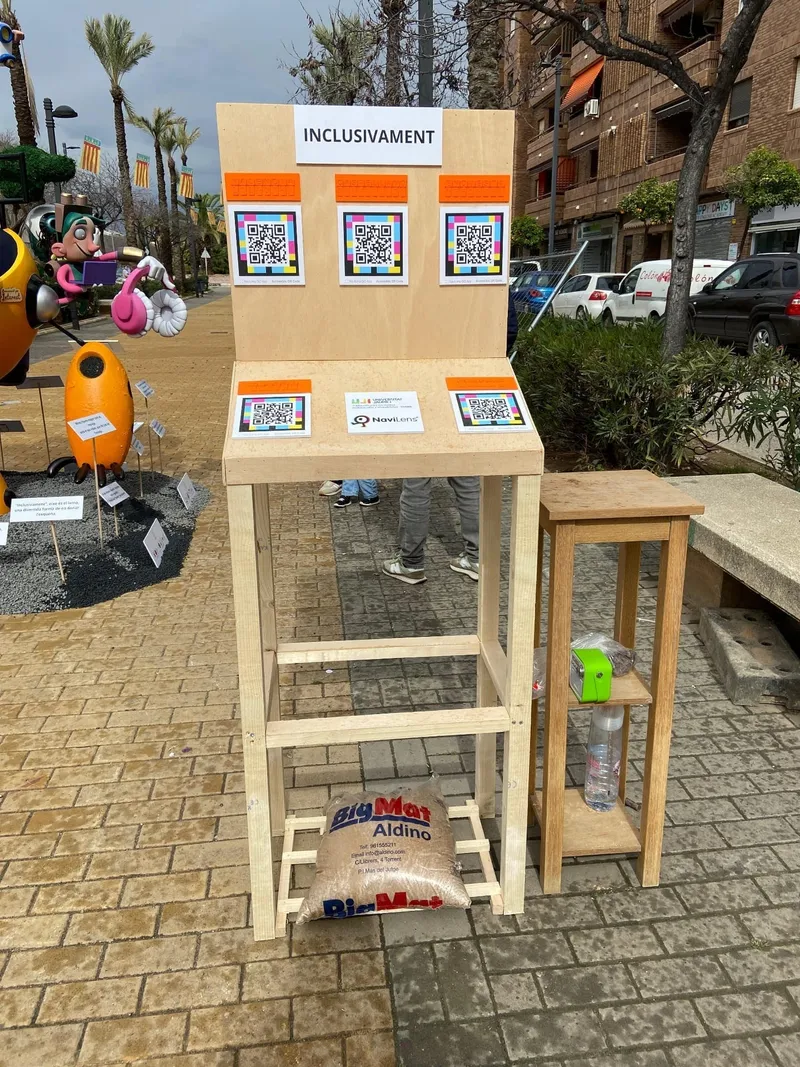
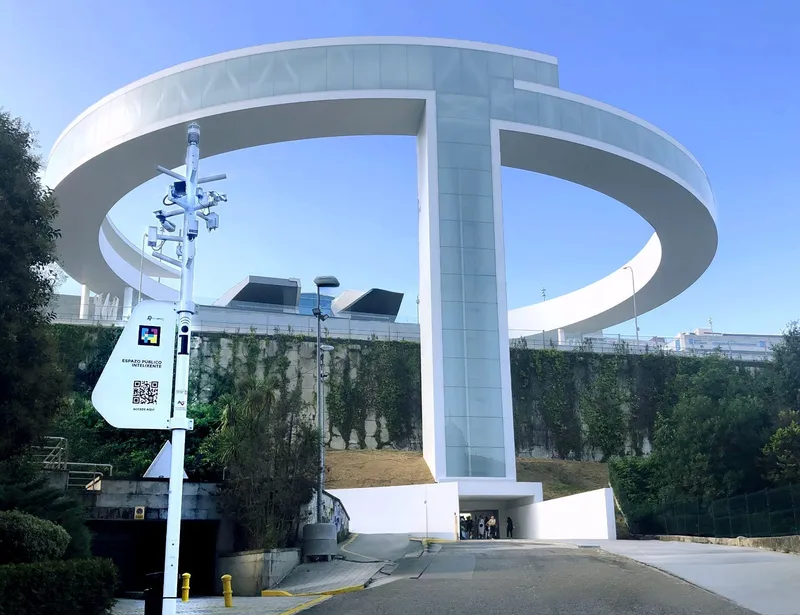
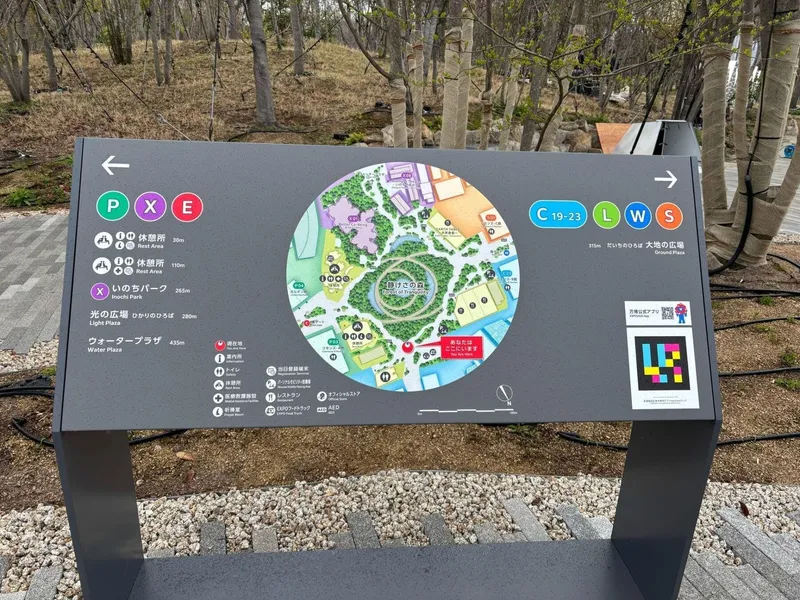
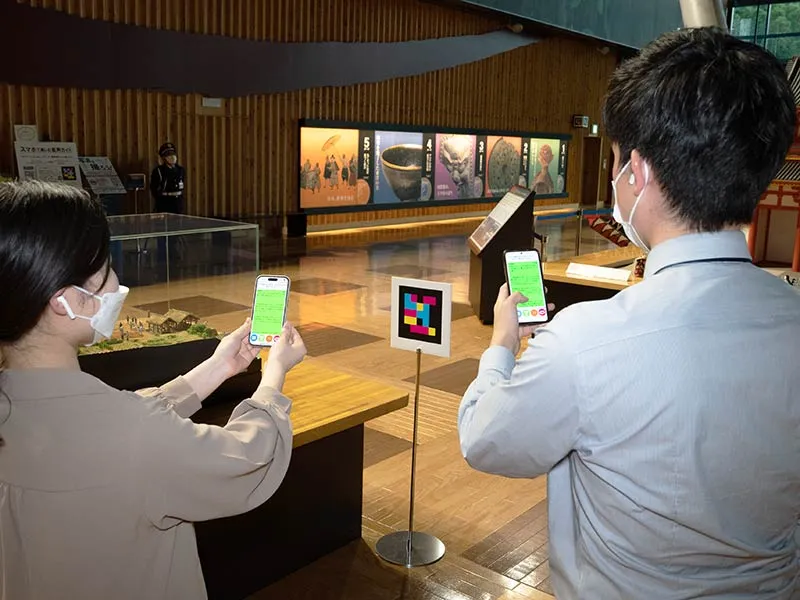
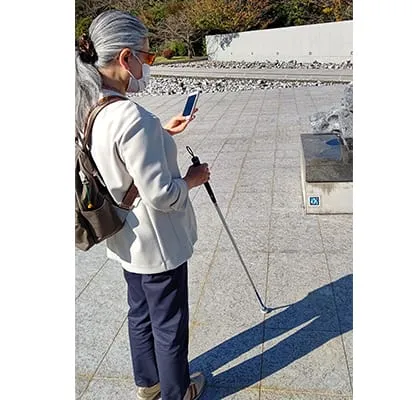
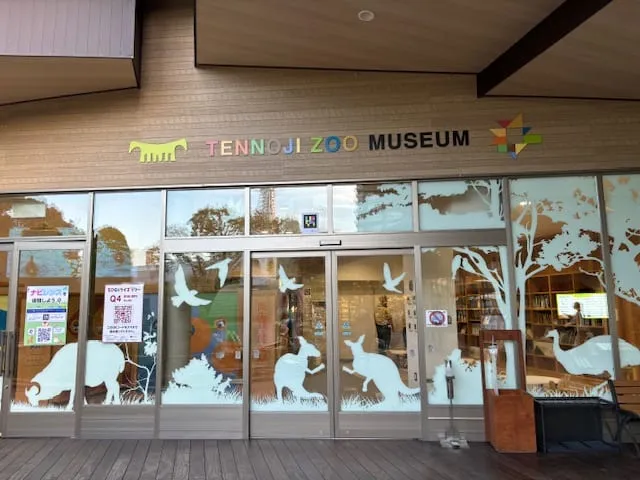
Each card is a destination, trail or cultural venue where NaviLens already guides its visitors. Open one to see how we did it.
 LondonEvents→
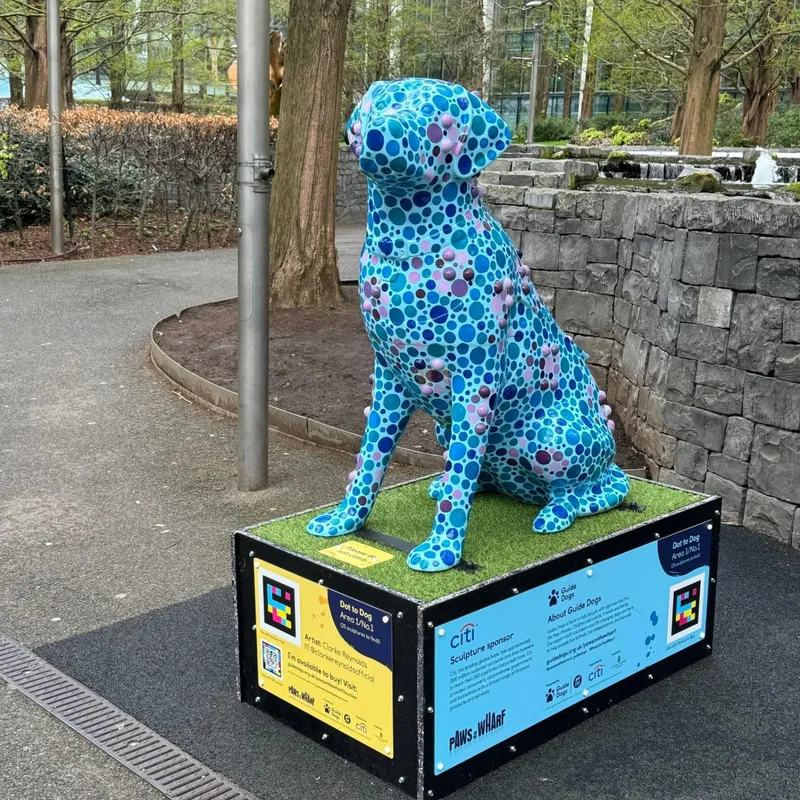
Paws on the Wharf — Guide Dogs UK · Wild in Art · Canary Wharf · Citi
London
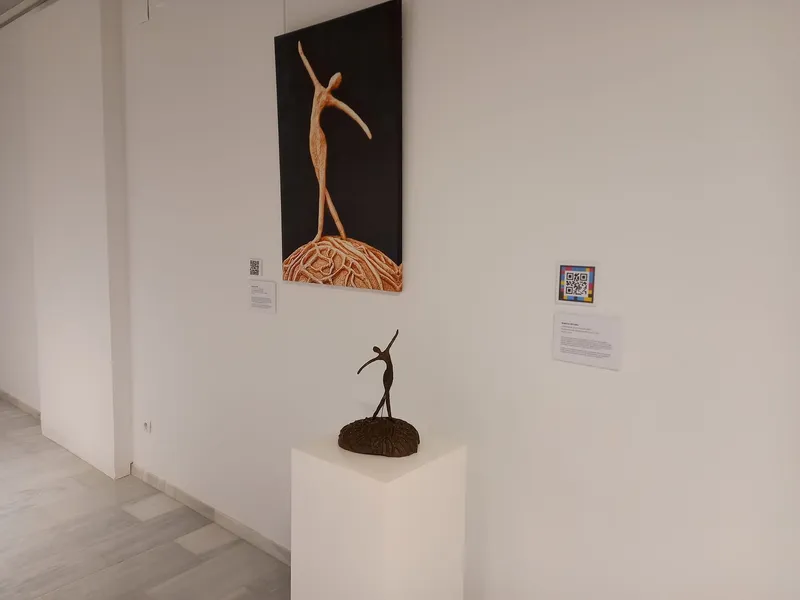
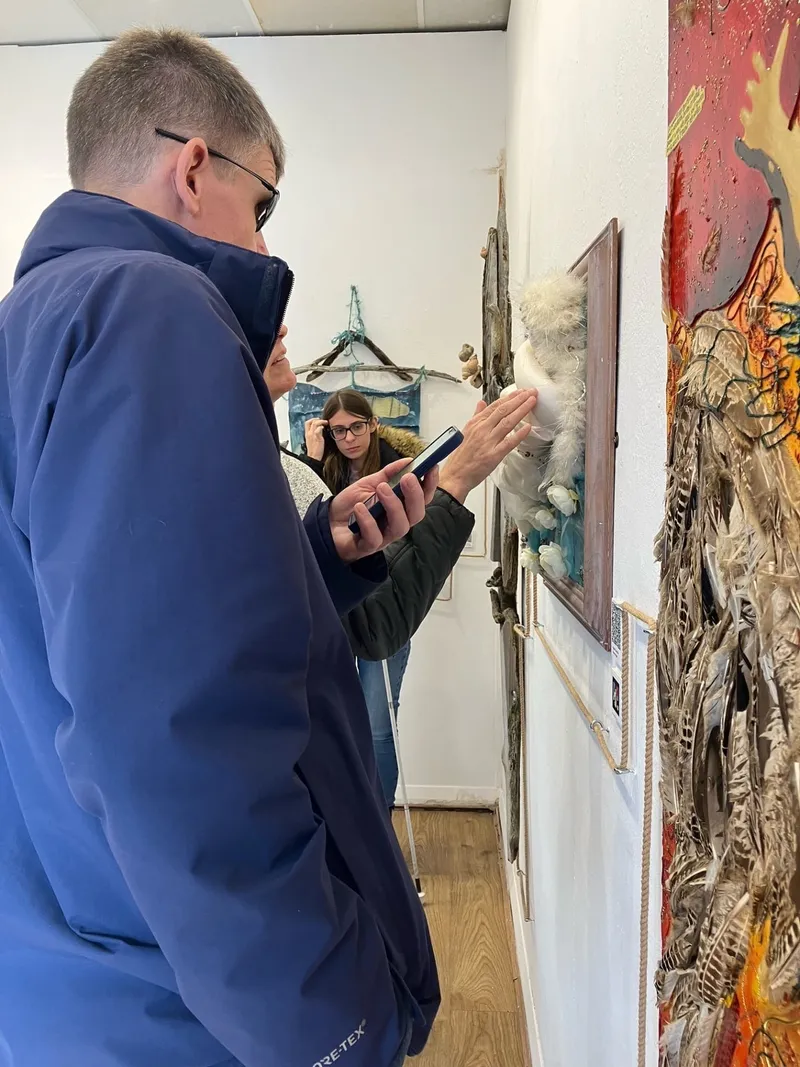 St Leonards-on-Sea (UK)Museums→
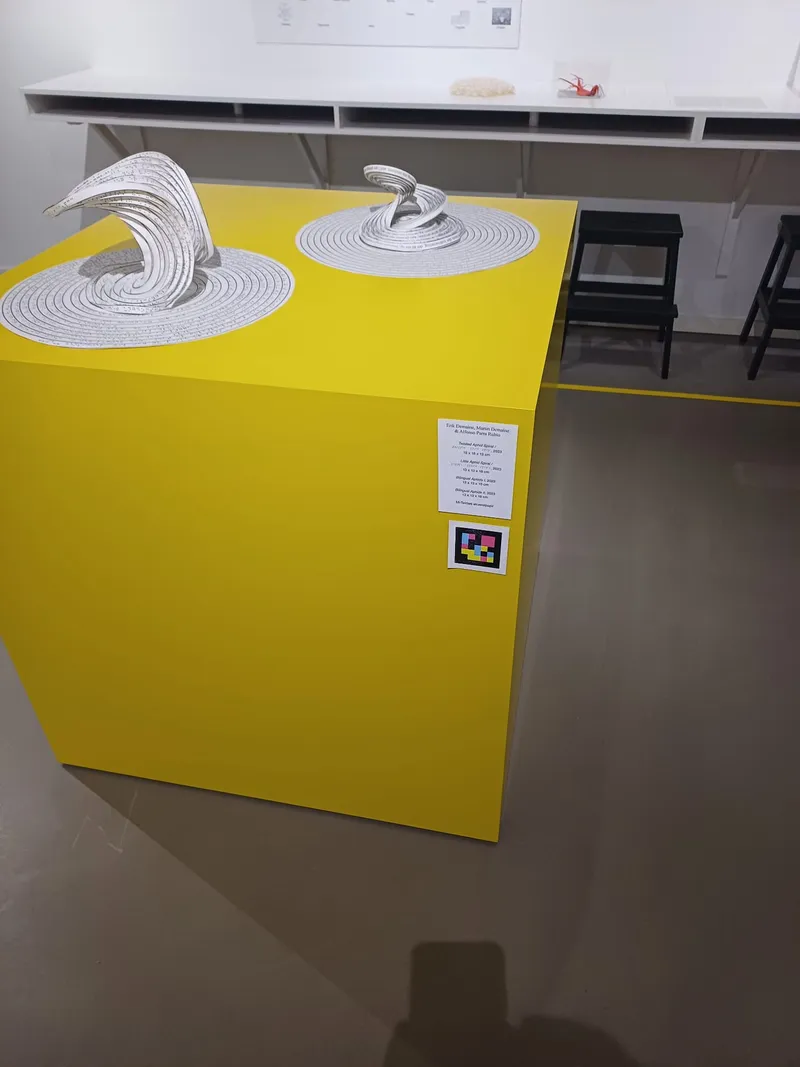
Zoom Arts Gallery — Over Sight with NaviLens and tactile guide rope in Warrior Square
St Leonards-on-Sea (UK)
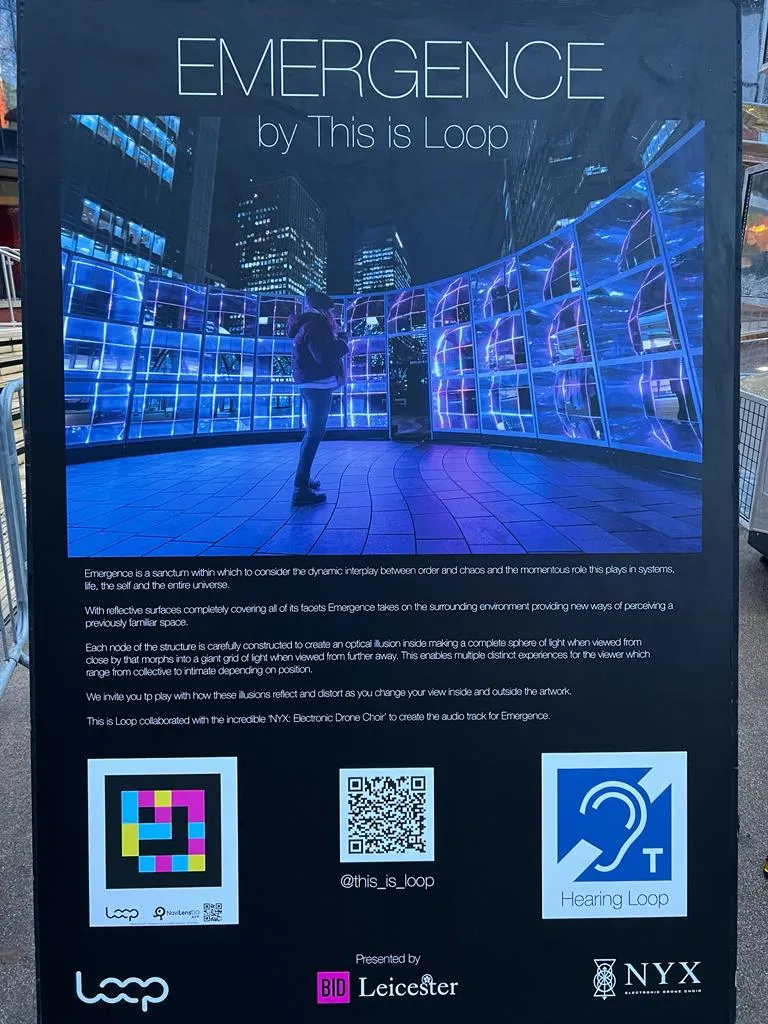 LeicesterCulture→
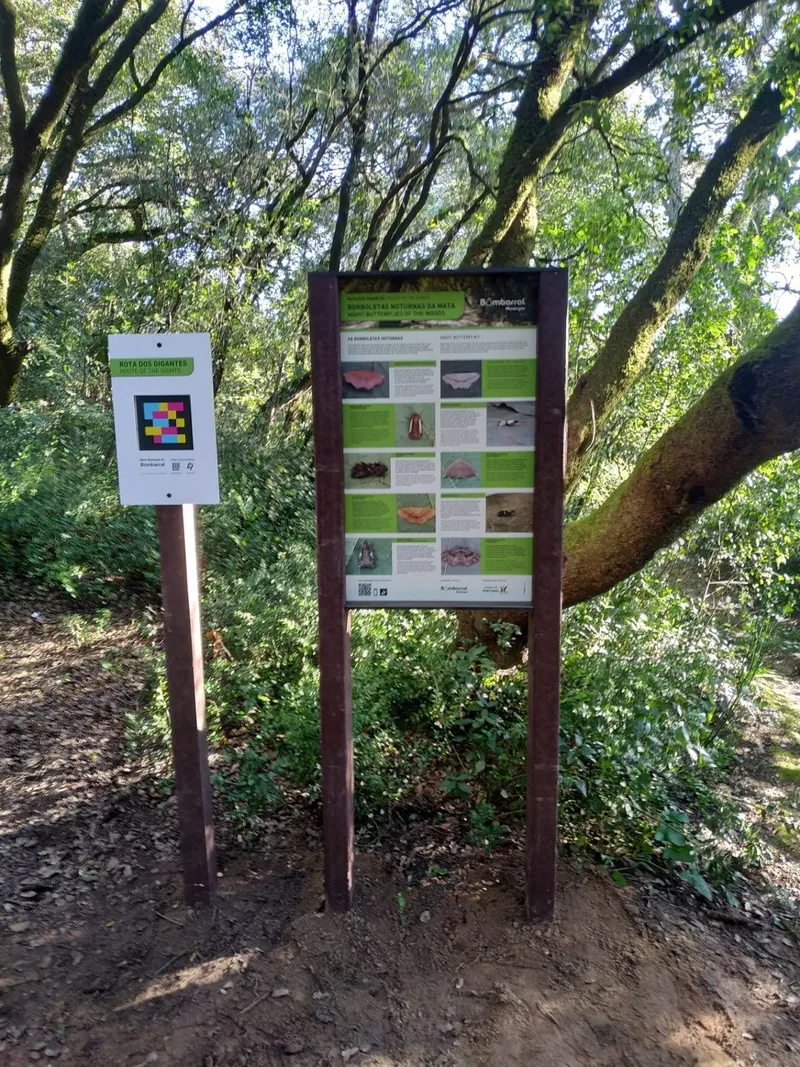
This is Loop · Emergence — Accessible public art with BID Leicester
Leicester
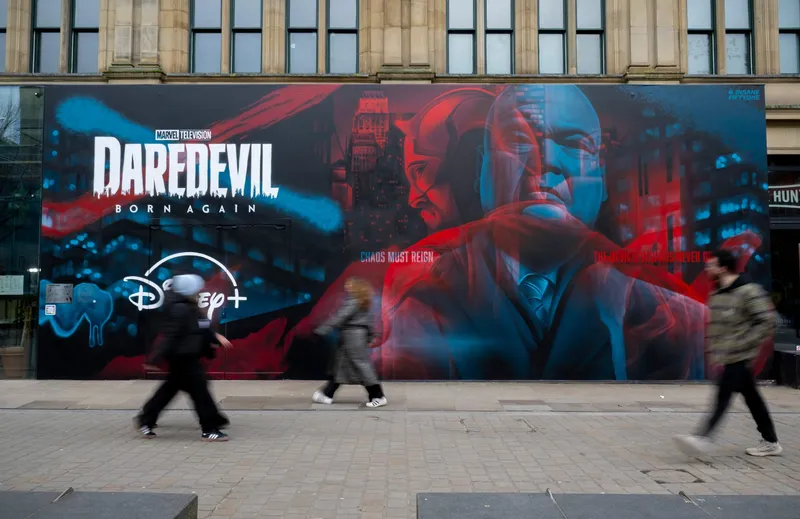 ManchesterStreet art→
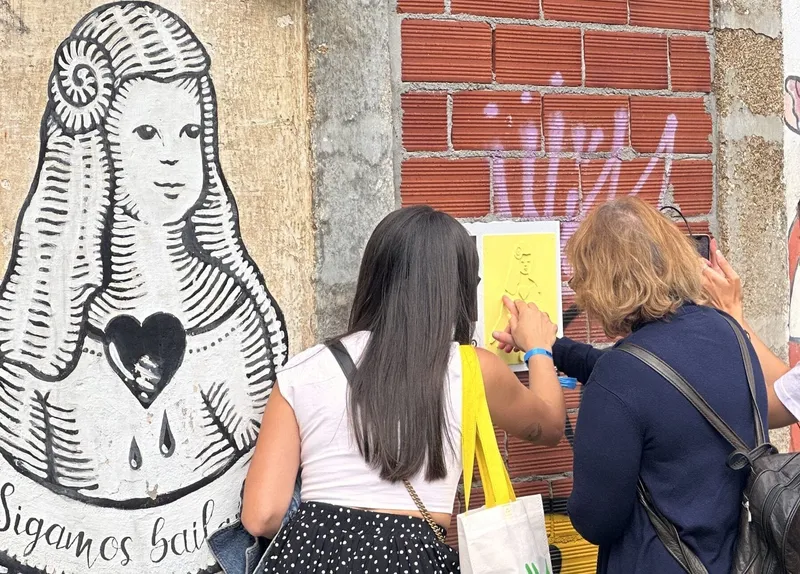
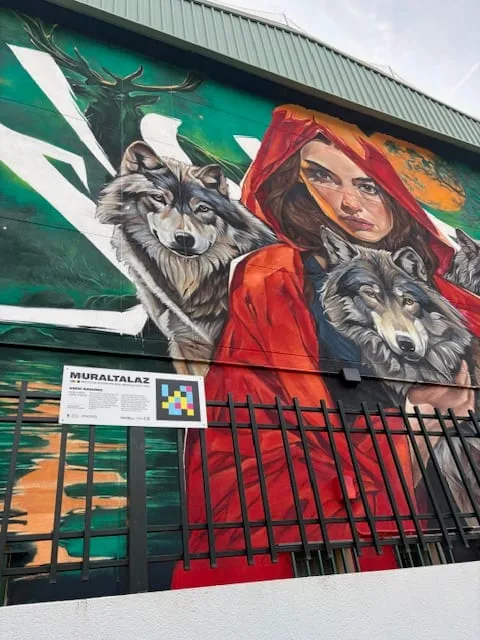
Disney+ × RNIB — Accessible Daredevil: Born Again mural (Insane51)
Manchester
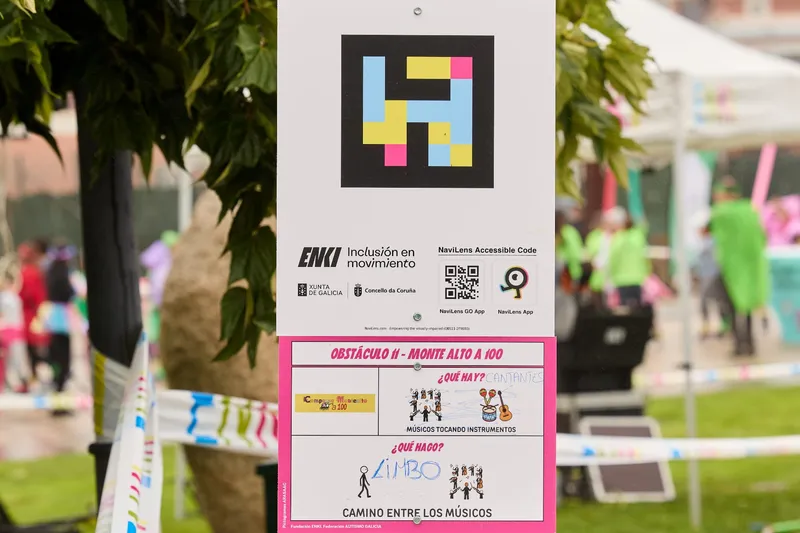 A CoruñaEvents→
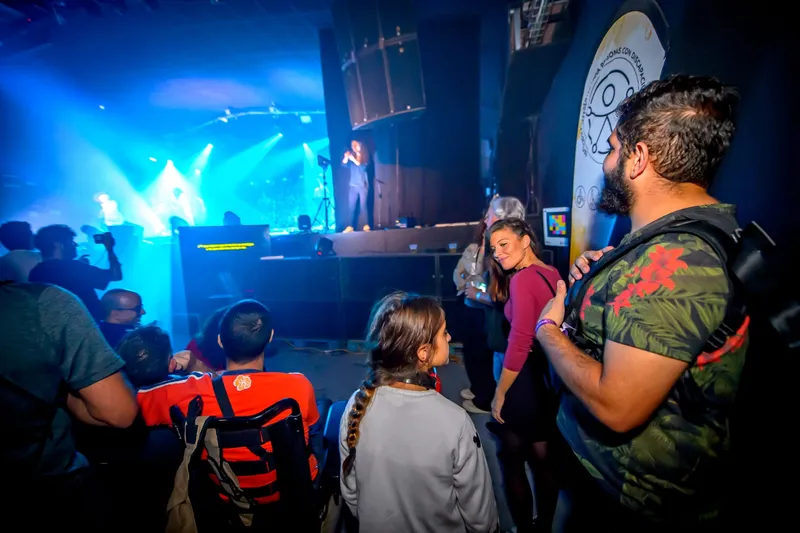
ENKI Race — Inclusion in motion
A Coruña
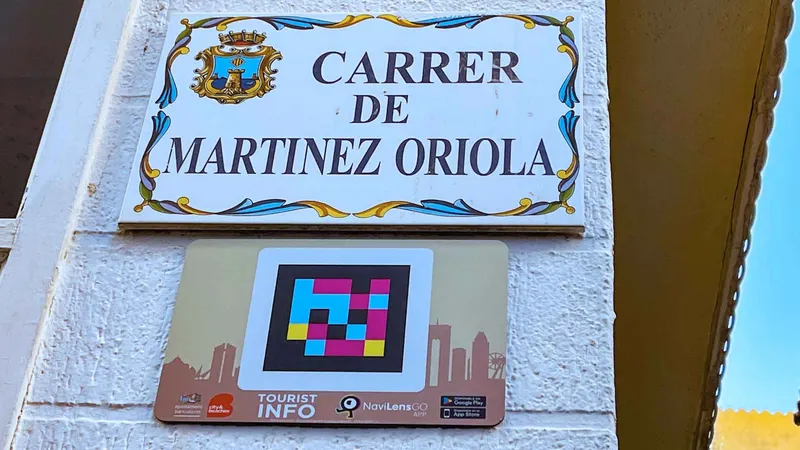
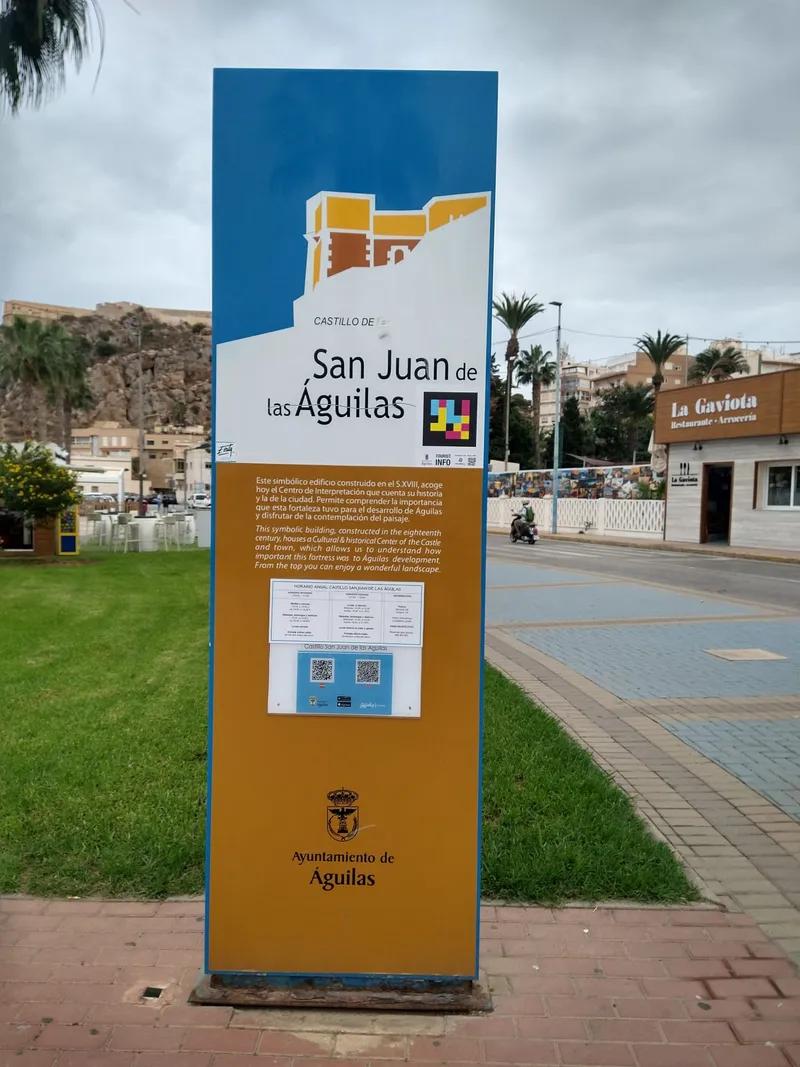 ÁguilasVisitor centres→
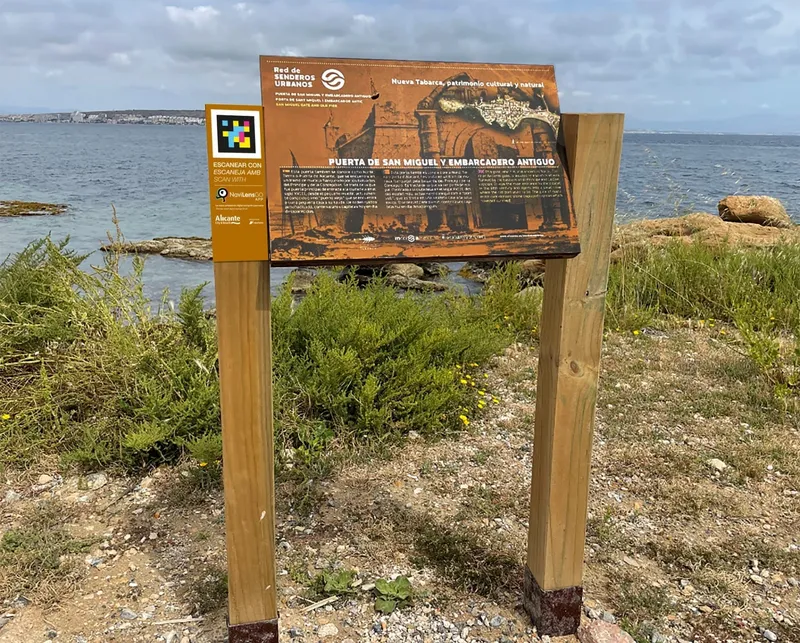
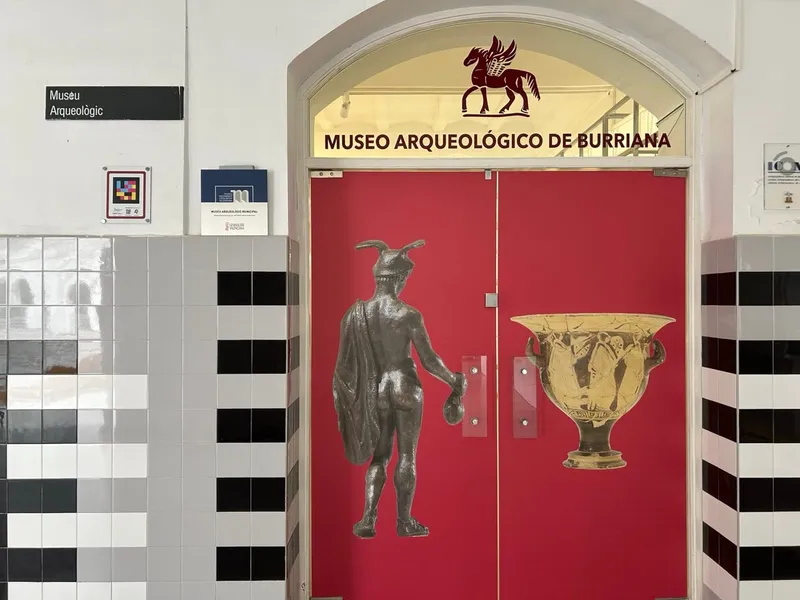
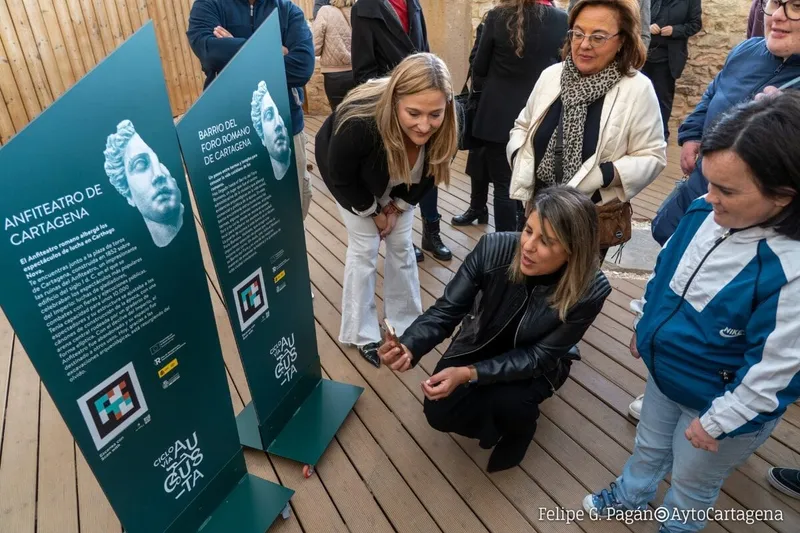
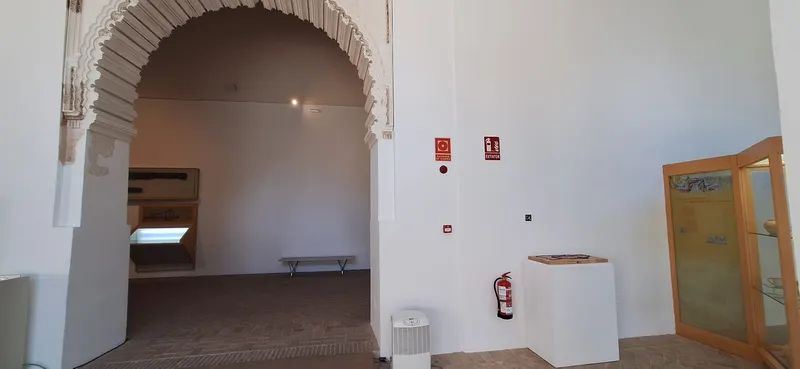
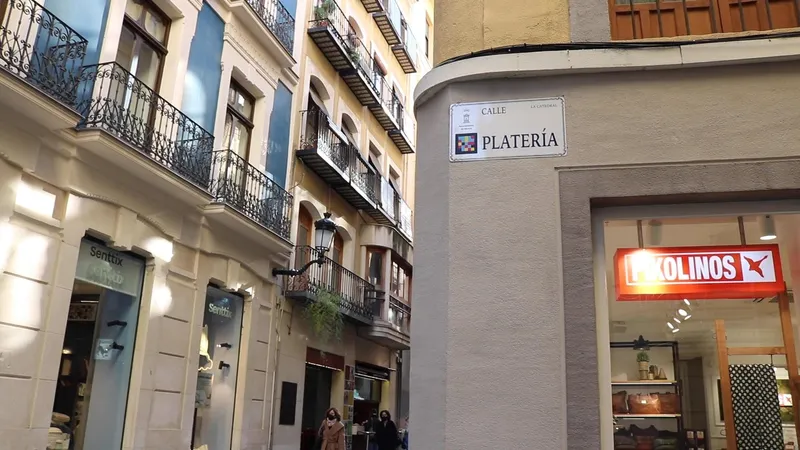
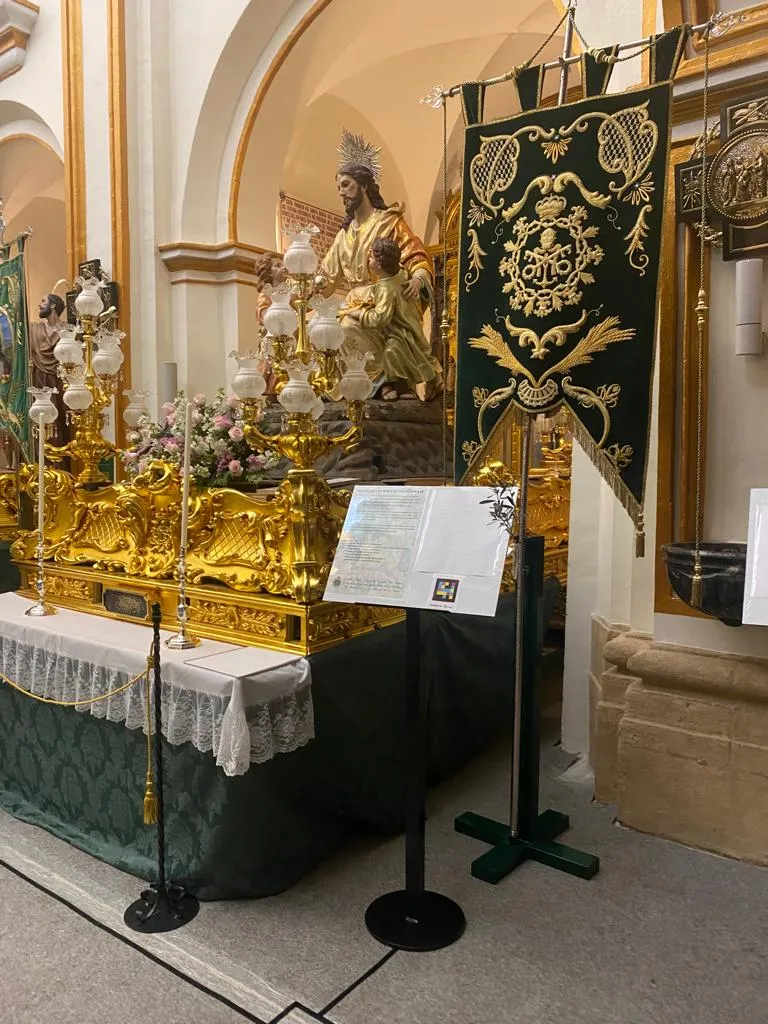
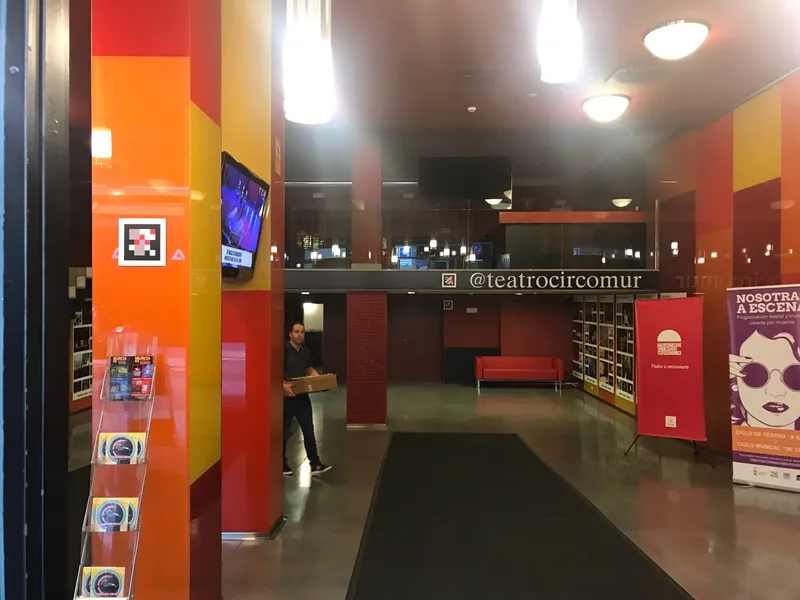
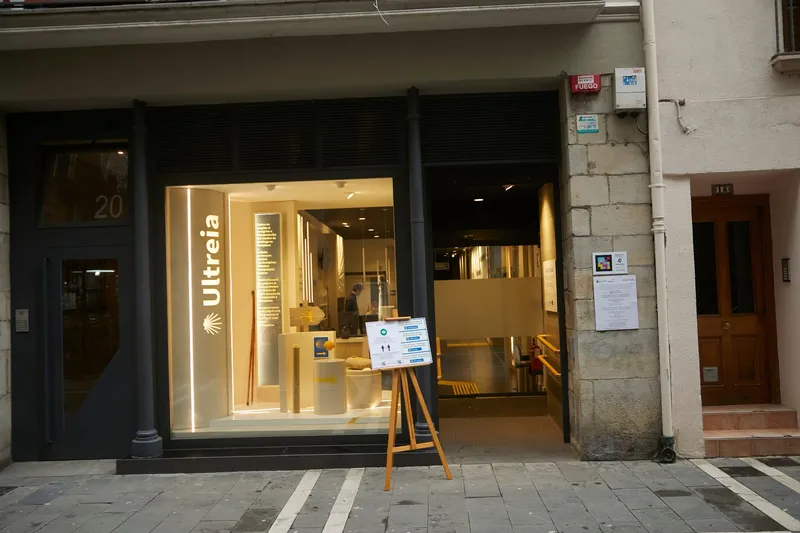
Águilas — Tourist Office
Águilas
§ Compliance
Accessibility and applicable requirements in tourism and culture
Accessibility at a destination, museum or cultural venue covers the environment, signage, information, customer service and digital channels. NaviLens improves wayfinding and access to information as part of a broader accessibility strategy.
- Equality Act 2010
Attractions, venues and visitor centres
Museums, attractions, visitor centres and parks are service providers – or exercise public functions when a council runs them – and owe disabled visitors reasonable adjustments, including information in an accessible format. NaviLens delivers that information in audio, in the visitor’s own language, with no building work.
- PSBAR 2018
Public sector websites and apps
Council-run venues and other public bodies fall under the Public Sector Bodies Accessibility Regulations 2018, which set WCAG 2.2 AA for their websites and apps. NaviLens extends that same digital accessibility into the physical visit.
- Public sector equality duty
Section 149 of the Act
Public authorities must have due regard to advancing equality of opportunity for disabled people in the way they run their services. A NaviLens deployment, with usage figures by language and information point, is documentable evidence of that regard.
§ What you can include
Accessible information at every point of the visit
Each NaviLens code becomes an accessible, updatable, multilingual information point.
- Info on artworks and exhibitions
- Accessible guided routes
- Wayfinding to points of interest
- Opening hours and venue services
- Multilingual info for international visitors
- Custom content – anything you need
§ FAQ
FAQs on accessibility in tourism and culture
§ Let's talk
We want everyone to be able to discover it.
Tell us about your destination, museum, route or cultural venue. We'll design a wayfinding and accessible-information solution, with no construction and tailored to your visit.