Case study · United States · Madison, Wisconsin
A performing arts centre you can navigate by ear.
Overture Center for the Arts in Madison, Wisconsin, adds NaviLens to its accessibility tools and opens them to the public at a free event ahead of the 2026-27 season: five venues, two Accessibility Hubs and wayfinding that no longer depends on reading the sign.
5 venues
Overture Hall, Capitol Theater, The Playhouse, Promenade Hall and Rotunda Stage under one roof
2 hubs
Accessibility Hubs: Rotunda lobby and lower level, next to The Playhouse
12 m
Distance at which the app detects each code (12 m), no need to aim
42
Languages · audio, text and sign language
The client
Overture Center for the Arts
— Madison, Wisconsin
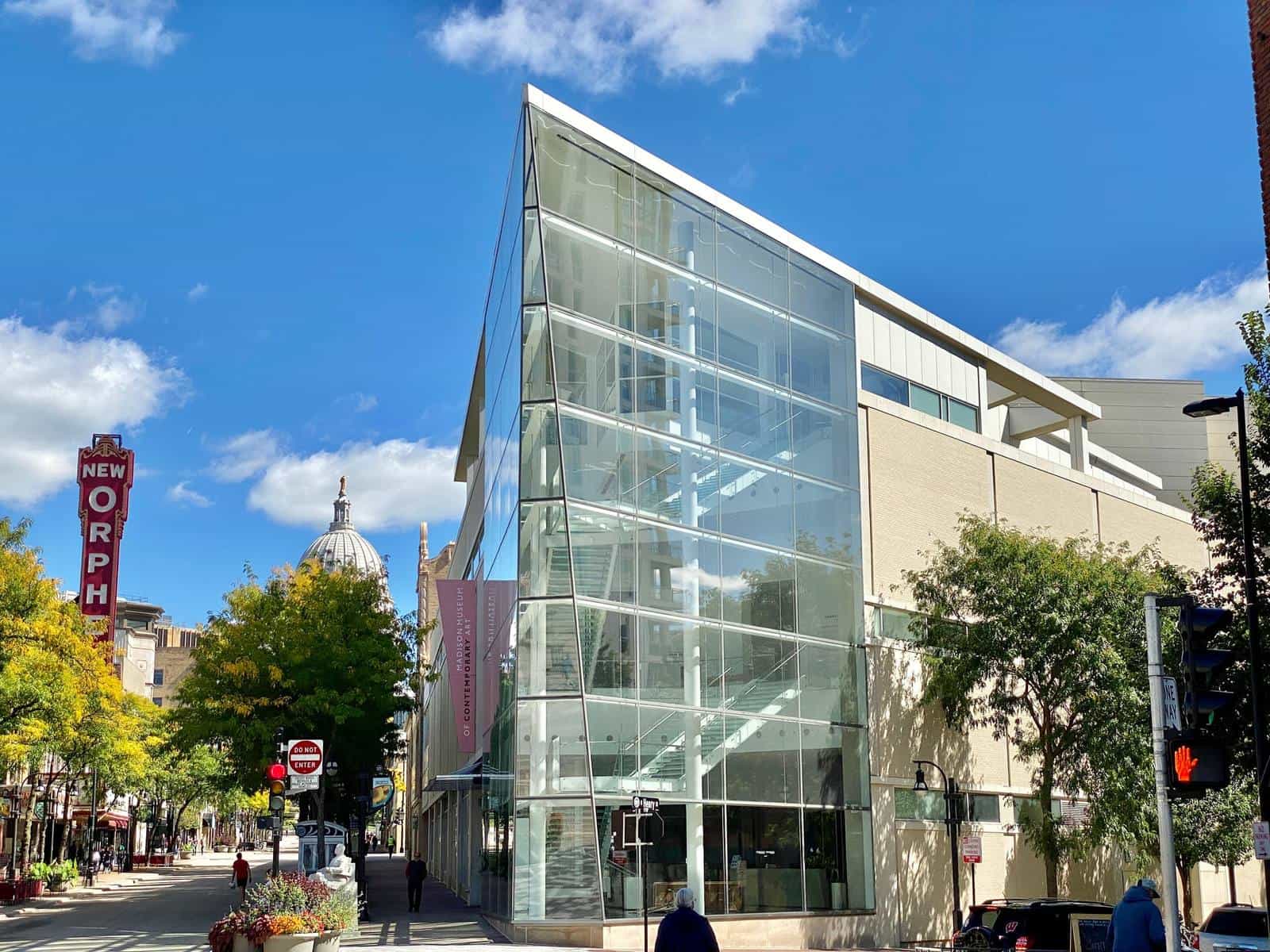
Overture Center for the Arts opened in 2004 at 201 State Street, between the Wisconsin State Capitol and the university campus. Designed by César Pelli and built with a gift from Jerome Frautschi and Pleasant Rowland, it brings together five venues – the 2,255-seat Overture Hall, the 1927 Capitol Theater, The Playhouse, Promenade Hall and Rotunda Stage – plus art galleries and the Madison Museum of Contemporary Art.
It is home to the Madison Symphony Orchestra, Madison Opera, Madison Ballet, the Wisconsin Chamber Orchestra and Forward Theater Company, and the Broadway touring stop in Wisconsin's capital.
Accessibility already had a structure of its own: two Accessibility Hubs where guests borrow audio description receivers, assistive listening devices, braille and large-print programmes or sensory kits, an Accessibility Assistance Line and KultureCity sensory-friendly certification. NaviLens is the missing piece: getting around the building without sight.
§ The challenge
Getting to your seat should not be the hard part of the night.
- 01
Four levels of lobbies designed for the eye
Box office, lifts, toilets, the two Accessibility Hubs and the doors to five venues are spread across four floors. All of that information is printed: for a blind or low-vision guest, finding the right door meant asking for help at every step.
- 02
A lobby before curtain is noise and hurry
Overture's lobbies are bustling public spaces, as the centre itself acknowledges when it recommends noise-cancelling headphones there. Asking an usher among hundreds of people, with the curtain about to rise, is not always possible.
- 03
The ADA requires access; confidence has to be earned
The Americans with Disabilities Act requires theatres and concert halls to welcome people with disabilities. Overture's goal goes beyond compliance: every guest should leave confident enough to come back for the next performance.
§ The solution
A building that announces itself in the language of whoever walks in.
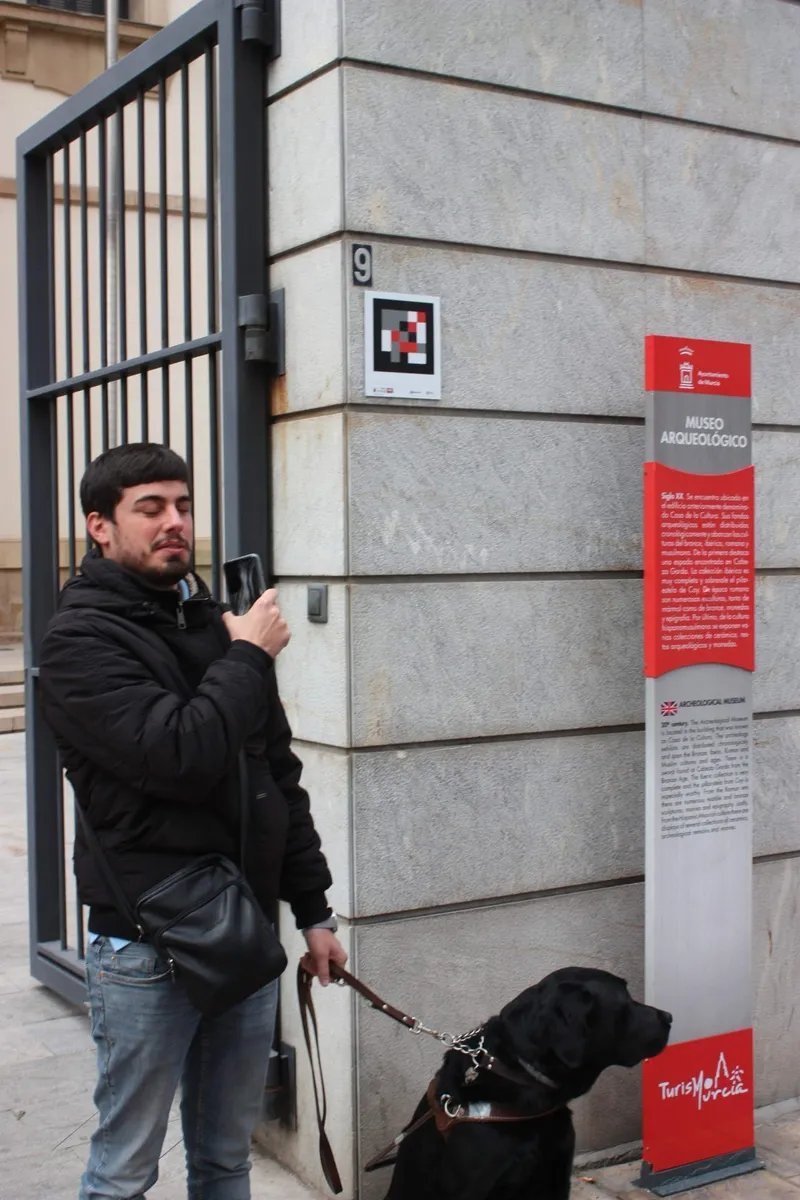
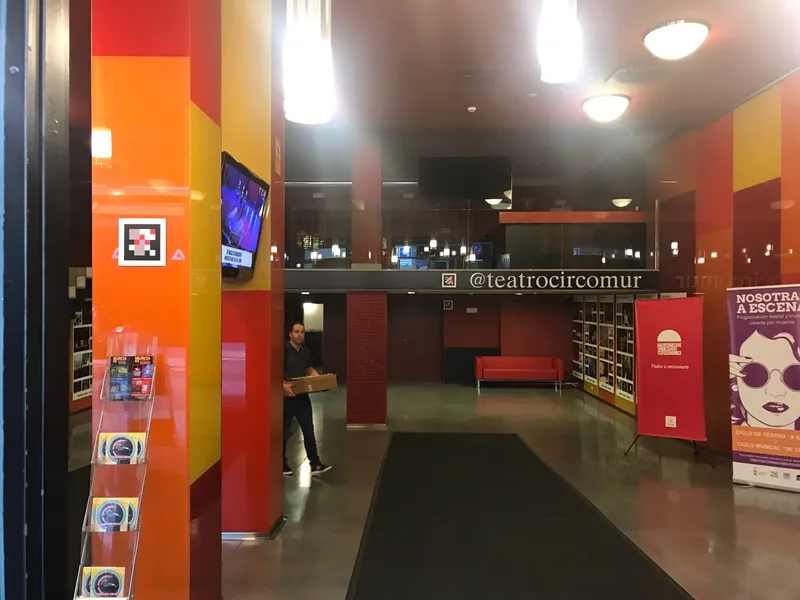
Overture Center adds NaviLens to its catalogue of accessibility tools: colourful codes on the Accessibility Hub signs and on wall panels in the lobbies. They are read with the free app from more than 12 metres away, without aiming and without knowing where they are, and deliver the information as audio, text and sign language.
Each code speaks 42 languages, so the same sign serves the Madison season-ticket holder and the visitor who comes to town for a Broadway show.
On 14 September 2026, the day before announcing the season, the centre opened its doors free of charge to people with accessibility needs and their companions: they toured the theatres with the guest services team and tried NaviLens alongside audio description and assisted listening.
§ Timeline
From the concert hall to the accessible lobby.
- 2004
Overture Center opens
On 19 September 2004, César Pelli's building on State Street opens, funded by Jerome Frautschi and Pleasant Rowland. It replaces the Madison Civic Center and incorporates the 1927 Capitol Theater.
- Accessibility Hubs
Two accessibility points
The centre opens two Accessibility Hubs, in the Rotunda lobby and on the lower level next to The Playhouse: free loans of audio description receivers, assistive listening devices, braille programmes and sensory kits, plus KultureCity certification.
- 2026-27 season
NaviLens joins the catalogue
Overture adds NaviLens to its accessibility tools so blind and low-vision guests can find their way around the building on their own, alongside ASL interpretation, captioning, audio description and relaxed performances.
- 14 Sep 2026
Accessible Season Announcement & Inclusive Celebration
Free event from 6:30 to 8:30 p.m. for people with accessibility needs and their companions: theatre tours, meeting the staff and trying NaviLens, audio description and assisted listening. Covered by WMTV 15 News and Channel 3000.
§ The building
From State Street to the Rotunda atrium.
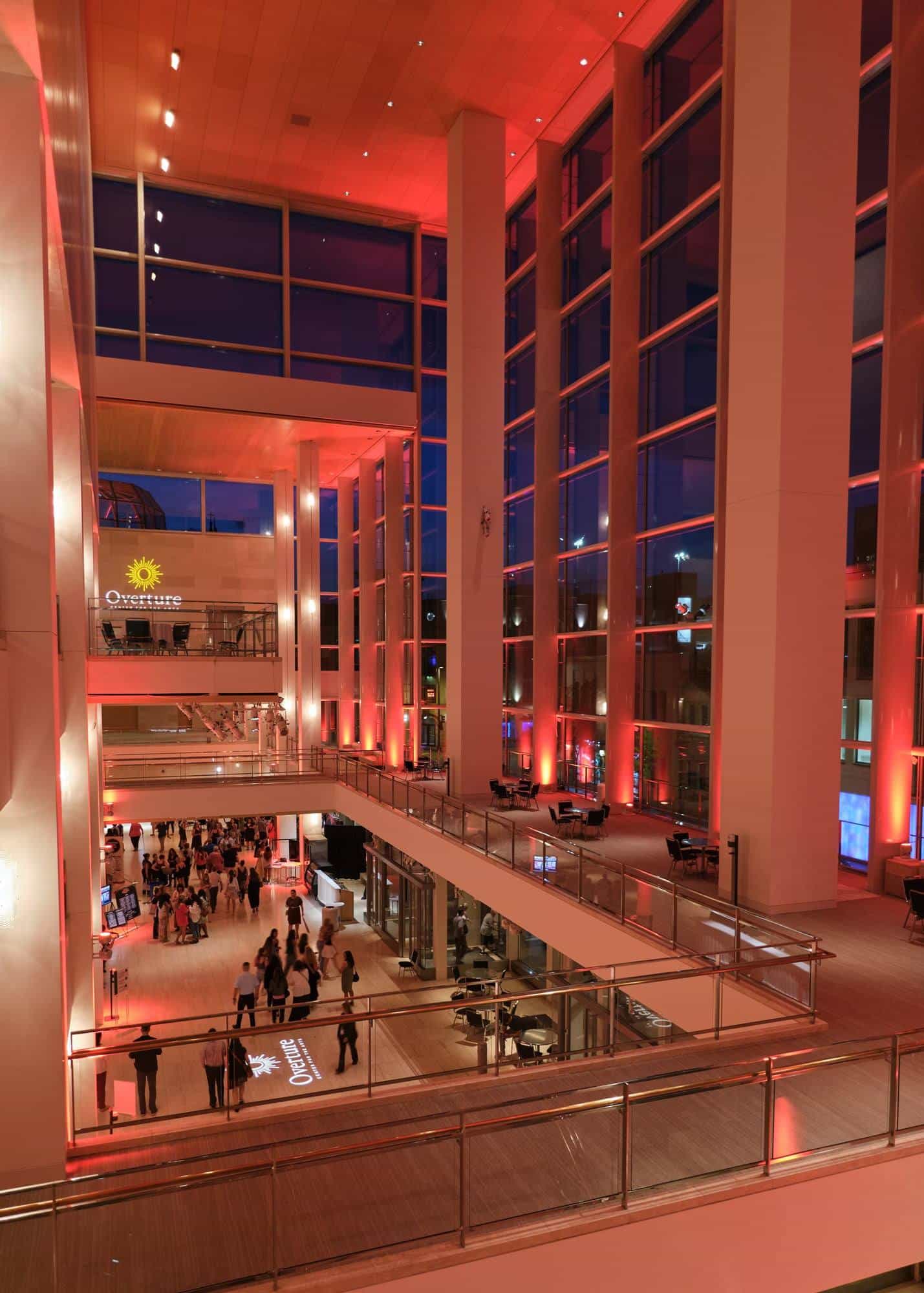
Atrium
The Rotunda lobby, full house
The main lobby opens over several levels and fills up after every performance. This is where the first Accessibility Hub sits, on the main level: the spot where guests pick up receivers and braille programmes and where the team answers any access request.
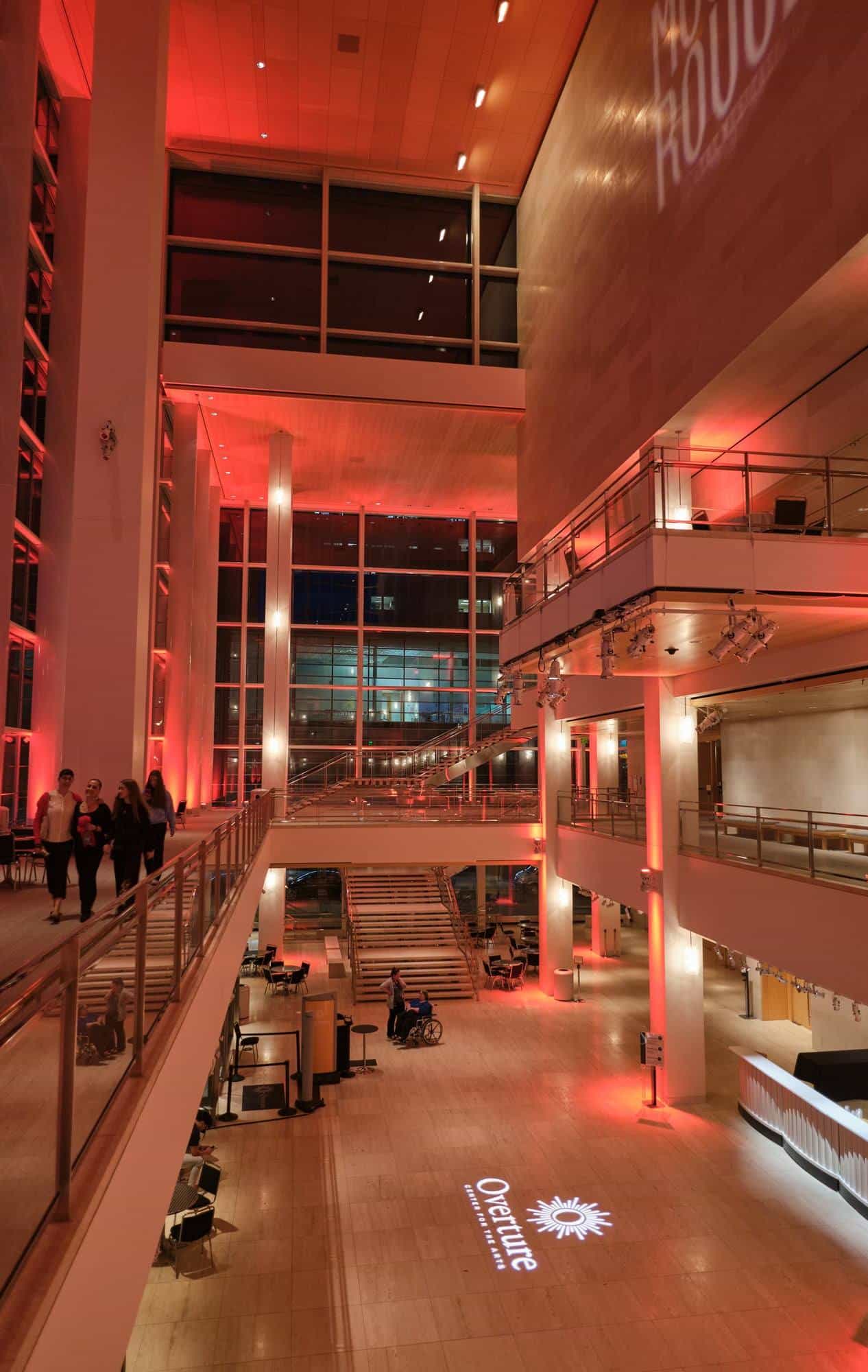
Accessibility
A wheelchair user crosses the atrium
Transfer seats in every venue, courtesy wheelchairs and accessible toilets on all four levels. NaviLens voice wayfinding completes that route for anyone who cannot read the signs.
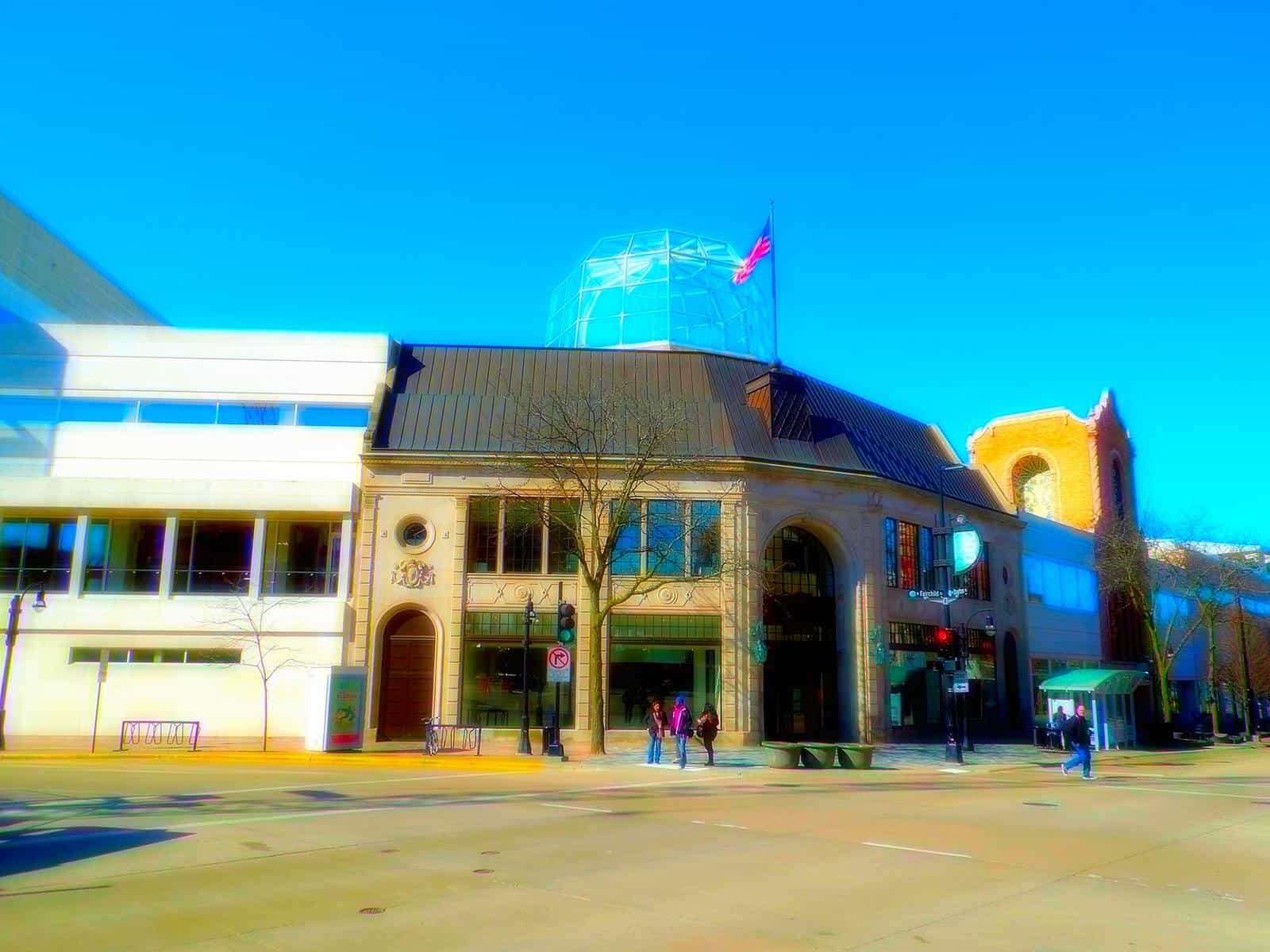
Entrance
The State Street entrance
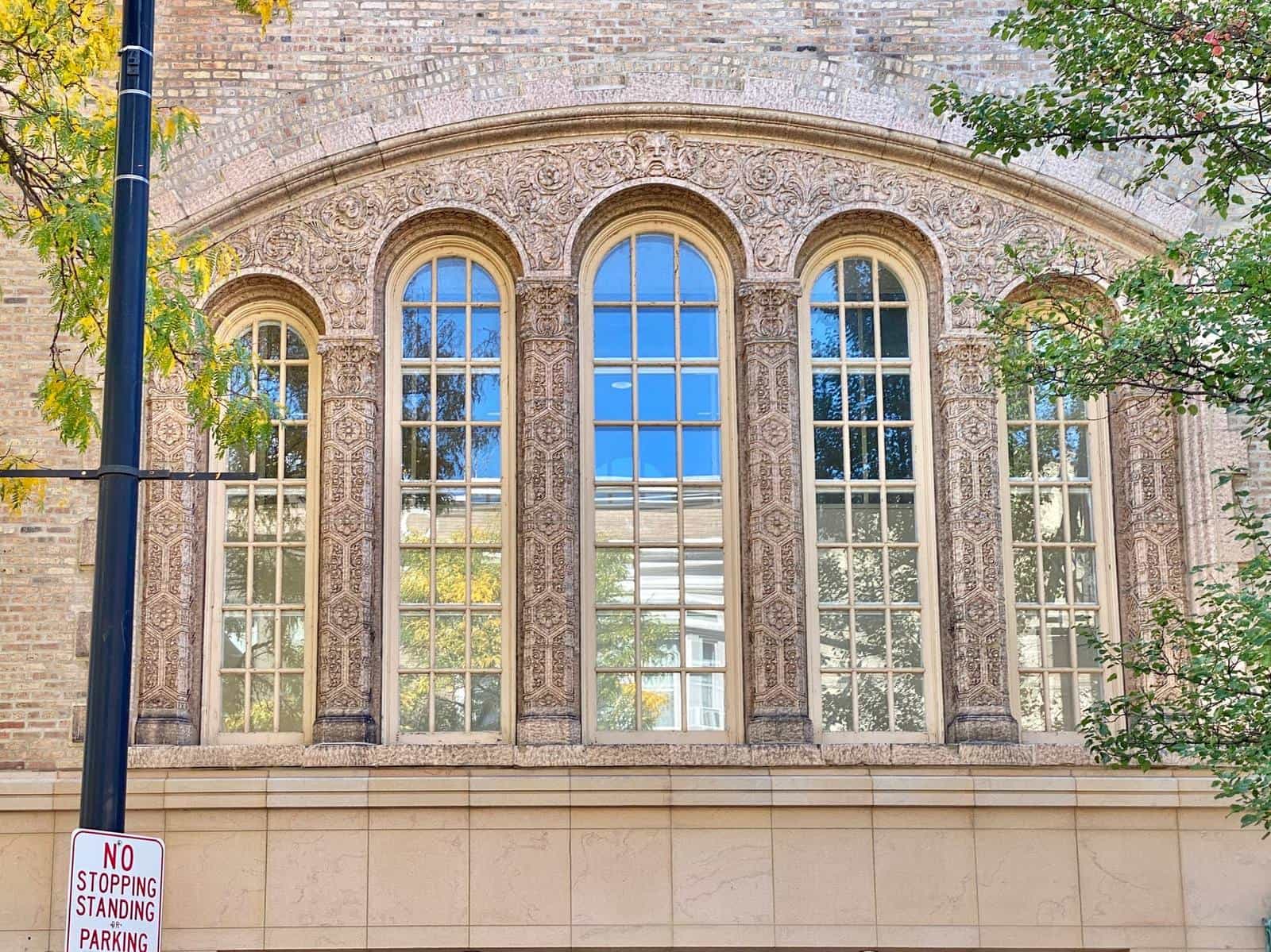
The main door at 201 State Street, with Pelli's glass dome above the old Capitol Theater facade. Two blocks from the Wisconsin State Capitol, it is where the route begins for guests arriving on foot from downtown.
Photos: Warren LeMay (CC BY-SA 2.0), Chris Rycroft (CC BY 2.0) and Corey Coyle (CC BY 3.0), via Wikimedia Commons.
§ Results
Coming back for the next show with the same confidence.
5 venues
With NaviLens among the accessibility tools of the performing arts centre in Wisconsin's capital
42
Languages for the Madison season-ticket holder and for out-of-town guests coming for a Broadway show
1 evening
Free and open to try the tools before the season, with the guest services team right there
§ What they said
“We want every guest—especially disabled guests—to feel comfortable and confident to return for future performances.”
“We want to make sure… you can come in here and know that it's a safe place and it's an environment that is accepting and friendly.”
§ And your destination?
Your destination can also guide in 42 languages.
Tell us about your trails, visitor centres, landmarks or galleries. We’ll show you how NaviLens would make your offering accessible – with comparable cases.