§ Sector — Tourism & Culture
Accessible tourism, museums and culture
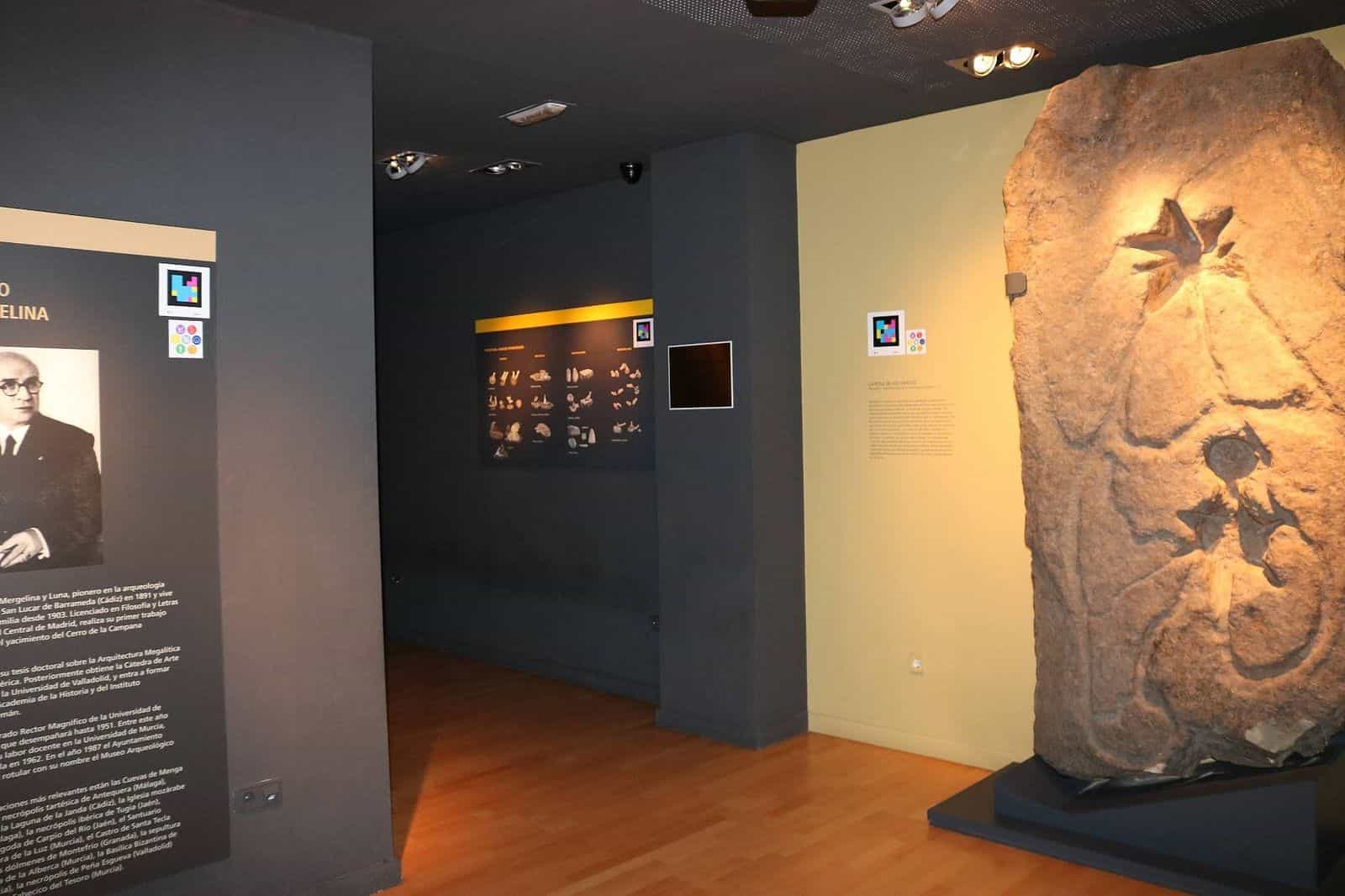
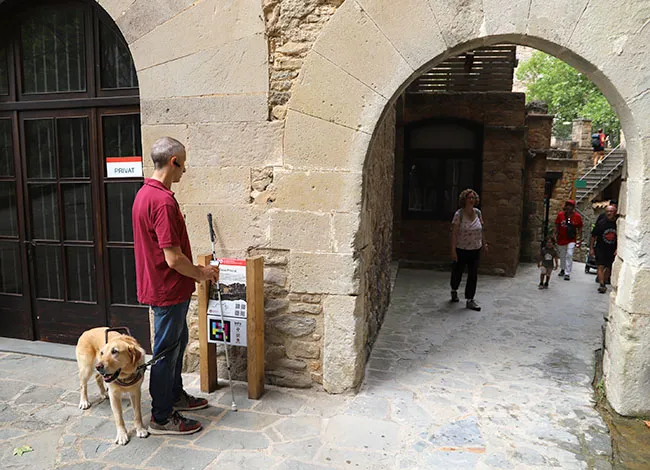
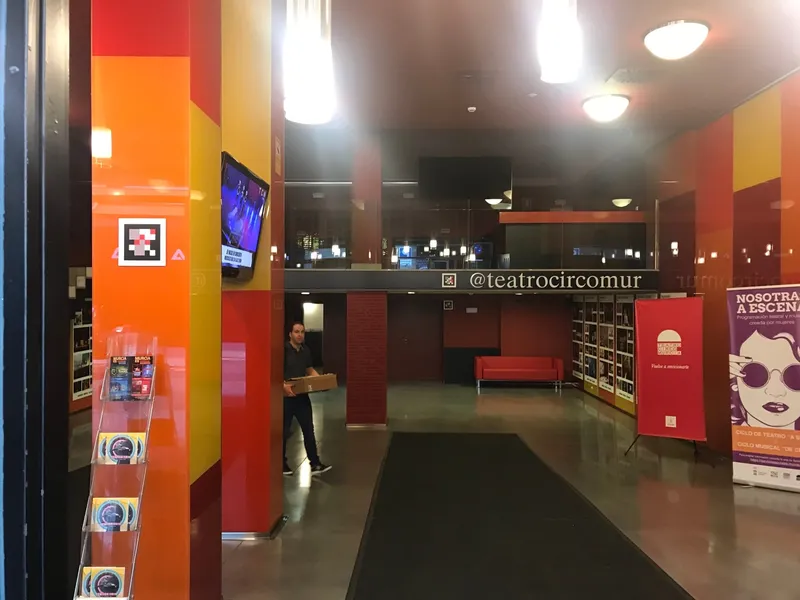
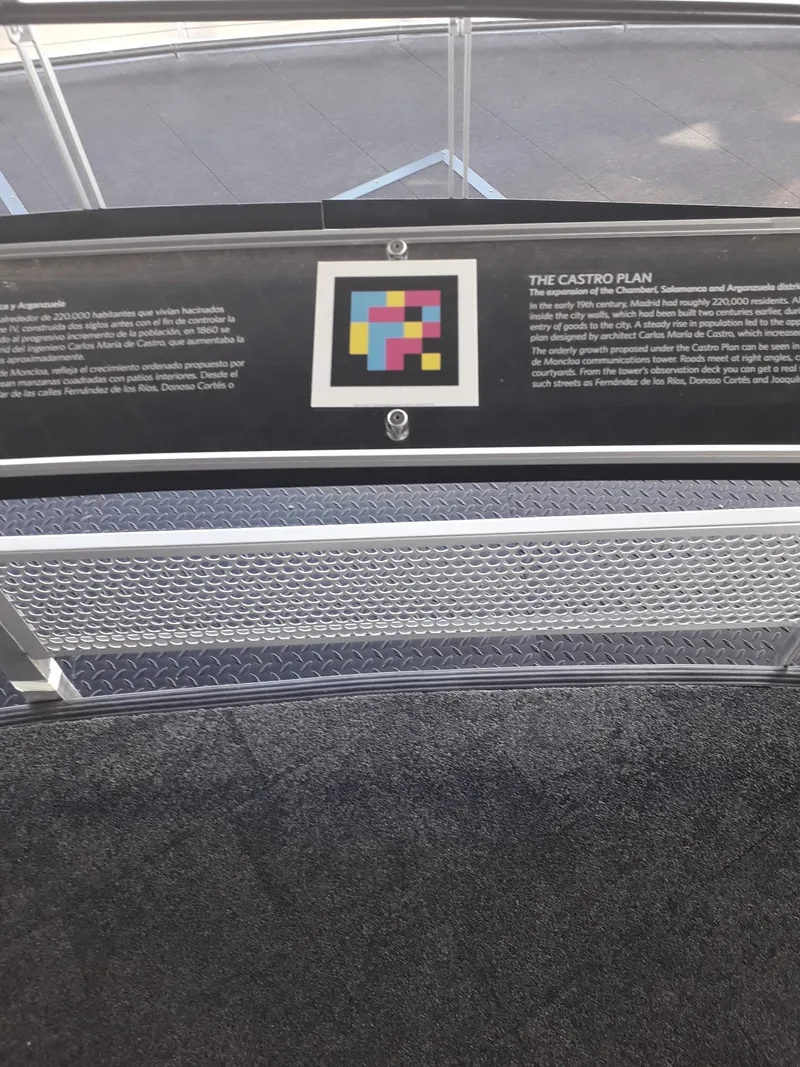
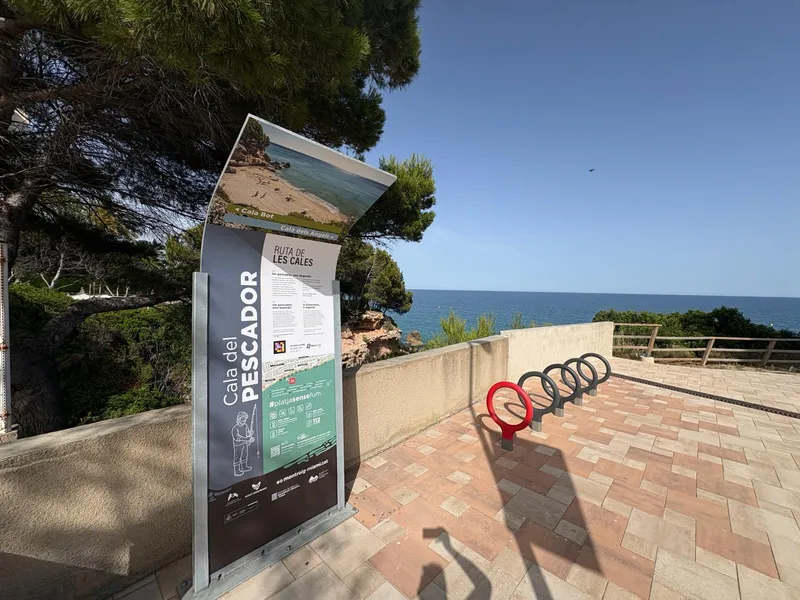
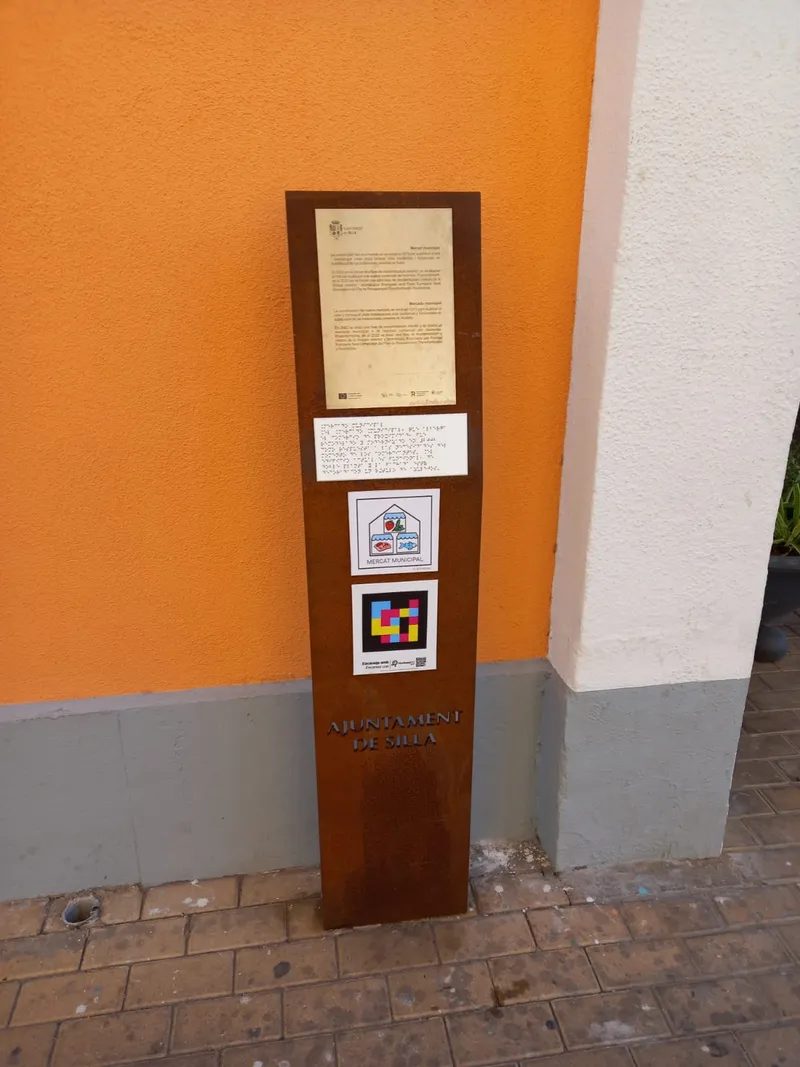
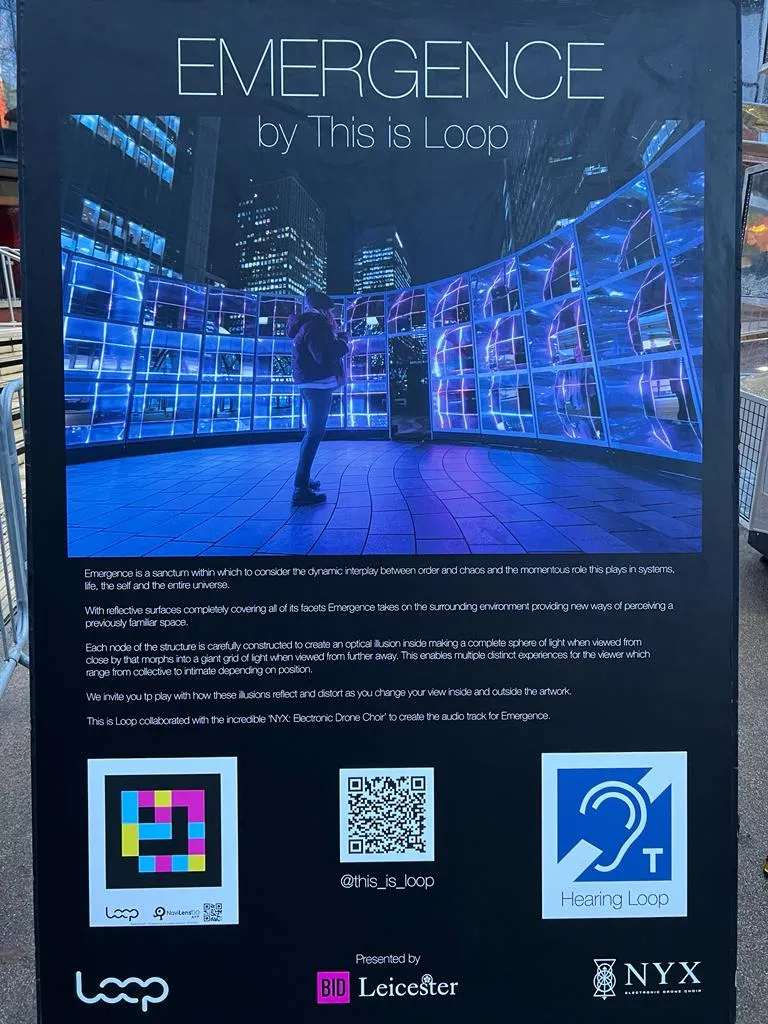
NaviLens improves wayfinding and access to information at tourist destinations, museums, routes, monuments and cultural venues. It delivers accessible, multilingual content so every visitor can discover, navigate and enjoy the space more independently.
- 12×
- Farther than a QR code
- 42
- Languages with audio output
- <1s
- Detection time
- 160°
- Code capture angle
§ Why NaviLens in tourism
Wayfinding and accessible information throughout the visit
- 01
Useful information at every stop
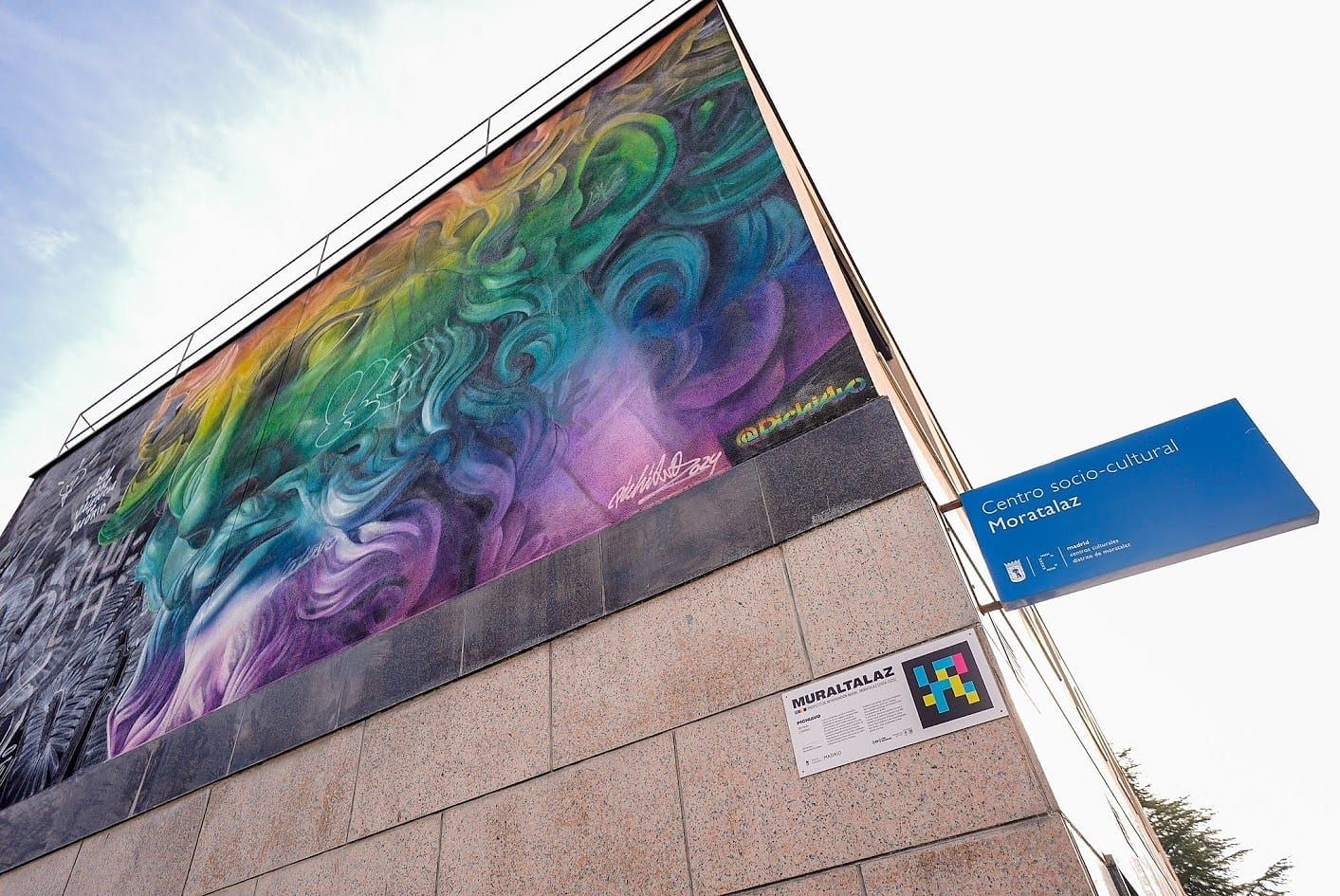
NaviLens lets you offer clear, accessible contextual information at tourist and cultural points of interest. Every visitor can access it in their language and preferred format, finding their way more easily in unfamiliar environments.
- 02
Easier access to culture
In museums, exhibitions, routes or destinations, NaviLens makes information available in real time. A solution to understand, navigate, discover and enjoy each space more independently.
- 03
Information that travels with the experience
From wayfinding and routes to context content or services, NaviLens codes help visitors move, decide and make the visit smoother end to end.
§ How we roll it out
From assessment to an accessible venue.
A simple process with no service interruption and no construction. End-to-end in 1–3 weeks.
- 01
Venue assessment
We study your destination, museum or cultural venue: routes, points of interest, existing signage and accessibility needs.
1–3 days
- 02
Signage design
We design the location, size and content of each NaviLens code so it fits the venue's visual identity.
3–5 days
- 03
Install
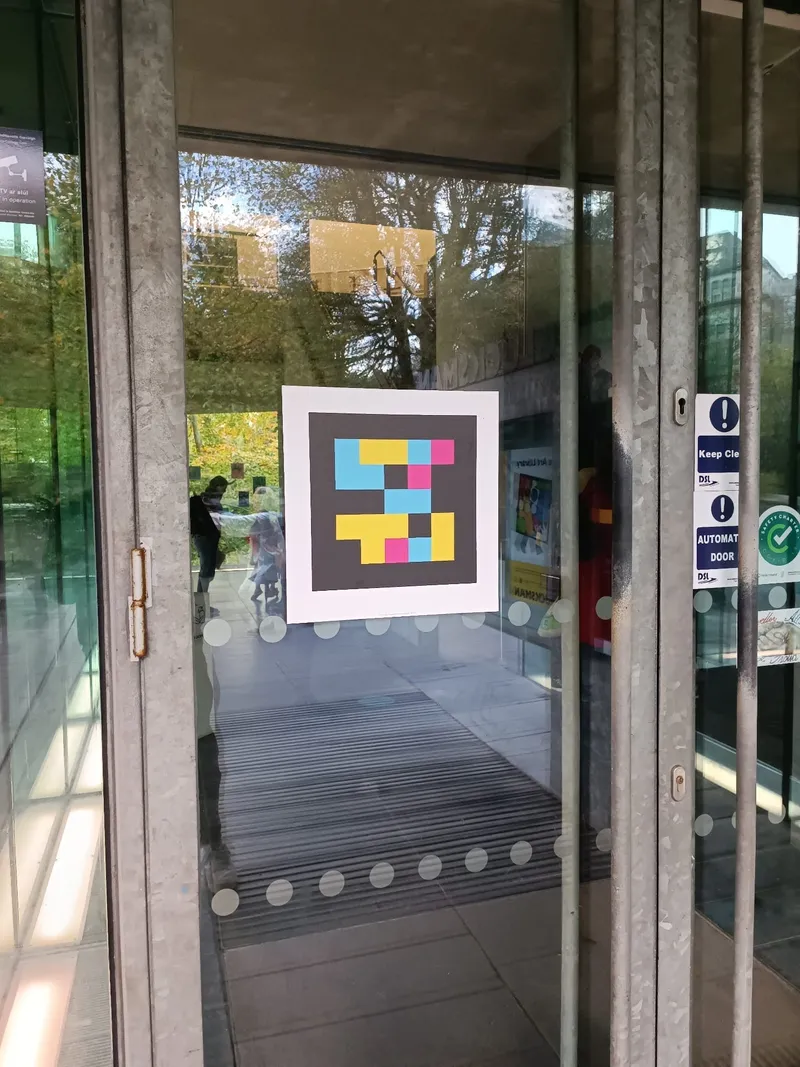
We produce and install the codes with no construction and no interruption to operations. No wiring, no power required.
1–2 days
- 04
Measure & iterate
Dashboard with usage data, most-requested languages, hotspots and accessibility metrics. We adjust with you.
Ongoing
§ Featured story
History Museum on the Square · Springfield, MO
A local history museum that any visitor can walk on their own.
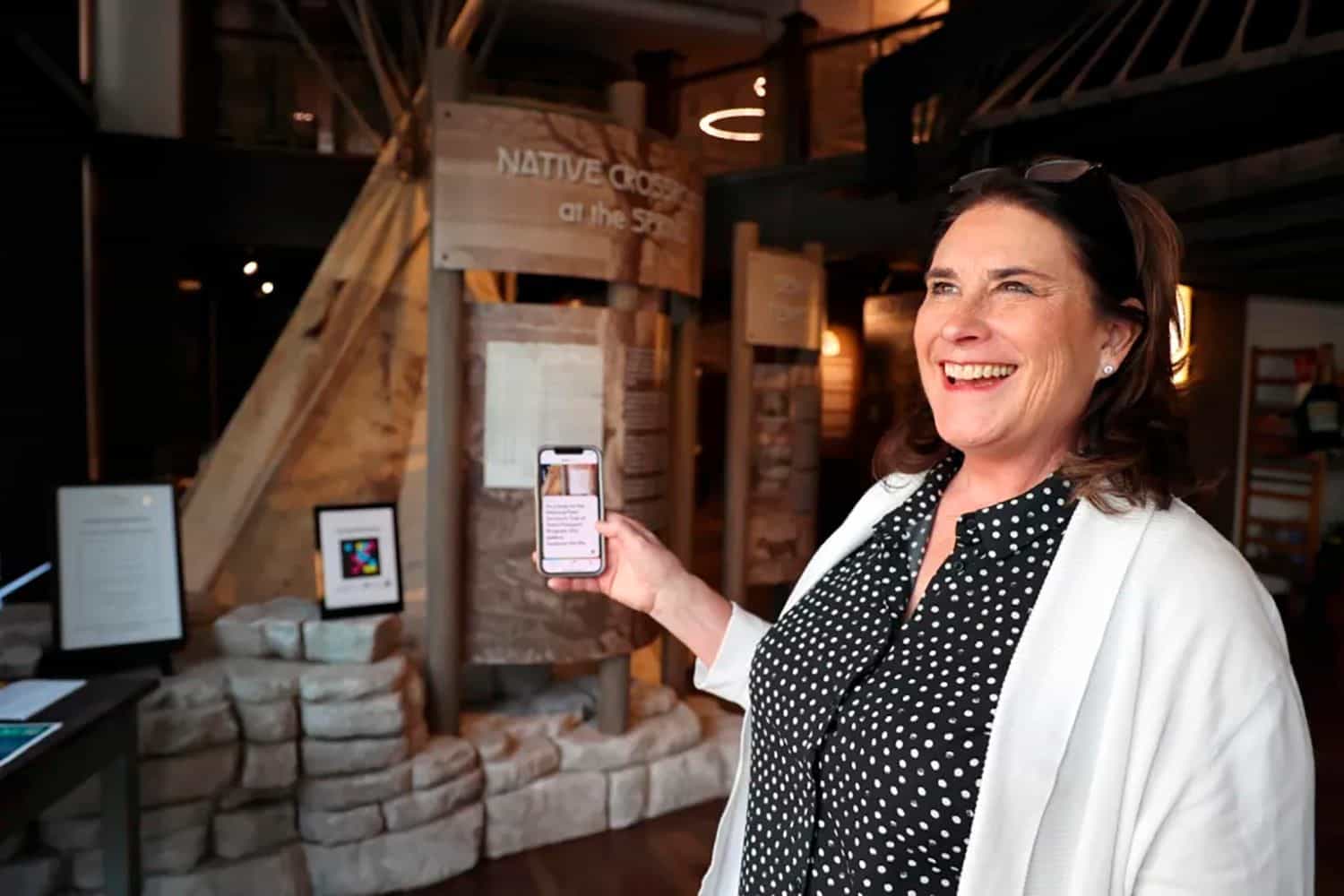
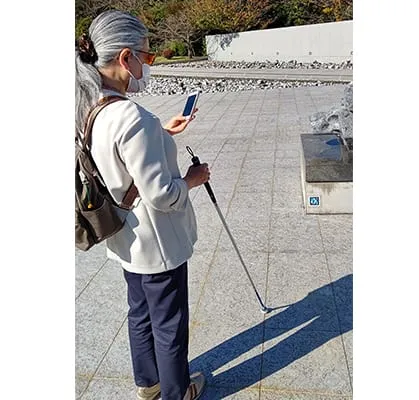
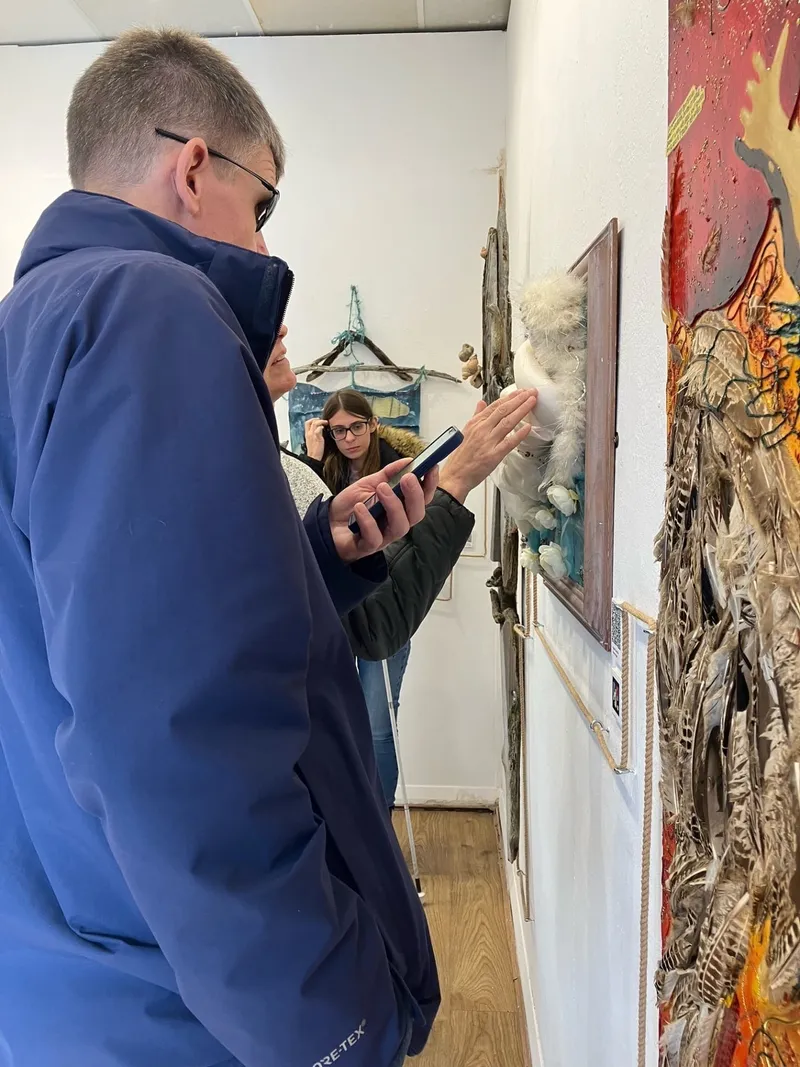
Working with Mary's Braille International, the History Museum on the Square put NaviLens codes on the facade, at the front desk and beside the exhibits—Native Crossroads, the Trail of Tears passport program and the rest of the galleries. Blind and low-vision visitors get the interpretive text read aloud on their own phone, with no docent, no headset to check out and no changes to the exhibit design.
§ In their own words — Tourism & Culture
What managers of destinations and cultural venues are saying.
- DubaiOriginal quote in English
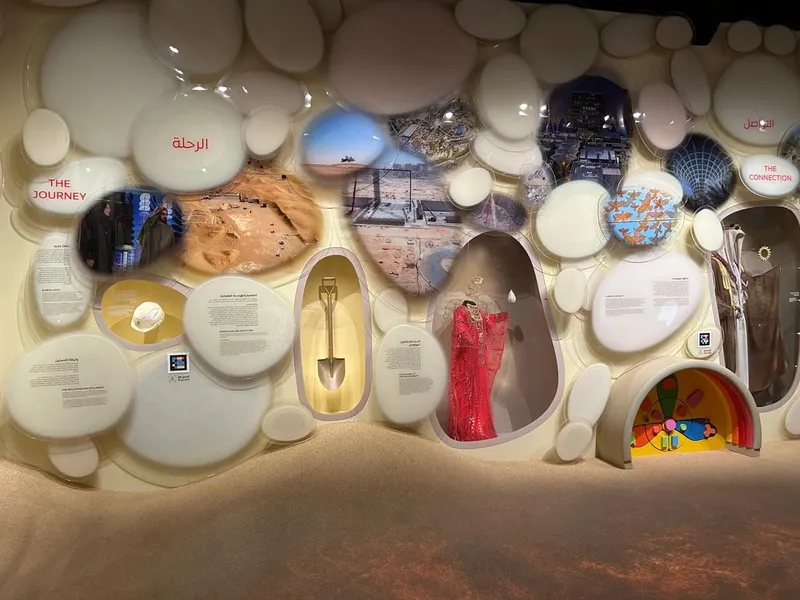
Expo City Dubai, a long-time client of Direct Access, has installed the first tactile map on its site at the Museum for Expo 2020… ensuring accessibility to people who are visually impaired and/or registered blind.
Direct Access
Universal Design Access Consultants · Expo 2020 Dubai & Expo City
- OsakaOriginal quote in English
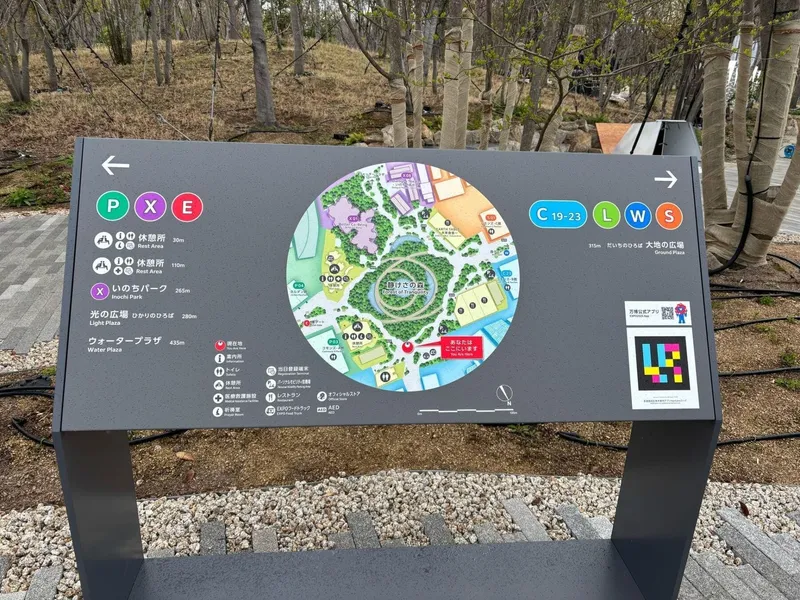
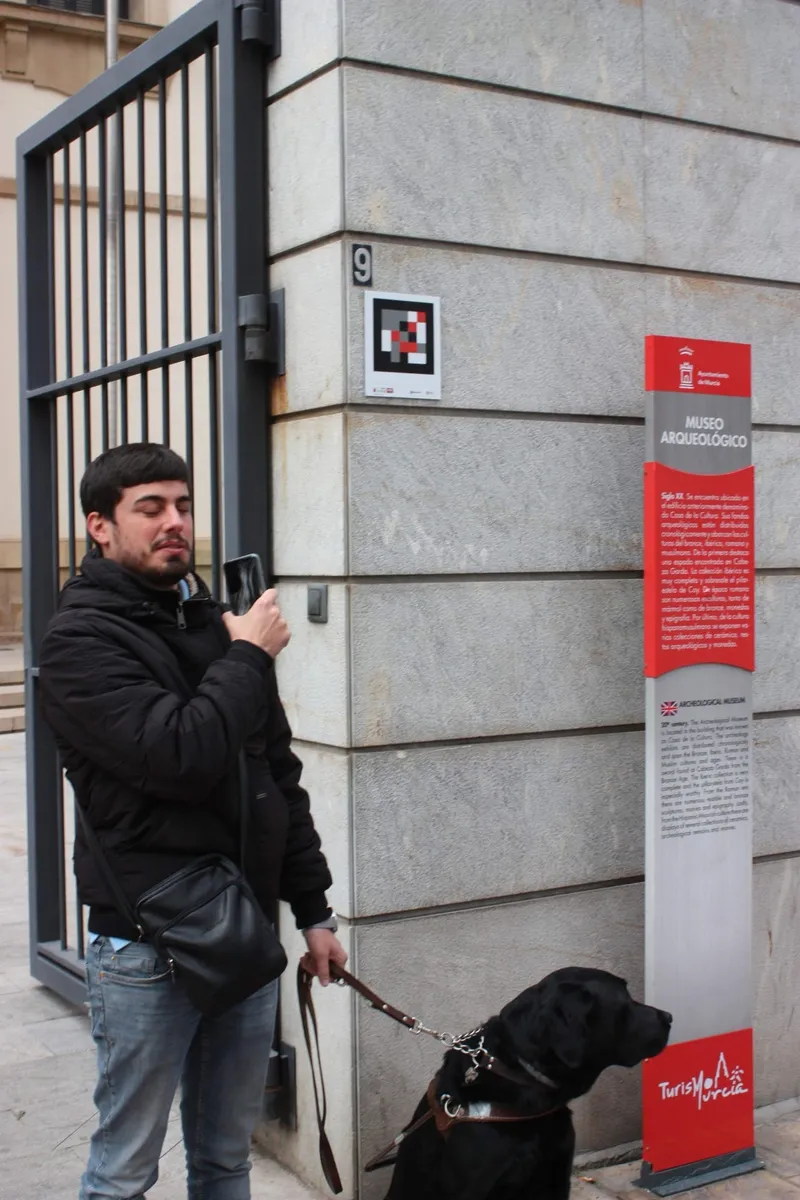
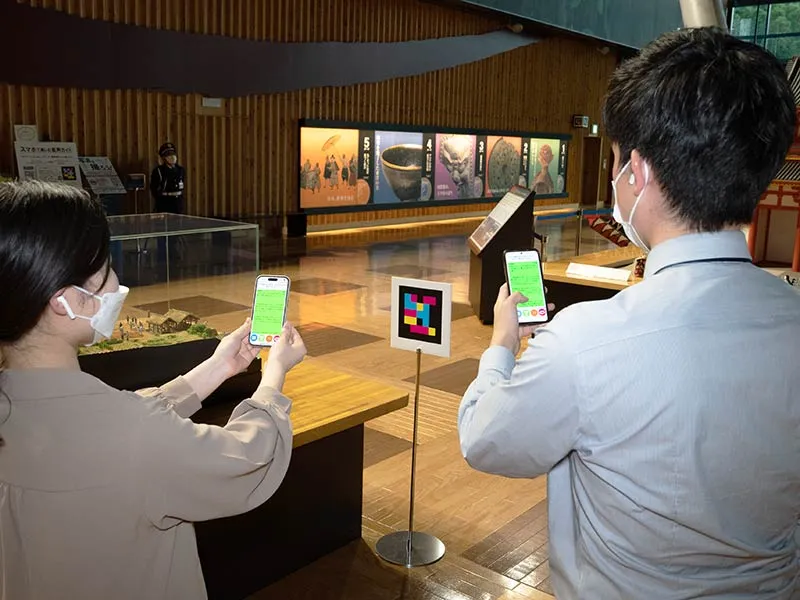
NaviLens multilingual voice guidance app — the code is detected from several yards away with the phone camera, and the sign's information is read aloud in the visitor's own language.
EXPO 2025 Osaka, Kansai, Japan
Official website · Universal Services & Support · Various Facilities
- FlorenceOriginal quote in English
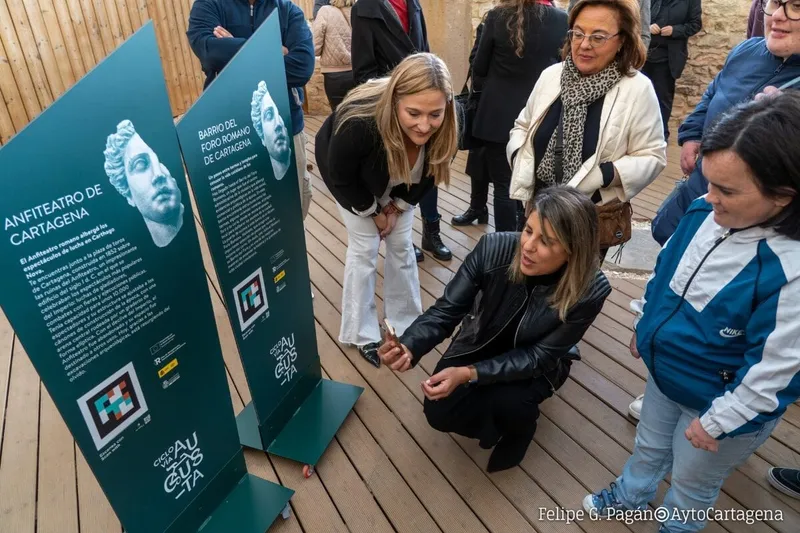
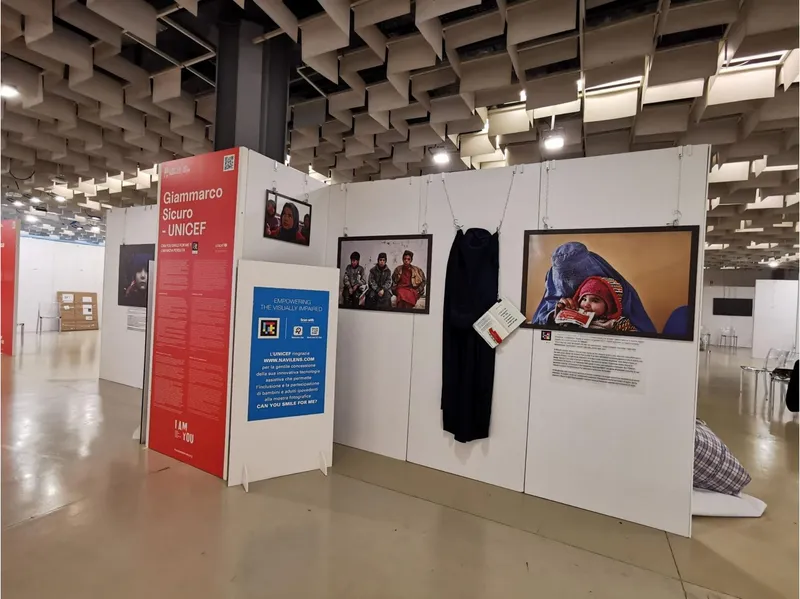
For the first time in Italy, the exhibition uses NaviLens technology, allowing visually impaired visitors to access informational content via smartphone.
SOGAER — Aeroporto di Cagliari
Sulla riproposizione della mostra all'aeroporto di Cagliari
§ Success stories
Destinations, museums and routes running with NaviLens.
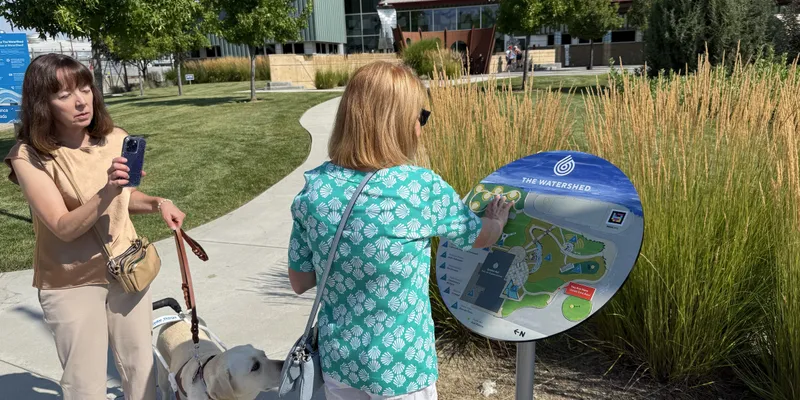
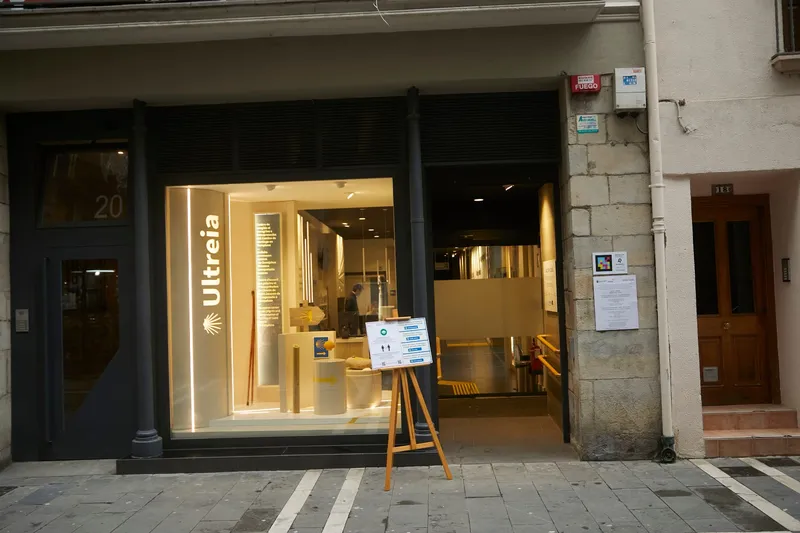
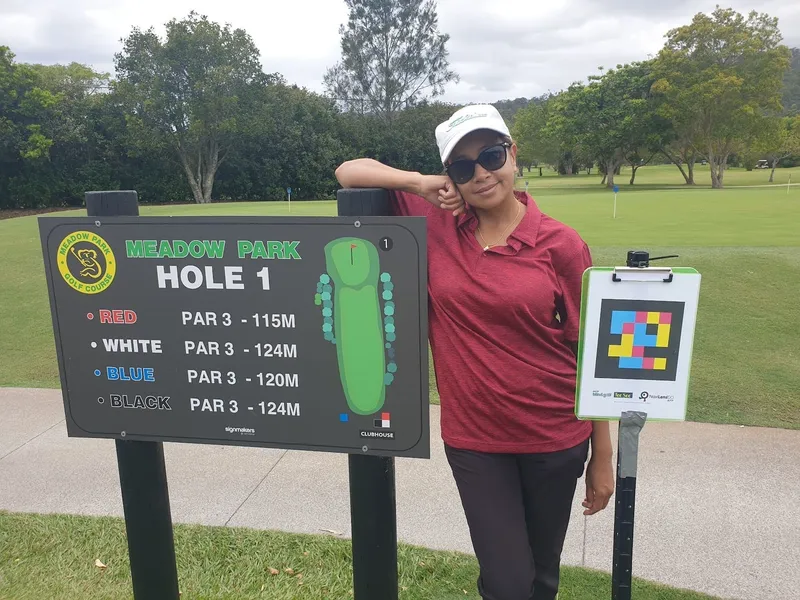
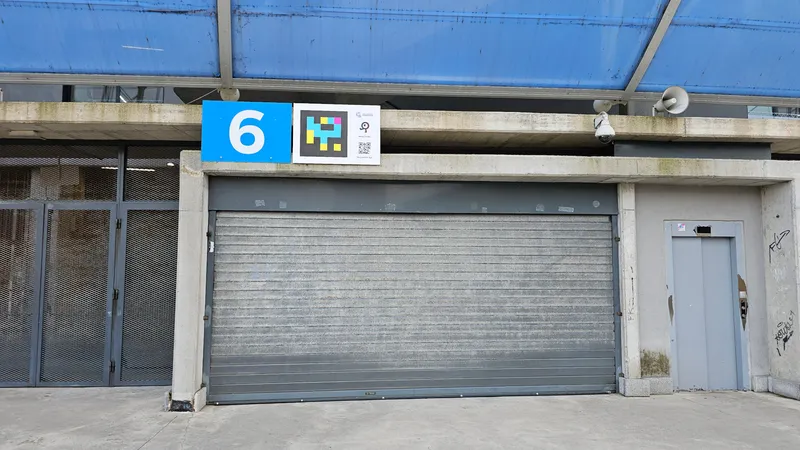
Each card is a destination, trail or cultural venue where NaviLens already guides its visitors. Open one to see how we did it.
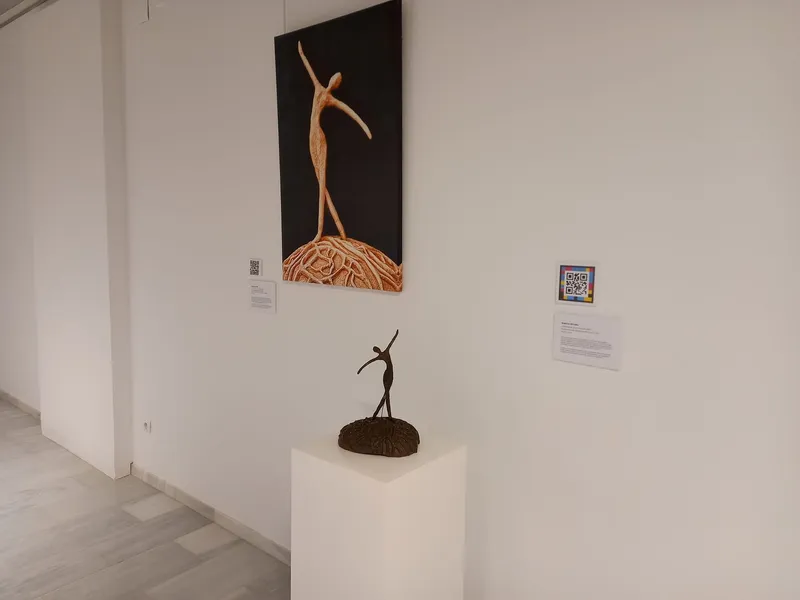
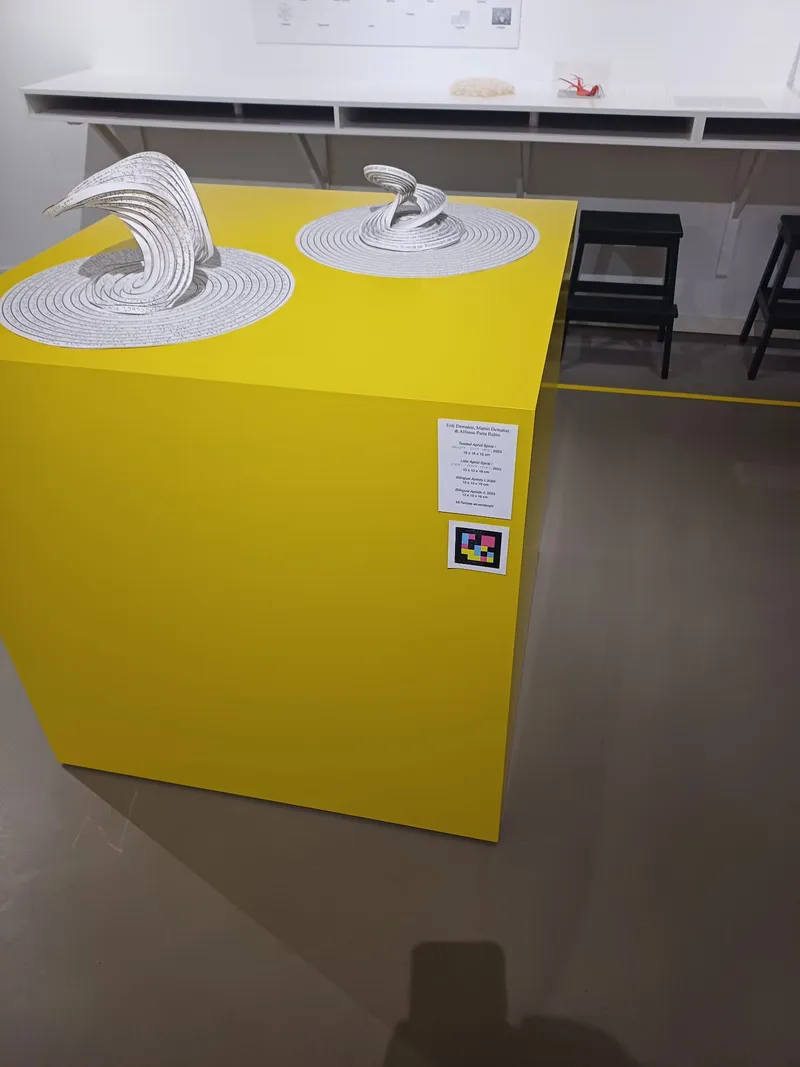
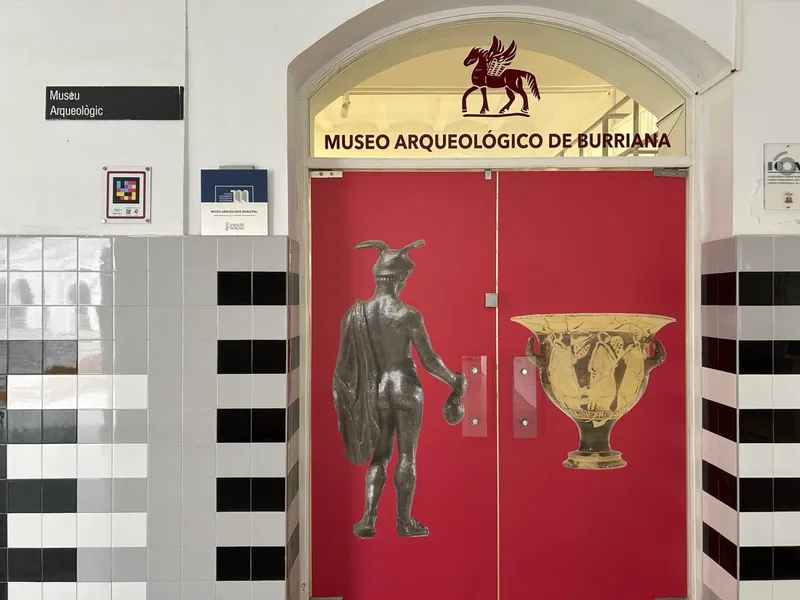
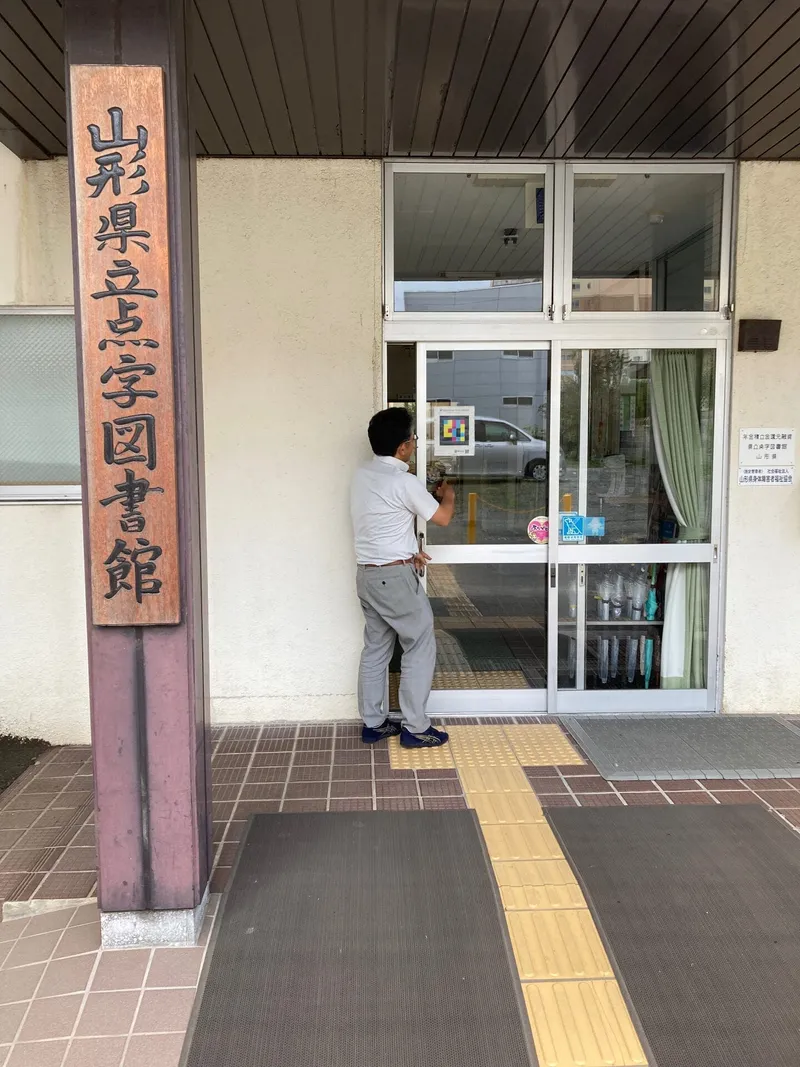
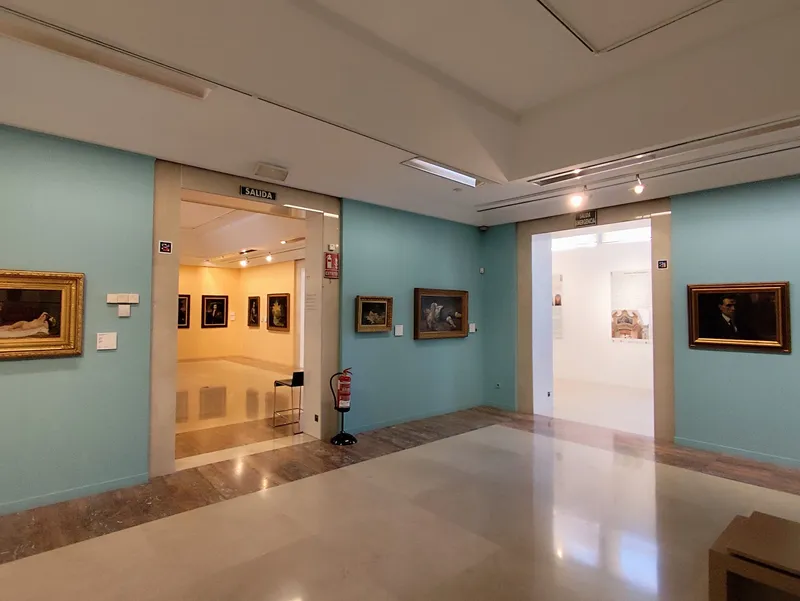
 Springfield (MO)Museums→
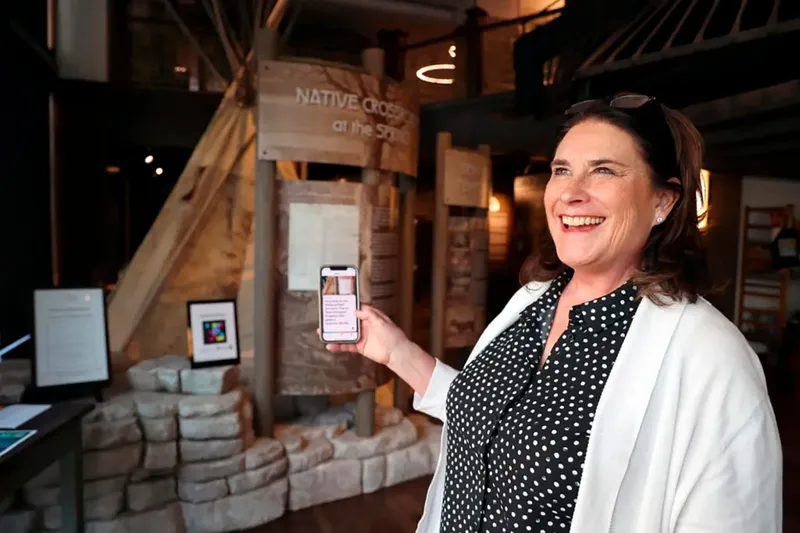
History Museum on the Square — NaviLens with Mary's Braille International
Springfield (MO)
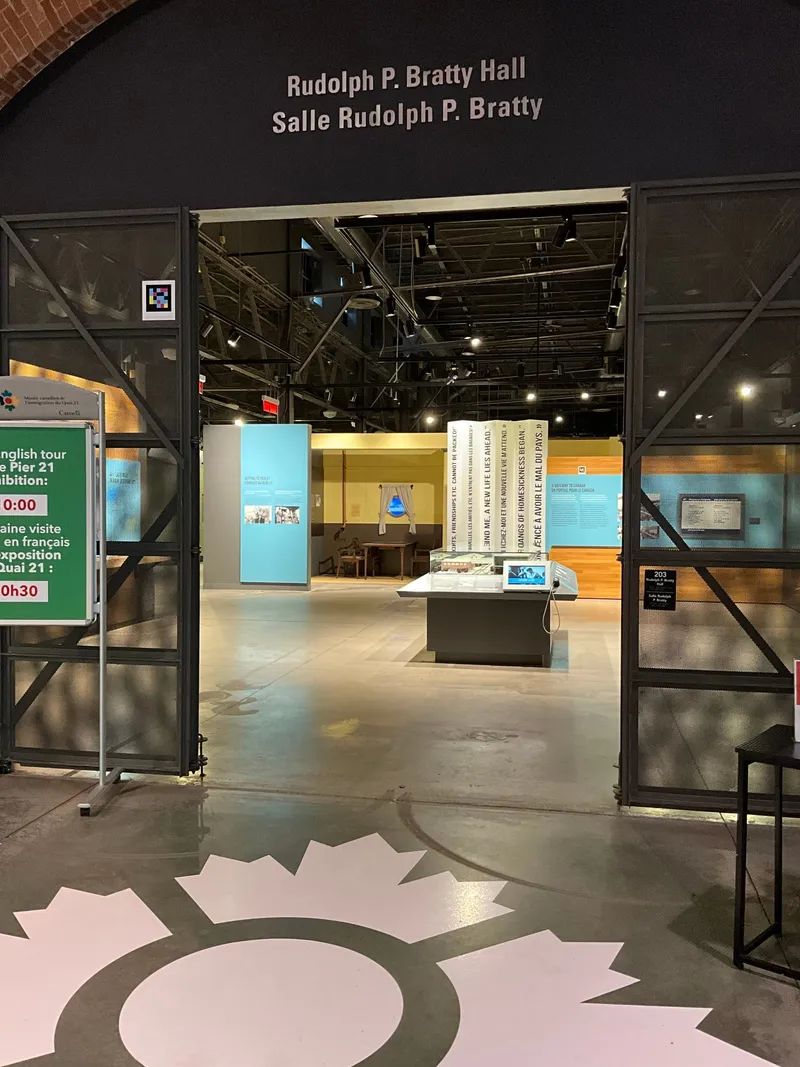 HalifaxMuseums→
Pier 21 Canada — accessible immigration museum
Halifax
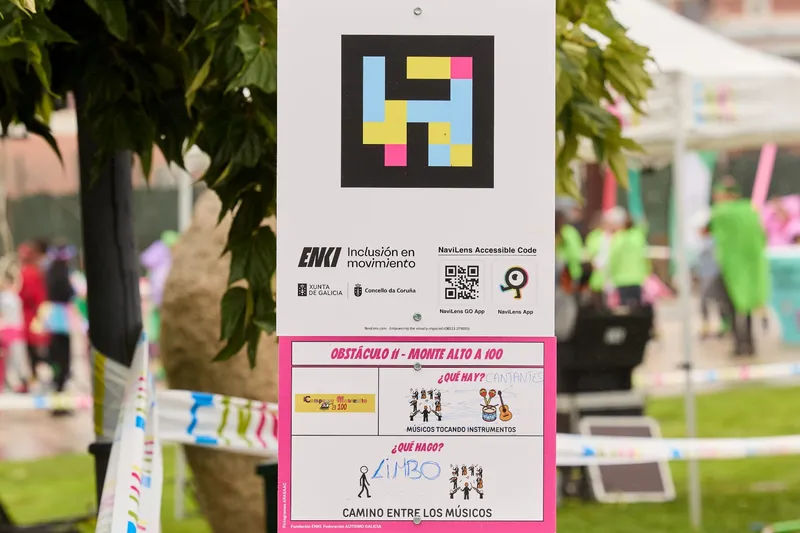 A CoruñaEvents→
ENKI Race — Inclusion in motion
A Coruña
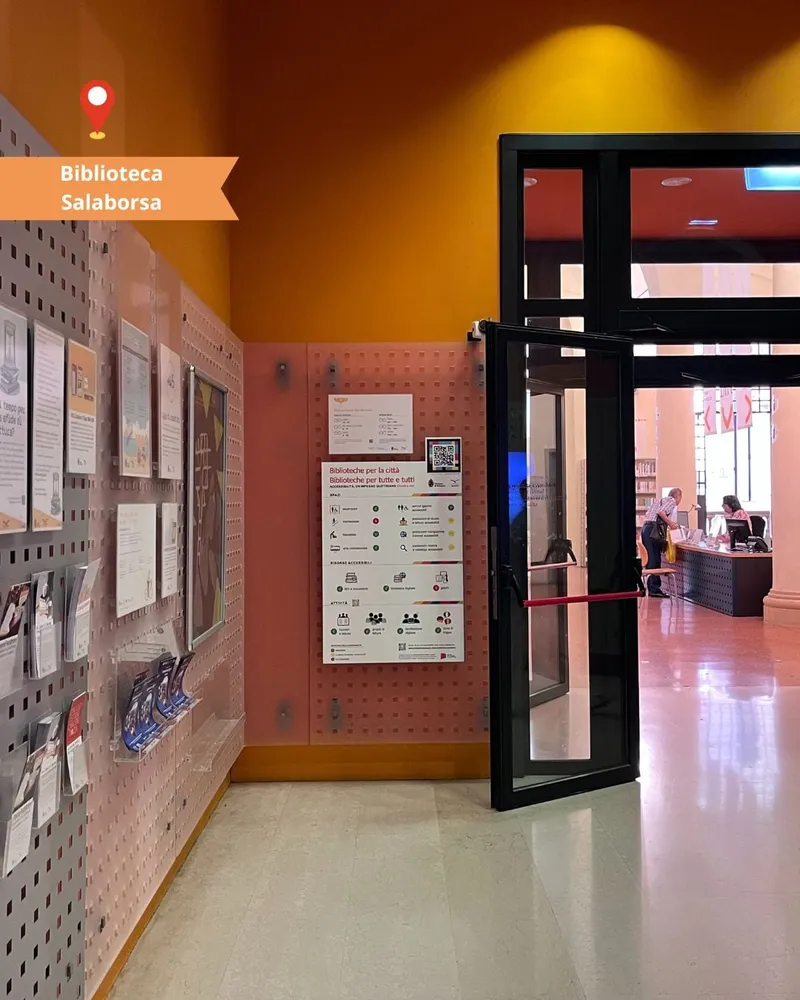
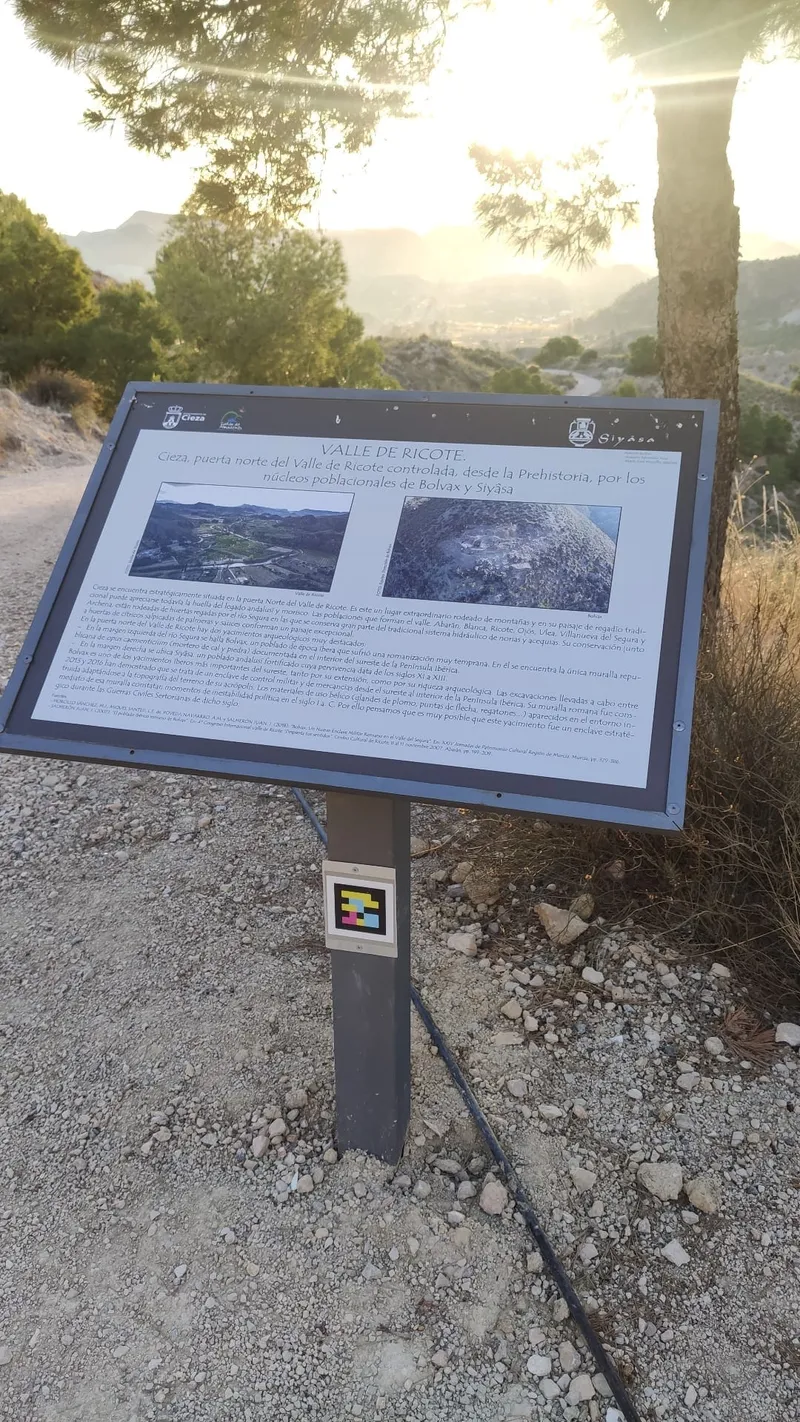
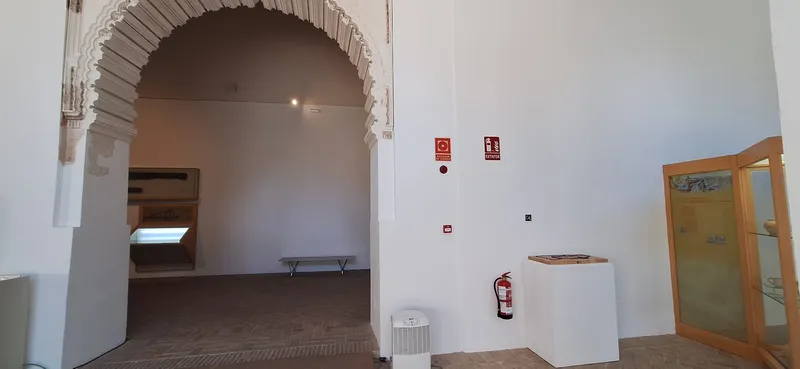
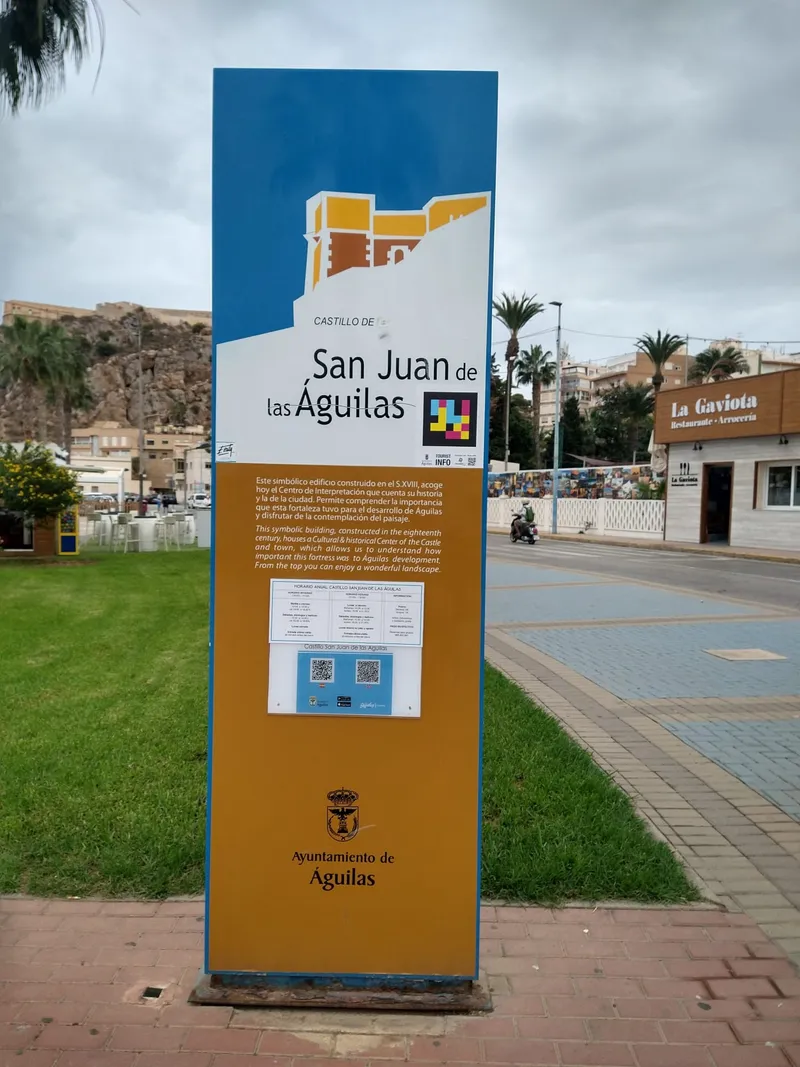 ÁguilasVisitor centers→
Águilas — Tourist Office
Águilas
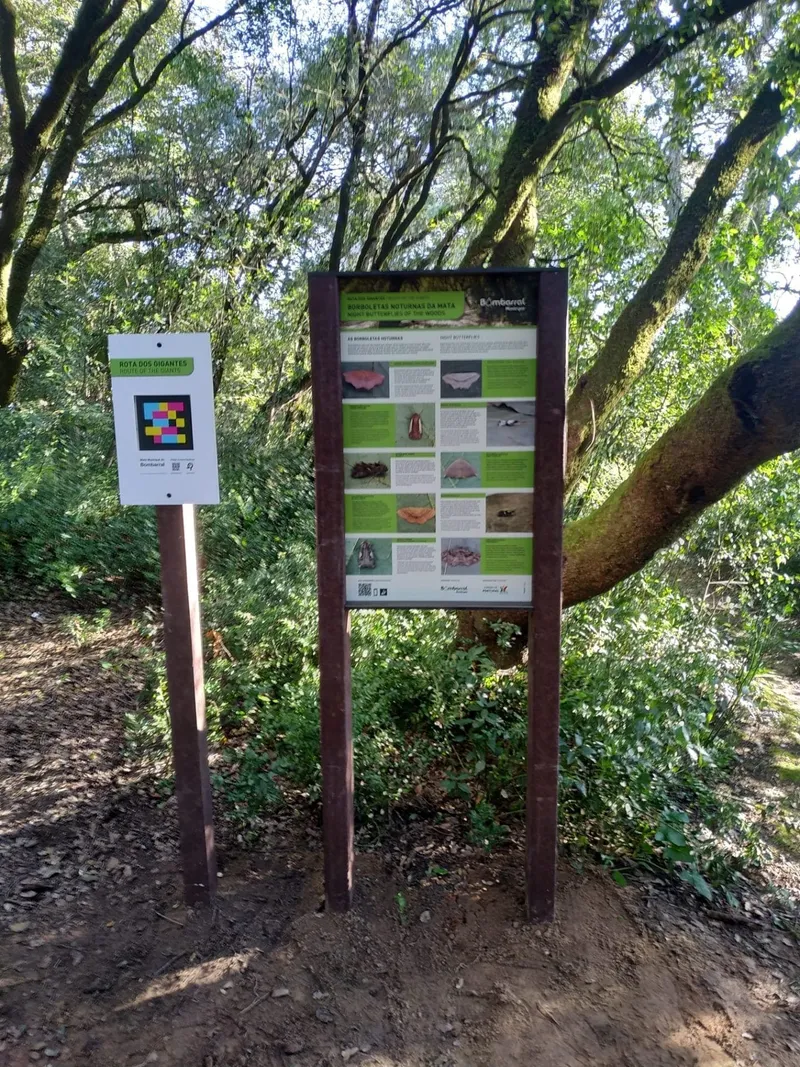
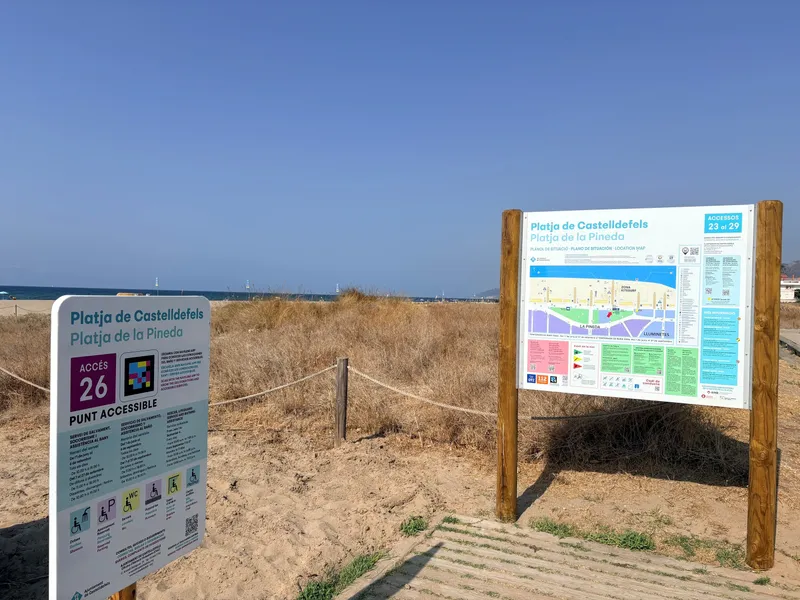
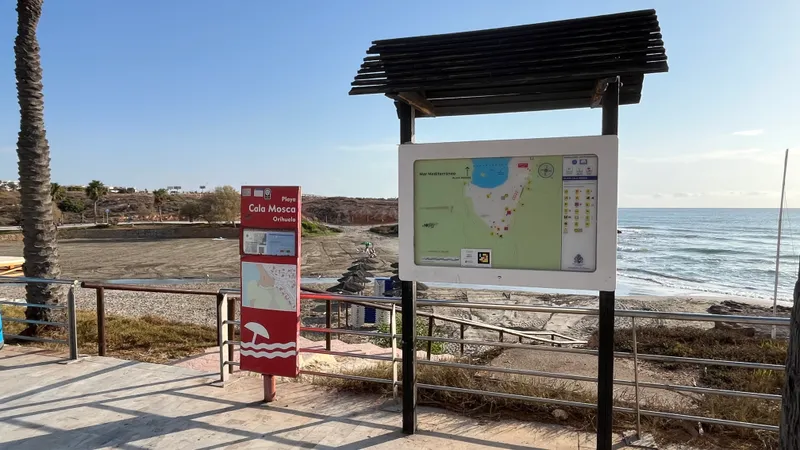
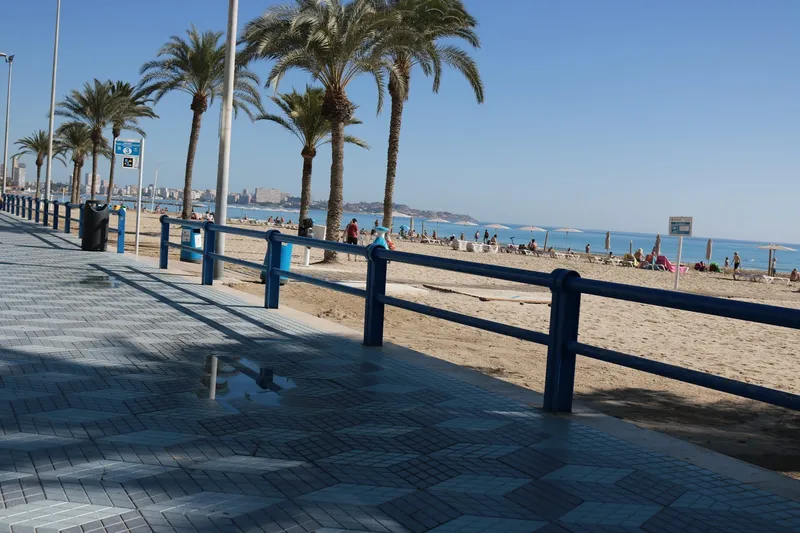 AlicanteBeaches→
Playa del Postiguet — Accessible beach
Alicante
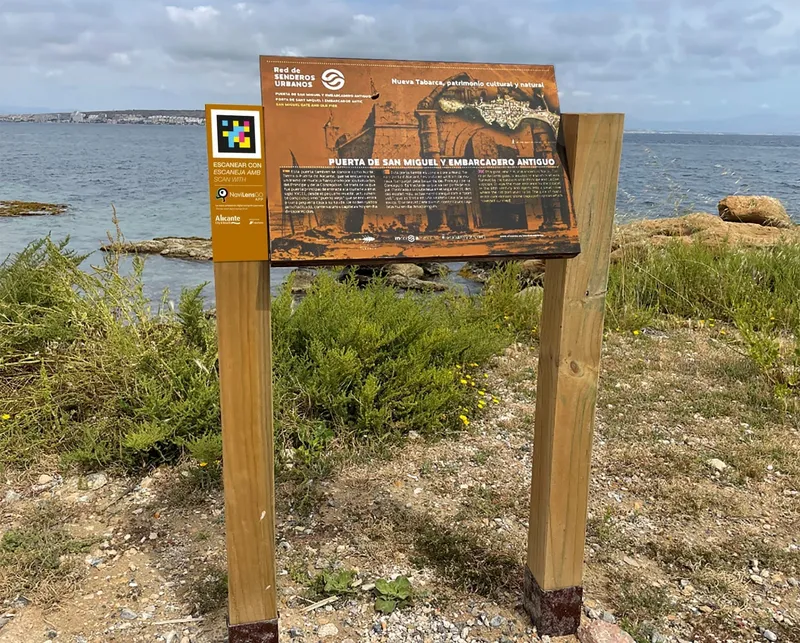
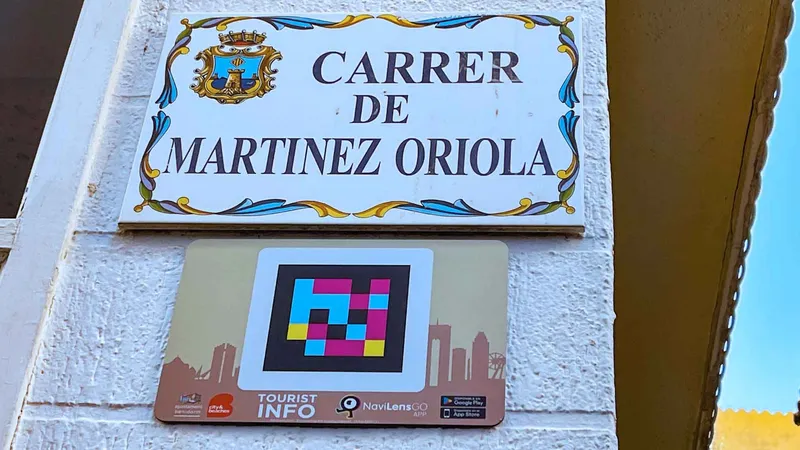
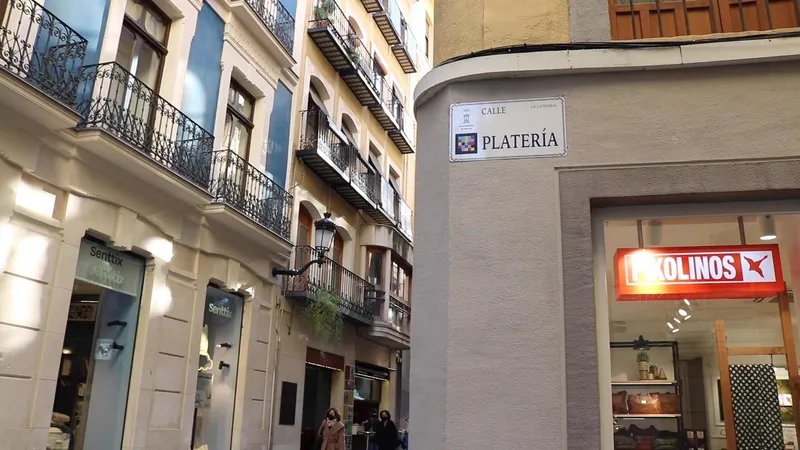
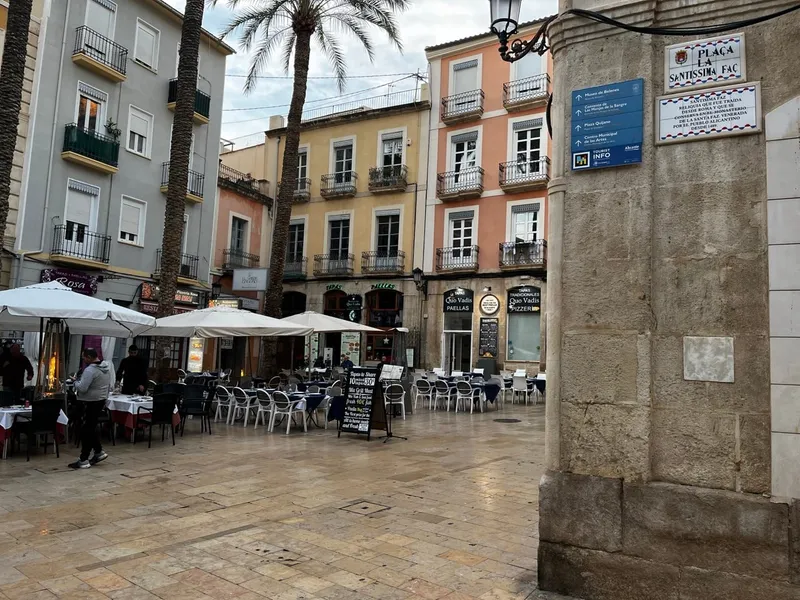 AlicanteVisitor centers→
Tourism of Alicante — Tourist Info Network
Alicante
§ Compliance
Accessibility and applicable requirements in tourism and culture
Accessibility at a destination, museum or cultural venue covers the environment, signage, information, customer service and digital channels. NaviLens improves wayfinding and access to information as part of a broader accessibility strategy.
- ADA Title II & III
Americans with Disabilities Act
City-owned museums, visitor centers and parks are Title II public entities; privately run attractions are Title III public accommodations. Both must provide effective communication and program access. NaviLens delivers that information in audio, in the visitor's own language, with no construction.
- DOJ web rule
Title II web and mobile rule
The Department of Justice's 2024 rule sets WCAG 2.1 AA for the web content and mobile apps of state and local governments, with compliance dates in April 2026 and April 2027. NaviLens extends that same digital accessibility into the physical visit.
- Effective communication
Auxiliary aids and services
28 CFR 35.160 and 36.303 require you to furnish auxiliary aids so that communication with visitors who have disabilities is as effective as with everyone else—and to give primary consideration to what the visitor requests. NaviLens is one such aid: exhibit and wayfinding information read aloud on the visitor's own phone.
§ What you can include
Accessible information at every point of the visit
Each NaviLens code becomes an accessible, updatable, multilingual information point.
- Info on artworks and exhibitions
- Accessible guided routes
- Wayfinding to points of interest
- Opening hours and venue services
- Multilingual info for international visitors
- Custom content—anything you need
§ FAQ
FAQs on accessibility in tourism and culture
§ Let's talk
We want everyone to be able to discover it.
Tell us about your destination, museum, route or cultural venue. We'll design a wayfinding and accessible-information solution, with no construction and tailored to your visit.