01
Universal by design.
We don't design for a majority and then think about who's left out. We start with the people who were always left out and, from there, we build for everyone.
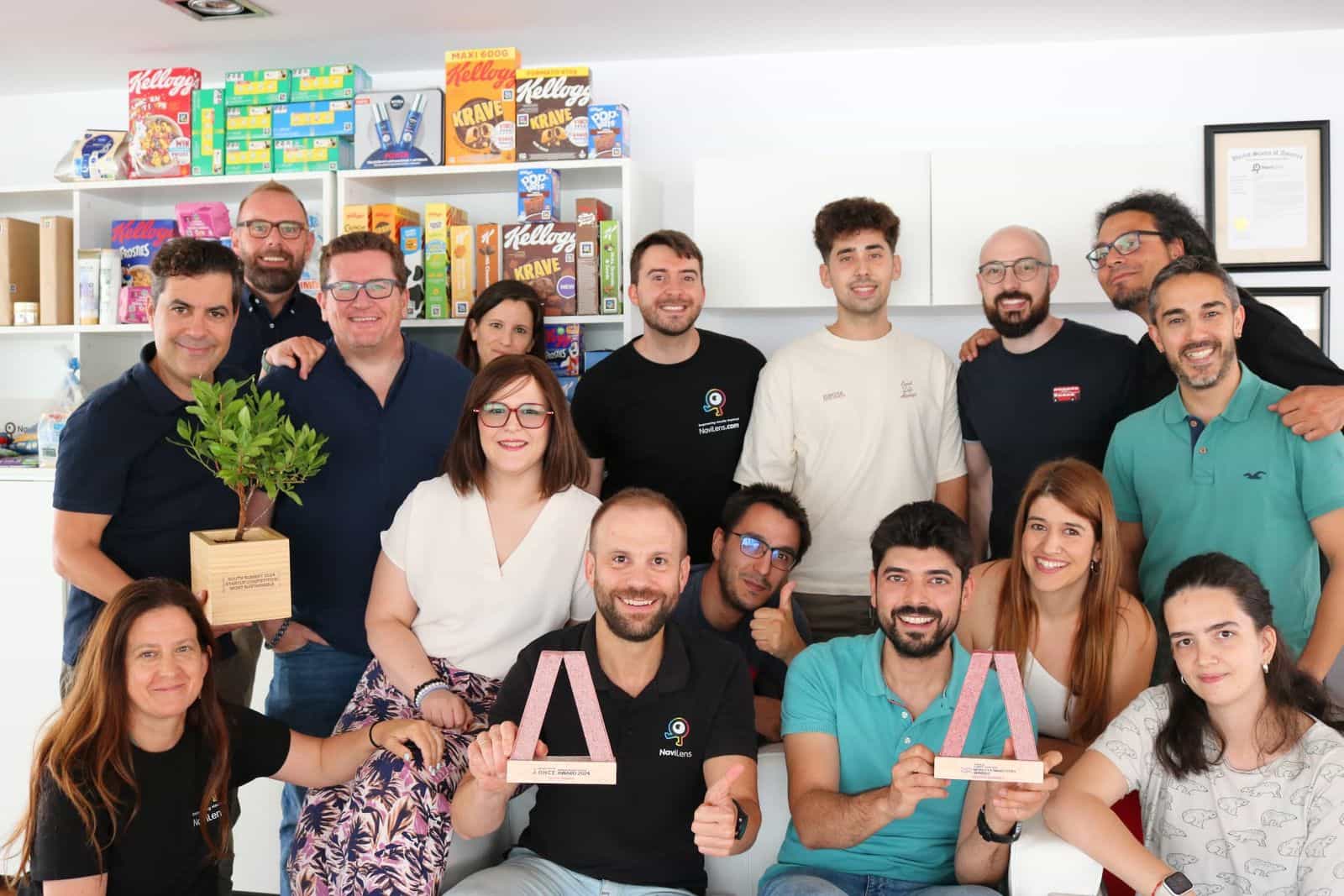
§ About NaviLens
Who we are
We believe in a world that's understood without effort. Where moving, finding your way and getting access don't depend on your abilities, but on design. NaviLens isn't just technology: it's the conviction that accessibility isn't added — it's planned from the start.
What drives us
We don't design for a majority and then think about who's left out. We start with the people who were always left out and, from there, we build for everyone.
Accessibility isn't a layer added at the end. It's the initial decision. That's why NaviLens works where other systems fail: in motion, at a distance, without needing to focus.
Every technical decision has gone through the voice of the people it serves. It's not a slogan: it's what has made NaviLens, today, a tool people actually use.
Leadership
Lorenzo leads NaviLens with one clear conviction: technology only matters when it opens doors. His approach blends technical rigor with social awareness, positioning the company as a global reference in accessibility, with deployments in more than 30 countries and users always at the center. He likes to say he just conducts the orchestra — the artists are the team behind him.

Our story
NaviLens wasn't born in 2017. It began much earlier, in an intuition that took years to find its shape.
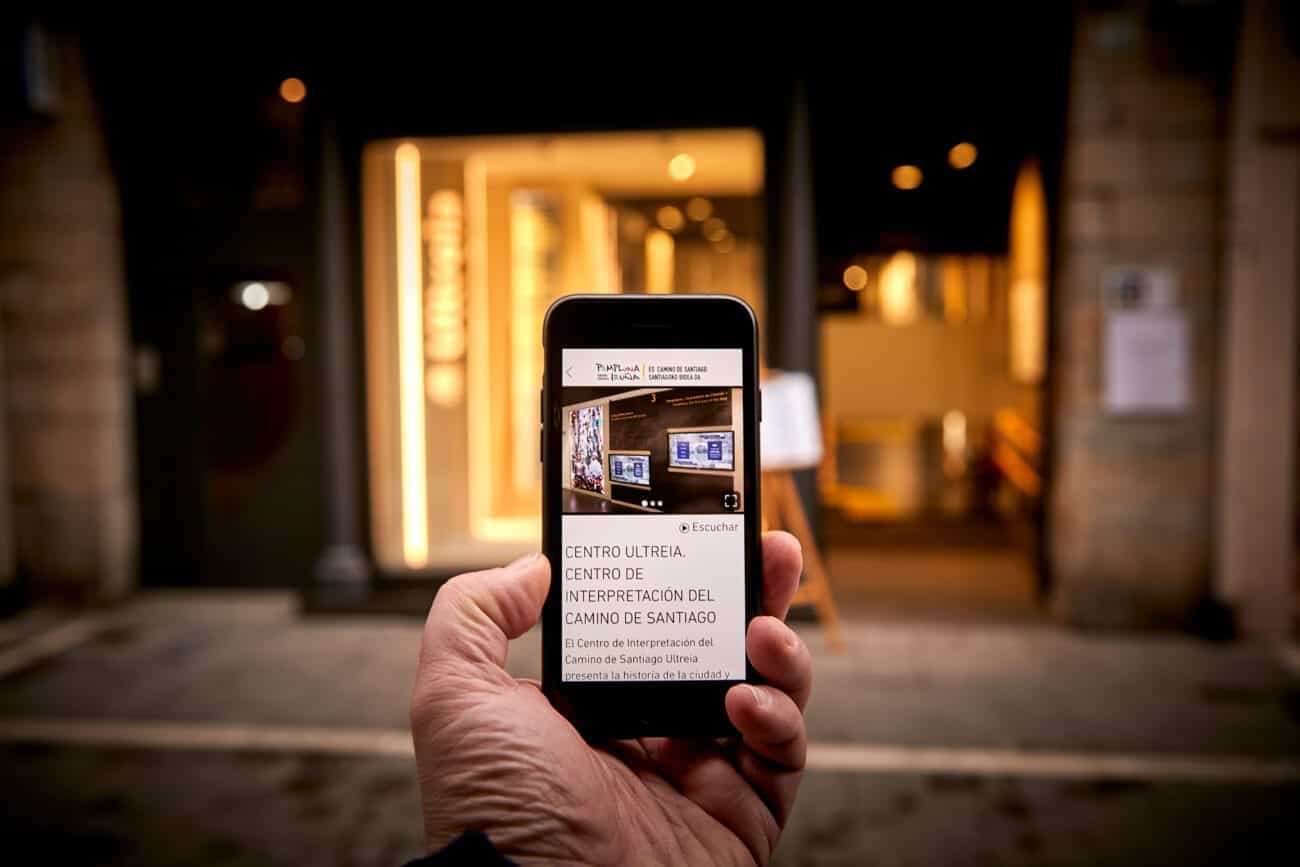
When phones were only good for calls and text messages, we were already thinking about how they could become tools for people who are blind or deaf. From Murcia, we built software for big companies, but we devoted part of our time to that other problem: how to put the camera at the service of those who can't see.
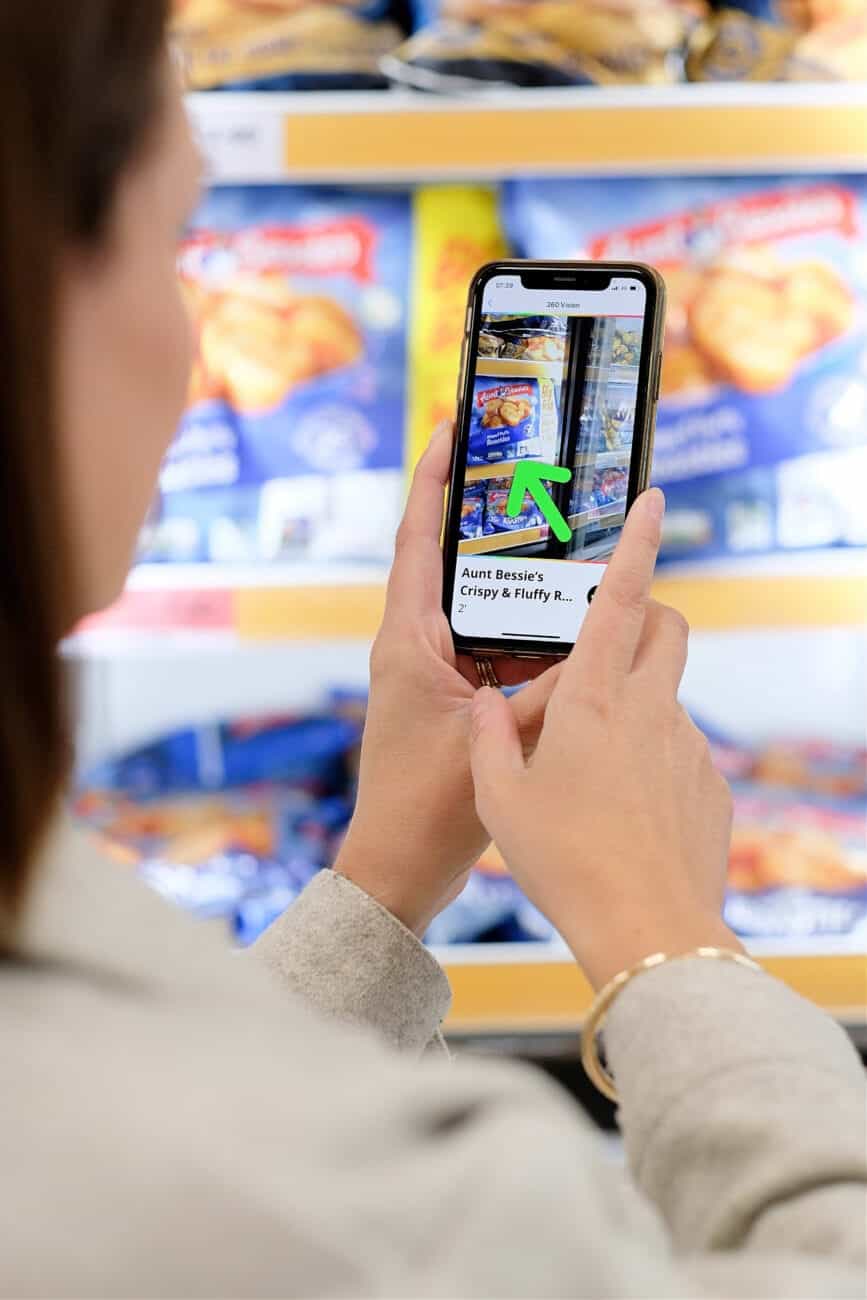
We started researching, side by side with the computer vision group at the University of Alicante, how to get a phone to read information from several yards away, in motion, without focusing. Five years of prototypes, conversations with blind people's associations and a lot of dead ends.
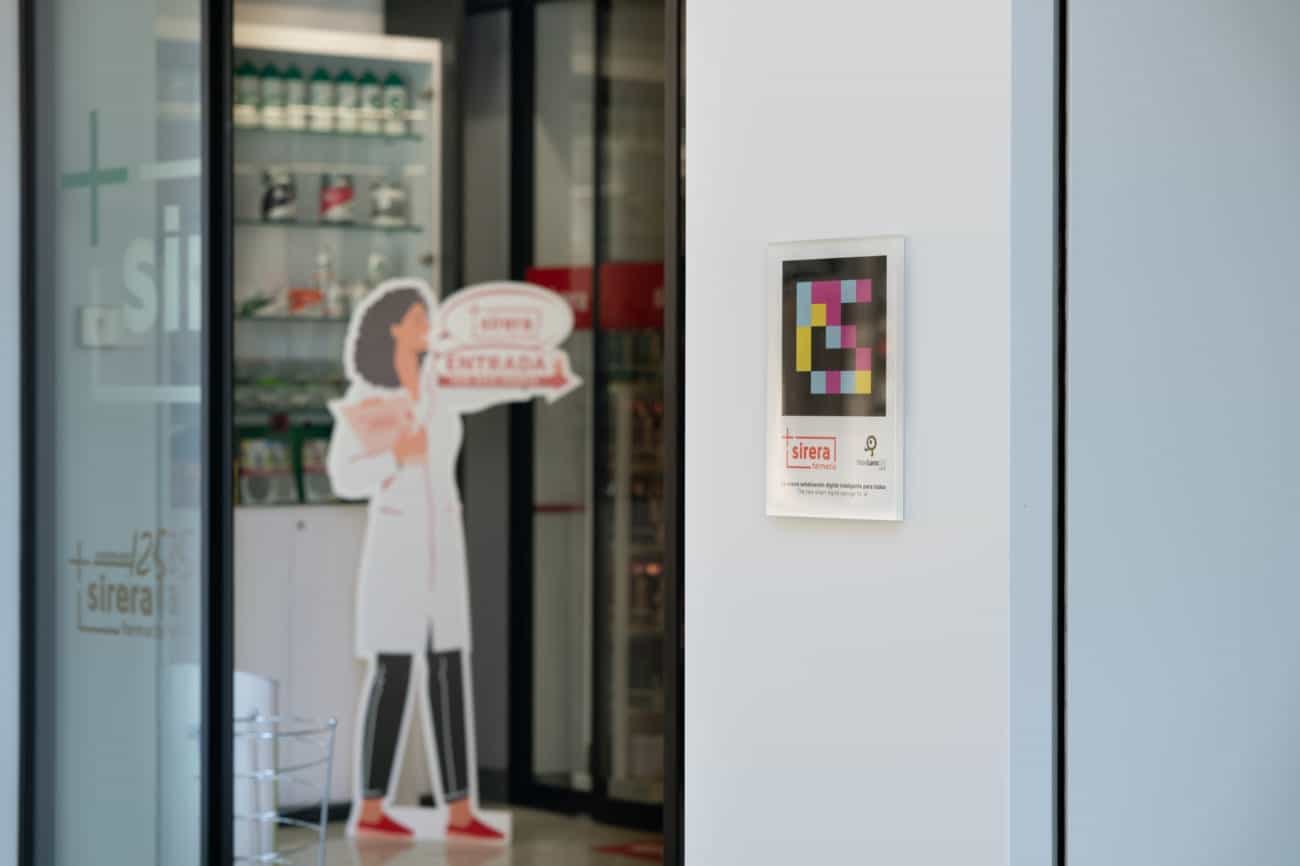
NaviLens is born: a code system designed from minute one for people who are blind, capable of being read at a distance, in motion and without needing to focus. It started as a solution for very few. We soon understood it served many, many more.
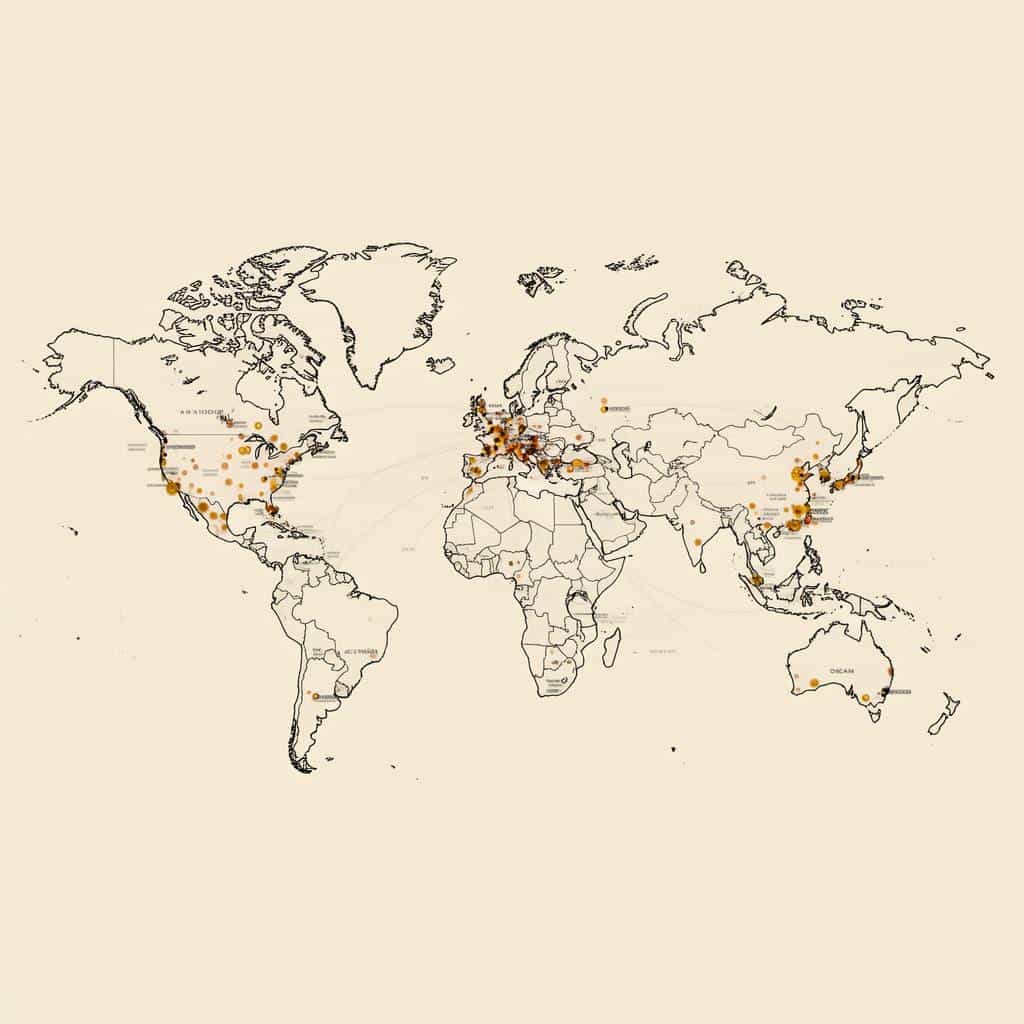
We work from Murcia with a network of partners in transit, culture, retail, packaging and public administration. What began as an accessibility tool has become a new way of understanding information: universal by design, accessible from the first moment.
Recognition
We started looking for a way to help a few. Along the way, we discovered that way served many more.
Awards
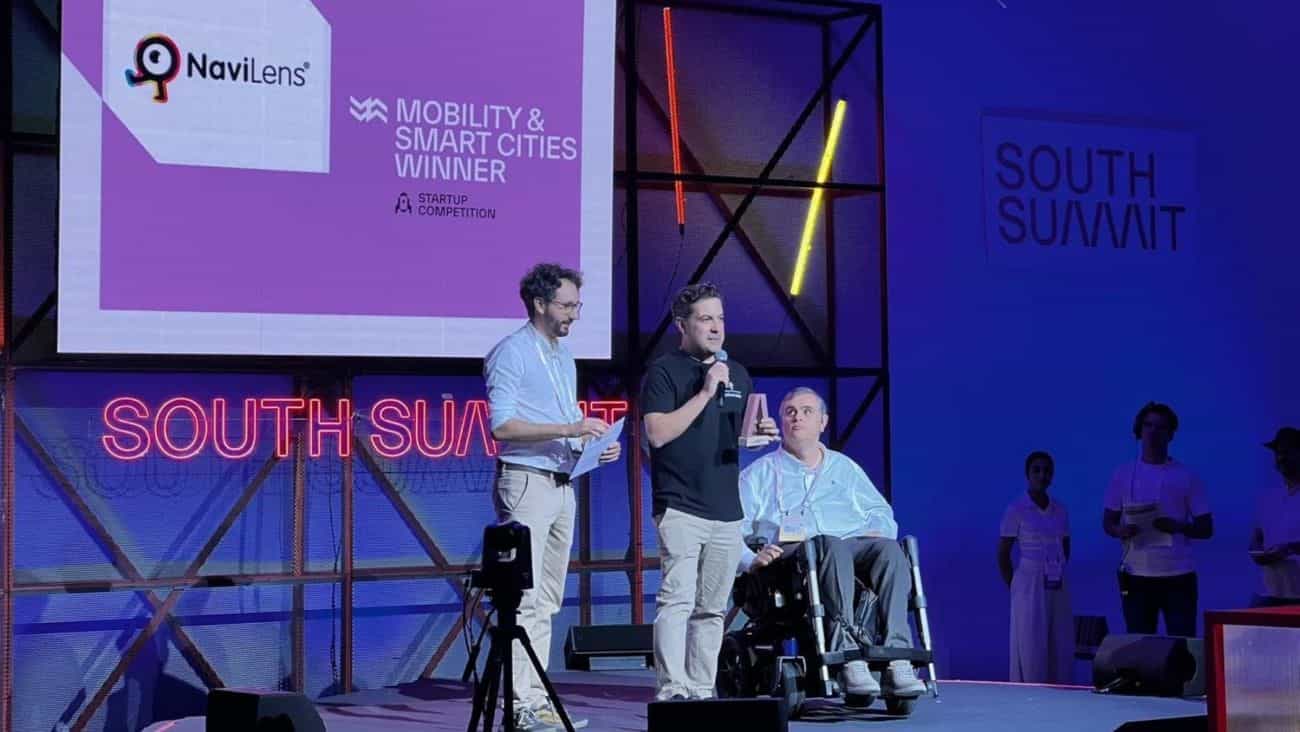
More than twenty-five international awards in innovation, accessibility and mobility. Each one represents a conversation, an alliance, a person who helped NaviLens go further.
What's next
How do we make information reach those who need it most, sooner? If that question moves you too, let's talk.