Madrid
Metro de Madrid · L8 — city center to the airport
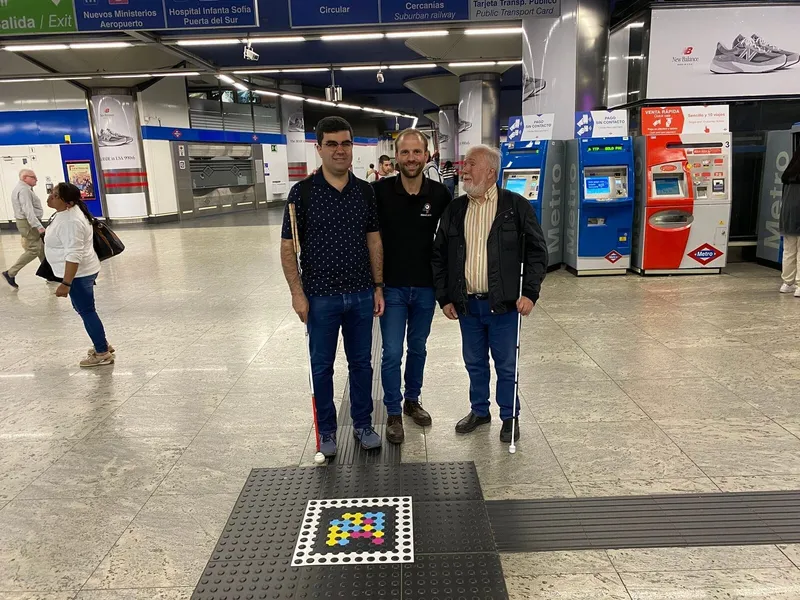
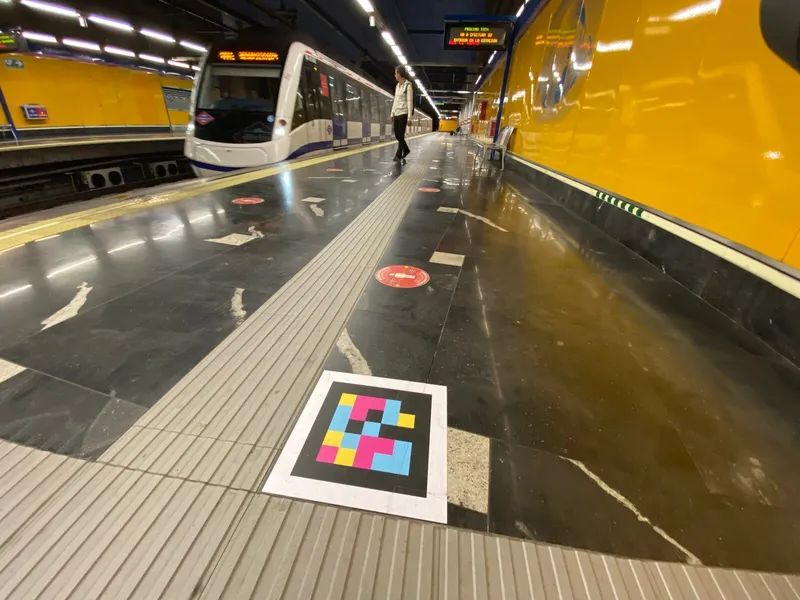
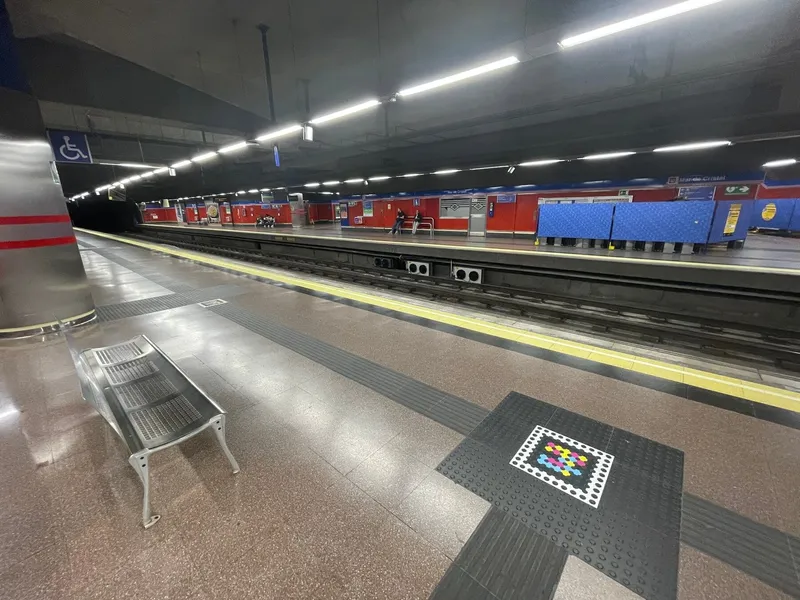
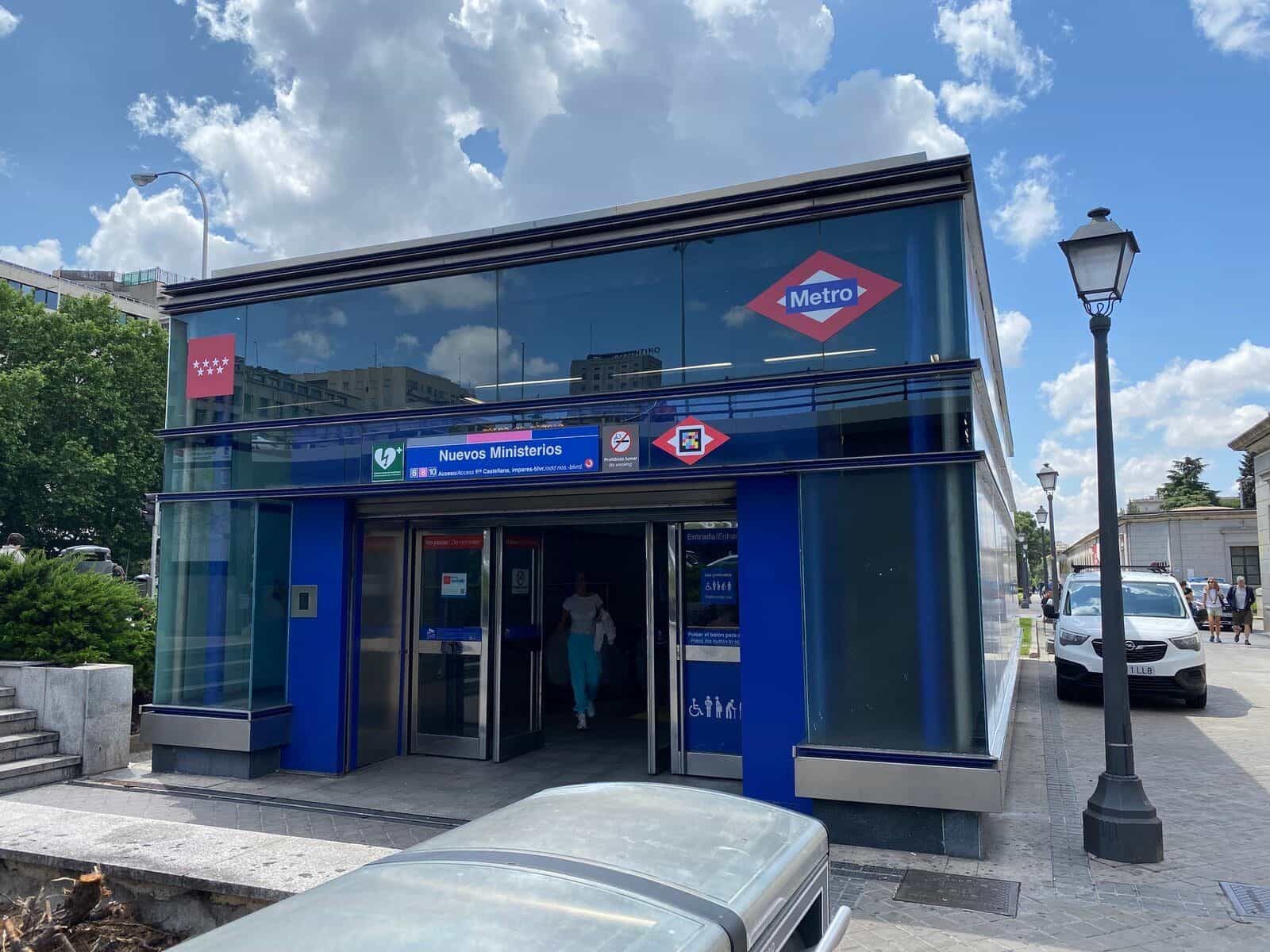
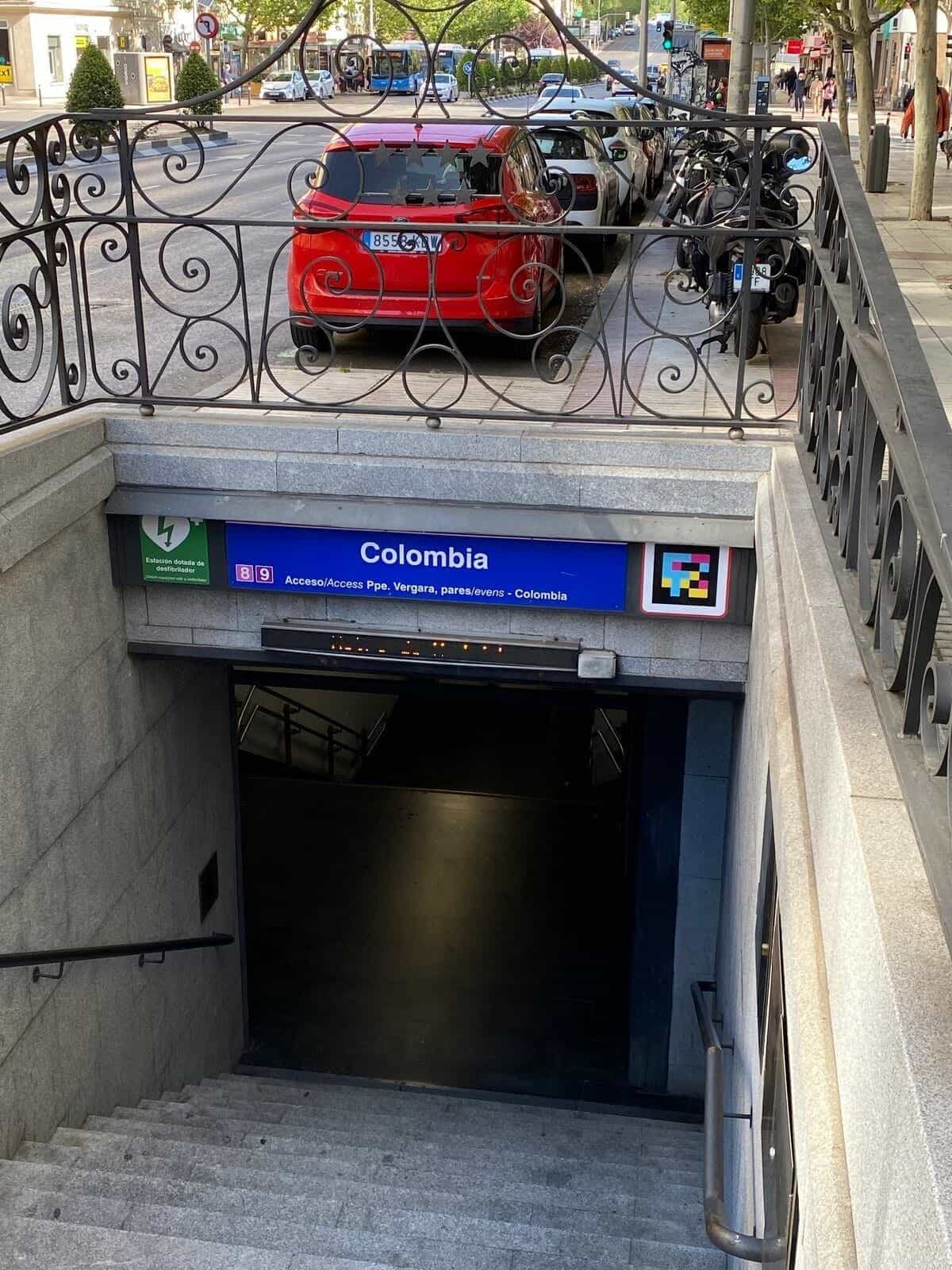
Line 8 (the pink line) connects Nuevos Ministerios with Adolfo Suárez Madrid-Barajas T1-T2-T3. The whole line has been accessible with NaviLens since August 2023.
Accessible signage in metro stations
NaviLens adds an accessible signage layer to metro stations to guide passengers through entrances, concourses, transfers, platforms and exits. Voice information, in 42 languages and no works required.
§ Accessible wayfinding
In a metro network, every level change, corridor or transfer demands a quick decision. NaviLens delivers accessible information exactly at the points where passengers need to find their way.
Easy-to-find entrances, concourses and transfers.
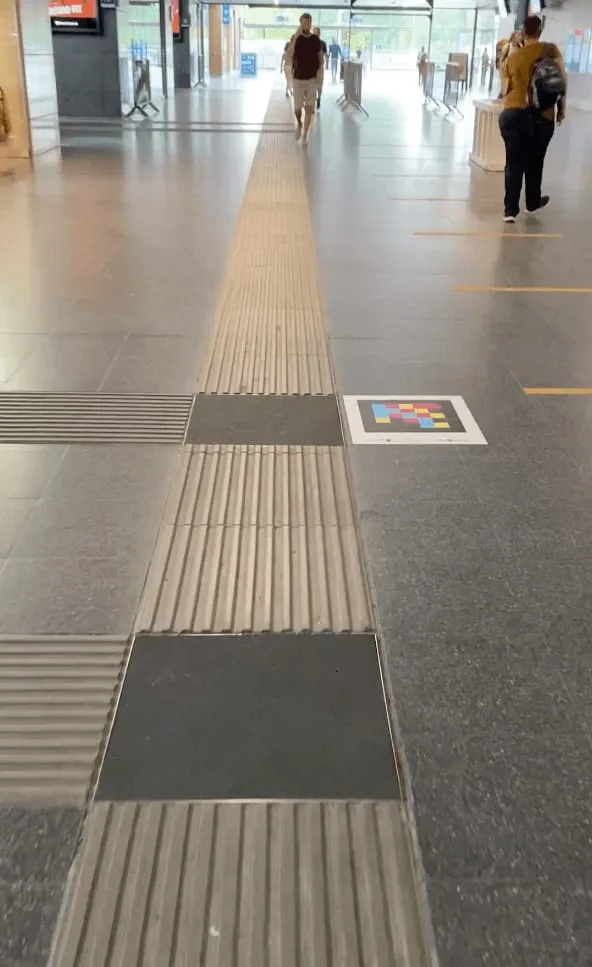
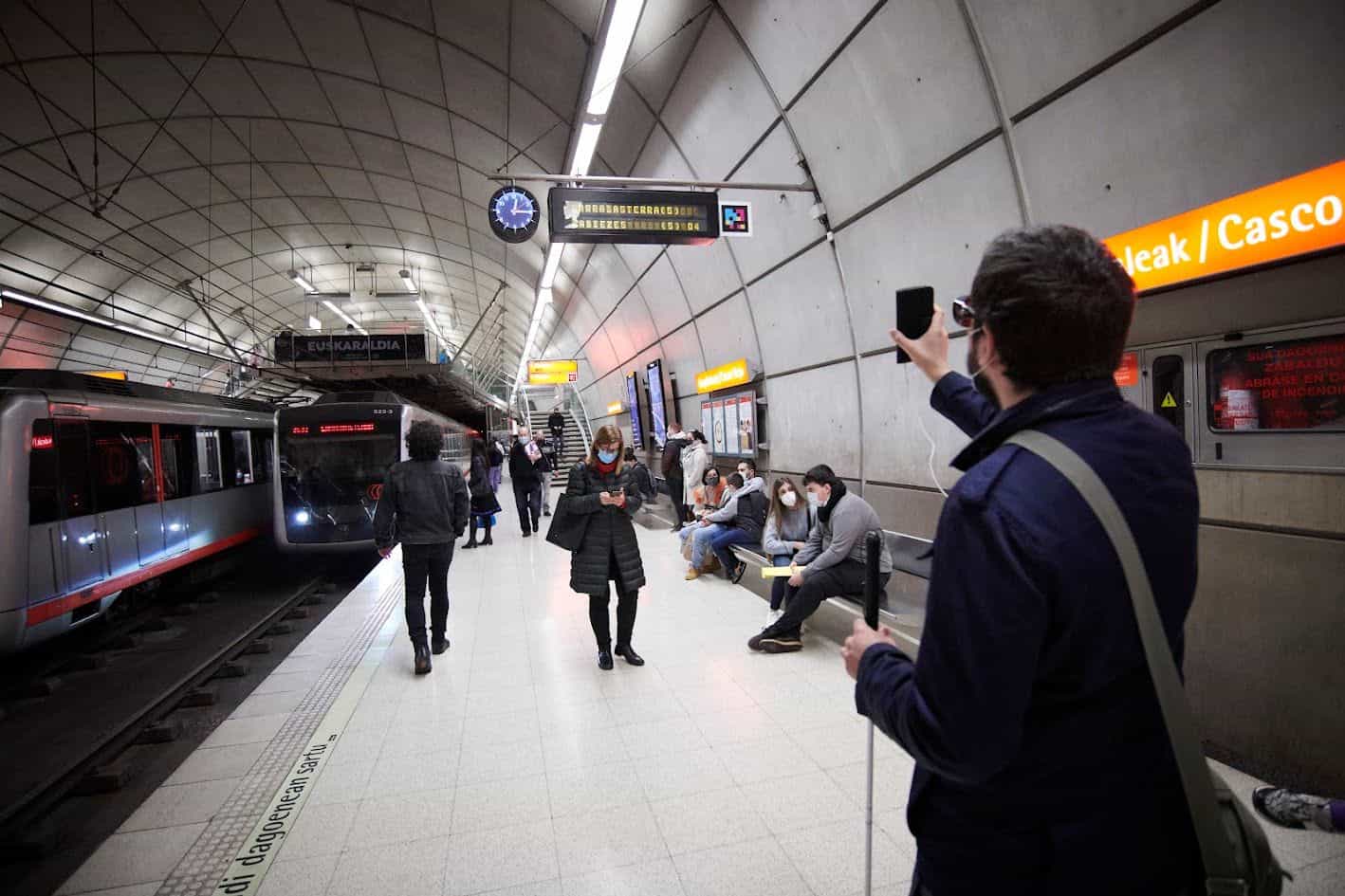
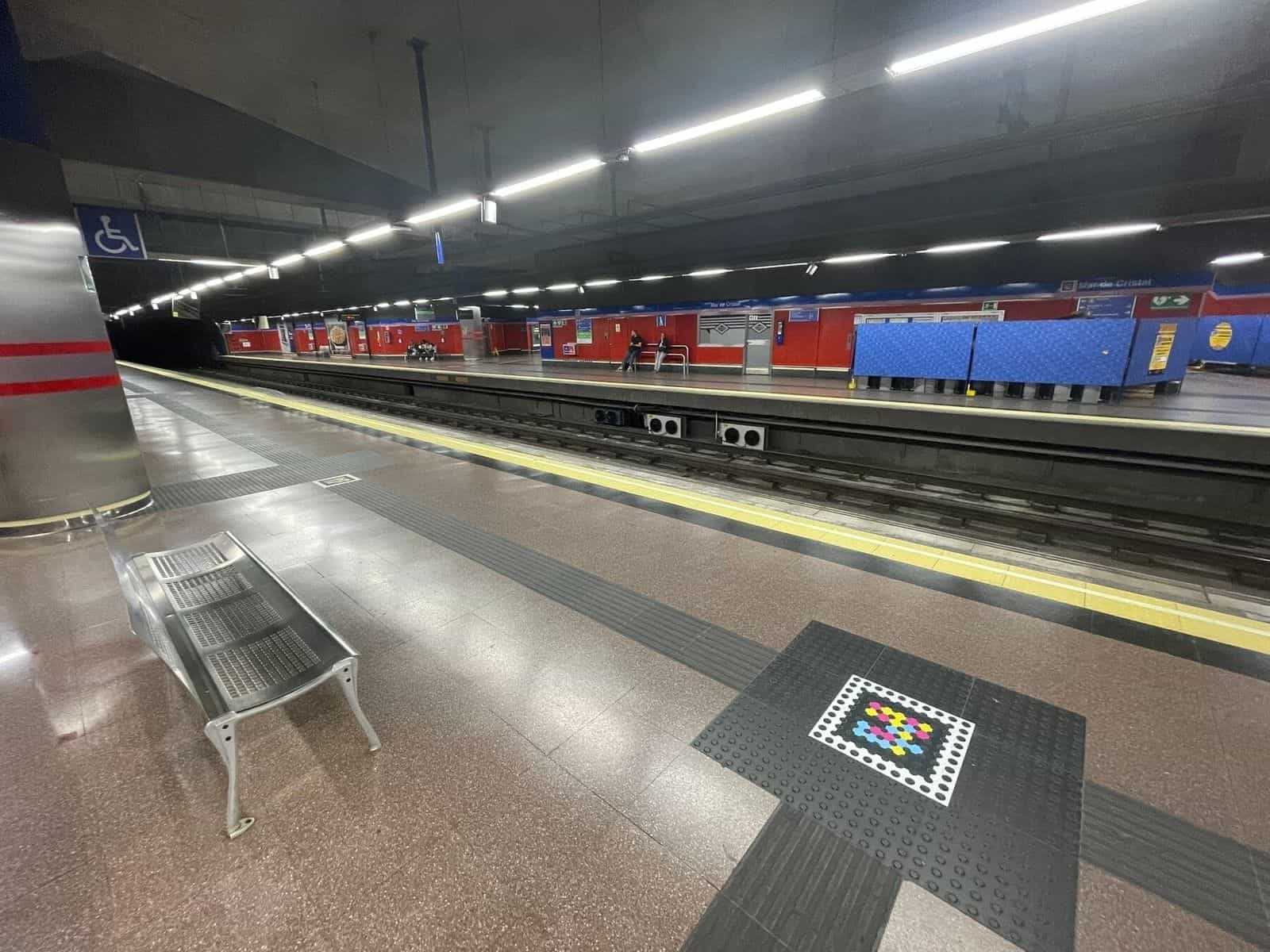
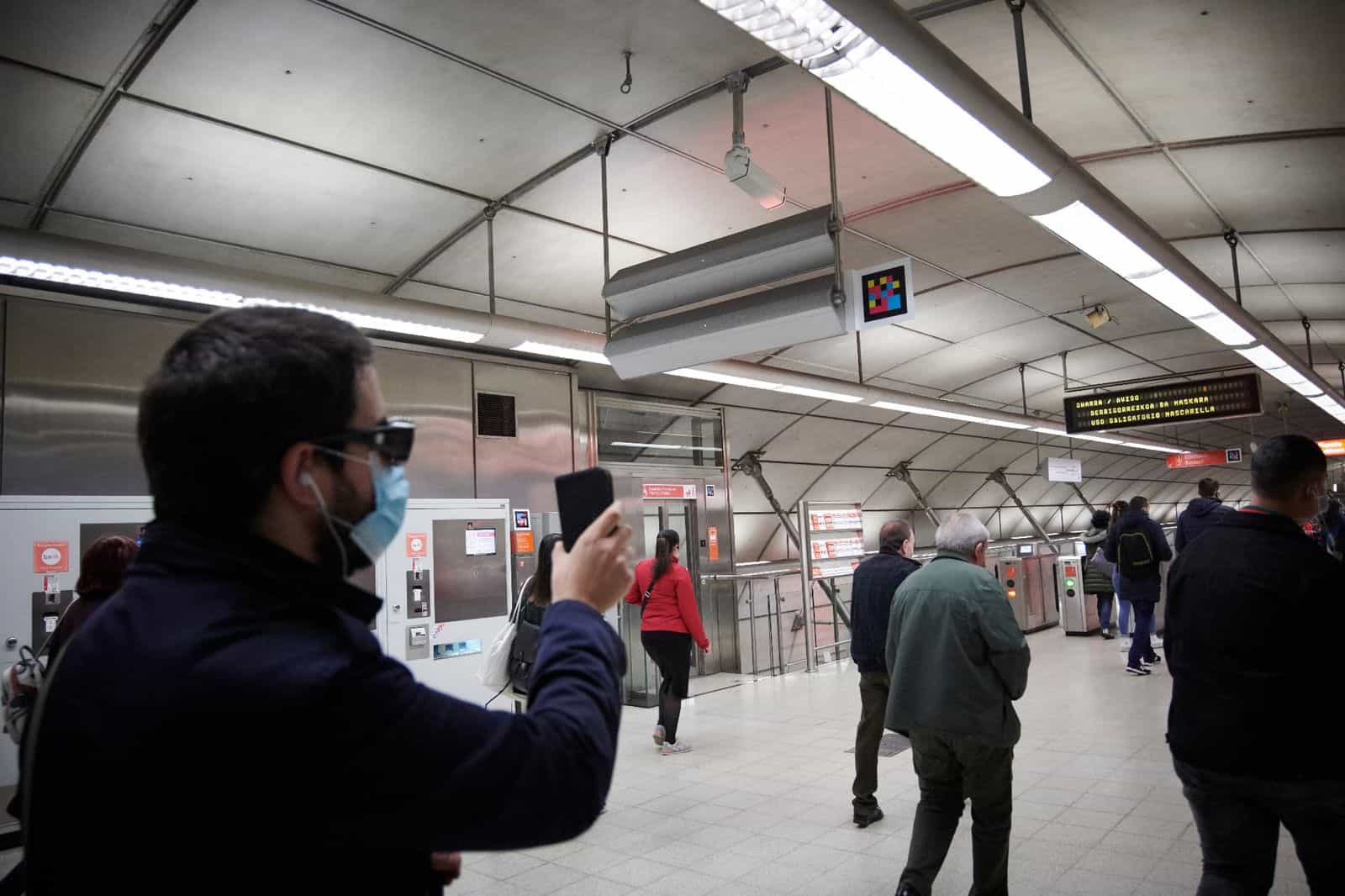
NaviLens markers at street entrances, concourses, gates and transfer corridors read out access, lines and platforms from over 30 m.
Passenger information at every decision point.
Each marker delivers wayfinding, platform direction, next stop or disruption right when the passenger needs to decide.
Signage visible in high-flow environments.
Markers are detected from a distance, in motion and in low light, easing access to information in busy stations, long corridors or multiple levels.
Content in 42 languages, always up to date.
The digital information tied to each marker is updated without reprinting the signage and is read out automatically in the phone's language.
§ Rollout
We analyze journeys, entrances, levels, transfers and platforms to define the critical signage points and roll out a scalable solution without disrupting operations.
Walkthrough with your accessibility team of street entrance, concourse, gates, elevators, transfer corridors, central/side platform, accessible restrooms and inside the train.
Weeks 1-2
NaviLens and NaviLens GO signage to the operator's brand book. Vinyls resistant to tunnel humidity, brake dust and intensive cleaning.
Weeks 3-4
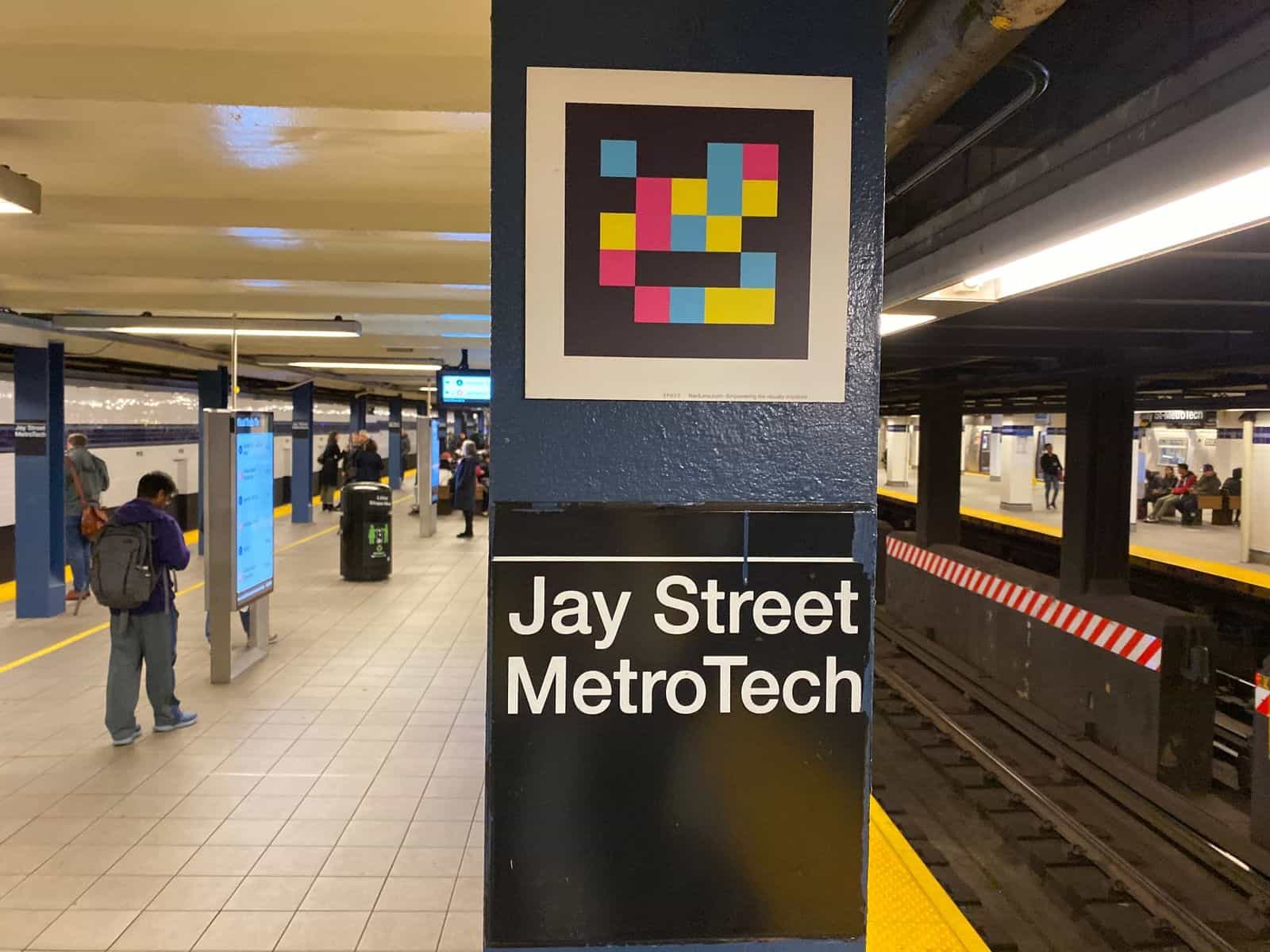
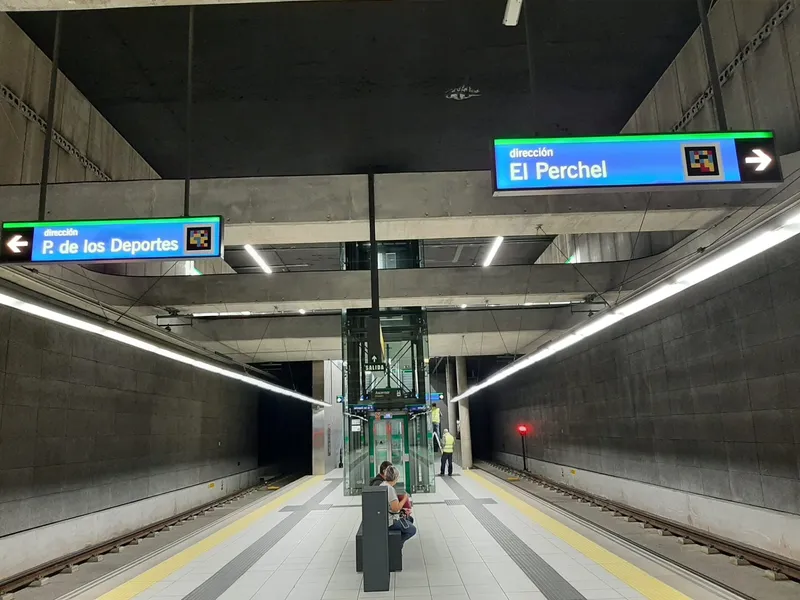
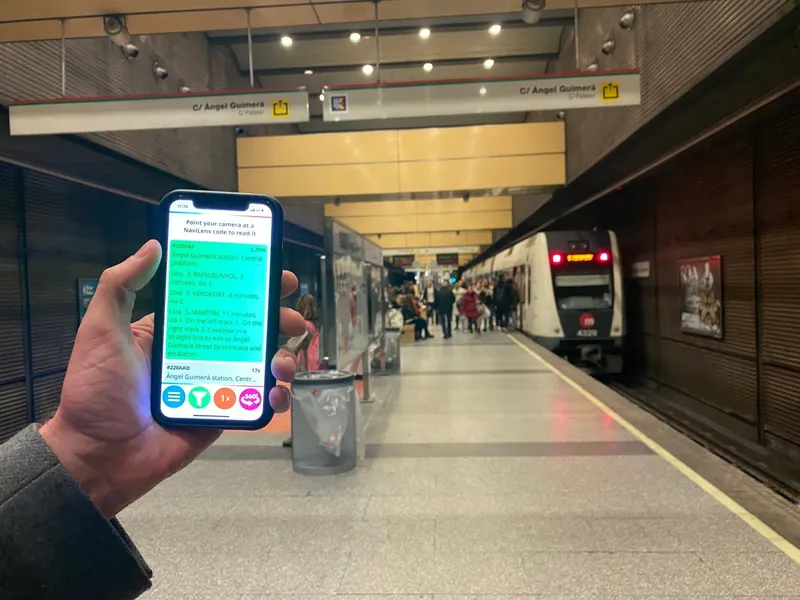
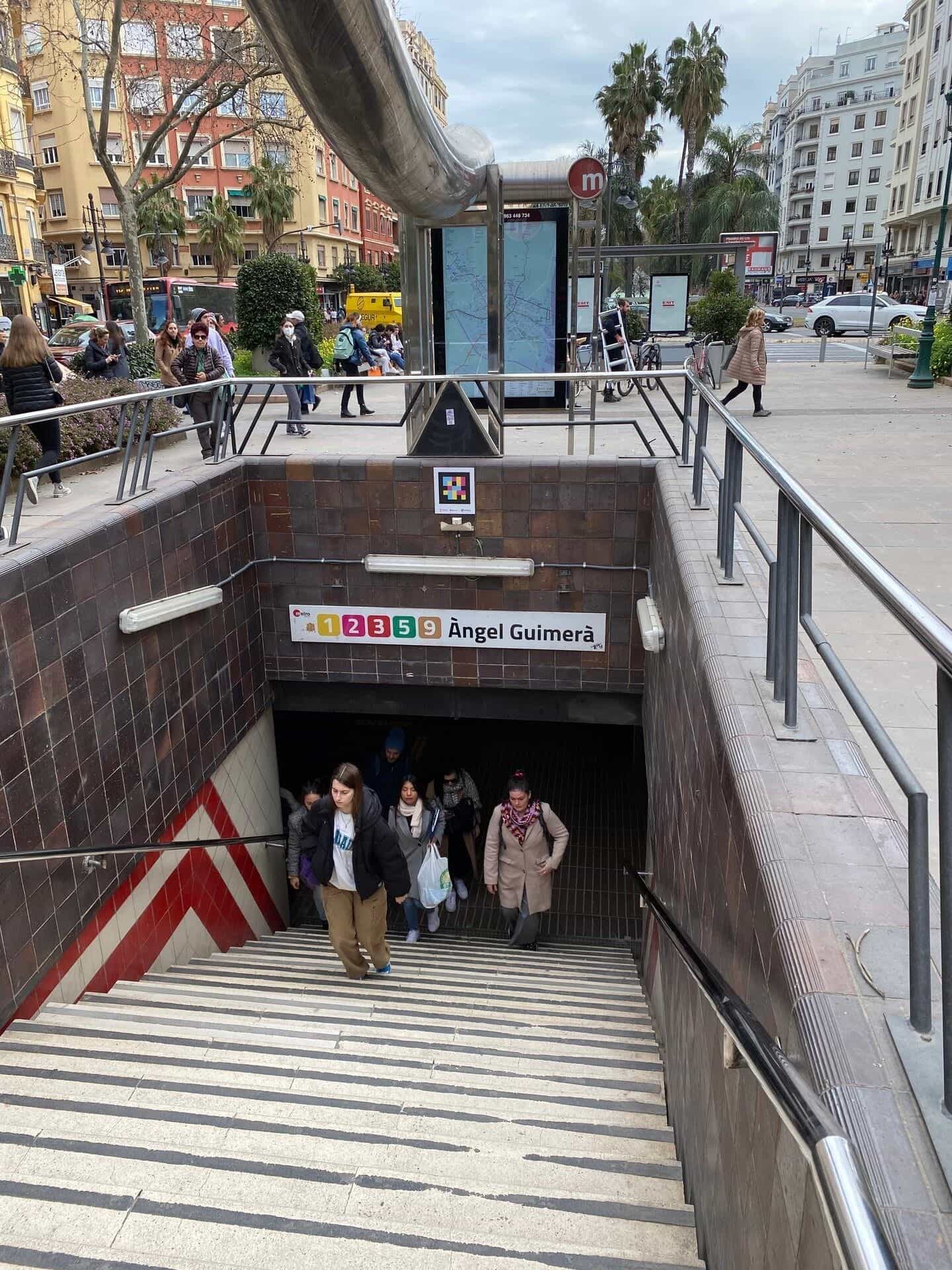
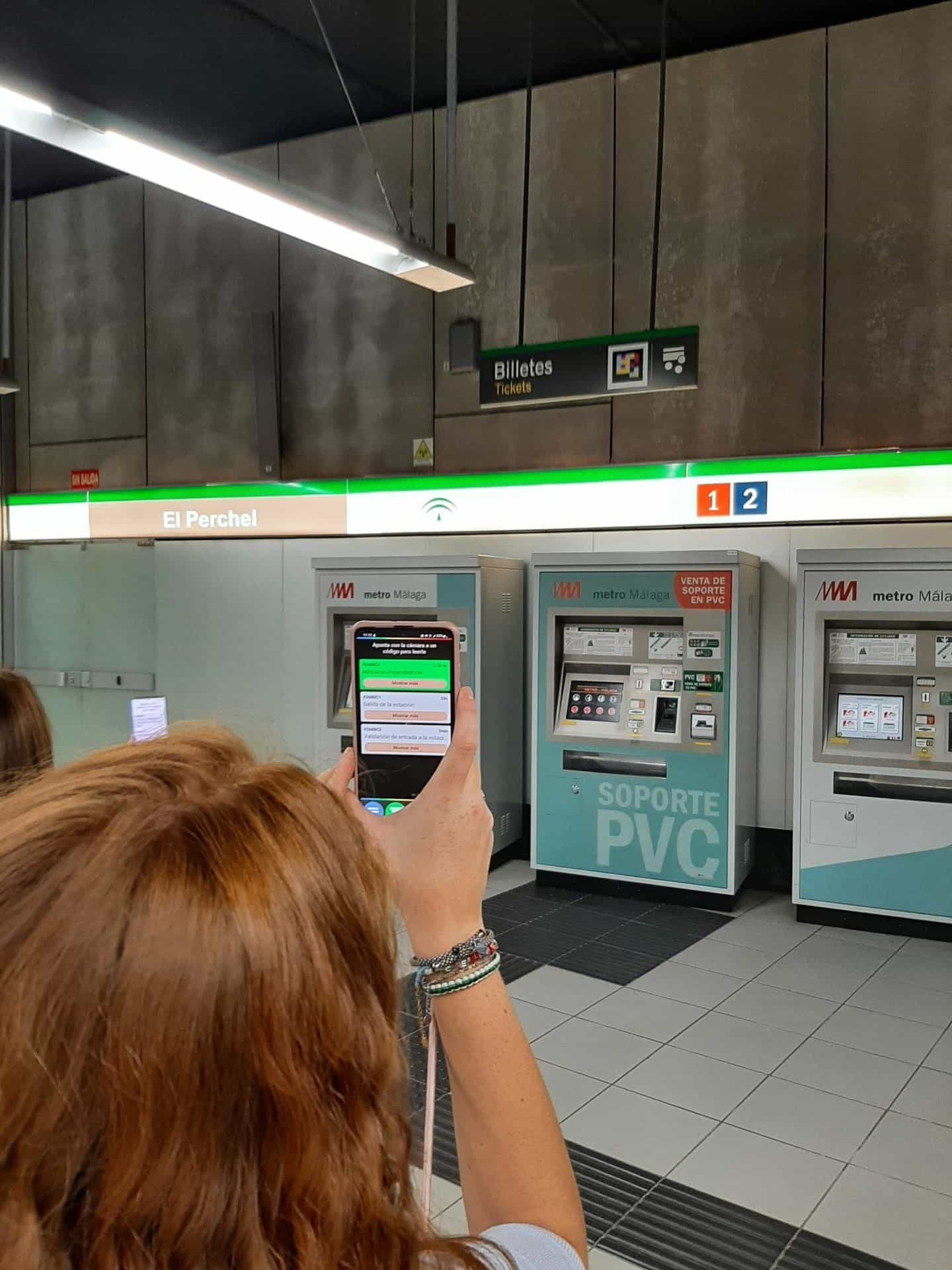
Rollout in a flagship station (Jay St-MetroTech, Colombia L8, Àngel Guimerà, El Perchel) with operations staff and the maintenance app on site.
Weeks 5-6
Optional connection to the Passenger Information System: each marker tied to a platform reads next stop, destination, transfers or disruptions in real time.
Weeks 7-8
Extension to the entire line (Madrid's L8, Aug 2023) or the entire network (Metro Bilbao, May 2024), with customer-service and technical-office training.
Weeks 9-16
§ Featured case
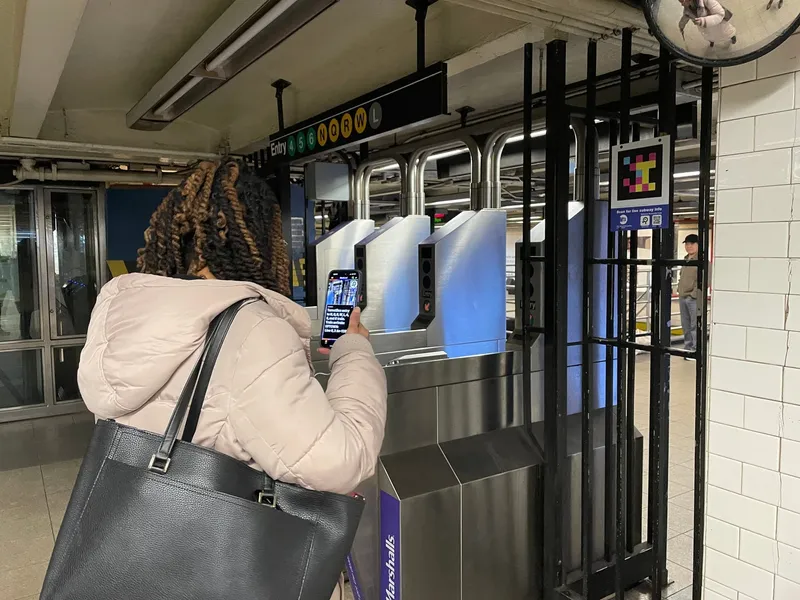
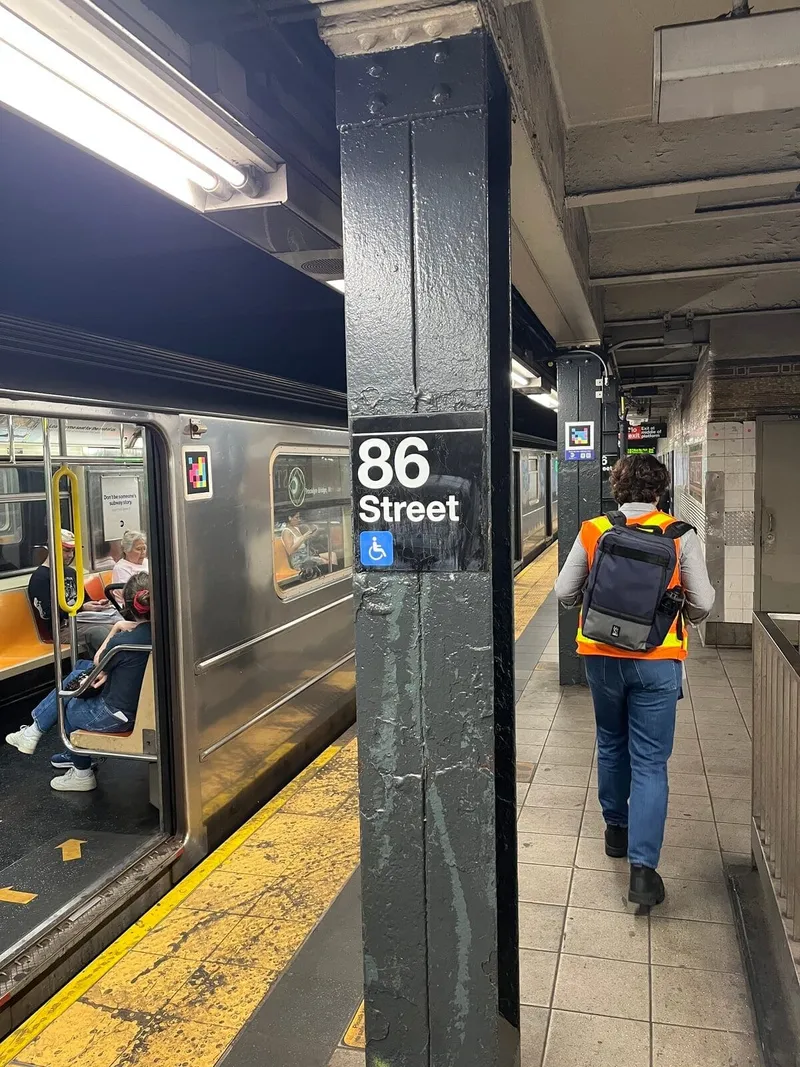
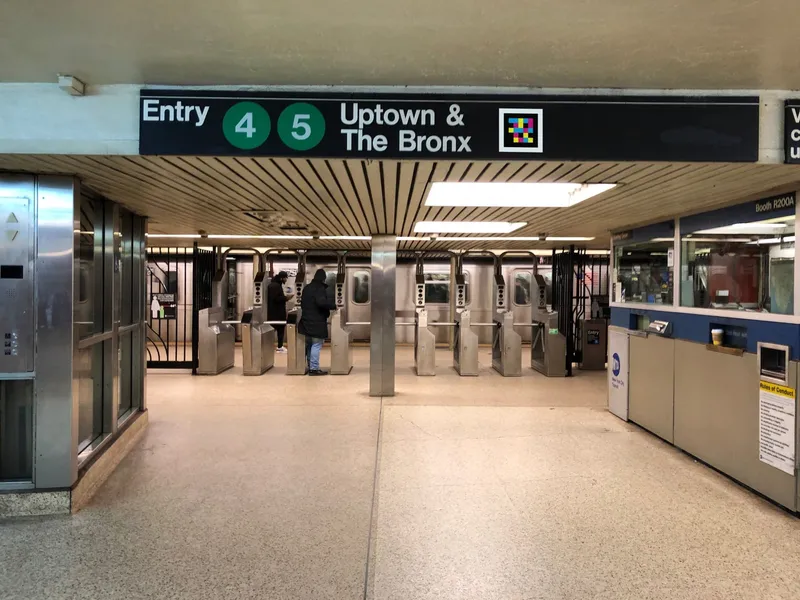
MTA · Jay St-MetroTech (A C F R lines) · Brooklyn · New York
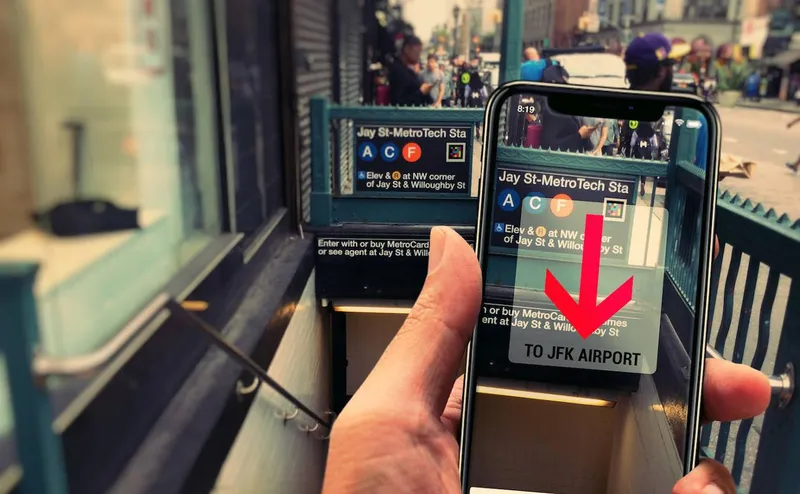
Jay St-MetroTech shows how NaviLens can be integrated into a metro station's signage to enable more autonomous journeys across entrances, concourses, platforms and connections.
Read the Jay Street case§ Success stories
Real cases of accessible signage, underground wayfinding and passenger information in metro networks across different countries.
 New YorkRail transit→
New York
 New YorkRail transit→
New York
 New YorkRail transit→
New York
 New YorkRail transit→
New York
 BarcelonaRail transit→
Barcelona
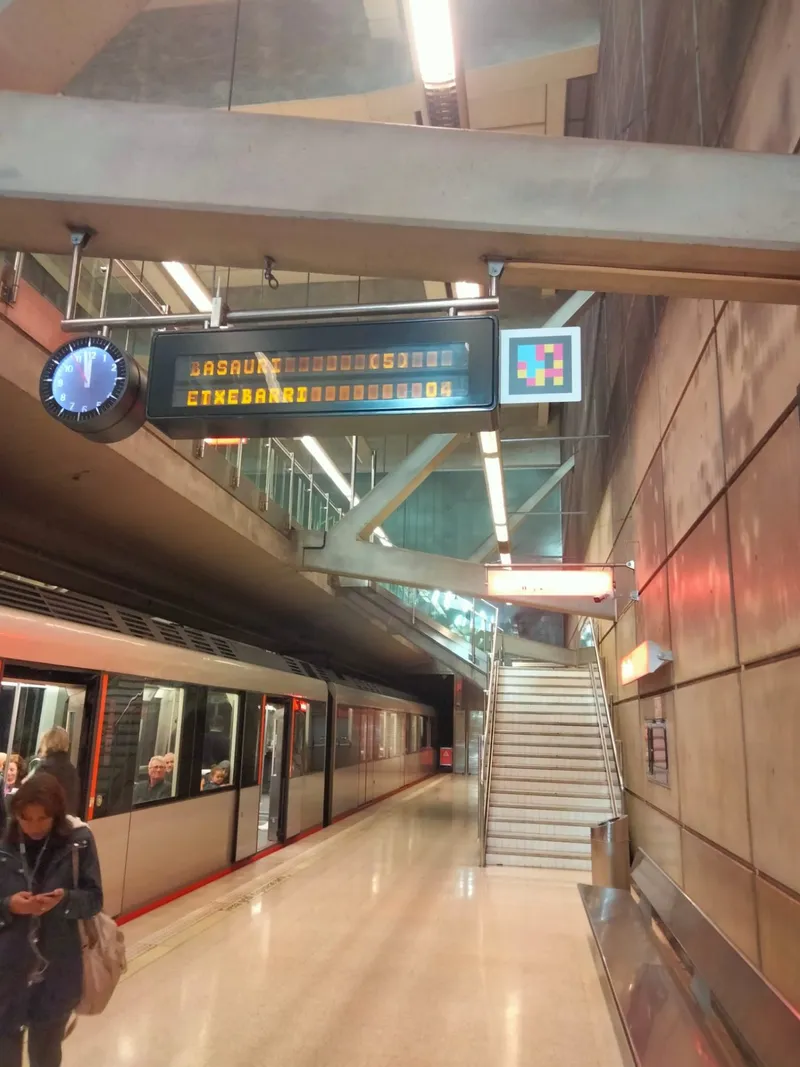 BilbaoRail transit→
Bilbao
§ What the networks say
It's really encouraging to not only see so many customers test the features as they travel through the station but to ask questions and provide comments as well. We welcome the honest feedback and look forward to receiving results that will help us determine what features to incorporate into future accessibility projects.
Alex Elegudin
Senior Advisor for Systemwide Accessibility · NYC Transit
C'est une grande première en festival. Pour des personnes comme moi, qui voient très flou, ces codes NaviLens placés au sol changent tout : on peut s'orienter de manière autonome, sans devoir demander à chaque fois où est l'entrée, la scène ou les toilettes. C'est un véritable signal d'inclusion.
Eléonor Sana
Eqla · Belgian association for people with sight loss
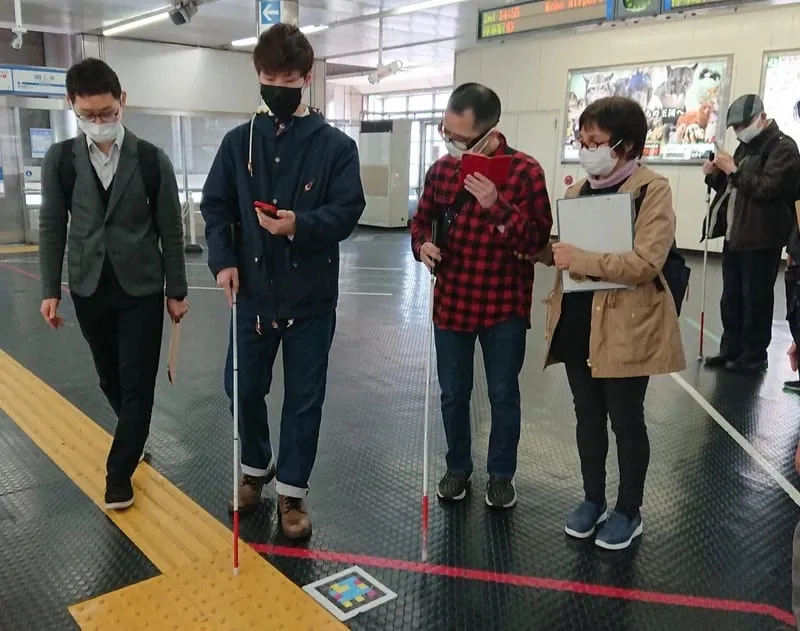
案内用の2次元コードタグは、JR三ノ宮駅、市営地下鉄西神・山手線三宮駅、ポートライナー三宮駅の構内、… 市営地下鉄海岸線御崎公園駅ホーム階では「ホームの両側が線路であること」「車両ドアの位置」などを案内している。
神戸市 · Be Smart KOBE (smart-city)
NaviLens rollout by the Kobe City Transportation Bureau
§ The metro journey
Wayfinding starts before entering the station and continues all the way to the exit. NaviLens can accompany passengers across entrances, corridors, elevators, transfers, platforms and connections to other modes.
Madrid
Line 8 (the pink line) connects Nuevos Ministerios with Adolfo Suárez Madrid-Barajas T1-T2-T3. The whole line has been accessible with NaviLens since August 2023.
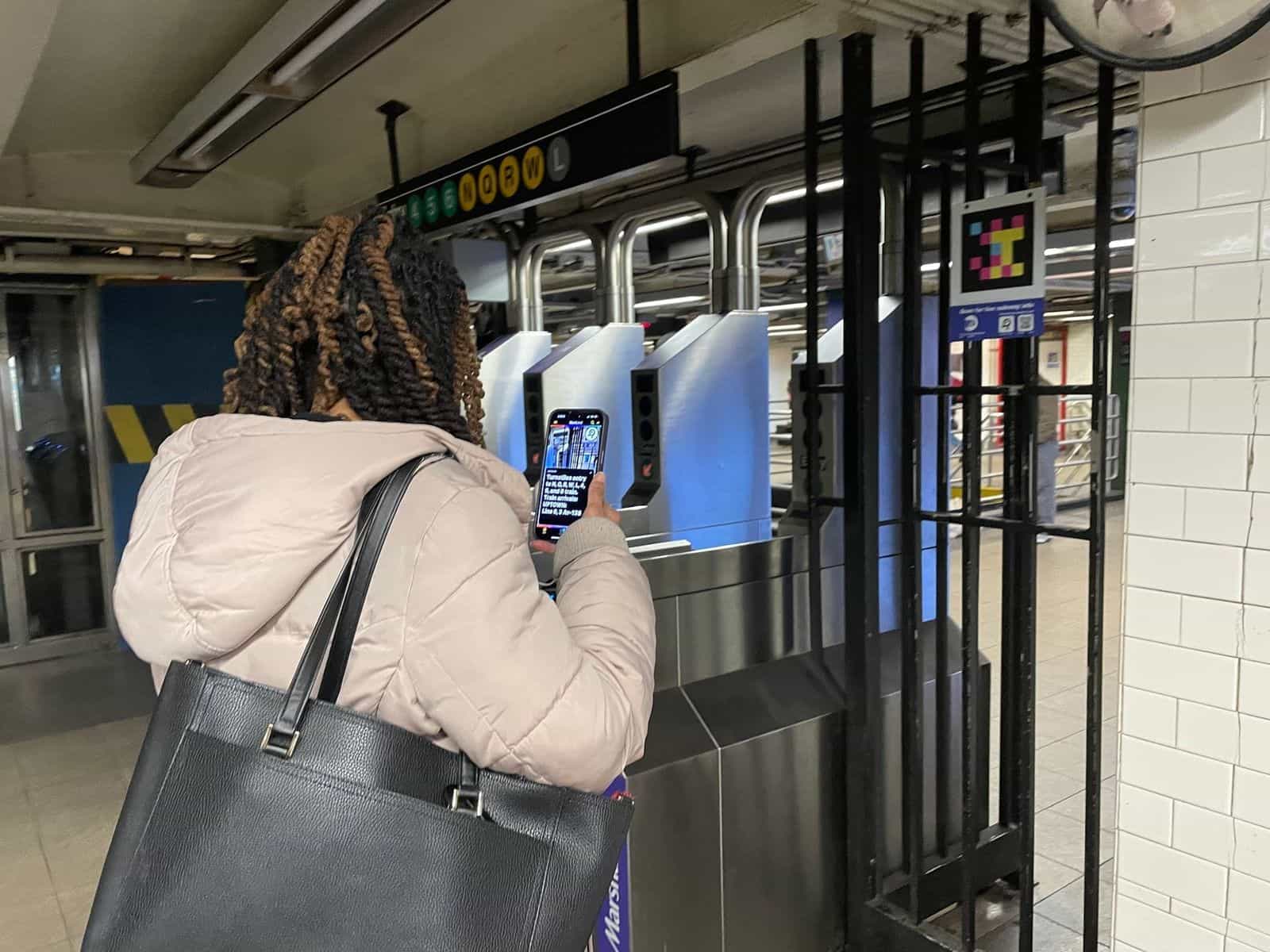
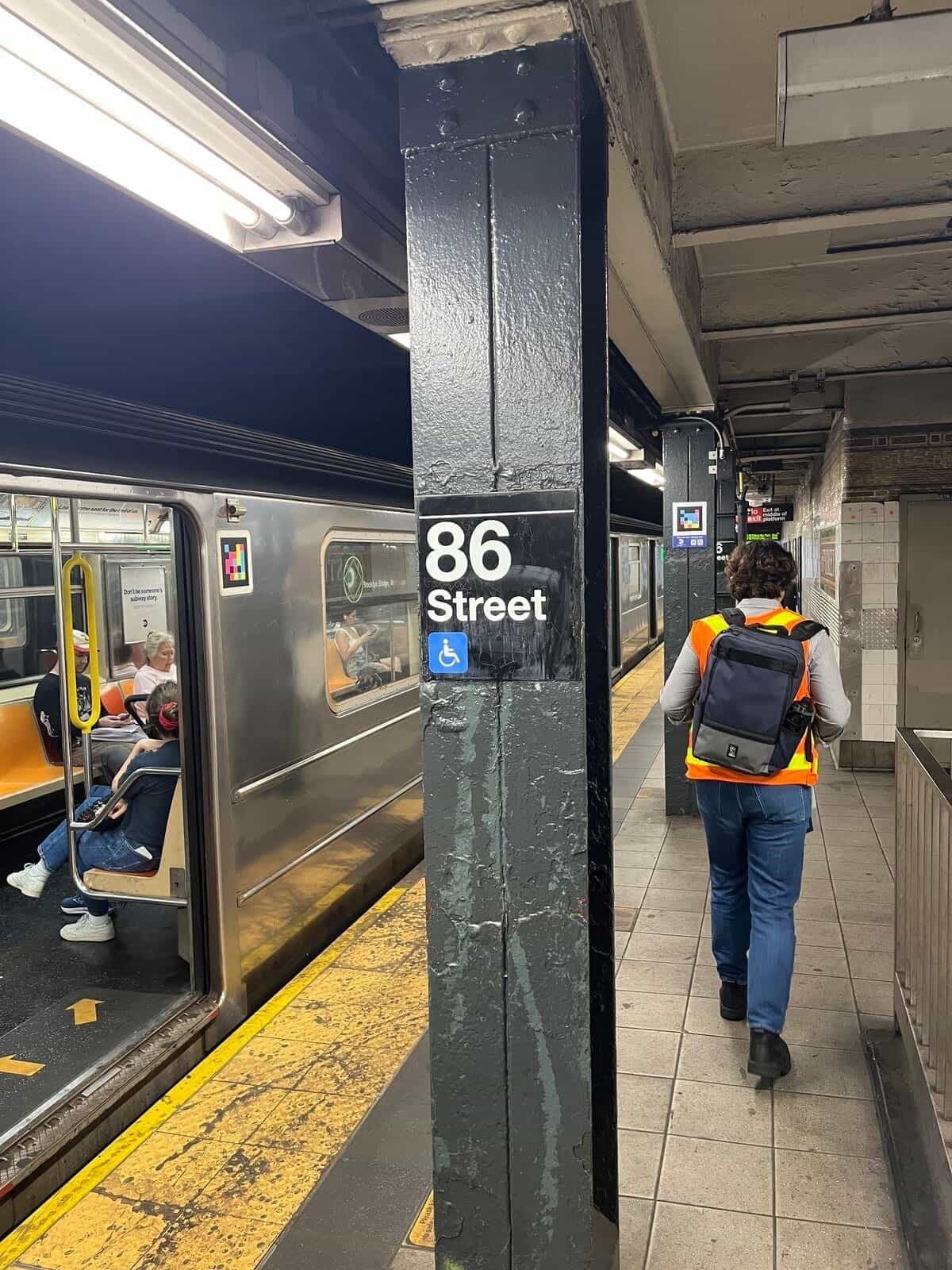
New York
From Jay St-MetroTech, NaviLens spread through the official MYmta app to stations in Manhattan and the Bronx, M23 bus stops and R211 cars.
Vitoria-Gasteiz
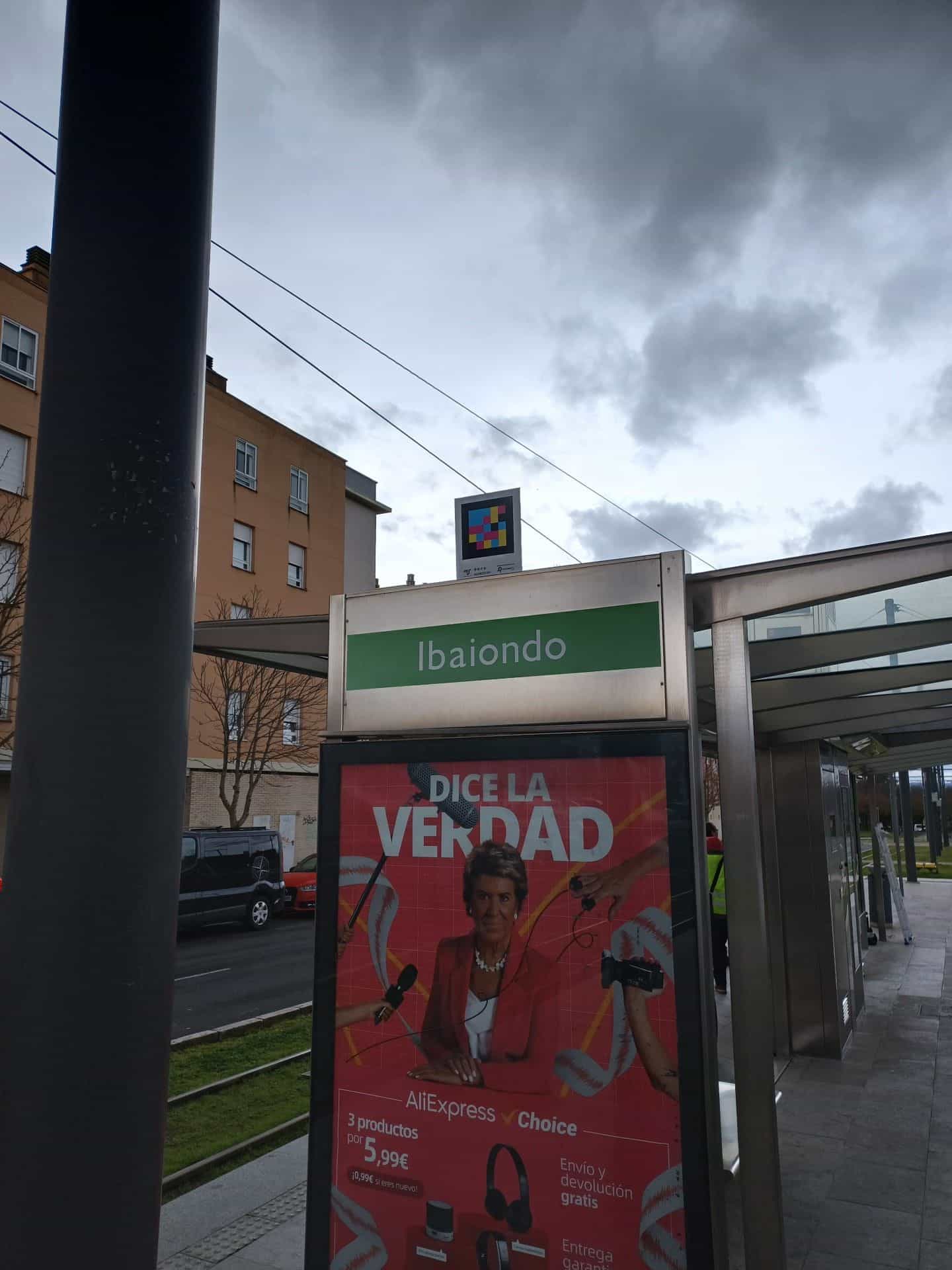
First European tramway with NaviLens in 100% of stops. Shelters, beacons and validators voiced out in any language.
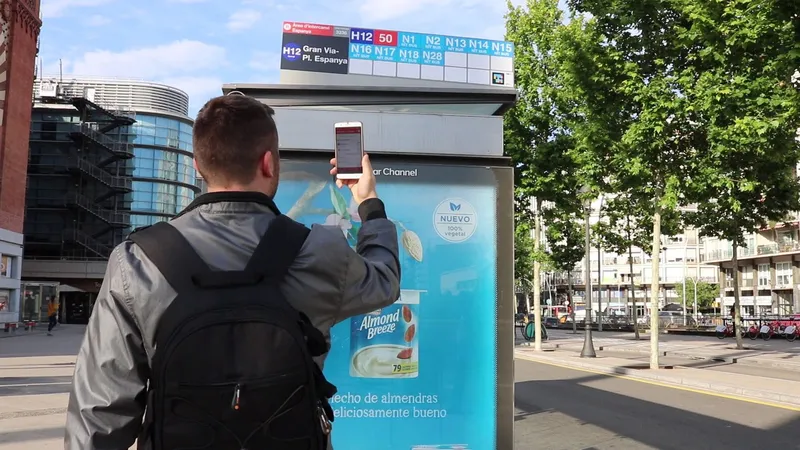
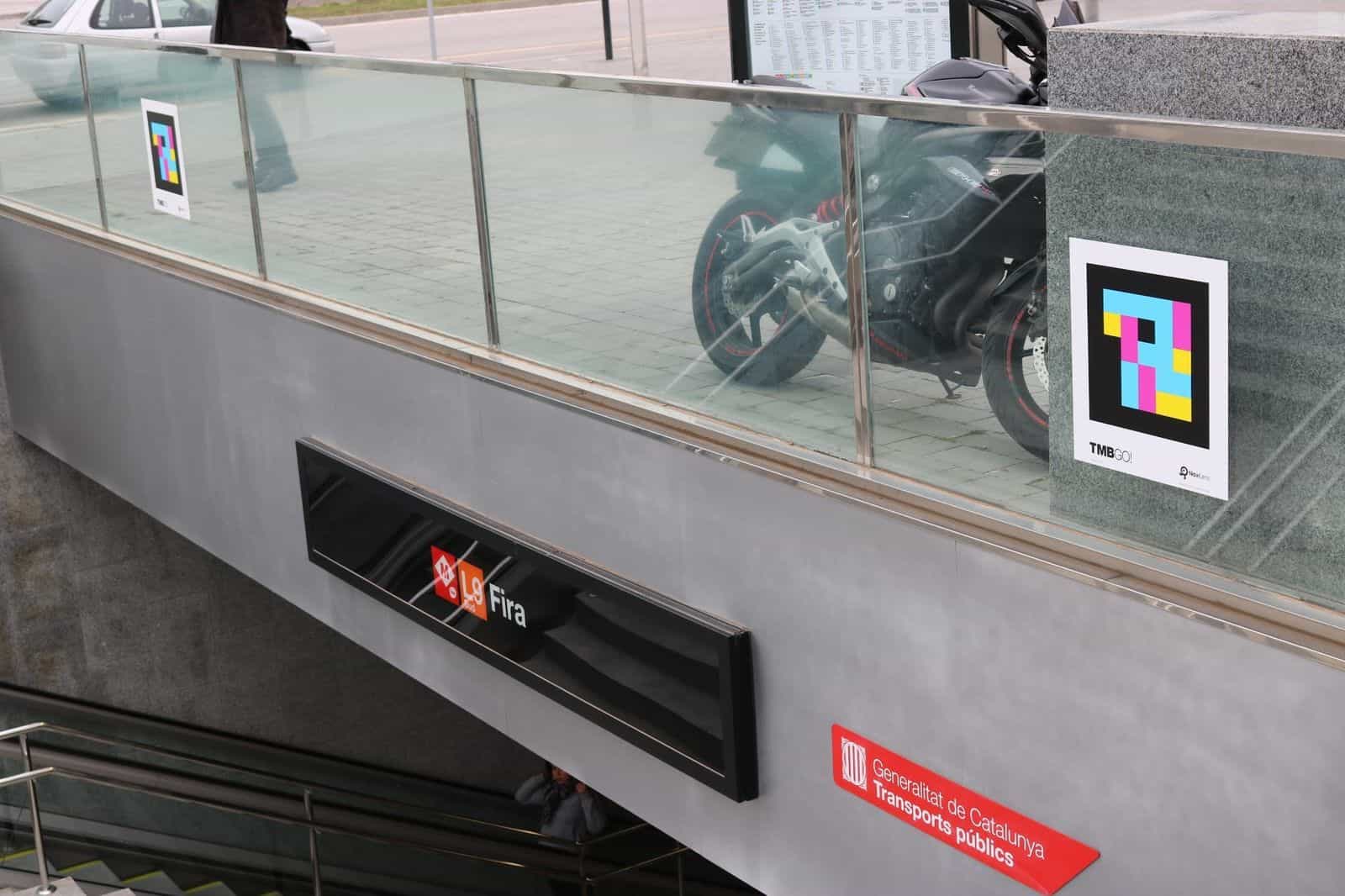
Barcelona
The official TMBGO! app integrates NaviLens at H12 shelters and L9. Elevators, SOS intercom and station maps accessible from the phone.
§ Uses
The same signage can improve the experience of blind and low-vision people, international travelers, older adults and anyone who needs clear information along the way.
Voice readout 100 ft from the street entrance, concourse, gates, platform, train and accessible restroom. No focusing, no waiting for customer service.
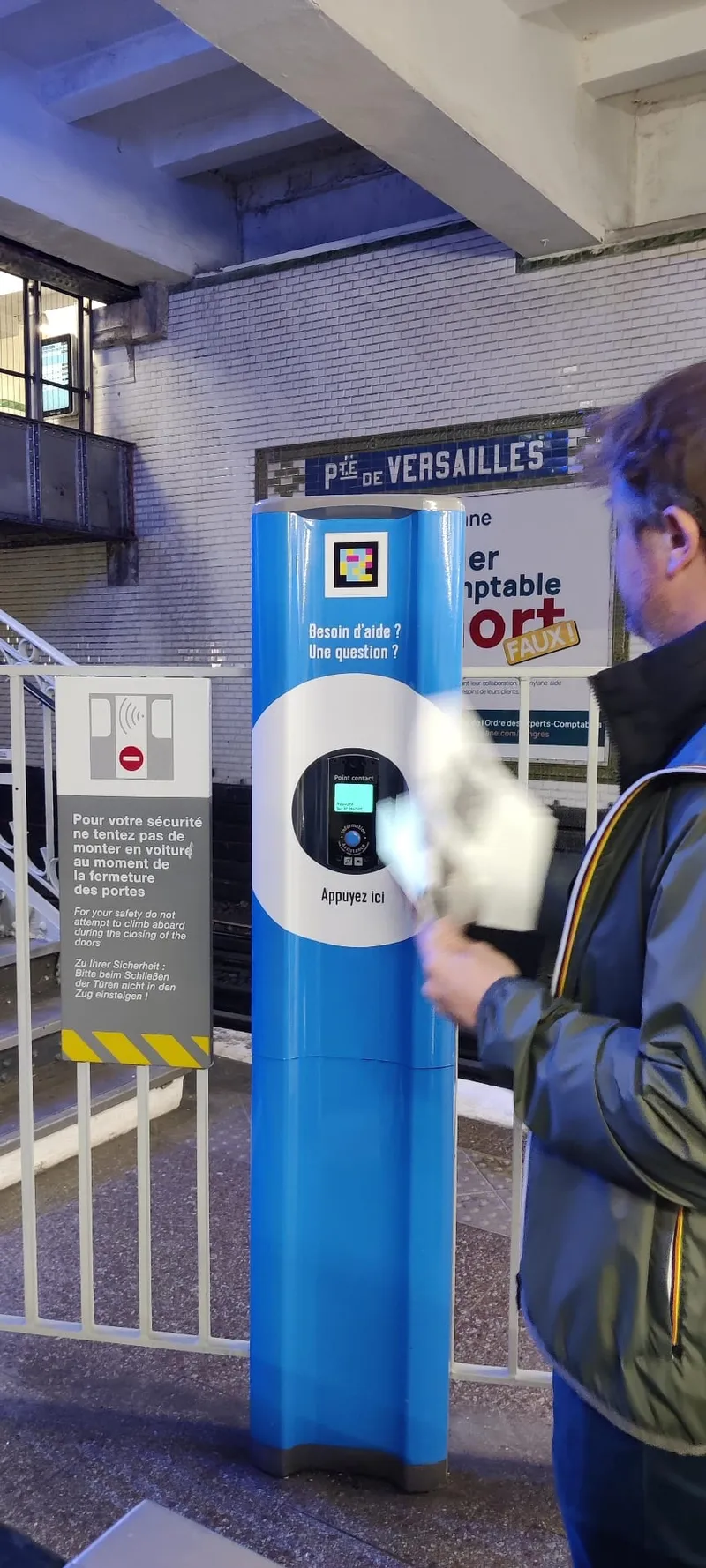
42 automatic languages picked up from the phone. Designed for high-tourism networks like NYC Subway, Metro de Madrid, RATP Paris and TMB Barcelona.
Stickers over the existing signage. No civil works, no cabling, no station closures. Rollout by station, by line or by full network.
§ Frequently asked questions
§ Bring NaviLens to your network
Audit, pilot and rollout supported from the Murcia team, alongside your operations team. No construction works — a pilot up and running in just weeks.
We reply within 48 working hours. If you'd rather have a call, mention it in the form and we'll propose a slot the same week.