§ Sector — Education & Health
Accessible wayfinding in hospitals and educational centers
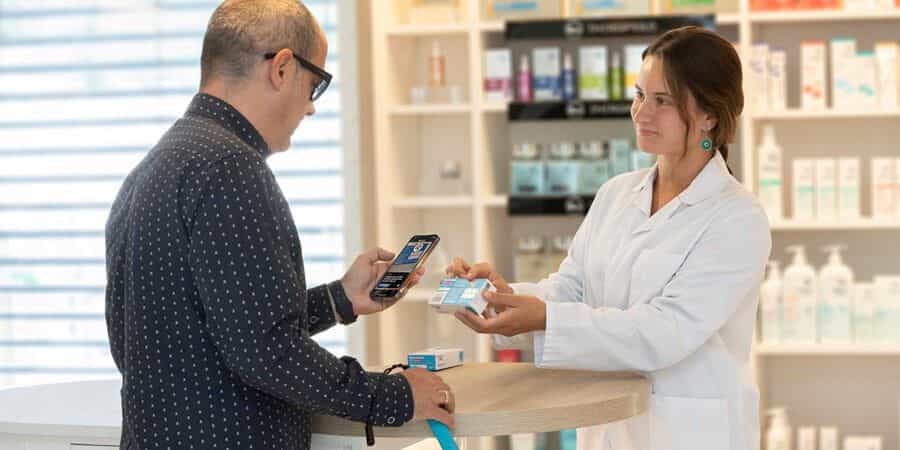
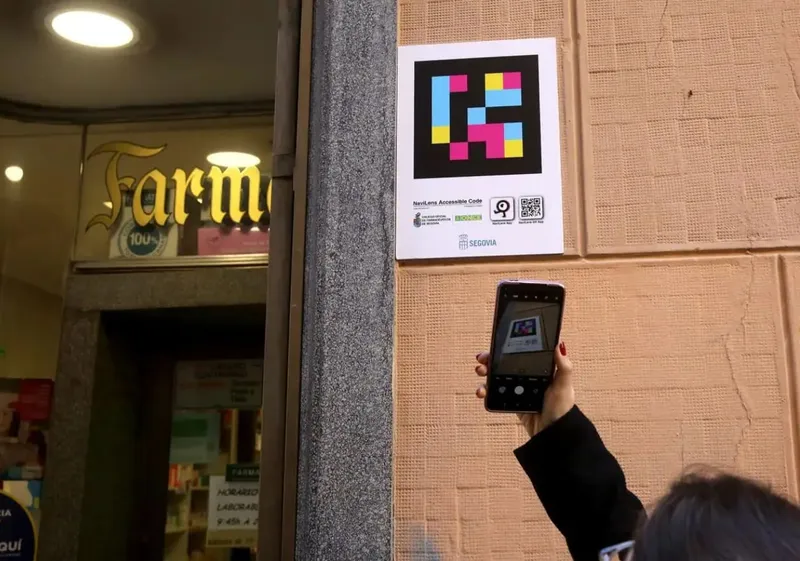
NaviLens improves wayfinding and access to information in hospitals, pharmacies, schools, universities and libraries. Patients, families, students and visitors find spaces and consult content independently, in 42 languages and with no construction.
- 12×
- Farther than a QR code
- 42
- Languages with audio output
- <1s
- Detection time
- 160°
- Code capture angle
§ Why NaviLens in education & health
Wayfinding and accessible information at every point of the facility
- 01
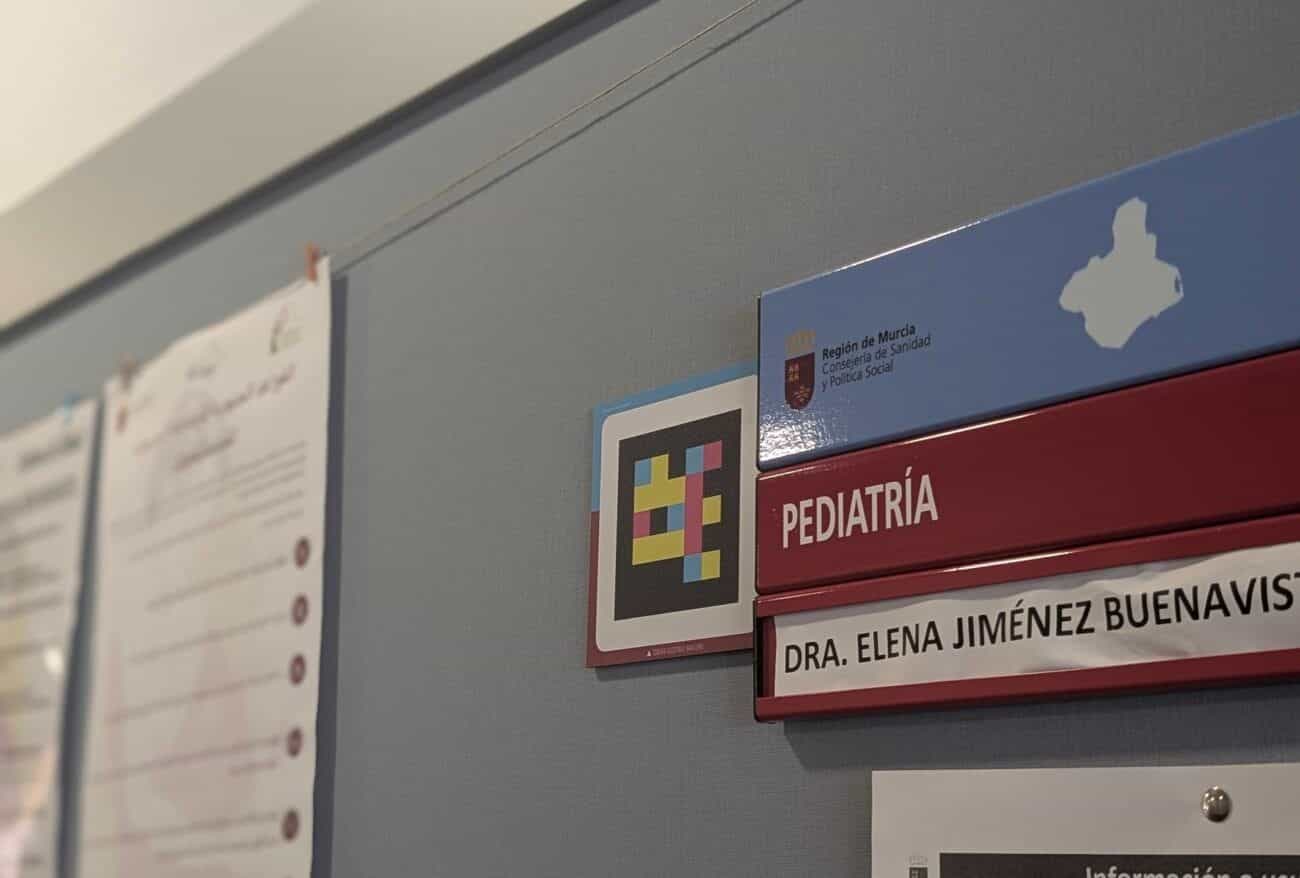
Clear wayfinding in complex environments
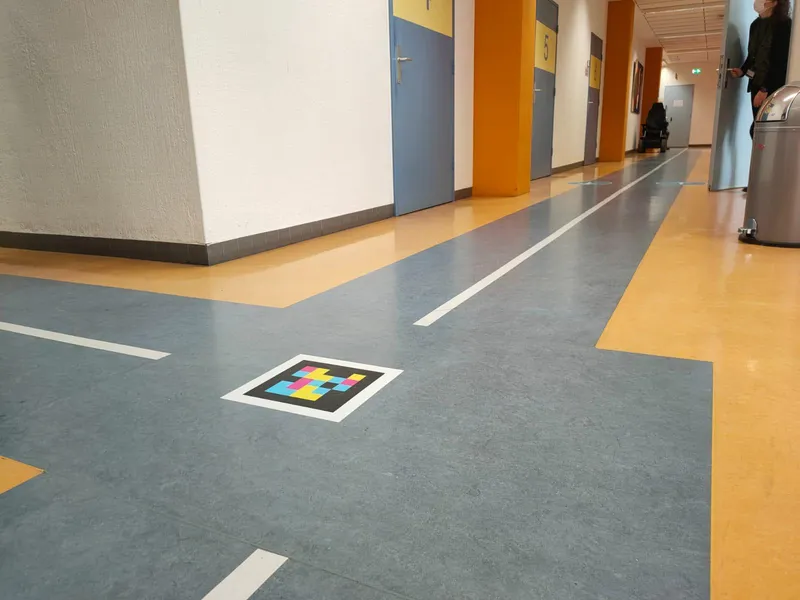
Hospitals, university campuses and large schools are maze-like. NaviLens helps patients, students and families reach their exam room, classroom or service without depending on anyone else.
- 02
Accessible clinical and educational info
Drug inserts, test prep instructions, service rules or classroom materials—critical content that can now be read aloud in the user's language.
- 03
One accessible layer for every profile
Blind and low-vision people, older patients, students with disabilities, international patients or families with low literacy: everyone accesses the same information in their preferred format.
§ How we roll it out
Accessible-signage rollout, with no construction
A simple process, no construction, with no impact on patient care or instruction. End-to-end in 1–3 weeks.
- 01
Facility assessment
We map floors, classrooms, services and critical journeys: admissions, ED, registrar, library, labs and exam rooms.
1–3 days
- 02
Signage design
We define what information lives on each code and how it integrates with your existing clinical or campus signage.
3–5 days
- 03
Install
We install the codes with no construction and no service interruptions. No wiring, no power required.
1–2 days
- 04
Measure & iterate
Dashboard with usage data, most-requested languages and hotspots to improve the patient and student experience.
Ongoing
§ Featured story
Abe Eye Clinic · Oita (Japan)
Abe Eye Clinic — a clinic that explains itself.
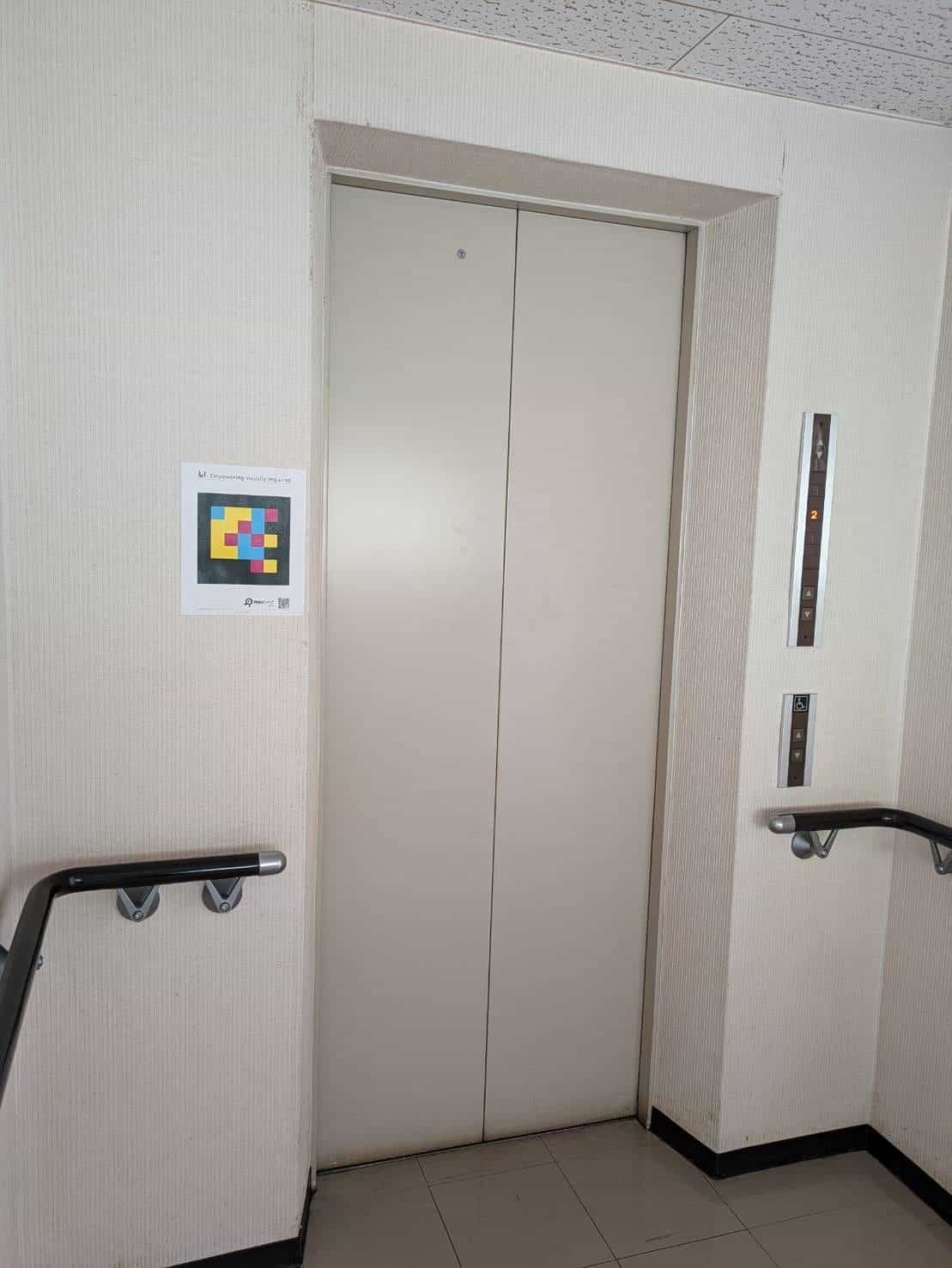
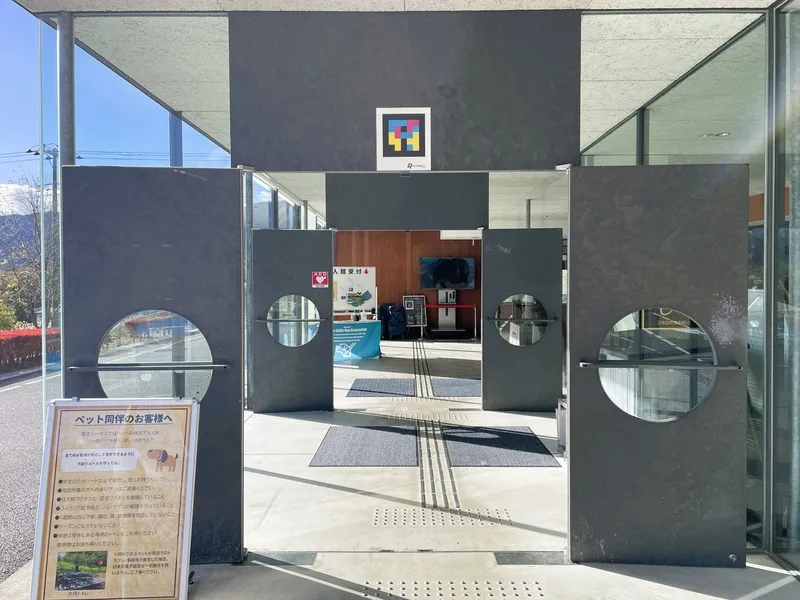
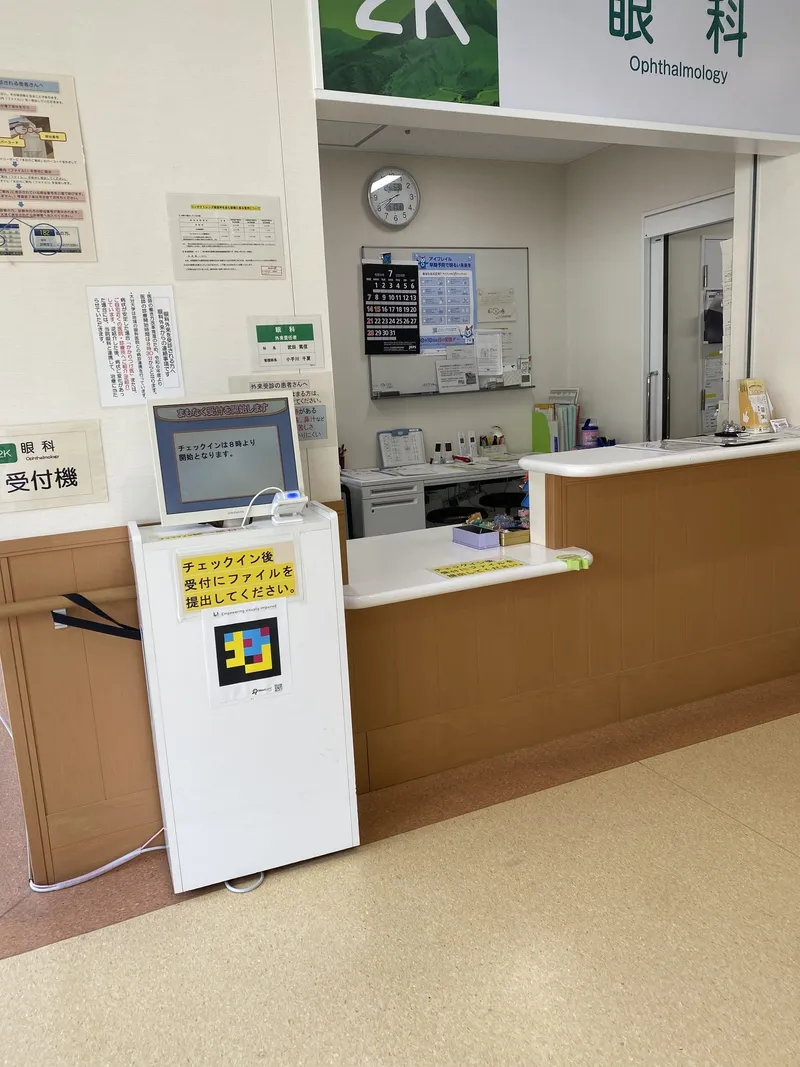
An ophthalmology clinic in Oita used the NaviLens Public Kit to label the restroom, the elevator and the light switches: their own patients—many with low vision—point their phone from across the room and the clinic announces itself out loud, in Japanese, English and other languages. No construction, no technical install, replicable by any healthcare facility.
§ In their own words — Education & Health
What facilities running with NaviLens are saying.
- FujinomiyaOriginal quote in English
The Japan Guide Dog Center (Fuji Harness) was established in October 2006 as the third training centre of the Japan Guide Dog Association. A multipurpose training room has been set up in the heart of the centre, and we are trying to spread awareness about guide dogs and vision impairments to many visitors.
Japan Guide Dog Association
Sitio oficial · Facilities · Fuji Harness
- DeKalb, IllinoisOriginal quote in English
Northern Illinois University recently unveiled NaviLens, a new wayfinding tool with more than 1,500 QR codes placed around campus and on city buses to help people with visual impairments navigate.
Shaw Local · Daily Chronicle
Cobertura del despliegue en NIU y autobuses de DeKalb
- OitaOriginal quote in Japanese
ナビレンスは、視覚障害者が自立して移動できる環境づくりを後押しする最先端のツール。色とりどりのコードを離れた場所からスマートフォンで読み取り、音声で情報を受け取ることができる。
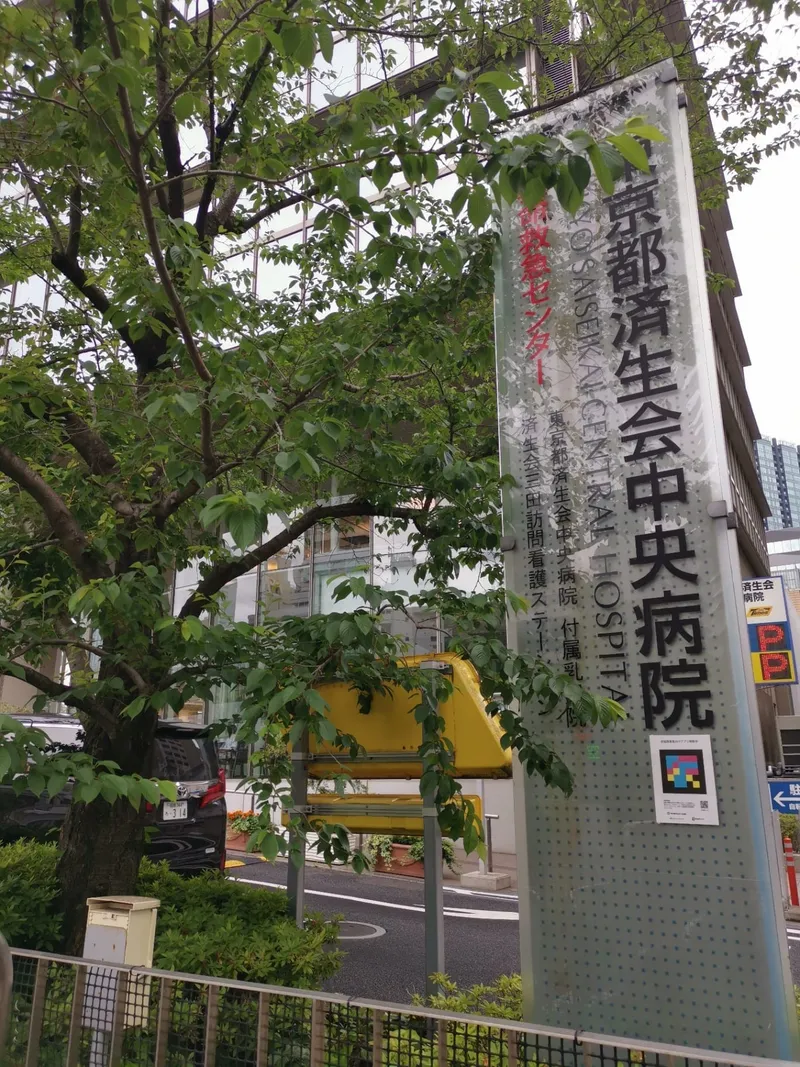
東京都済生会中央病院
Tokyo Saiseikai Central Hospital · primer hospital general de Japón en integrar NaviLens
§ Success stories
Healthcare and education facilities running with NaviLens
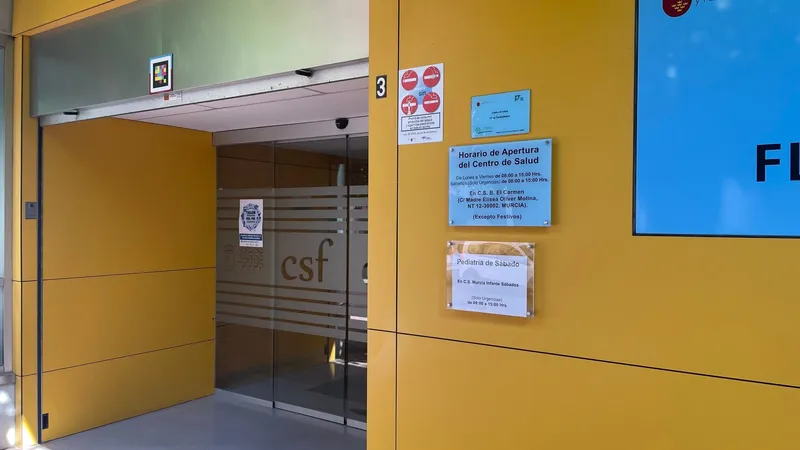
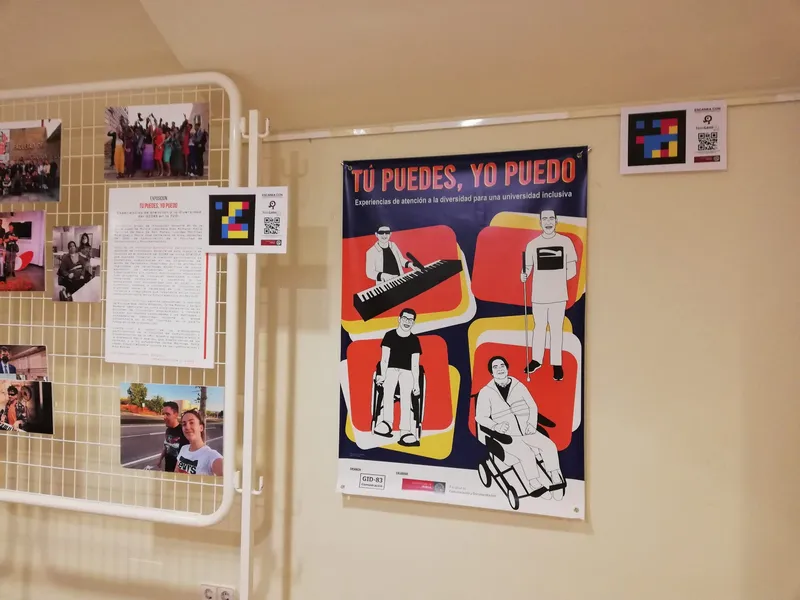
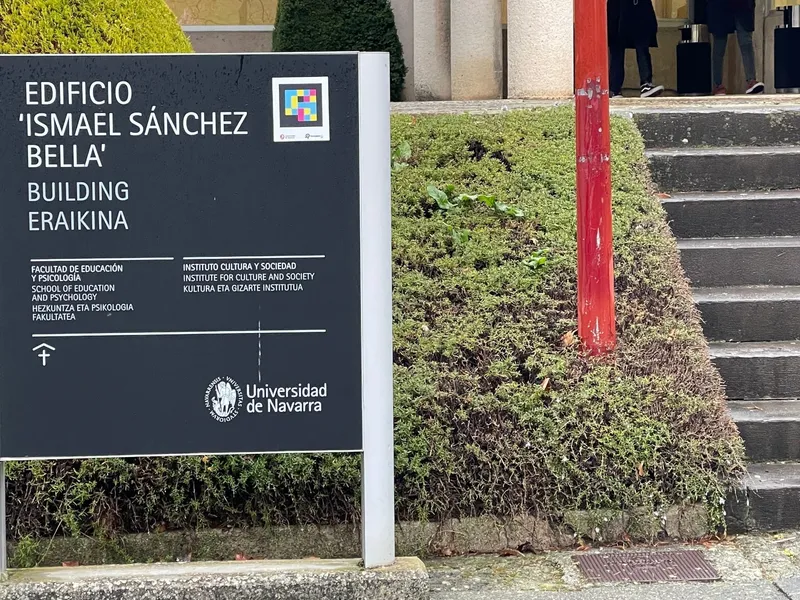
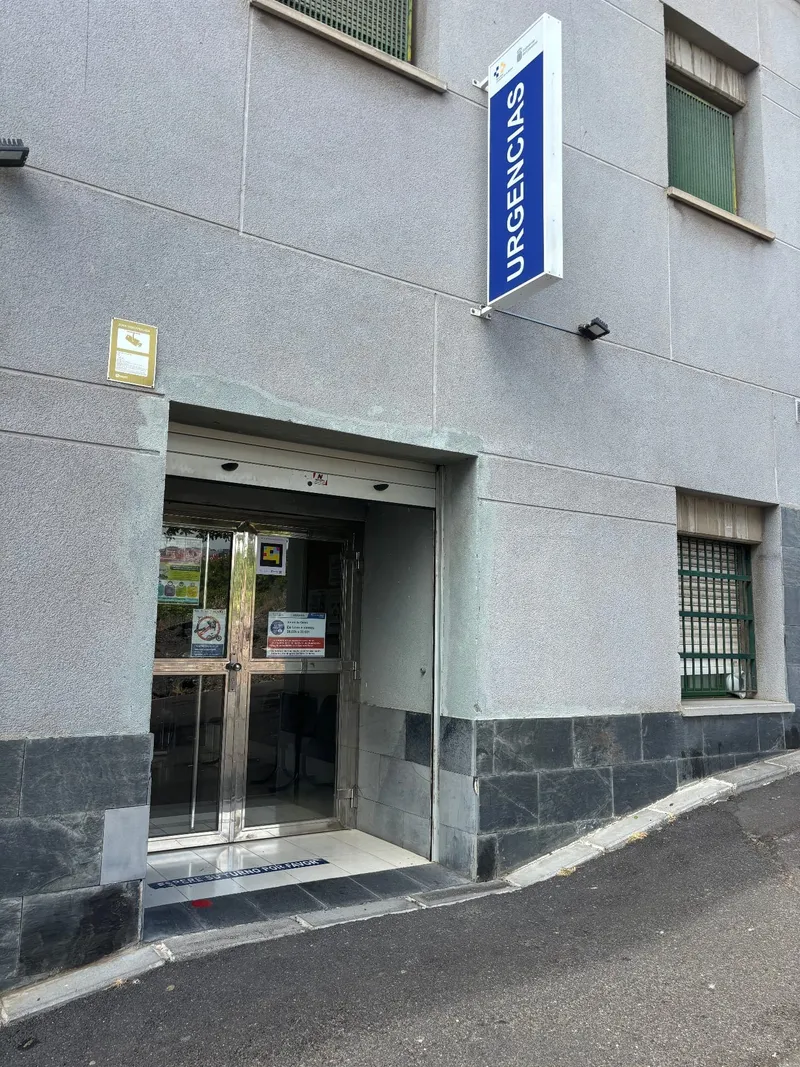
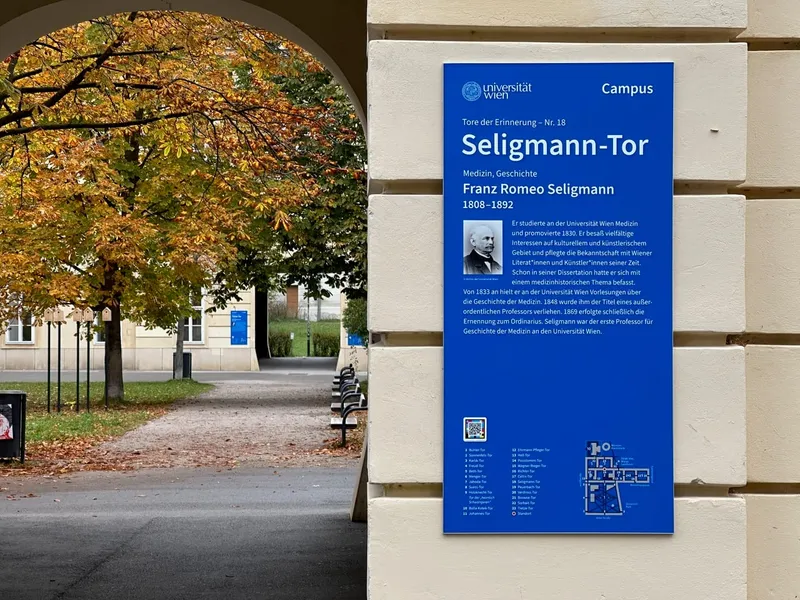
Each card is a school, campus or healthcare facility where NaviLens already helps students, patients and families find their way. Open one to see how we did it.
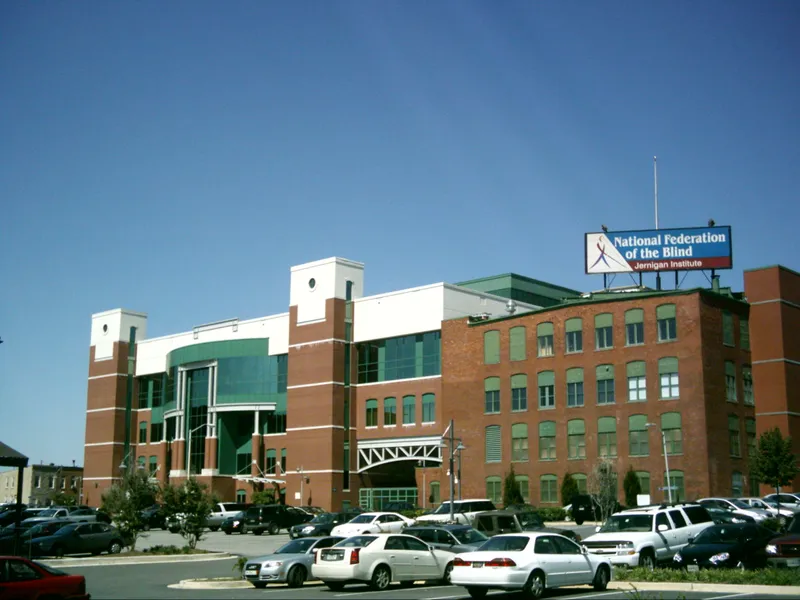
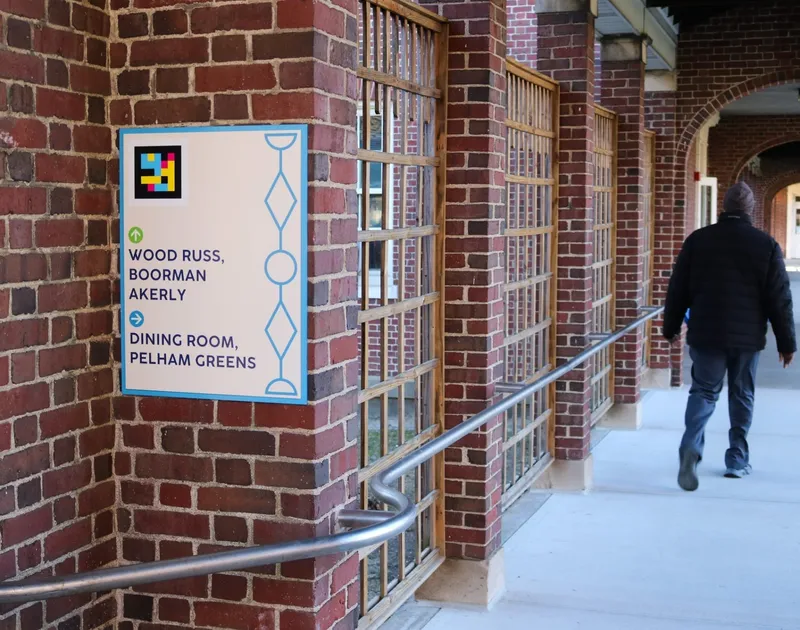 BronxEducation→
NYISE — New York Institute for Special Education, accessible with NaviLens
Bronx
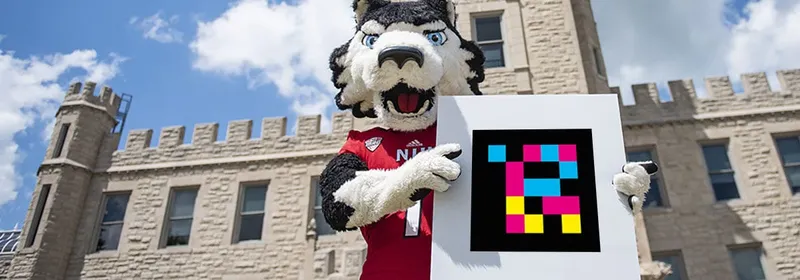 DeKalb, IllinoisEducation→
Northern Illinois University — campus & City of DeKalb buses
DeKalb, Illinois
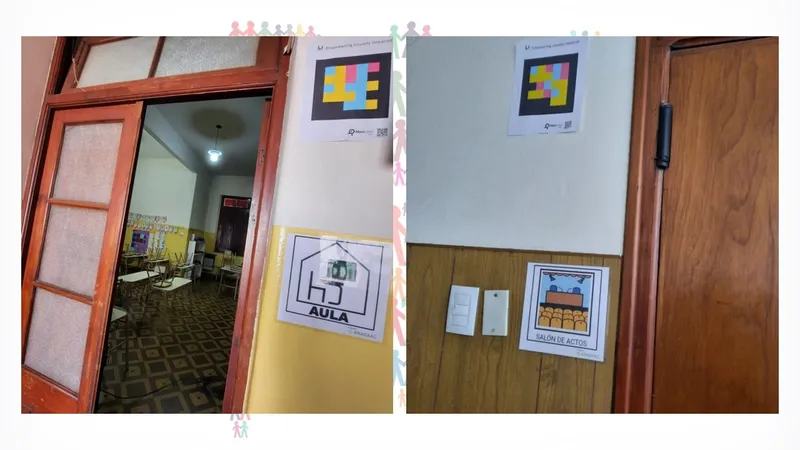 General PicoEducation→
Santa Inés School — “Connecting Classrooms”
General Pico
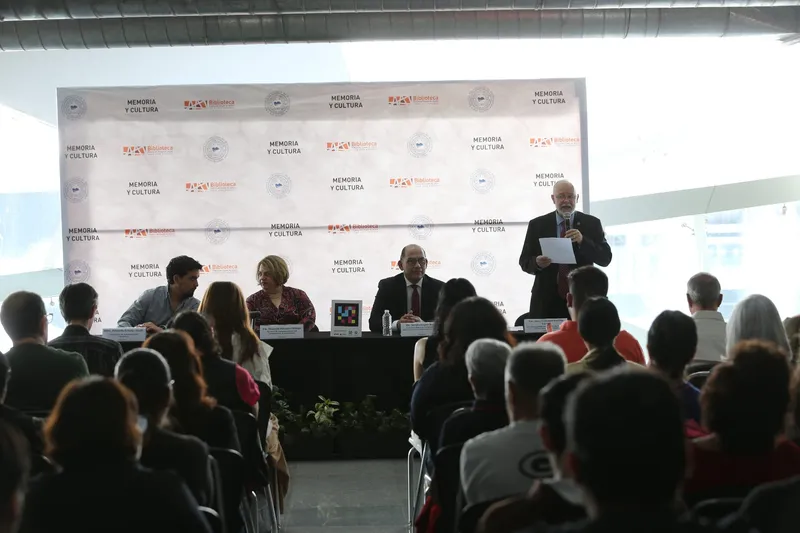 GuadalajaraEducation→
Inclusive Guadalajara — IDB + UdeG (BPEJ, CUCS, CUCEA)
Guadalajara
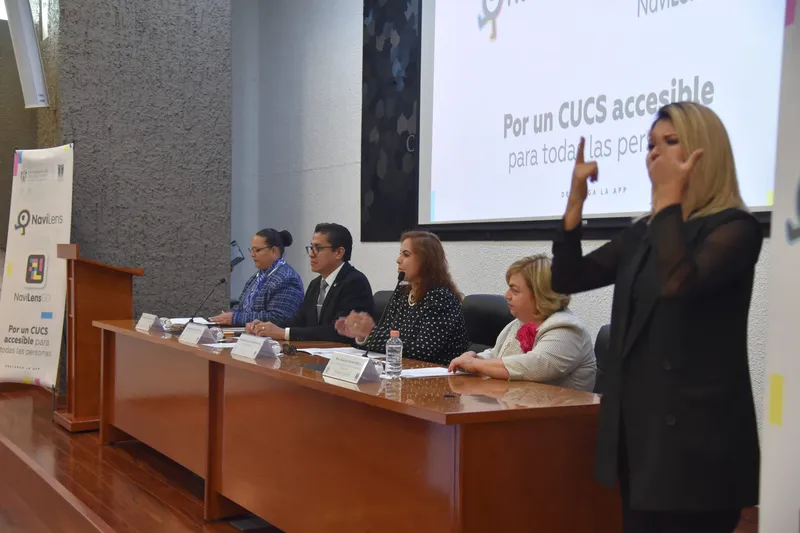 GuadalajaraEducation→
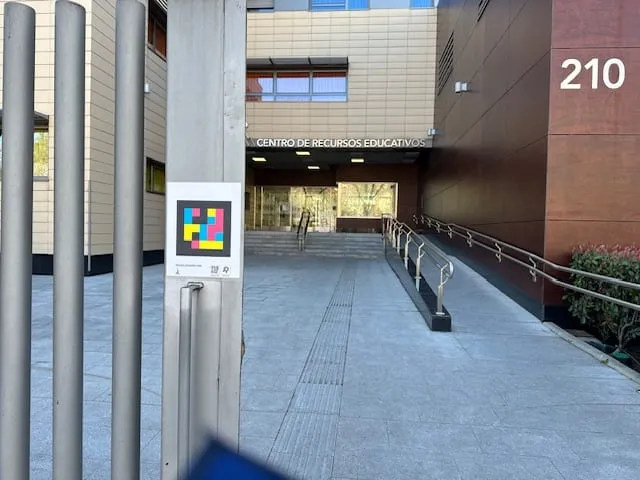
CUCS University of Guadalajara — 17 codes on the health sciences campus
Guadalajara
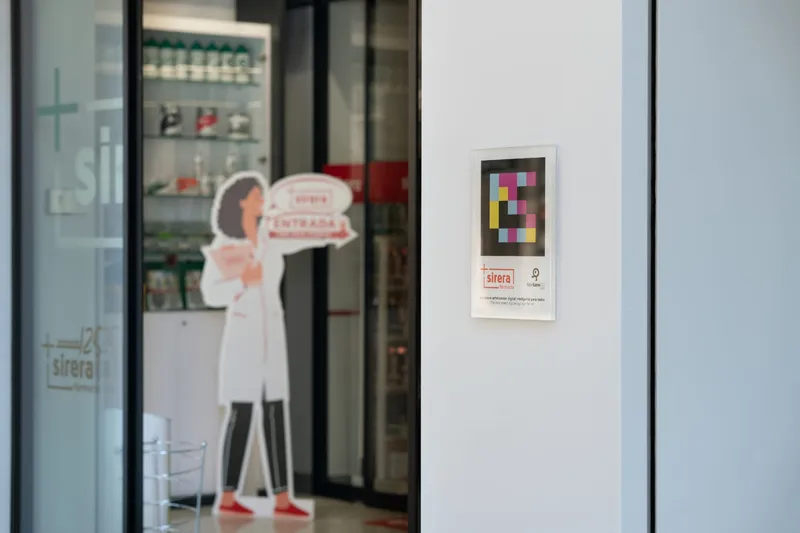
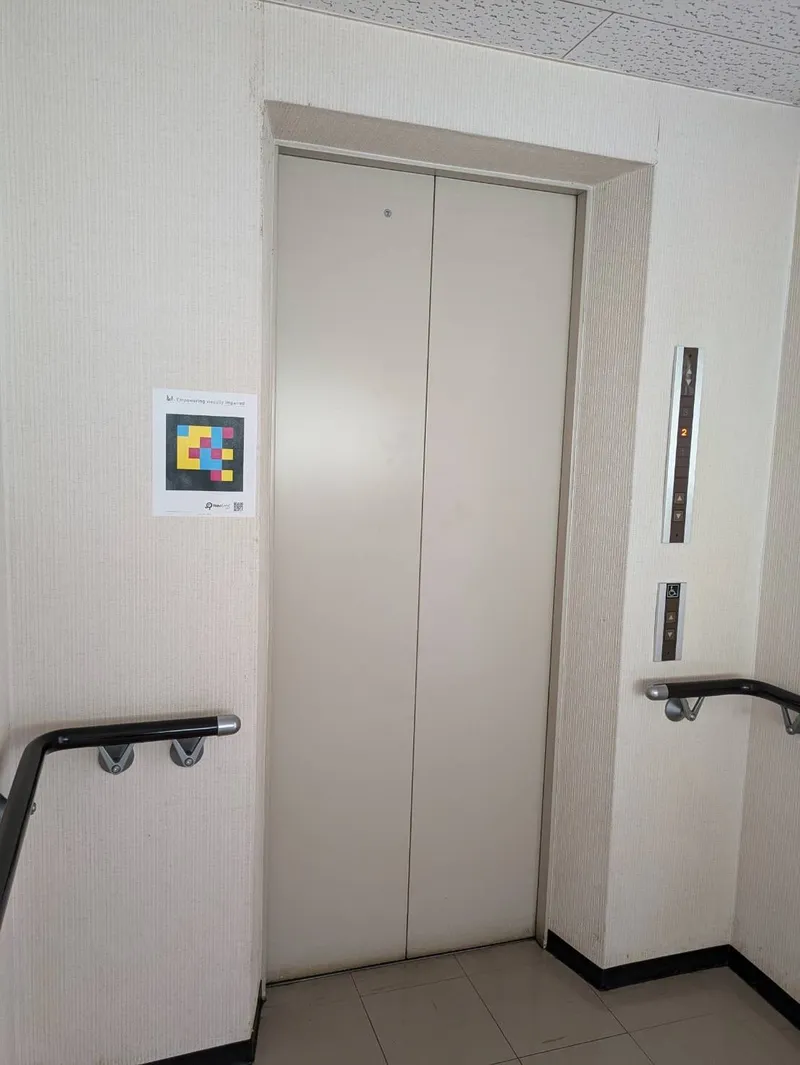 OitaHealthcare→
Abe Eye Clinic — Public Kit
Oita
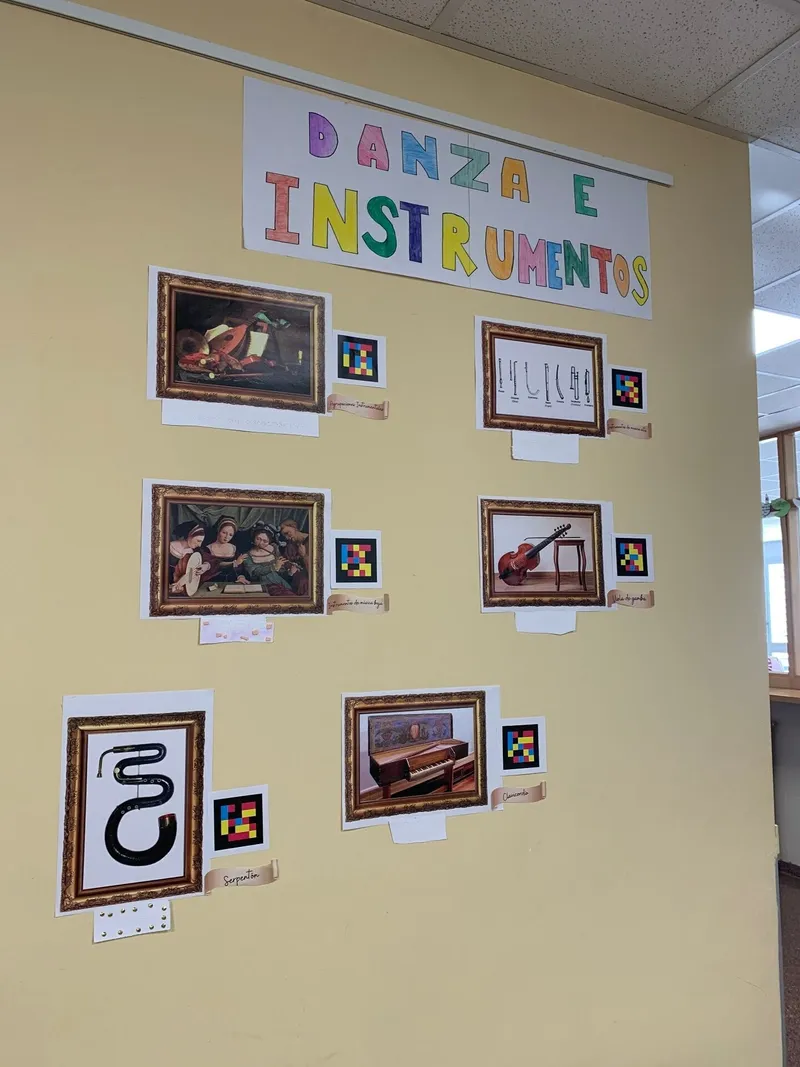
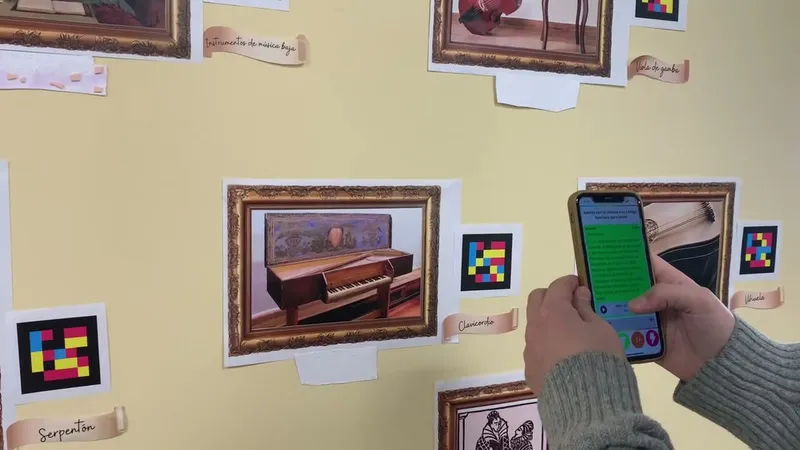
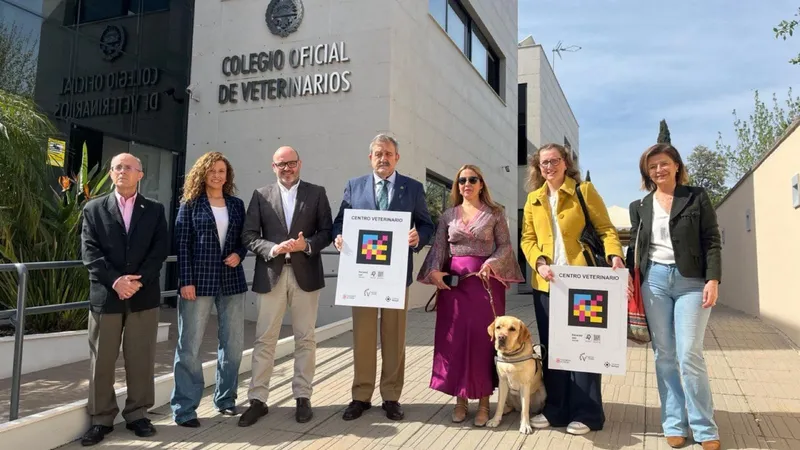
§ Compliance
Accessibility and privacy in healthcare and educational facilities
Accessibility at a healthcare or educational facility covers wayfinding, information, in-person service and digital channels. NaviLens improves access to information as part of an integrated accessibility strategy, without requiring users' personal data.
- Section 504
Section 504 and the HHS 2024 rule
Providers that receive federal funding must make their programs accessible, and the HHS rule finalized in 2024 tightened requirements on accessible medical information and equipment. NaviLens delivers wayfinding and room, department and equipment information by voice.
- ADA Title II
Public campuses and hospitals
Public school districts, state universities and public hospitals are ADA Title II entities, and the DOJ's 2024 web rule brings their digital content to WCAG 2.1 AA by April 2026. NaviLens carries the same standard into corridors, classrooms and waiting rooms.
- FERPA / HIPAA
No patient or student data
NaviLens requires no account, no login and no location data, so it adds no FERPA or HIPAA surface. Students, patients and families get wayfinding without registering or sharing anything.
§ What you can include
Accessible information at every point of the facility
Each NaviLens code becomes an accessible, updatable, multilingual information point.
- Wayfinding to floors, classrooms and exam rooms
- Admissions, appointments and registrar info
- Drug inserts and dosing at the pharmacy
- Accessible classroom materials
- Service rules and operating hours
- Custom content—anything you need
§ FAQ
FAQs on accessibility in healthcare and education
§ Let's talk
Let's talk about your healthcare or educational facility
Tell us about your hospital, pharmacy, school, university or library. We'll design a wayfinding and accessible-information solution, with no construction and tailored to the facility's activity.