§ Sector — Retail · Stores & shopping centers
Retail accessibility for independent shopping
NaviLens improves accessibility in supermarkets, fashion and electronics stores, pharmacies and shopping centers. It gives more independence to blind and low-vision customers and lets you roll out the solution at scale across the network, with no store closures.
- 12×
- Farther than a QR code
- 42
- Languages with audio output
- <1s
- Detection time
- 160°
- Code capture angle
§ Why NaviLens in stores
Accessible information at every shelf and aisle.
- 01
Independent shopping without relying on staff
Helps blind and low-vision customers orient themselves, locate products and access relevant information during their shopping journey.
- 02
Accessible product information at the shelf
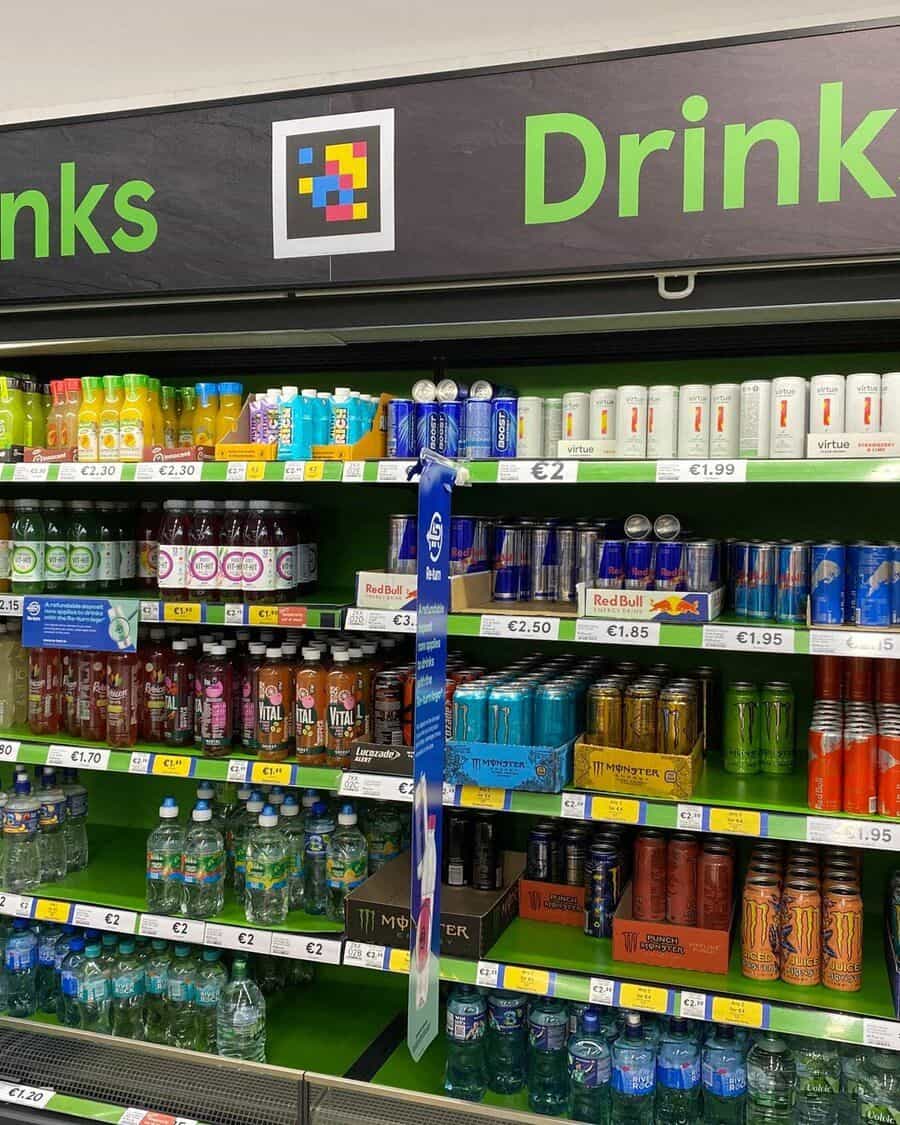
Surfaces product info, ingredients, allergens, instructions and digital content right at the shelf, in each customer's language.
- 03
Scalable and measurable rollout
Deploy with no construction and no store closures, and check usage metrics by store, section, language and scan point.
§ How we roll it out
From a single store to an accessible chain.
An agile process—no store closures and no signage overhaul. One store live in 1–2 weeks.
- 01
Store discovery
We map the store or shopping center with you: layout, shelving, shopper journeys, current signage and key product categories.
1–3 days
- 02
Design with your brand
We define where codes live—entrances, aisles, shelves, checkout, fitting rooms, restrooms—and how they fit your retail design and brand guidelines.
3–5 days
- 03
Install without closing
We produce and install the codes with no construction, no wiring and no impact on store hours. Ready to scale across your whole fleet.
1–2 days per store
- 04
Retail-grade analytics
Check usage metrics by store, section, language and scan point. Identify the products and zones with the most interest to support customer-experience, visual-merchandising and continuous-improvement decisions.
Ongoing
§ Featured story
Walmart · accessible aisle signage rollout
Inside Walmart: aisle signage any shopper can read.
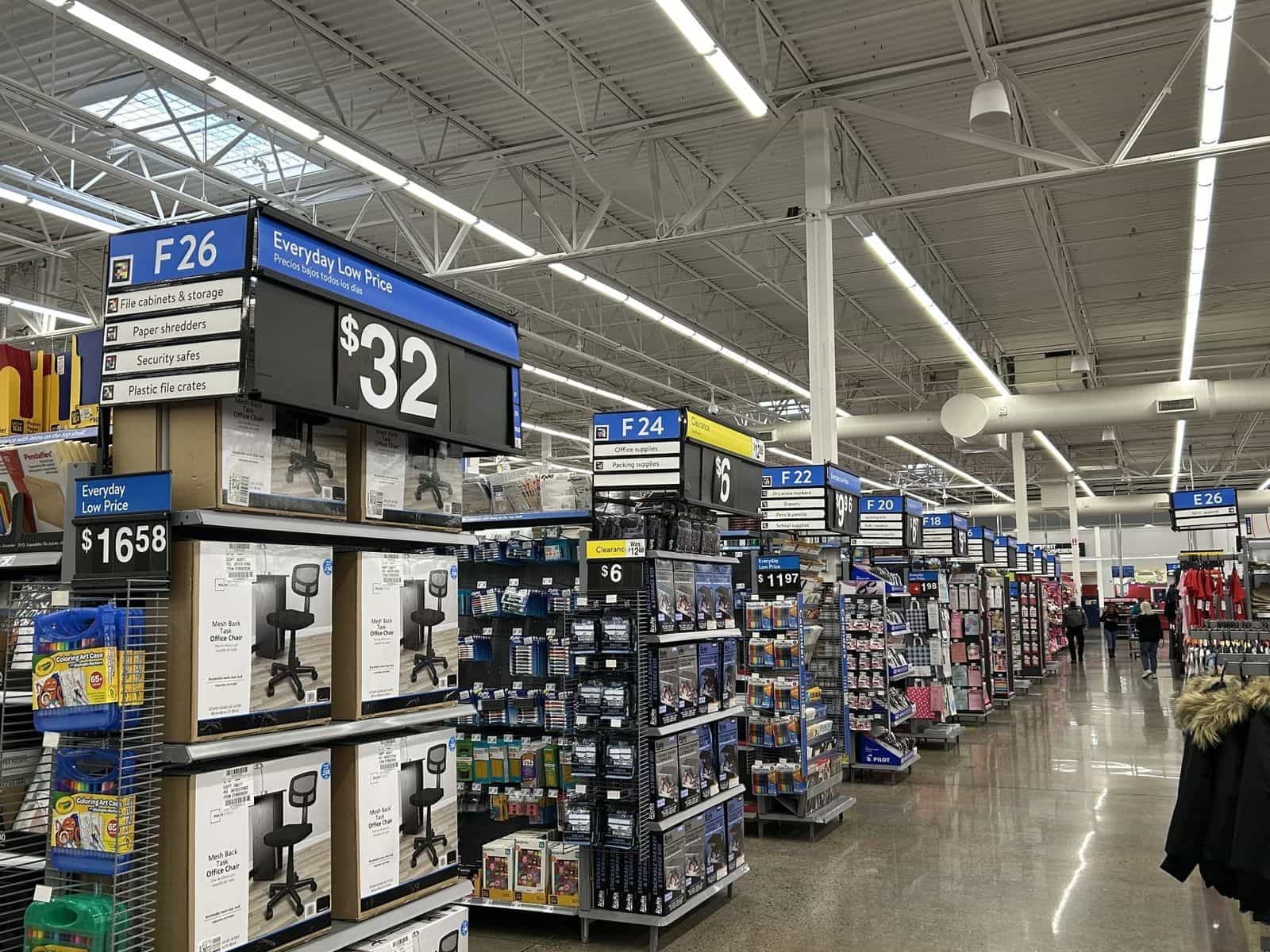
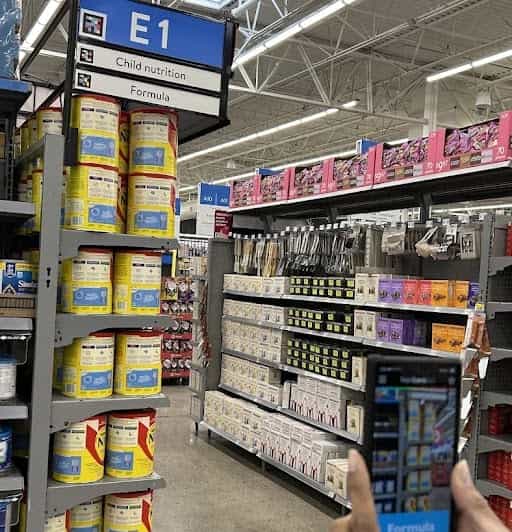
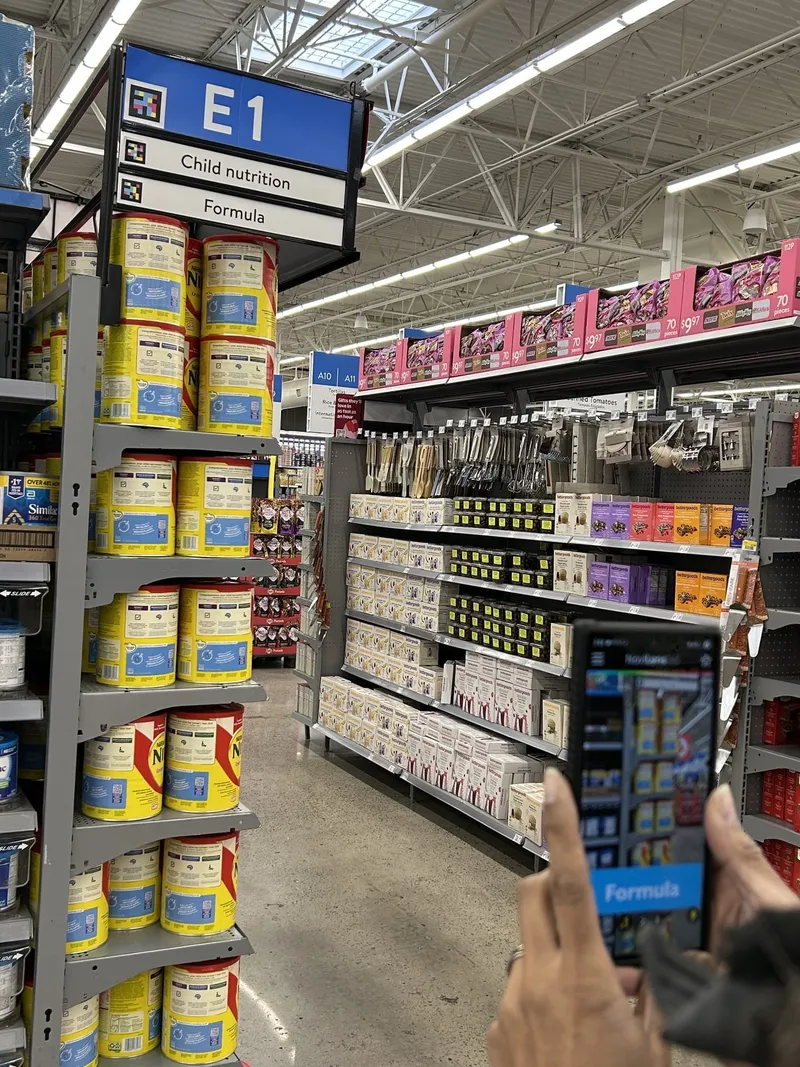
Walmart is rolling out NaviLens across stores so blind and low-vision customers can locate sections, find products and check details on their own. Codes go on top-aisle signs and category headers—no construction, no extra hardware—readable from across the aisle.
§ In their own words — Retail
What retailers running with NaviLens are saying.
- Dallas-Fort WorthOriginal quote in English
As it continues to bolster accessibility, Walmart is now offering the wayfinding service entirely free to customers… helping her over those hurdles is Walmart's new pilot program… that connects members of the blind and low vision community with sighted interpreters who communicate visual information in real time.
Walmart Corporate
Press release · “Shopping Solo: Walmart and Aira Offer Greater Freedom to Blind Customers”
- BrusselsOriginal quote in French
On estime qu'en Belgique, 1 personne sur 1.000 est aveugle et qu'1 sur 100 est malvoyante. Faire ses courses de façon autonome est souvent un grand défi pour ces personnes. Avec ce projet pilote, Carrefour met en place à Auderghem des solutions concrètes pour rendre le magasin accessible.
Geoffroy Gersdorff
CEO · Carrefour Belgium
- Boadilla del MonteOriginal quote in Spanish
Carrefour ha lanzado un nuevo concepto de tienda con el objetivo de mejorar la accesibilidad y la experiencia de compra de las personas con discapacidad, en colaboración con Ilunion. La nueva tienda incorpora elementos como planos táctiles con braille, sistemas de orientación y señalización accesible para garantizar la autonomía de todos los clientes.
Carrefour España
Accessible store concept · partnership with Ilunion (ONCE Social Group)
§ Success stories
Stores and shopping centers already running with NaviLens.
Each card is a store or chain where NaviLens already guides customers through aisles, entrances and services. Open one to see how we did it.
 Dallas-Fort WorthGrocery→
Walmart Supercenter — accessible aisles with NaviLens
Dallas-Fort Worth
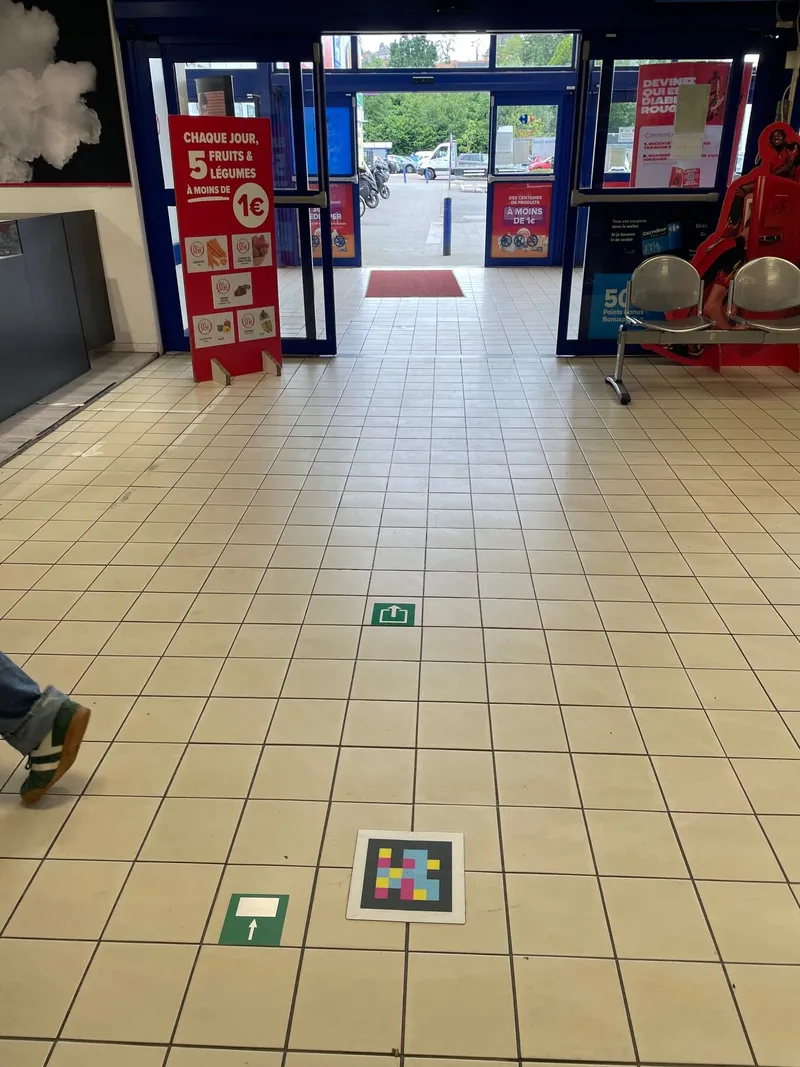 BrusselsGrocery→
Carrefour Auderghem — accessible supermarket
Brussels
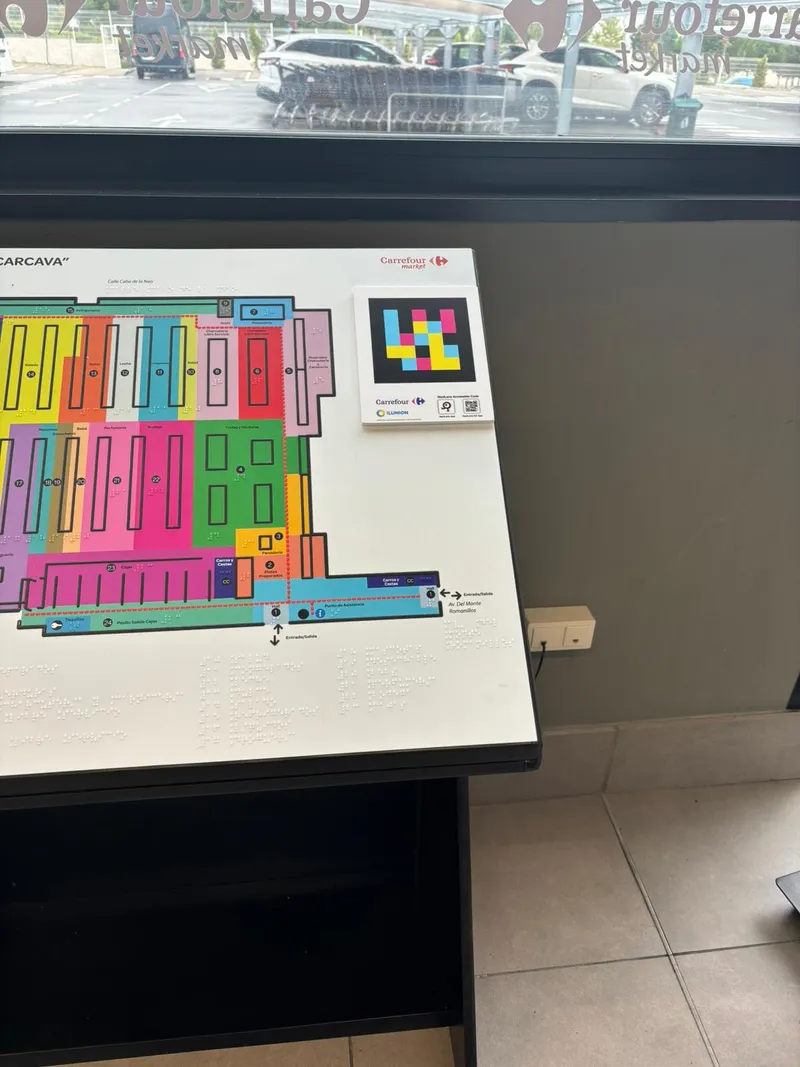 Boadilla del MonteGrocery→
Carrefour Market Boadilla — accessible supermarket
Boadilla del Monte
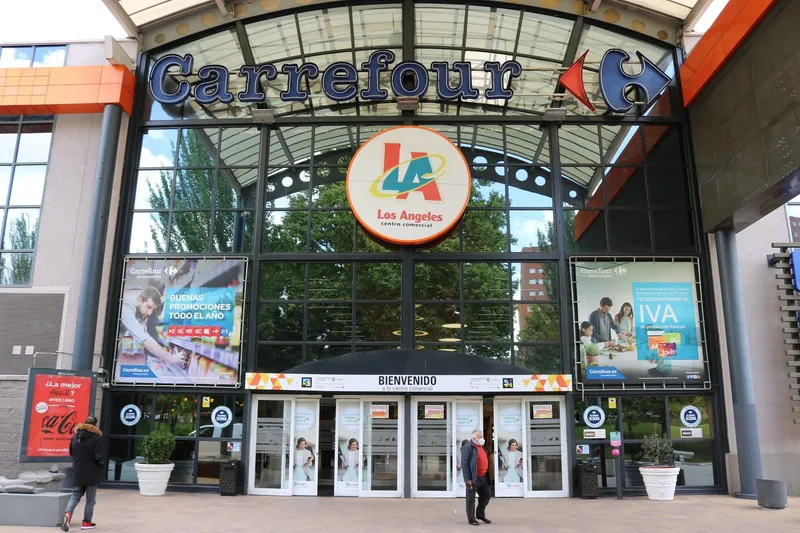 MadridShopping mall→
Los Ángeles Mall (Villaverde) — Carrefour + accessible shopping gallery
Madrid
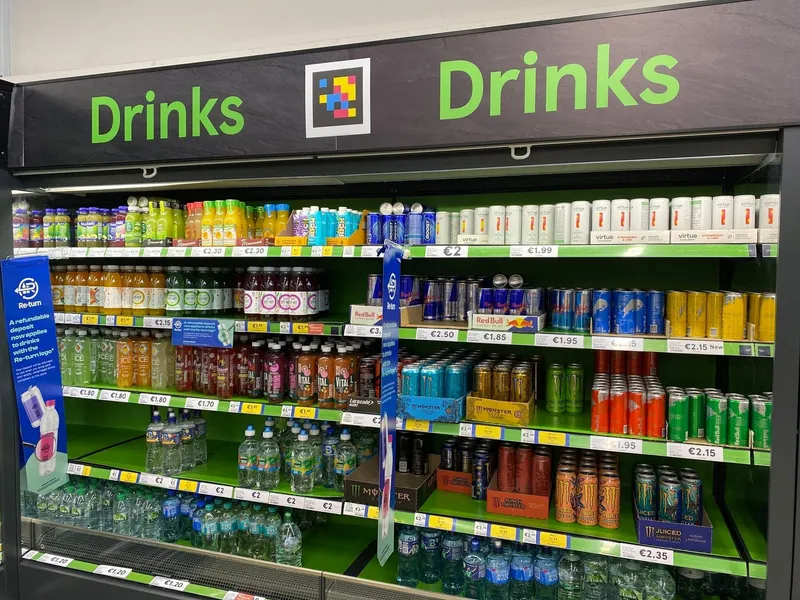 ClonmelGrocery→
Tesco Clonmel — Accessible supermarket with NaviLens (Ireland)
Clonmel
Real story · Strongbow × NaviLens
How a blind shopper picks the right four-pack on her own.
Strongbow added NaviLens codes to its packaging so customers with low vision can scan, identify the variant and confirm the format without asking for help — at the shelf, in seconds.
§ Compliance
Retail accessibility regulations
Retail accessibility covers access to information, wayfinding, digital channels and the in-store experience. NaviLens improves customer independence as part of a broader accessibility strategy.
- ADA Title III
Americans with Disabilities Act
Stores are places of public accommodation under ADA Title III, which requires removing barriers to goods and services. NaviLens adds an accessible in-store information layer—aisles, shelves, checkout and self-service—alongside your built-environment compliance.
- Section 508 / WCAG
Section 508 and WCAG 2.2 AA
Digital accessibility lawsuits against retailers keep rising, and WCAG 2.2 AA is the benchmark courts and settlements point to. NaviLens content is delivered through the shopper's own phone, using the screen reader and text sizing they already rely on.
- State law
California, New York and beyond
California's Unruh Civil Rights Act carries a statutory minimum of $4,000 per violation, which is why so much accessibility litigation is filed there; New York's State and City Human Rights Laws add their own exposure. Both reach the in-store experience, not just the website.
§ What you can include
Contextual information at every point.
Each NaviLens code becomes an accessible, updatable, multilingual information point.
- Wayfinding to aisles, sections and products
- Product info: price, size, allergens, ingredients
- Floor-to-floor navigation in shopping centers
- Promos, deals and new arrivals at the shelf
- Multilingual info for international shoppers
- Custom content—anything you need
§ FAQ
What retailers usually ask us.
§ Let's talk
How many stores do you have?
We'll design a scalable rollout plan, with no construction, tailored to your stores' operations.