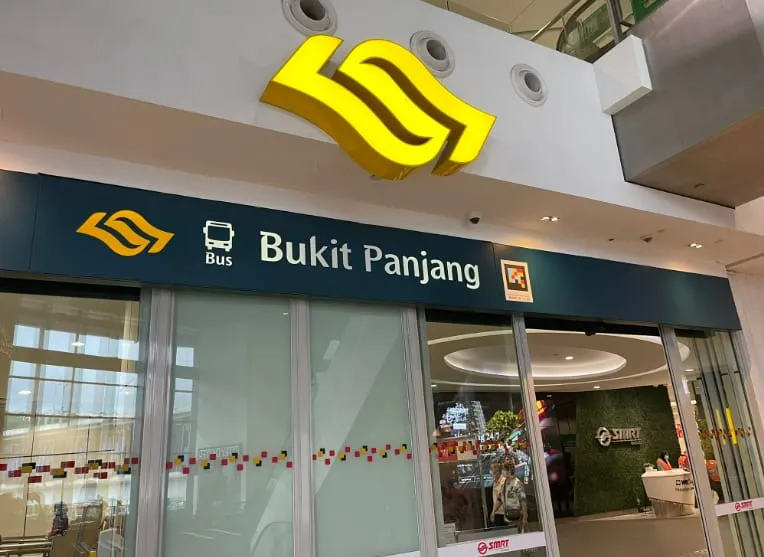
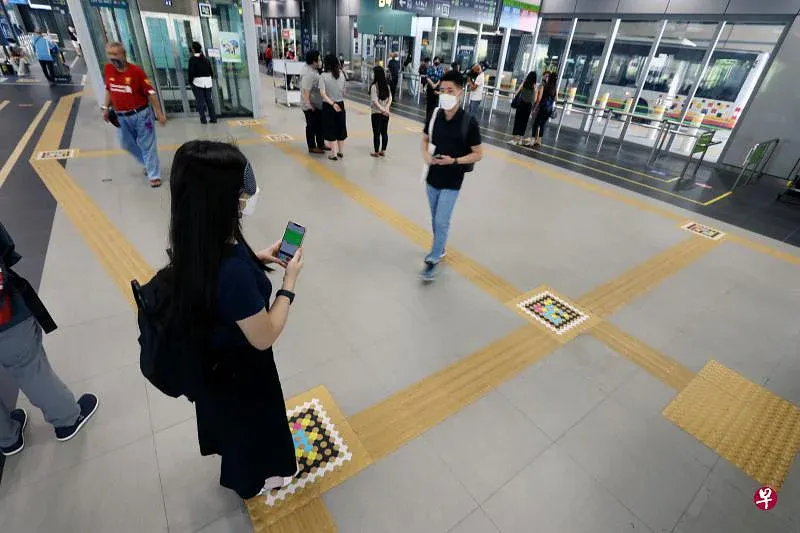
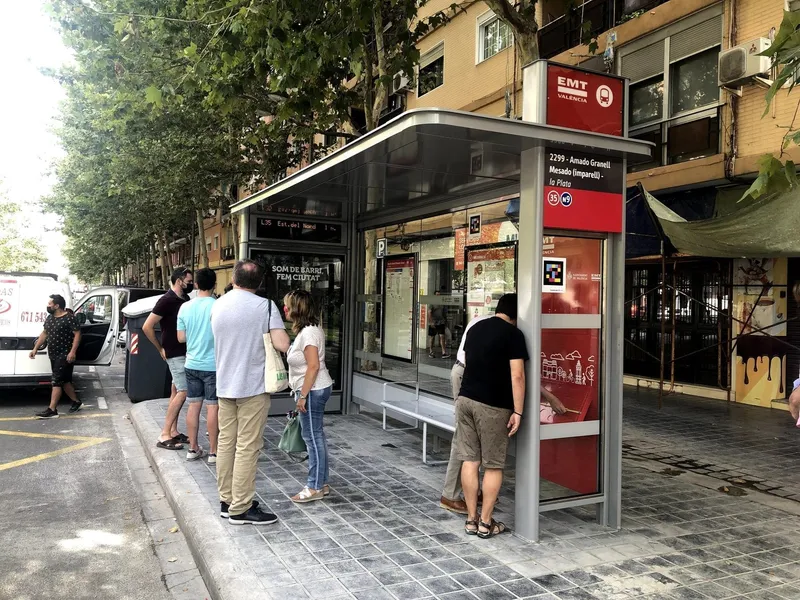
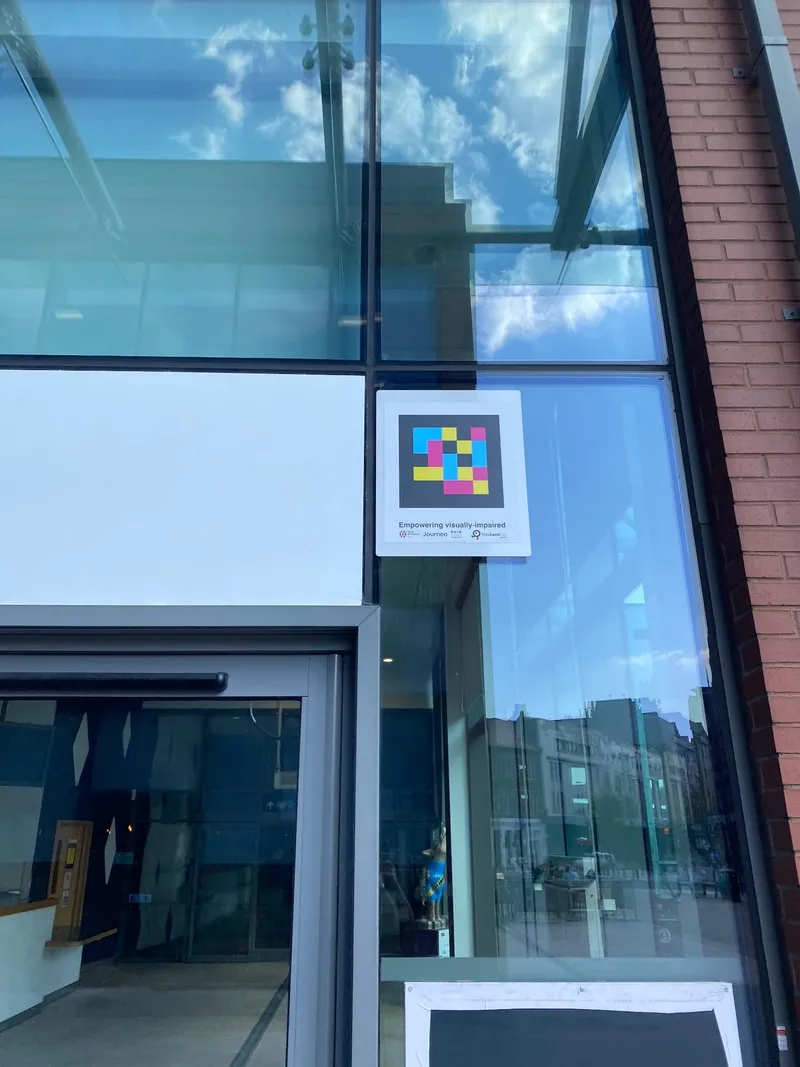
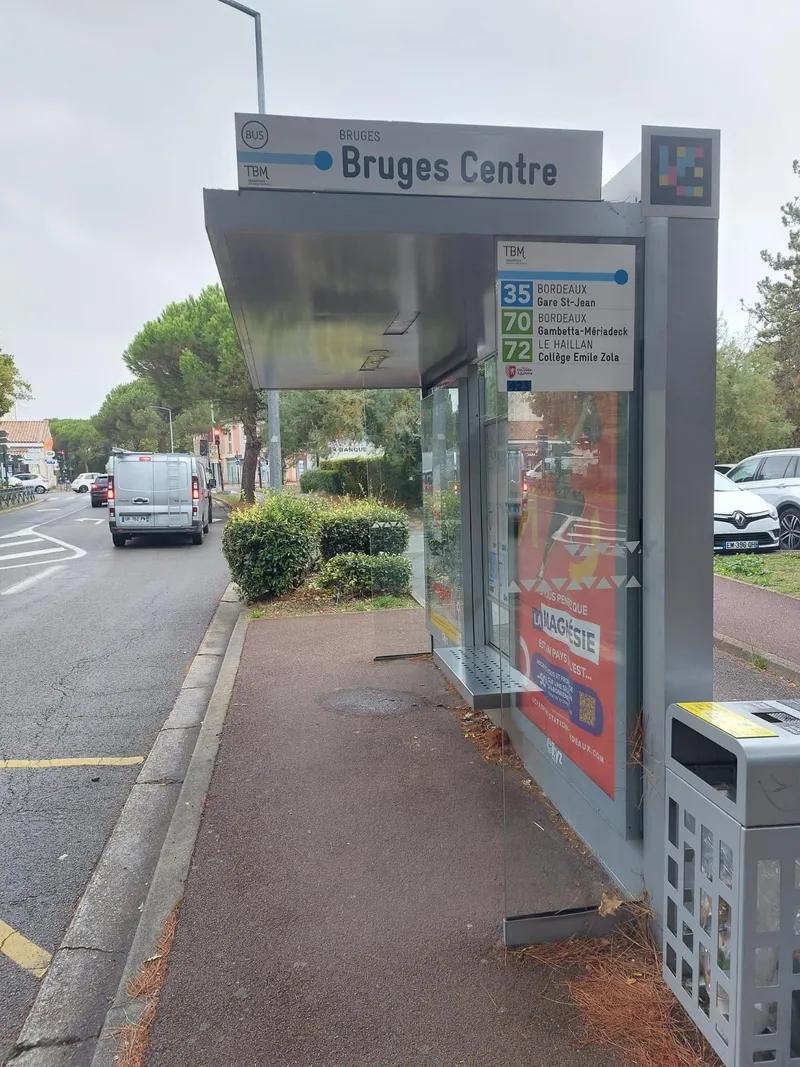
Real independence from the first scan
Reads up to 160° without aiming. Next buses, alerts and the right line by voice in their language — no need to ask, no need to wait for assistance.
Sector · Urban and intercity buses
Turn every shelter, pole and bus into a voice wayfinding tool for blind and low-vision people, tourists and seniors. No civil works. No on-site hardware. Integrated with your CAD/AVL system.
§ Why act now
The NaviLens transport playbook: every operational challenge on your network paired with the concrete change passengers feel from day one.
Inaccurate identification or location of the stop or pole.
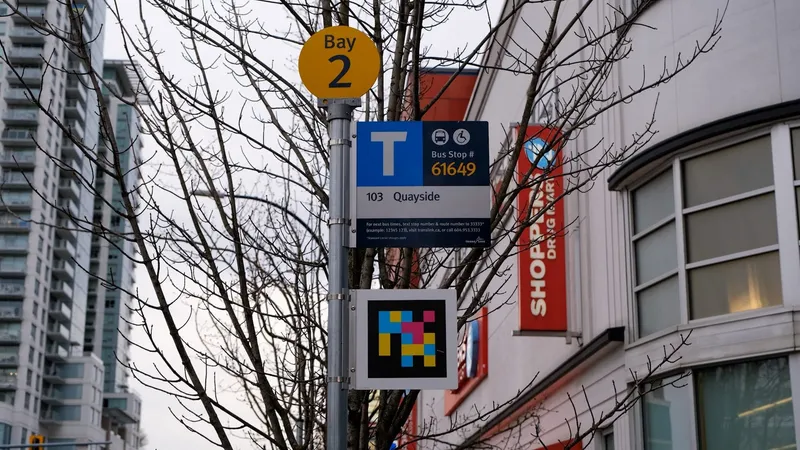
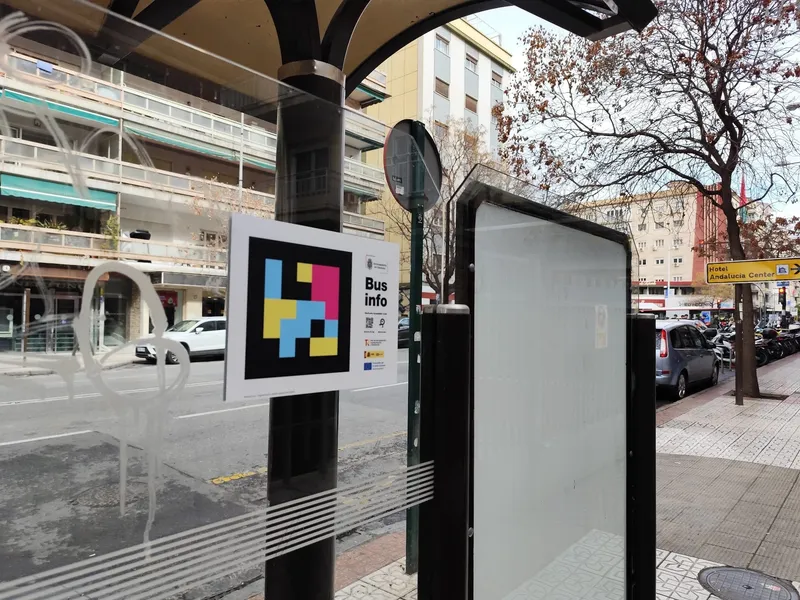
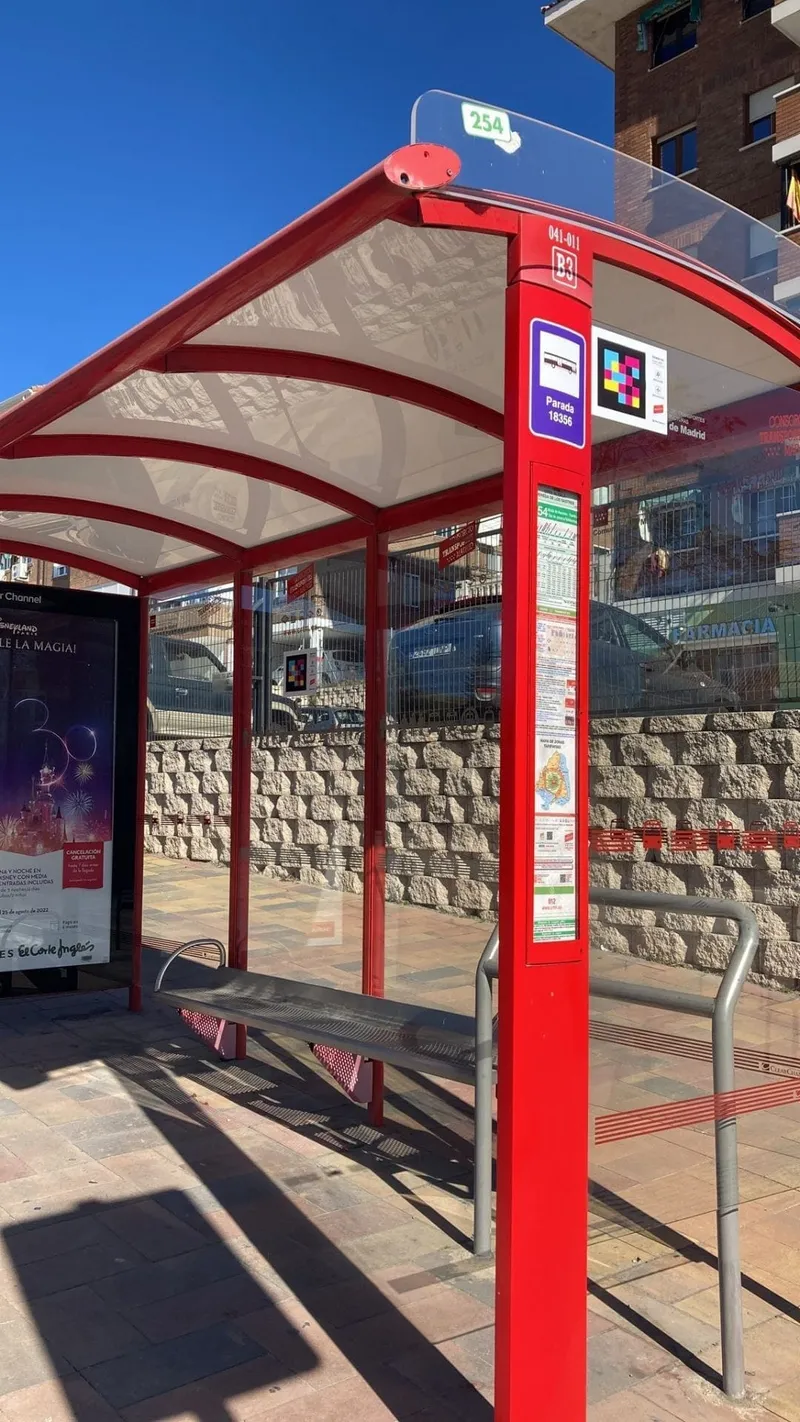
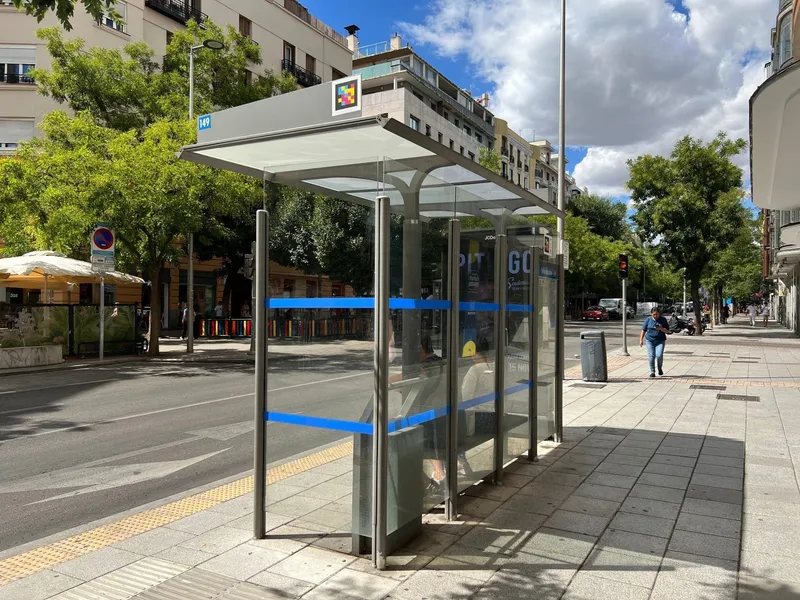
The NaviLens marker is detected from more than 100 feet away, with no need to focus or frame the phone.
Difficulty positioning at the exact head of the shelter.
The app guides the user by audio to the stop, with directional cues.
Real-time information that is inaccessible to blind and low-vision people.
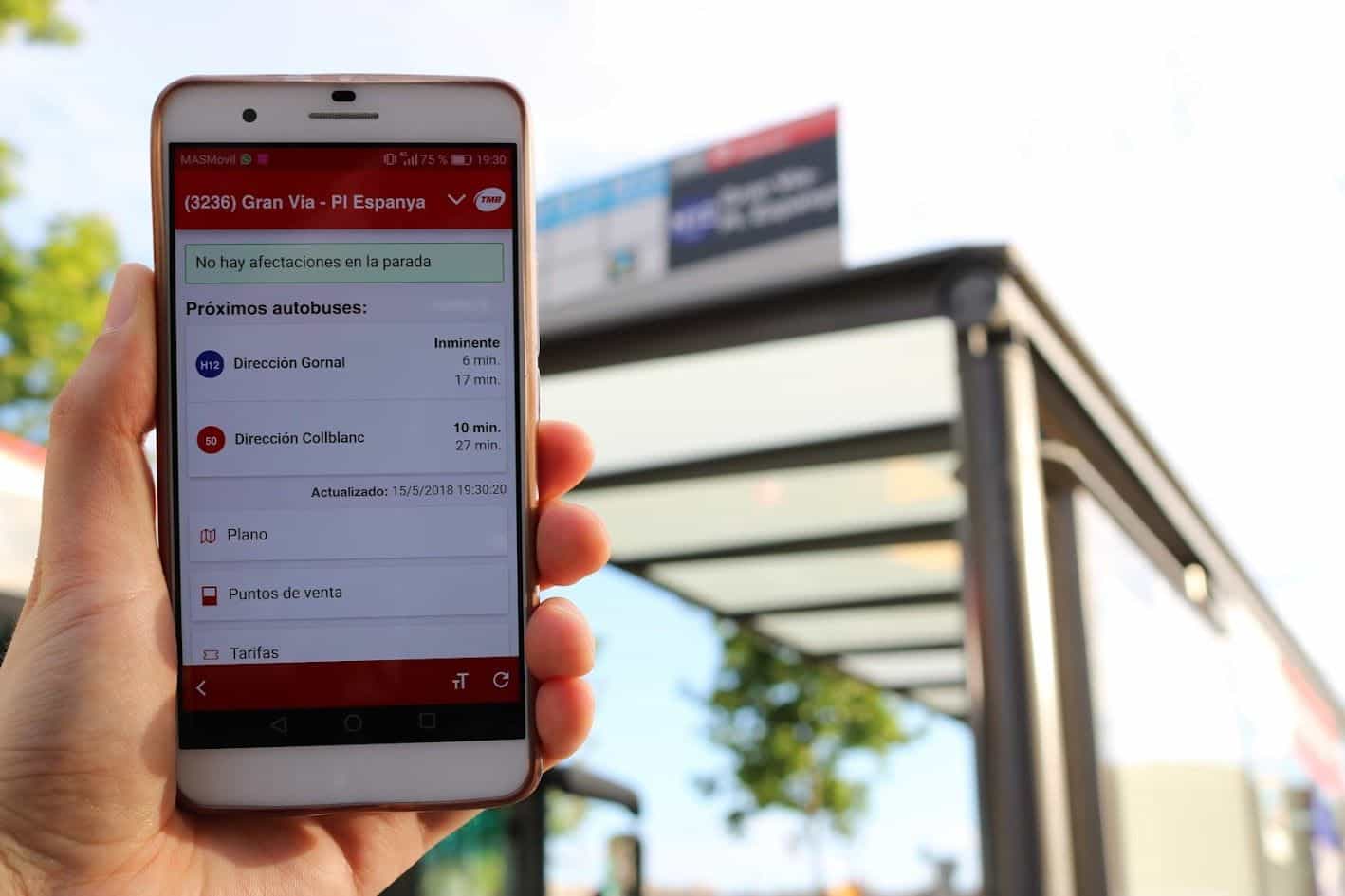
Arrival times, next buses and service alerts are read aloud directly from the NaviLens app.
Signage in a single language for a multilingual, tourist-heavy city.
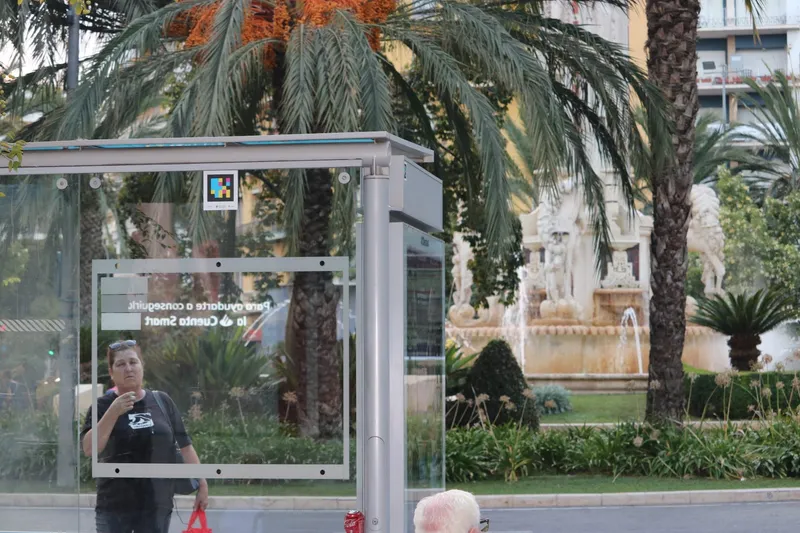
42 languages with instant auto-translation; the user reads and listens in their own language without installing anything extra.
Panels at heights that are inaccessible to people with reduced mobility.
All information is delivered on the phone; NaviLens codes can be read from any height and angle.
Impossible to identify the right bus when it arrives at the stop.
NaviLens code on the front and on the doors of the vehicle: line, direction and route number before boarding.
Disorientation inside the bus: what's the next stop?
Codes inside the bus + CAD/AVL integration: automatic audible next-stop announcements.
Need to identify the vehicle in case of an incident or complaint.
The app shows the license plate, vehicle type and accessibility features to handle incidents.
§ Rollout plan
Rollout led by a dedicated NaviLens specialist assigned exclusively to your project, training included and personalized support during the first year.
We launch the project, grant access to the NaviLens platform and train your team. No civil works, no on-site hardware.
Week 1
We receive your stops spreadsheet (ID and name), define code placement and size and develop content (text, audio and AR).
Weeks 2–3
We automatically generate high-resolution PDFs ready to print and cut. No extra designers needed.
Week 3
Your operator places the vinyls on shelters, poles and next to the bus doors. We document every install and validate on site.
Weeks 4–5
Official go-live, REST API connection to your CAD/AVL system, user and media communications, and usage monitoring from the web dashboard.
Weeks 5–6
§ Reference deployment · Europe
Madrid · EMT
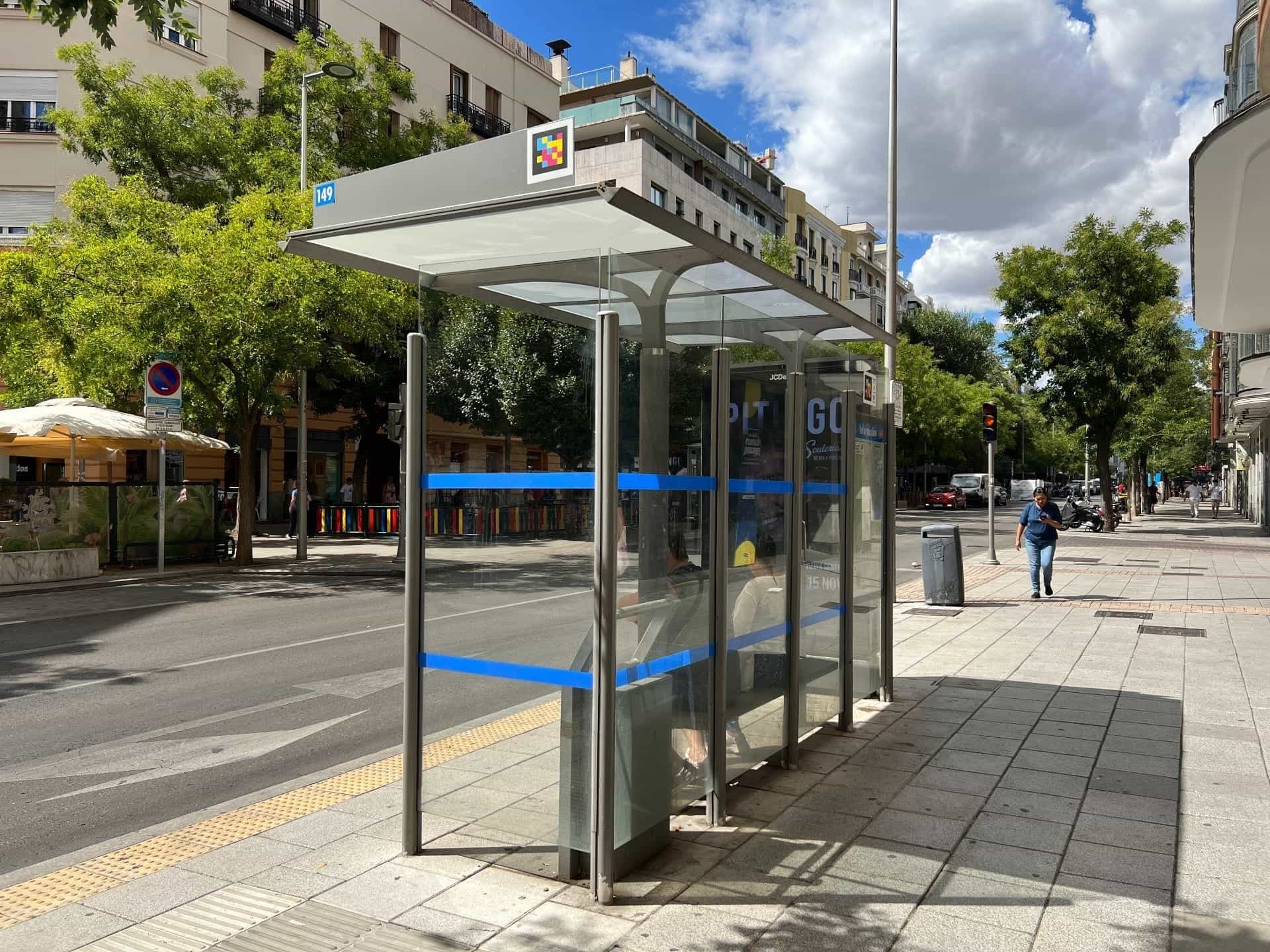
EMT Madrid is today one of the largest urban NaviLens deployments in public transport. The accessible layer covers the whole city, integrated with their CAD/AVL system to deliver next arrivals, lines and incidents by voice in 42 languages.
See full case§ Bus case studies
More than 30 countries running NaviLens on urban and intercity bus: Madrid, Barcelona, New York, San Antonio, Rome, Bordeaux, Reykjavík, Amsterdam, Melbourne and many more cities. Each card is a real deployment with its operator and scale.
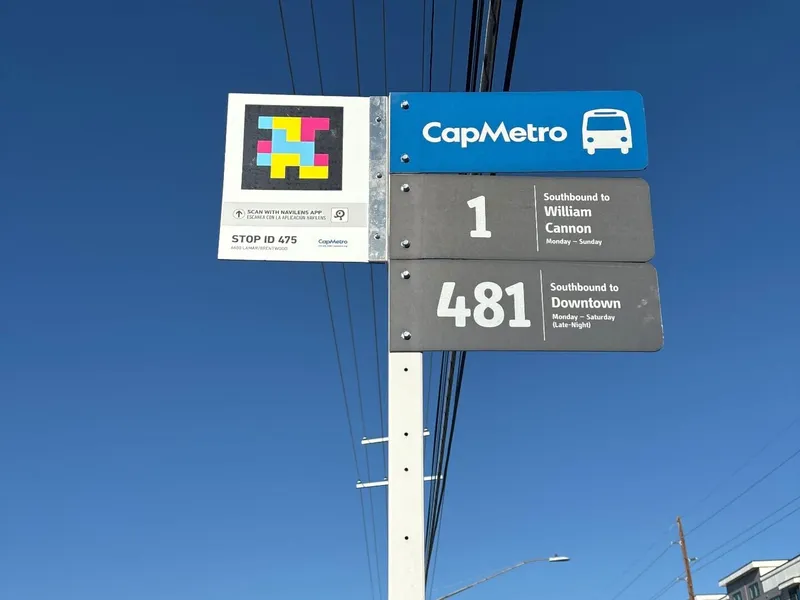 AustinBus→
Austin
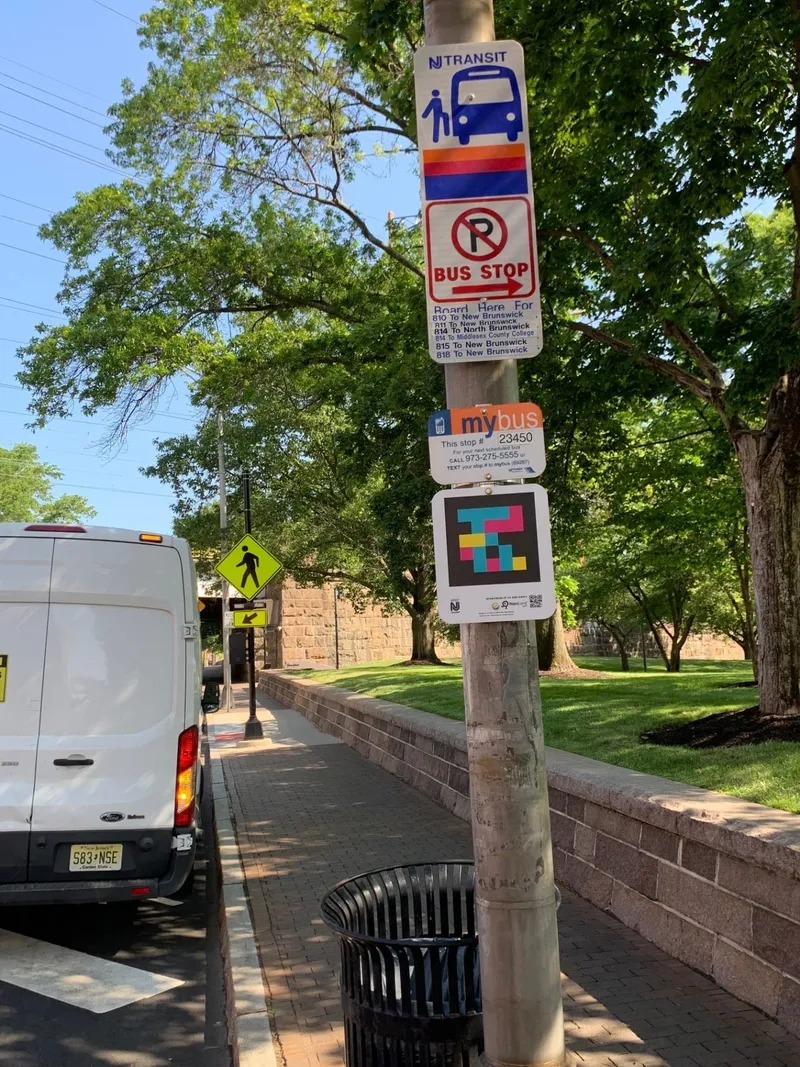 New Brunswick (NJ)Bus→
New Brunswick (NJ)
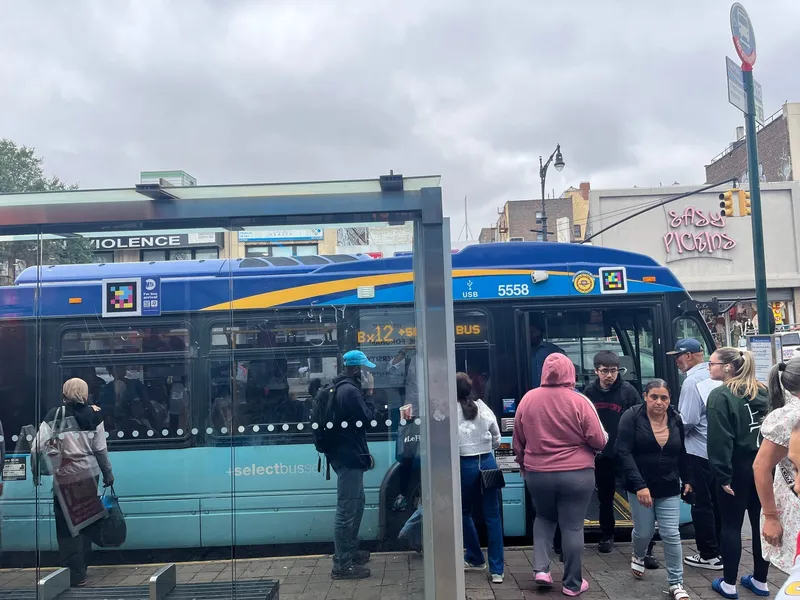 New YorkBus→
New York
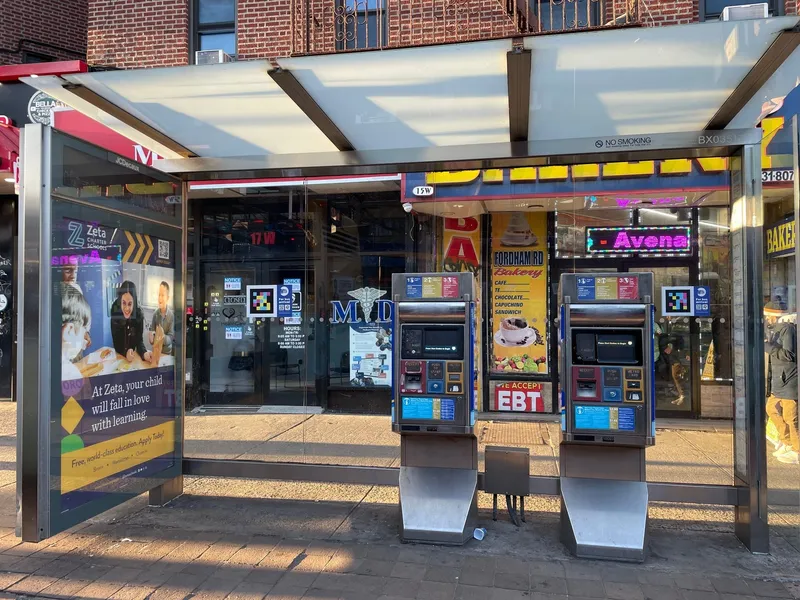 BronxBus→
Bronx
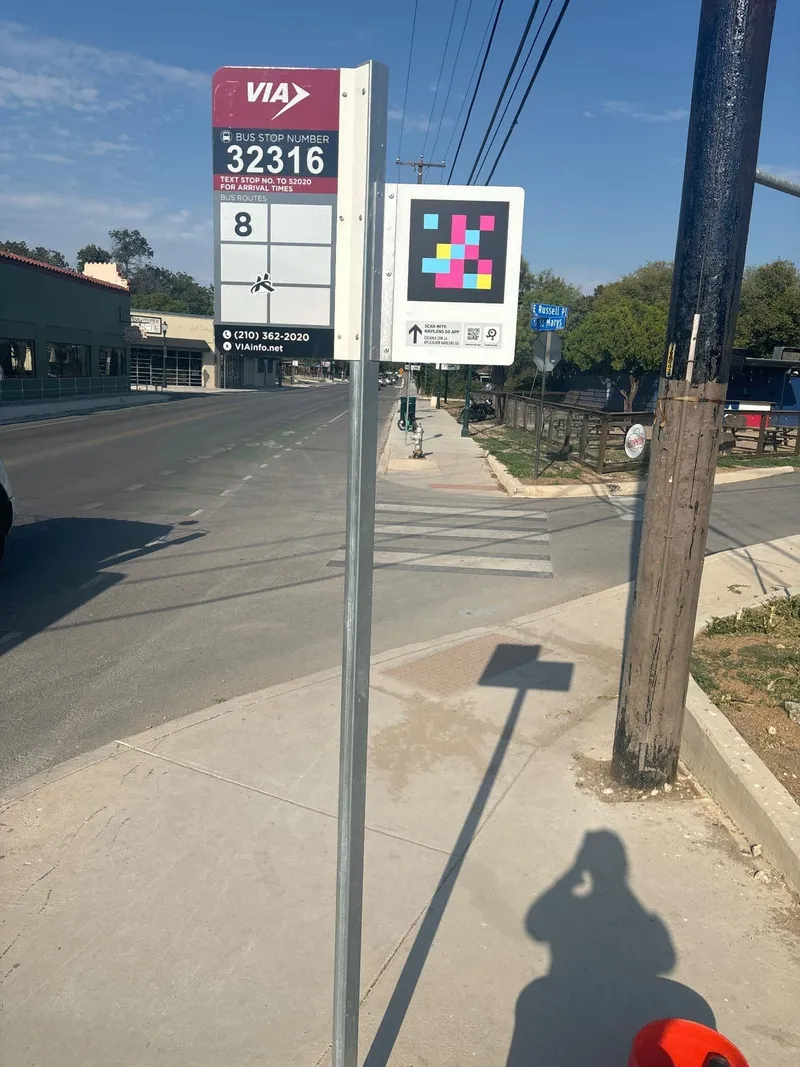 San AntonioBus→
San Antonio
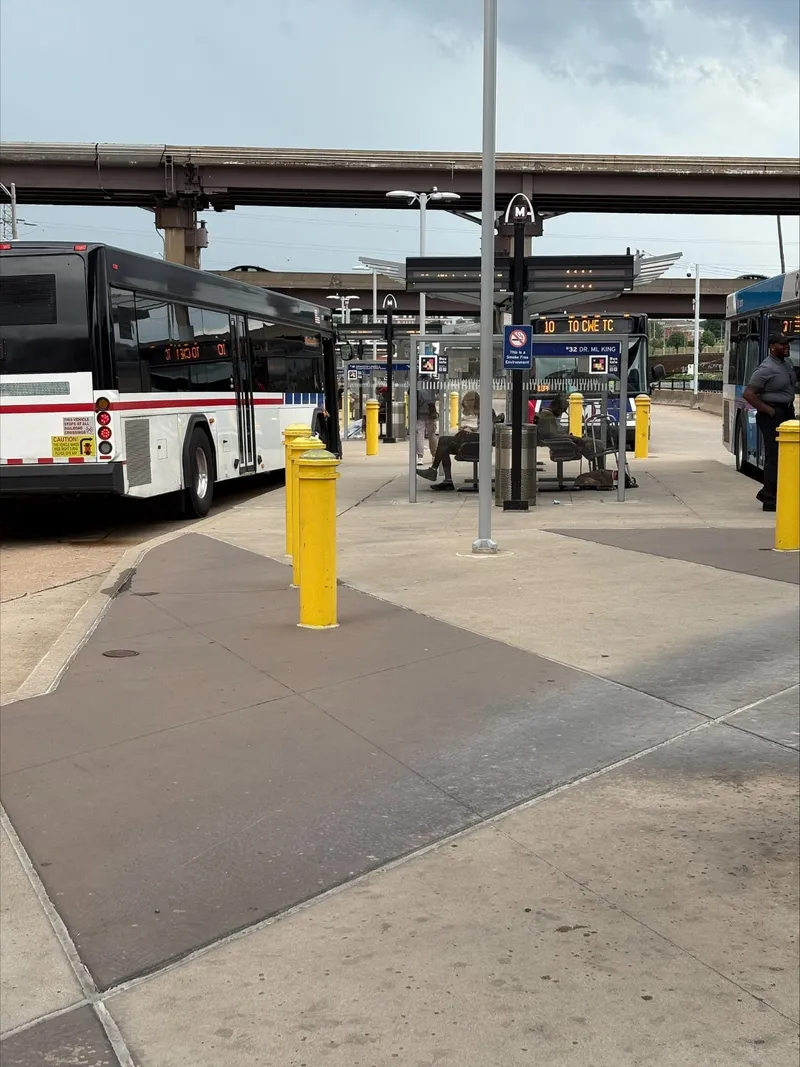 St. Louis (MO)Bus→
St. Louis (MO)
§ What bus operators say
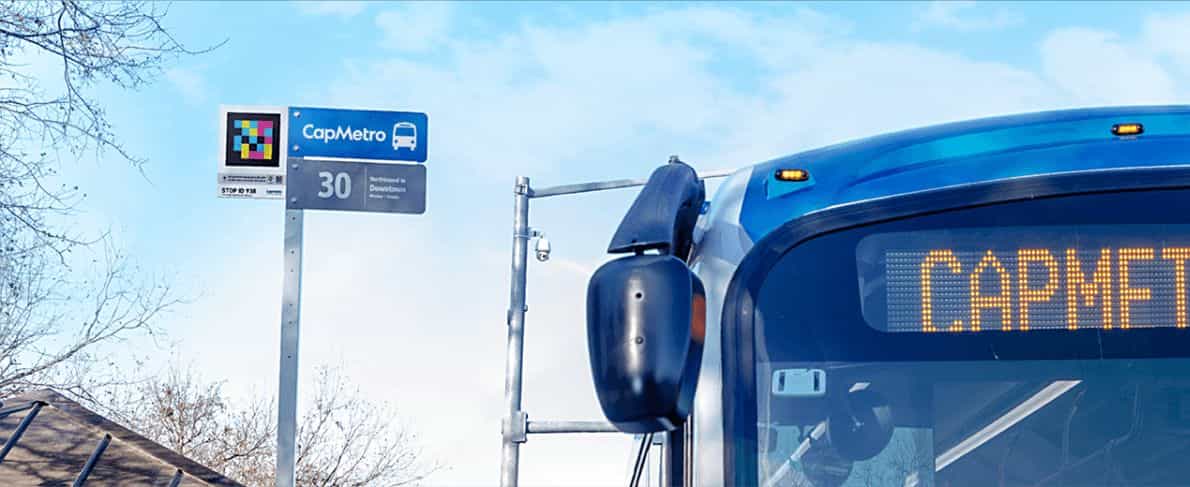
Navigating access to public transit can be difficult for those with disabilities, specifically individuals who are blind or have low vision. We believe using public transit should be safe and easy for everyone. That is why CapMetro is piloting two user-friendly apps, NaviLens and Waymap, which are designed to assist blind and low-vision customers when using our services.
Matthew Banks
WayPoint Blog · CapMetro News
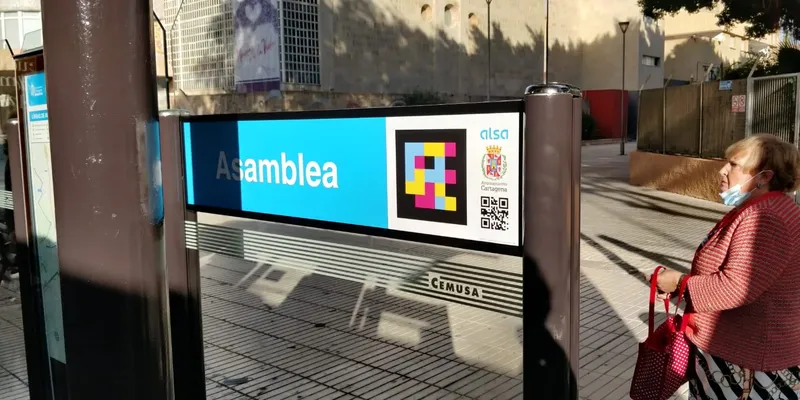
Las paradas de autobús de Cartagena incorporarán códigos NaviLens de realidad aumentada que devolverán la información de tiempos de espera. Las personas con discapacidad visual podrán utilizar estos códigos dirigiendo la cámara de su móvil a la parada, con lectura desde hasta 15 metros de distancia.
Cristina Mora
Sustainable City Councilmember · City of Cartagena
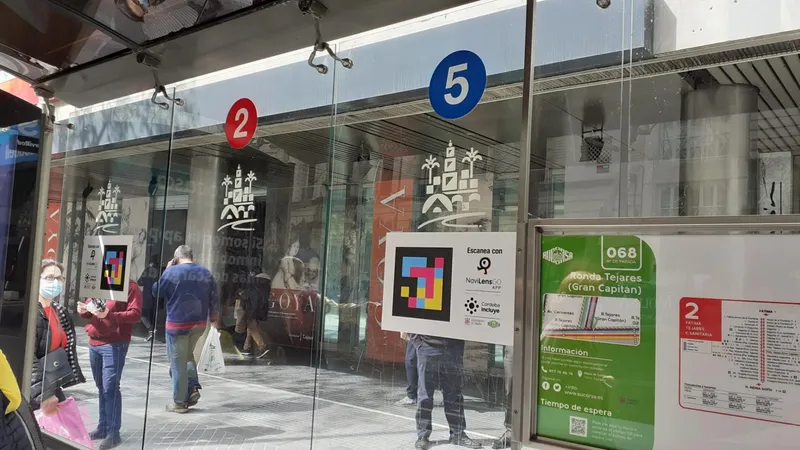
El balance es más que satisfactorio. Solo en una parada el código ha registrado casi 800 interacciones de usuarios con discapacidad visual y 100 más de usuarios convencionales. Eso demuestra que los usuarios lo han incorporado en su día a día.
Bernardo Jordano
Accessibility Commissioner · City of Córdoba
§ For the entire project committee
Reads up to 160° without aiming. Next buses, alerts and the right line by voice in their language — no need to ask, no need to wait for assistance.
No on-site electronics. Compatible with the corporate graphic system. Web panel to add, edit or remove codes and monitor usage at any time.
Stop-level usage data, most-used languages and brand reinforcement as a leading operator in inclusive mobility — with global technology compatible across bus, tram and train.
§ Recognition
2024
Mobility & Smart Cities
South Summit
2024
Most Sustainable Startup
South Summit
2024
Innovation & Social Inclusion
Fundación ONCE
2023
Accessibility Award
Helen Keller Services
2023
DB Startup Mindbox
Deutsche Bahn
2024
AUI Internet Day
Asociación de Usuarios de Internet
2022
Sapolin Award
New York City · MOPD
2022
SME EnterPRIZE
Generali
§ Seen on social — City bus in Zaragoza
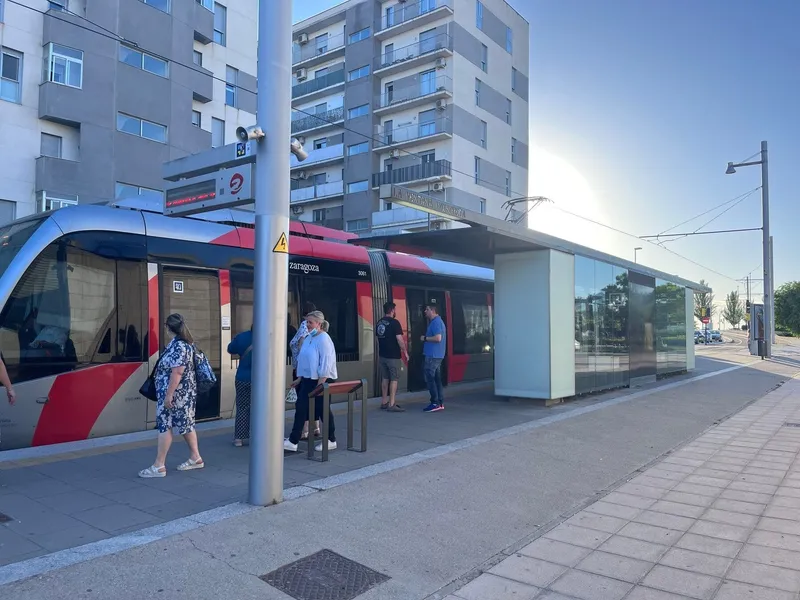
A creator shows how the NaviLens codes deployed by Zaragoza City Council and Avanza across the entire urban bus and tram network work: 360° vision, readability from several yards away and audio announcement of stop, line and destination. The NaviLens GO app also serves passengers without visual impairment and people with cognitive or reading difficulties.
La chica del zapato naranja
Content creator · NaviLens demo on Zaragoza's city bus
§ Frequently asked questions
§ Next step
Tell us how many stops and vehicles you have in mind. We come back with a concrete proposal—scope, timeline and cost—tailored to your network in less than 48 hours.
Proposal acceptance subject to NaviLens Terms and Conditions. Annual fee and maintenance renewable, adjustable according to Spanish CPI.