Belfast
Translink · Belfast Grand Central — bus + rail under one marker
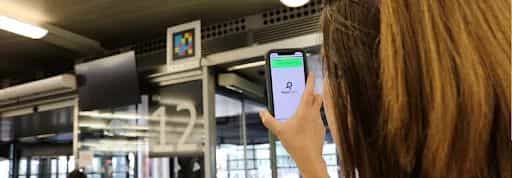
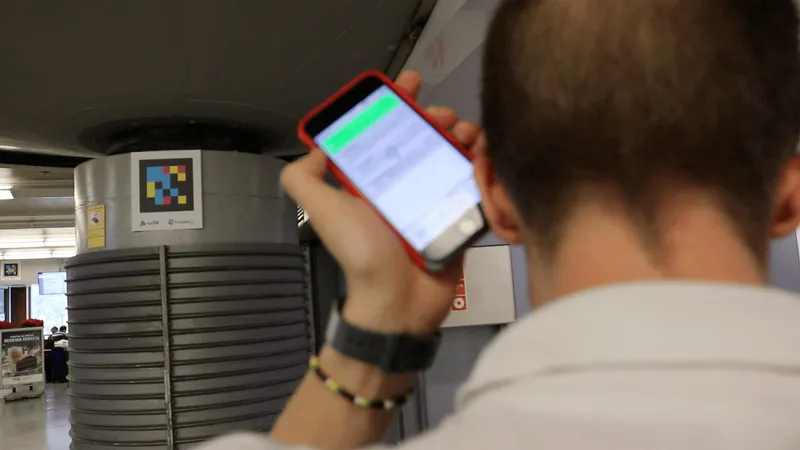
First fully integrated bus + rail station in the UK and Ireland with NaviLens. Platforms, bus stands, restrooms and operational signage, all accessible in 42 languages (2026).
Accessibility in railway stations
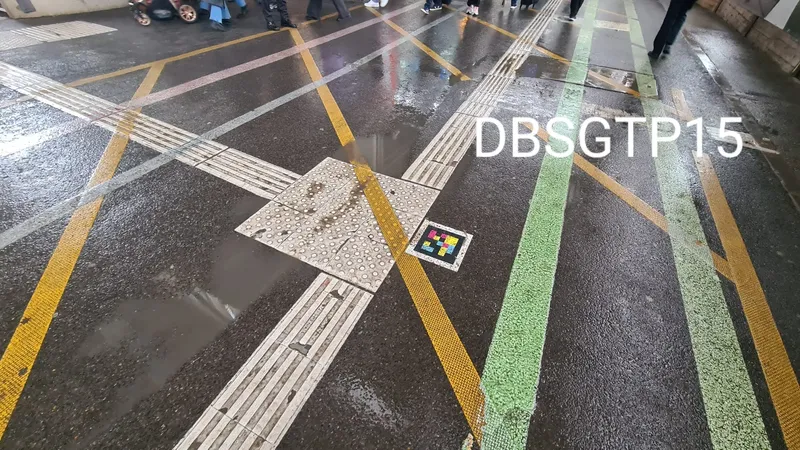
NaviLens improves wayfinding and access to information in railway stations. It guides travelers across entrances, concourses, controls, platforms, tracks and connections — no construction works, in 42 languages.
§ Wayfinding in the station
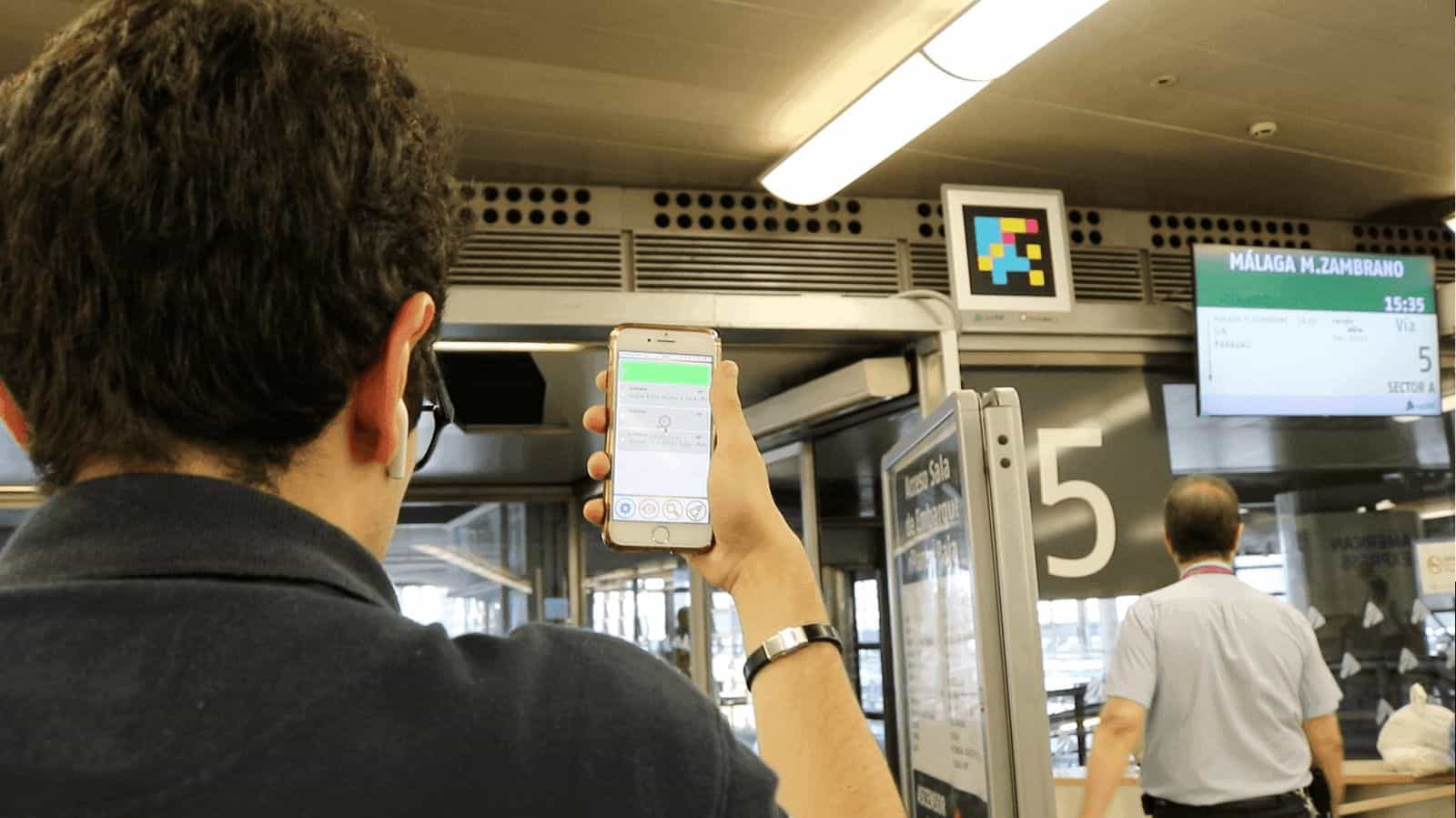
From the entrance to the platform, NaviLens turns every journey decision into clear, accessible information: entrances, controls, elevators, services, exits, tracks and connections.
Information detectable from a distance at every point where travelers need to make a decision.
Optional connection to information sources to communicate platform changes, departures and disruptions.
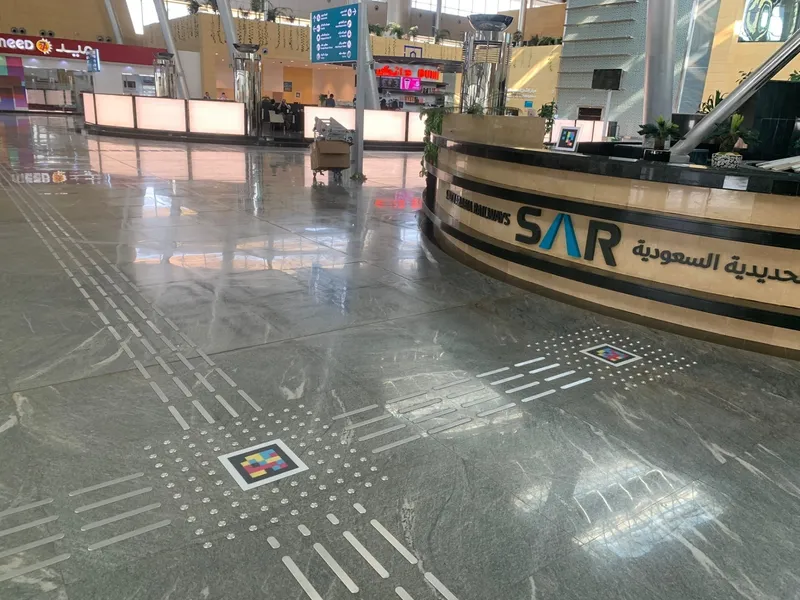
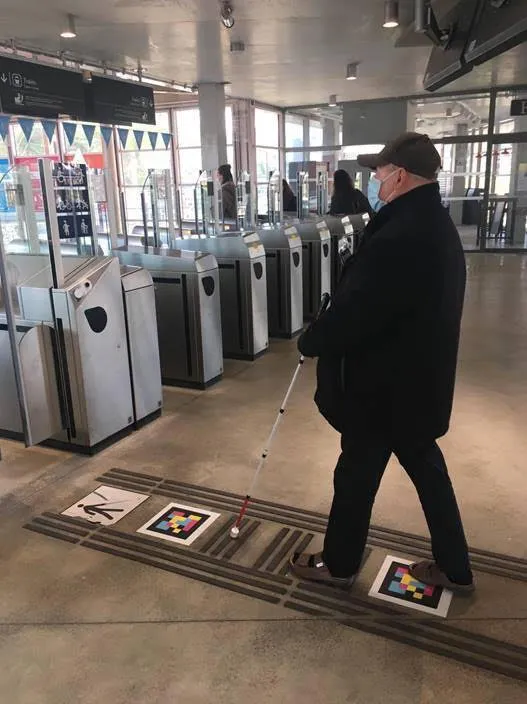
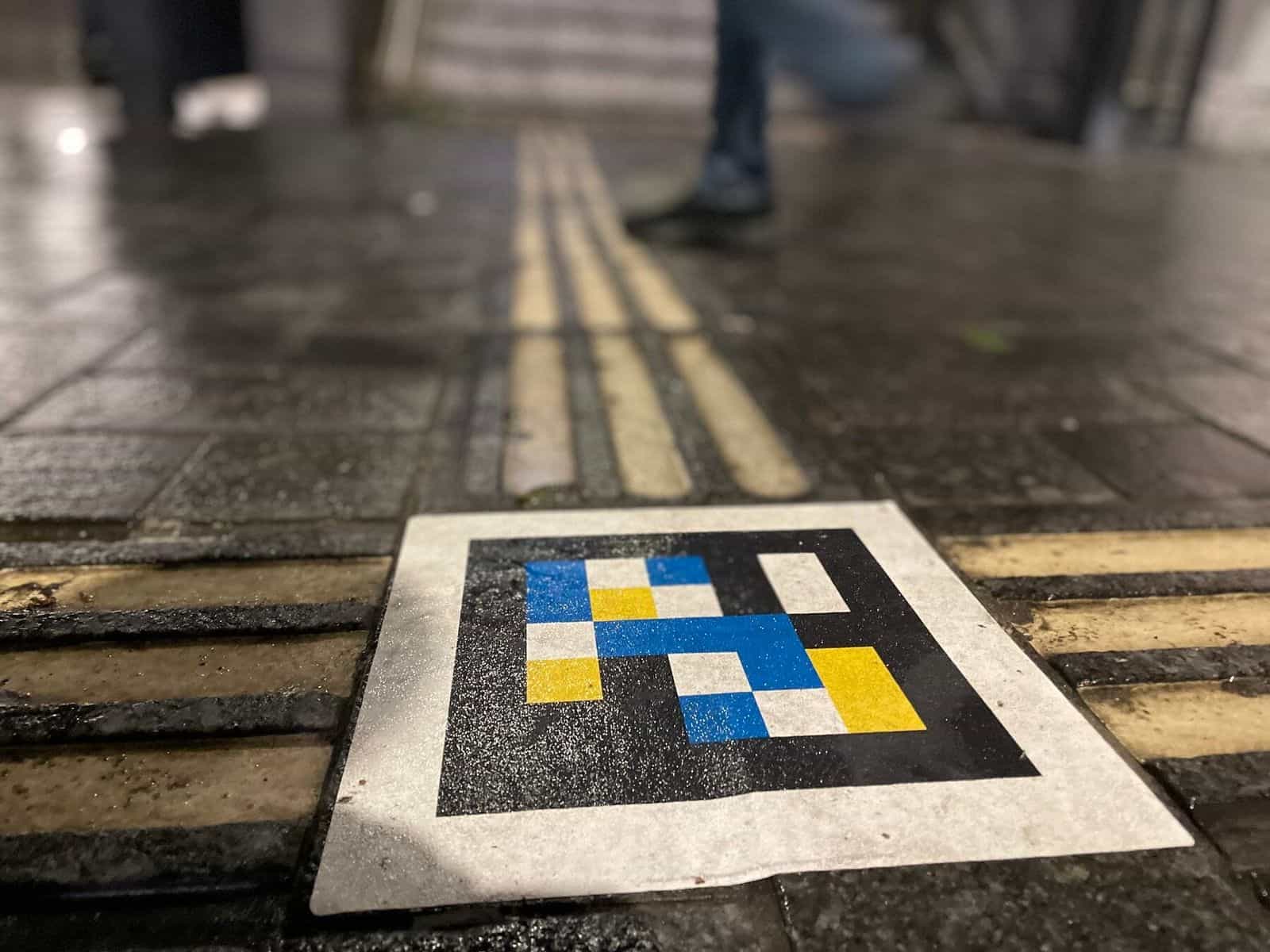
Markers are added to existing signage, furniture or paving — no civil works required.
The same signage delivers content in 42 languages, with copy editable by the operator.
§ How it rolls out
We analyze the critical points of the journey and define media, content and integration with available information systems, without interrupting rail operations.
Walkthrough with your accessibility team of concourse, ticket office, security, platforms, transfers, restrooms and metro/bus/taxi connections.
Weeks 1-2
NaviLens and NaviLens GO signage designed to the operator's brand book. Stickers resistant to moisture and intensive cleaning.
Weeks 3-4
Rollout in a limited area (Atocha concourse, Salem station drop-off, gare de Versailles-Chantiers) with station staff and the maintenance app on site.
Weeks 5-6
Optional connection to the Passenger Information System (PIS): each marker tied to a platform updates with platform number, time and service.
Weeks 7-8
Training for Atendo (Renfe), Passenger Assist (UK), exo, MBTA or the local team. Rollout to the rest of stations on the line or network.
Weeks 9-12
§ Flagship case
Madrid Puerta de Atocha · Adif · Spain
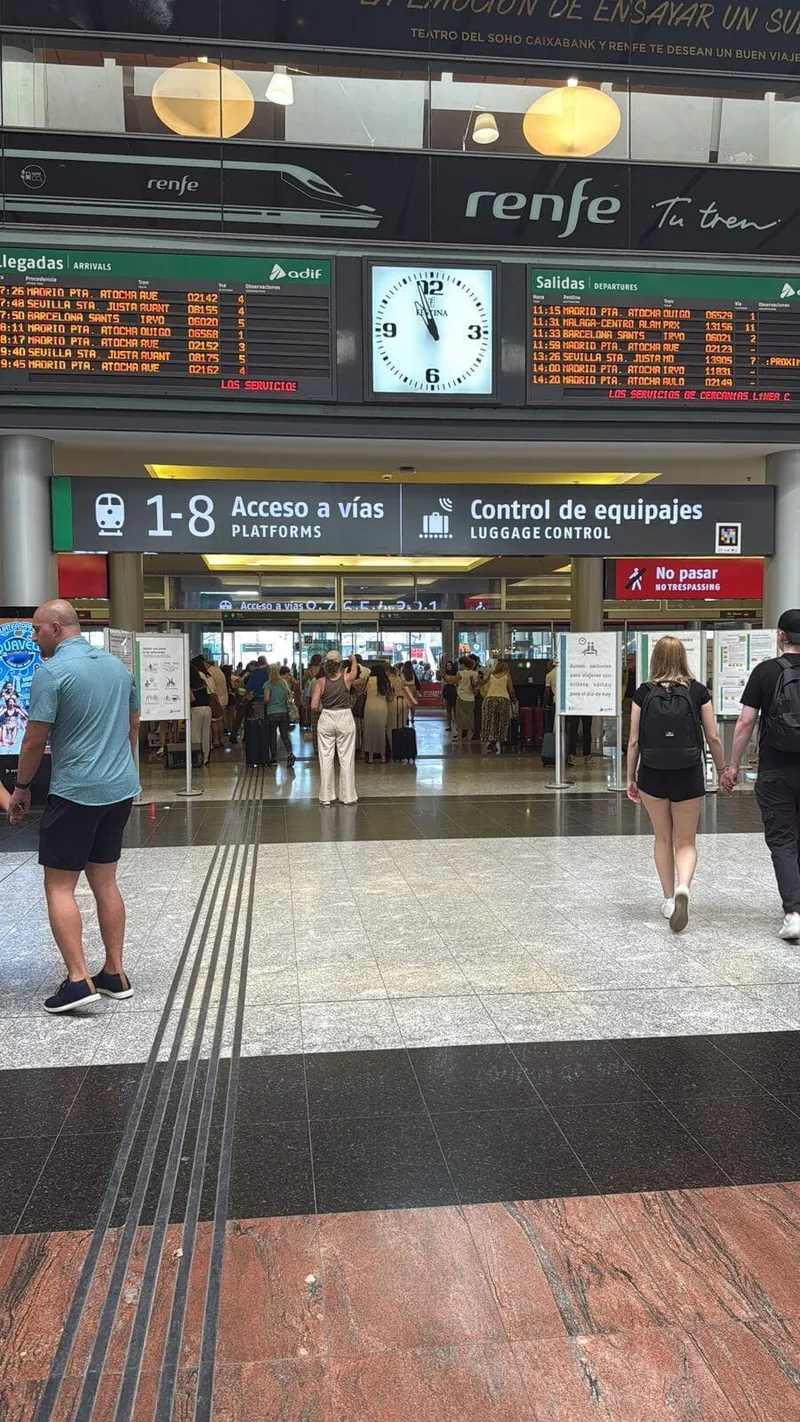
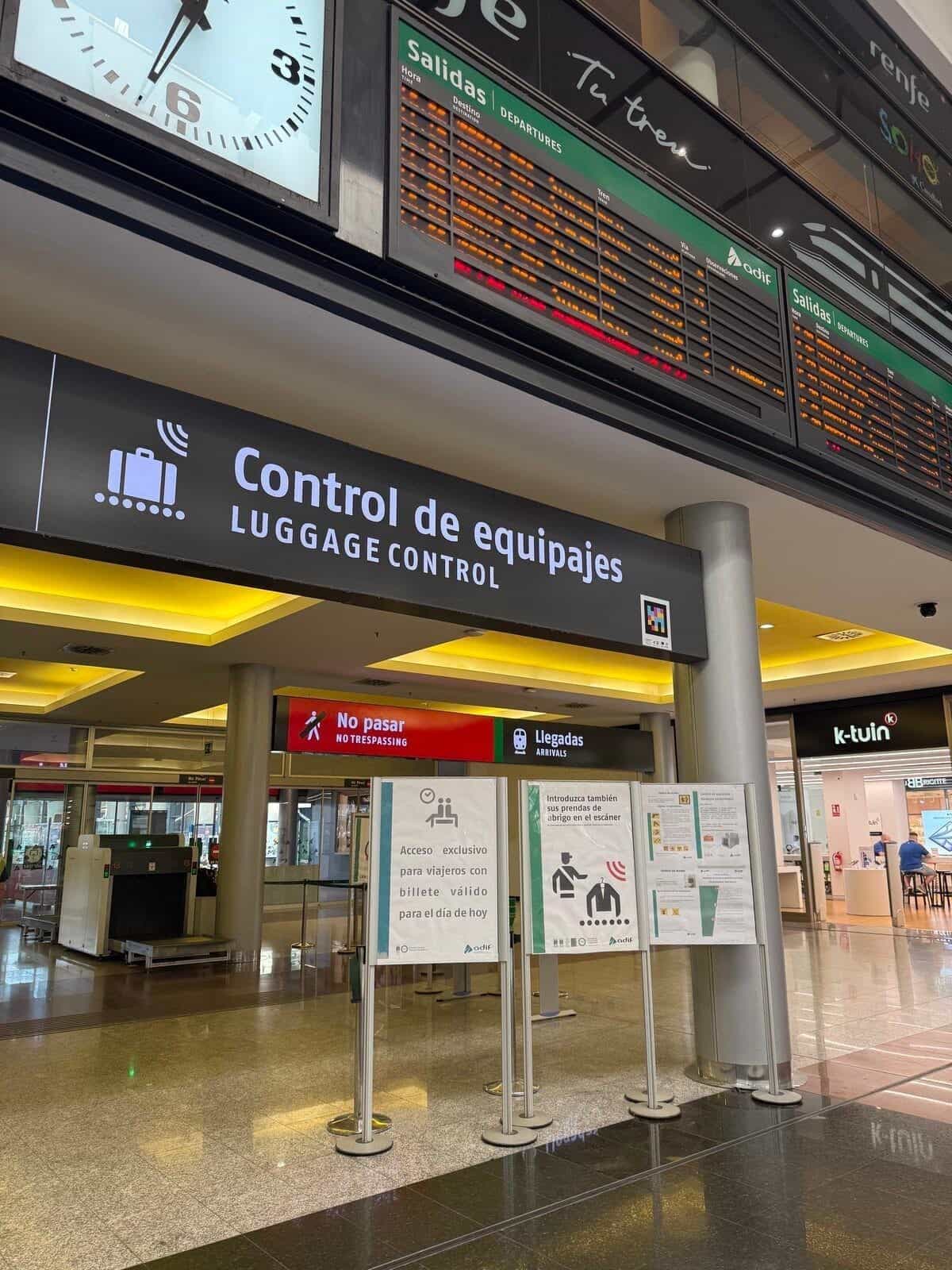
NaviLens lets travelers find entrances, controls and platforms with audible, multilingual information. A digital layer integrated into the existing signage to enable more autonomous journeys inside the station.
Read the Atocha case§ Train station deployments
Cases of accessible signage, passenger wayfinding and rail information in stations across Europe and the Americas.
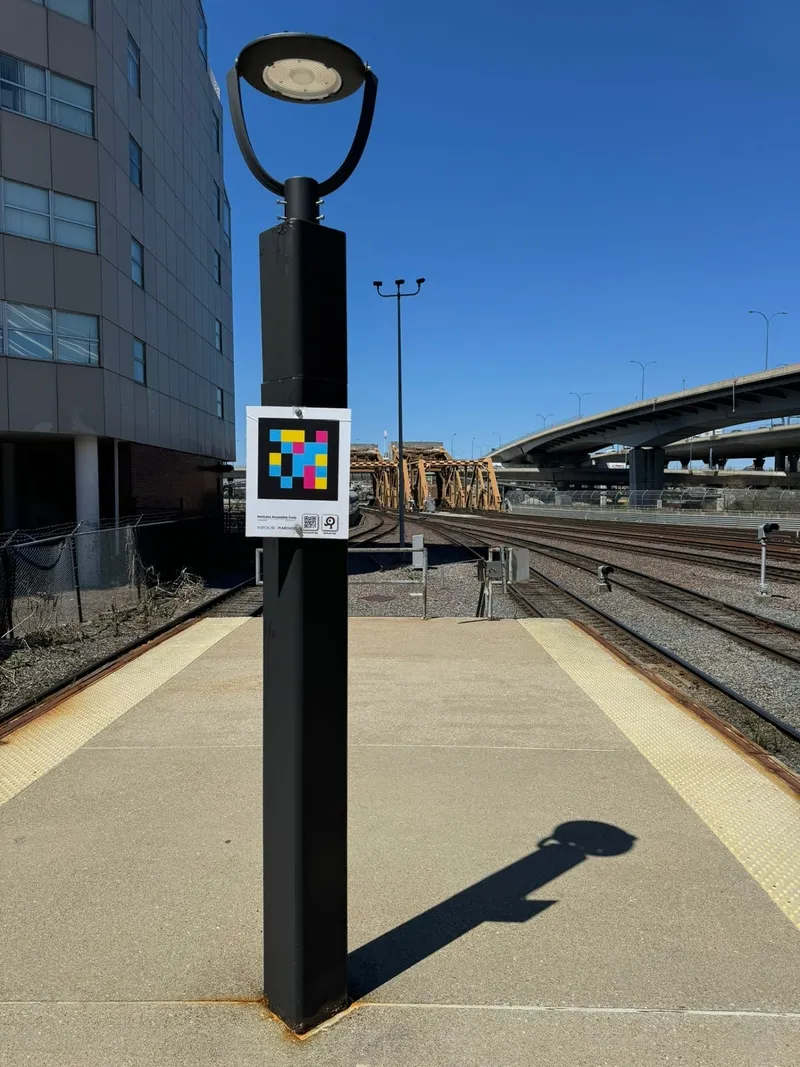 BostonRail→
Boston
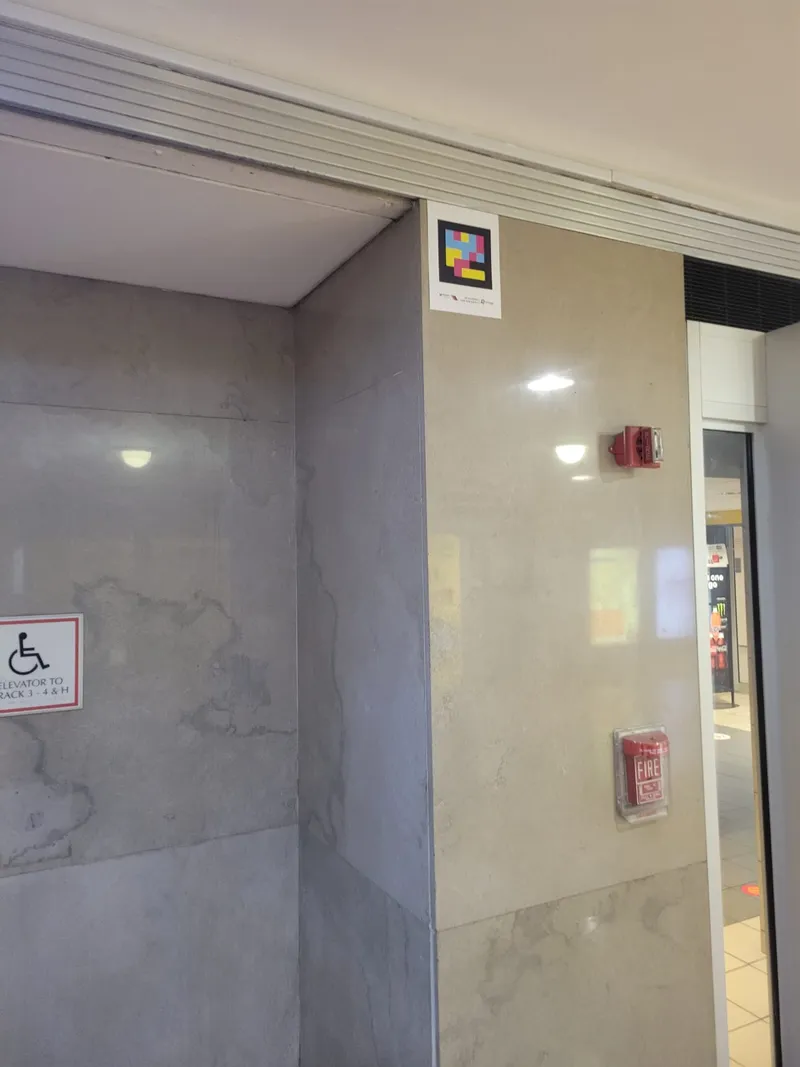 Newark (NJ)Rail→
Newark (NJ)
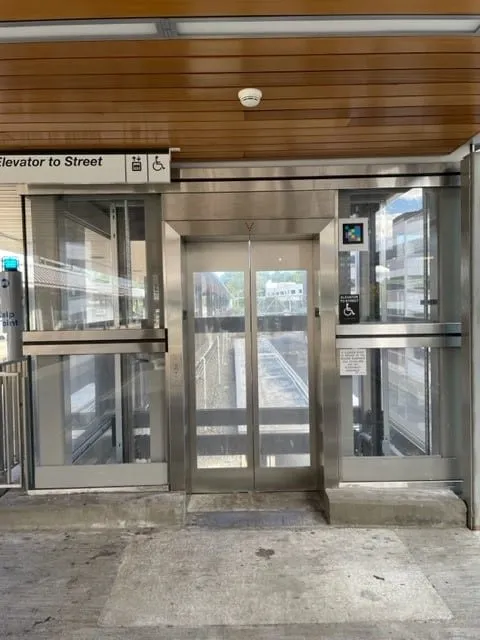 White PlainsRail→
White Plains
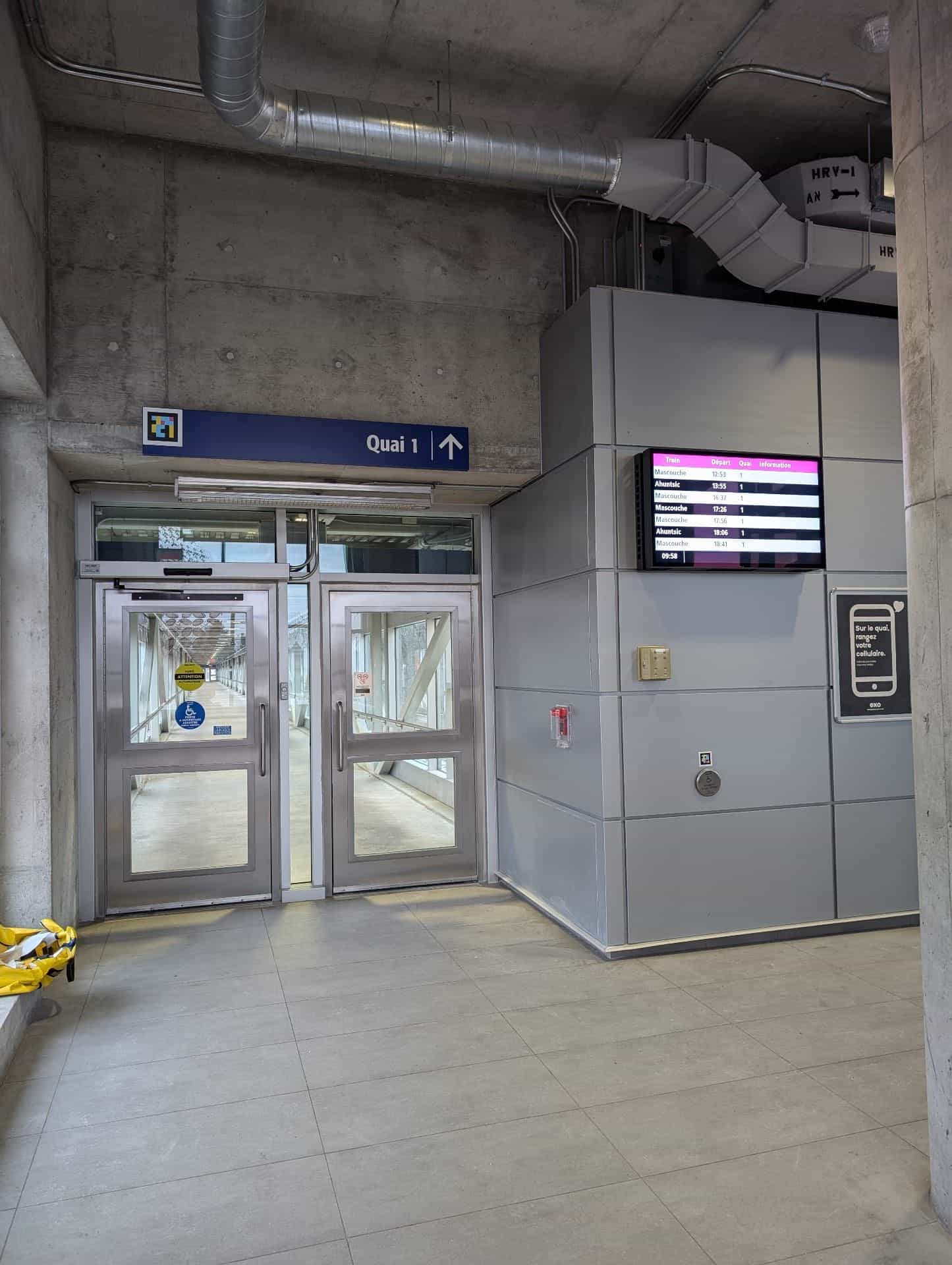
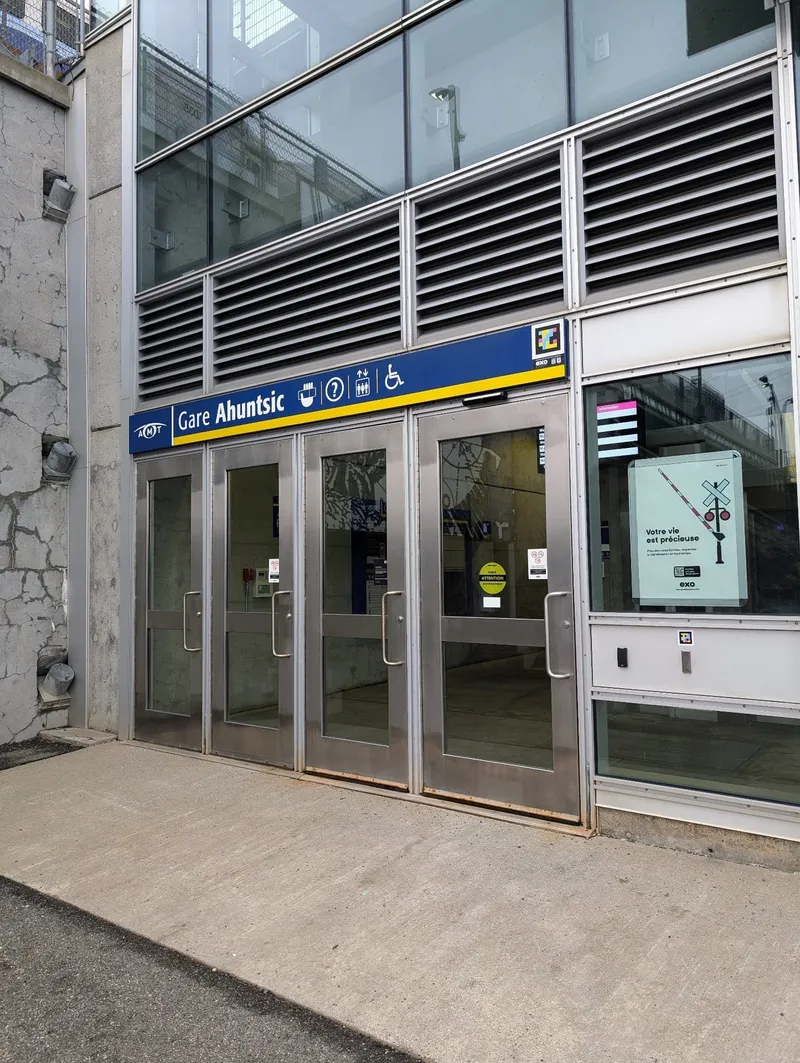 MontrealRail→
Montreal
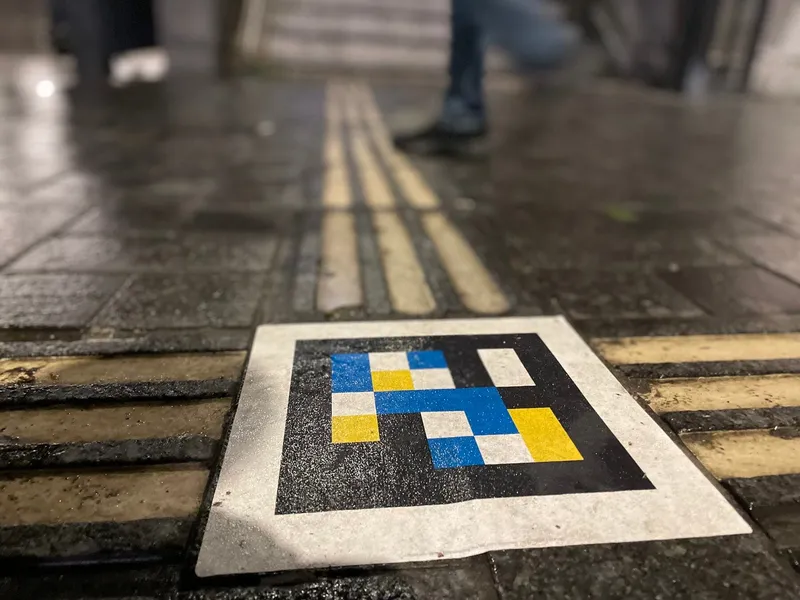 AmsterdamRail→
Amsterdam
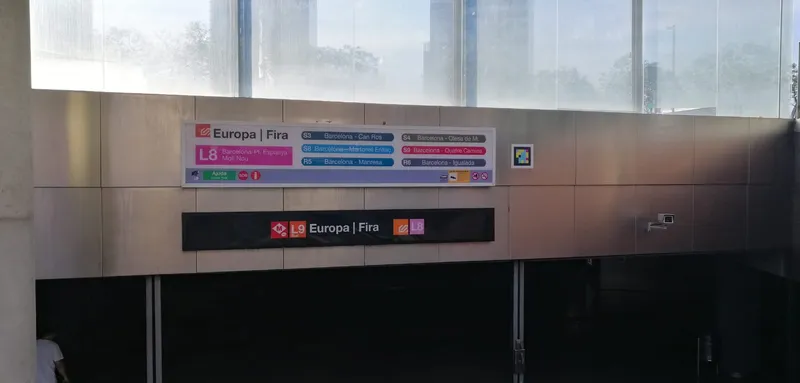 BarcelonaRail→
Barcelona
§ What stations say
The MBTA welcomes and supports every opportunity to make our system easier to access, especially for riders who depend on it most. I'm proud of the work by Keolis and our System-wide Accessibility team to provide the new NaviLens technology pilot for riders who are blind or with low vision. The ability to access our Commuter Rail stations with confidence further supports riders' independence.
Phillip Eng
General Manager & CEO · MBTA
We zijn met ProRail gaan praten over een proef op Amsterdam Centraal. Bij de verbouwing van het station heeft ProRail de verplichting op zich genomen om blinden en slechtzienden te informeren over de steeds veranderende situatie. Vorig jaar zijn we met de installatie van NaviLens begonnen.
Hans Peter Herwig
Head of Operations · PBTconsult
FGC és una referència internacional pel seu compromís amb l'accessibilitat, perquè sigui possible utilitzar el sistema ferroviari de manera autònoma per totes les persones.
Ester Capella i Farré
Minister for Territory · Government of Catalonia
§ Getting to the station
The station doesn't end at the platform. These intermodal hubs take blind and low-vision passengers from city bus and metro all the way to the train with the same NaviLens app.
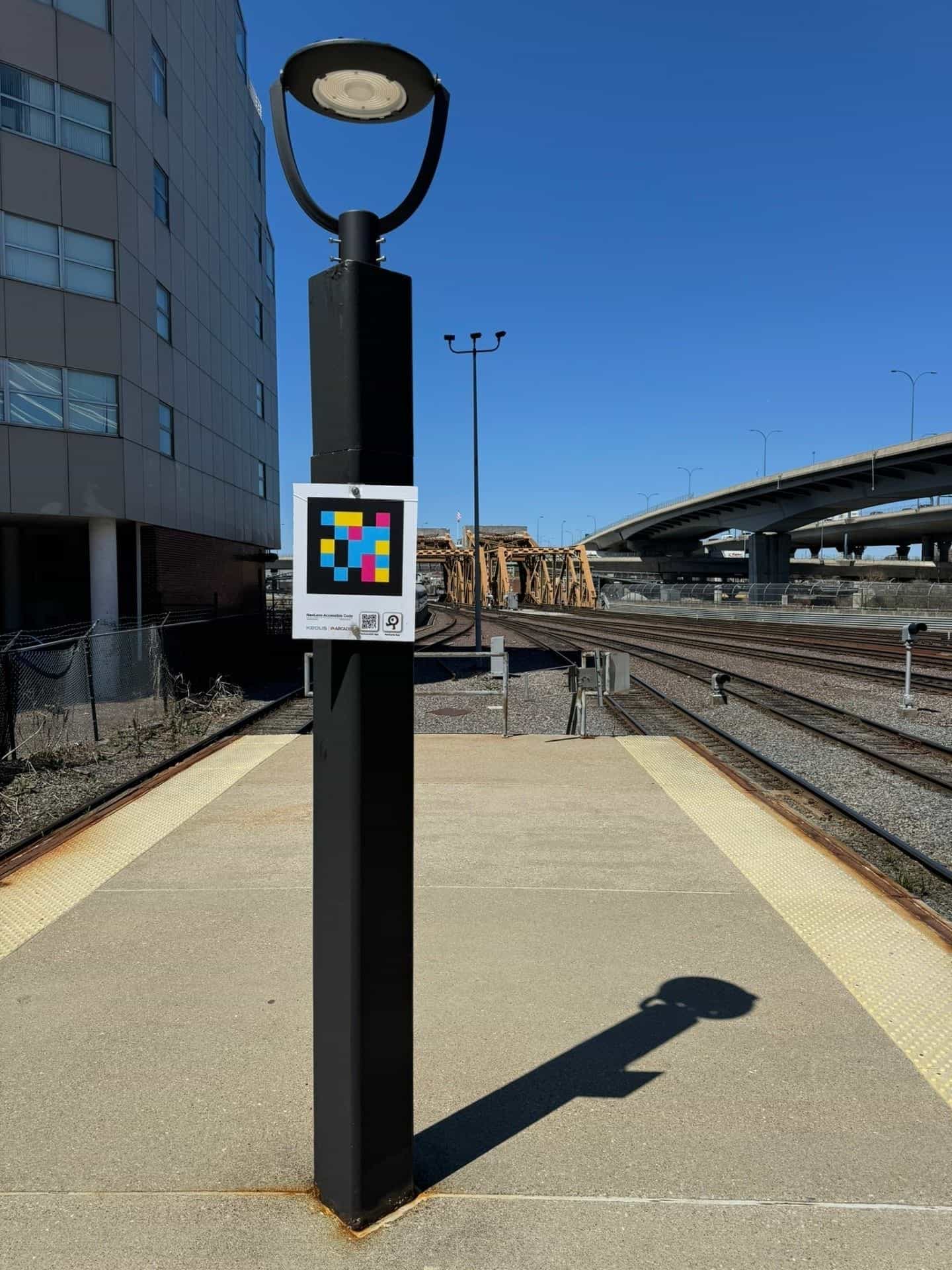
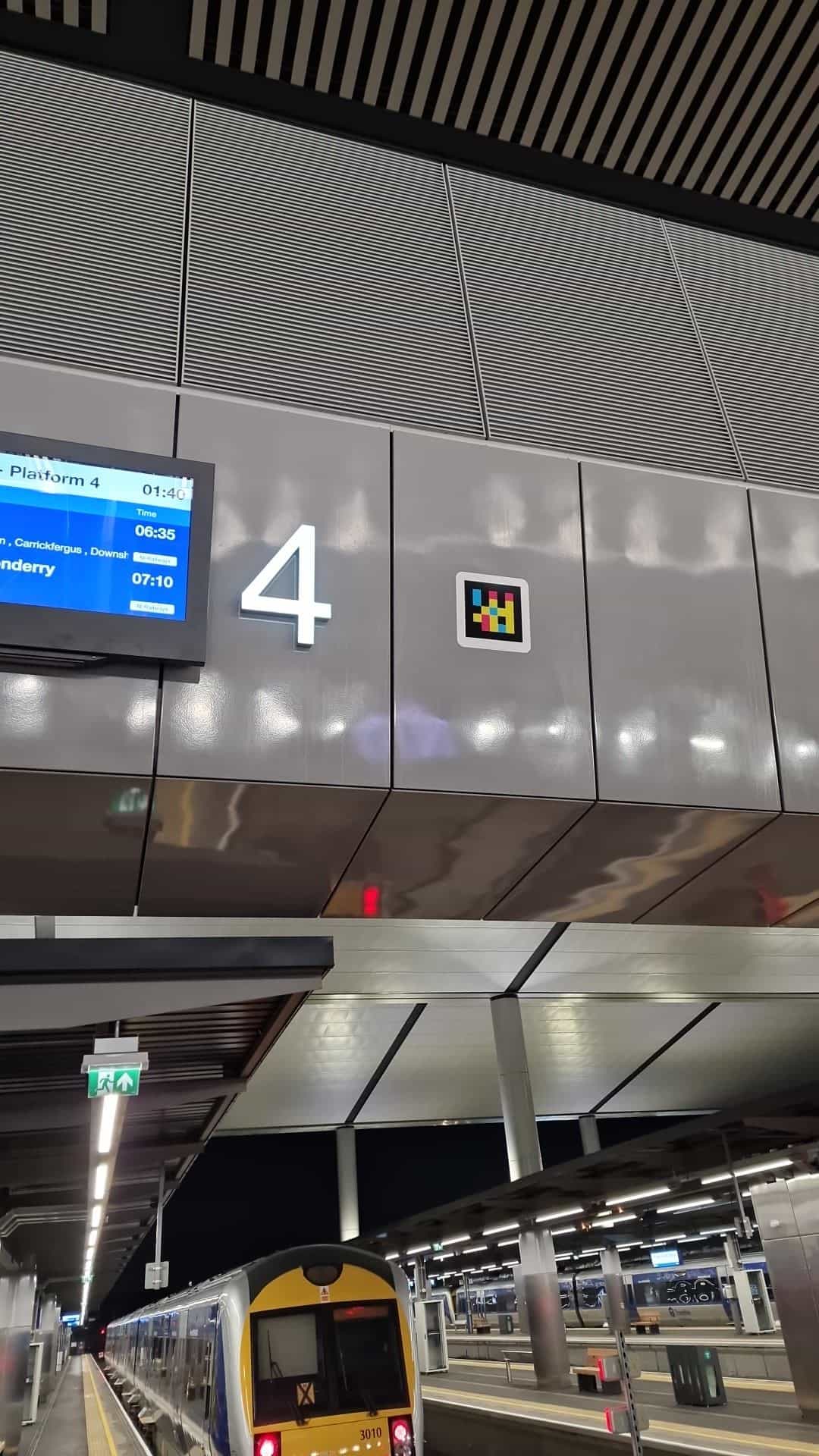
Belfast
First fully integrated bus + rail station in the UK and Ireland with NaviLens. Platforms, bus stands, restrooms and operational signage, all accessible in 42 languages (2026).
Donostia / San Sebastián
Accessible connection between the Renfe tunnel, Lurraldebus coaches and taxis with NaviLens markers at entrances, elevators, bays and arrivals displays.
Versailles
Inauguration with Keolis and Île-de-France Mobilités in May 2021: markers on floor, stairs and the bus station to chain commuter rail and bus.
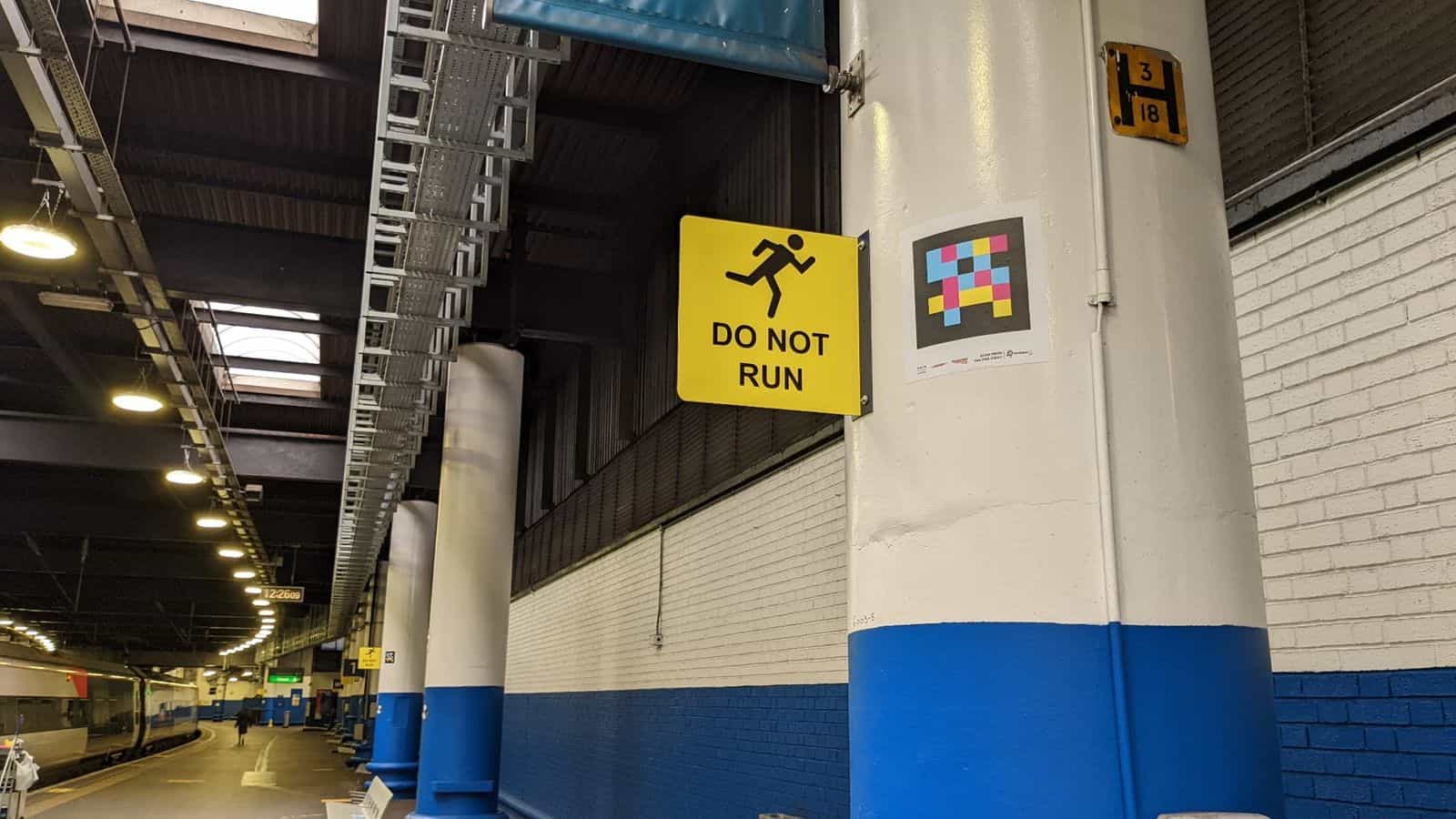
London
NaviLens GO markers on platforms, restrooms and the retail area: from the Underground entrance to your train, including the Burger King menu read out by voice.
§ Accessibility in the journey
NaviLens complements physical signage, accessible itineraries and passenger information with a digital layer that supports orientation at the moments when the traveler needs to make the most decisions.
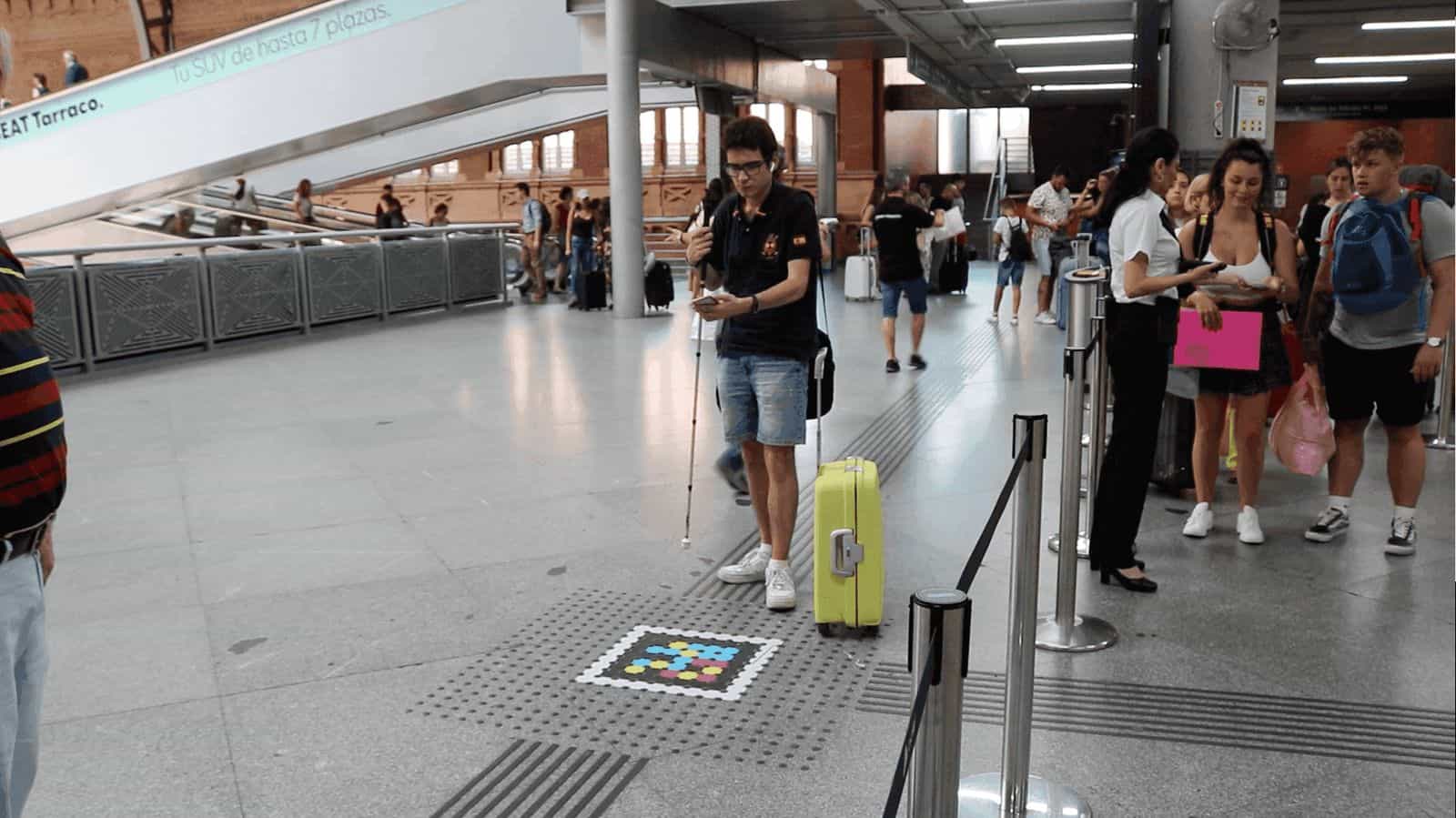
Voice readout from 100 ft for the concourse, departure board, security, platform and accessible restroom. No focusing, no waiting for Atendo or Passenger Assist.
42 automatic languages following the phone's locale. Built for AVE, European high-speed rail, commuter rail and airport rail links.
Stickers over existing signage. No civil works, no cabling, no extra permits. Optional PIS integration for real-time platform changes.
§ Frequently asked
§ Bring NaviLens to your station
Audit, pilot and rollout side-by-side with the Murcia team and your Atendo / Passenger Assist team. No construction works — a pilot up and running in just weeks.
We reply within 48 business hours. If you prefer a call, mention it in the form and we'll propose a slot the same week.