








Skip to content

    Consumer goods & FMCG

    Accessible packaging for everyday products.

    From the breakfast aisle to the bathroom cabinet, everyday products carry information that not every customer can access easily. NaviLens adds an accessible digital layer to consumer packaging, helping people identify products, understand key details and shop more independently.

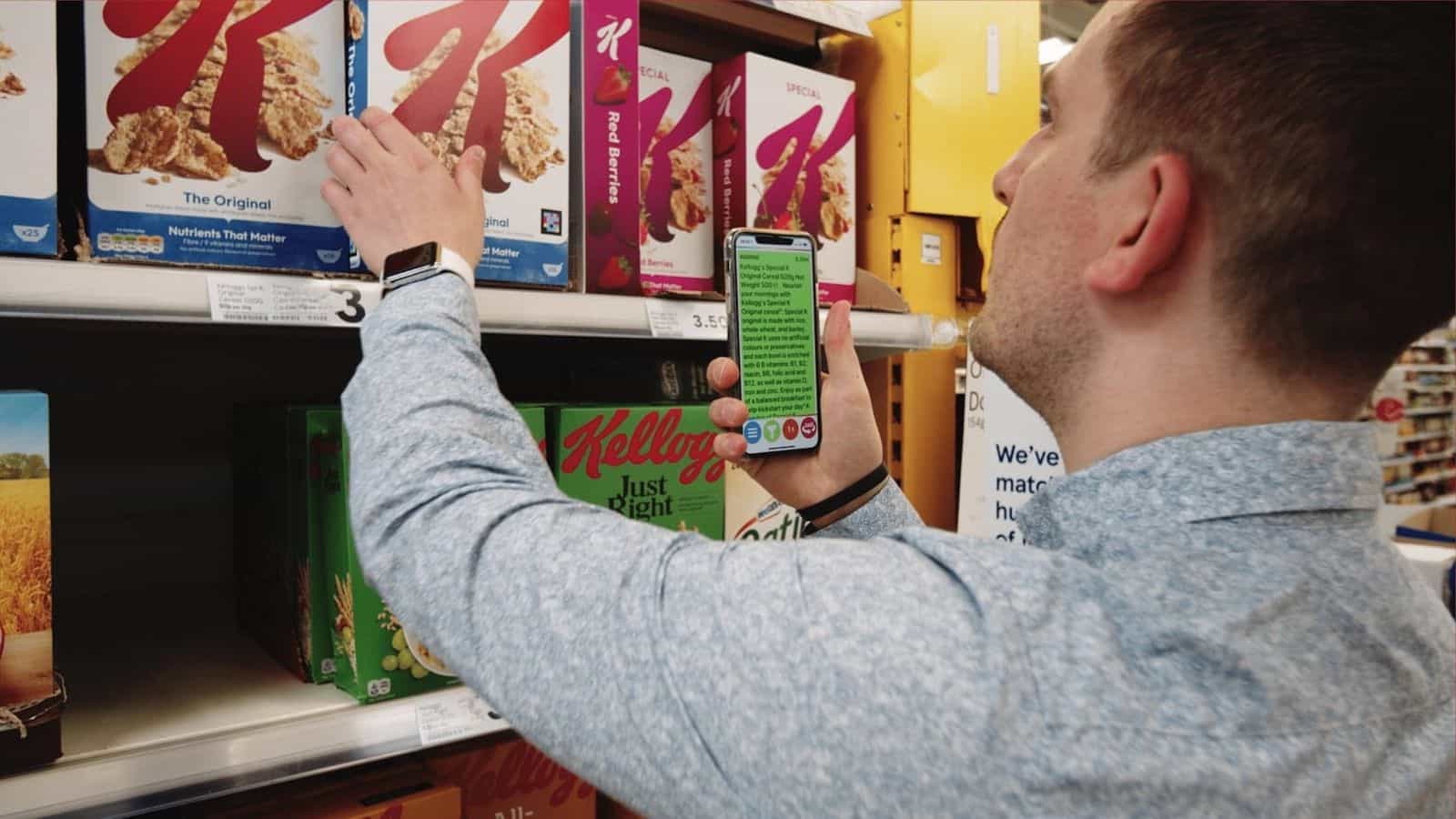
    A shopper uses the NaviLens app to identify products in a supermarket aisle stocked with everyday consumer goods.
    Real retail environments · Accessible product information
    12×
    Farther than a QR code
    42
    Languages with audio output
    <1s
    Detection time
    160°
    Code capture angle

    Accessible packaging

    Brands already integrating NaviLens into their packaging

    Food, FMCG, health and personal care: real projects that prove accessible packaging can be deployed at scale.

    Logo of Coca-Cola
    Logo of Nestlé
    Logo of P&G
    Logo of Sanofi

    The challenge

    Everyday packs are designed to be seen. Not always to be accessed.

    Consumer products compete for attention on crowded shelves, behind freezer doors, inside bathroom cabinets and across busy homes. Product names, variants, formats, allergens, instructions and warnings are often presented in small print or in visual systems that make similar products difficult to tell apart independently.

    NaviLens adds an accessible route to product information without changing the role of essential printed packaging.

    • Shopper using the NaviLens app to identify a Kellogg's cereal box on a supermarket shelf.

      Find the right product

      Help shoppers locate and identify a product, even when shelves contain similar-looking packs, variants or sizes.

      • Cereal and snack boxes
      • Drinks multipacks
      • Chilled and frozen products
      • Bottles and jars
      • Flexible packs and pouches
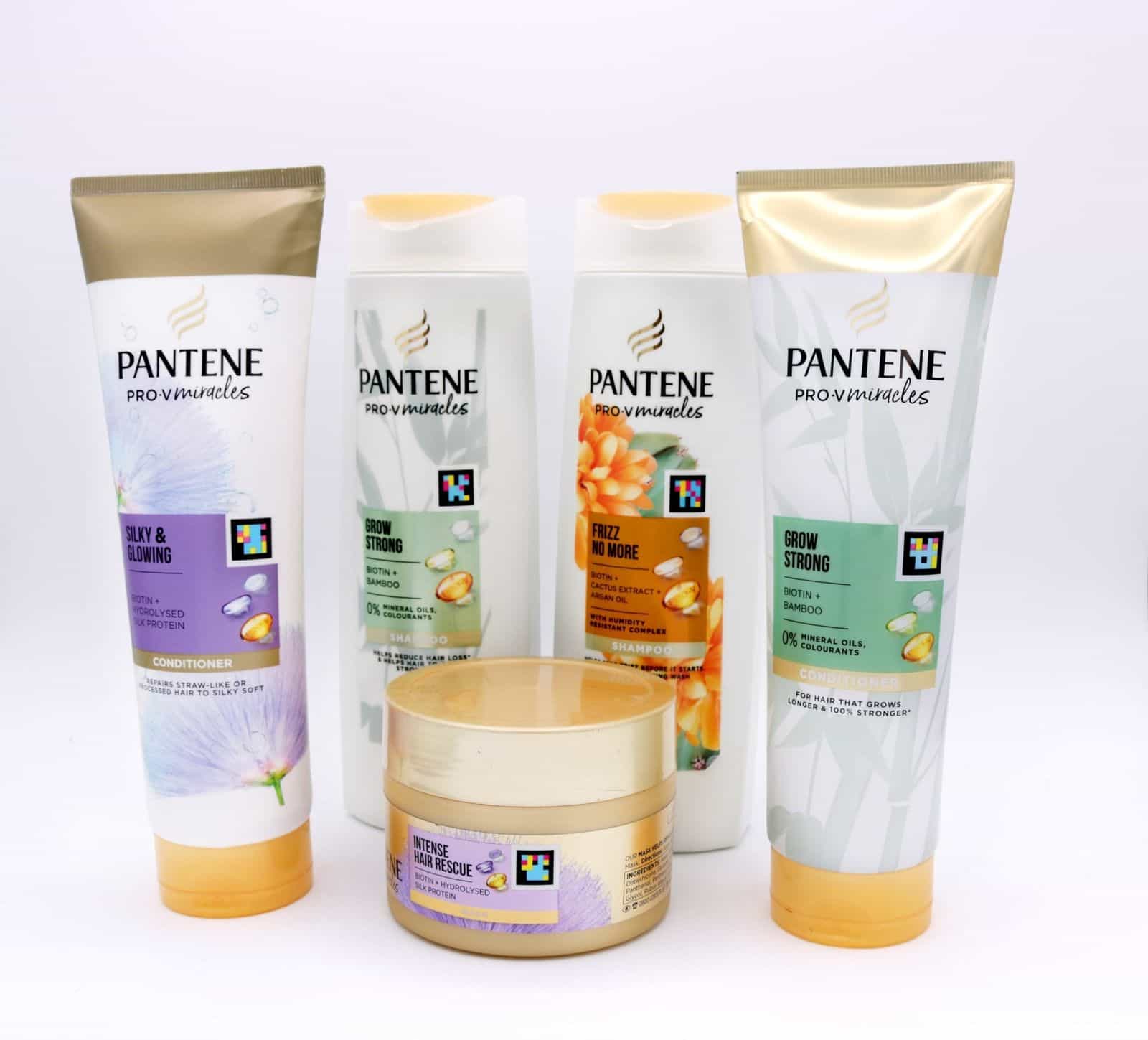
    • Pantene Pro-V Miracles hair-care bottles showing NaviLens accessible codes for variant recognition.

      Tell similar products apart

      Support clearer product recognition across colours, fragrances, flavours, sizes, formats and product families.

      • Shampoo and conditioner
      • Day and night skincare
      • Different yoghurt flavours
      • Baby-care sizes
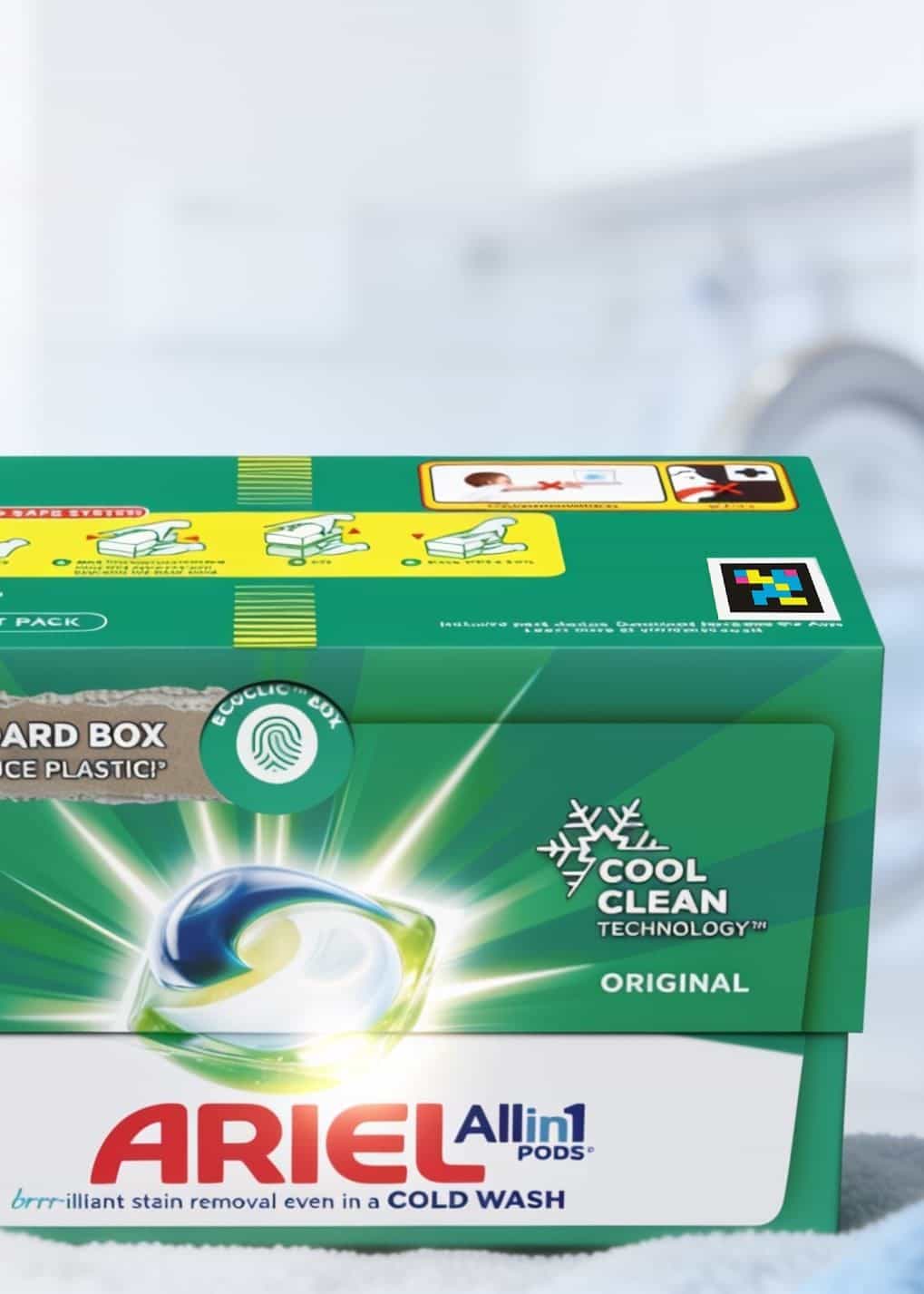
      • Laundry-product variants
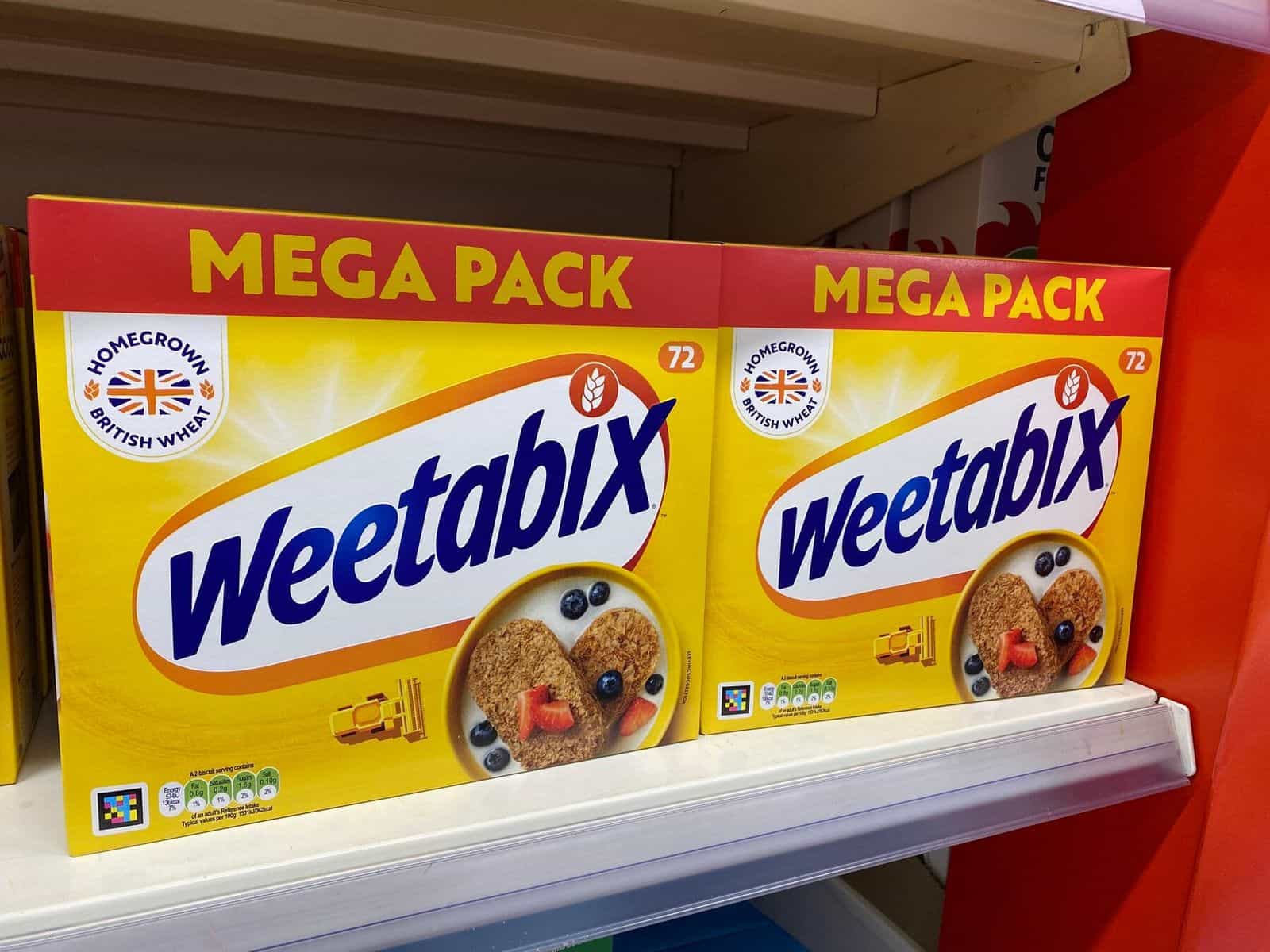
    • Close-up of a Weetabix Mega Pack showing the NaviLens code integrated into the carton design.

      Access the details that matter

      Make selected product information easier to access in formats that work beyond small printed text.

      • Ingredients and allergens
      • Product format and unit count
      • Preparation or use instructions
      • Recycling information
      • Warnings and precautions
      • Product origin and brand content

    One accessible layer. Across the everyday aisle.

    Three anchor categories, one repeatable accessible-information model — designed to grow with your portfolio.

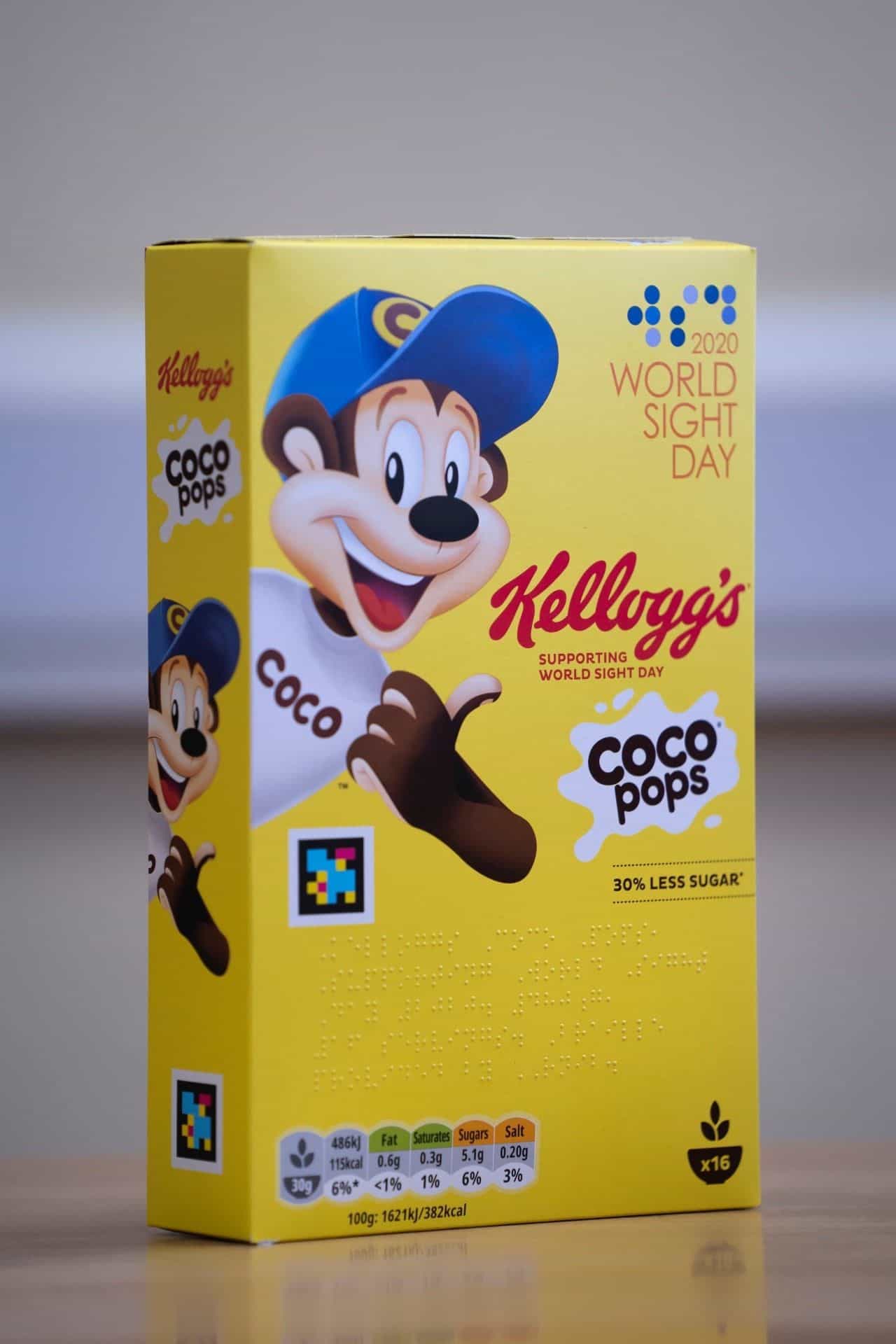
    Kellogg's Coco Pops carton with an accessible NaviLens code printed alongside brand artwork.

    Food & drink

    Food and drink packaging

    Help shoppers recognise products, distinguish flavours and formats, and access information such as ingredients, allergens, nutrition, preparation and recycling.

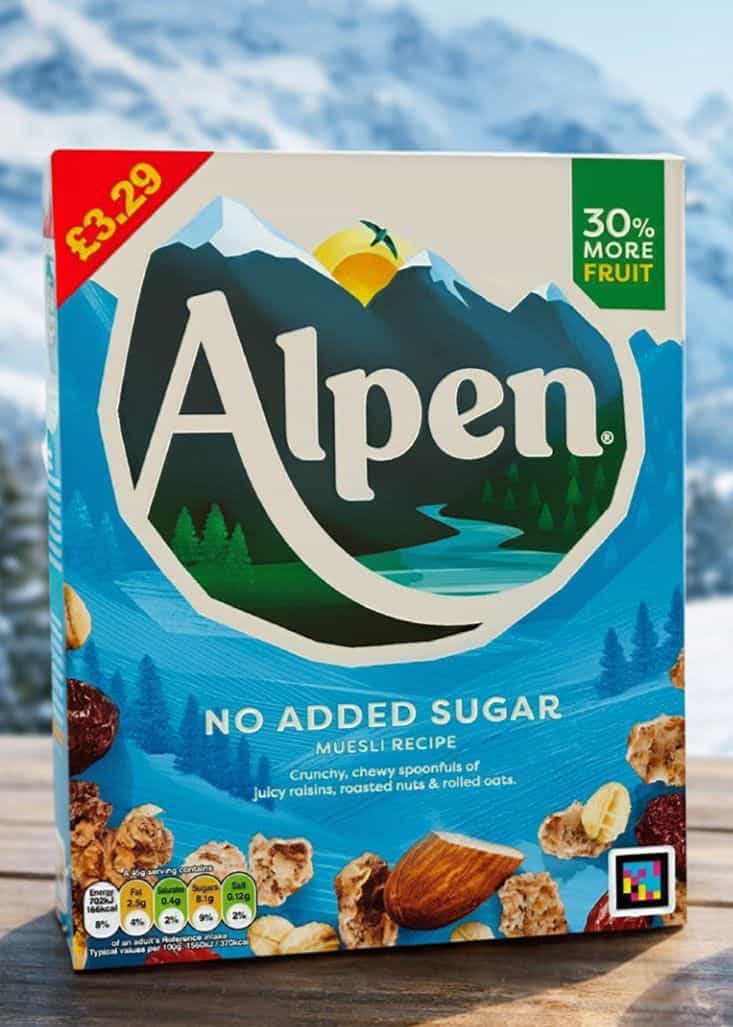
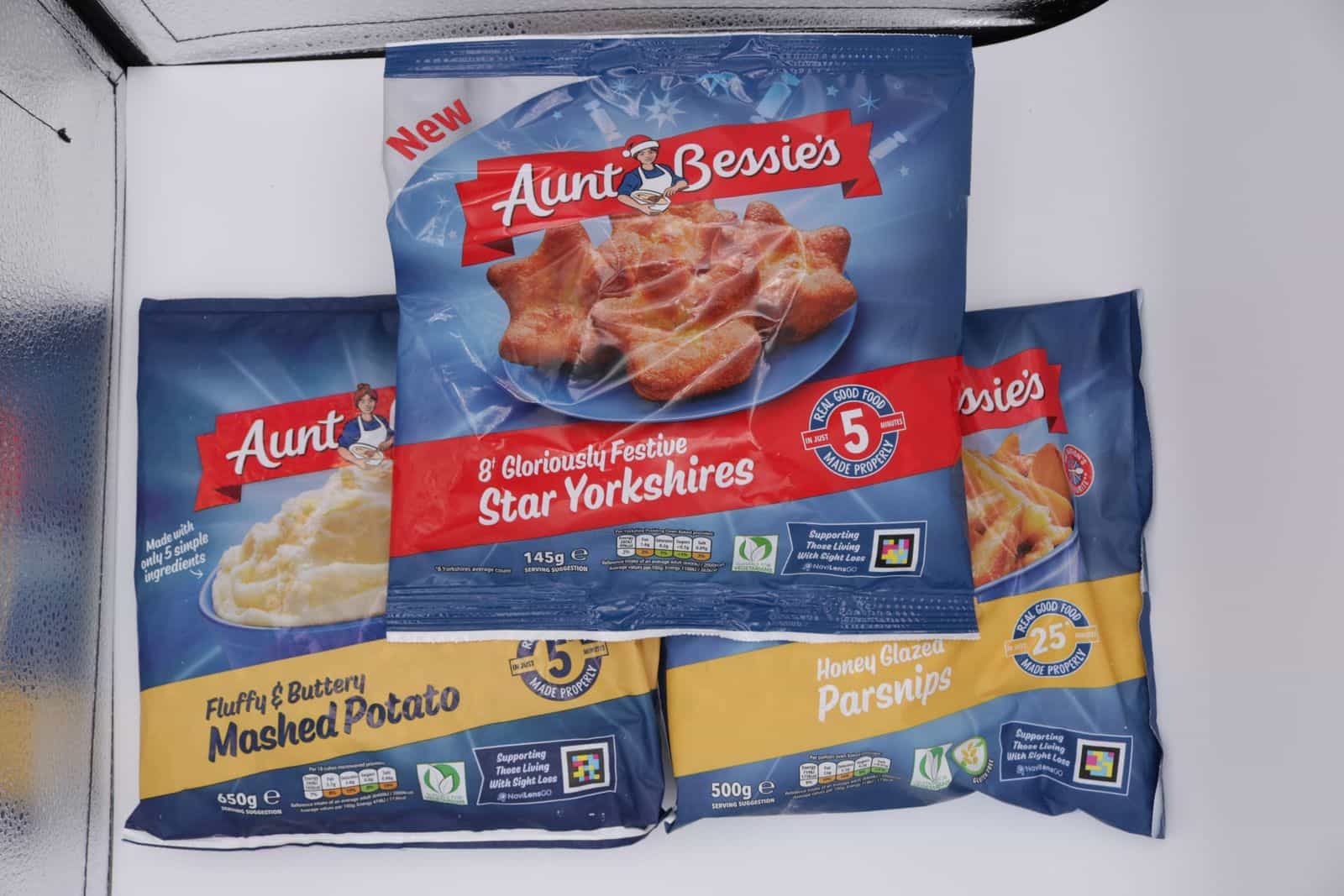
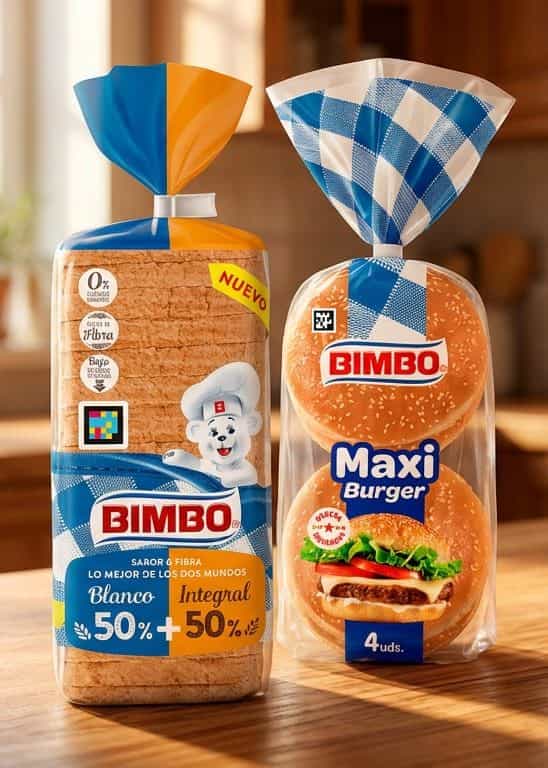
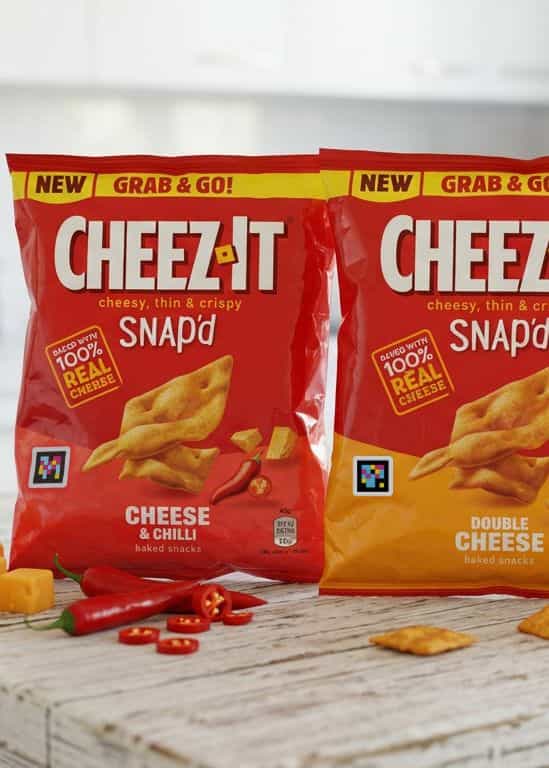
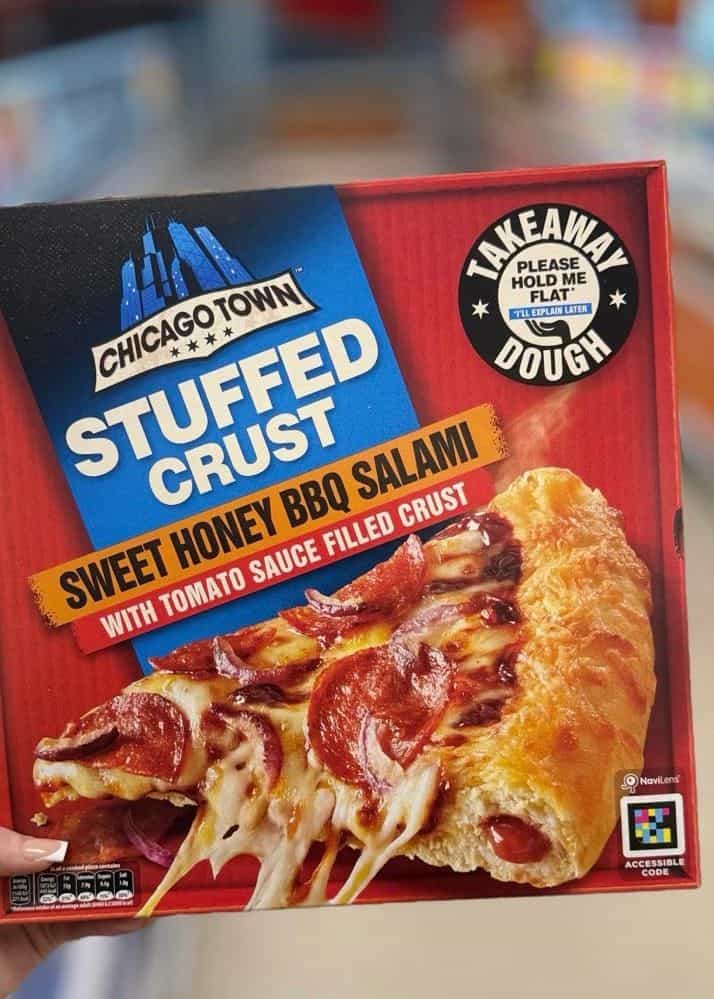
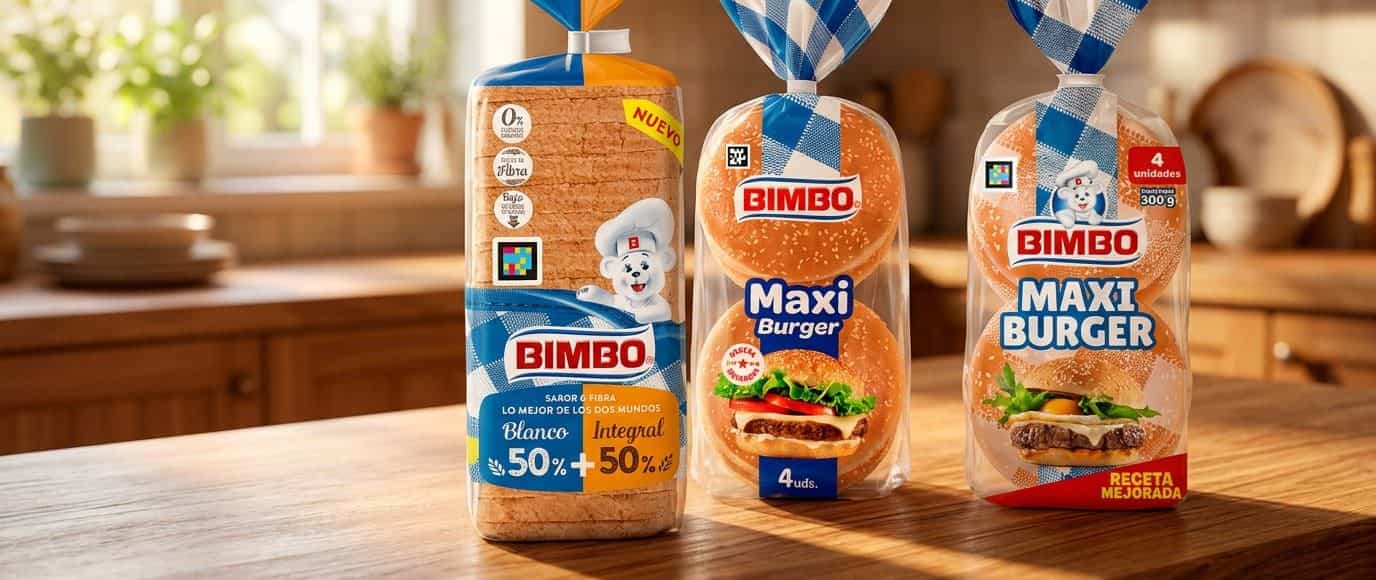
    Approved brand examplesKellanova · Pringles · Coca-Cola · Müller · Weetabix · Alpen · Aunt Bessie's · Chicago Town · Quorn · Bimbo
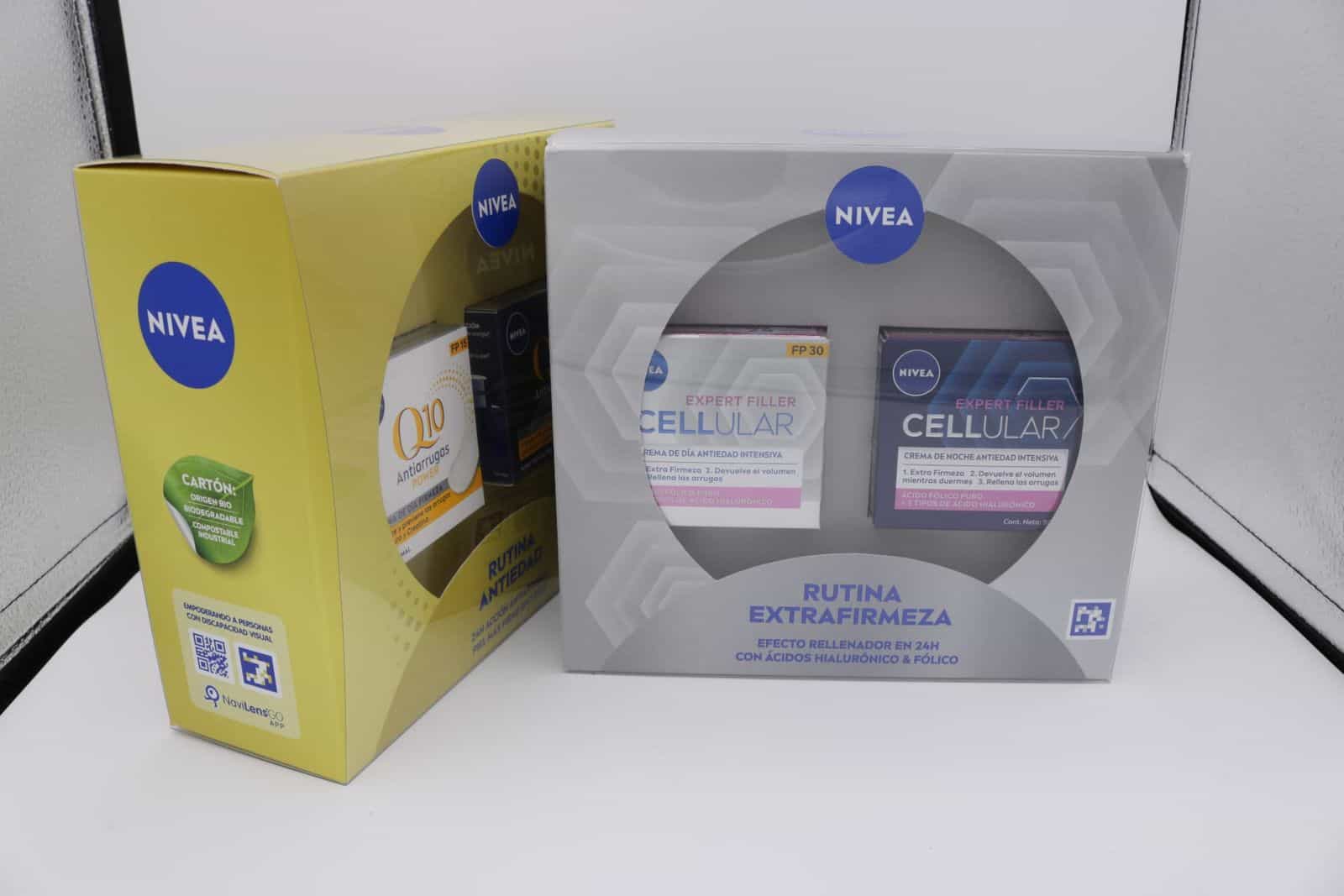
    NIVEA anti-age skincare routine set with accessible packaging showing NaviLens codes.

    Beauty & personal care

    Beauty and personal care packaging

    Help customers distinguish product variants, formats and routines while accessing selected product information such as how to use, precautions, ingredients and pack details.

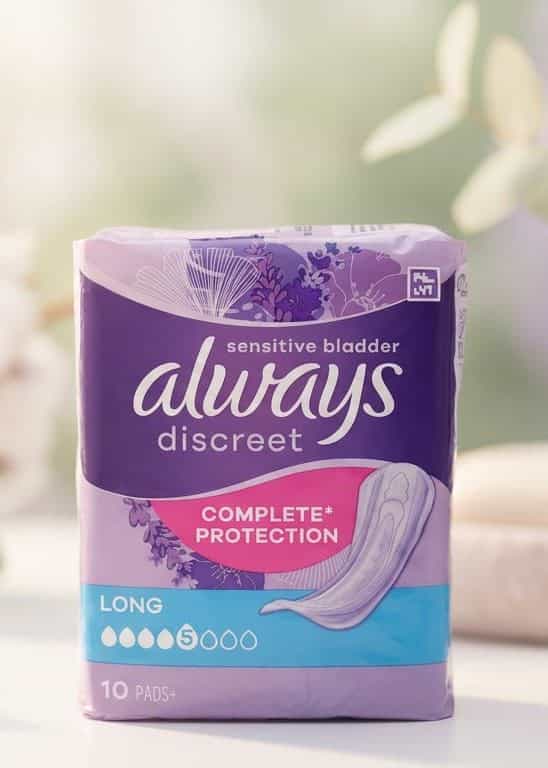
    Approved brand examplesPantene · NIVEA · got2b · Always Discreet

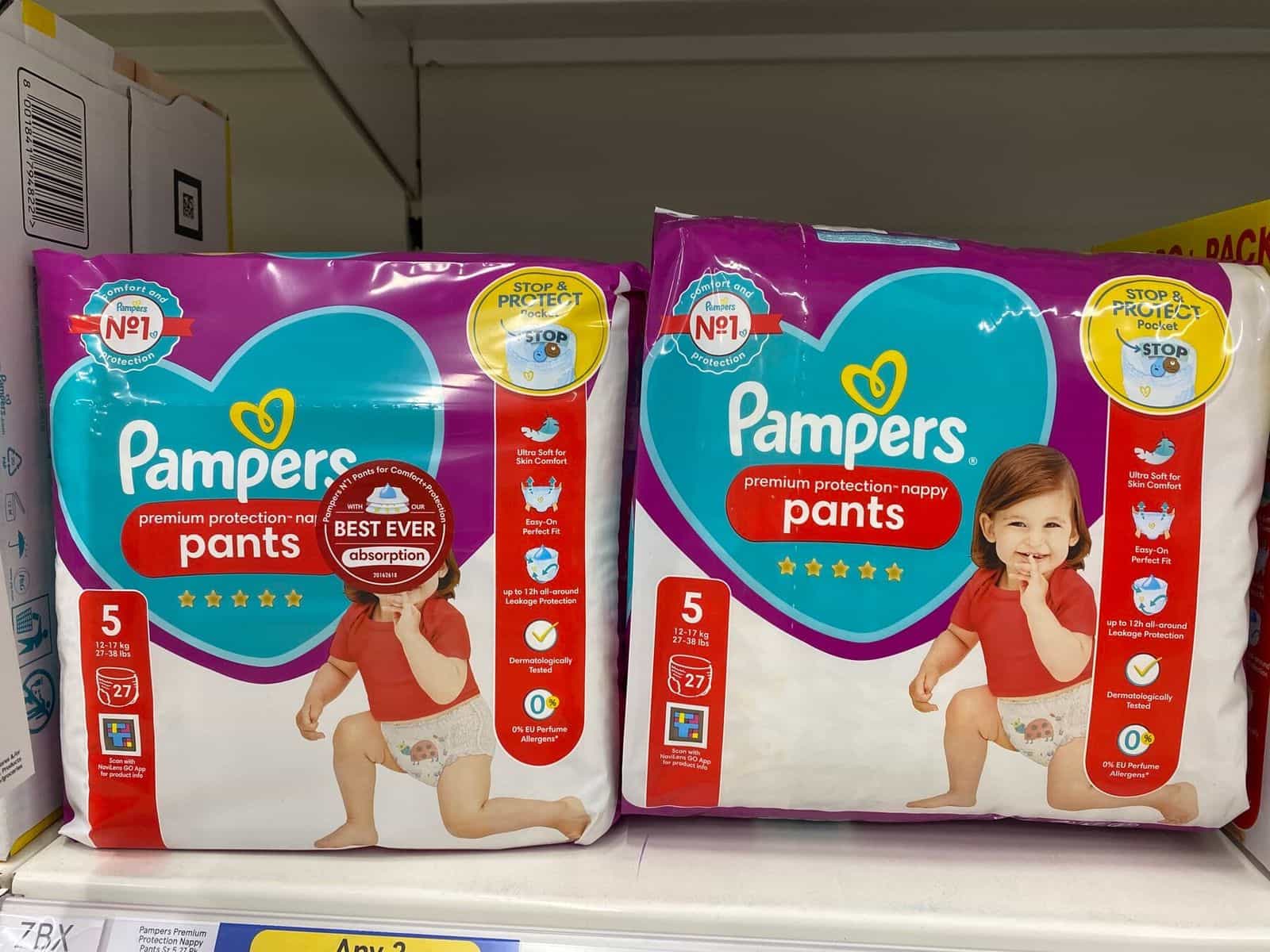
    Pampers Baby-Dry Pants size 5 pack with a NaviLens GO code integrated into the front of the pack.

    Home & family care

    Home and family care packaging

    Help people choose the right size, format, unit count and product variant across everyday household, baby-care, hygiene and home-care categories.

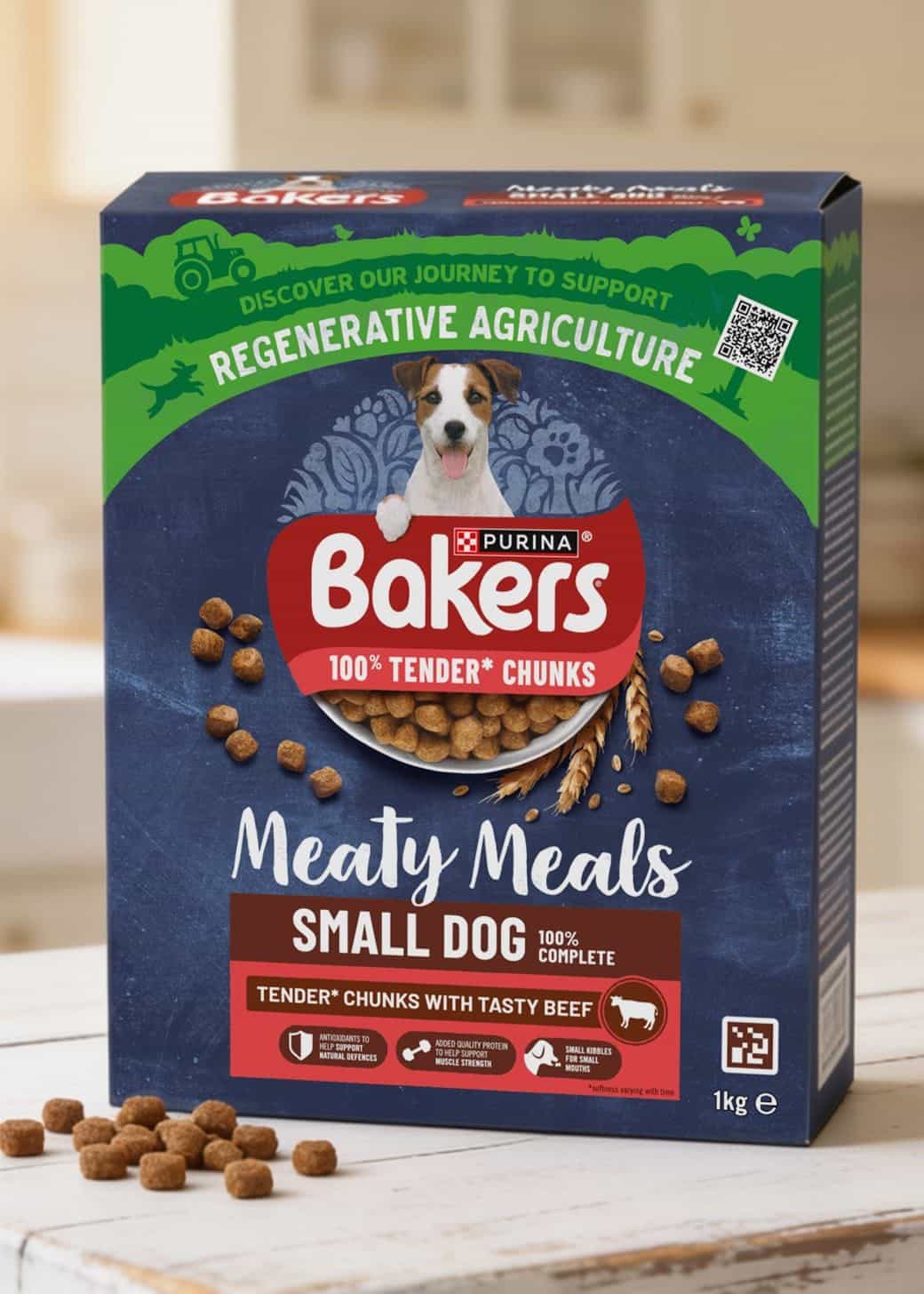
    Approved brand examplesPampers · all free clear · Foxy · Plenty · Bakers · Purina

    Built beyond the pilot

    From one product to a portfolio standard.

    Accessible packaging creates more value when it moves beyond a single campaign or SKU. NaviLens helps brands define a repeatable approach that can expand across product lines, categories and markets.

    850M+
    Kellanova products with NaviLens in Europe

    Accessible packaging deployed across cereals and snacks.

    100%
    Müller branded range covered in the United Kingdom

    Accessible information integrated into the dairy and chilled-product range.

    20+
    Henkel brands adopting accessible smart codes

    A portfolio approach across personal care, home care and laundry products.

    Last verified · November 2025

    Start with one category. Build a standard. Scale the portfolio.

    The most effective accessible-packaging programmes begin with a practical priority, then establish a repeatable approach across packs, content and markets.

    1. 01Prioritise

      Start where the need is clearest.

      Identify a priority category, product family or shopper journey where product recognition and information access matter most.

    2. 02Standardise

      Create a repeatable pack and content model.

      Define placement, content, languages, ownership and approval workflows that can be applied across related SKUs.

    3. 03Scale

      Extend across brands, formats and markets.

      Use the same accessibility logic across new product lines, packaging formats and regional portfolios while adapting to local requirements.

    Accessible packaging becomes more valuable when customers find the same experience across the products they buy every week.

    Information that works at shelf, at home and over time.

    The accessible information layer can be tailored to the category, the product and the customer journey.

    Food & drink

    • Product name and variant
    • Ingredients
    • Allergens
    • Nutrition
    • Preparation instructions
    • Recycling information
    • Product origin
    • Campaign or recipe content

    Beauty & personal care

    • Product name and variant
    • Product format
    • How to use
    • Warnings and precautions
    • Ingredients
    • Routine information
    • Recycling and refill information
    • Multilingual product content

    Home & family care

    • Product type and variant
    • Size and unit count
    • Weight or capacity
    • Use and care guidance
    • Product features
    • Warnings and precautions
    • Recycling information
    • Relevant support content

    Physical packaging. Accessible product information. One connected experience.

    § Success stories

    Leading brands already using accessible packaging.

    Each card is a product whose packaging already speaks 42 languages thanks to NaviLens. A sample of the brands already including it on their packs.

    Learn what product information customers look for.

    A connected packaging programme can help teams understand which products are scanned, which information is most useful and which language journeys customers choose.

    • 01

      Product engagement

      Understand which product formats and categories generate the most accessible-information activity.

    • 02

      Information priorities

      See which approved content customers access most often, such as allergens, usage guidance or product details.

    • 03

      Language insights

      Understand language preferences across markets and product ranges.

    Reporting and analytics should be configured according to the organisation's privacy, consent and data-governance requirements. NaviLens does not identify or profile individual customers.

    Frequently asked questions about accessible consumer-goods packaging.

    § Let's talk

    Turn everyday packs into accessible information points.

    Tell us about your product categories, pack formats, markets and accessibility goals. Our team will help you identify the strongest starting point and design a rollout approach that can scale across your portfolio.