NaviLens in education: how schools remove barriers
Classrooms, corridors, canteens and playgrounds. How pioneering schools use accessible codes for students with visual impairment and ASD.

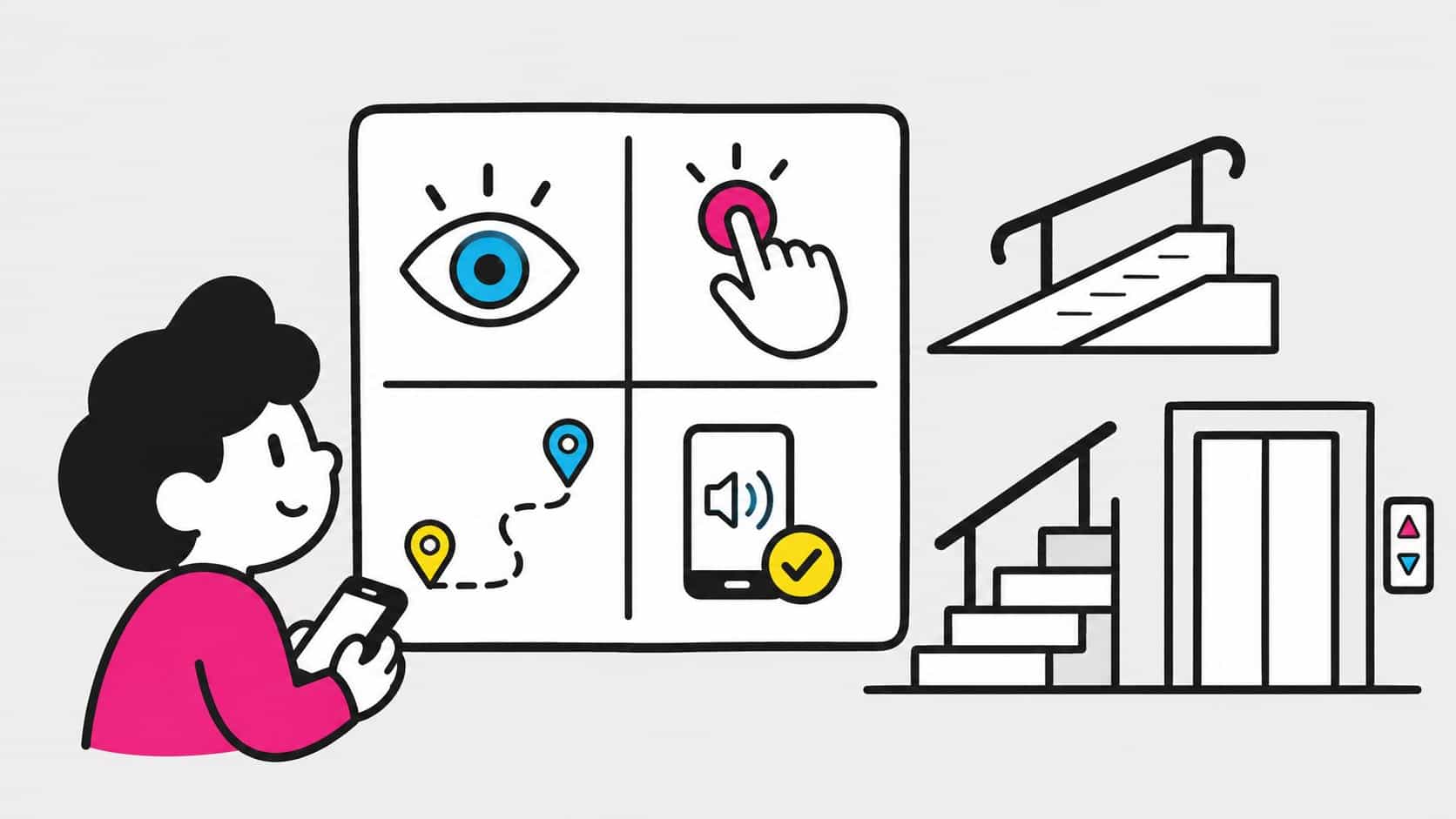
School accessibility is often reduced to the entrance ramp and an adapted restroom. But true inclusion starts inside: in how the student finds their classroom, reads the lunch menu, understands the schedule or follows a field trip. For a student with visual impairment or ASD, each of those moments can become an obstacle.
Spain has more than 230,000 students with specific educational support needs in mainstream schools (Ministry of Education data, 2023-24). The challenge is making inclusion real, not just administrative.
Cases in progress
Schools such as CEIP Antonio Robles (Madrid), a reference for the inclusion of blind students, or Colegio Juan XXIII (Cartagena), a pioneer of NaviLens in education, have deployed accessible codes in corridors, classroom doors, libraries, canteens and common areas. In 2024, the Valencian regional government launched a program to bring NaviLens to 50 schools over three years.
In the United States, Northern Illinois University and the University of Missouri have piloted NaviLens on their campuses. In Italy, the Asphi Foundation and the Ministry of Education have deployed it in more than 100 schools as part of the digital inclusion plan.
Observed benefits
- Greater autonomy for students with visual impairment: they move around without an escort
- Less anxiety for students with ASD thanks to anticipation: they know what they will find behind each door
- Reading support for students still learning to read
- Multilingual information for newly arrived families (especially useful in highly mobile areas)
- Makes teachers' lives easier by reducing repetitive queries
- Enables context-sensitive notices (classroom changes, drills, events)
How to start
Identify the critical wayfinding points: entrances, the classroom core, library, canteen, playground, gym. Involve the school's guidance team and the families of students with special needs. Train teachers in how to use the code and communicate the launch to the whole educational community.
A three-month pilot on one floor of the school, with usage metrics and a family survey, is usually enough to justify a full rollout. The cost per classroom is affordable even for small schools.
Beyond the building
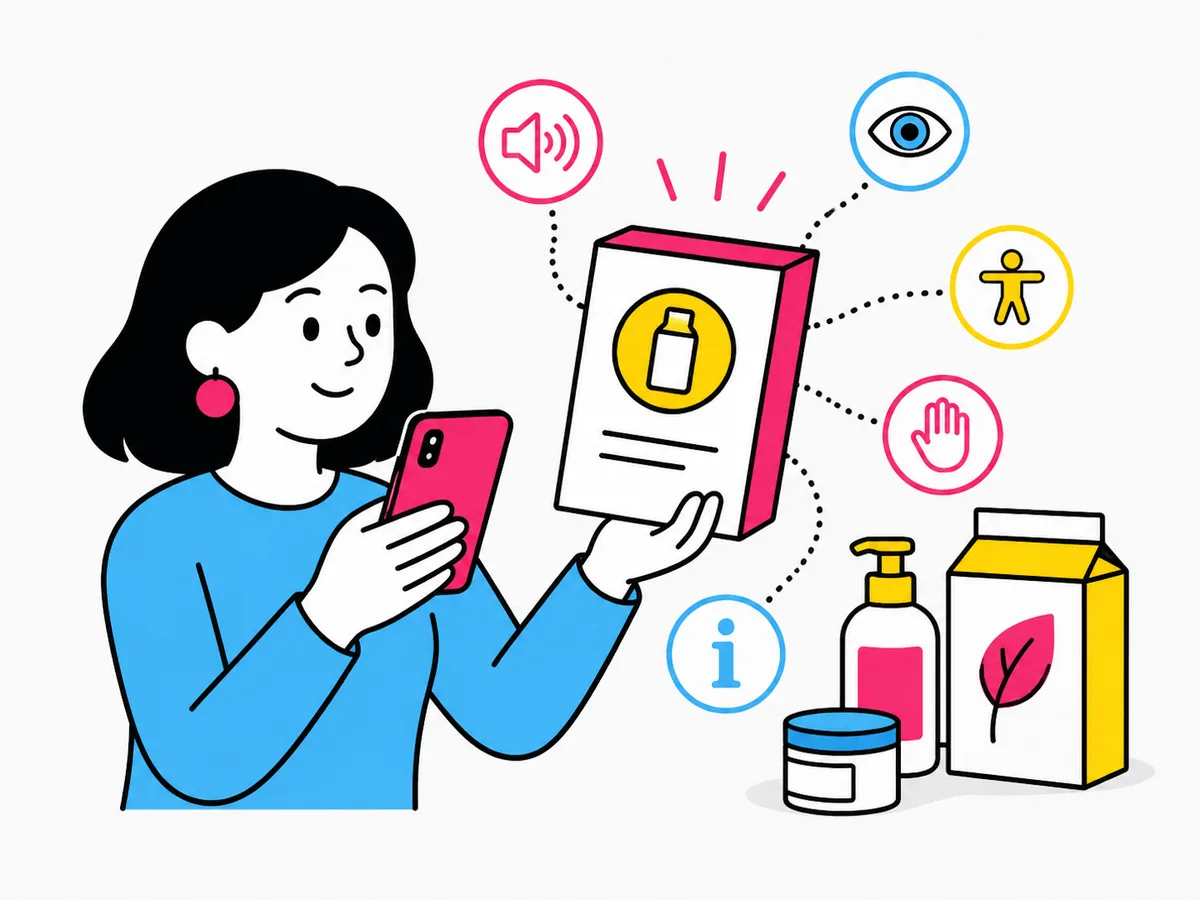
The next step is teaching materials: textbooks, worksheets, exams, classroom panels. Publishers such as Anaya and SM are exploring how to embed codes in their materials. Educational accessibility is not only about space: it is also about content.