Case study · Yumeshima, Osaka · Japan
The Universal Expo, in any language.
NaviLens is part of the official universal services catalog of EXPO 2025. Any visitor points their phone at a site sign, a pavilion façade or a restroom sign and hears the information by voice in their own language — from several yards away, with no need to focus.
13 Apr — 13 Oct 2025
Expo 2025 Osaka, Kansai · Yumeshima Island
Multi-pavilion
Healthcare, Kansai, Japan, NTT, Kurage… signed with NaviLens
42
Languages read aloud from each code
Official service
Listed on EXPO 2025's universal services website
The client
Expo 2025
Osaka, Kansai
EXPO 2025 Osaka, Kansai, Japan is the World Expo held from 13 April to 13 October 2025 on the artificial island of Yumeshima (Osaka). Under the theme “Designing Future Society for Our Lives”, it brought together more than 150 national and thematic pavilions.
The organizers have made universal accessibility a hallmark: guidelines, tactile maps, sign language, shikAI navigation and services for visitors needing extra support. NaviLens joins this accessible layer as the official multilingual information system layered on top of the Expo's own signage.
The rollout is coordinated by AMC (Access Move Comfort) together with NaviLens Japan, in cooperation with the participating pavilions and the event organization.
§ The challenge
Making a Universal Expo speak to every visitor.
- 01
A site at urban scale
The Osaka Expo occupies Yumeshima Island with more than 150 pavilions, plazas, gardens, restaurants and services. For a blind and low-vision visitor, getting from the East Gate to the right pavilion and then understanding what's inside is a huge challenge without a digital layer on top of the signage.
- 02
A radically international audience
Visitors from all over the world coexist with a mostly Japanese-speaking local audience. Signage combines kanji, kana and English, but neither Arabic, Spanish, Chinese, Korean—nor dozens more languages—can be printed on every sign.
- 03
Coexisting with shikAI within the accessible standard
The Expo deploys shikAI for navigation between gates and pavilions, guidelines, tactile maps and services for people with disabilities. NaviLens has to fit in as an information layer within each space without duplicating functions or breaking the Expo's visual language.
§ The solution
A NaviLens code on every piece of information on site.
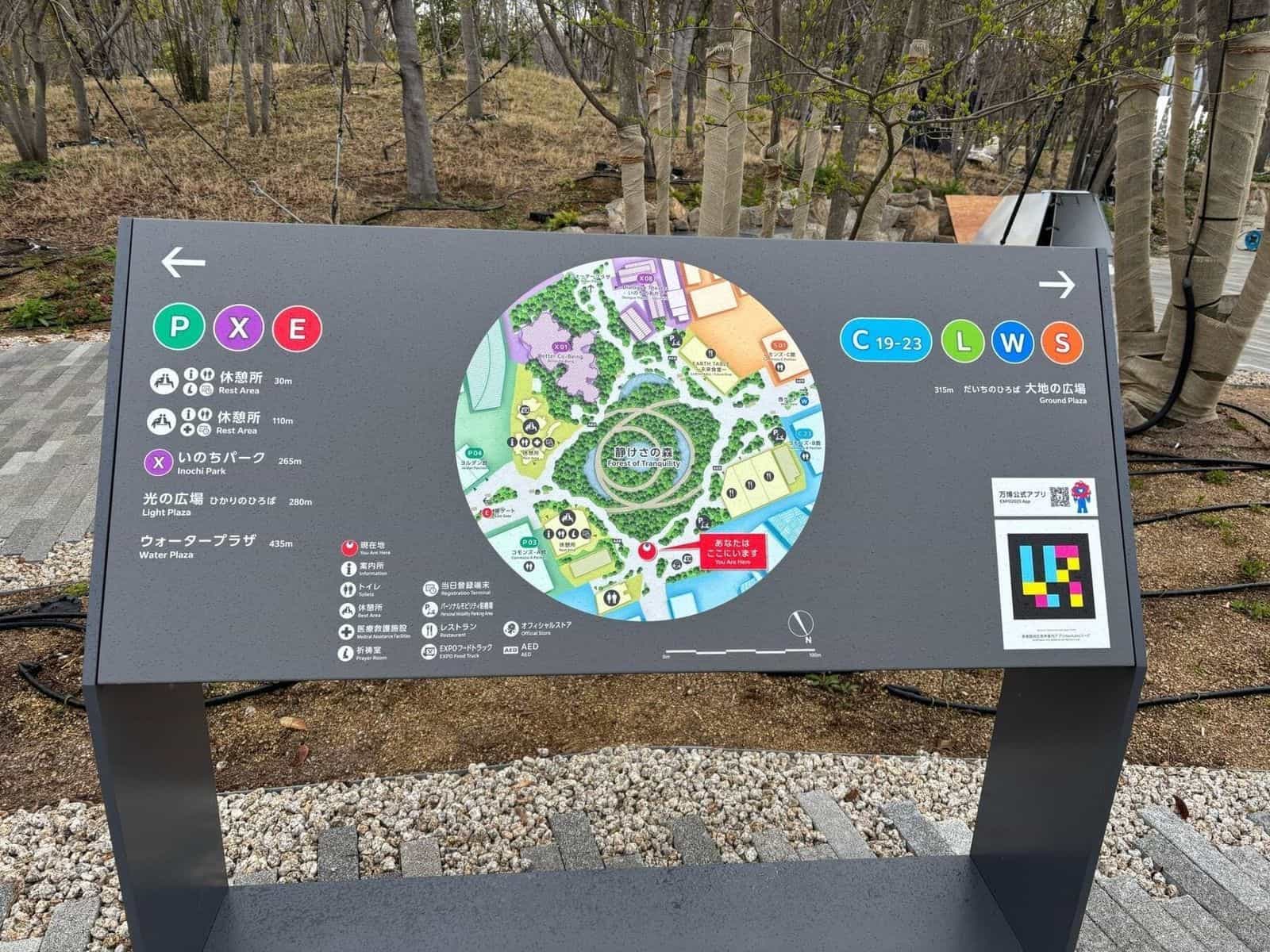
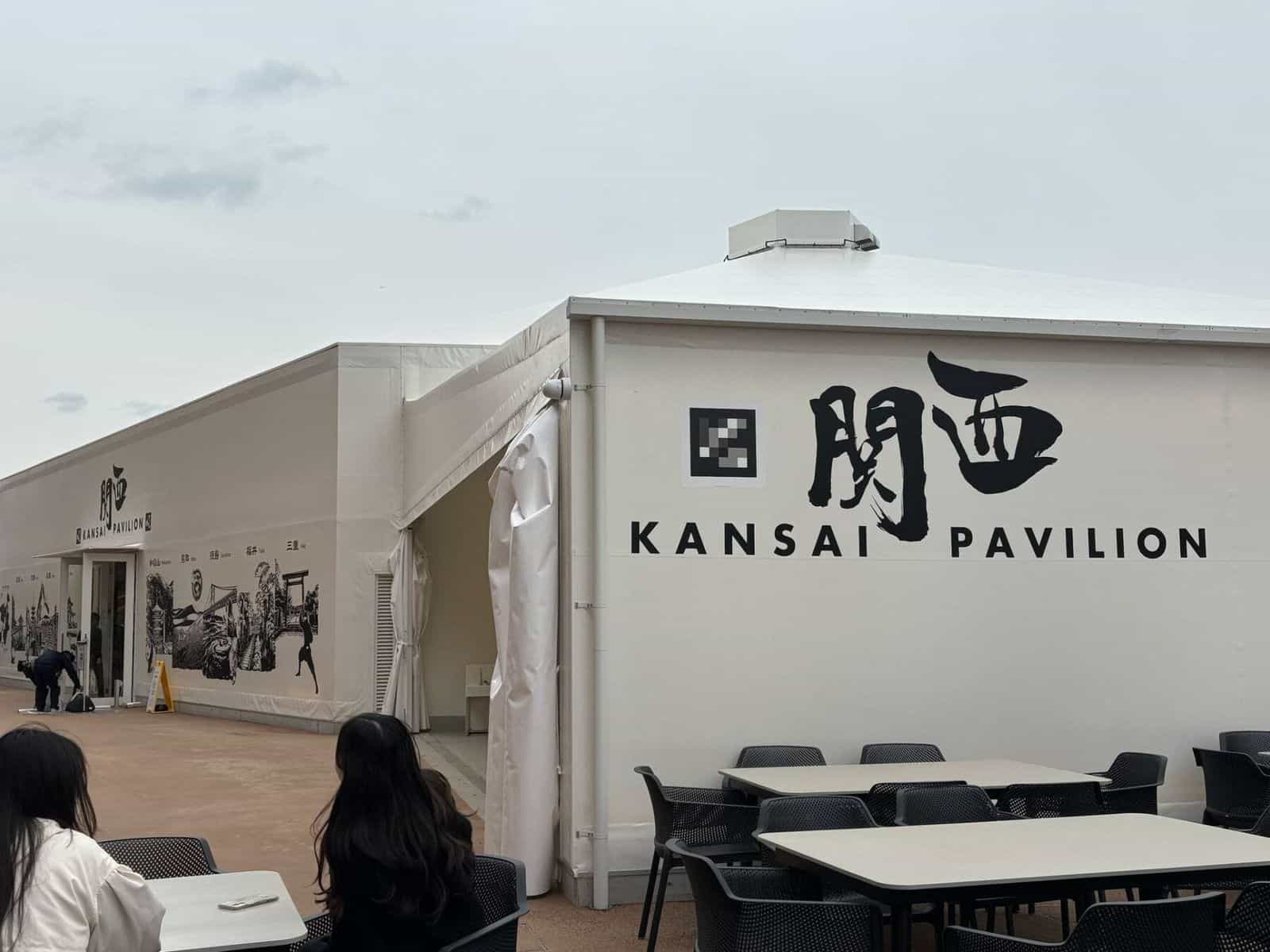
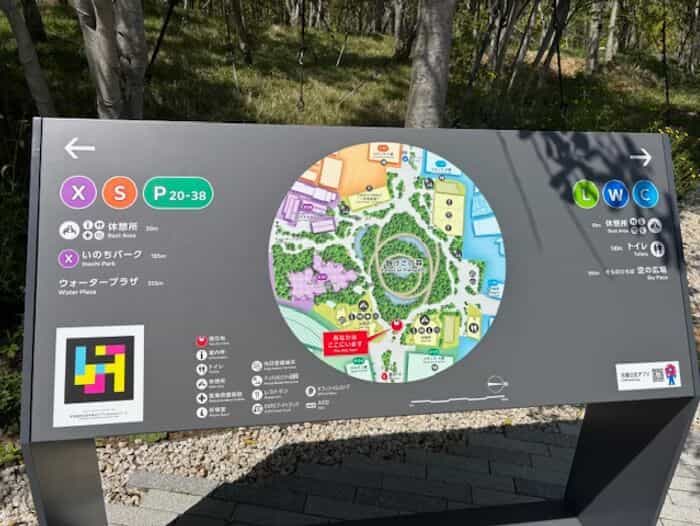
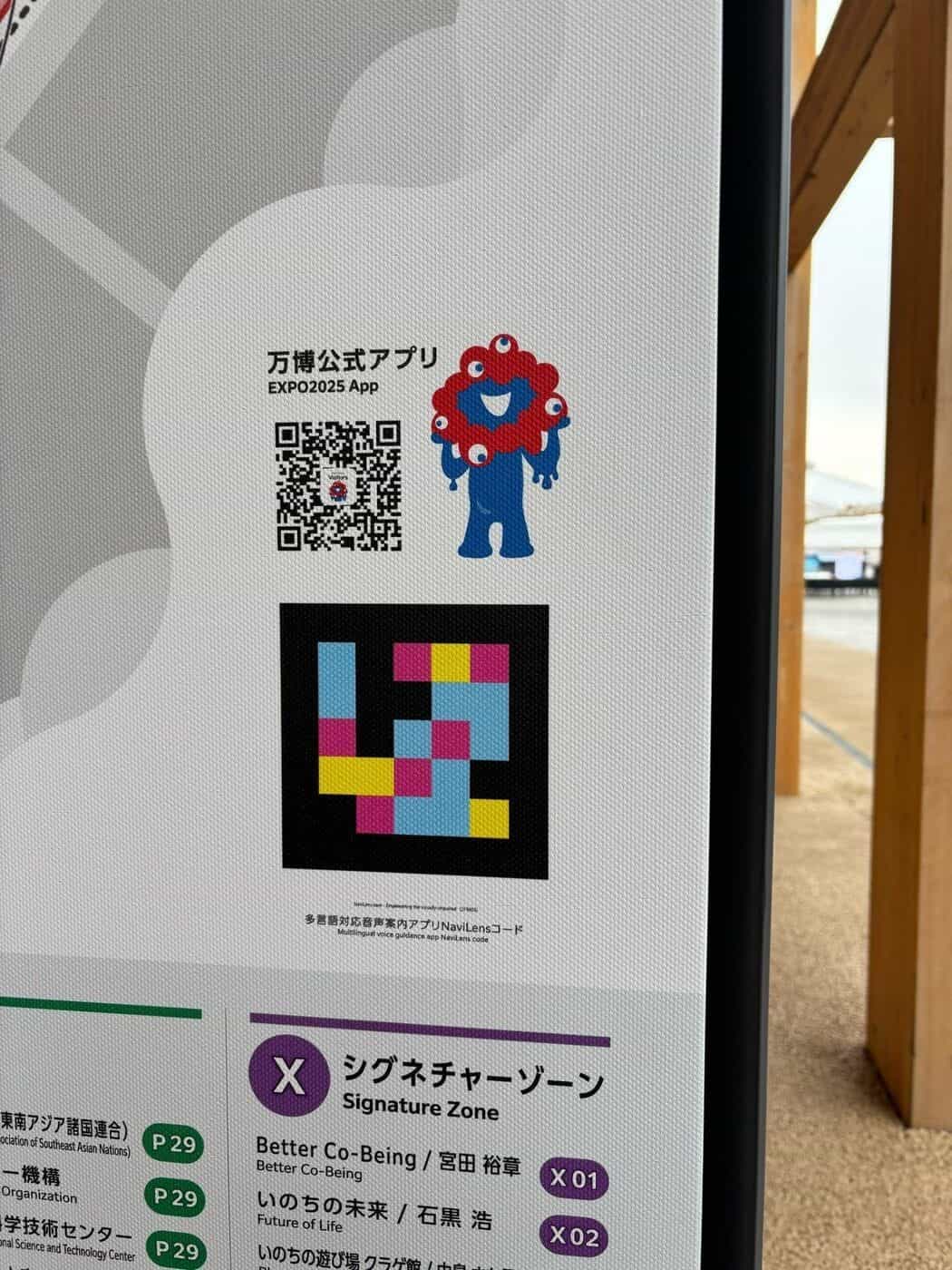
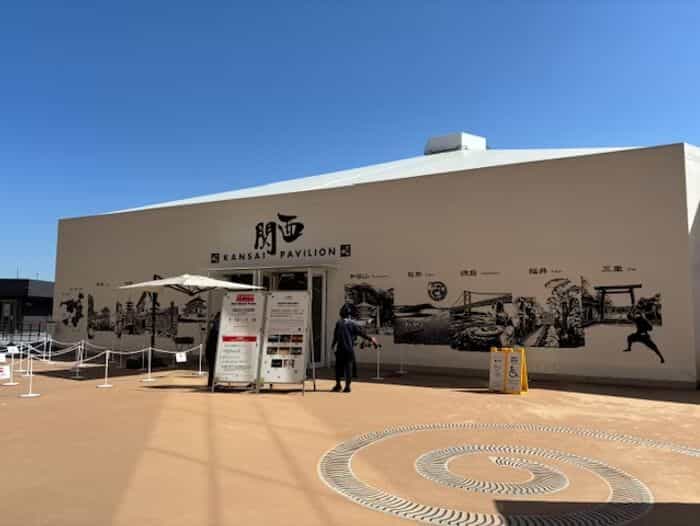
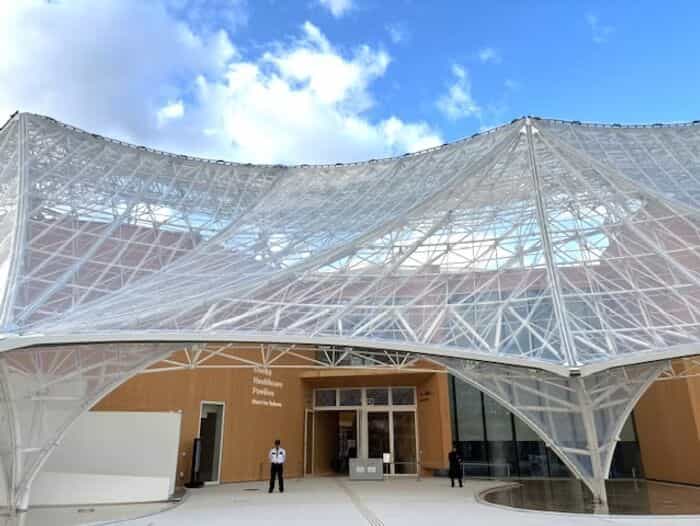
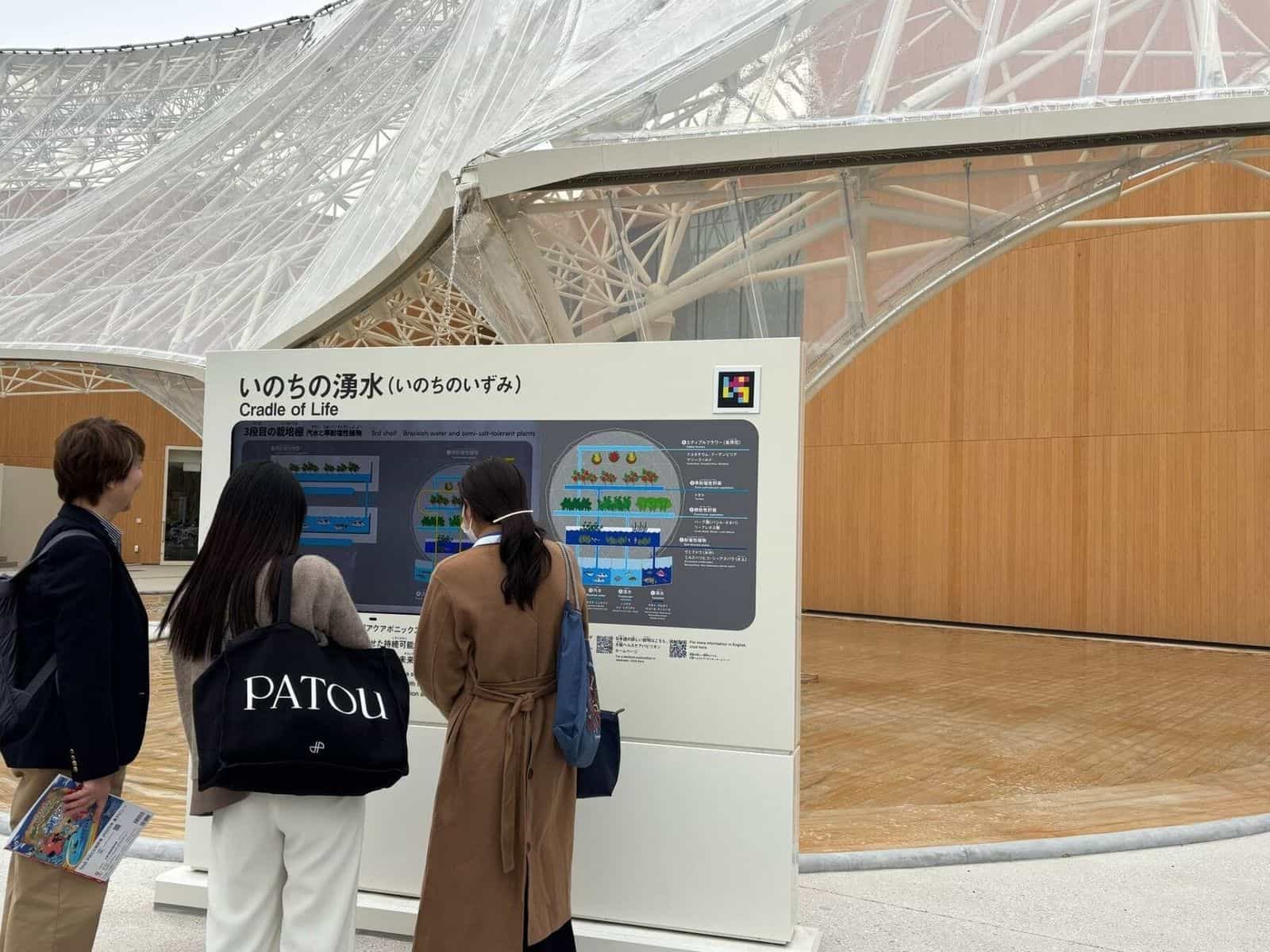
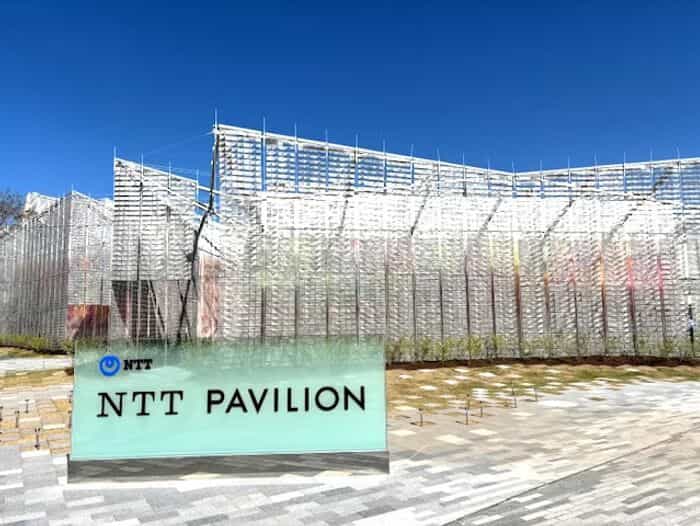
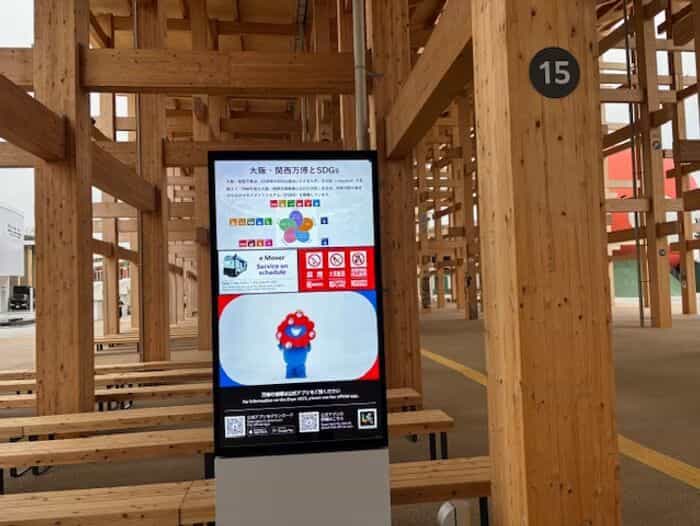
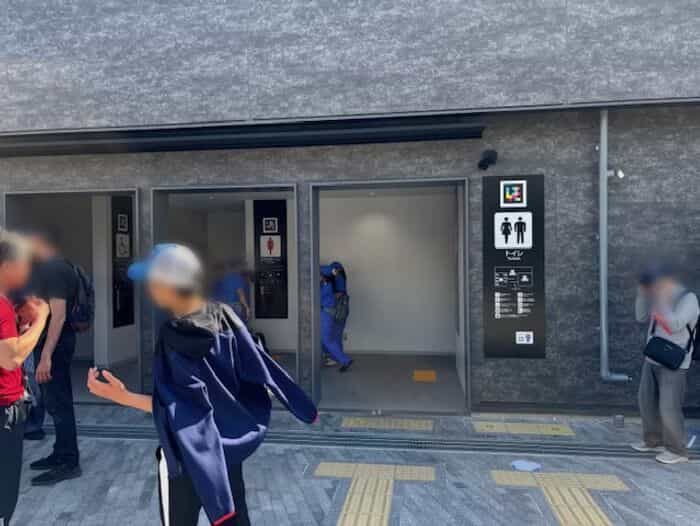
NaviLens codes are mounted on large and small site signs, on the façades of the Kansai Pavilion, the Japan Pavilion and the Kurage / Jellyfish Pavilion, inside the Osaka Healthcare Pavilion, on digital signage with EXPO2025 App QR codes, and next to the restroom doors.
The NaviLens GO app detects them from several yards away, on the move and without focusing, and delivers each label—map, themed panel, direction or service—by voice in Japanese, English and up to 42 languages.
This layer coexists with shikAI—which covers navigation between gates and pavilions—for an end-to-end accessible experience documented in user reports from blind visitors published by Mirairo and the NaviLens Japan user community.
§ The rollout
Codes on every sign, pavilion and service.
§ Timeline
From opening day to an accessible legacy.
- 2024
Agreement with the Expo and AMC as local integrator
AMC (Access Move Comfort), together with NaviLens Japan, coordinates the rollout of codes across signage, pavilions, restrooms, digital signage and site maps, aligned with the Expo's universal accessibility standards.
- 13 Apr 2025
Expo opens with NaviLens live
On opening day, NaviLens is live on large and small signs, on the Kansai Pavilion façade, in the Japan Pavilion, in the Kurage / Jellyfish Pavilion (“いのちの遊び場 クラゲ館”) and inside the Osaka Healthcare Pavilion, with voice readouts in 42 languages.
- May 2025
Published as an official universal service
EXPO 2025's official website includes NaviLens in its “Universal Services & Support” section under “Facility information”. The NaviLens Japan User Group publishes the official notice in its user community.
- Summer — fall 2025
Reports from blind and low-vision users
Mirairo and the NaviLens Japan User Group publish videos in which blind people combine shikAI to reach the pavilion and NaviLens to hear signs, maps, digital signage, restrooms and experiences inside the Osaka Healthcare Pavilion and Kurage Pavilion.
- 13 Oct 2025
Expo closes and accessible legacy
After six months, the Expo closes with multilingual and inclusive accessibility as one of its hallmarks — and as a replicable case for future World Expos and major events.
§ What they said
What they said about the project.
“NaviLens has been published on the official EXPO 2025 website under “Universal Services · Facility Information”. Enjoy the Expo site with NaviLens.”
“NaviLens multilingual voice-guidance app — the code is detected from several yards away with the phone camera and the sign information is read out by voice in the visitor's language.”
“Let us, blind and low-vision people, also enjoy the Expo: NaviLens and shikAI enable an accessible experience from the East Gate to the pavilions, and inside each of them.”
§ Results
A Universal Expo that is also audible.
JA · EN · 40+
Any sign on the site, listenable in the visitor's language
Multi-pavilion
Codes across signage, pavilions, maps, restrooms and digital signage
Universal
Recognized as an official accessible service by the Expo organization
§ And your destination?
Your destination can also guide in 42 languages.
Tell us about your trails, visitor centers, landmarks or galleries. We’ll show you how NaviLens would make your offering accessible—with comparable cases.