Case study · Florence, Italy · Culture
Lost childhoods, now with a voice.
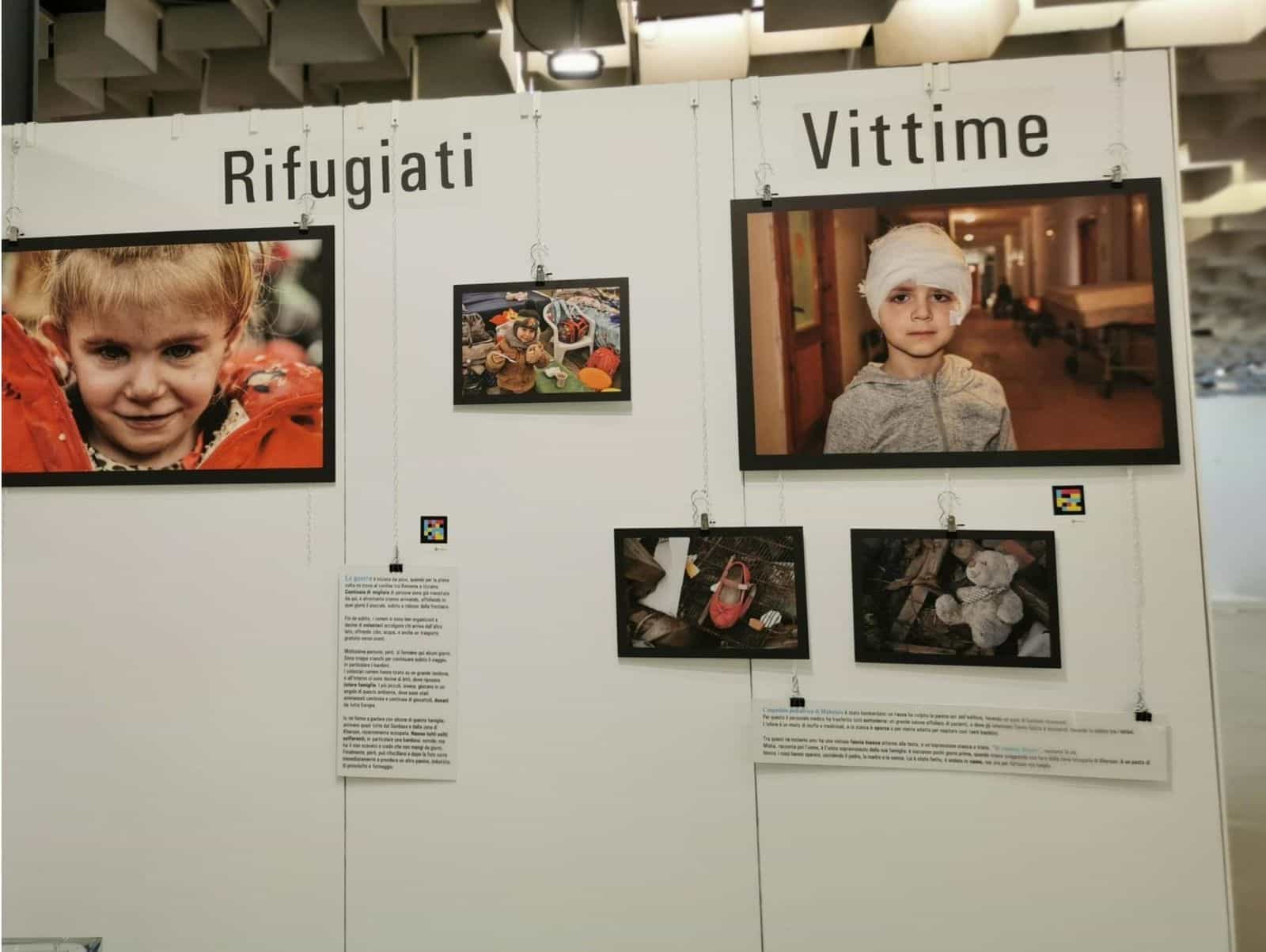
UNICEF Italy and NaviLens make “Can you smile for me? L'infanzia sperduta” accessible — the photo exhibition by RAI special correspondent Giammarco Sicuro at the 14th Florence Biennale (Fortezza da Basso, 14–22 Oct 2023). The first art exhibition in Italy with NaviLens codes.
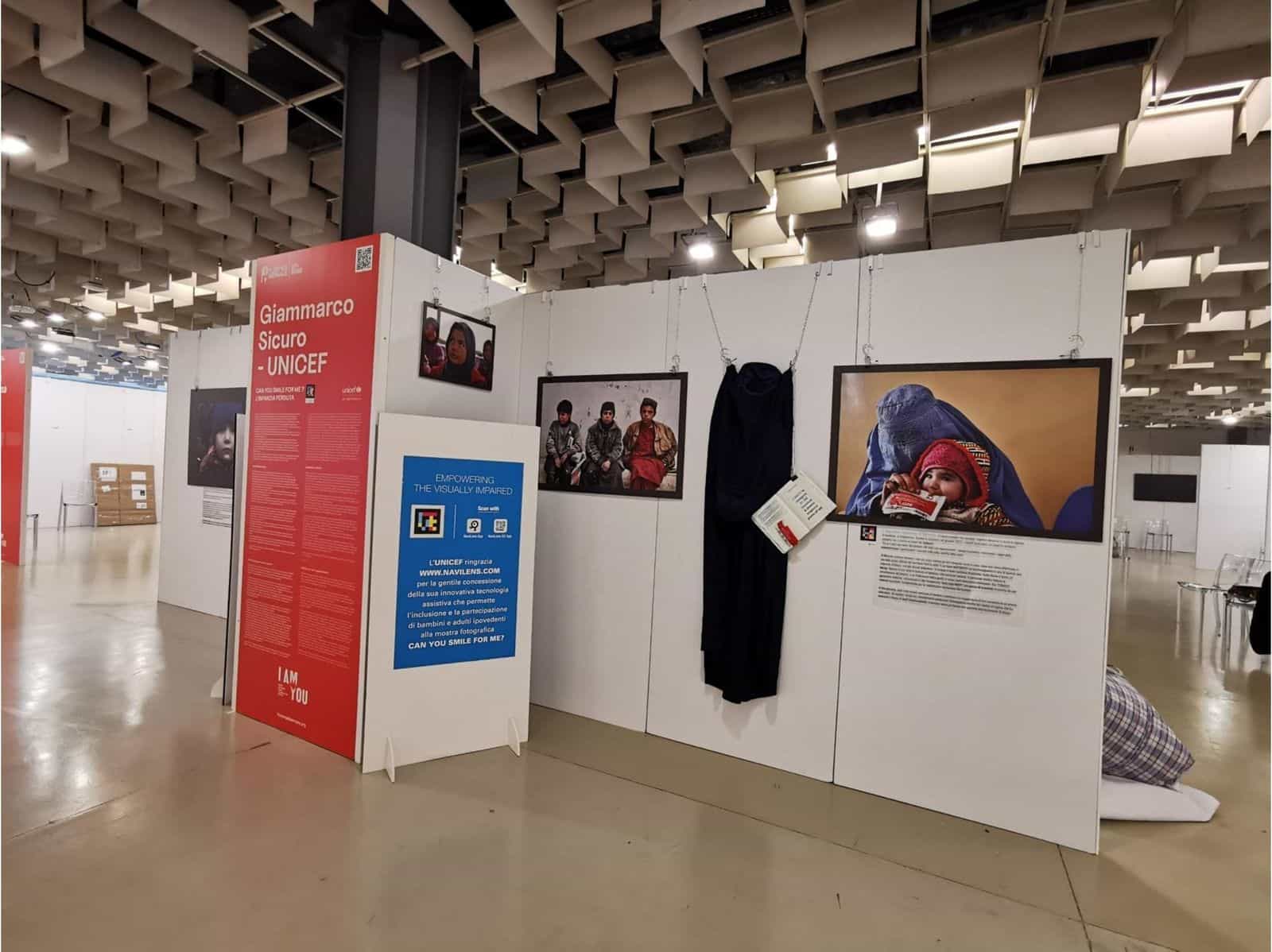
Fortezza da Basso
14th Florence Biennale · Florence, Italy
14 — 22 Oct 2023
9 days of an exhibition made accessible with NaviLens
80 photographs
Childhood portraits donated by Sicuro to UNICEF
42 languages
Accessible labels: Italian, English, Arabic, Ukrainian, Hindi…
The client
UNICEF Italy + Giammarco Sicuro
UNICEF Italia is the Italian committee of the United Nations Children's Fund. For the XIV Florence Biennale—under the theme “I Am You. Individual and Collective Identities”—UNICEF brought to the Fortezza da Basso the charitable exhibition by RAI special correspondent Giammarco Sicuro.
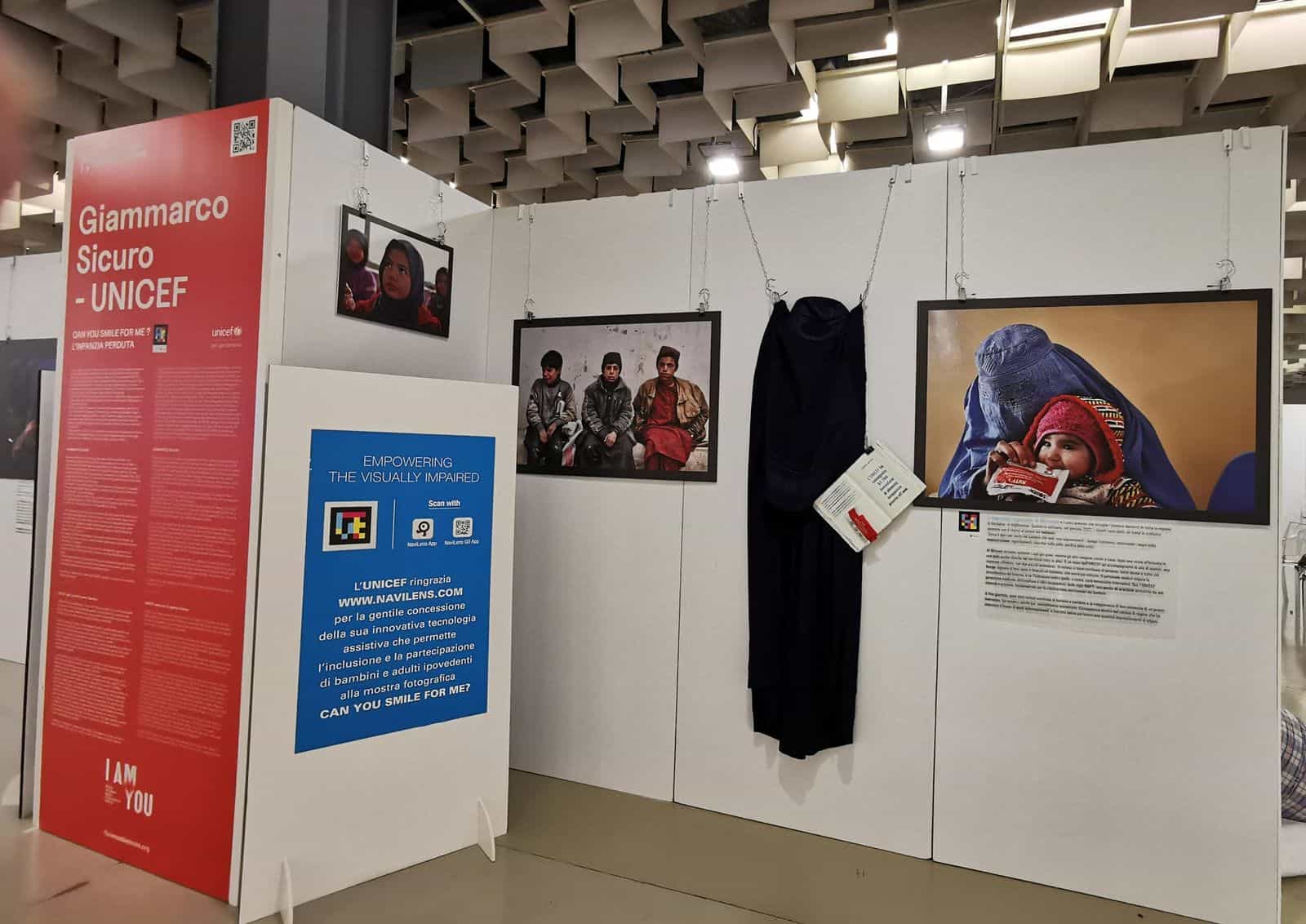
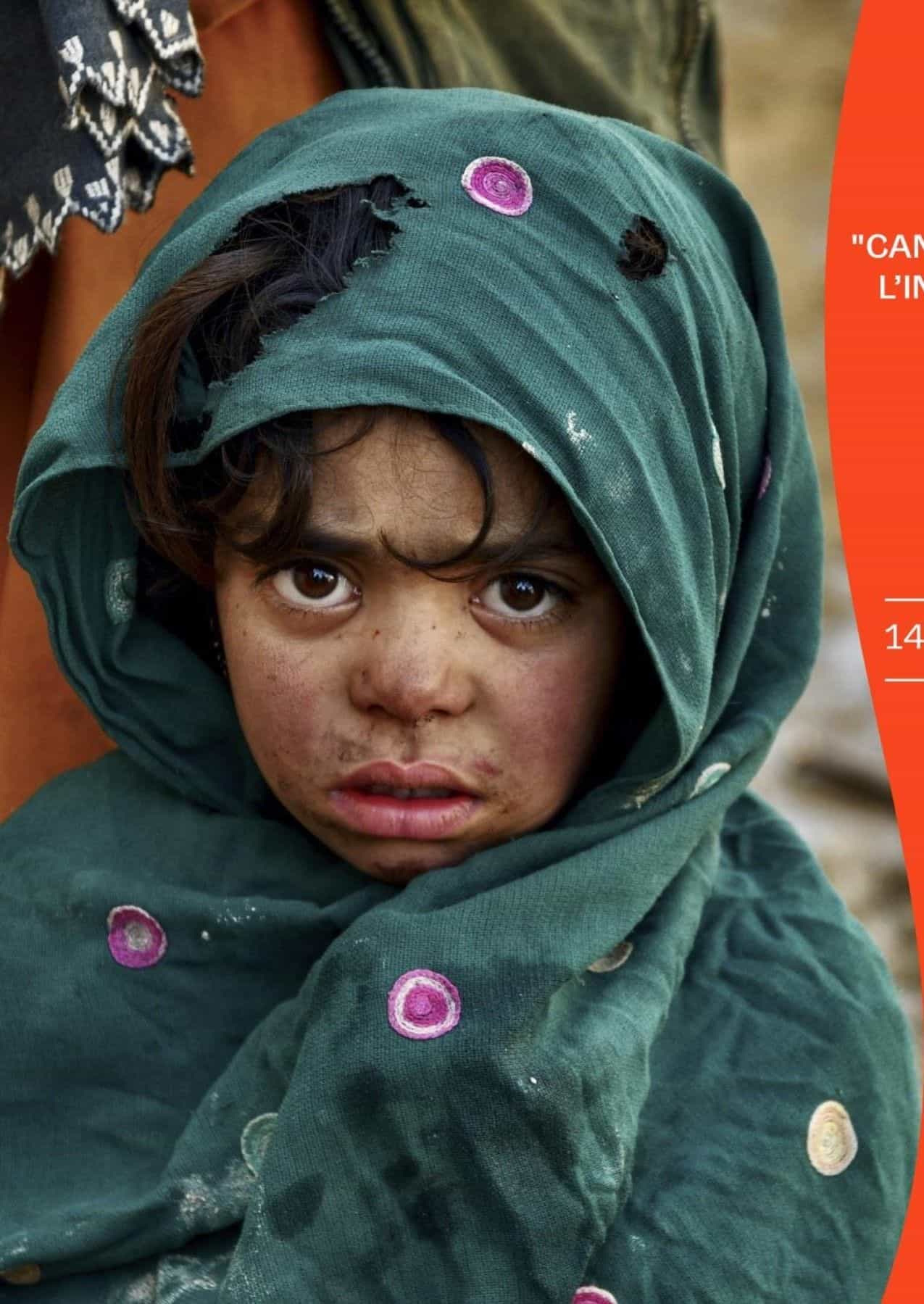
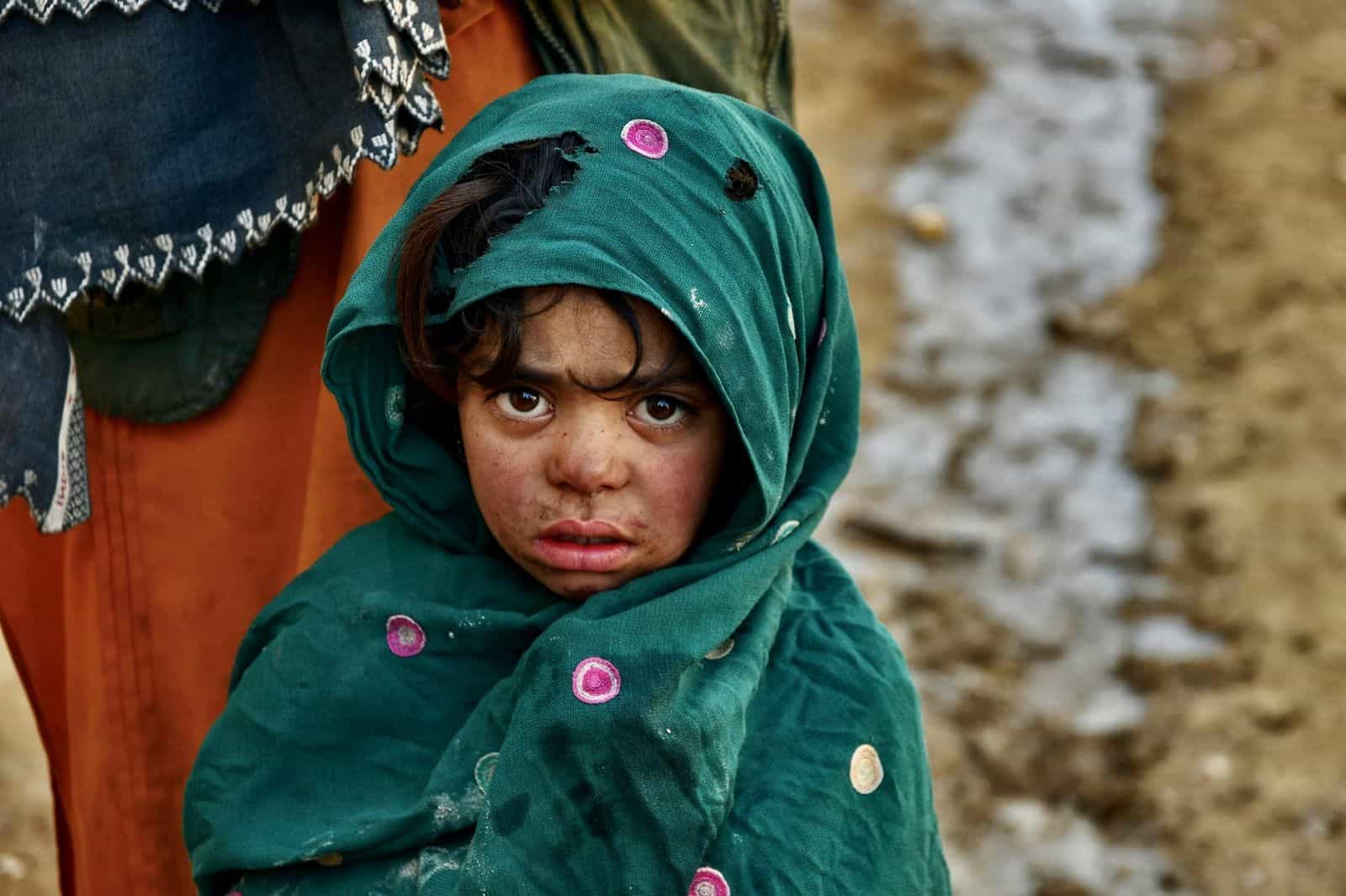
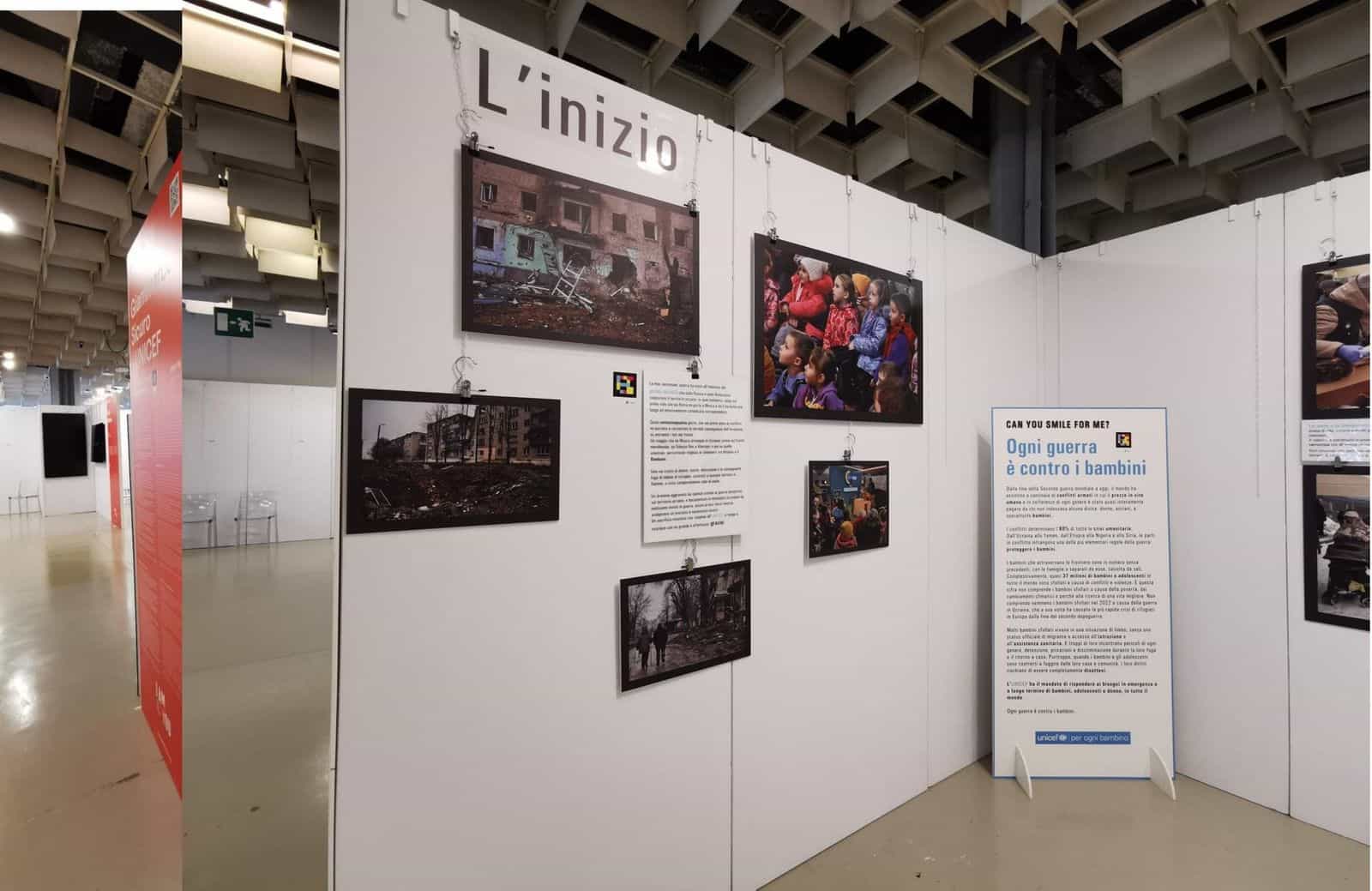
Sicuro donated the collection to UNICEF after more than ten years covering humanitarian crises in countries such as Afghanistan, Ukraine, Syria, Yemen, Ethiopia, Myanmar, Peru, Bolivia, India, Nepal, Brazil, Oman and Tajikistan. Each portrait is a fragment of the story of childhood caught up in conflict.
The Italian committee added NaviLens so that narrative would also reach blind and low-vision visitors and international audiences — in their own language and from their own phone.
§ The challenge
Letting documentary photography speak, too.
- 01
A photo exhibition… invisible to blind visitors
“Can you smile for me? L'infanzia sperduta” brings together 80 portraits of children in conflict zones. Without adaptation, its content—image, context, geography and testimony—was literally inaccessible to blind and low-vision visitors.
- 02
Italian-only labels for an international audience
The Florence Biennale is one of Europe's major contemporary art and design events. Italian-only labels left out much of the international audience, especially visitors from the very countries the exhibition portrays.
- 03
Speaking about childhood in war with respect and rigor
Each photograph required context: country, year, humanitarian situation, UNICEF's mandate. Accessibility could not be reduced to flat text: it had to deliver the photojournalist's account with the sobriety of the medium.
§ The solution
A code that speaks next to every label.
Square NaviLens codes were installed next to the photographs and UNICEF Italy's curatorial texts — detectable from several yards, on the move and without aiming, with the free NaviLens GO app.
Pointing their phone, visitors hear the full label—country context, humanitarian situation and the testimony gathered by Sicuro—in the language set on their device, in up to 42 languages: Italian, English, Arabic, Ukrainian, Russian, Persian, Hindi, Chinese, Japanese, Hebrew and many more.
The same medium serves blind and low-vision people, foreign visitors and readers with literacy difficulties — without altering the original photographic display.
§ The exhibition
Ten years of childhood in conflict zones.

§ Timeline
From Rome to Florence, then on to Cagliari.
- Feb 2023
Première at MAXXI in Rome
“Can you smile for me. L'infanzia sperduta” opens at MAXXI in Rome as a charity exhibition: 80 photographs by Giammarco Sicuro donated to UNICEF to support its child survival and development programs.
- Oct 2023
Florence Biennale + NaviLens
From 14 to 22 October the exhibition reaches the 14th Florence Biennale at Fortezza da Basso, under the theme “I Am You. Individual and Collective Identities”. UNICEF Italy adds NaviLens codes to make it accessible — the first use at an art exhibition in Italy.
- 21 Oct 2023
Meeting with Giammarco Sicuro
At the Padiglione Spadolini of the Fortezza, Sicuro and Andrea Iacomini (spokesperson for UNICEF Italy) present the project and discuss his reports from Afghanistan, Ukraine, Yemen, Ethiopia and Syria.
- 2025 — 2026
On tour: Cagliari Airport
Until 11 January 2026, the boarding area of Cagliari Airport hosts the exhibition next to gates 7 and 8, keeping the NaviLens codes so blind and low-vision passengers can access the content from their phone.
§ What they said
What they said about the exhibition.
“Per la prima volta in Italia, in ambito espositivo artistico, viene utilizzato un codice ottico con tecnologia NaviLens che consente ai visitatori con disabilità visive di accedere in forma audio alle informazioni della mostra.”
“Una collezione che l'autore ha voluto donare all'UNICEF, raccolta in più di dieci anni di lavoro in vari paesi del mondo e composta per intero da volti e storie di bambini.”
“For the first time in Italy, the exhibition uses NaviLens technology, allowing visually impaired visitors to access informational content via smartphone.”
§ Results
A charitable exhibition that can also be heard.
Accessible exhibition
Labels audible to blind and low-vision visitors and to international audiences
First time in Italy
NaviLens's debut in an art exhibition on Italian soil
Touring
The same set-up is reused at each successive venue (Rome → Florence → Cagliari)
§ And your destination?
Your destination can also guide in 42 languages.
Tell us about your trails, visitor centers, landmarks or galleries. We’ll show you how NaviLens would make your offering accessible—with comparable cases.