Case study · Murcia · Museum
From the Andalusi fortress to the Poor Clares' choir: Santa Clara speaks for itself.
Murcia's Santa Clara Museum embeds NaviLens codes across its two floors: Islamic archaeology of the Andalusi palace below, sacred art of the Franciscan monastery above.
Alcázar Seguir
The only Andalusi palatial complex preserved in a Spanish capital of the Segura basin, today turned into a museum
Floors 0 + 1
Islamic archaeology on the ground floor and Poor Clares' sacred art on the upper floor, both tagged with NaviLens
12th → 20th c.
From the Almohad plasterwork of the north hall to the Christ of the Isabelas and the Gothic choir
Feb 2019 →
Santa Clara joins the regional NaviLens pilot launched at MAM
The client
Santa Clara Museum of Murcia
The Santa Clara Museum, run by the CARM Department of Tourism and Culture, occupies the monumental complex of the former Royal Monastery of Santa Clara la Real (Avda. Alfonso X El Sabio 1), built in 1365 over the remains of the Alcázar Seguir, a 12th–13th-century Andalusi palace linked to the Mardanisi dynasty.
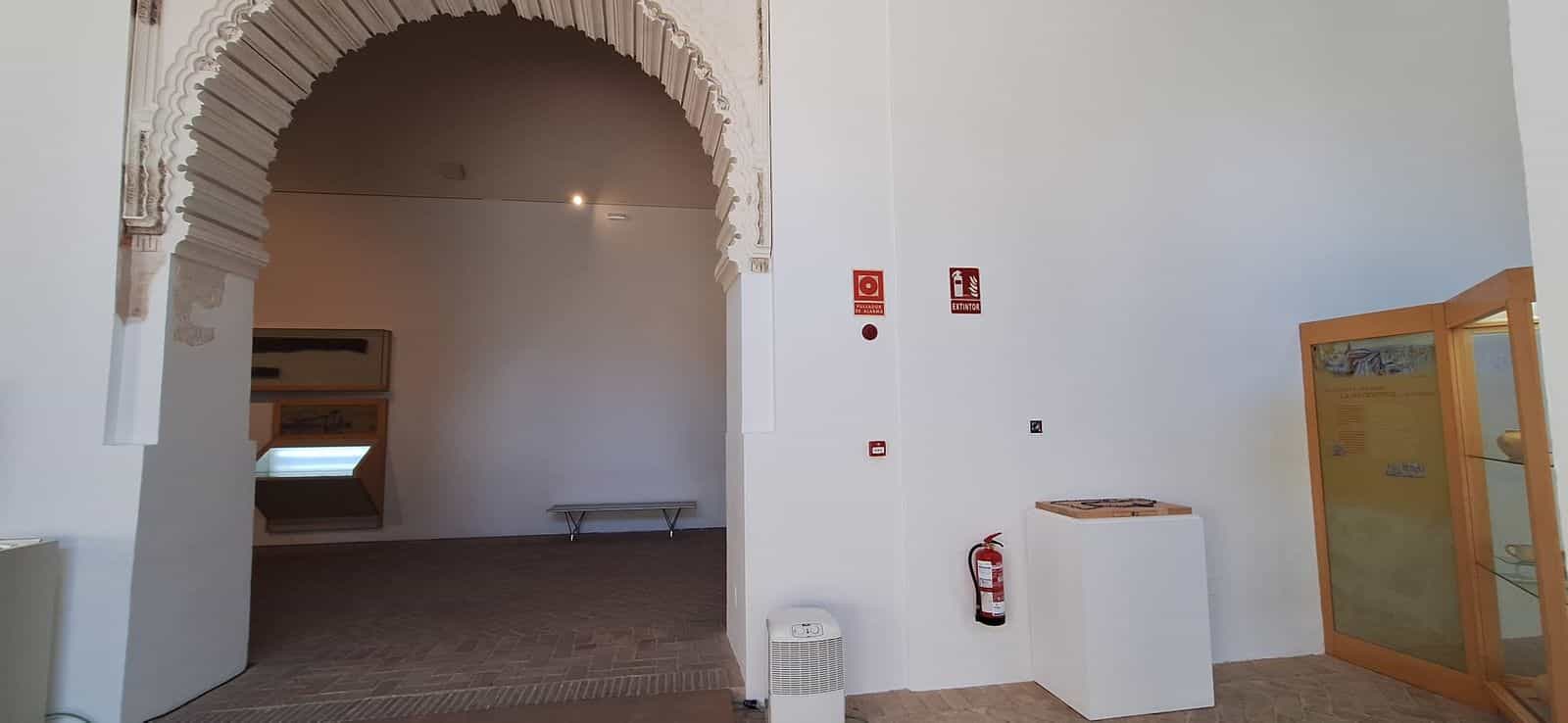
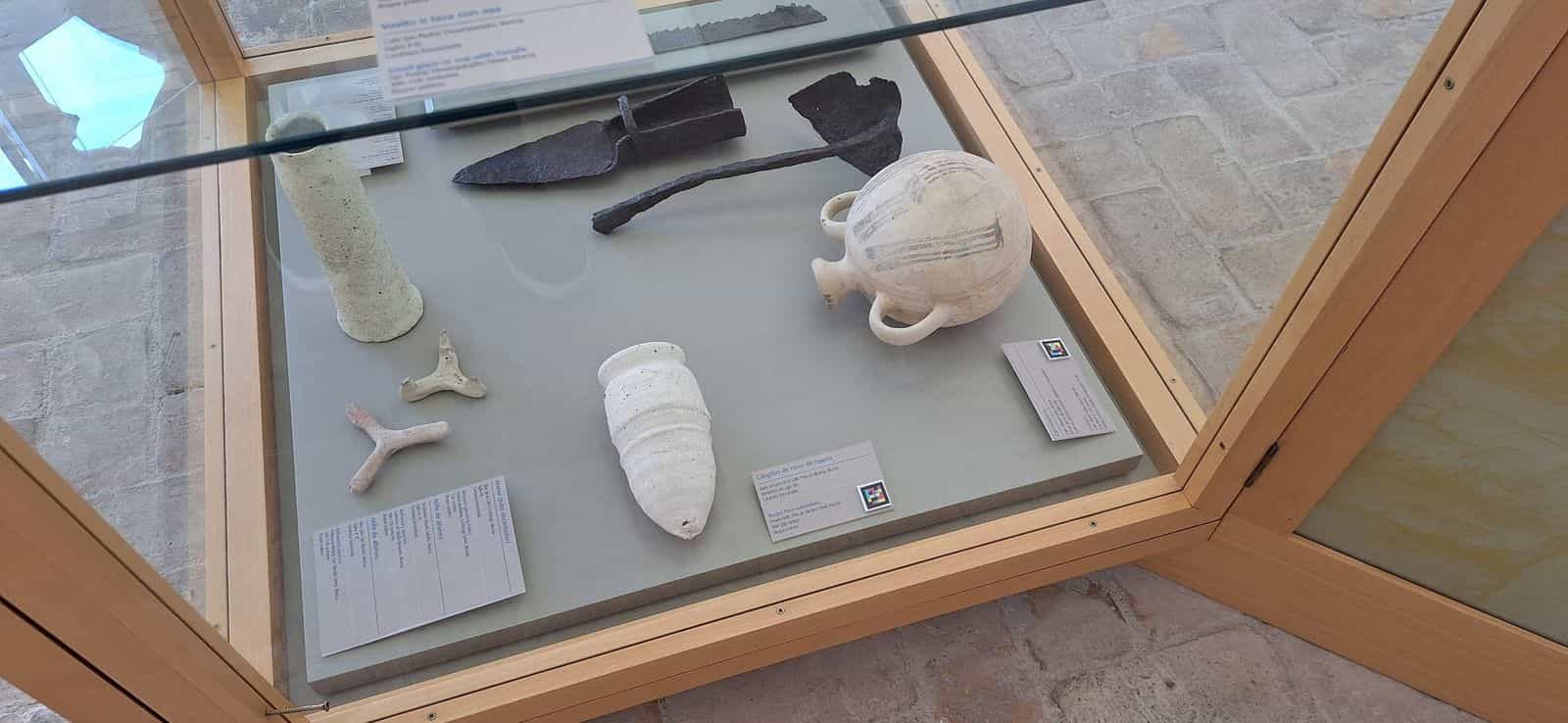
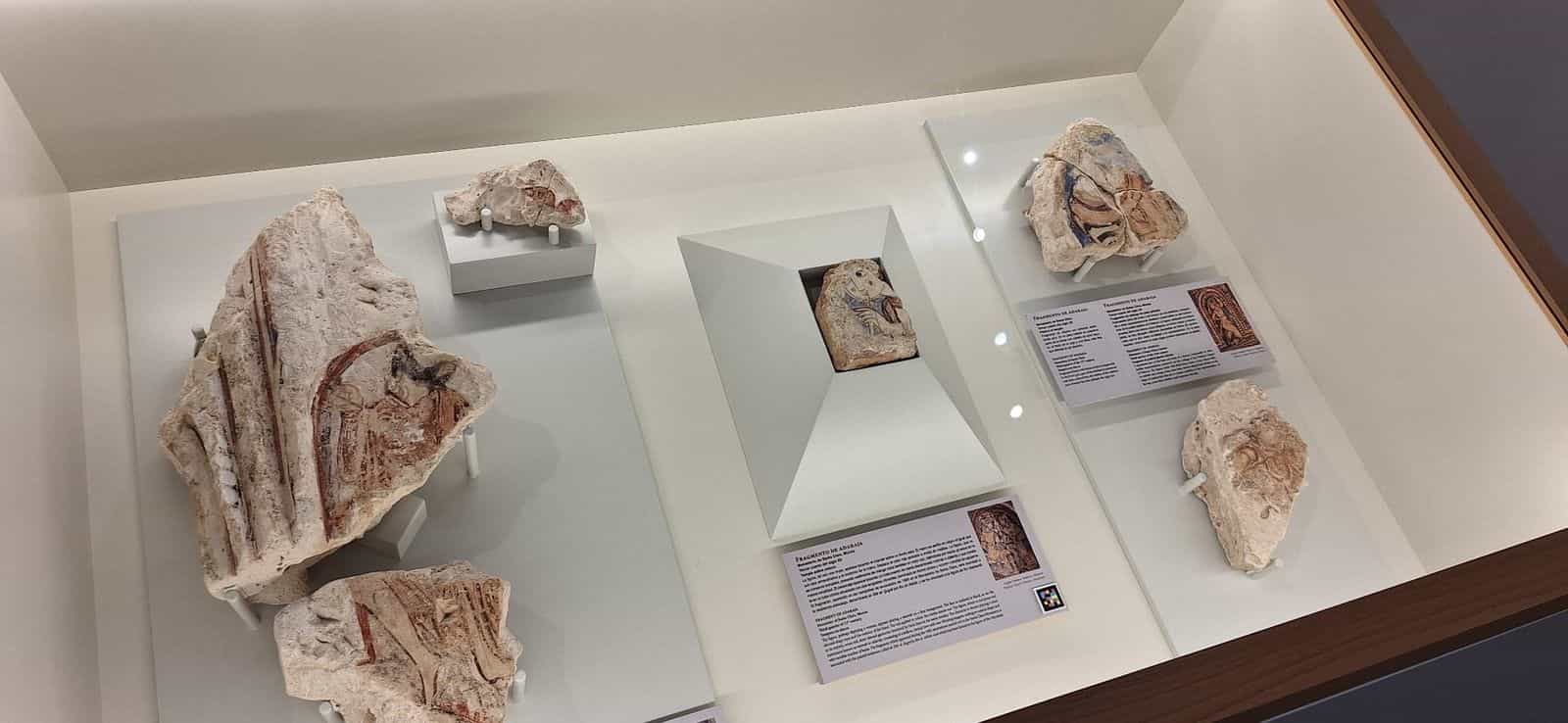
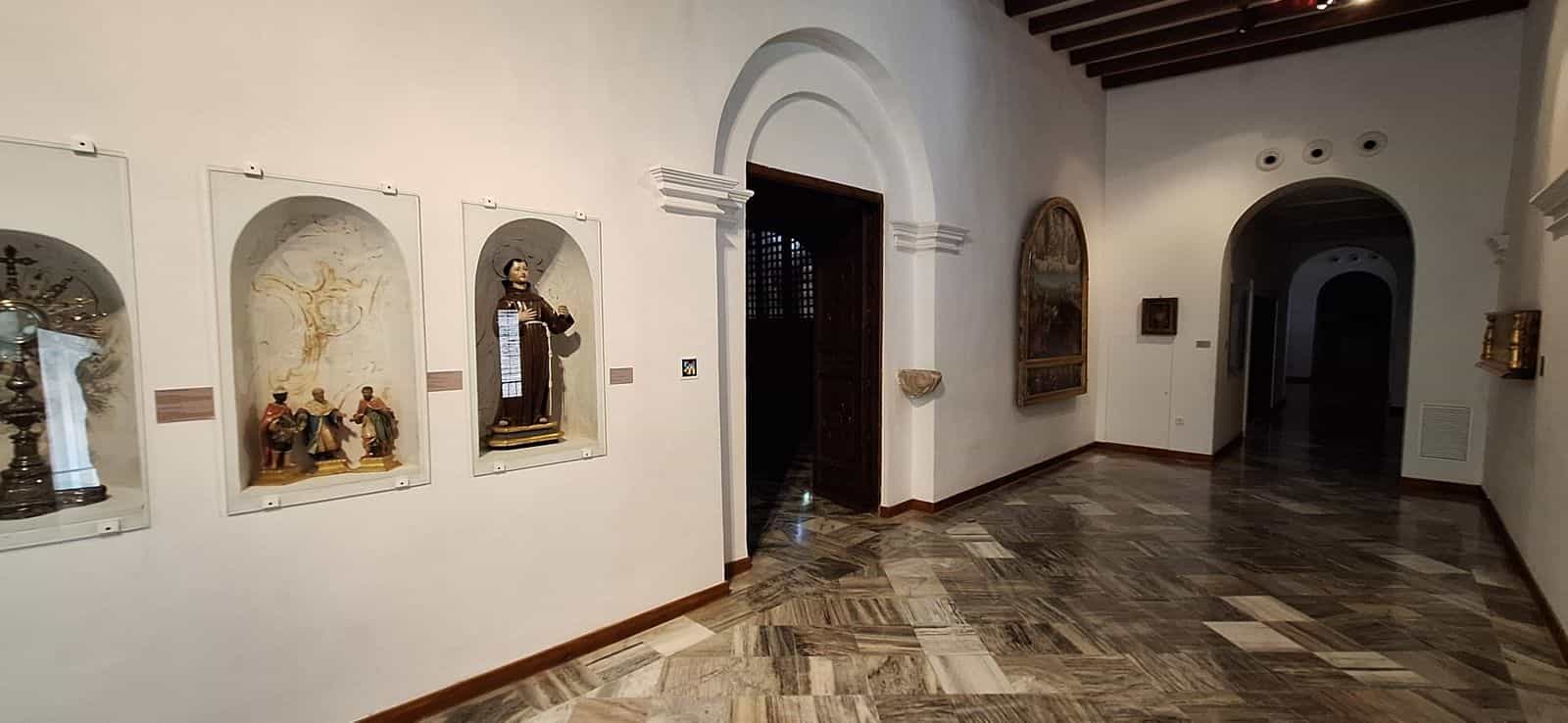
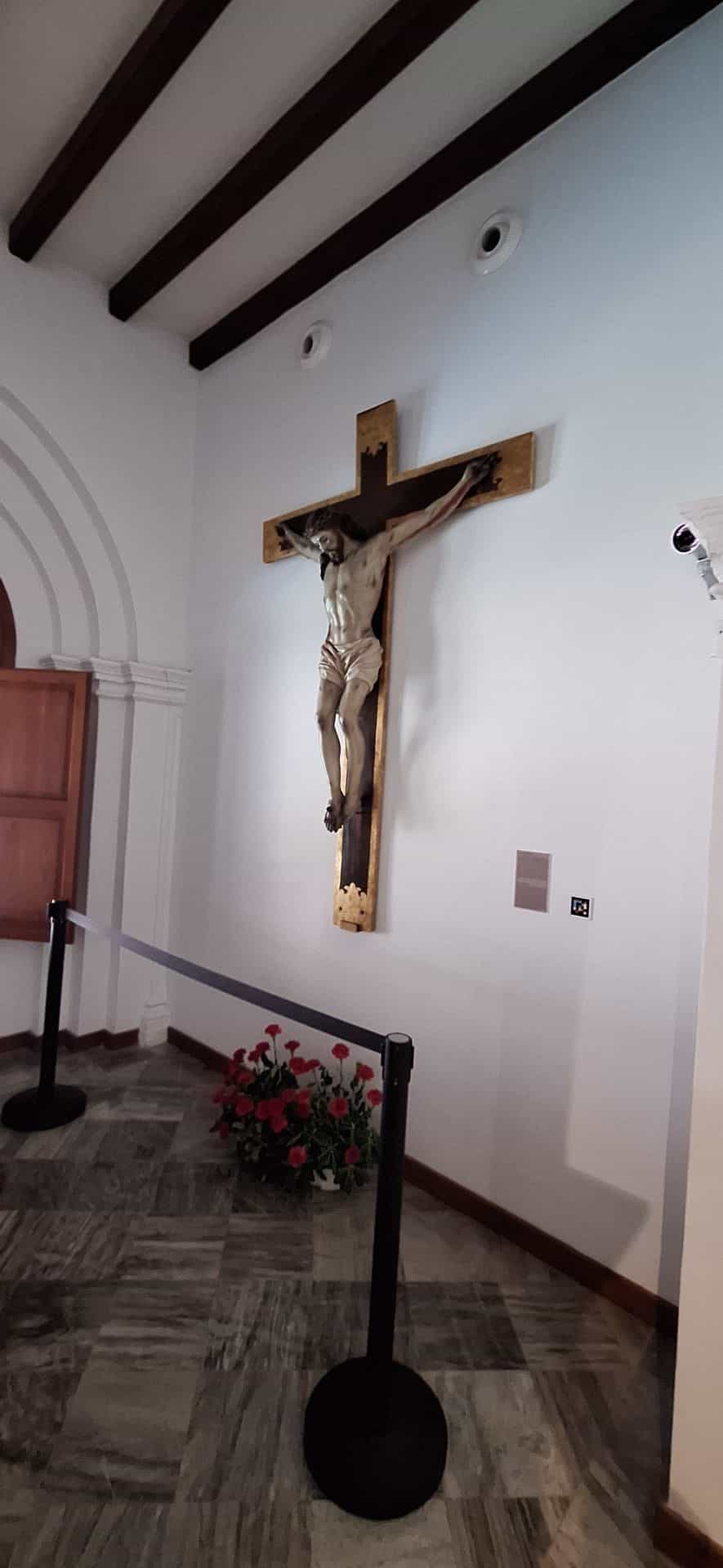
The museum tells two stories on two floors: the ground floor presents the Islamic archaeology of the fortress (pool, north hall with polylobed plasterwork, glazed ceramic display cases, weapons, waterwheel buckets and painted adaraja fragments); the upper floor presents the sacred art of the Poor Clares (Gothic choir, Baroque niches, Christ of the Isabelas).
In 2019, alongside MAM, MUBAM and Mula's “El Cigarralejo”, Santa Clara joined the NaviLens rollout developed by the Murcian firm Neosistec, embedding codes on captions, panels and thresholds along the whole museum route.
§ The challenge
Letting the Andalusi palace and the monastery tell their own story.
- 01
Three buildings layered into one
Santa Clara is at once an Andalusi palace (12th–13th c.), a women's Franciscan monastery (since 1365) and a public museum (since 2005). That stratigraphy makes it nearly impossible to navigate and understand what is on display without a spoken narrative for each room.
- 02
Tiny captions for tiny pieces
The Islamic archaeology room gathers canteens, waterwheel buckets, painted adaraja fragments and iron weapons in cases with compact bilingual (Spanish / English) captions, illegible for low-vision visitors and far too dense for schoolchildren.
- 03
A historic building with steps and level changes
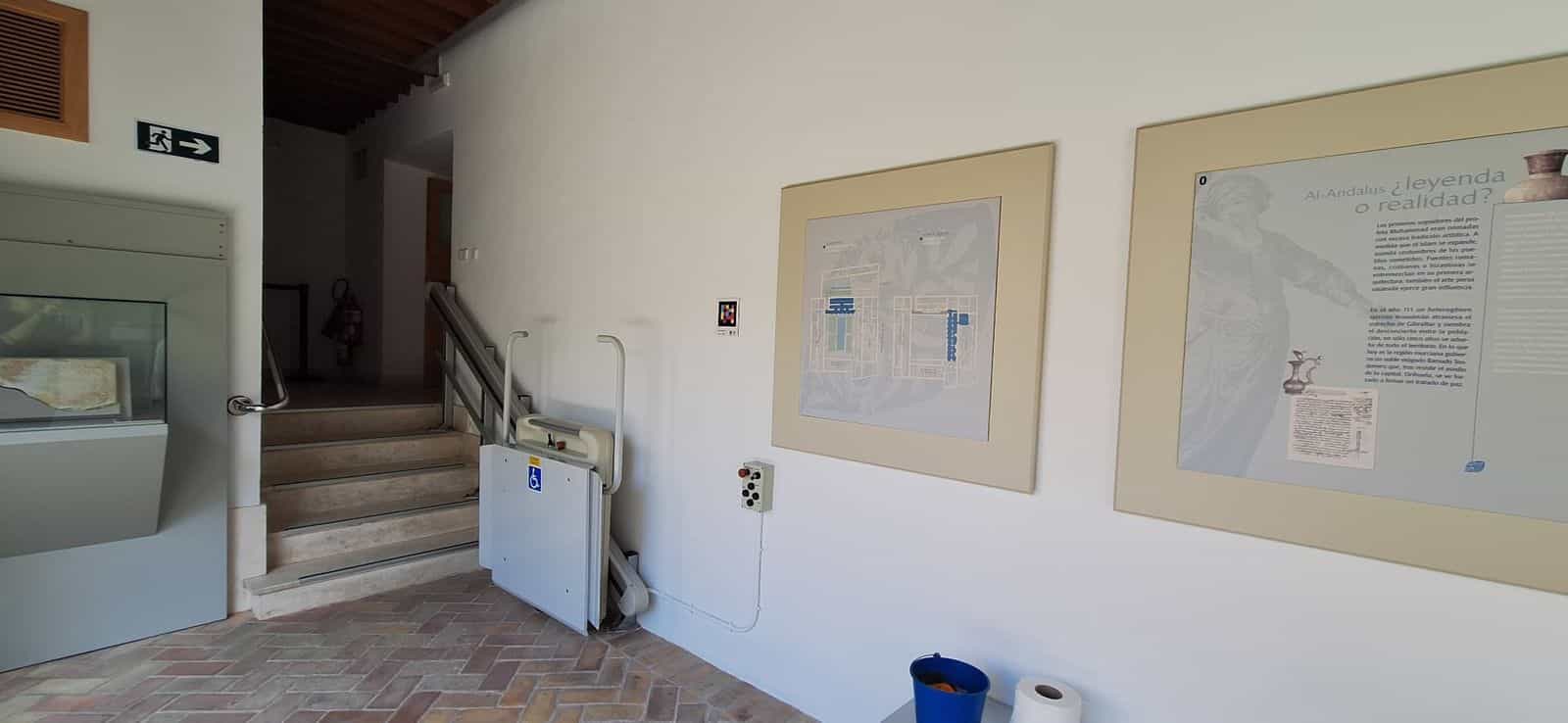
The transition between the ground floor (Andalusi palace) and the upper floor (monastery) goes through stone stairs with a lifting platform for reduced-mobility visitors. Without audio signage, a blind person could not locate the accessible route or the stairlift buttons independently.
§ The solution
A NaviLens layer over both narratives of the museum.
On the ground floor, codes cover the stairlift entrance, the introductory panels to the Andalusi world, the individual display cases of canteens, water buckets and weapons, and the painted adaraja fragments of the north hall.
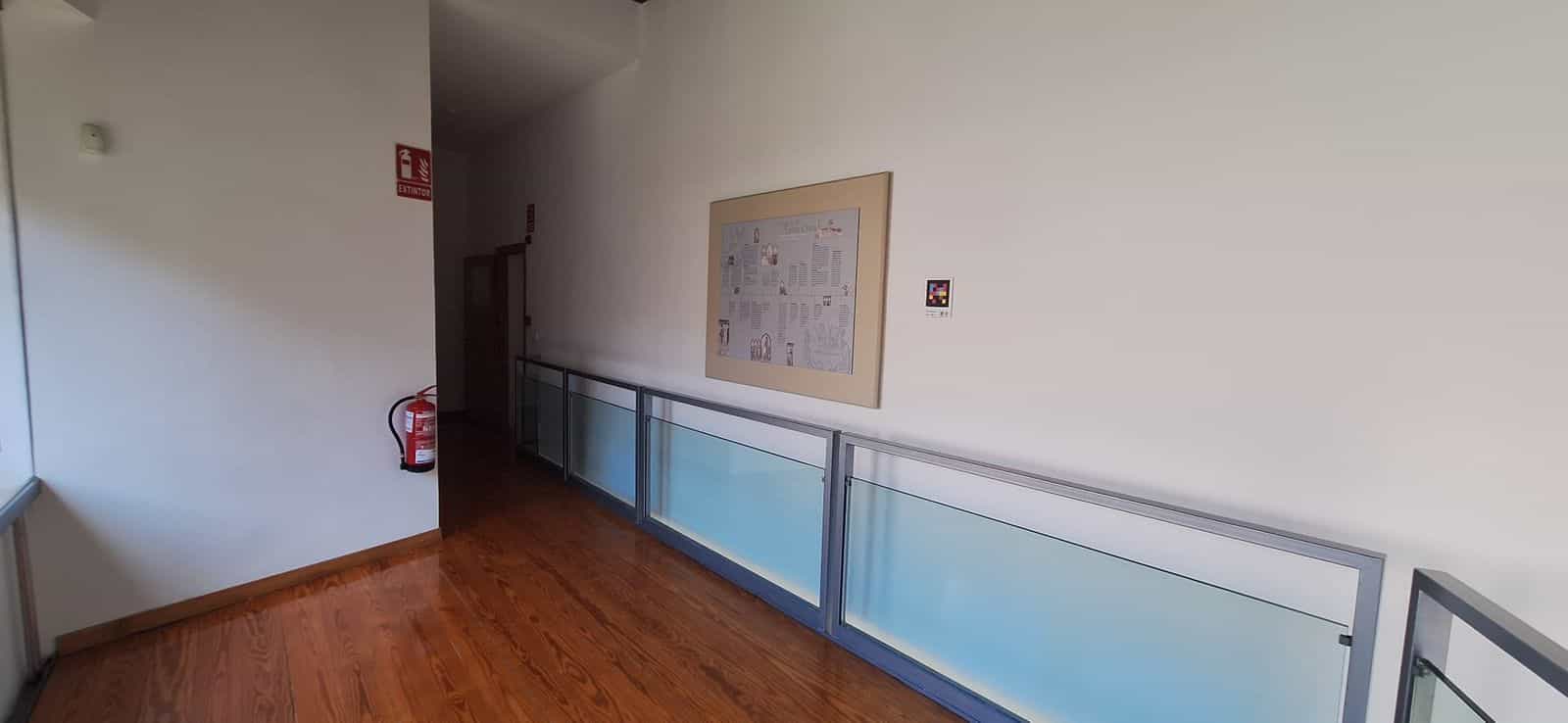
On the upper floor, codes accompany the “Images of Santa Clara” panel in the distributor, the Baroque niches at the entrance to the Gothic choir and the Christ of the Isabelas room.
The same tag serves three free apps: NaviLens (audio for blind and low-vision visitors), ddtags Go (easy reading) and NaviLens Kids (a children's version of the same material).
§ The rollout
From the waterwheel bucket to the Christ of the Isabelas.
§ Timeline
From the MAM pilot to a regional model for Murcian museums.
- Feb 2019
Santa Clara joins the regional NaviLens pilot
Following the MAM presentation by the Department of Tourism and Culture, La Opinión de Murcia confirms that Santa Clara, alongside MUBAM and Mula's “El Cigarralejo”, will join the NaviLens rollout developed with the Murcian firm Neosistec.
- 2019 →
Rollout on floor 0 (Islamic archaeology)
NaviLens codes are installed by the stairlift at the entrance, on the introductory panels “Al-Andalus: legend or reality?”, on every display case of the palace and on the polylobed plasterwork arches leading to the north hall.
- 2019 →
Rollout on floor 1 (monastery and Poor Clares)
The upper floor gets codes on the “Images of Santa Clara” panel, on the entrance to the Gothic choir with its Baroque niches and on the Christ of the Isabelas room, as well as along the cloister and refectory route.
- Dec 2024 →
1,000 regional NaviLens licences
The Tourism Department (DG of Tourist Competitiveness and Quality) acquires 1,000 NaviLens licences for 80 tourist assets across the Region, consolidating the regional museums model and extending it to the “Camino de Levante”.
§ What they said
What was said about the project.
“Murcia's Archaeology Museum is the first, but over the coming months the Fine Arts Museum (Mubam) and Santa Clara—both also in the regional capital—will join in, as will the Iberian Art Museum ‘El Cigarralejo’ in Mula.”
“Murcia's NaviLens inclusive codes reach the region's museums and tourist points: the regional government acquires 1,000 licences for 80 previously evaluated tourist assets.”
§ Results
A fortress and a monastery that also speak to those who cannot read the caption.
Independent visit
A blind and low-vision visitor walks the Andalusi palace from the stairlift entrance to the north hall by following the NaviLens codes, with no companion
Spoken display cases
Every 12th–13th-century canteen, water bucket or adaraja fragment has its bilingual caption read aloud in 42 languages, with the code detectable from several yards and at an angle
Accessible sacred art
The Baroque images of the upper distributor, the Gothic choir and the Christ of the Isabelas get an audio version for blind visitors and an easy-read version for schoolchildren
Sources · La Opinión de Murcia (15 Feb 2019) · Murcia Diario (27 Dec 2024) · Murcia Plaza · Accessibility statement · Santa Clara · Official website · Santa Clara Museum
§ And your destination?
Your destination can also guide in 42 languages.
Tell us about your trails, visitor centers, landmarks or galleries. We’ll show you how NaviLens would make your offering accessible—with comparable cases.