Case study · Yecla, Region of Murcia
The MaYe, in the palm of your hand.
How the Municipal Archaeology Museum “Cayetano de Mergelina” of Yecla became one of the most accessible museums in the world with nearly 100 NaviLens codes and the MaYe Accesible project.
MaYe
Municipal Archaeology Museum “Cayetano de Mergelina” · Yecla (Murcia)
≈100
NaviLens markers deployed across rooms and exhibits
4 eras
Prehistory, Iberian culture, Romanisation and Middle Ages · Hisn Yakka
MaYe Accesible
Sign Language · Easy Reading · audio · pictograms via NaviLens
Client
Archaeology Museum of Yecla — MaYe
The Municipal Archaeology Museum “Cayetano de Mergelina” in Yecla (Murcia uplands) holds finds from four major sites of the municipality: Monte Arabí (Prehistory), Cerro de los Santos (Iberian culture), Torrejones (Romanisation) and Cerro del Castillo · Hisn Yakka (Andalusi Middle Ages).
Under the MaYe Accesible banner, the museum rolls out an accessibility layer combining Spanish Sign Language (LSE), Easy Reading (LF), audio description and pictograms, embedded in the NaviLens codes of rooms and exhibits.
The project fits within the regional strategy of the Autonomous Community of the Region of Murcia, which acquired 1,000 NaviLens licences to bring inclusive codes to museums and tourist sites across the region.
§ The challenge
Letting every display case tell its own story.
- 01
Four eras, hundreds of pieces, a single visit
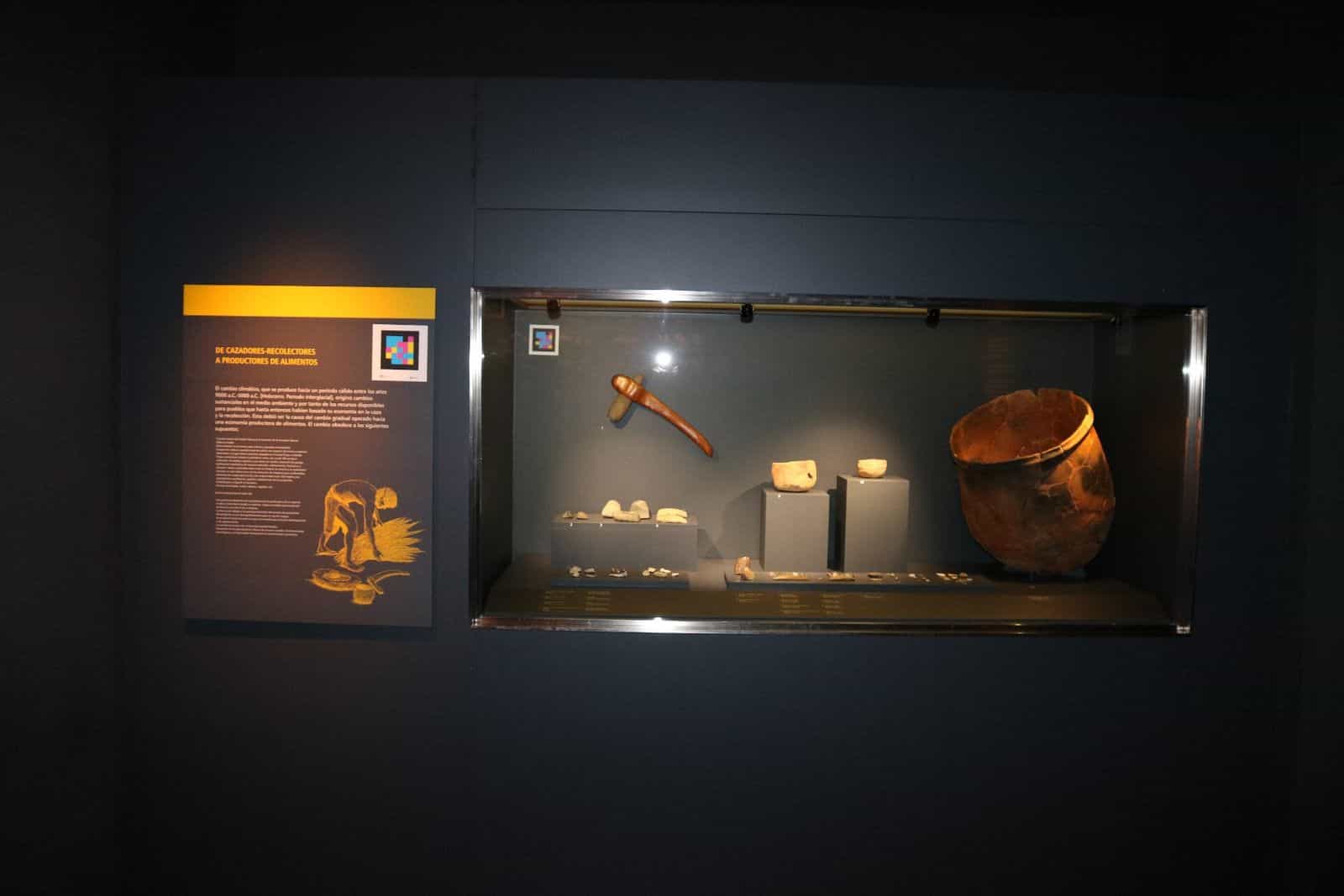
The MaYe organizes its tour around four major sites—Monte Arabí, Cerro de los Santos, Torrejones and Cerro del Castillo (Hisn Yakka)—with cases, panels and large-format pieces. The challenge was to deliver a coherent information layer without overloading existing museography.
- 02
Dense, hard-to-read archaeological signage
Classic museum texts—chronologies, excavation contexts, descriptions of grave goods—are long and hard to follow for people with low vision, cognitive disabilities, older adults and international visitors. Traditional signage didn’t reach every audience.
- 03
Real inclusion, not decorative
The MaYe team wanted a genuine accessibility project—MaYe Accesible—combining Spanish Sign Language, Easy Reading, audio description and pictograms in a single digital layer, with no civil works and without forcing visitors to download content room by room.
§ The solution
Almost 100 codes,
a single accessible layer.
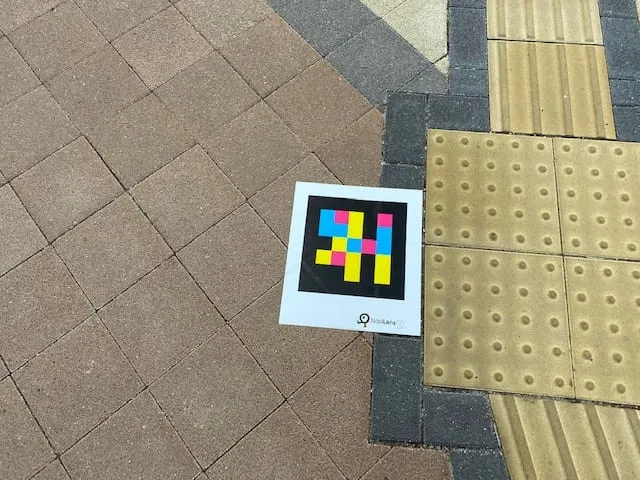
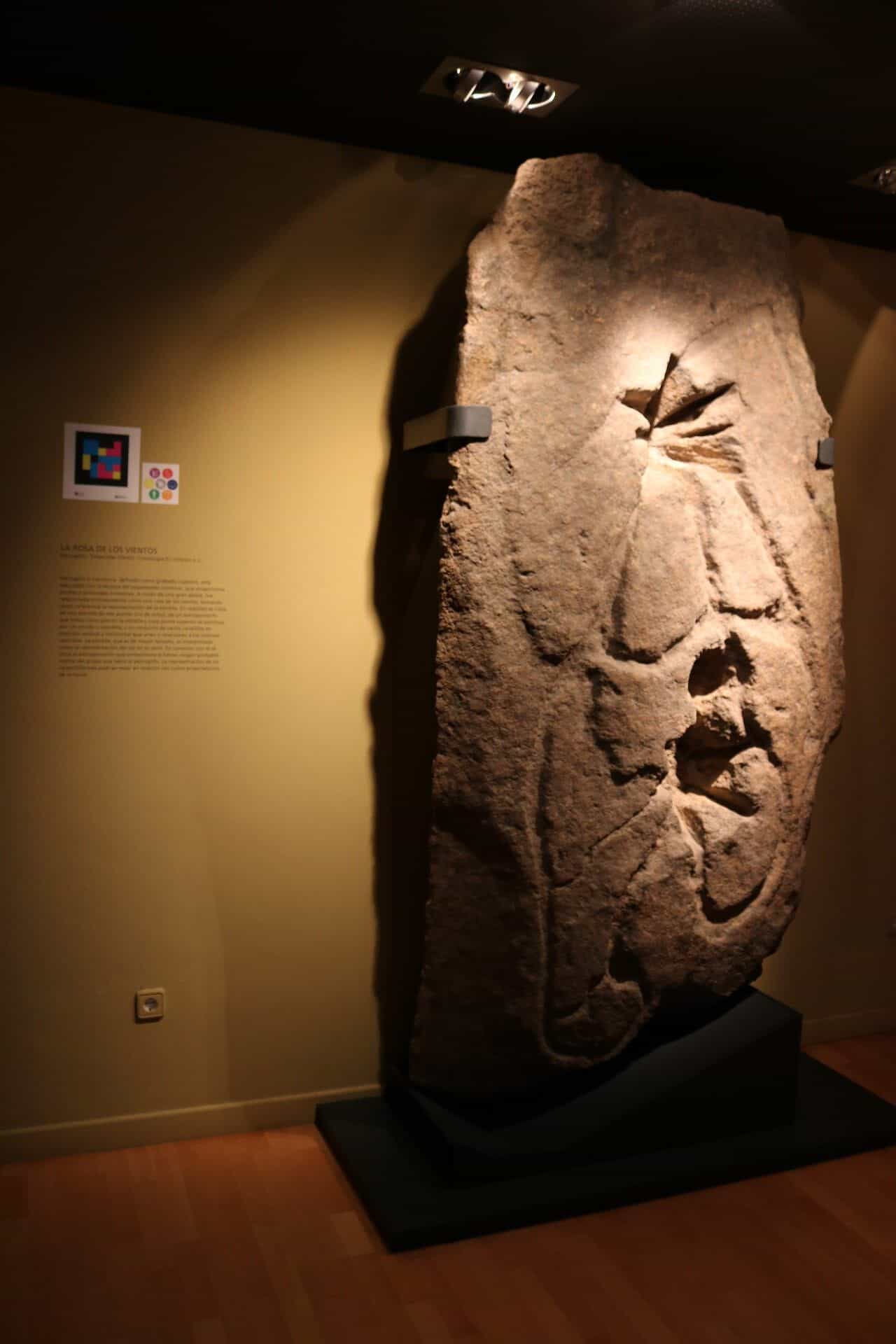
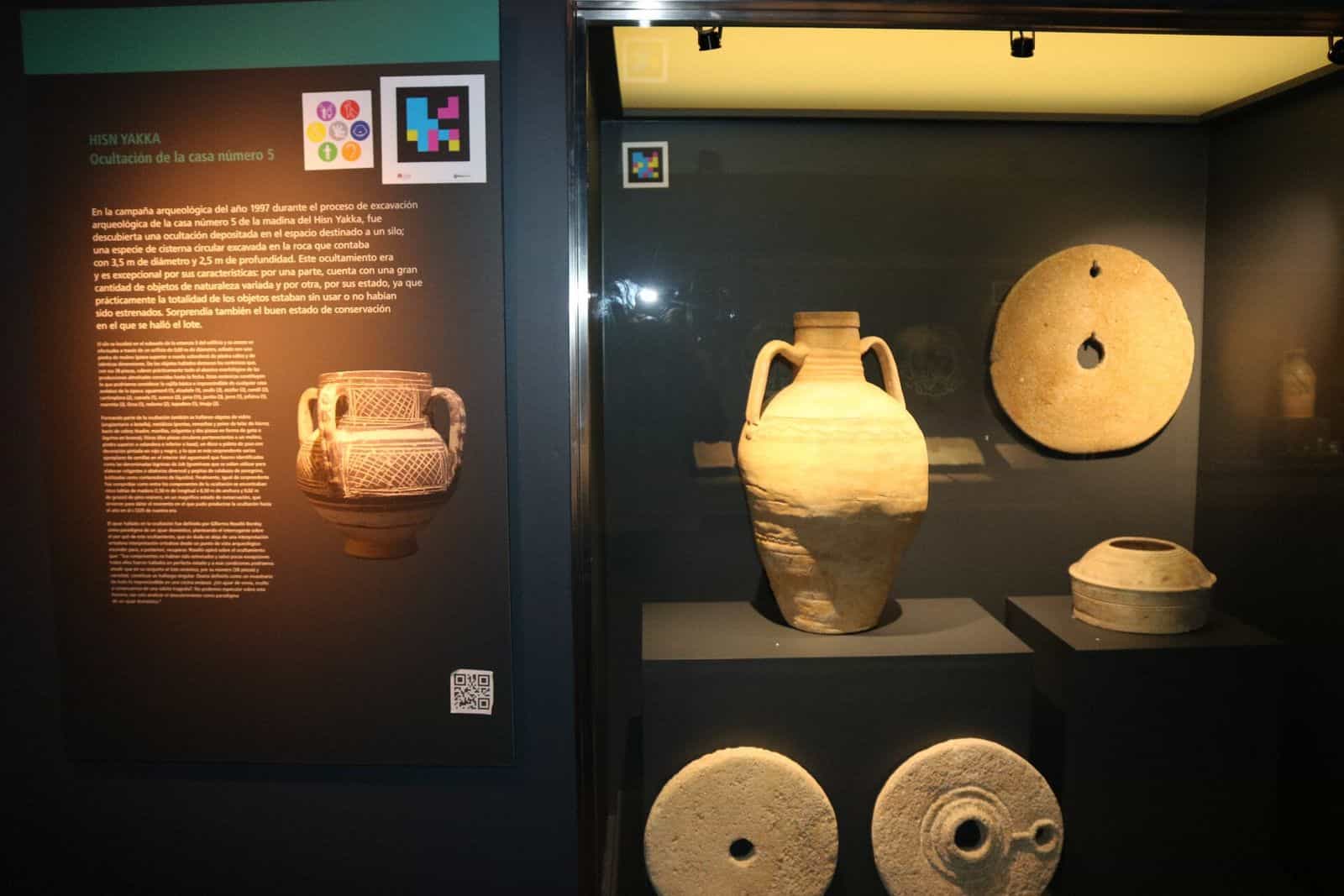
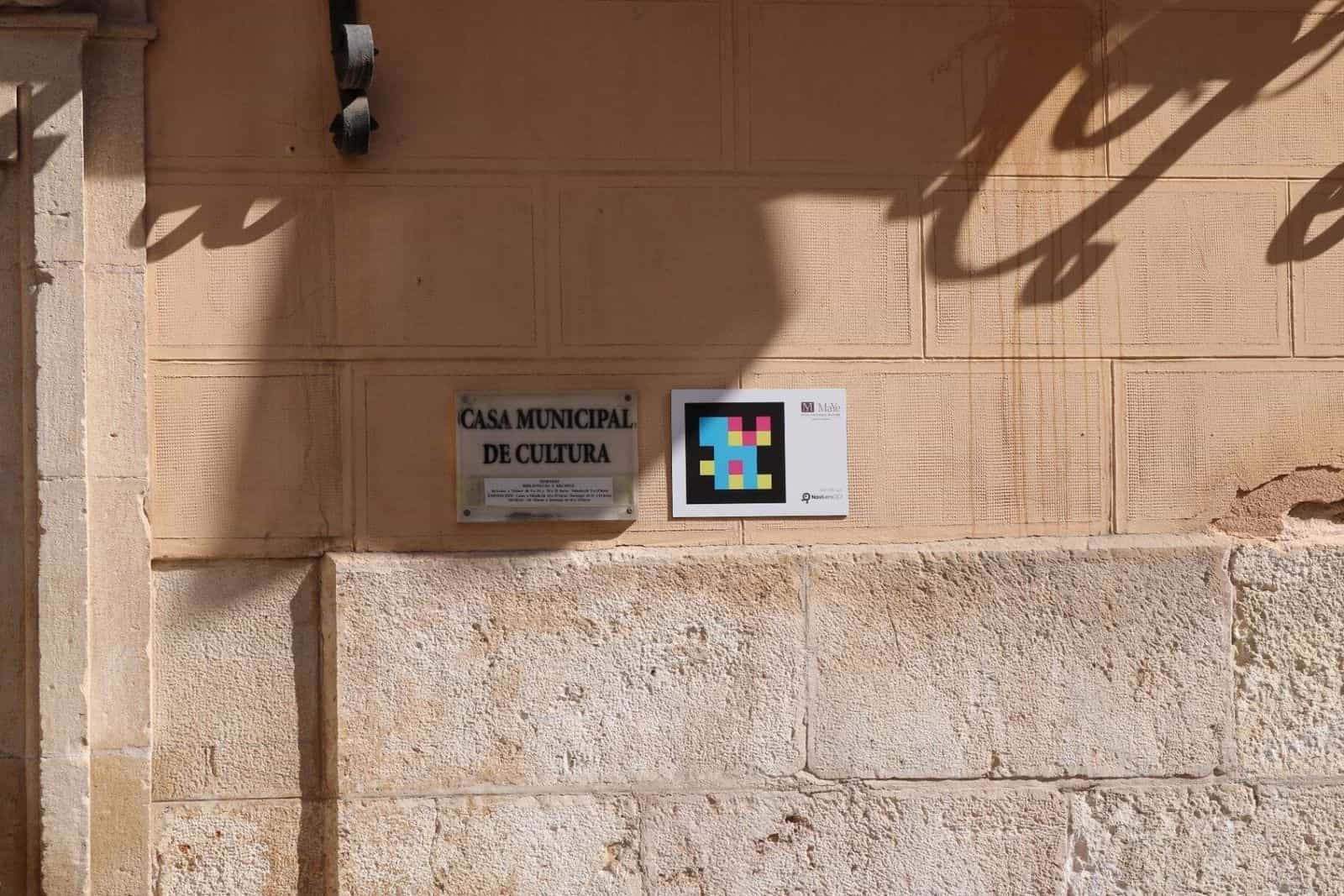
The MaYe places a NaviLens code next to every panel and standout exhibit—the Rosa de los Vientos petroglyph, the Hisn Yakka hoard—, detectable from several yards away and also by people with low vision.
Each code opens content tailored to the visitor’s profile: LSE, Easy Reading, audio description and pictograms, with no extra downloads or mandatory guided tour.
§ Timeline
From Monte Arabí to Hisn Yakka.
- 2021
The MAYE in the palm of your hand
The Municipal Archaeology Museum “Cayetano de Mergelina” installs nearly 100 NaviLens markers across rooms and exhibits and presents itself as one of the most accessible museums in the world, as announced by the museum on its own website.
- Rollout
One code per room and key exhibit
NaviLens codes are placed next to the panels of each era—Prehistory, Iberian culture, Romanisation, Hisn Yakka—and next to standout pieces such as the Rosa de los Vientos petroglyph or the House nº 5 hoard from Hisn Yakka.
- MaYe Accesible
Sign language, Easy Reading, audio and pictograms
Each code opens content adapted to the visitor’s profile: Spanish Sign Language (LSE), Easy Reading (LF), audio description and pictograms, integrating several accessibility layers in a single digital signage.
- Regional strategy
Murcia, an accessible region with NaviLens
The Autonomous Community of the Region of Murcia acquired 1,000 NaviLens licences to extend inclusive codes to museums and tourist sites across the region, reinforcing the MaYe deployment alongside other landmarks such as Siyâsa, MAM or MUBAM.
§ On site
Petroglyphs, cases and discreet codes.
§ Results
One of the most accessible museums in the world.
≈100
Active NaviLens markers along the MaYe tour
4 layers
Sign language, Easy Reading, audio and pictograms reachable from a single code
0
Added barriers: no civil works, no extra app, no mandatory guide
§ What they said
“The Cayetano de Mergelina Municipal Archaeology Museum of Yecla has installed nearly 100 NaviLens markers, making this space one of the most accessible museums in the world. These markers let visitors obtain information about the different rooms and pieces in several formats depending on their specific profile.”
“The Autonomous Community of the Region of Murcia has acquired 1,000 NaviLens licences to bring the Murcian tech company’s inclusive codes into tourism, taking this digital signage to museums and tourist sites across the region.”
§ And your destination?
Your destination can also guide in 42 languages.
Tell us about your trails, visitor centers, landmarks or galleries. We’ll show you how NaviLens would make your offering accessible—with comparable cases.