Case study · Oita, Japan
Abe Eye Clinic — the clinic that
speaks for itself.
How a private ophthalmology clinic in Oita (Japan) made itself accessible for people with low vision using the NaviLens Public Kit, with no building works or infrastructure.
Oita
City · Kyūshū, Japan
Public Kit
Self-service NaviLens rollout
42
Languages with voice readout
0
Building works needed to signpost the clinic
Client
Abe Eye Clinic
Oita · Kyūshū
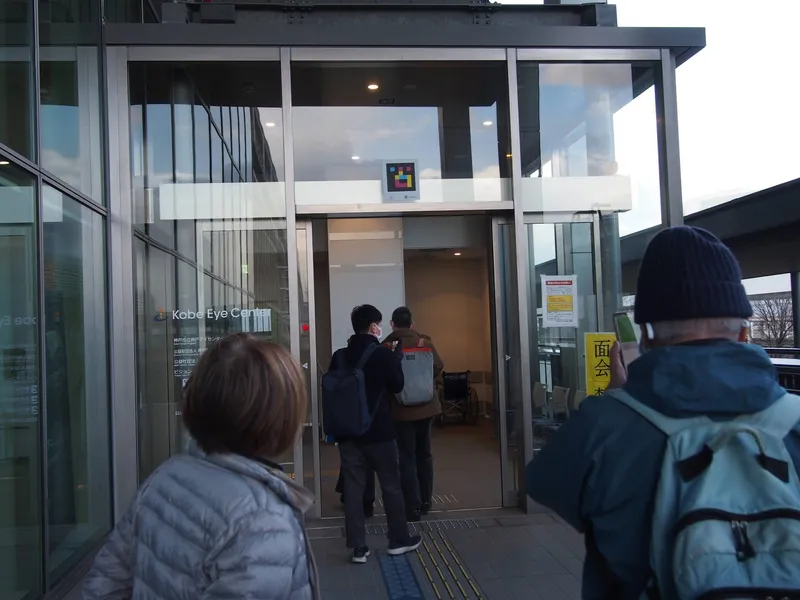
Abe Eye Clinic is a private ophthalmology clinic in the city of Oita, on the Japanese island of Kyūshū. It sees patients with every kind of visual condition every day, including people with low vision.
Its team decided to turn the facility itself into an accessible space: anyone walking in can find their way independently, with no need to ask where the restroom is, which switch to use or how to call the elevator.
Abe Eye Clinic is part of Japan's NaviLens-in-healthcare ecosystem, led by Tokyo Saiseikai Central Hospital—the “world's first general hospital” to integrate the app according to specialist coverage (NEWSCAST 2023; Saiseikai Social Inclusion, 22 Nov 2023; Sunny Bank)—and replicated in private ophthalmology clinics like the Oita one.
§ The challenge
Letting every space announce itself.
- 01
A truly accessible eye clinic
Patients with low vision, older people and families with children come to Abe Eye Clinic every day. Traditional signage—stuck white on white—doesn't solve wayfinding inside the clinic.
- 02
Key information at every step
Restroom, elevator, waiting room, light switches: every element had to be able to announce itself out loud, in the patient's language, with no need to ask staff or read tiny signs.
- 03
No technical install, no works
The clinic needed a solution its own team could roll out in an afternoon, by printing and placing codes at the critical points.
§ Solution
Public Kit.
Print and stick.
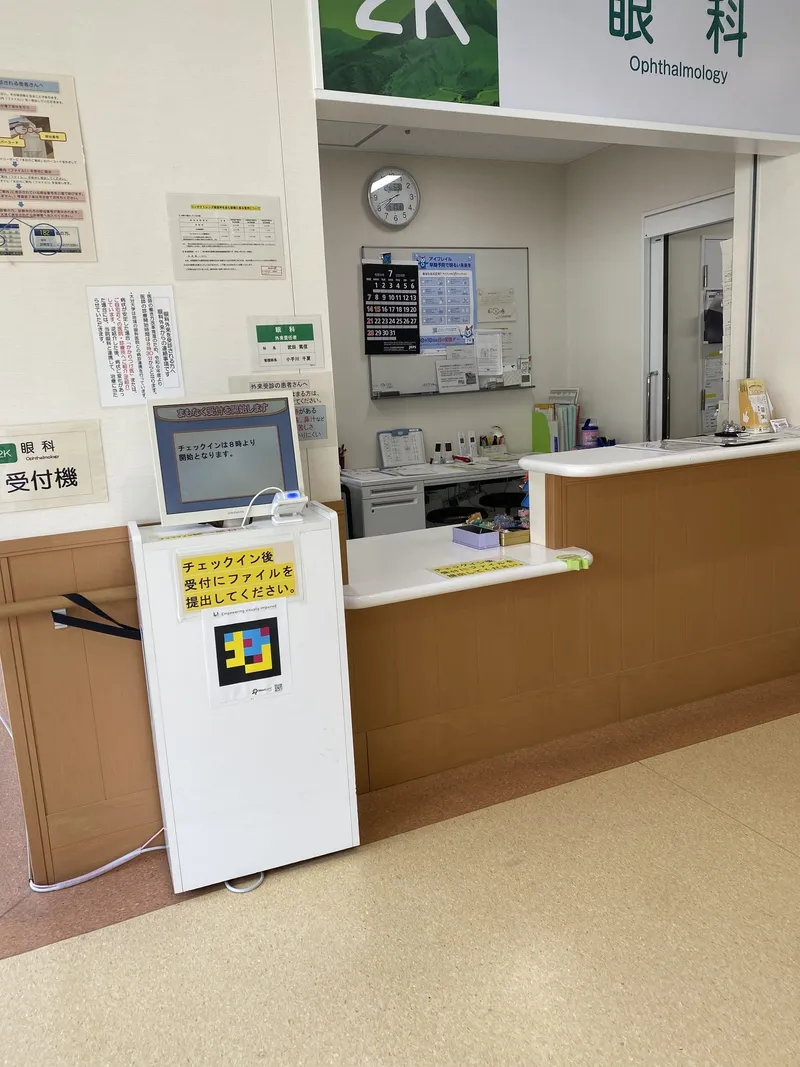
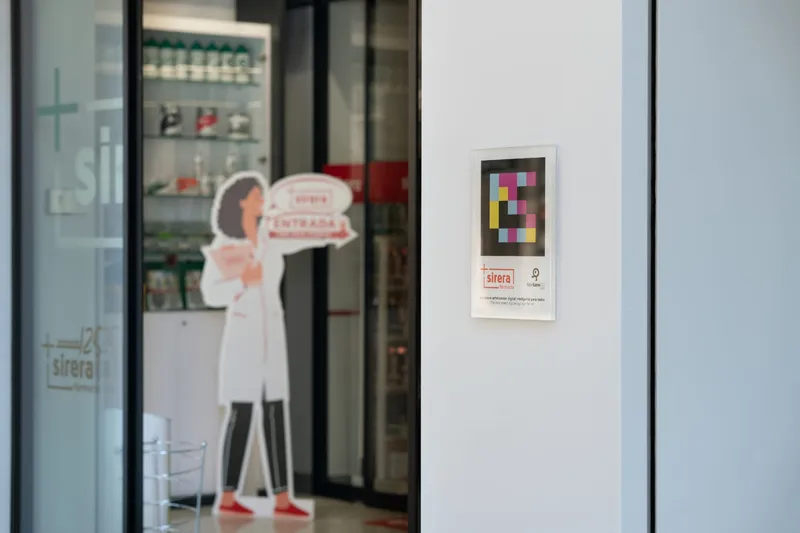
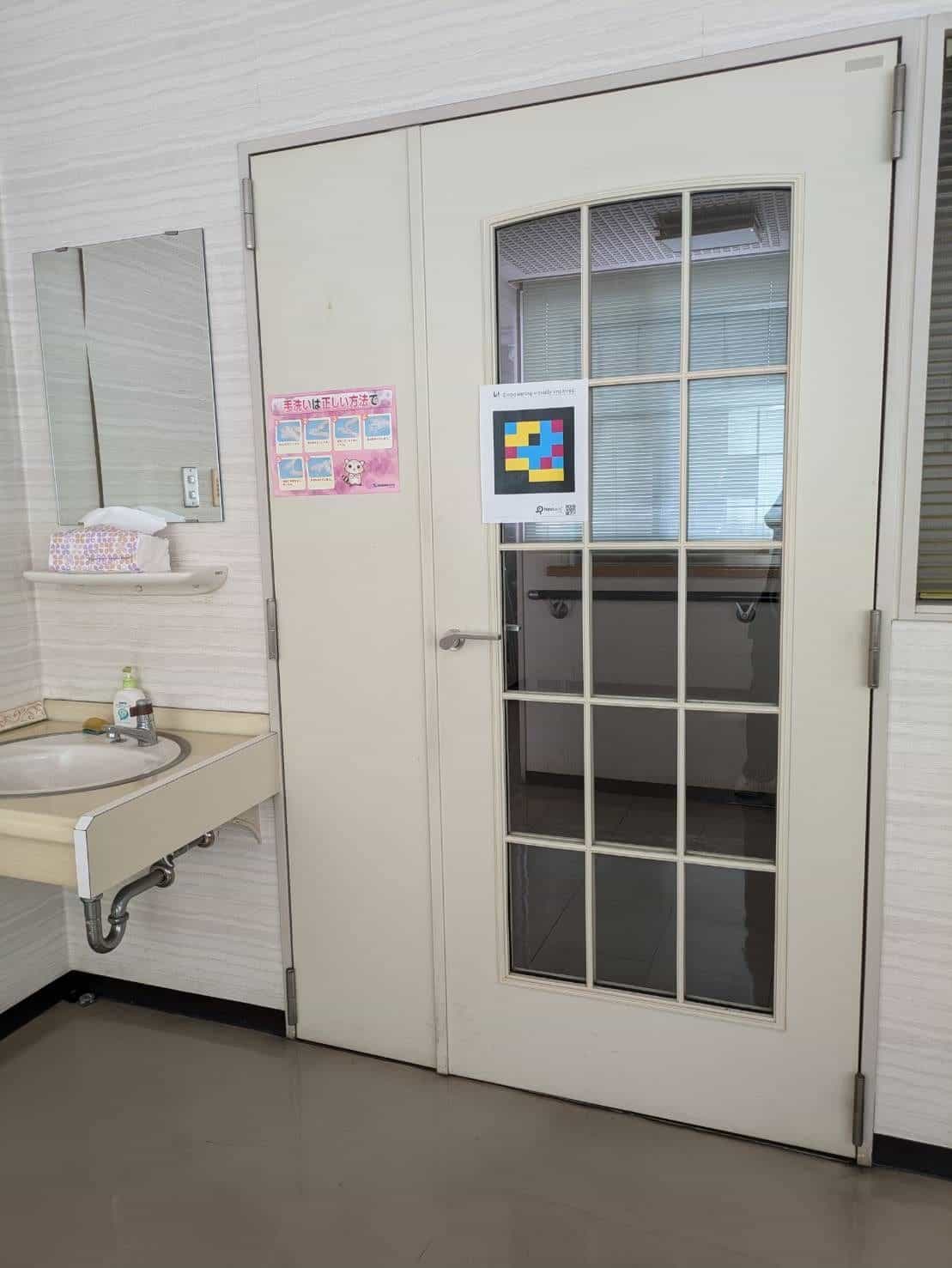
The clinic team rolled out the NaviLens Public Kit: a set of downloadable codes, ready to print and place at the key points of the center.
Each patient points their phone from several yards away and hears, in their own language, what's in front of them: "Restroom", "Elevator", "Light switch".
§ Timeline
From an internal decision to a replicable model.
- Rollout
NaviLens Public Kit
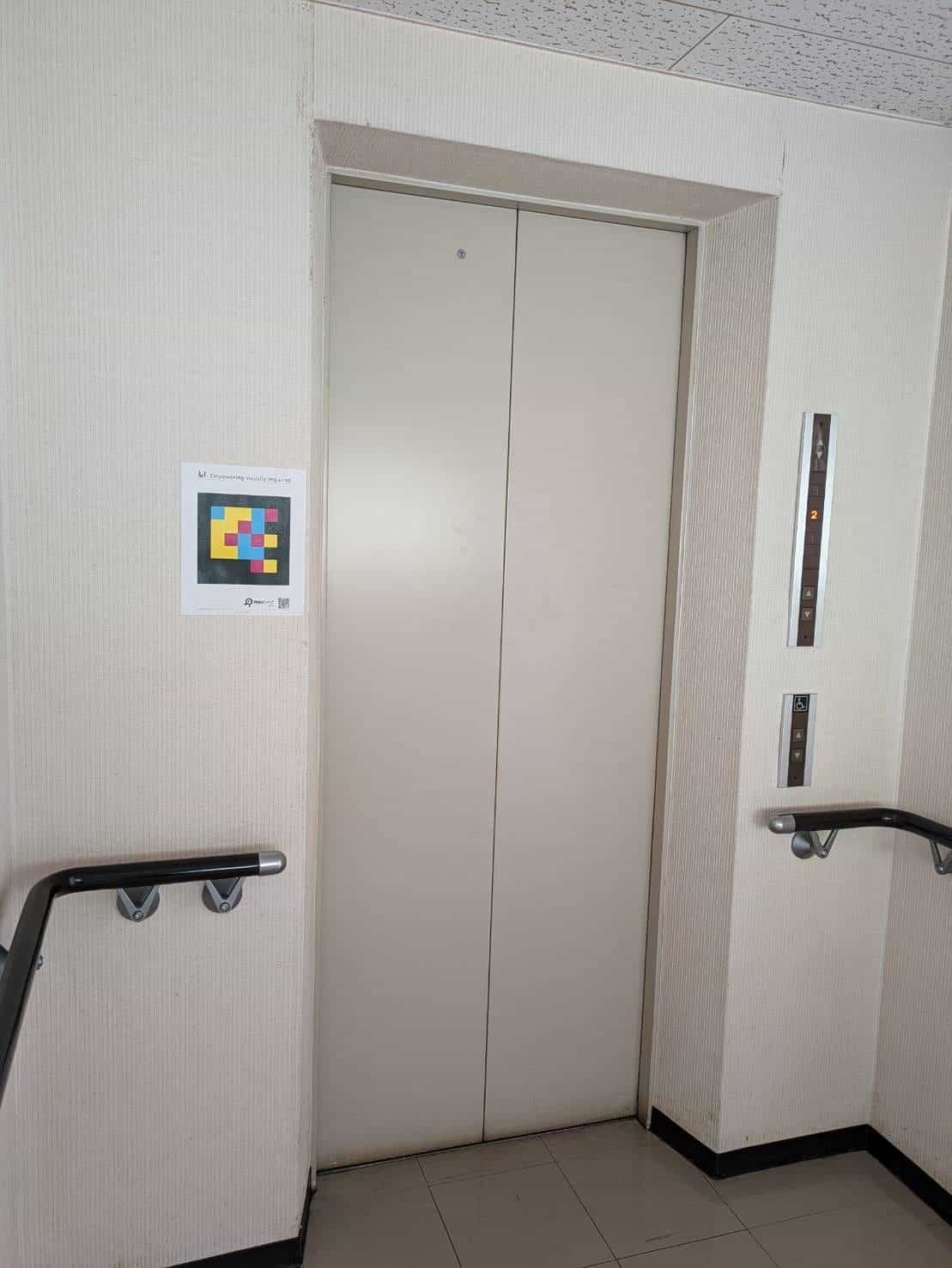
The Abe Eye Clinic team downloads and prints the NaviLens Public Kit codes and places them on the restroom door, the elevator and the main switches.
- Day to day
Reading from several yards
Patients point their phone from a distance and hear by voice—in Japanese, English or other languages—what's in front of them and how to use it.
- Outcome
Replicable model in Japan
A private clinic shows that any healthcare facility can join universal accessibility without a building project.
§ Results
A clinic that anyone can navigate.
100%
Of the center's critical points tagged with NaviLens
Zero
In additional digital infrastructure thanks to the Public Kit
1
Reference model for clinics in Japan
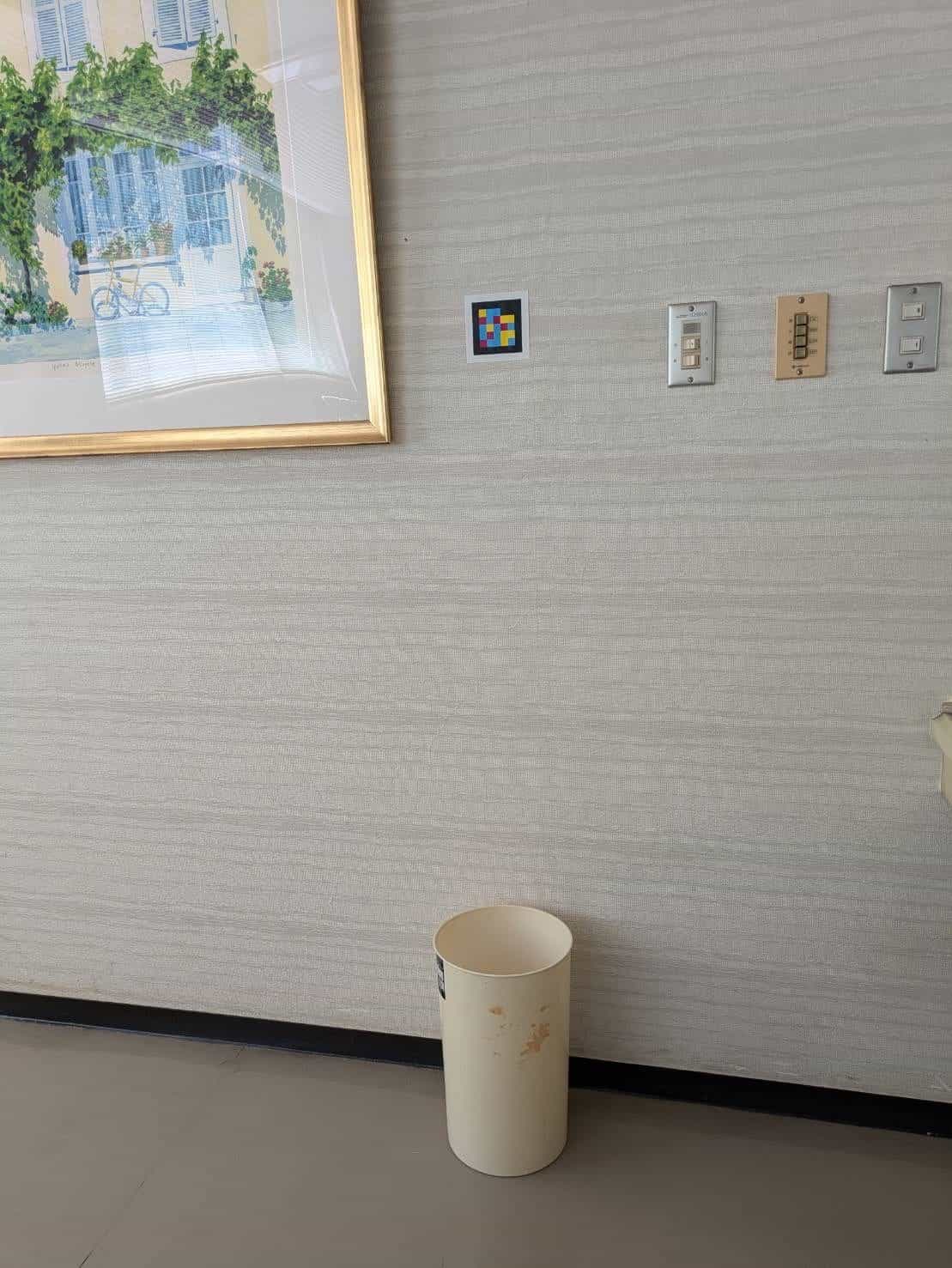
"Any clinic can start today: you print the codes, stick them at the key points and accessibility is already on the wall."
§ What they said
“ナビレンスは、視覚障害者が自立して移動できる環境づくりを後押しする最先端のツール。色とりどりのコードを離れた場所からスマートフォンで読み取り、音声で情報を受け取ることができる。”
“視覚障害者の移動を支援するシステム『ナビレンス』を導入し、4月1日より運用を開始しました。スマートフォンのカメラで離れた位置からコードを認識し、音声案内で施設内を移動できます。”
§ And your campus?
Every classroom and clinic can be guided by voice.
Tell us about your facility, your journeys and your users. We’ll show you how NaviLens would make wayfinding easier.