Case study · Medellín · Antioquia · Colombia
Olaya Herrera, Medellín's downtown airport goes accessible with NaviLens.
After the inaugural rollout at José María Córdova (Rionegro) and the extension to Los Garzones (Montería), Airplan continues its “All aboard for a more inclusive travel experience” strategy at Olaya Herrera Airport in Medellín (IATA EOH, ICAO SKMD) — the urban airport of the Aburrá Valley, a national brutalist-architecture monument (1932) and the gateway to regional aviation in Antioquia.

EOH · SKMD
Olaya Herrera Airport
1932
National monument · Colombian aviation pioneer
42 languages
Voice readout up to 100 ft
3rd Airplan
After Rionegro and Montería · 6-airport network
The operator
Airplan · Airports of North Central Colombia
Airplan S.A.S. has operated since 2008 the six airports of north-central Colombia: José María Córdova (MDE) in Rionegro, Olaya Herrera (EOH) in Medellín, Antonio Roldán Betancur (APO) in Carepa, plus the airports of Quibdó, Los Garzones (MTR) in Montería and Las Brujas in Corozal.
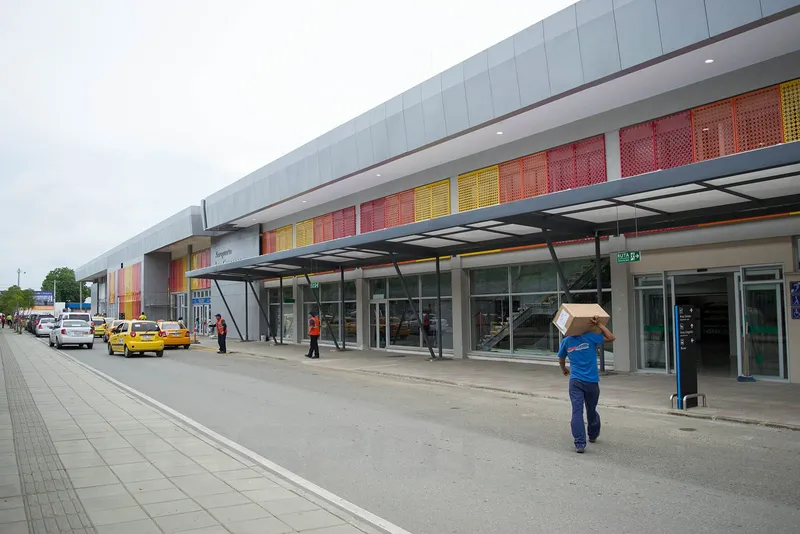
Olaya Herrera is a unique case in Colombia: an airport embedded in the urban fabric of Medellín (Guayabal district), declared a National Monument for the singularity of its brutalist architecture, and the main regional and general aviation terminal in Antioquia. It is the operating base of pioneering ADA (Aerolíneas de Antioquia) and connects the Aburrá Valley with Apartadó, Bahía Solano, Capurganá, Quibdó, Nuquí and other regional routes that cannot operate from JMC.
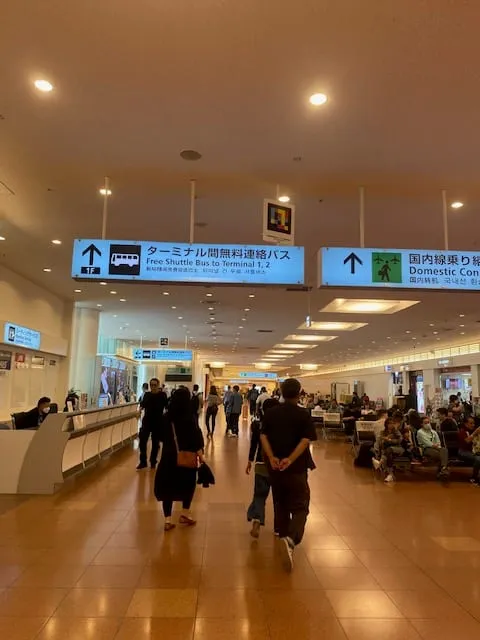
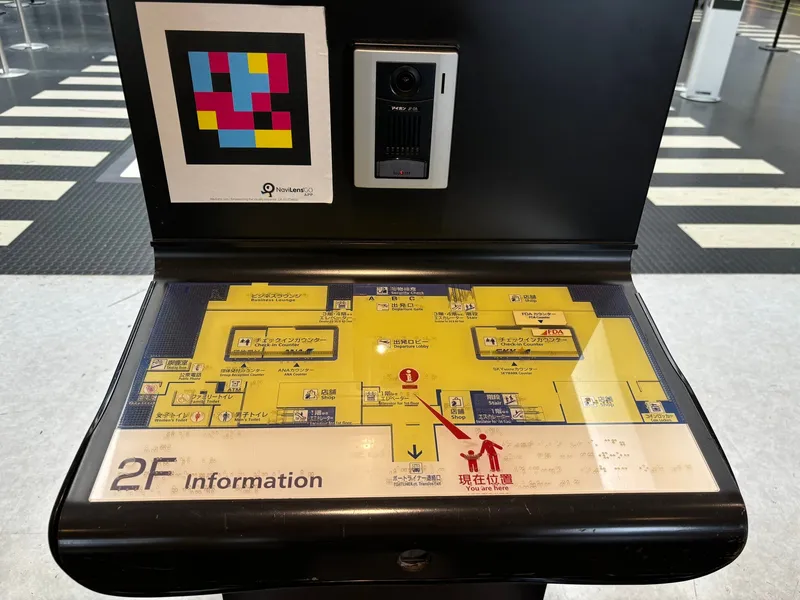
In this context Olaya Herrera adopts the same universal-accessibility standard Airplan launched at José María Córdova and replicated at Los Garzones: NaviLens codes on wayfinding signage in the main hall, regional-airline counters, departure lounge and apron accesses, with voice readout in 42 languages from 100 ft, without needing to focus the code closely.
§ How it fits the Airplan network
The same accessibility standard, at the urban airport.
- 01
Continuity with the Airplan network
The rollout replicates the proven logic of MDE (Rionegro) and MTR (Montería): codes on hanging signage, check-in counters and critical points. Anyone already traveling regularly across the Airplan network recognizes the same visual and audio pattern at Olaya Herrera, without learning a new system.
- 02
Heritage + accessibility
Olaya Herrera has been a National Monument since 1992. NaviLens codes are integrated respecting the original brutalist architecture (Helguera, Robledo and Ponce de León, 1932) without drilling walls or altering materials: high-visibility adhesives on existing panels, voice-read from several yards away.
- 03
Multimodal connection
EOH is right next to Medellín's public transit system: 800 m from Aguacatala Metro station (Line A) and connected by integrated bus routes. The NaviLens standard smooths the transition from Metro/Metroplús — already partly accessible — to regional-airline counters, keeping the accessibility chain end to end.
§ Airport gallery
A living historic building, now accessible.
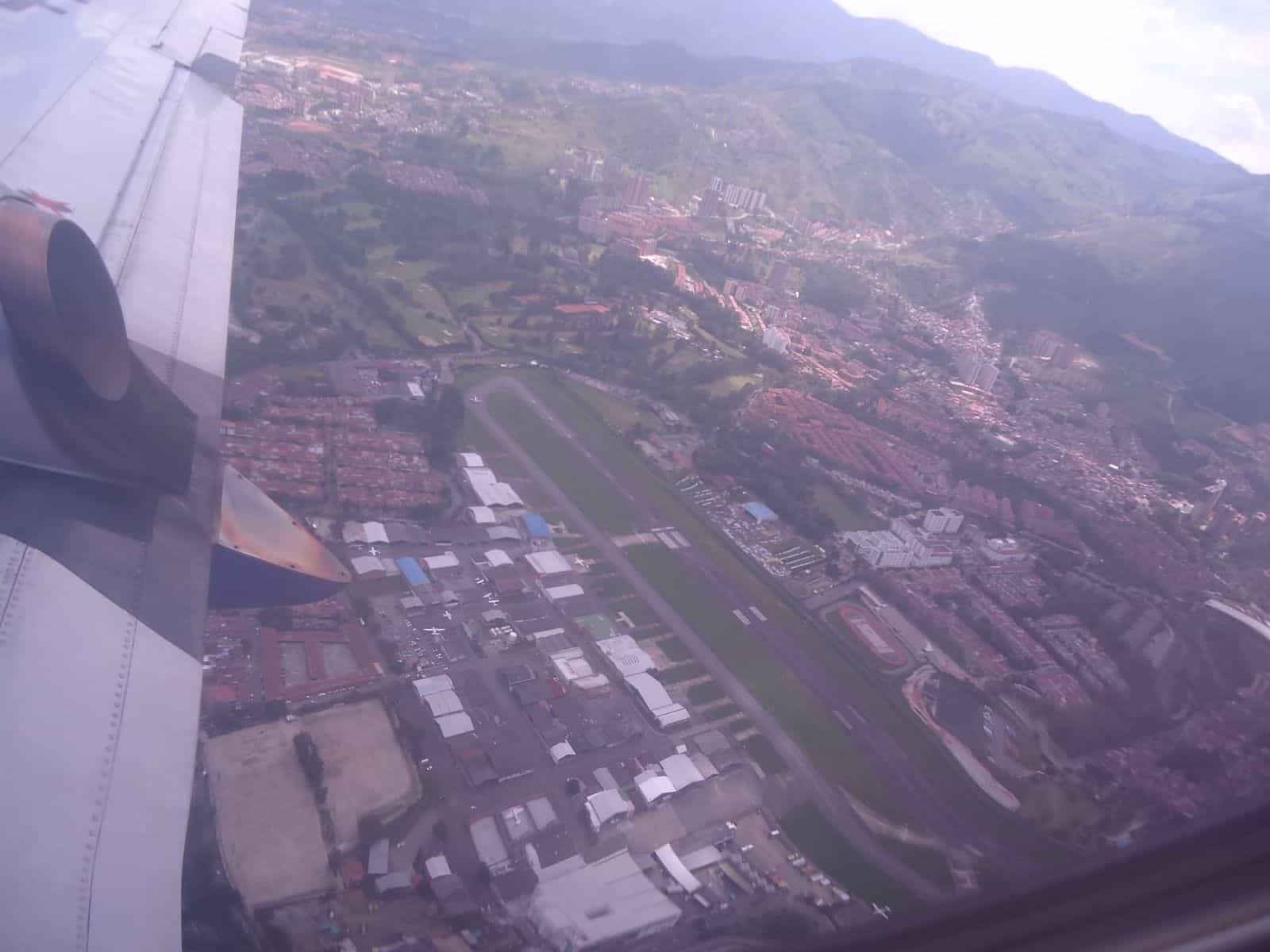
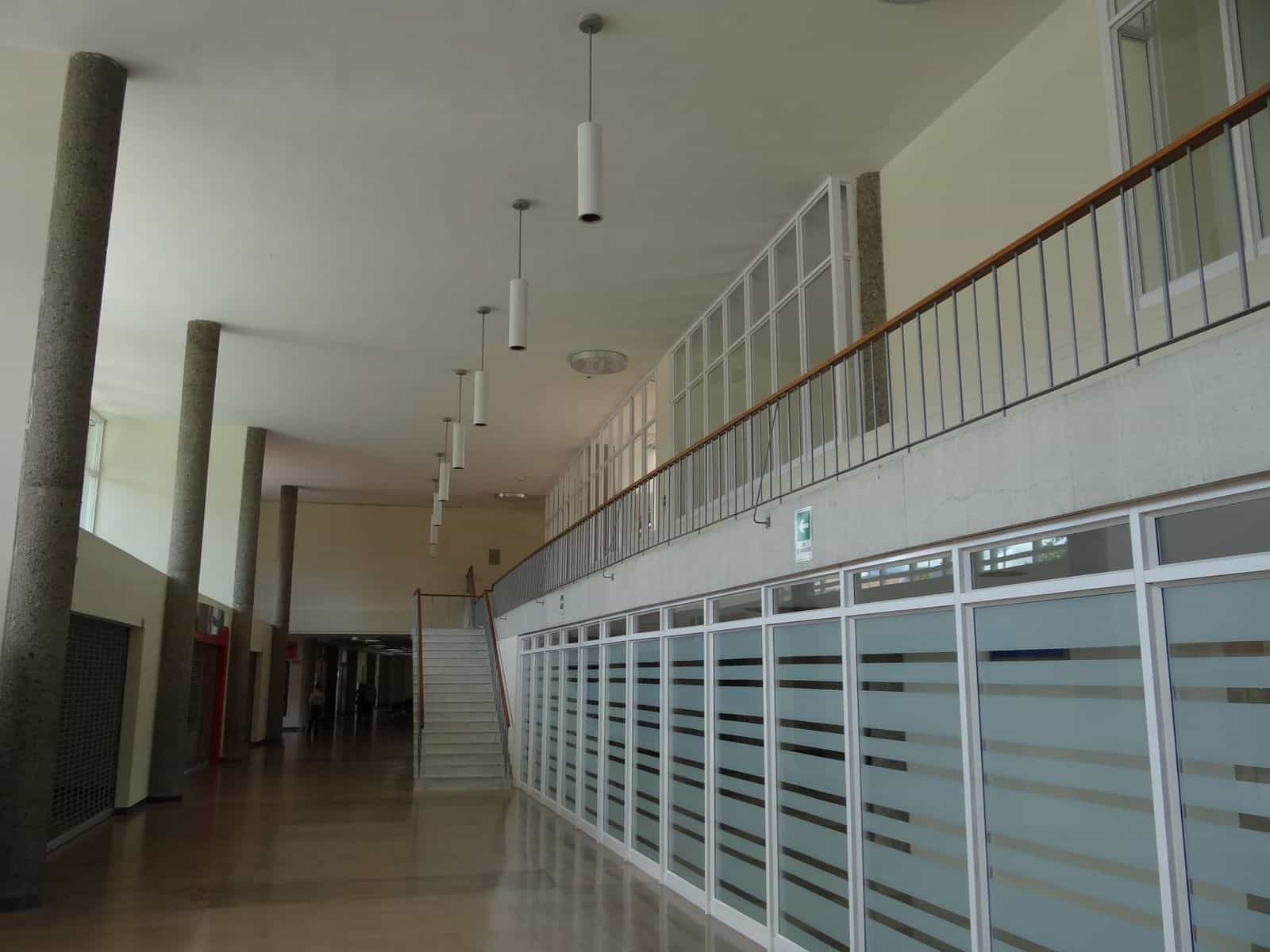
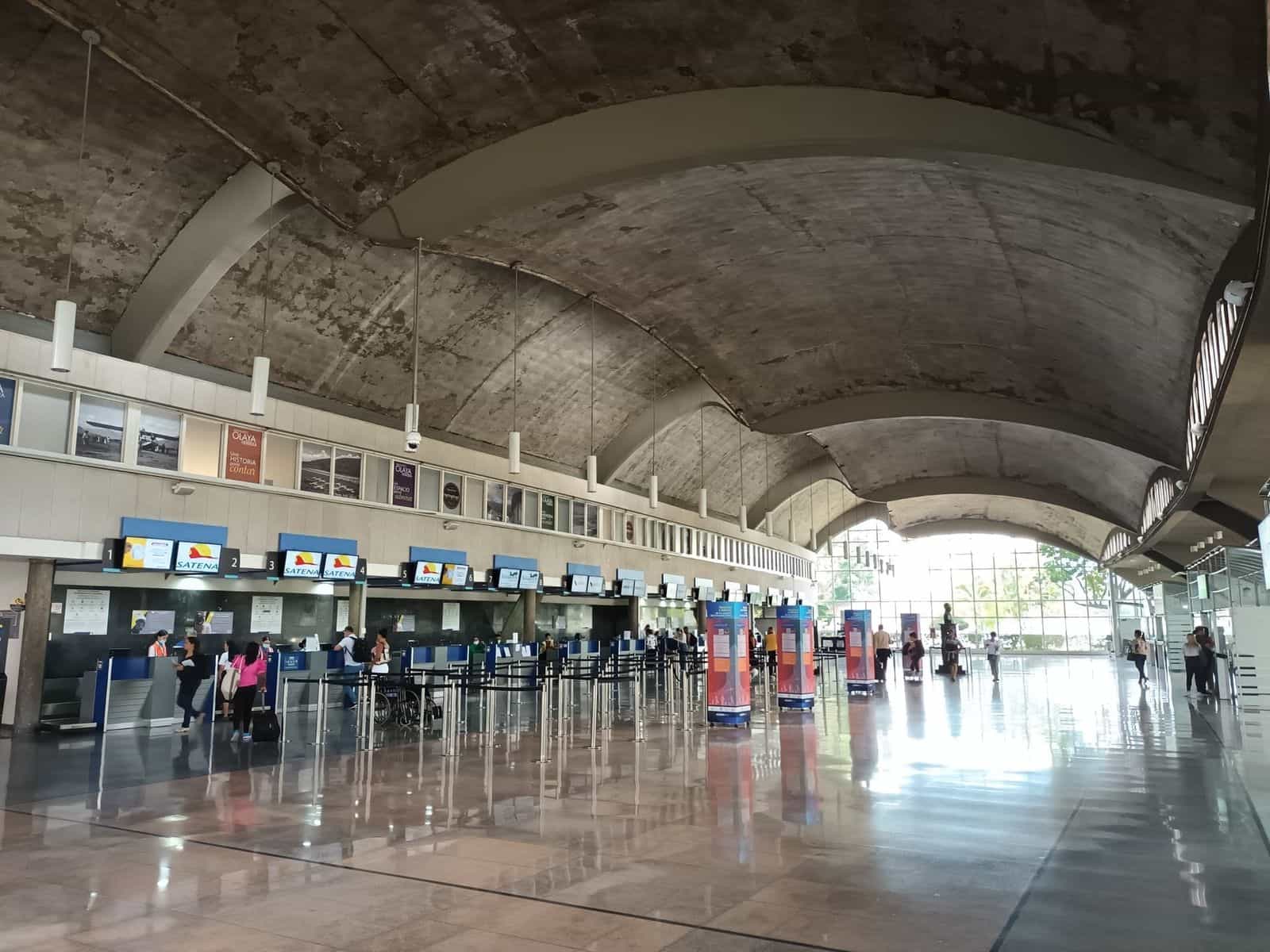
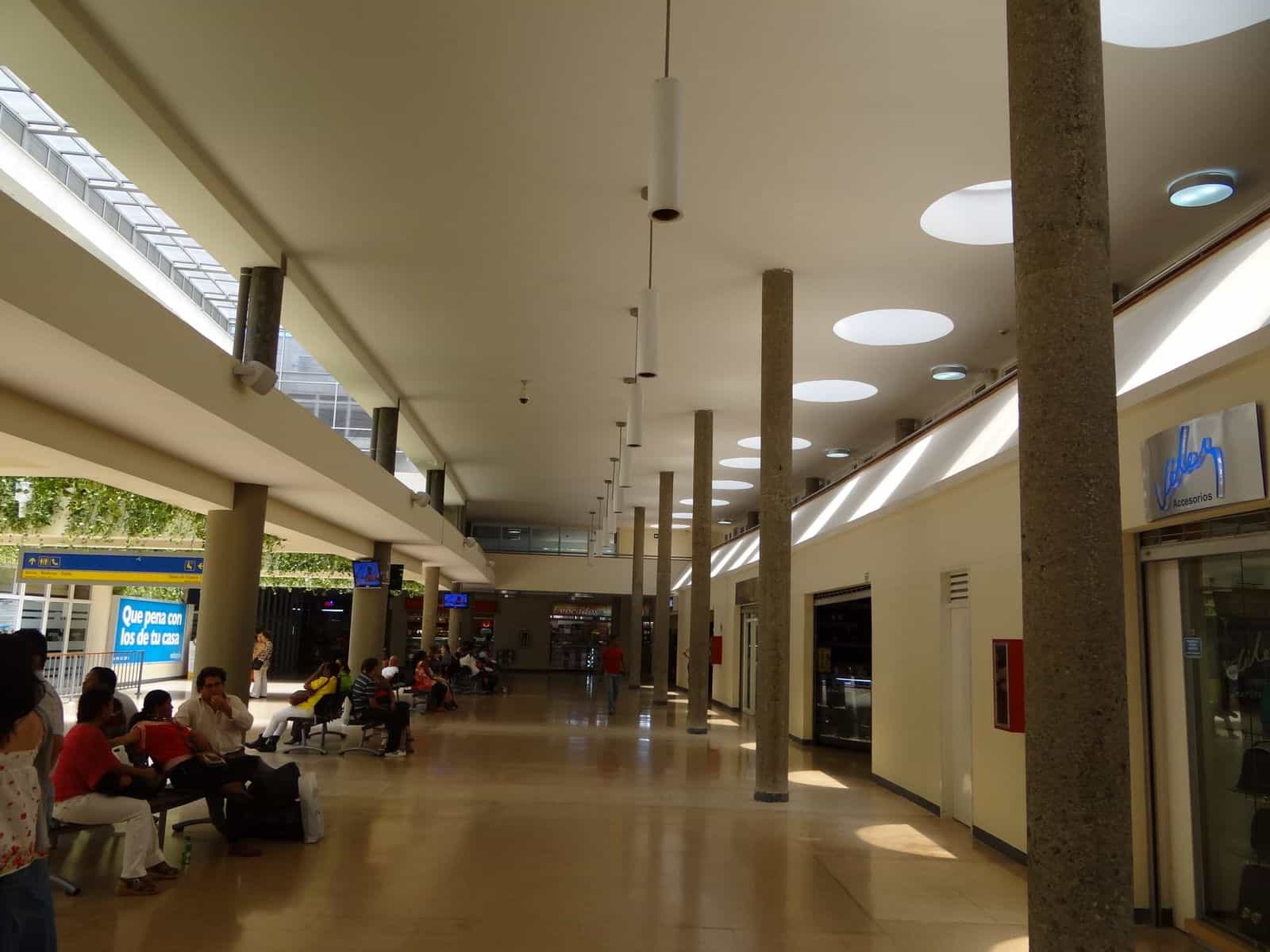
Airport images: Wikimedia Commons (free licence).
§ Why it matters
Universal accessibility at a heritage airport.
Urban airport
EOH is not a peripheral terminal: it sits inside Medellín, served by Metro, Metroplús and urban bus. NaviLens closes the accessibility chain city → terminal → aircraft without gaps, at the airport most Antioquian travelers use every day for regional flights.
Airplan network
Third concession airport with NaviLens, after JMC Rionegro and Los Garzones. The standard is consolidating across the Airplan network and paves the way to Antonio Roldán Betancur (APO Carepa), Quibdó and Las Brujas (Corozal).
Inclusive heritage
Olaya Herrera is a National Monument. Integrating NaviLens into a heritage building shows that universal accessibility and architectural conservation are not opposing goals: high-contrast codes over existing signage, with no invasive work.
§ And your network?
Your next station can also speak.
Tell us about your network, your pain points and the KPIs you want to move. We’ll show you how NaviLens would fit—with comparable cases.