Case study · Alicante, Spain
EUIPO — a European headquarters
that explains itself.
How the European Union Intellectual Property Office made its Alicante headquarters accessible with NaviLens: reception, restrooms, restaurant, rooms and outdoor areas, in 42 languages.
EUIPO
European Union agency · Alicante
Campus
Main building + annexes signed
42
Languages read aloud
Multi-use
Reception, restrooms, restaurant, rooms and outdoor areas
The client
EUIPO
Alicante · Spain
The EUIPO (European Union Intellectual Property Office) is the decentralised EU agency in charge of trade marks and registered designs at Community level. Its headquarters has been in Alicante since 1994.
Every year it welcomes staff and visitors from the 27 Member States, plus international delegations. Making its headquarters accessible was not an option: it was an obligation consistent with European values of inclusion.
§ The challenge
An international headquarters accessible to everyone.
- 01
A European headquarters visited by thousands
The European Union Intellectual Property Office welcomes staff from across Europe and external visitors: it needed clear, independent and multilingual guidance on every floor.
- 02
Real accessibility, not decorative
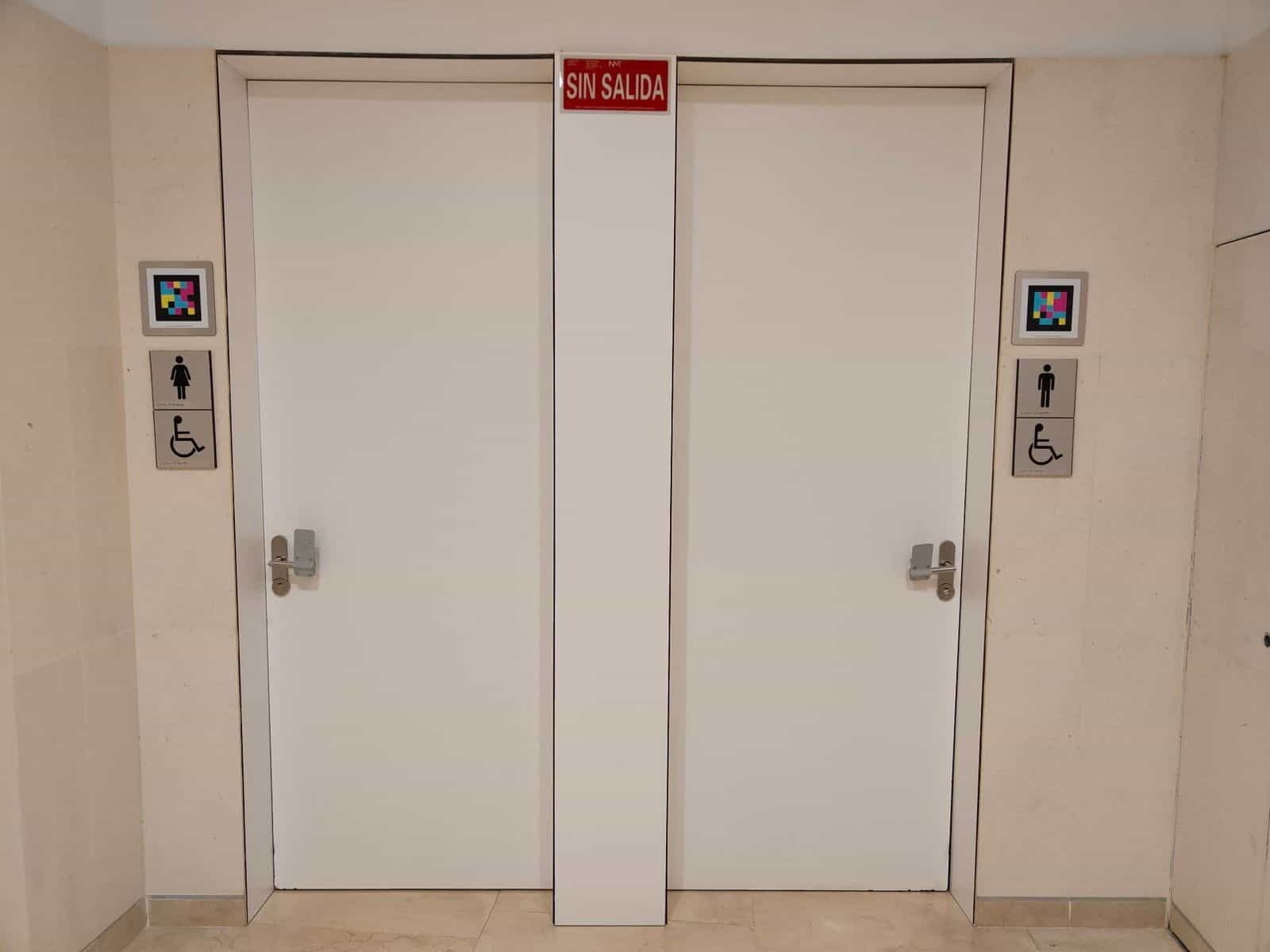
People with low vision, blindness or who don’t speak Spanish had to be able to locate reception, adapted restrooms, elevators, restaurant and rooms without depending on staff.
- 03
Integrate signage into a singular architecture
The building combines exposed concrete, wood and large glazed surfaces. The solution had to blend in without breaking the architectural identity of the headquarters.
§ The solution
NaviLens at every
key point.
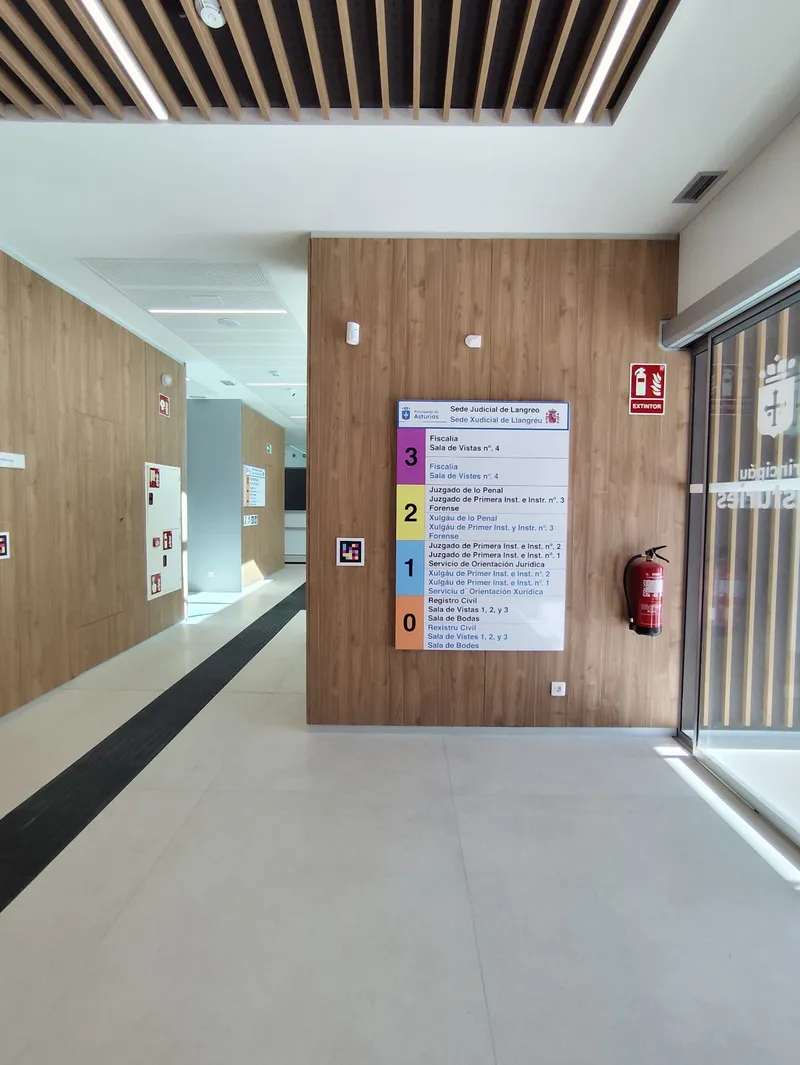
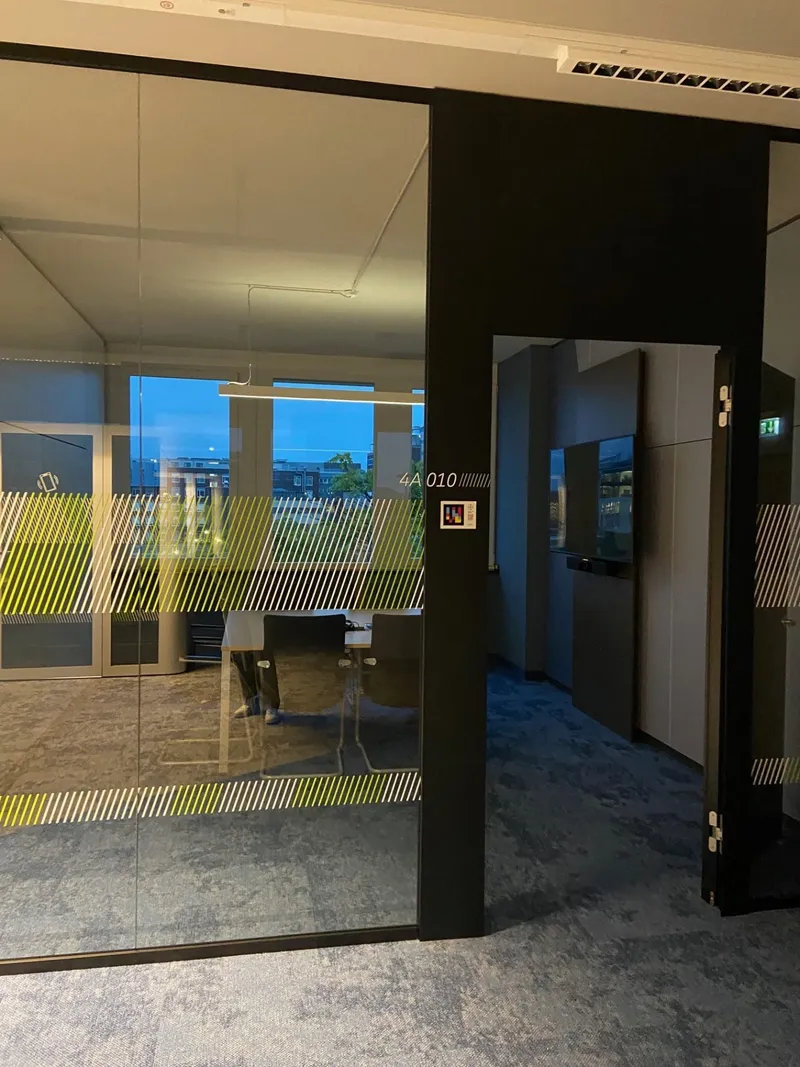
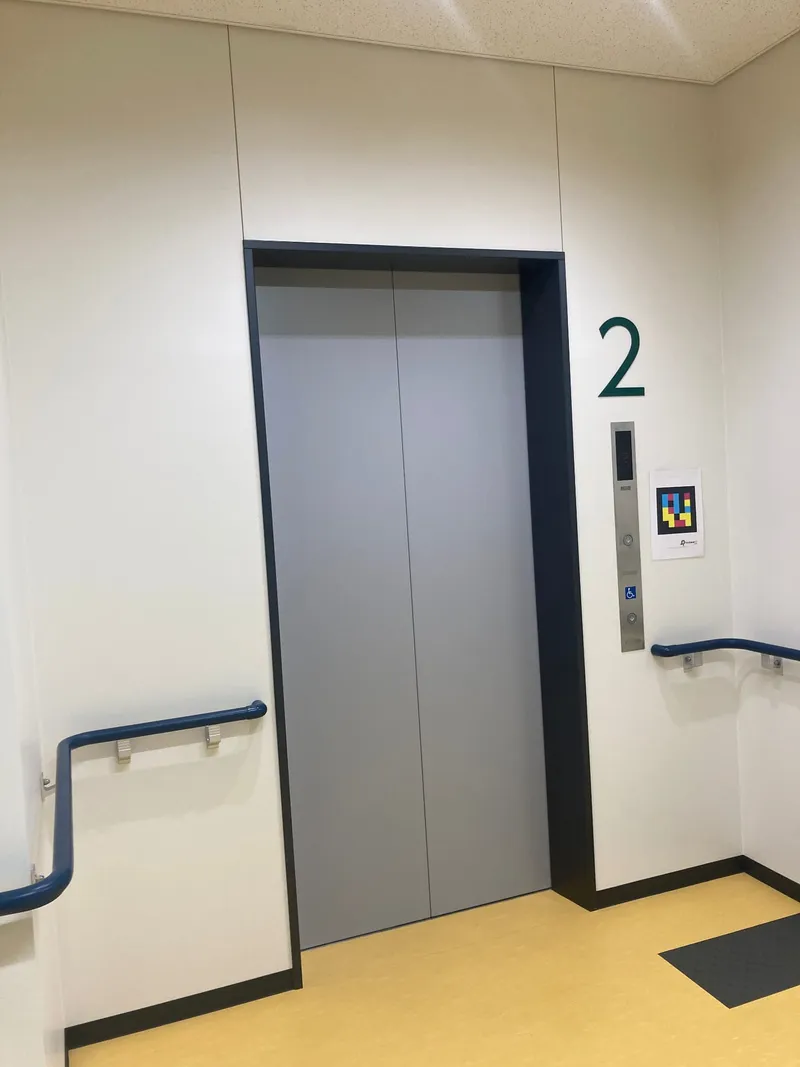
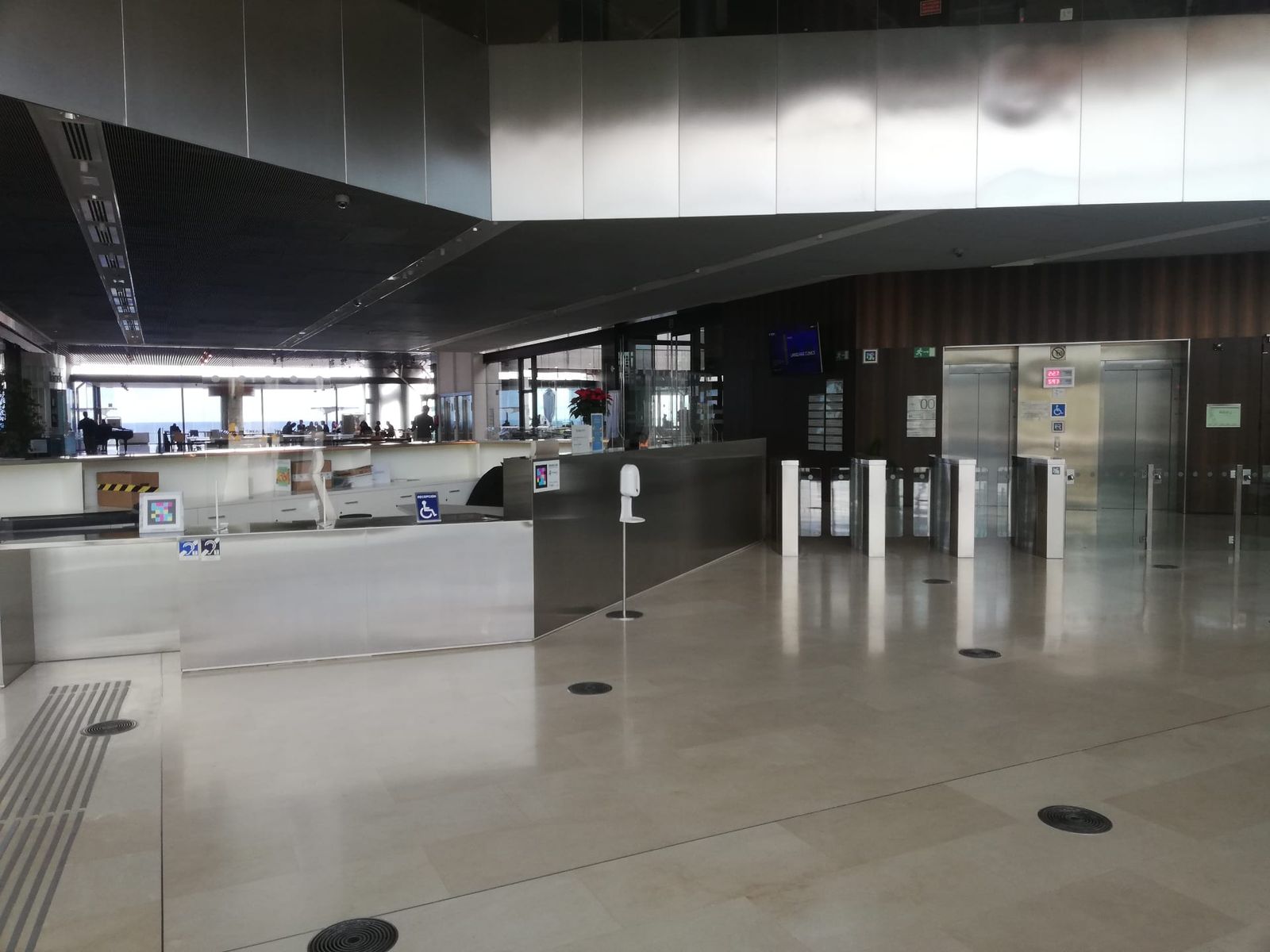
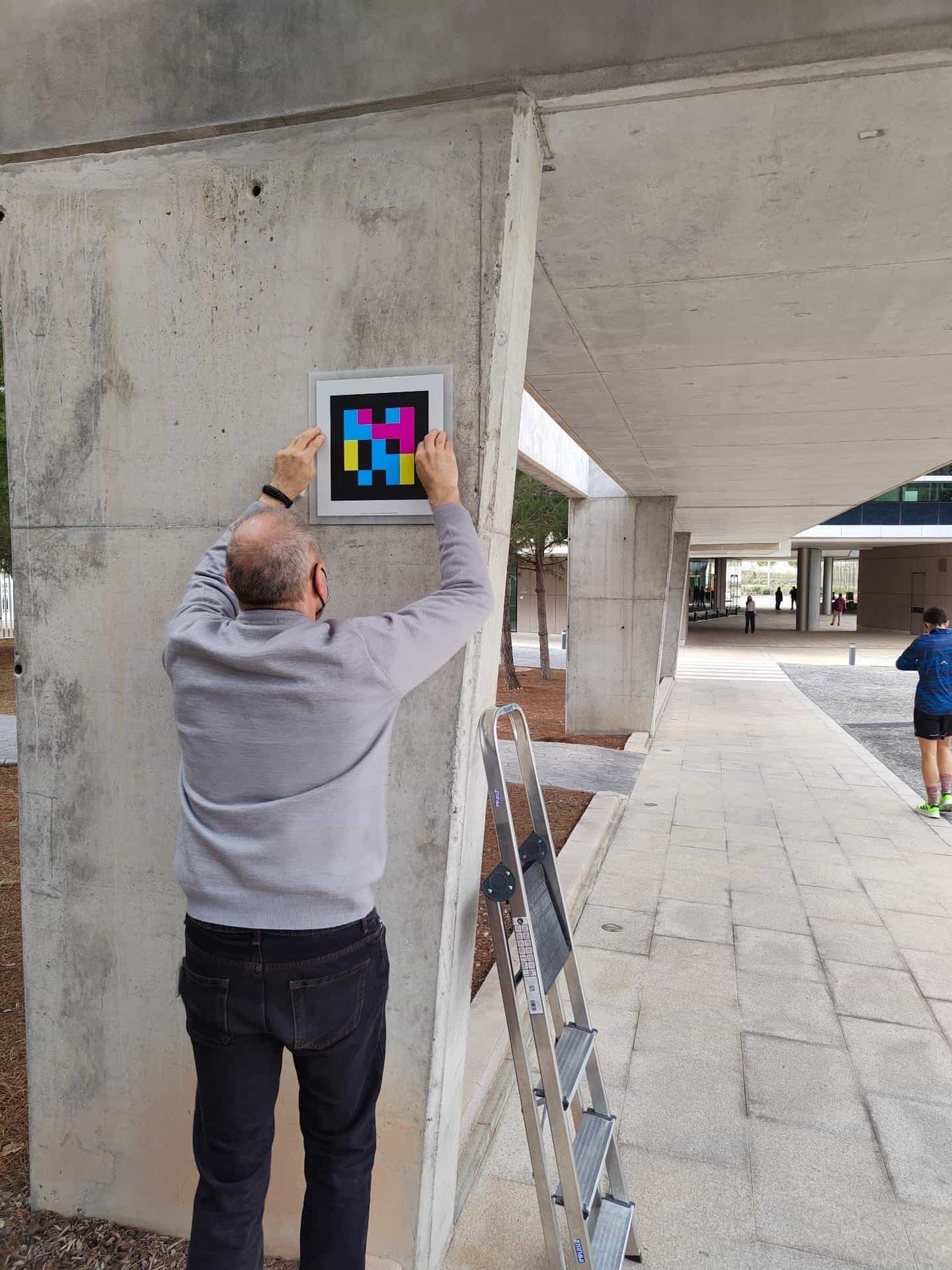
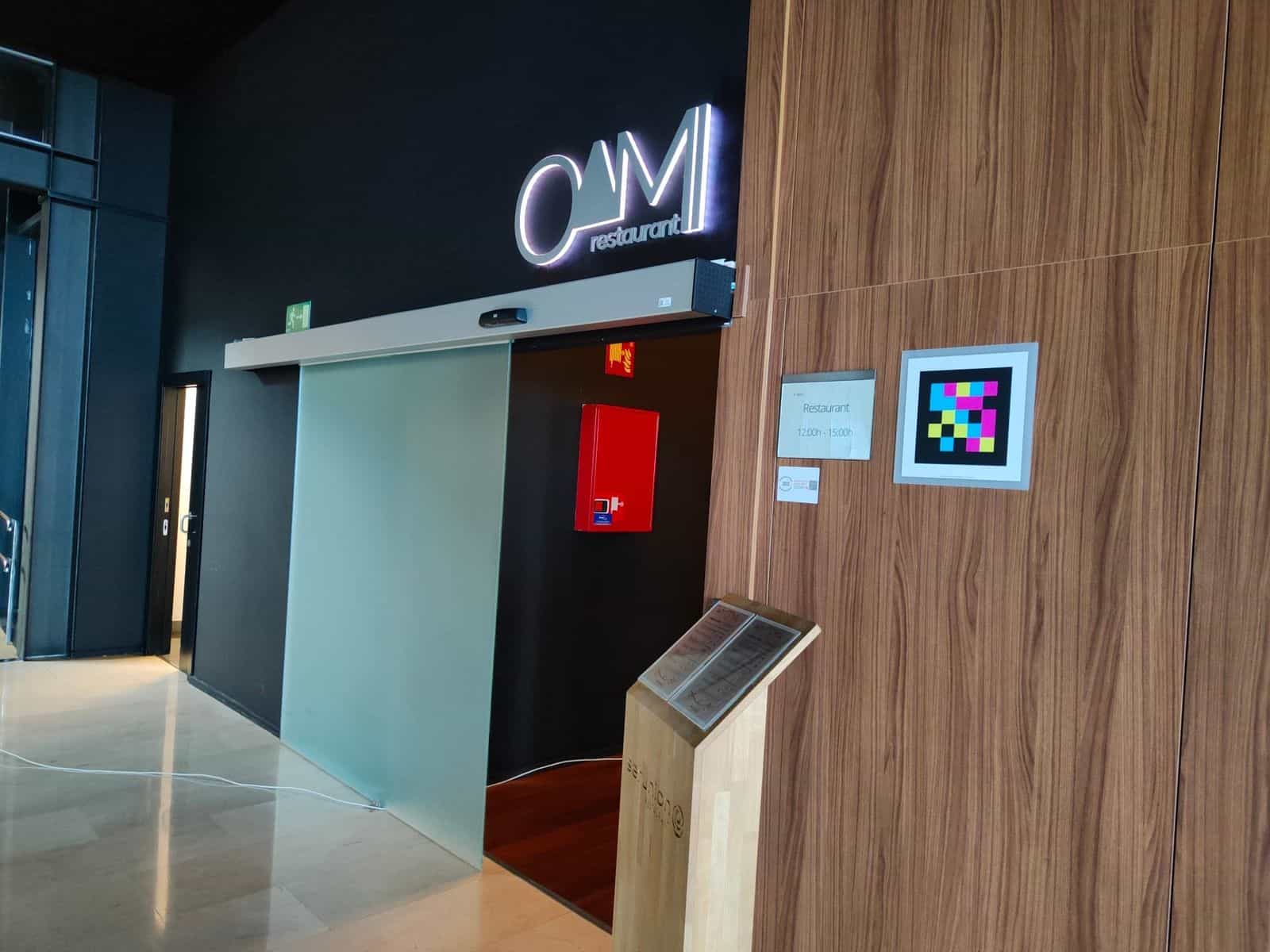
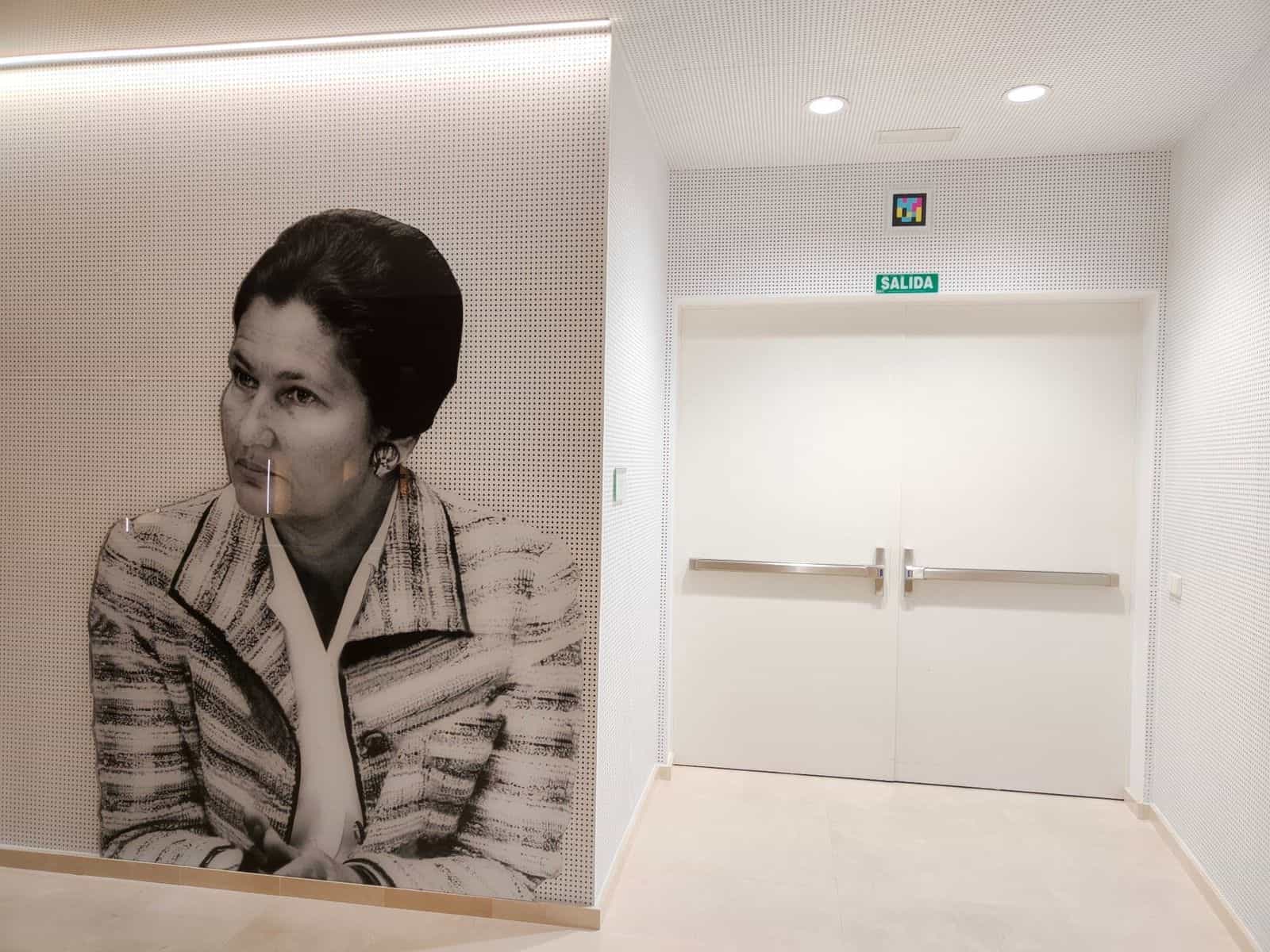
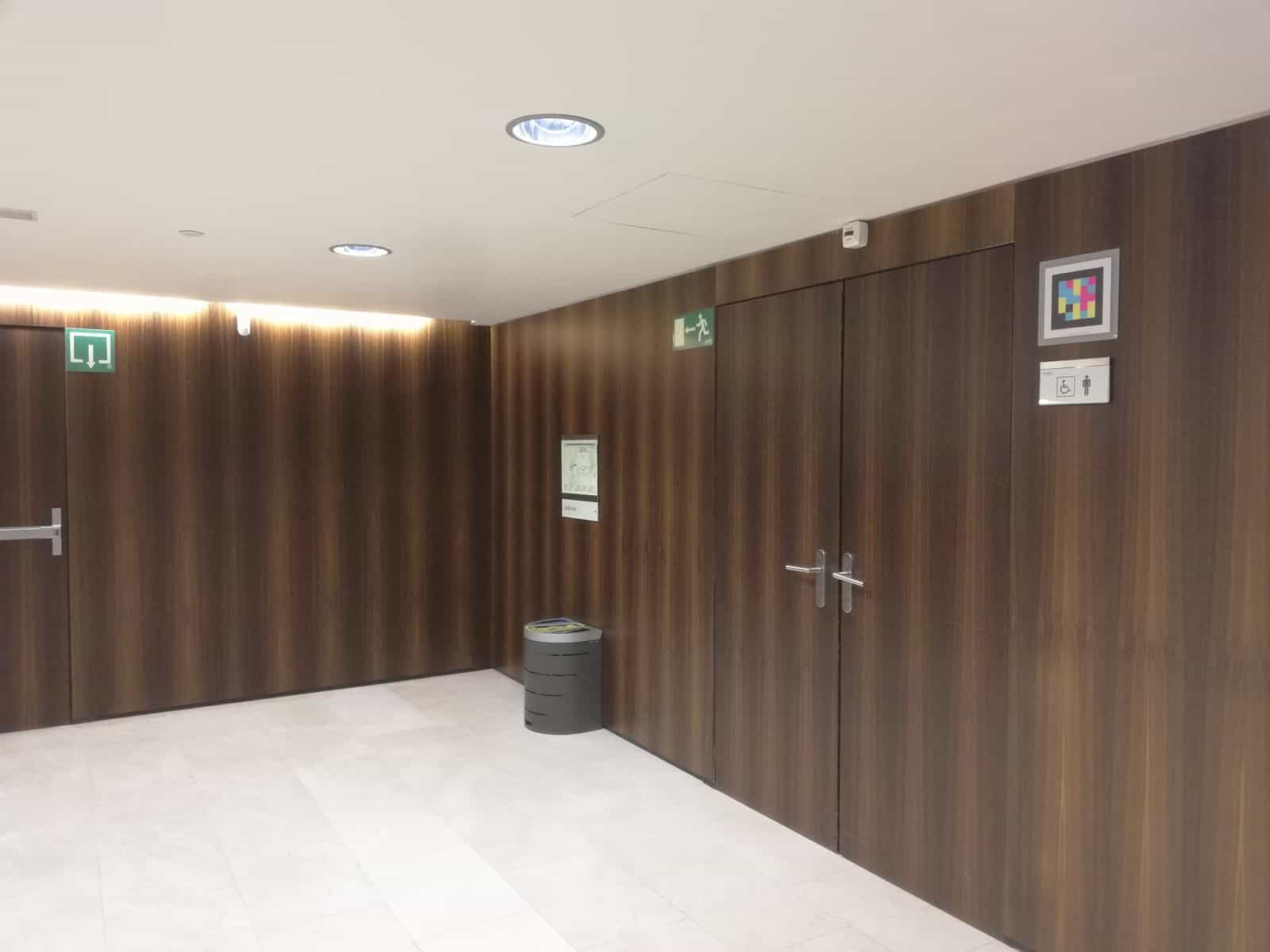
NaviLens codes were deployed in reception, accessible restrooms, the CAM restaurant, emblematic meeting rooms such as Simone Veil and the outdoor pillars of the campus.
Every visitor points their phone from several yards away and hears, in their language, where they are, what is in front of them and how to continue.
§ Timeline
From a European headquarters to an institutional model.
- 2021
NaviLens deployment at headquarters
NaviLens codes placed at reception, access turnstiles, accessible restrooms, the CAM restaurant, rooms such as Simone Veil and the outdoor campus.
- Day to day
Information in 42 languages
Anyone points their phone from several yards away and hears in their language which space is in front of them and how to use it.
- EU recognition
Featured case by AccessibleEU
The European Commission’s AccessibleEU Centre lists NaviLens—developed in Spain by Neosistec and the University of Alicante—as an example of smart signage for inclusive wayfinding, reinforcing EUIPO’s role as an accessible European headquarters.
§ Results
A European agency anyone can navigate.
100%
Of the building’s critical points signed with NaviLens
42
Languages available for staff and international visitors
1
Reference model for EU agencies and institutions
“A European headquarters is only truly European if anyone, in any language, can navigate it on their own.”
§ What they said
“Developed by the Spanish company Neosistec with the University of Alicante, NaviLens is a high-density, color QR-style code that can be detected by a smartphone camera up to several yards away. The system enables blind and partially sighted people to find their way independently in unfamiliar environments and access information in their preferred language.”
“Alicante City Council implements NaviLens, a pioneering wayfinding system for blind and low-vision people based on smart codes read by the phone camera, enabling any resident or visitor to move independently through the city.”
§ And your headquarters?
Your office can also welcome in 42 languages.
Tell us about your building, your services and your visitors. We’ll show you how NaviLens would make your office truly accessible.