Case study · Kobe, Hyōgo (Japan)
A smart city that is also accessible.
Within the Be Smart KOBE program, the City of Kobe (神戸市) deploys NaviLens at JR Sannomiya, the municipal subway and Port Liner, on vending machines at the Kobe Eye Center and on platforms to prevent falls. Run with NPO Ai-Collaboration Kobe, NEXT VISION and Shinohara Denki.
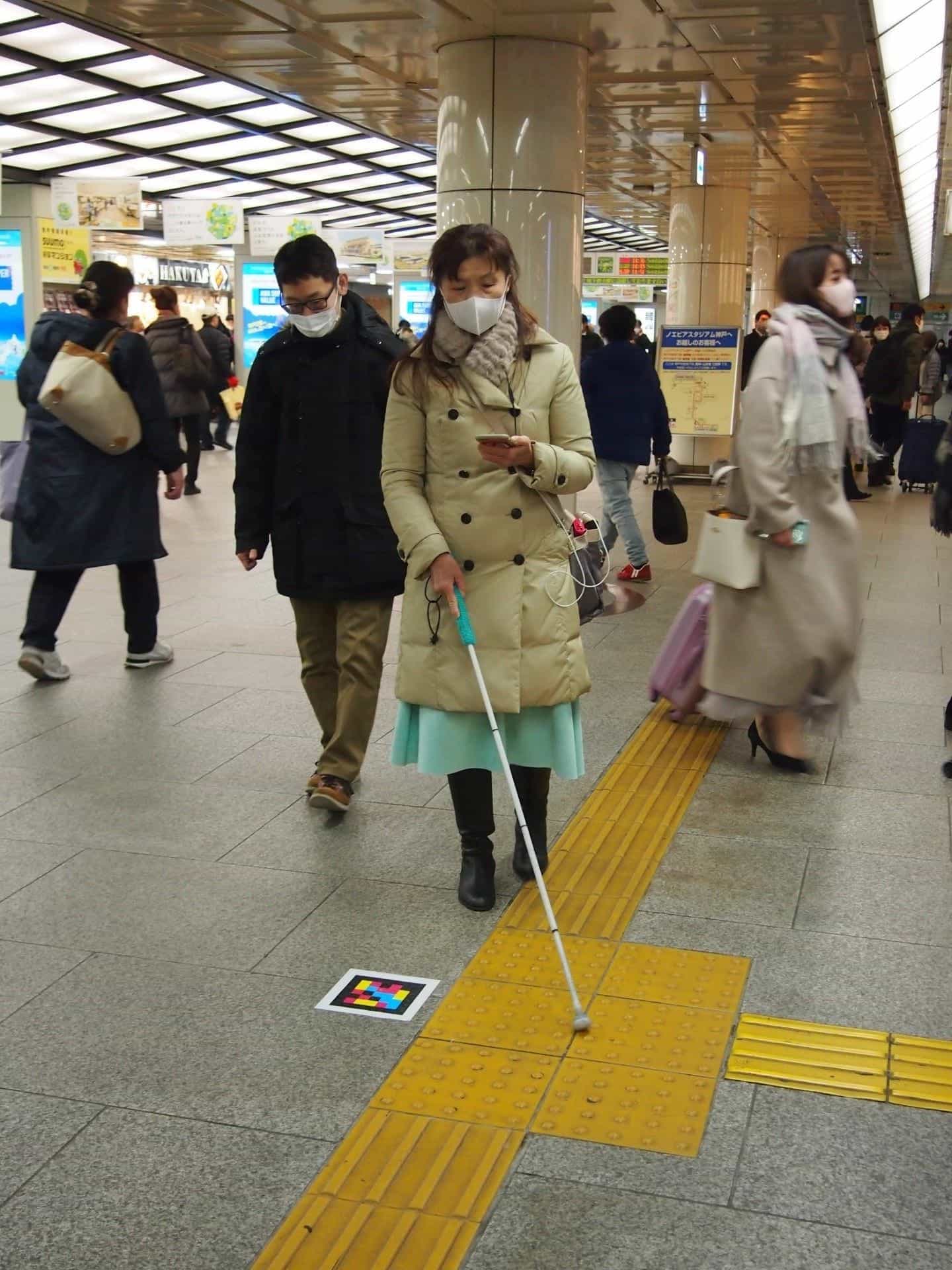
§ Sannomiya in pictures
Ten tags between the turnstile and the plane.
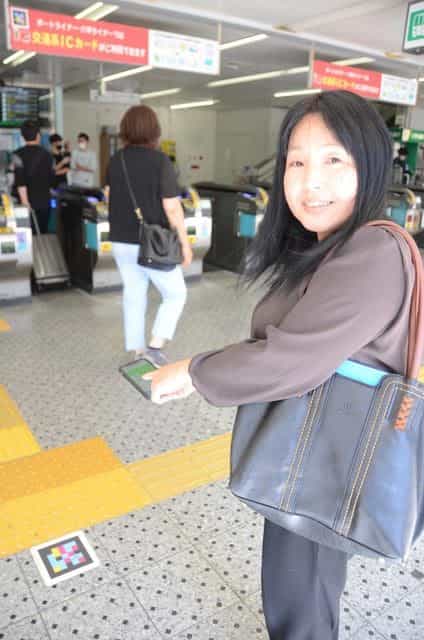
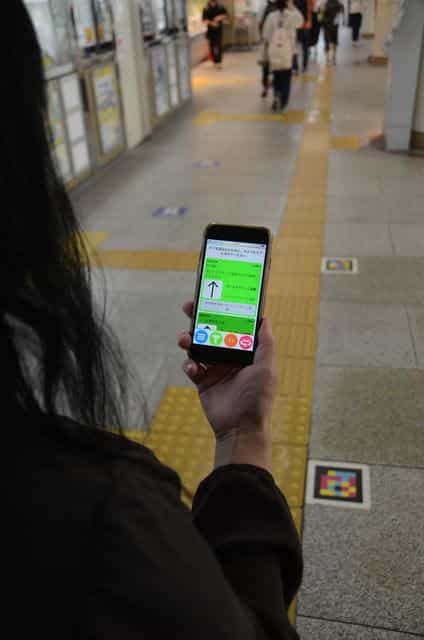
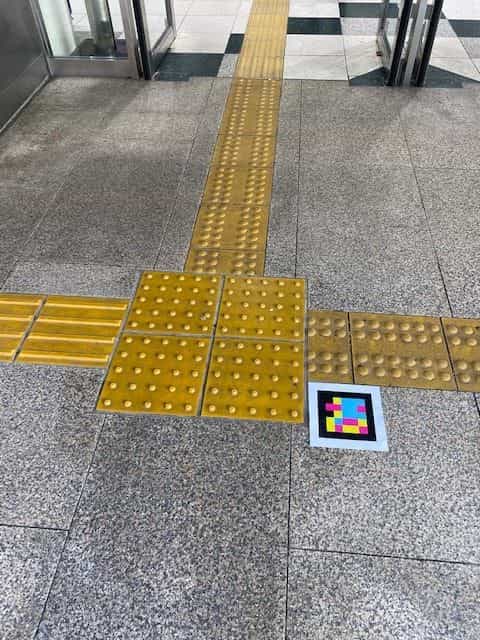
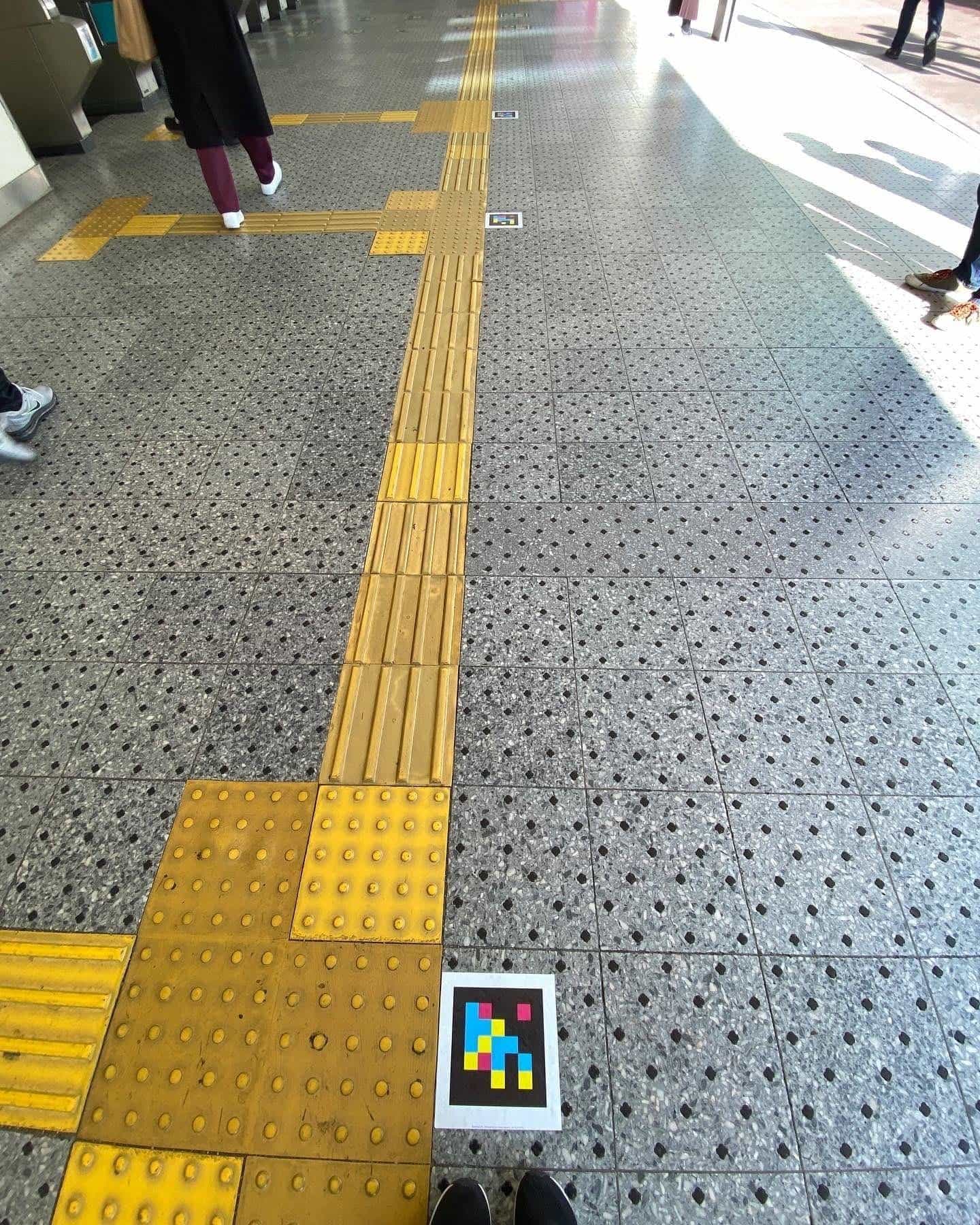
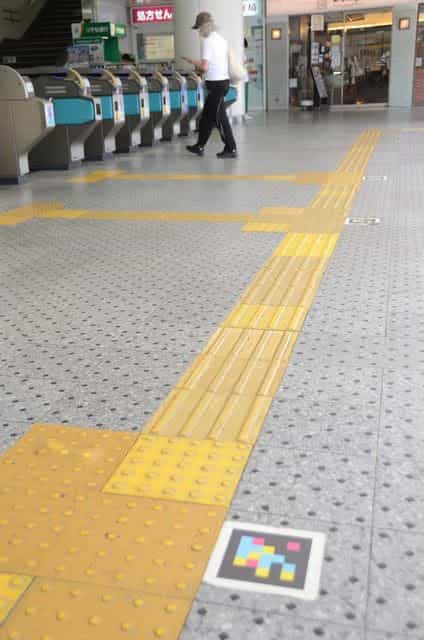
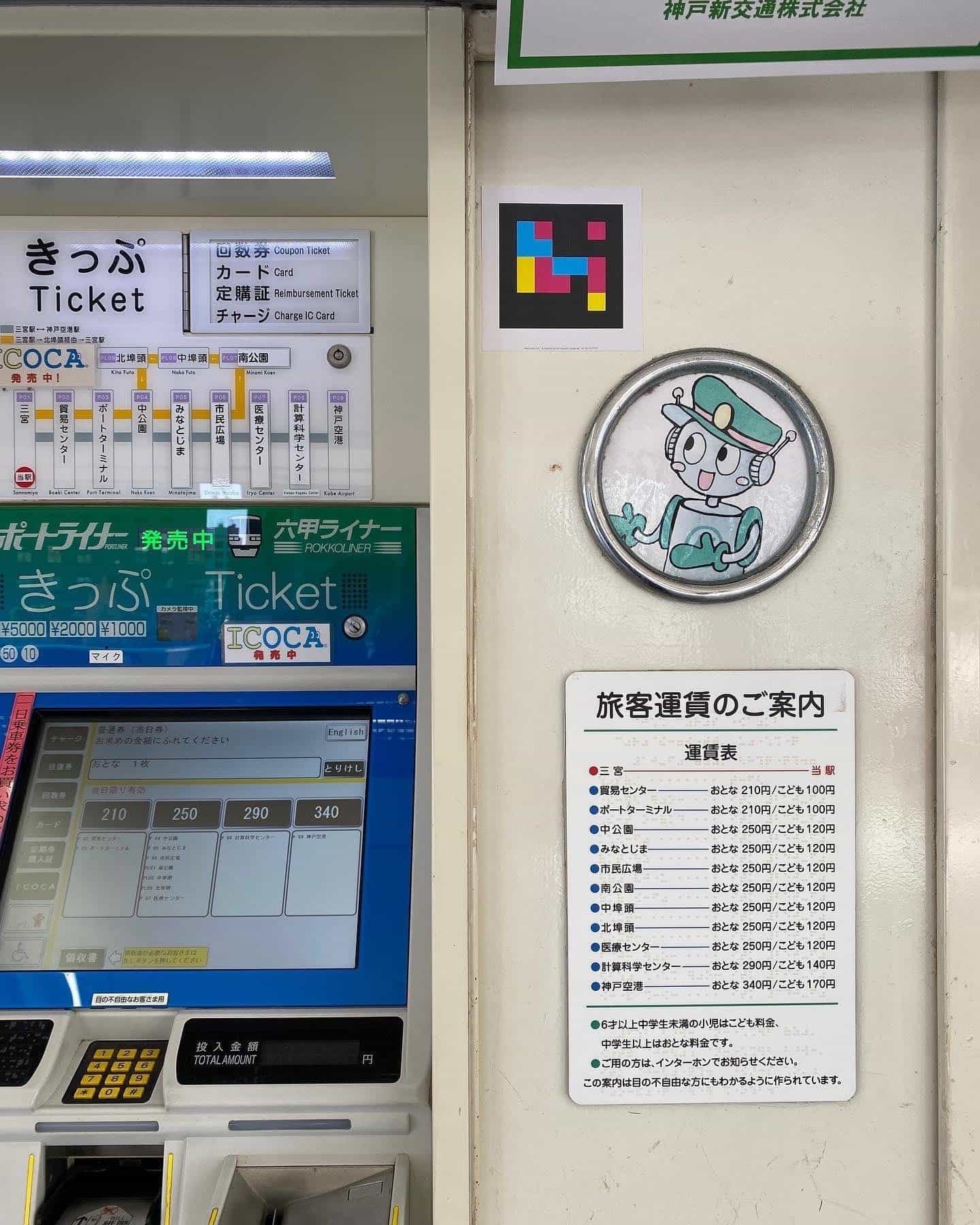
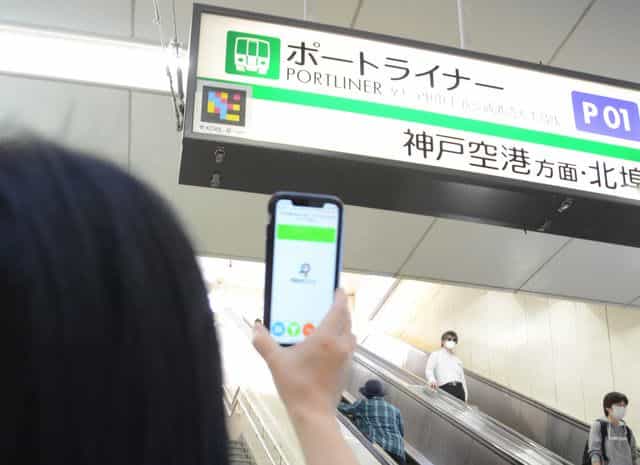
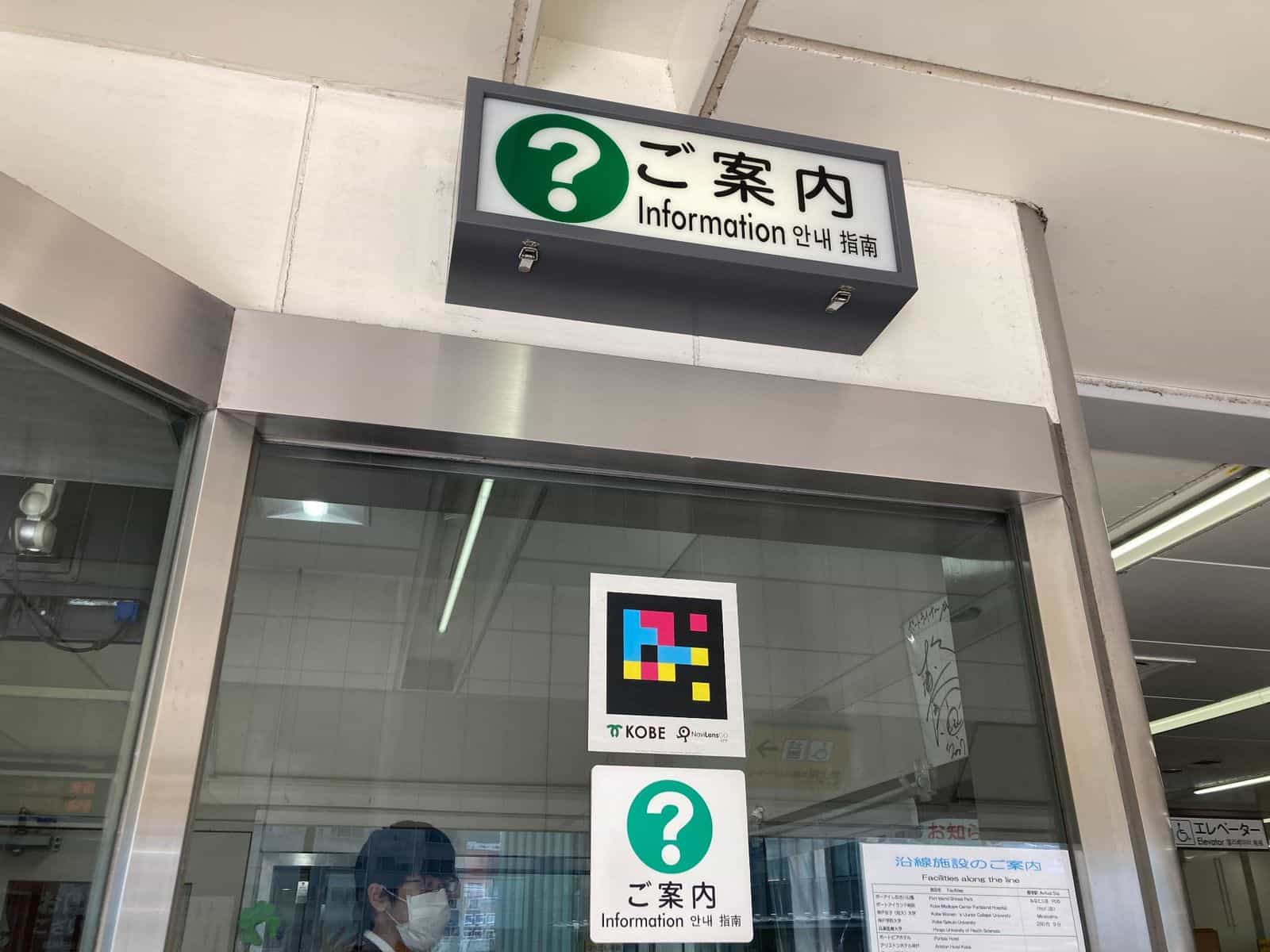
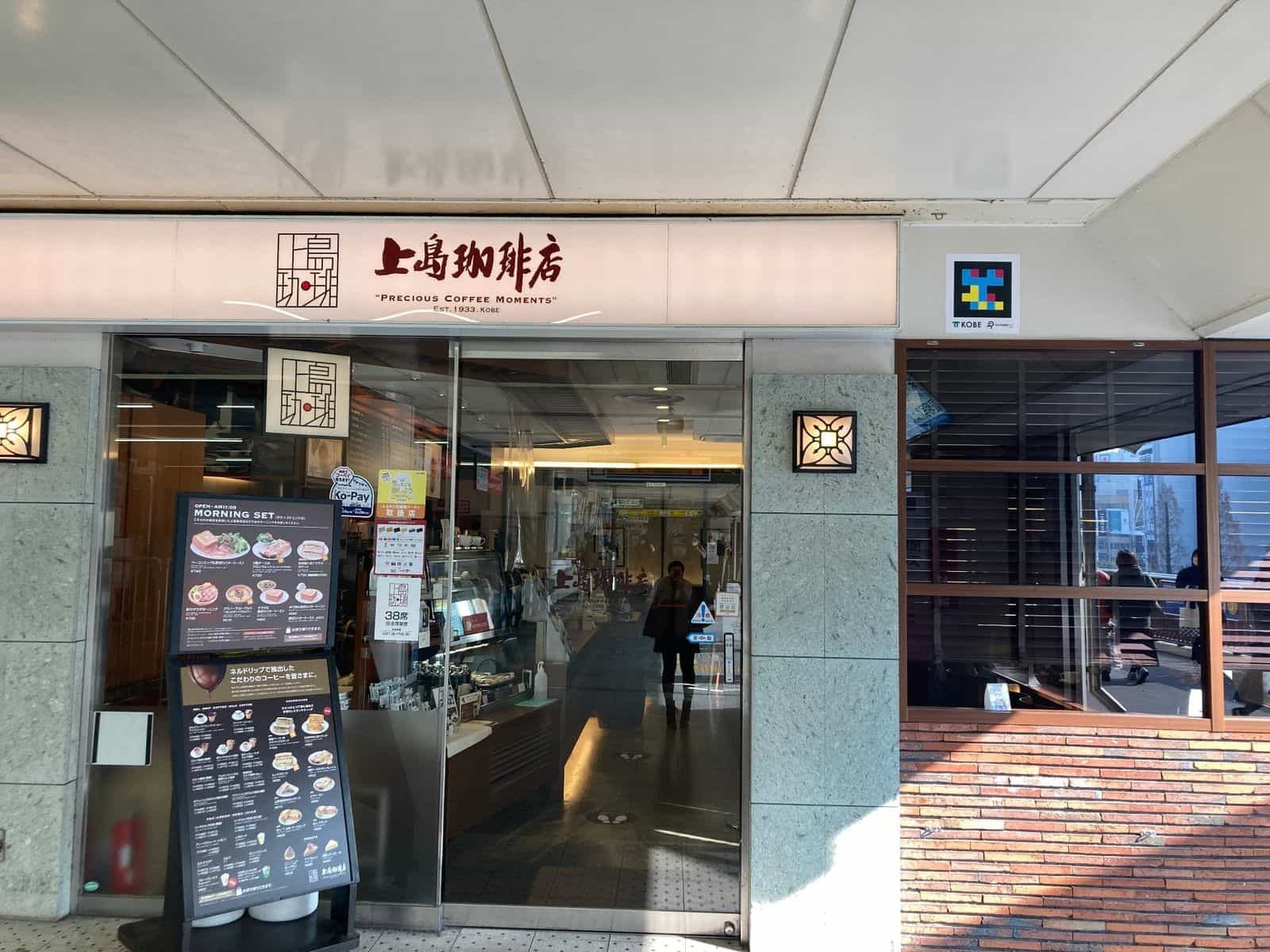
Real NaviLens deployment at JR Sannomiya, the Port Liner turnstiles, the P01 → Kobe Airport platform, the braille-enabled ticket machine, the Iryō Center information point and the Ueshima Coffee in Sannomiya — operated by NPO Ai-Collaboration Kobe within Be Smart KOBE.
Dec 2021
Official launch within Be Smart KOBE
3 stations
JR Sannomiya · Municipal subway · Port Liner Sannomiya
100 ft
Detection range of each NaviLens tag
3 scenarios
Wayfinding · vending · platform fall prevention
The client
神戸市 — Be Smart KOBE
Kobe (神戸市), capital of Hyōgo Prefecture and Japan's sixth city, has long pursued an urban agenda that joins smart-city, health and accessibility: from the Port Island biomedical cluster to the 2024 World Para Athletics.
Be Smart KOBE is the City's digital-services arm. NaviLens entered the portfolio via Accessibility Festival 2021; the pilot is run by NPO Ai-Collaboration Kobe together with NEXT VISION (Kobe Eye Center) and Shinohara Denki (Osaka).
§ The challenge
Let the city walk you, not just inform.
- 01
Connecting three rail operators without construction
Sannomiya is the heart of Kobe and a hub of three networks (JR West, Seishin-Yamate Subway and Port Liner). Each has its own signage and staff. The challenge: that a blind and low-vision person can move between the three and reach the Kobe Eye Center without needing to ask for help on every platform.
- 02
Solving concrete platform problems
The pilot goes beyond wayfinding. At Misakikoen (Kaigan Line) the tags warn that there are tracks on both sides of the platform and where the train doors are — a textbook fall-prevention case. At Iryō Center the tags label vending machines: brand, flavour, price and button position.
- 03
Preparing the layer for GTFS and local commerce
The city's next step is to link the tags to the GTFS feed of subway and buses (“next train to Sannomiya in 2 minutes”) and open it to local commerce: “20 m to your left, a café; 16 m to your right, a konbini”.
§ The solution
Printed tags that speak at 12 m.
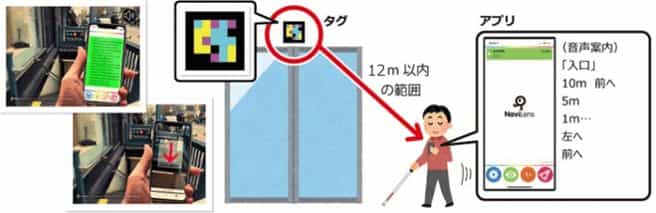
NaviLens and NaviLens GO read the codes up to 100 ft away, in motion and without focusing: the app announces “entrance, 10 m, straight ahead”, “5 m…”, “1 m, turn left”. On the map, that translates the full Sannomiya route—JR, municipal subway and Port Liner—to the Kobe Eye Center.
The same app that already guides at New York's subway or Barcelona's — deployed here by a local NPO with support from the City.
§ Beyond wayfinding
Safe platforms and readable vending.
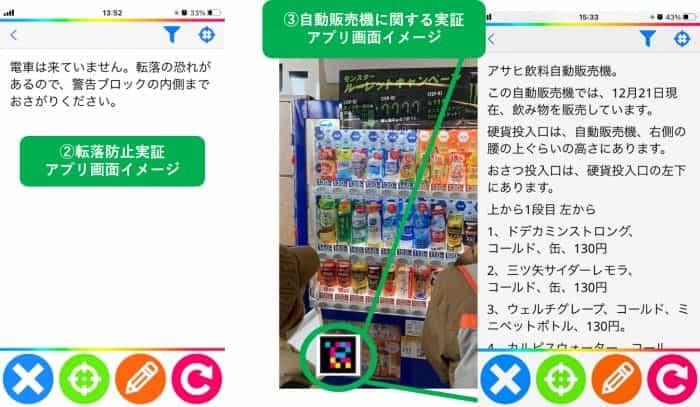
At Misakikoen station on the Kaigan Line, tags announce by voice that “the platform has tracks on both sides” and where the train doors are — a fall-prevention case the City itself documents as 転落防止実証.
At the Asahi vending machine on the Iryō Center platform, NaviLens reads the brand, flavour, price and exact position of each button (“top row left: Dodecamin Strong, cold, can, 130 yen”). Same principle, carried into vending and retail.
§ Timeline
From Port Island to Kobe Airport.
- Dec 2020
Be Smart KOBE — first public trial
Kobe Shimbun covers the first outdoor deployment on Port Island (Chūō-ku Kōjima 9): a group of blind and low-vision users tries NaviLens outdoors, reading printed tags several yards away with their smartphone.
- Dec 2021
Official launch of the City program
As part of Be Smart KOBE, the pilot starts “through March 2022” at JR Sannomiya, the Seishin-Yamate municipal subway Sannomiya, Port Liner Sannomiya, Port Liner Iryō Center and the Kobe Eye Center itself. Run by NPO Ai-Collaboration Kobe with NEXT VISION and Shinohara Denki.
- Sep 2023
Extension to Kobe Airport (Kansai Airports Kobe)
Kansai Airports Kobe announces the NaviLens trial at Kobe Airport starting 28 Sep 2023, replicating the Sannomiya scheme up to airside. Coverage in Kobe Keizai News and ACI Asia-Pacific.
- Nov 2023
“From airport to rail”— world-first trial
On 15 Nov 2023, Ai-Collaboration Kobe runs an end-to-end test from JR Sannomiya to Kobe Airport—announced as the world's first “airport to rail” trial, ahead of the 2024 World Para Athletics Kobe. Coverage: Sun TV News and Kobe Keizai News.
§ What they said
What Nikkei BP, the City of Kobe and Kobe Shimbun said.
“The City of Kobe is running a trial of route guidance and visually-impaired support using colorful 2D-code tags through end of March 2022. Scanning the tags with a smartphone camera running the free NaviLens / NaviLens GO apps triggers voice guidance. The tag is readable from within 40 feet.”
“Guidance 2D-code tags are installed at JR Sannomiya, the Seishin-Yamate Subway Sannomiya, Port Liner Sannomiya, the signage between Port Liner Iryō Center and the Kobe Eye Center, and inside the Kobe Eye Center itself.”
“Colorful tags read by a smartphone app trigger voice guidance — “NaviLens”. A trial of street-walking support using a smartphone voice guidance system has started in Kobe so that blind and low-vision people can walk freely on their own.”
§ Results
A smart city that is also understood without sight.
Multi-operator
JR West · Kobe Subway · Port Liner · Kansai Airports Kobe
Health + Smart City
Be Smart KOBE + NEXT VISION + Kobe Eye Center
End-to-end
From the street to the platform, the plane and the konbini
§ And your network?
Your next station can also speak.
Tell us about your network, your pain points and the KPIs you want to move. We’ll show you how NaviLens would fit—with comparable cases.
Other cases · Transport
View all on the map →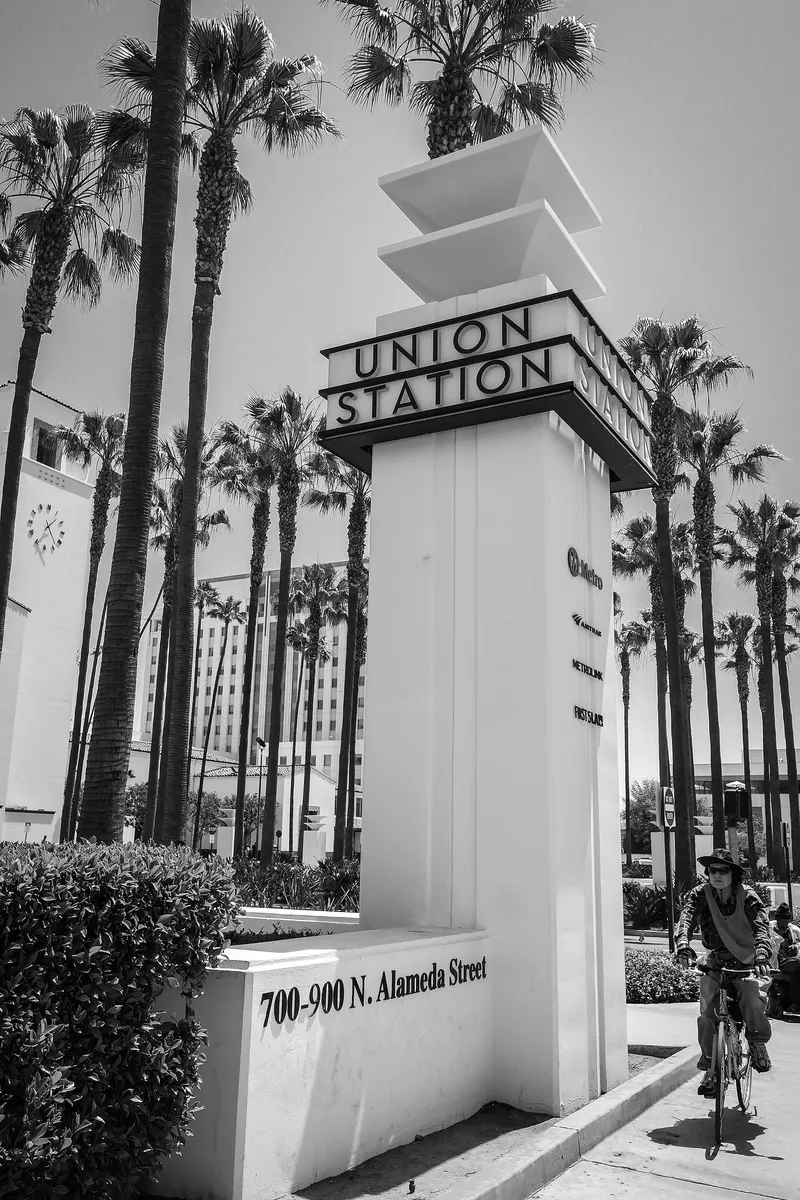
Los Angeles
Los Angeles Union Station — LA Metro pilots NaviLens for accessible wayfinding
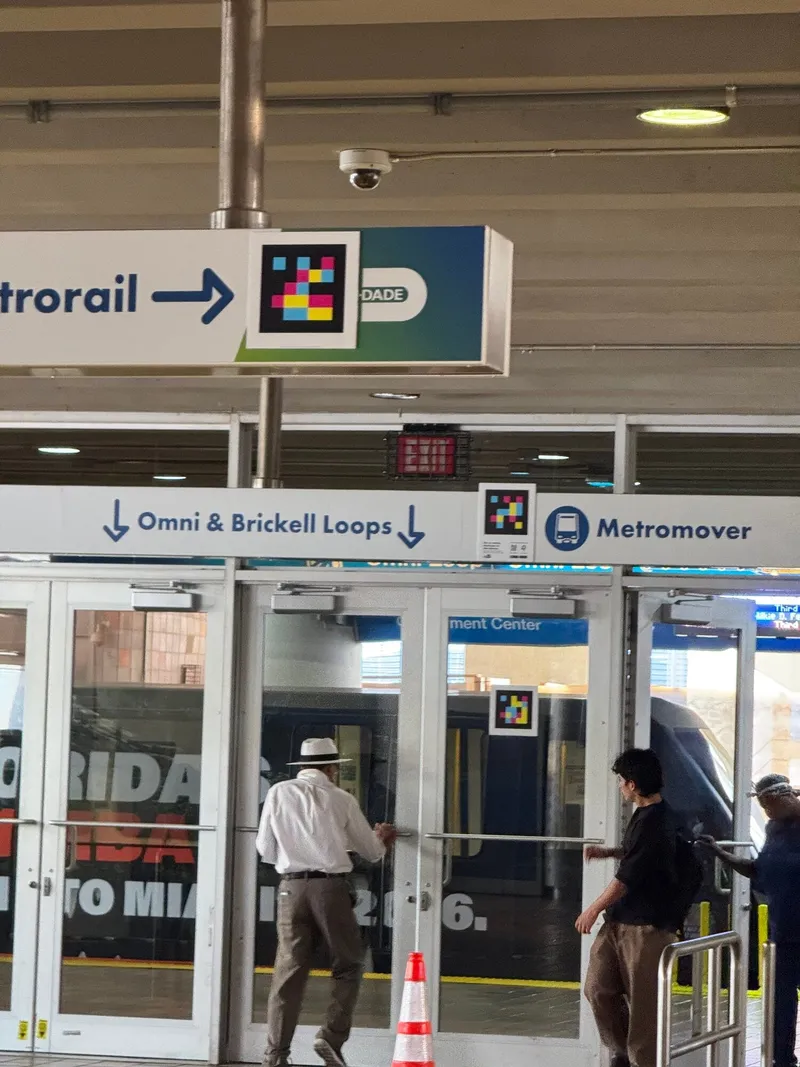
Miami
Miami-Dade DTPW · Government Center Metrorail — first accessible station in Florida with NaviLens
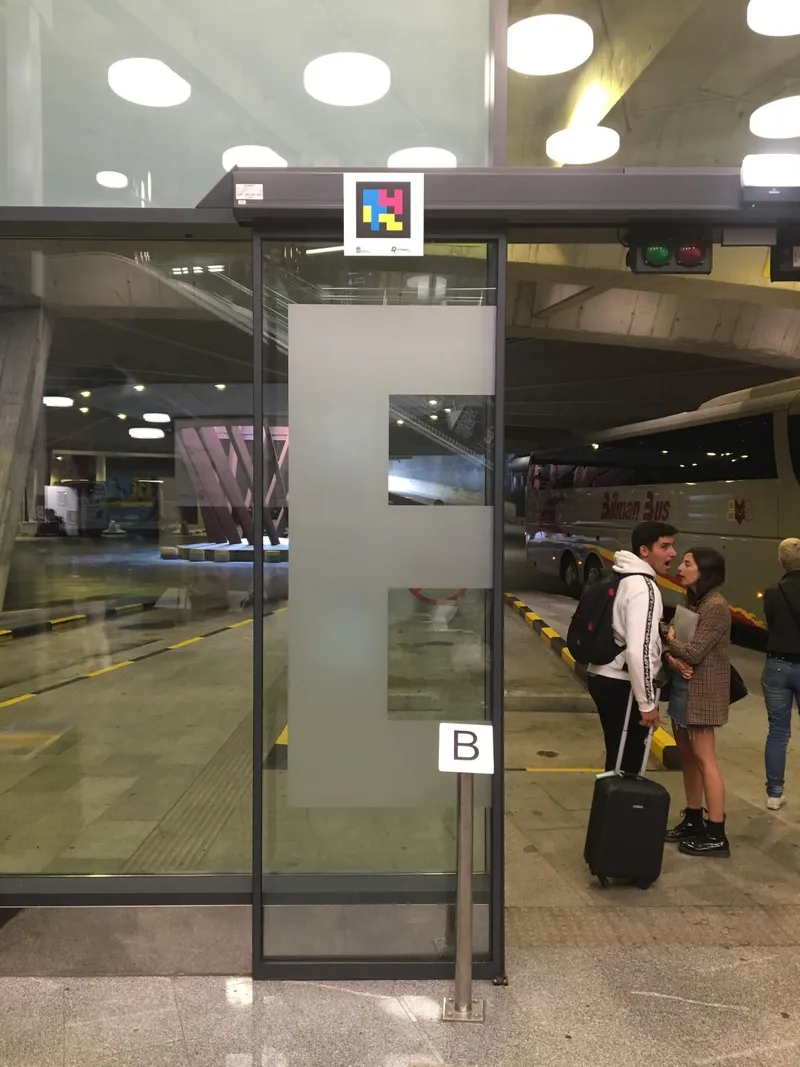
Donostia / San Sebastián
Donostia Geltokia Station — 21 accessible bays with NaviLens (PESA · Lurraldebus · ALSA)