Case study · Montería · Córdoba · Colombia
Los Garzones, the second Airplan airport with NaviLens.
Following the inaugural rollout at José María Córdova (Rionegro), Airplan extends its “¡Todos a bordo! / All aboard for a more inclusive travel experience” strategy to Los Garzones International Airport in Montería-Cereté (IATA MTR, ICAO SKMR, Córdoba), which closed 2025 with a record 1,452,689 passengers and is moving towards international operation after DIAN's customs clearance on 18 February 2026.
MTR · SKMR
Los Garzones International Airport
1,452,689
Passengers 2025 (all-time record)
42 languages
Voice readout up to 100 ft
2nd Airplan
After JMC Rionegro · 6-airport network
The operator
Airplan · Airports of Central-Northern Colombia
Airplan S.A.S. has operated the six airports of central-northern Colombia since 2008: José María Córdova (MDE) in Rionegro, Olaya Herrera (EOH) in Medellín, Antonio Roldán Betancur (APO) in Carepa, and the airports of Quibdó, Los Garzones (MTR) in Montería and Las Brujas in Corozal.
Los Garzones is the main air terminal of the Córdoba department and the entire western Caribbean region. In 2025 it moved 1,452,689 passengers, its all-time best, and recovered the direct route to Barranquilla. Airplan has invested COP 130 billion in its modernization and is currently building a façade extension and the new international hall to host the first overseas flights.
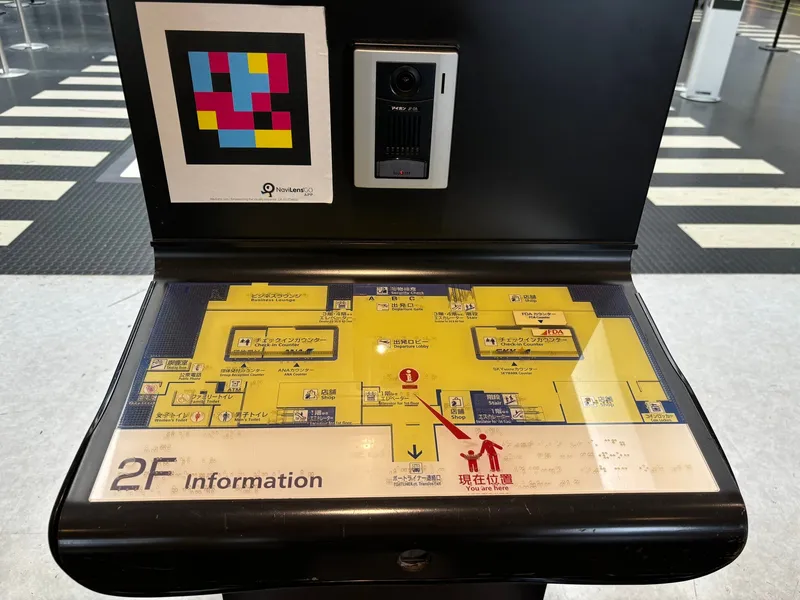
Against this backdrop, Los Garzones adopts the universal-accessibility standard Airplan launched at José María Córdova: NaviLens codes on wayfinding signage, check-in counters and critical terminal points, with voice readout in 42 languages from 100 ft away, with no need to aim the camera.
§ How it fits in the Airplan network
A single accessibility standard across the entire concession.
- 01
Continuity with José María Córdova
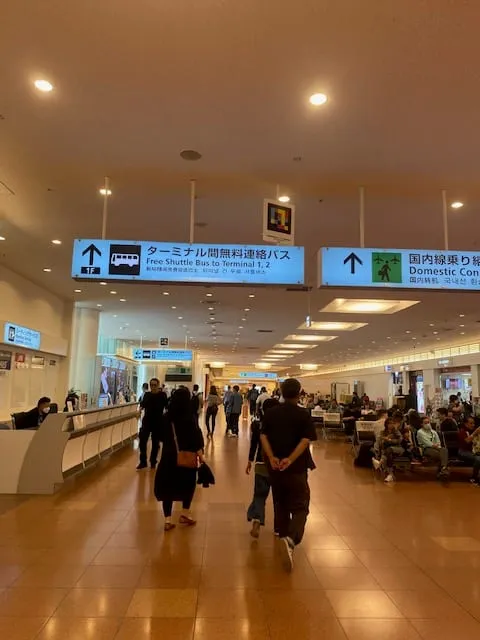
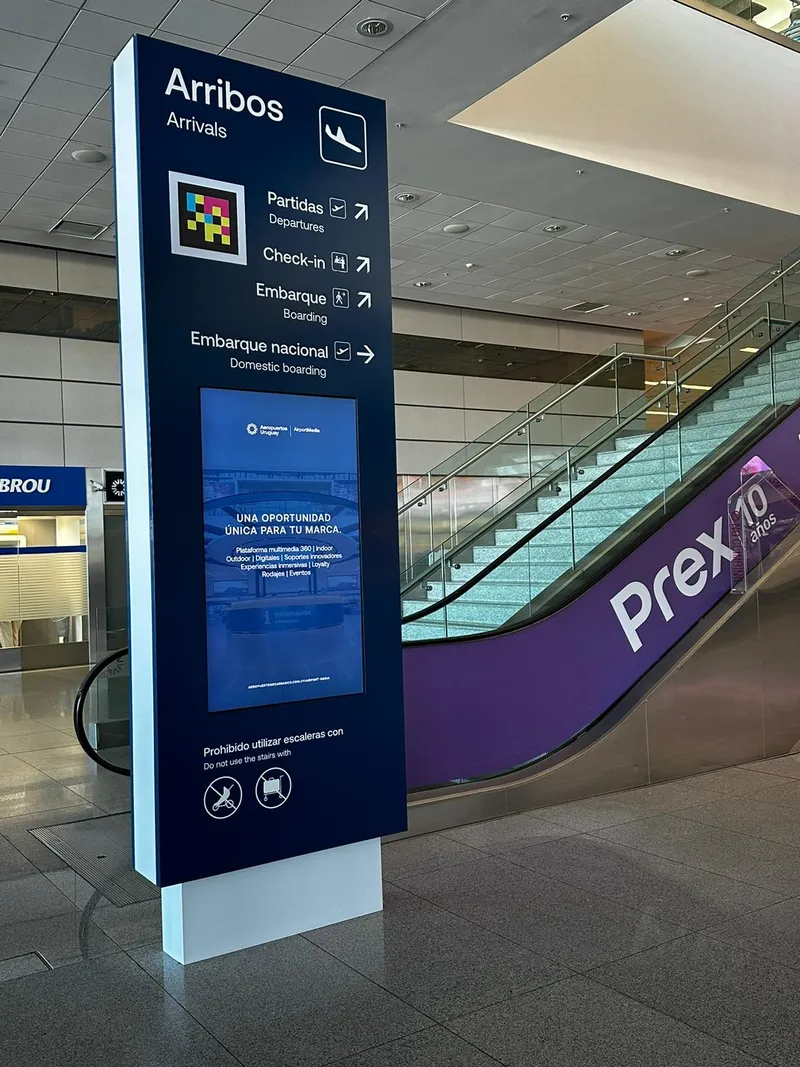
The rollout replicates the playbook proven at MDE (Rionegro): codes on bilingual ES/EN hanging signage, on check-in counters and on boarding gates linked to the FIDS. A frequent flyer in the Airplan network finds the same visual and aural pattern when arriving at Los Garzones.
- 02
Internationalisation and new passenger hall
On 18 February 2026 DIAN cleared Los Garzones for customs operation, a key step towards the first international flights (two weekly frequencies planned). NaviLens codes go into the new international hall and migration flows from day one, not as a later add-on.
- 03
Regional airport with record traffic
With 1.45 M passengers in 2025 and 20,328 operations, Los Garzones combines commercial flights (Avianca, LATAM, Clic Air, Satena, JetSMART) with growing institutional weight as a hub for the western Caribbean. NaviLens scales universal accessibility to the actual volume of a regional terminal, not a pilot.
§ The site of the rollout
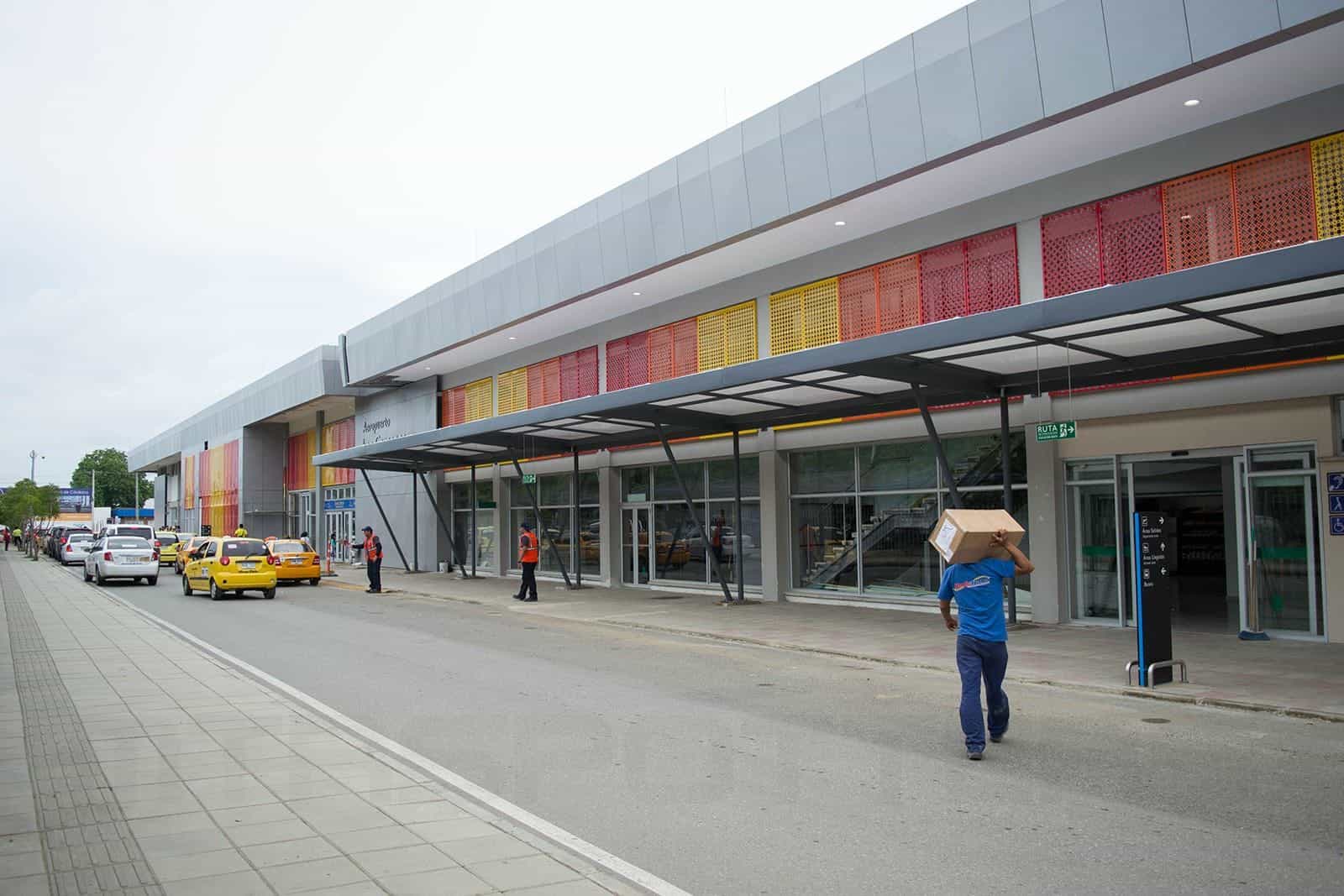
The Montería-Cereté terminal in pictures.

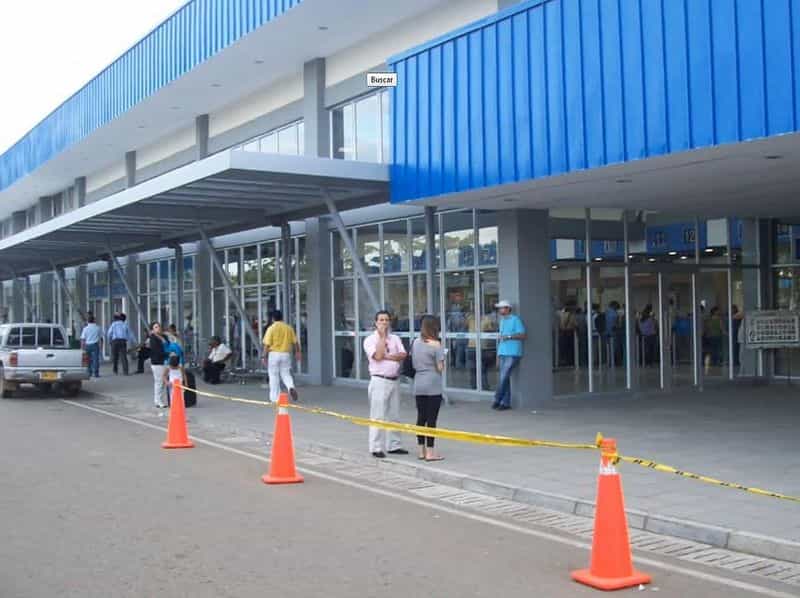
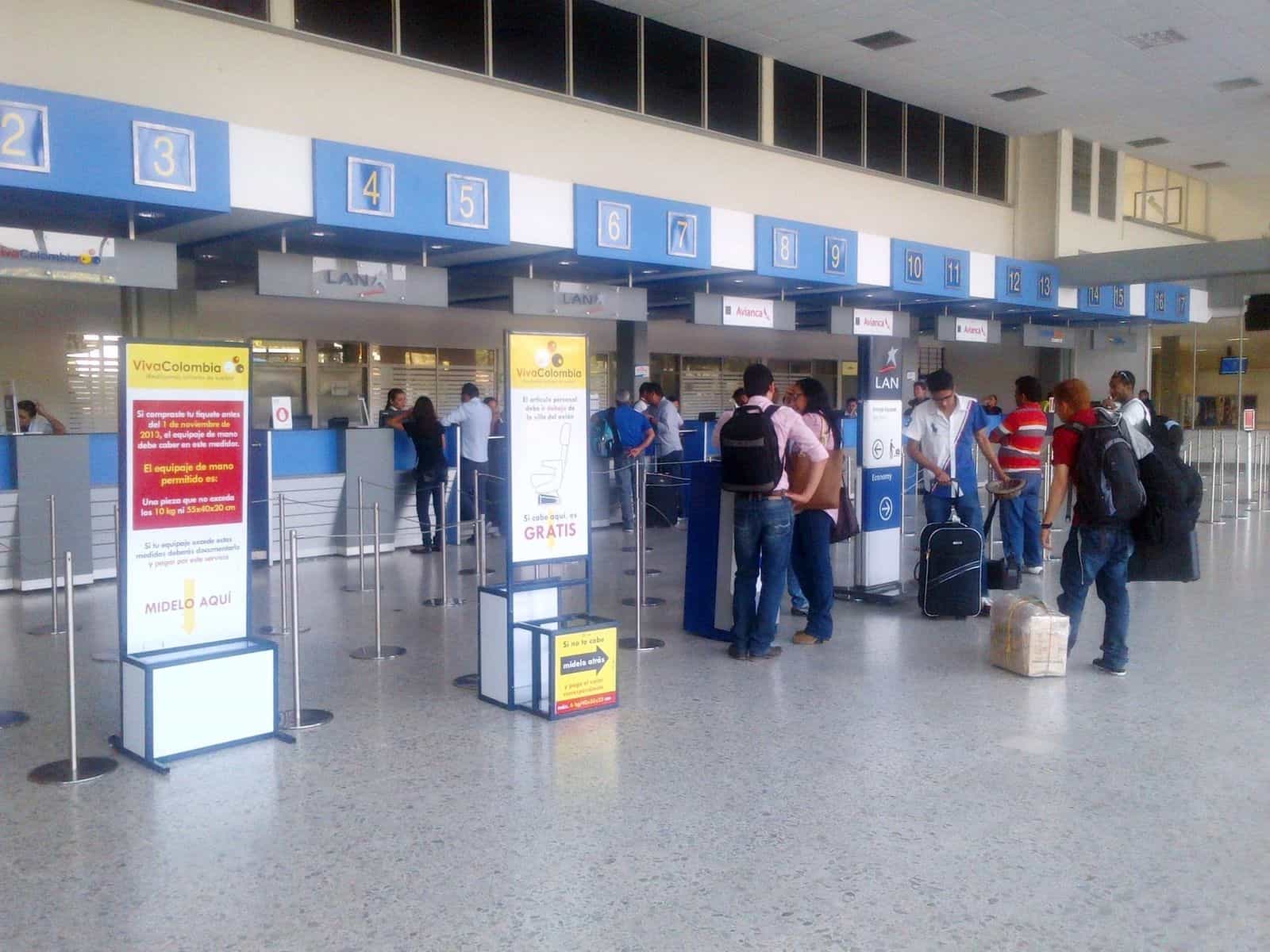
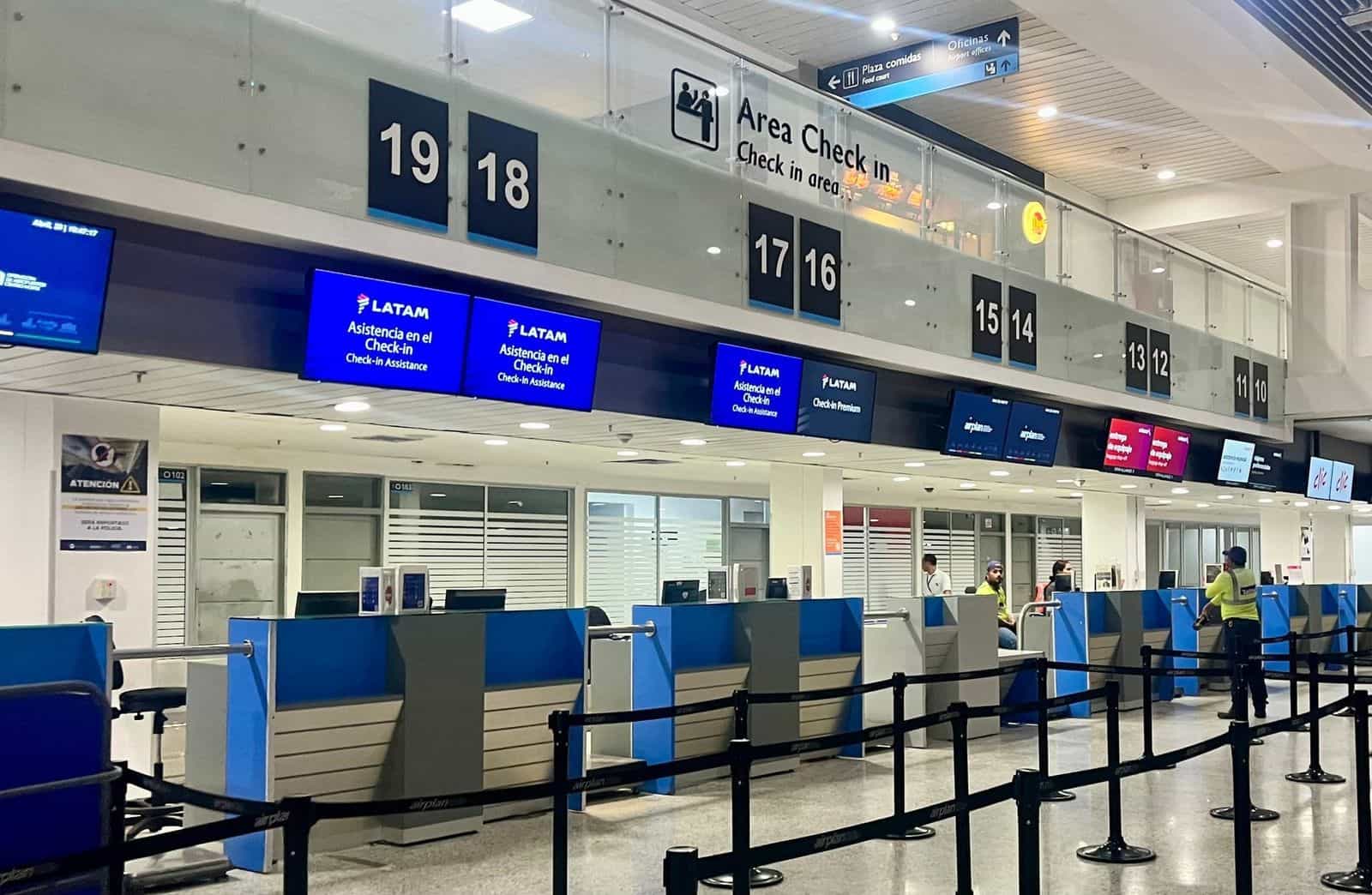
Airport images: Wikimedia Commons (free licence).
§ Why it matters
Universal accessibility at the air gateway of the western Caribbean.
1.45 M/yr
A regional terminal with record traffic (1,452,689 pax in 2025, growth over 1.4 M in 2024) and international ambition. NaviLens scales universal accessibility to a real volume of demand, not a pilot.
Airplan network
The second airport in the concession with NaviLens (after MDE Rionegro). The standard is replicated on signage, check-in and critical zones, paving the way for Olaya Herrera (EOH), Antonio Roldán Betancur (APO), Quibdó and Corozal.
International
After DIAN clearance (18 Feb 2026), Los Garzones enters its international phase with NaviLens already present in the new hall and migration flows — accessibility from day one, not as a later add-on.
§ And your network?
Your next station can also speak.
Tell us about your network, your pain points and the KPIs you want to move. We’ll show you how NaviLens would fit—with comparable cases.