Case study · Newark Penn Station, NJ
Newark Penn Station — the 7th busiest train station in the U.S., now
tells its own story.
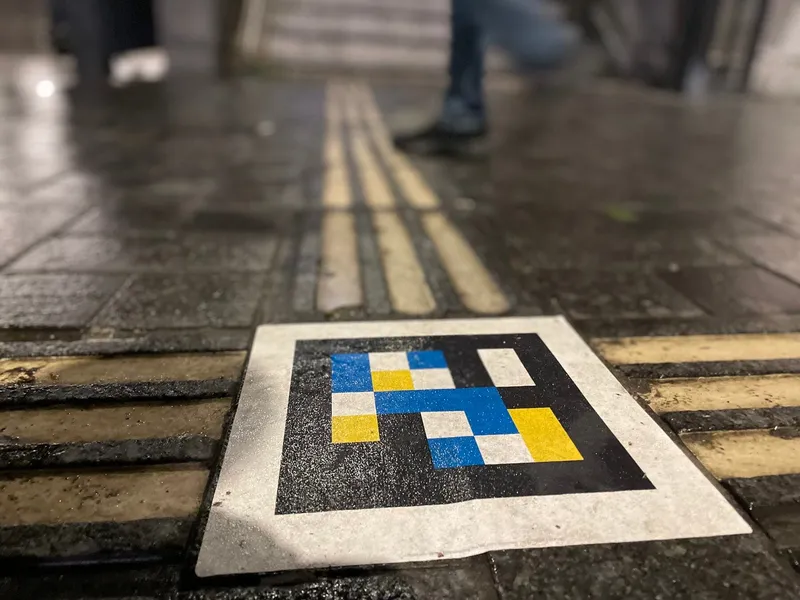
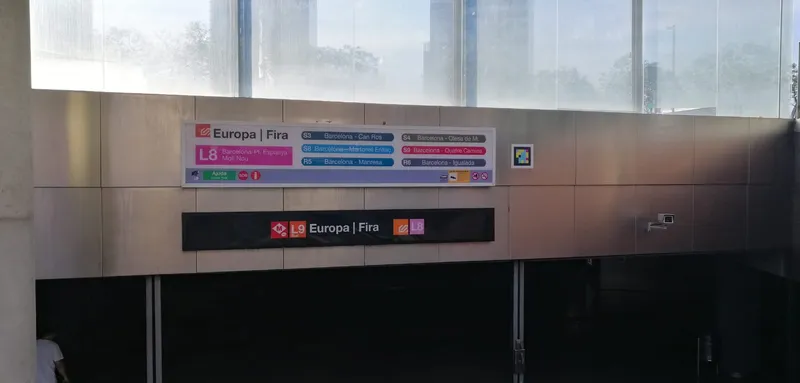
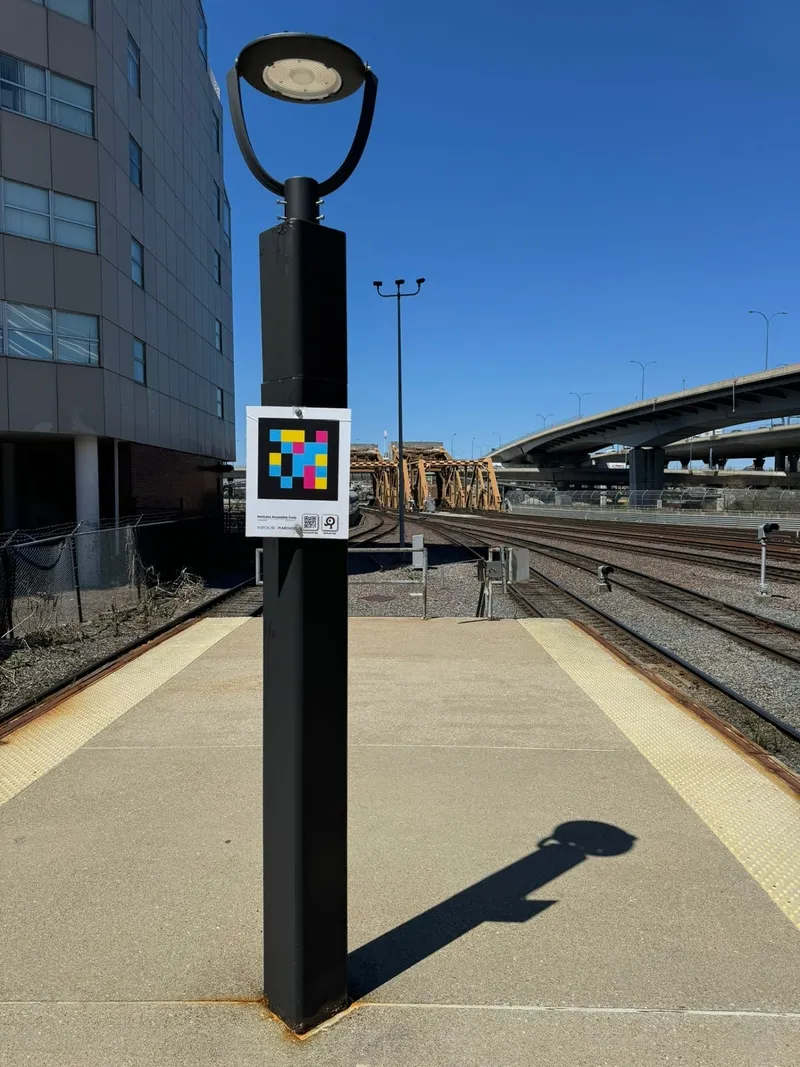
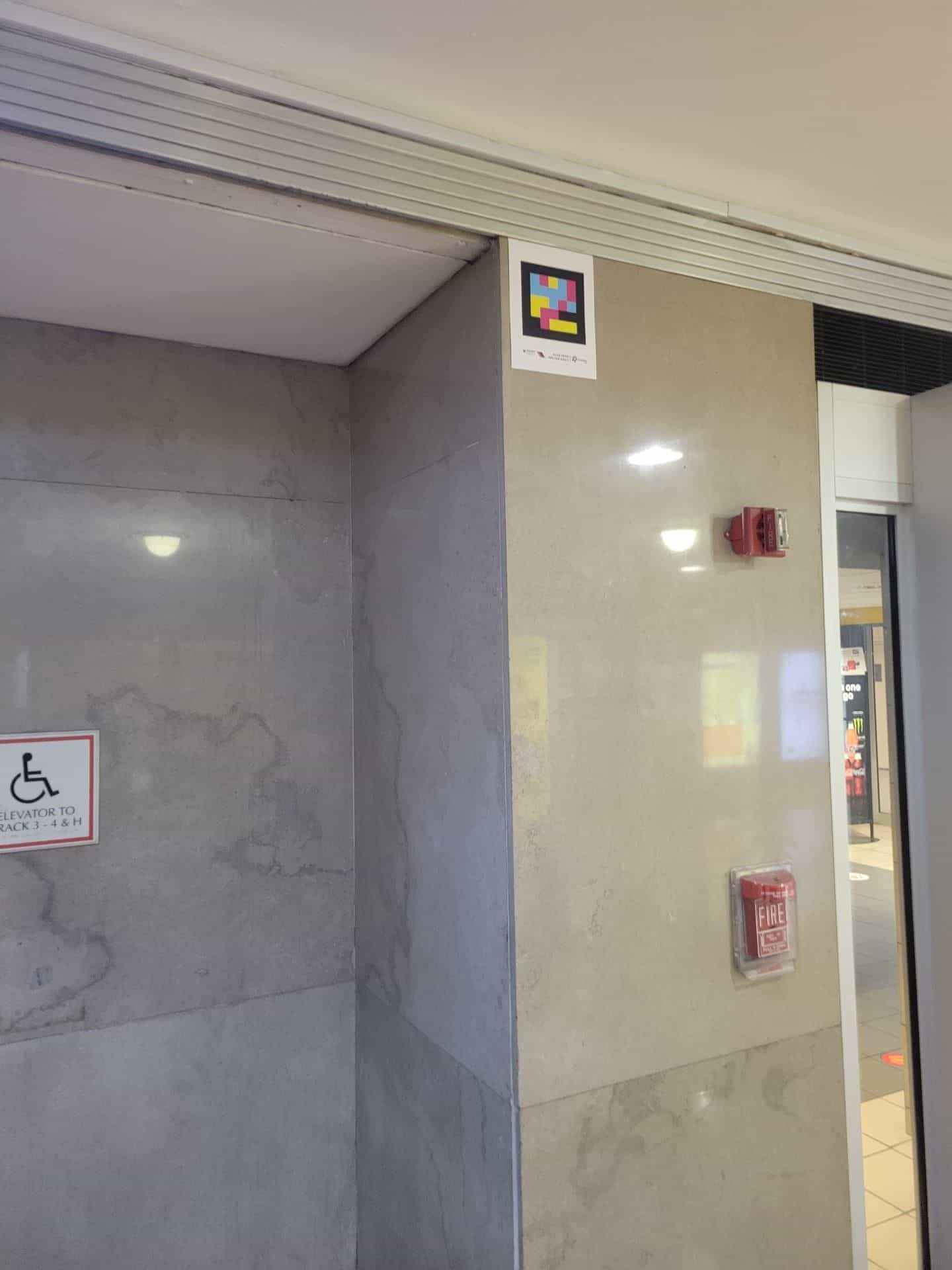
Next to the escalators and the elevators to the tracks, NJ TRANSIT installs NaviLens codes that guide riders by voice, in 42 languages, before they can even see the signage.
7th
Busiest train station in the U.S.
3
Modes: NJ TRANSIT + PATH + Amtrak + Newark Light Rail
60 ft
Detection distance of the NaviLens codes
42
Languages the information is read in
The client
NJ TRANSIT Newark Penn Station
Newark Penn Station is one of the great intermodal terminals of the New York metropolitan area: the 7th busiest train station in the United States and the 4th in the NYC area.
Under one roof it brings together three NJ TRANSIT commuter lines, the Newark Light Rail, the PATH to Manhattan, Amtrak and the main Newark bus terminal. A NaviLens layer has been added on top of that signage to guide riders by voice, as part of NJ TRANSIT's Innovation program.
§ The challenge
So that reaching the right track never depends on reading a sign.
- 01
One of the most complex terminals in the country
Newark Penn Station combines NJ TRANSIT, Amtrak, PATH, Newark Light Rail and buses across multiple levels. Finding the elevator to the right track without sight is a serious task — and static signage can only be read up close.
- 02
Tracks, elevators and stairs physically separated
Getting to the platform depends on choosing the right escalator, fixed staircase or elevator — and each one leads to a different group of tracks (tracks 3-4 and H, for example). A wrong choice means undoing the whole vertical trip.
- 03
An international, multilingual ridership
Newark Penn moves commuters, tourists and connections to Newark Liberty Airport (EWR). English-only wayfinding leaves a large share of daily riders behind.
§ The solution
Codes above every vertical decision.
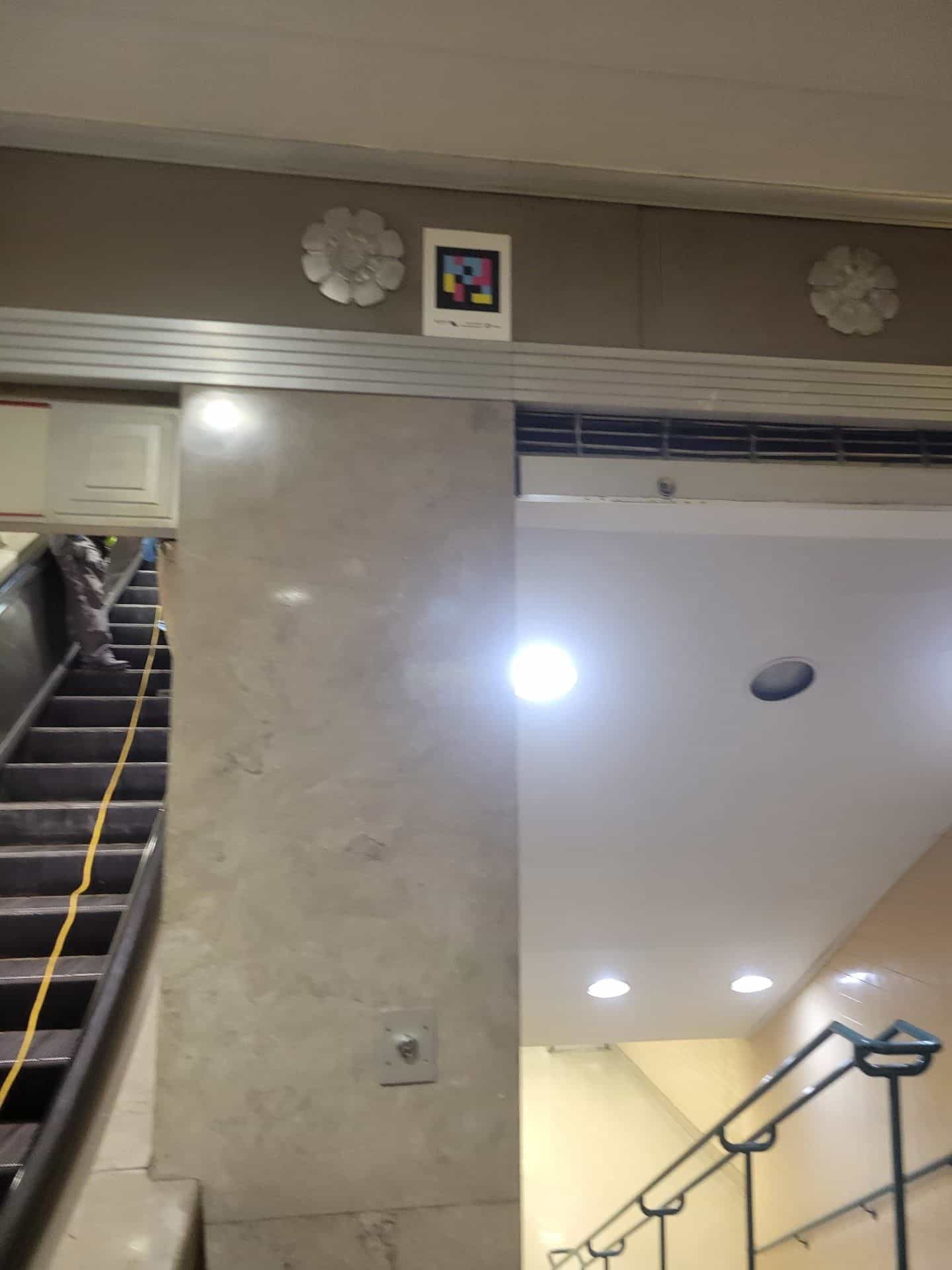
The NaviLens codes are installed high up, exactly where the rider has to decide: take the escalator, the fixed stairs, or head to the elevator that connects to a specific group of tracks.
The app detects them from 60 feet away and tells the rider, in their own language, what that access is, which tracks it leads to and—when available—which train is coming next, without ever having to step up to a sign.
§ Deployment
Codes at the decision points of the main hall.
§ Timeline
From a bus pilot to an intermodal terminal.
- Nov 2023
NJ TRANSIT embraces NaviLens
NJ TRANSIT launches its first NaviLens pilot at 51 bus stops in New Brunswick, as part of its Innovation program, with the stated goal of extending the technology to more assets across the network.
- 2023-2024
NaviLens codes inside Newark Penn Station
In parallel, NaviLens codes appear inside Newark Penn Station: next to the escalators of the main hall and above the corridors leading to the elevators to tracks 3-4 and H.
- Oct 16, 2025
Newark Penn joins the accessibility pilot program
NJ TRANSIT announces that Newark Penn Station is one of two pilot stations (alongside Hoboken Terminal) trialing new accessibility technologies: at Hoboken, GoodMaps for indoor wayfinding; at Newark Penn, Convo, connecting ASL users with live interpreters. NaviLens sits within the same inclusive umbrella.
- Today
Toward integration into the NJ TRANSIT app
The operator's NaviLens program is aimed at integrating the features into the official NJ TRANSIT app and extending the rollout across its bus and station network.
§ What they said
What NJ TRANSIT and the press said.
“NaviLens is the new way to navigate NJ TRANSIT: scannable codes detected from up to 60 feet away with next arrivals, alerts and directions, translated into 42 languages.”
“NJ TRANSIT continues to improve navigation and accessibility throughout its system by piloting new technologies that give customers with disabilities more control over their journey — whether navigating a terminal or communicating with staff.”
“At Hoboken Terminal, GoodMaps guides people inside the building. At Newark Penn Station, Convo links ASL users with live translation.”
“NJ Transit rolls out new phone apps in its two busiest stations—Newark Penn Station and Hoboken Terminal—to help blind, low-vision and sign-language riders navigate and interact with staff.”
§ Results
A wayfinding layer you can hear.
60 ft
Detection without having to aim at the code
Voice + AR
NaviLens app (blind / low-vision) and NaviLens GO (everyone else)
42 languages
Wayfinding information in the rider's own language
"An intermodal station is truly public when anyone—blind, elderly, or new to the country—can reach the right platform without having to ask for help."
§ And your network?
Your next station can also speak.
Tell us about your network, your pain points and the KPIs you want to move. We’ll show you how NaviLens would fit—with comparable cases.