Case study · Guadalajara · Jalisco · Mexico
“For an accessible CUCS, for everyone.”
On 8 August 2024 the University Center for Health Sciences (CUCS) of the University of Guadalajara unveiled the rollout of 17 NaviLens codes across its campus—a digital layer over existing signage that lets blind and low-vision students navigate classrooms, the auditorium and evacuation routes by voice.
17 codes
Deployed across the CUCS campus
41 students
With a disability or health condition
8 Aug 2024
Official launch · CUCS Auditorium
IDB
Funding · Guadalajara Incluyente
The university center
CUCS · University of Guadalajara
The University Center for Health Sciences is one of the largest campuses of the University of Guadalajara, training future professionals in medicine, nursing, dentistry, psychology and related fields. 41 students with a disability or a specific health condition currently study there.
Marcela Páramo Ortega, Director of Inclusion and Attention to People with Disabilities at the Guadalajara City Council, has worked for four years to bring NaviLens to the city. The preparatory phase was carried out by students of CUCS and CUCEA themselves, mapping candidate spaces. The CUCS rollout is the first university implementation of the Guadalajara Incluyente program.
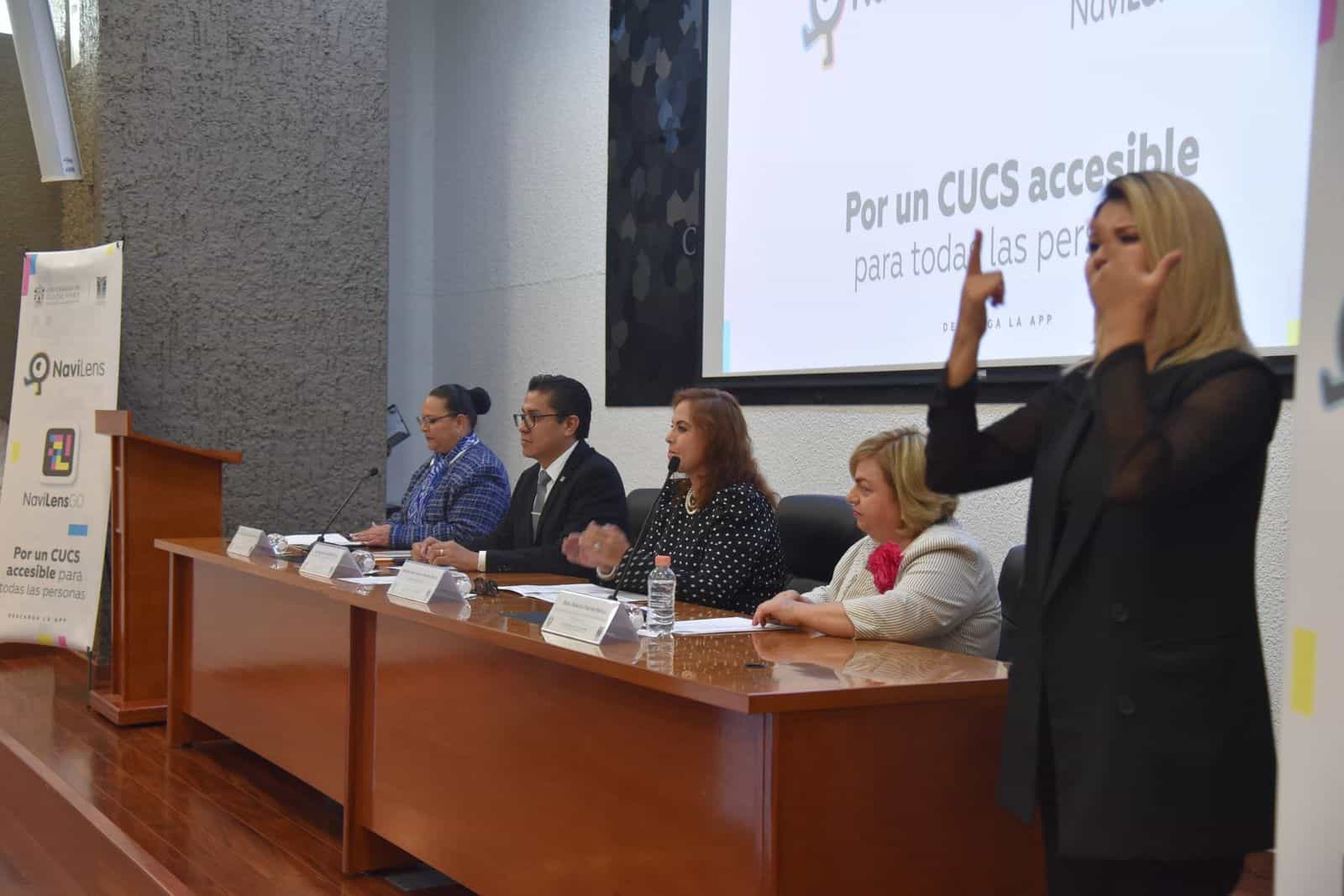
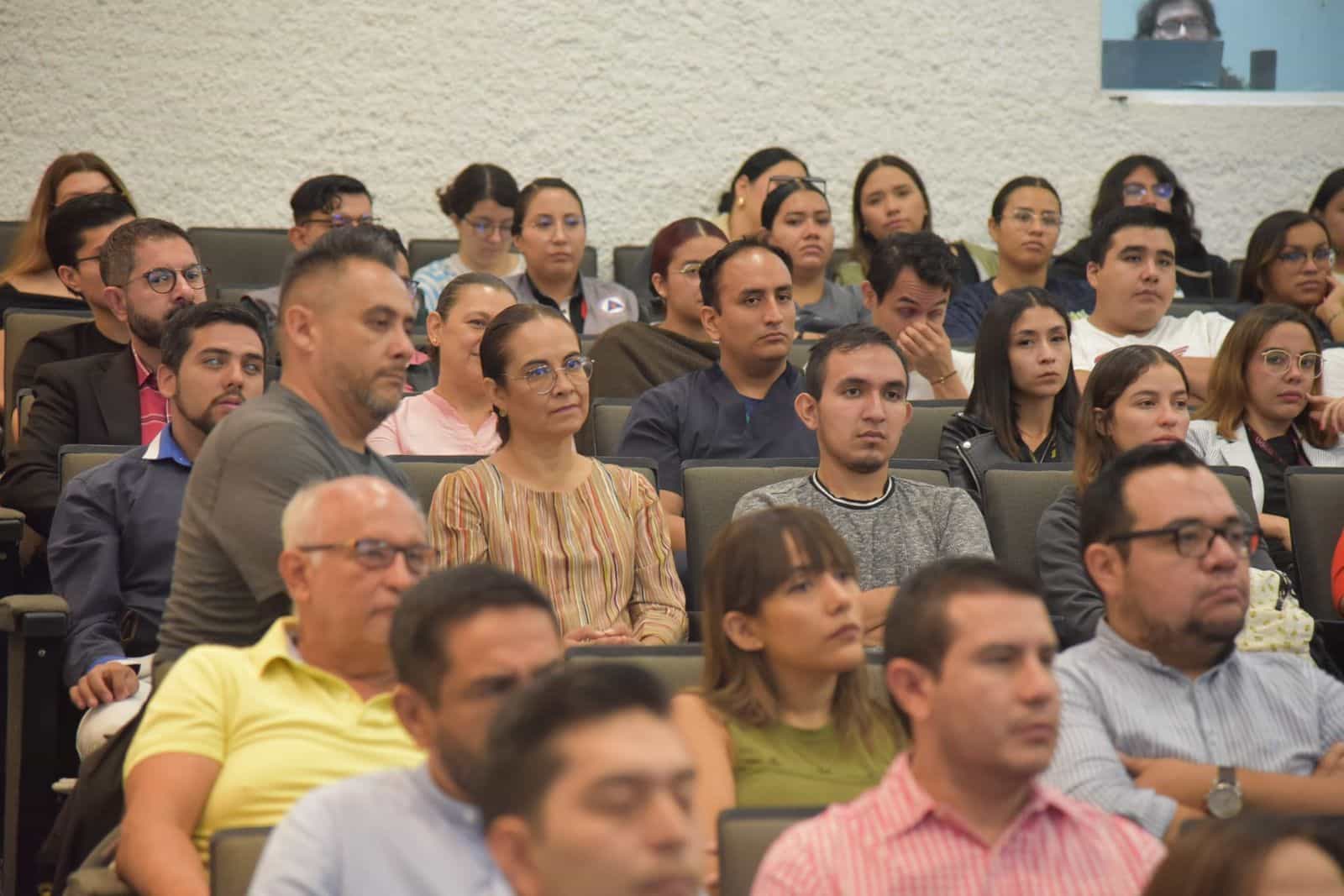
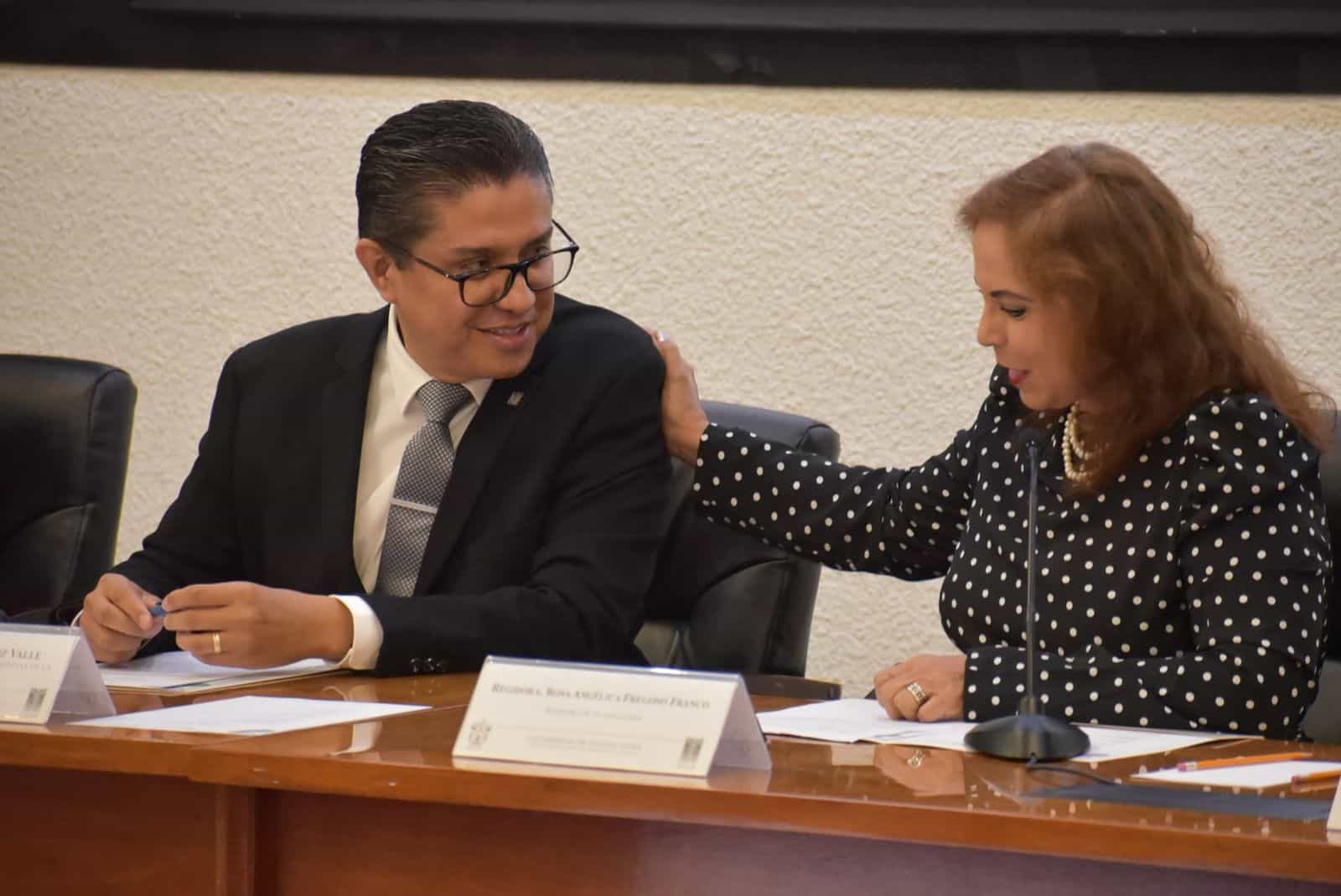
The launch event featured Dr. José Francisco Muñoz Valle (CUCS Rector), Dr. Verónica Beatriz Panduro Espinoza (Academic Secretary), Councillor Rosa Angélica Fregoso Franco and the Mujer Proyecta association, alongside the NaviLens team.
§ How the rollout was designed
17 codes at the key points of the campus.
- 01
Voice-readable emergency exits
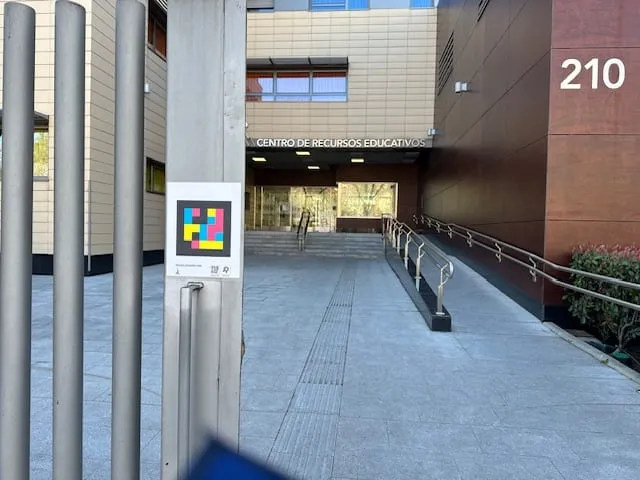
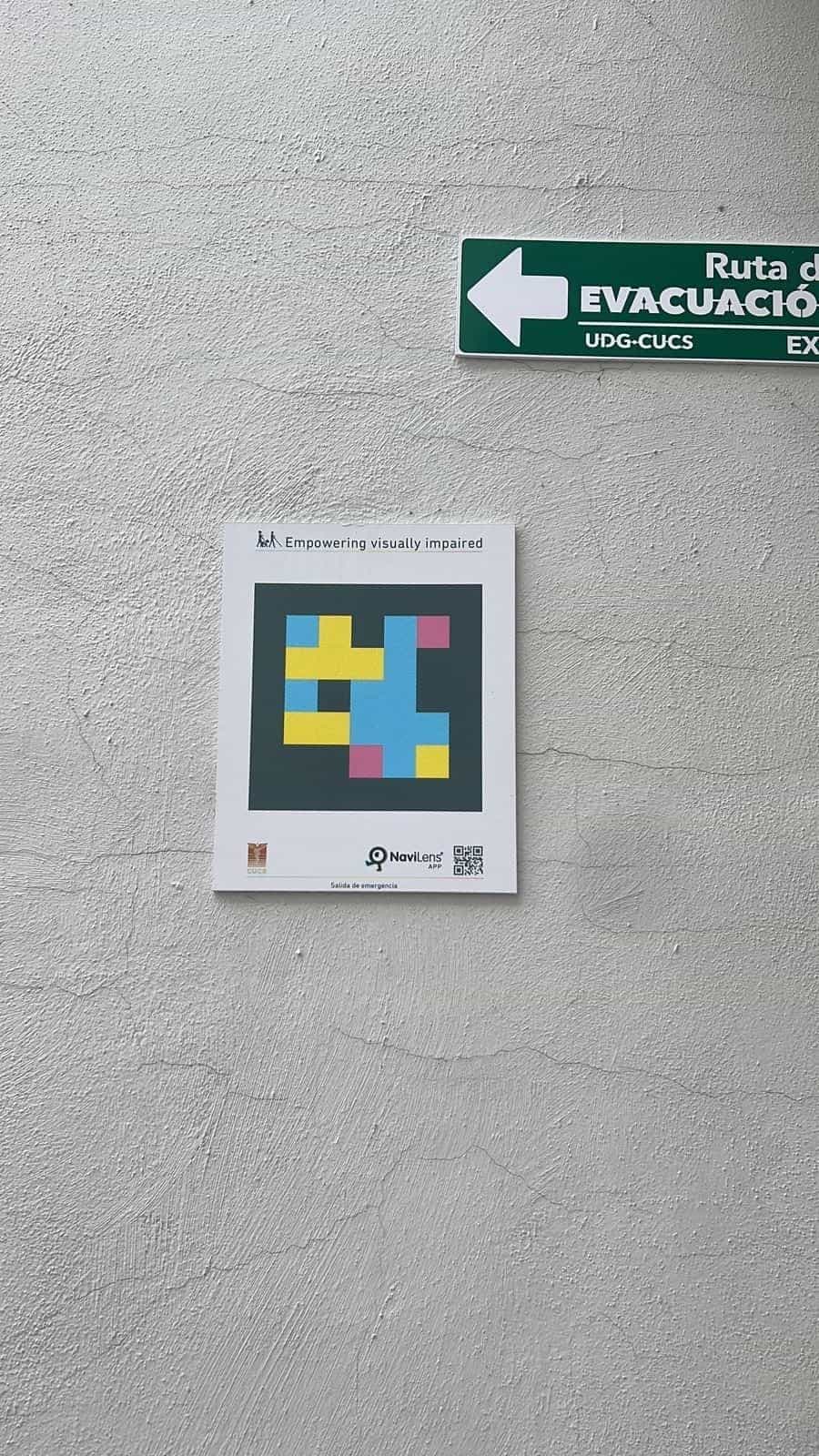
NaviLens codes are placed next to the green “UDG-CUCS Evacuation Route” signs in corridors and classrooms. For a blind or low-vision person, evacuating no longer depends on reading arrows: the app announces by voice where the nearest exit is from the exact point where it is scanned.
- 02
Every academic space, identified
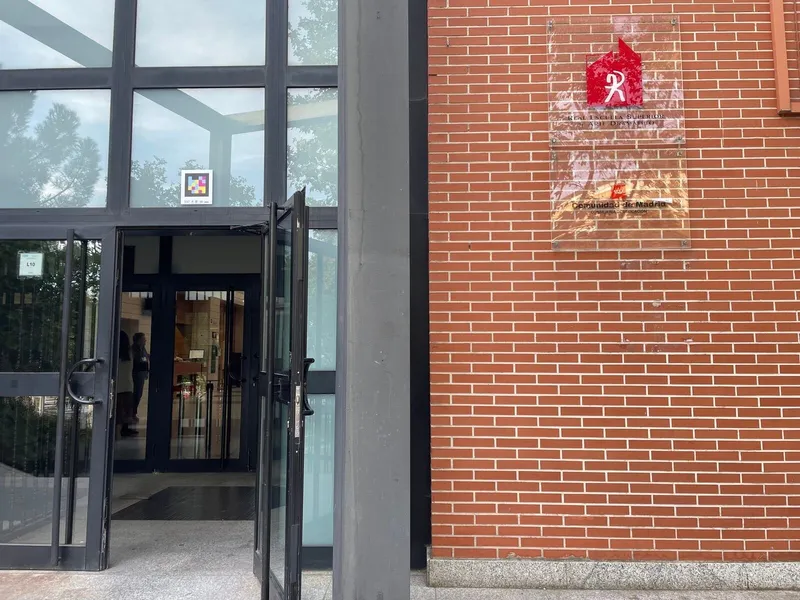
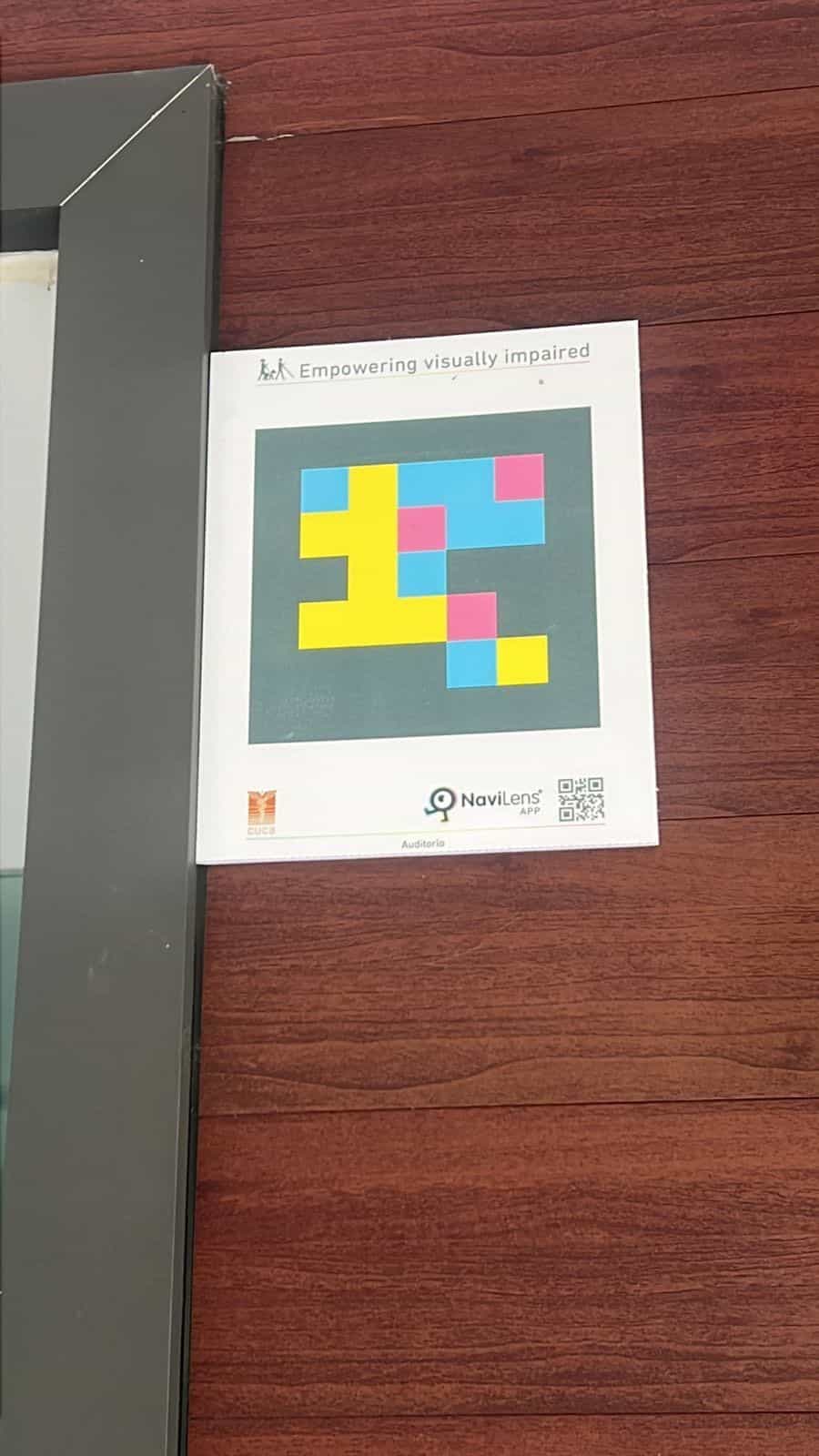
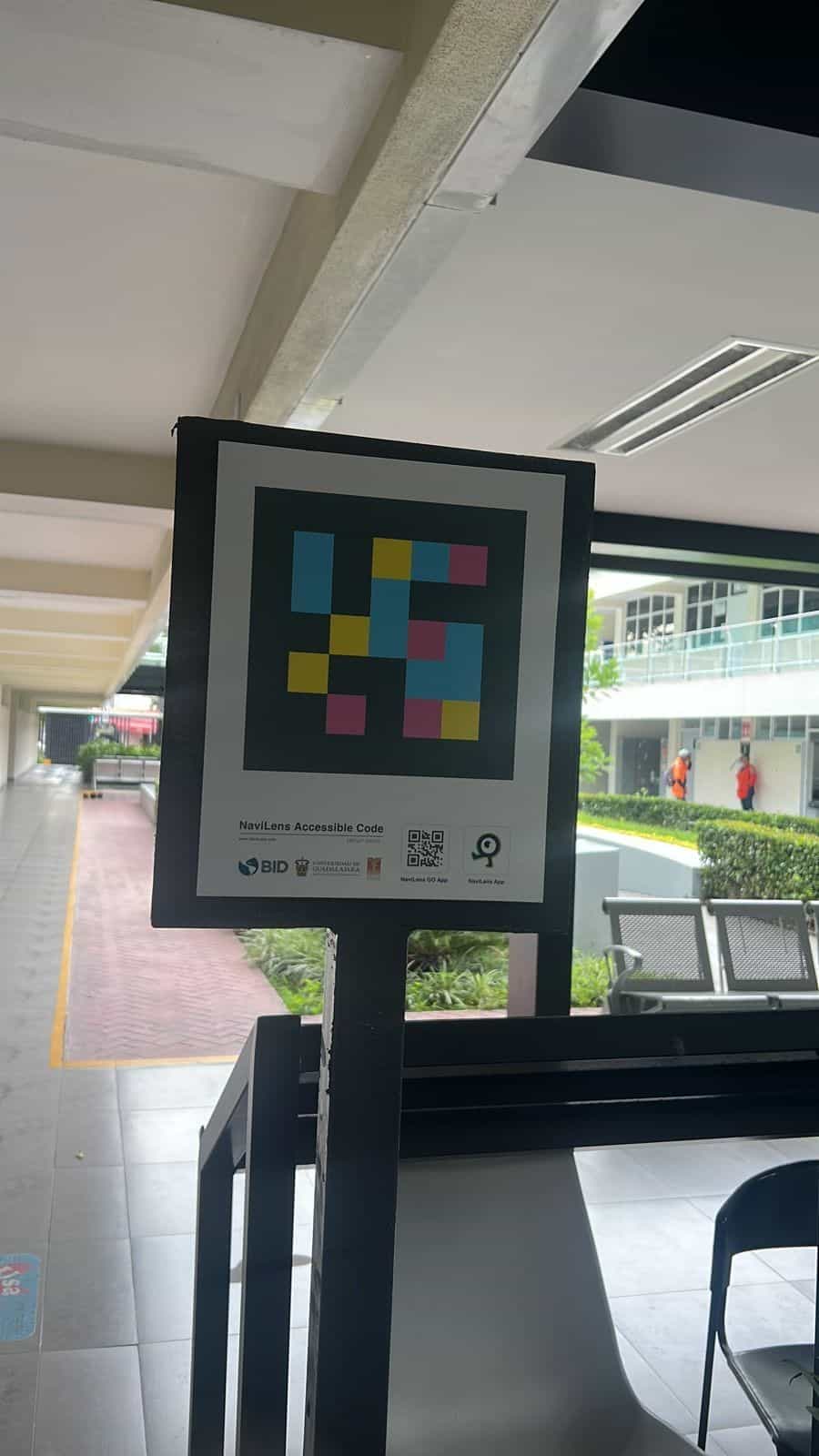
Auditorium, library, classrooms and common areas carry their own NaviLens label. The phone camera recognizes codes from several yards and in backlight: the user knows which door they are at, what lies behind it and how to reach the next campus point without asking.
- 03
Part of the Guadalajara Incluyente program
The CUCS rollout is part of Guadalajara Incluyente, funded by the Inter-American Development Bank (IDB) together with the University of Guadalajara. The same technology also reaches CUCEA, the Jalisco State Public Library and the Supreme Court of Justice.
§ Inside the rollout
From the emergency exit to the auditorium.
§ Official launch
Packed auditorium, Mexican Sign Language interpretation and institutional commitment.
§ Why it matters
A health campus that practises what it teaches.
Autonomy
The 41 CUCS students with a disability or health condition can move through their own campus without asking for help at every junction. The university becomes an independent environment, not an assisted one.
Safety
Placing the code next to every “Evacuation Route” sign turns passive safety into spoken wayfinding: a blind person knows by voice where to head in an emergency, instead of relying on reading green arrows.
Template
The CUCS pilot works as a template for the rest of the UdeG network and for the other pillars of Guadalajara Incluyente: CUCEA, the Jalisco State Public Library and the Supreme Court of Justice.
§ And your campus?
Every classroom and clinic can be guided by voice.
Tell us about your facility, your journeys and your users. We’ll show you how NaviLens would make wayfinding easier.