Case study · Kobe Eye Center + NEXT VISION
An eye hospital
that lets itself be read.
The Kobe Eye Center (神戸アイセンター) is Japan's first dedicated center for ophthalmology and regenerative medicine. On its second floor, NEXT VISION's Vision Park (ビジョンパーク) is the public lab where NaviLens is validated within the isee! movement and Be Smart KOBE.
§ The Kobe Eye Center in pictures
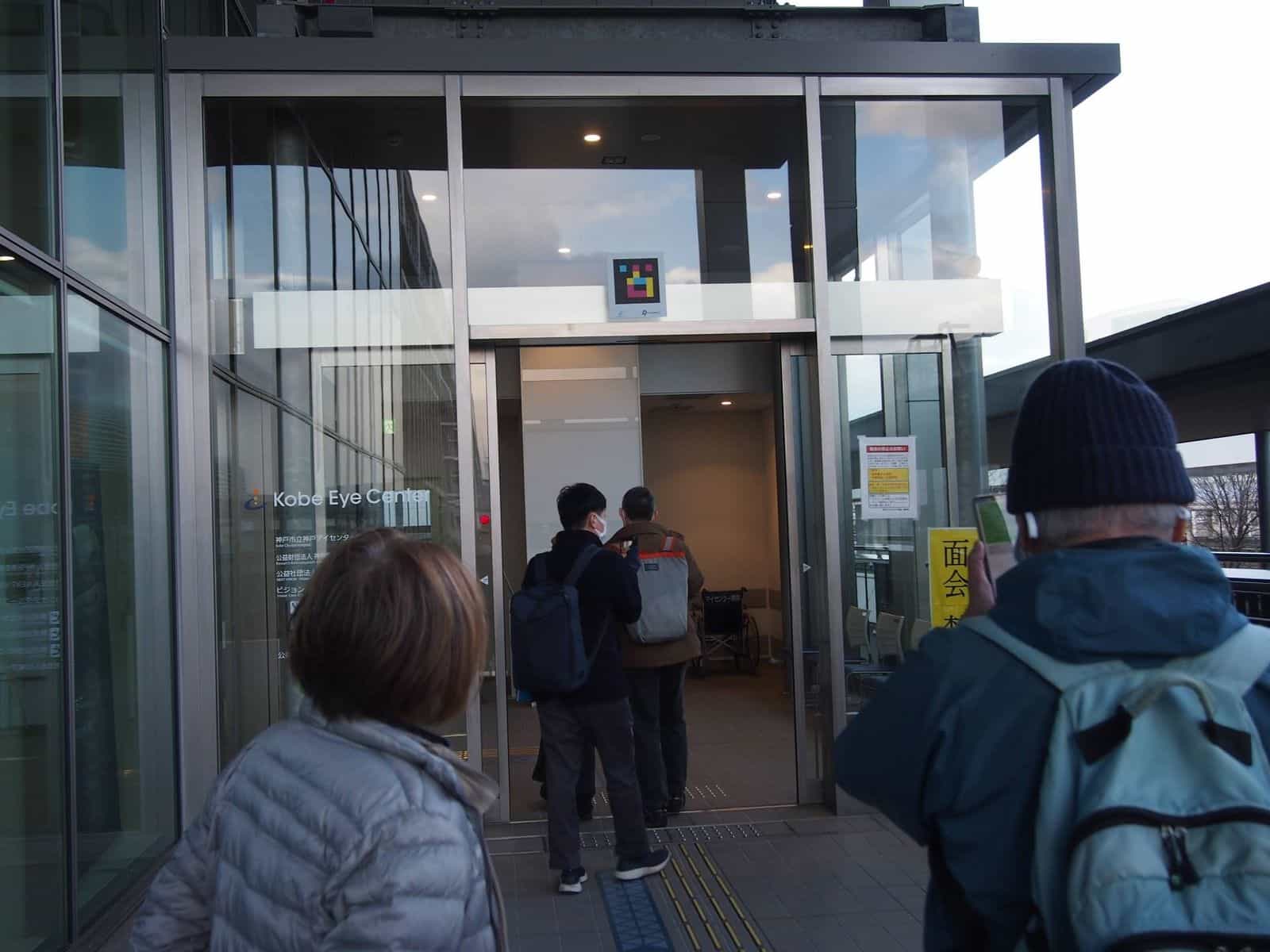
From the entrance to the vending machine — everything in 42 languages.
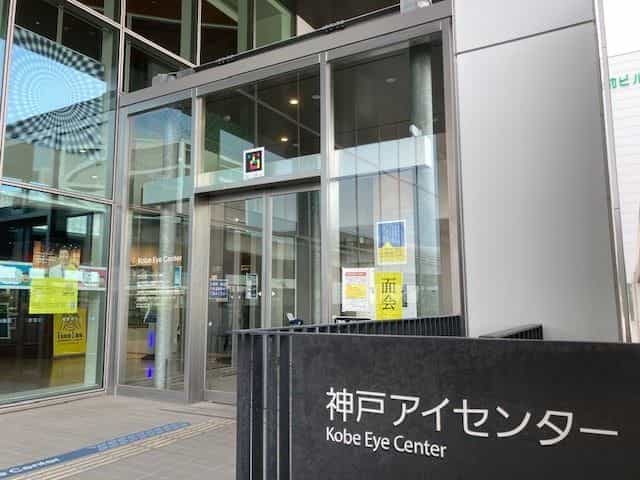
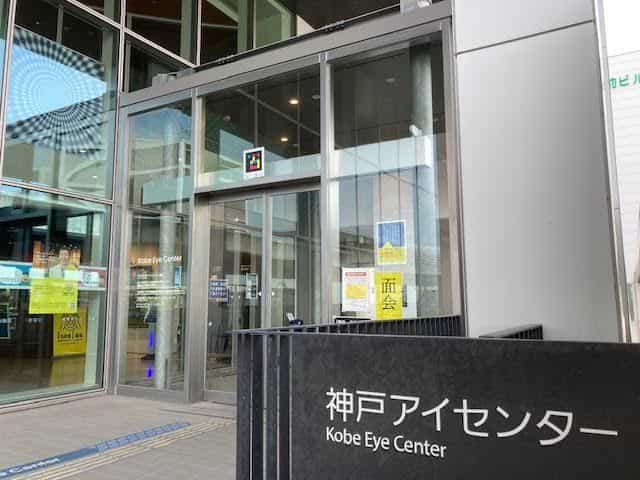
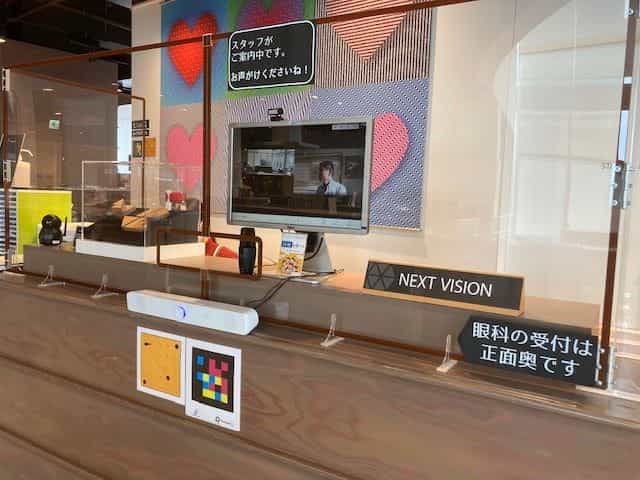
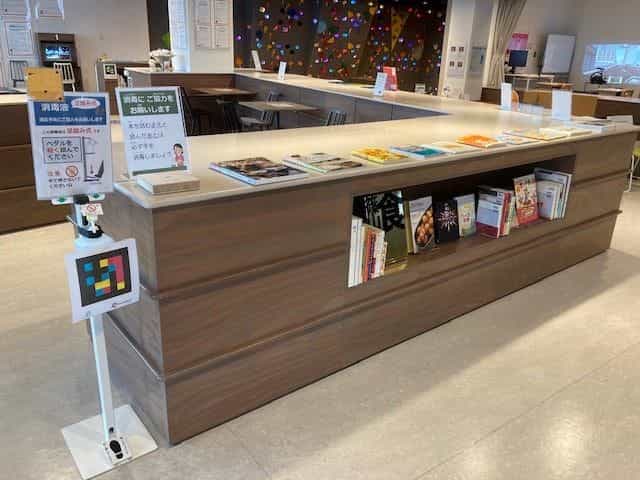
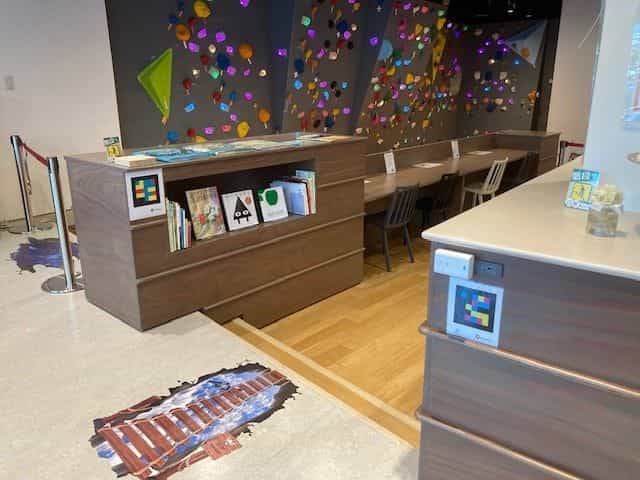
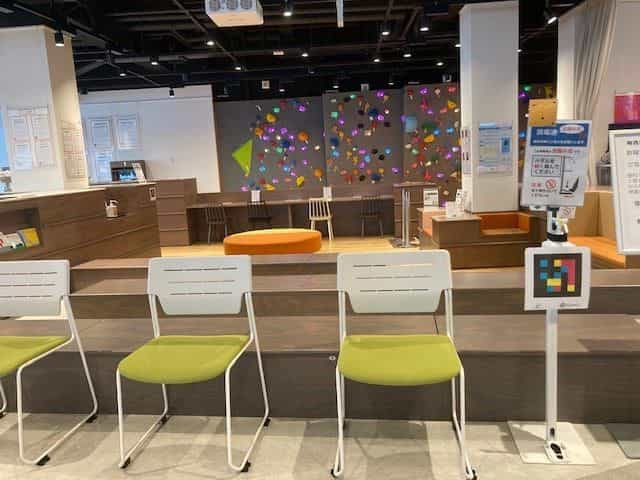
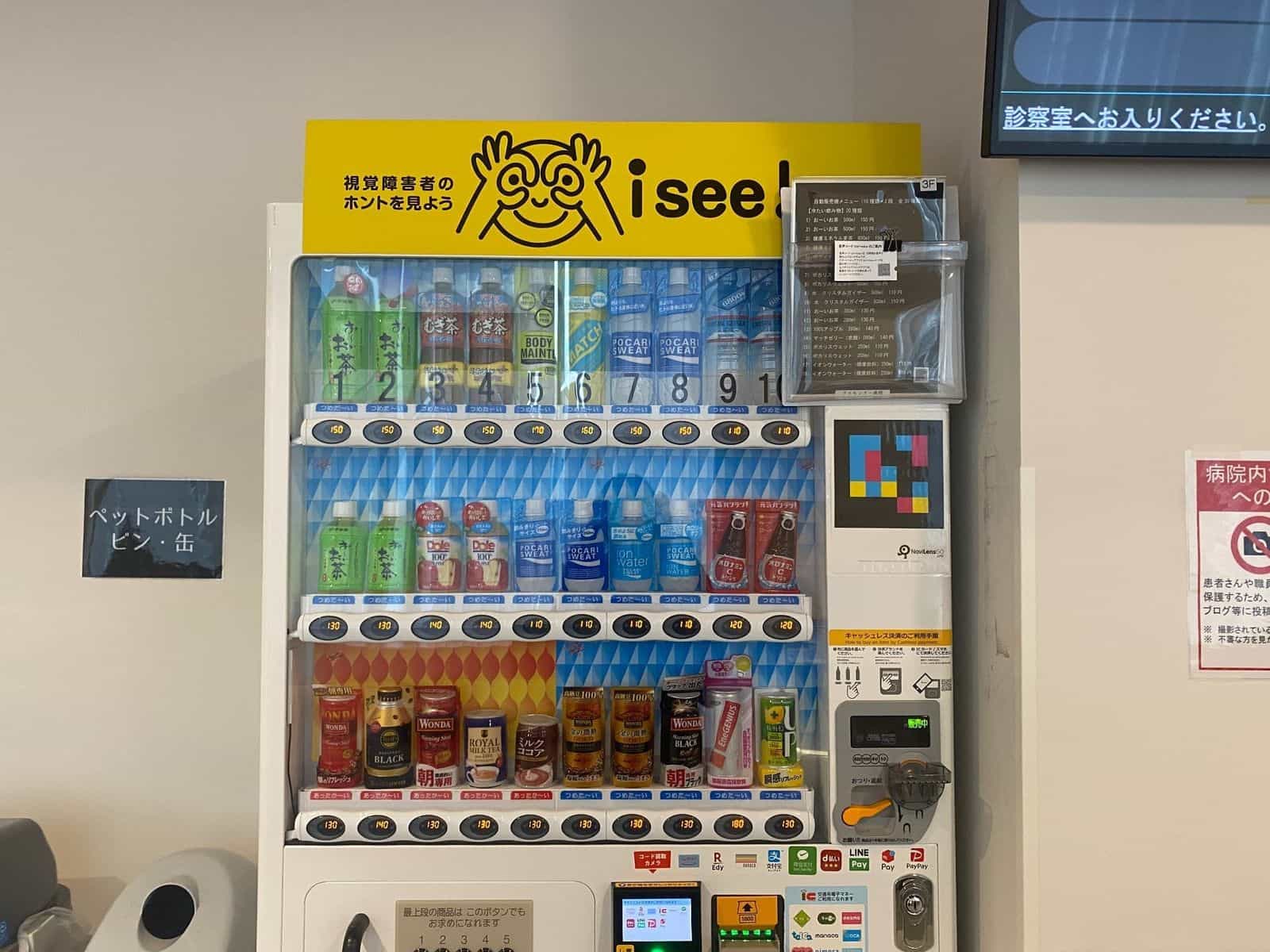
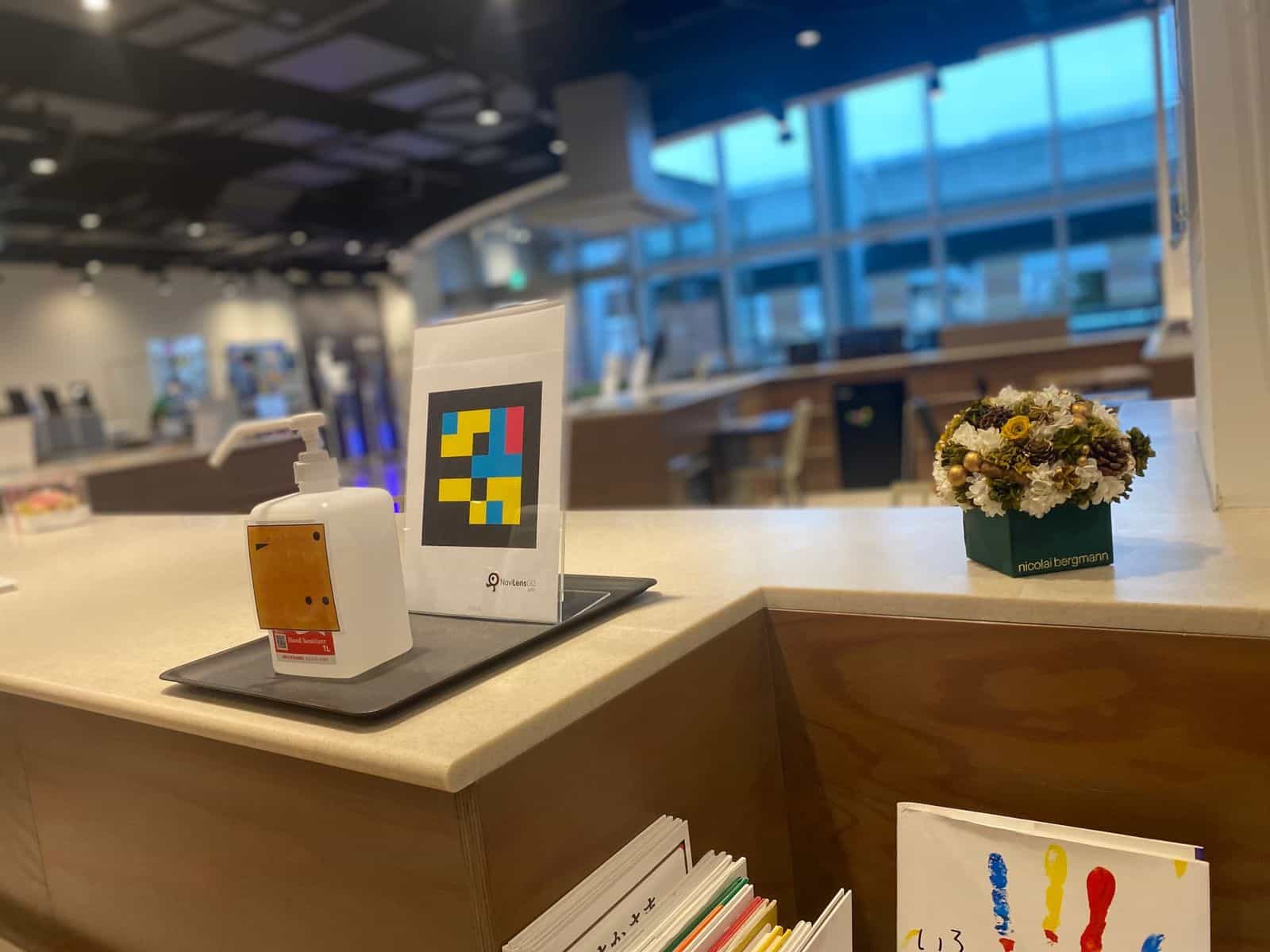
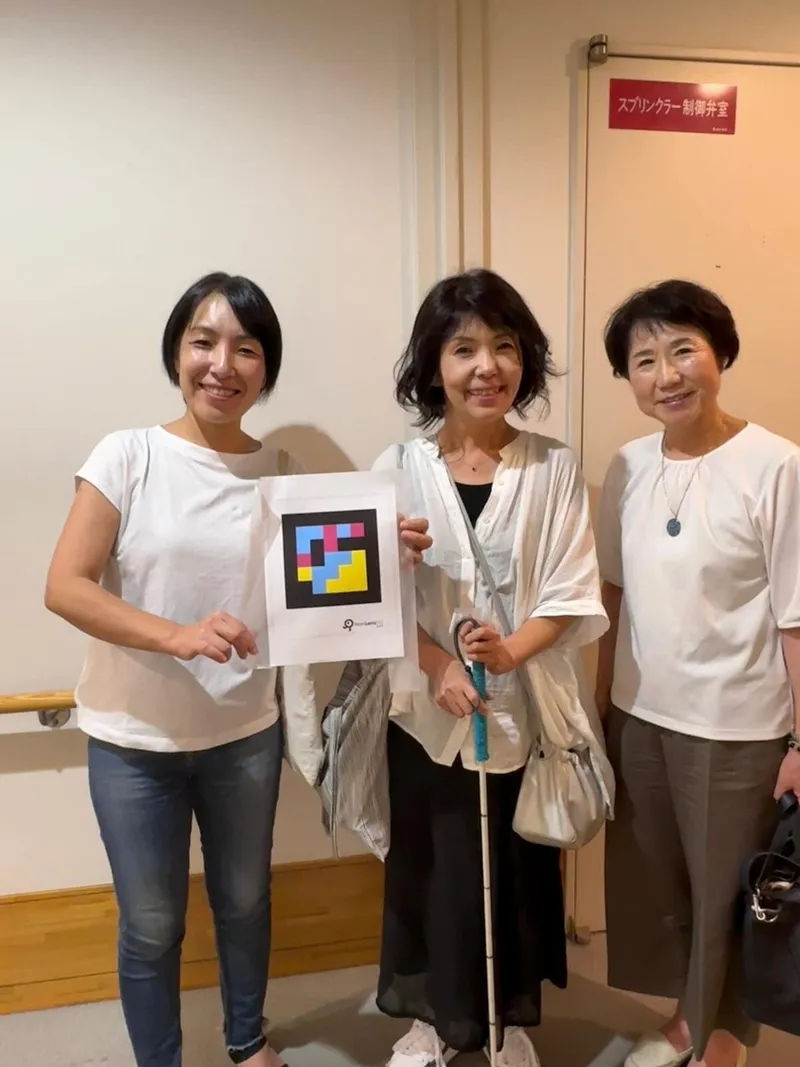
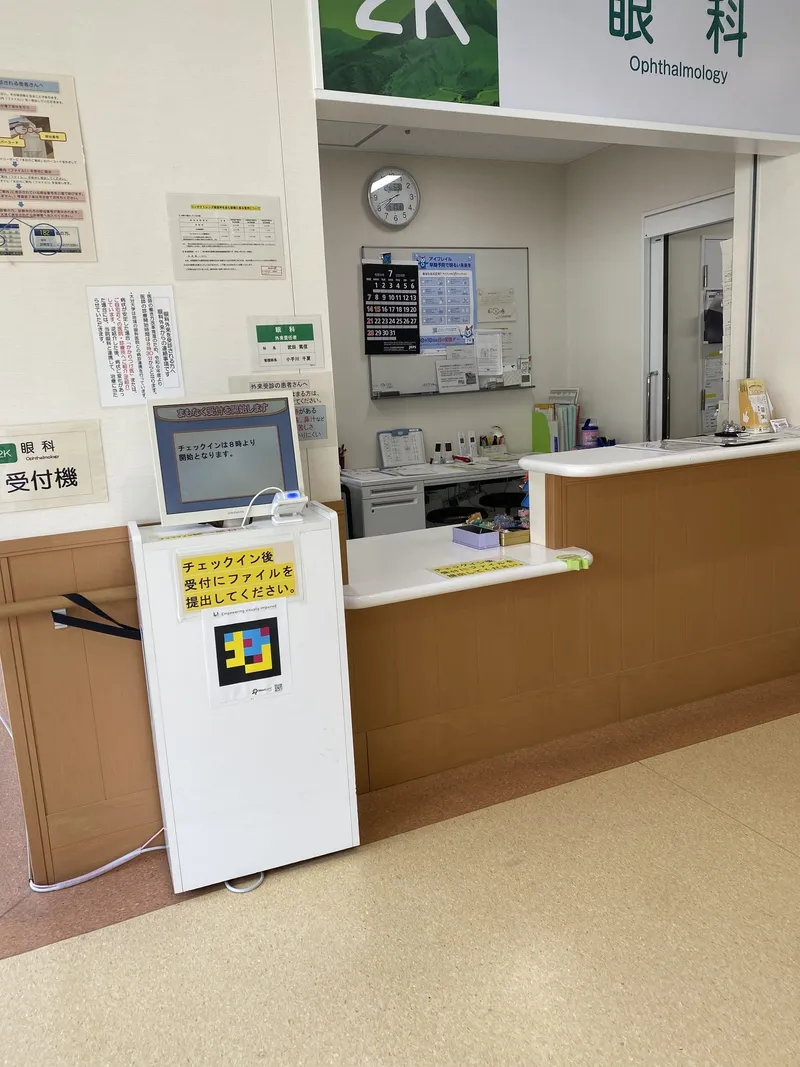
NaviLens and NaviLens GO tags at the hospital entrance, the NEXT VISION reception desk, the library, the children's area with climbing wall, the sanitary totems and the isee! vending machine.
神戸アイセンター
Pioneer center for ophthalmology and regenerative medicine (2017)
Vision Park 2F
NEXT VISION's home inside the Kobe Eye Center
isee! movement
National program for visual-impairment education
100 ft
NaviLens / NaviLens GO tags read without focusing
The client
神戸アイセンター
The Kobe Eye Center opened in December 2017 on Port Island as Japan's first center combining a municipal ophthalmology hospital, iPS regenerative-medicine research and a quality-of-life space for low-vision patients: the Vision Park, run by the public-interest association NEXT VISION.
NEXT VISION leads the isee! movement and the “ナビタグで未来を変える” (Navi-tag) project — the national program that adds NaviLens, tactile-paving codes and shikAI to the daily lives of blind people across Japan. Everything piloted here is exported to KMTB subway, the Port Liner and JR Sannomiya.
§ The challenge
Have the hospital accompany, not just treat.
- 01
Turn a hospital into a home
Kobe Eye Center is not just an ophthalmology hospital: it hosts research, regenerative-medicine clinical trials and the Vision Park, a wellbeing space for low-vision and blind patients. The challenge: making each area—entrance, reception, library, kids' room, vending—independently readable.
- 02
A public accessibility lab
From the second floor, NEXT VISION leads the isee! movement—a national program that makes blind people's reality visible—and the “Navi-tag” project, focused on placing codes on Japanese tactile paving and on vending machines, gel dispensers and counters.
- 03
Replicate what works here
What's validated at the Kobe Eye Center is exported to the rest of Be Smart KOBE: municipal subway (KMTB), Port Liner (KNT), JR Sannomiya and local retail — and even to museums and schools in other prefectures. The Vision Park is Japan's accessibility “showroom”.
§ The solution
A space
that's fully readable.
Every area in the Vision Park carries tags: the access door, the NEXT VISION reception, the cookery library, the children's room with a climbing wall, the auditorium and the sanitary check totems. NaviLens reads from several yards away and guides users without their having to ask for help.
It coexists with Japanese tactile-paving codes and shikAI, within the “ナビタグで未来を変える” (Navi-tag) project.
§ Beyond wayfinding
isee! vending
readable from the white cane.
The isee! vending machine at the Kobe Eye Center carries a single large NaviLens GO tag on its right side. A blind and low-vision person opens the app, stands in front of the machine and hears, in order: brand, flavour, price and exact position of each button — without needing to focus the camera or get close to the glass.
The same principle was then applied to the Asahi vending at Iryō Center station (KMTB) and to commercial vending machines across Japan.
§ Timeline
From the hospital to the whole city.
- Dec 2017
Kobe Eye Center opens
Japan's first dedicated ophthalmology center on Port Island, born from Dr Masayo Takahashi's “Kobe Eye Center vision”, bringing together municipal hospital, regenerative research and the Vision Park run by NEXT VISION.
- 2020–2021
isee! movement adopts NaviLens
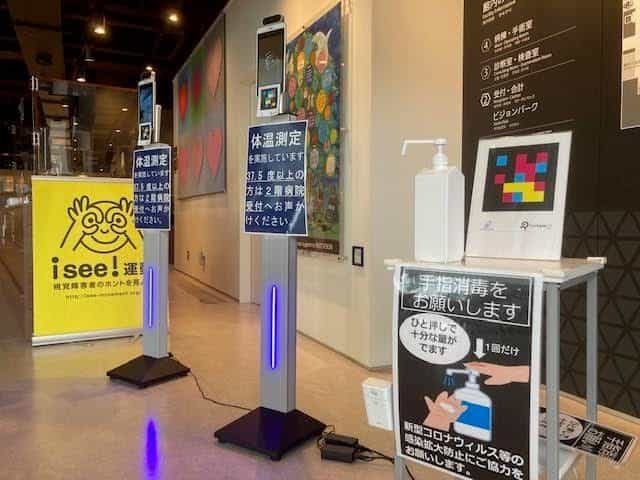
NEXT VISION adds NaviLens and NaviLens GO to its catalog of orientation tech alongside tactile-paving codes and shikAI. Tags stuck on gel dispensers, counters and sanitary totems during COVID protocols.
- 2022–2023
isee! vending and public training
An isee! vending machine is installed with a large NaviLens GO tag that lets users hear brand, flavour, price and position of every button. The 96th public session “Let's try NaviLens!” opens the system to professionals and patients.
- 2024 →
Hub for Be Smart KOBE
The Kobe Eye Center consolidates as the validation point for Kobe's NaviLens pilots (KMTB Subway, Port Liner, JR Sannomiya, Bandō Kobe Youth Science Museum), together with the NPO Eye Collaboration Kobe and Shinohara Electric.
§ What they said
What NEXT VISION and the Kobe Eye Center themselves said.
“私たちはみなさんもご存知のナビレンスやコード化点字ブロック、shikAIなど主に点字ブロックに情報を付加する二次元コード設置の検討(実証実験)と普及する活動を開始しました。”
“視覚障害のあるかたには、Navilens(ナビレンズ)が便利です。最大16メートル離れた距離から、タグの内容を読み取ることができ、タグまでの距離も分かります。”
“神戸アイセンターは、髙橋政代が掲げる神戸アイセンター構想のもと、研究から治療開発へのスムーズな移行、医療と福祉の融合、再生医療に適した速やかな治療開発を目指して2017年12月に設立、日本初の眼科専門施設。”
§ Results
A hospital and an accessibility lab.
Readable hospital
Entrance, reception, library and kids' room with NaviLens and NaviLens GO
isee! vending
Vending machine with a single GO tag reading 30 products without focusing
Replicable model
Pattern validated here and exported to Kobe's subway, Port Liner and retail
§ And your campus?
Every classroom and clinic can be guided by voice.
Tell us about your facility, your journeys and your users. We’ll show you how NaviLens would make wayfinding easier.