Case study · Oita University Hospital, Japan
Ophthalmology made accessible one code per door.
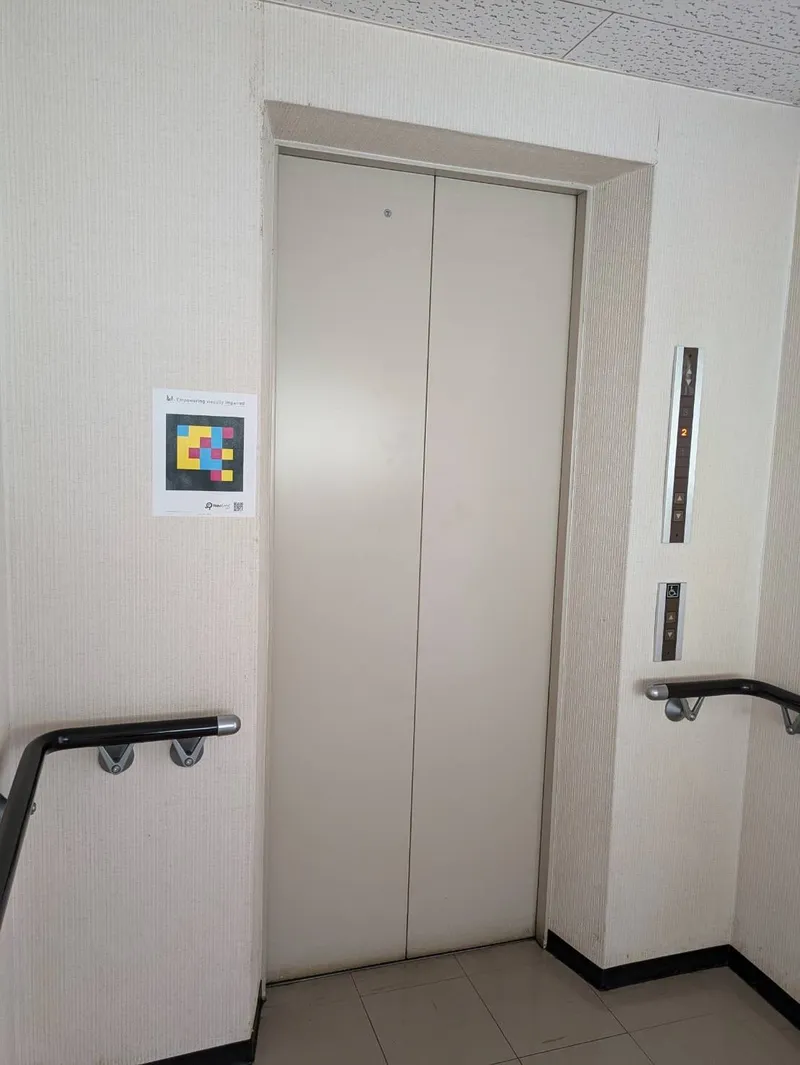
The 眼科 (Ophthalmology) department at Oita University Hospital uses the NaviLens Public Kit— laminated printable codes—so patients with low vision can find the check-in, their consulting room and the restrooms in Japanese or in English.
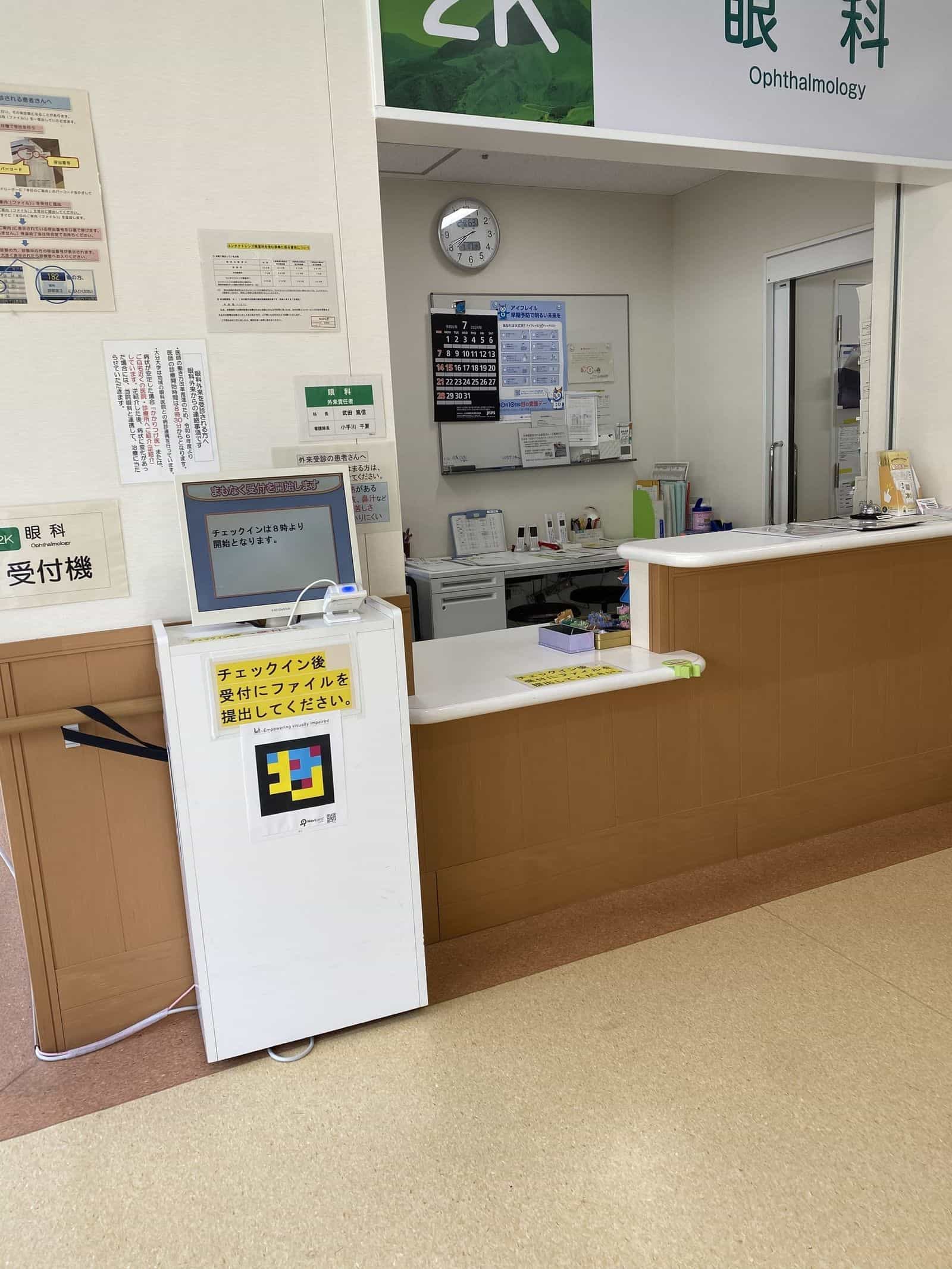
眼科
Ophthalmology department of Oita University Hospital (Kyushu, Japan)
10+
Consulting rooms (診察室) signposted with NaviLens codes on doors and lobby
Public kit
NaviLens standard kit: laminated printable codes rolled out without works
JP / EN
Information read by the app in Japanese and English depending on phone language
The client
Oita University
Faculty of Medicine
Oita University Hospital (大分大学医学部附属病院) is the reference teaching hospital of the University of Oita, on the island of Kyushu, Japan. It cares for patients from across the prefecture and anchors clinical teaching for the Faculty of Medicine.
Its Department of Ophthalmology (眼科) is one of the most active in the country in retinal disease, neuro-ophthalmology and low vision — with a medical team led by Dr. Atsunobu Takeda. As a result its clinics see people with advanced visual impairment every day who need wayfinding inside the center itself.
§ The challenge
Helping the low-vision patient find their room among ten identical doors.
- 01
Bilingual signage, but tiny
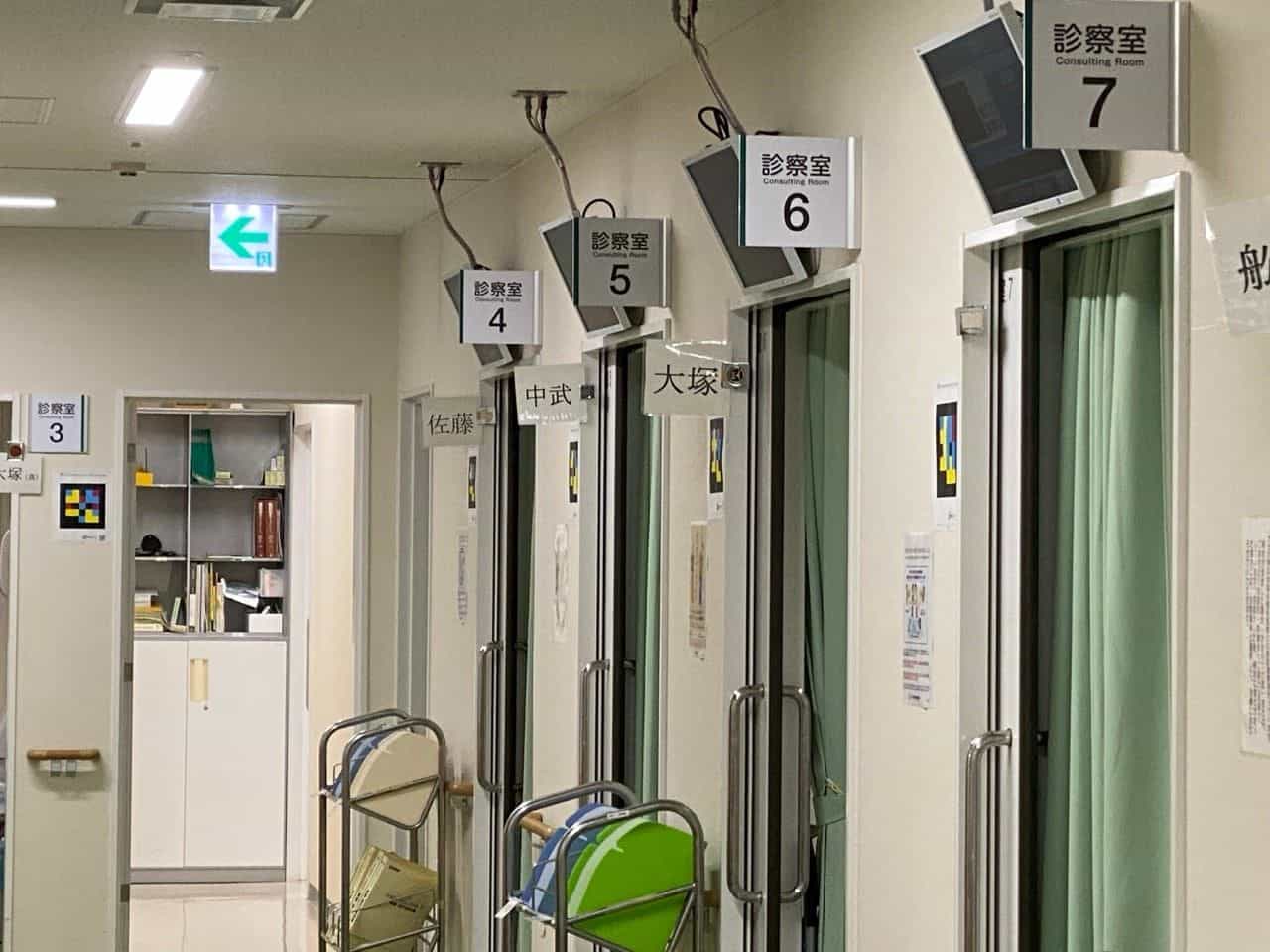
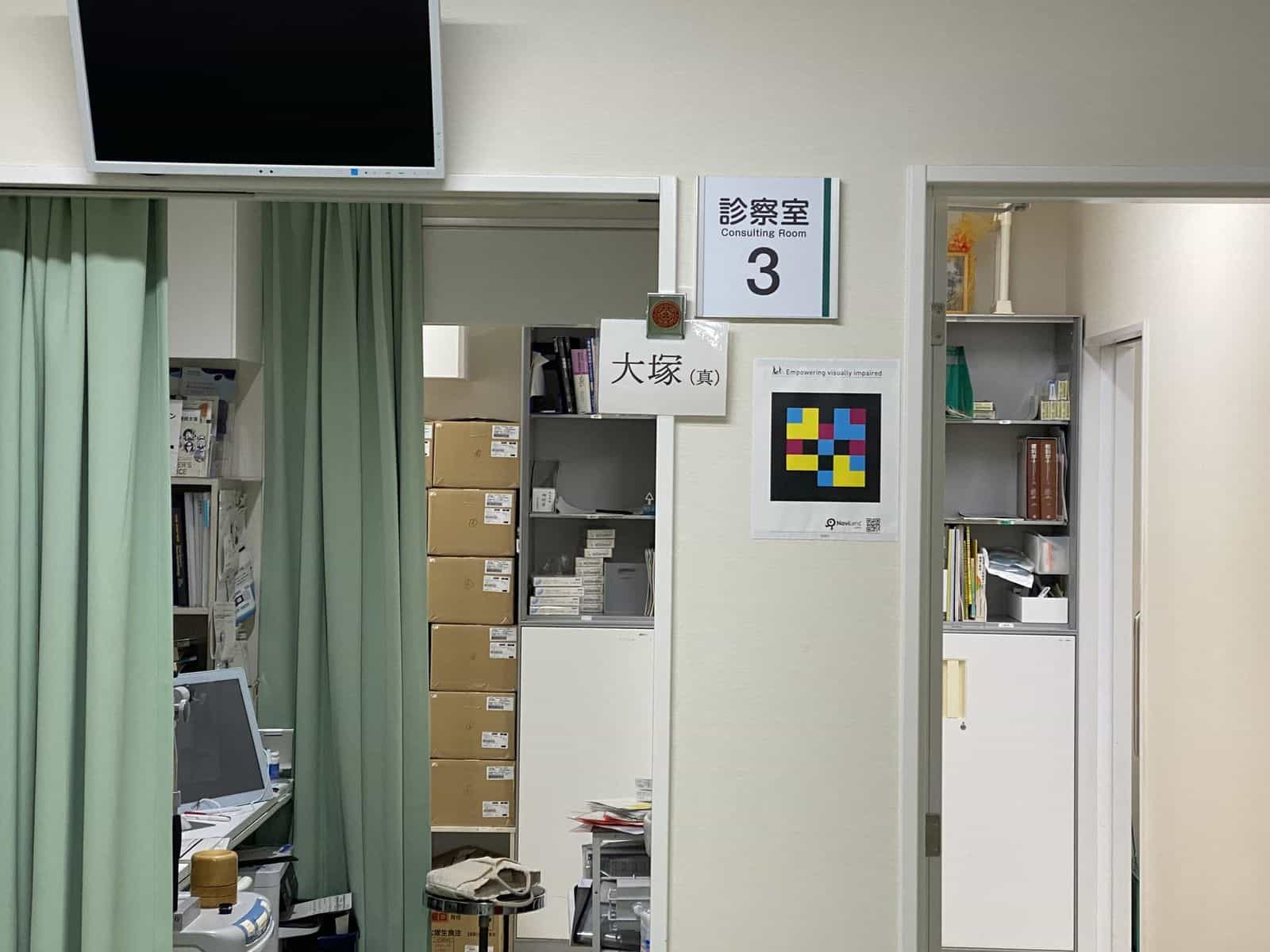
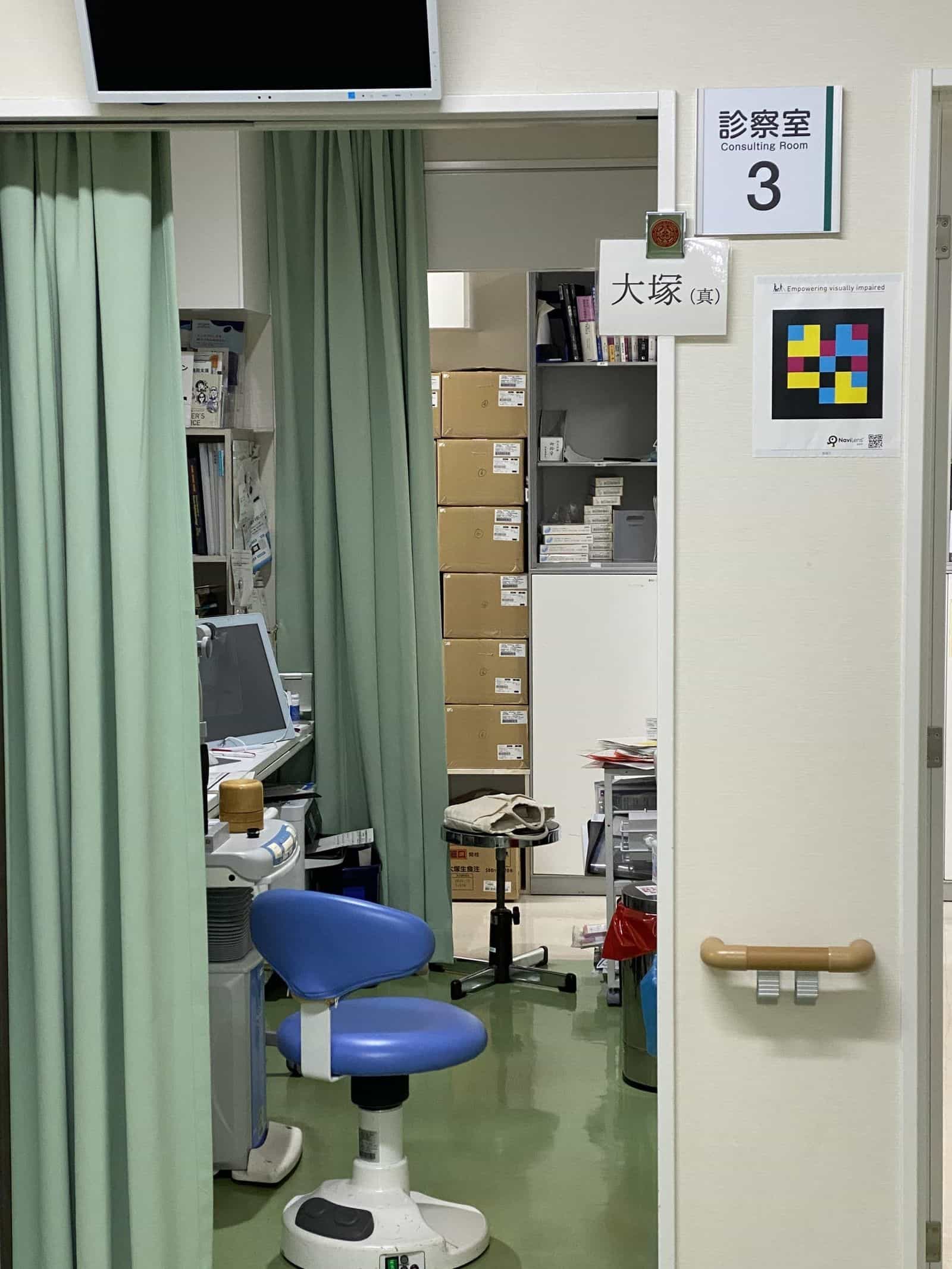
The ophthalmology corridor doors carry hanging “診察室 / Consulting Room” panels with a large number, but at 3-6 feet and with low vision, reading them in time—and knowing which doctor is on duty—is virtually impossible.
- 02
Long corridor, rooms in a row
Rooms 3, 4, 5, 6, 7… and 10 sit along the same corridor with identical green curtains, NEC totems above each door and doctors' names in kanji (佐藤・中武・大塚) written on A4 sheets.
- 03
Small restrooms with no clear pictogram
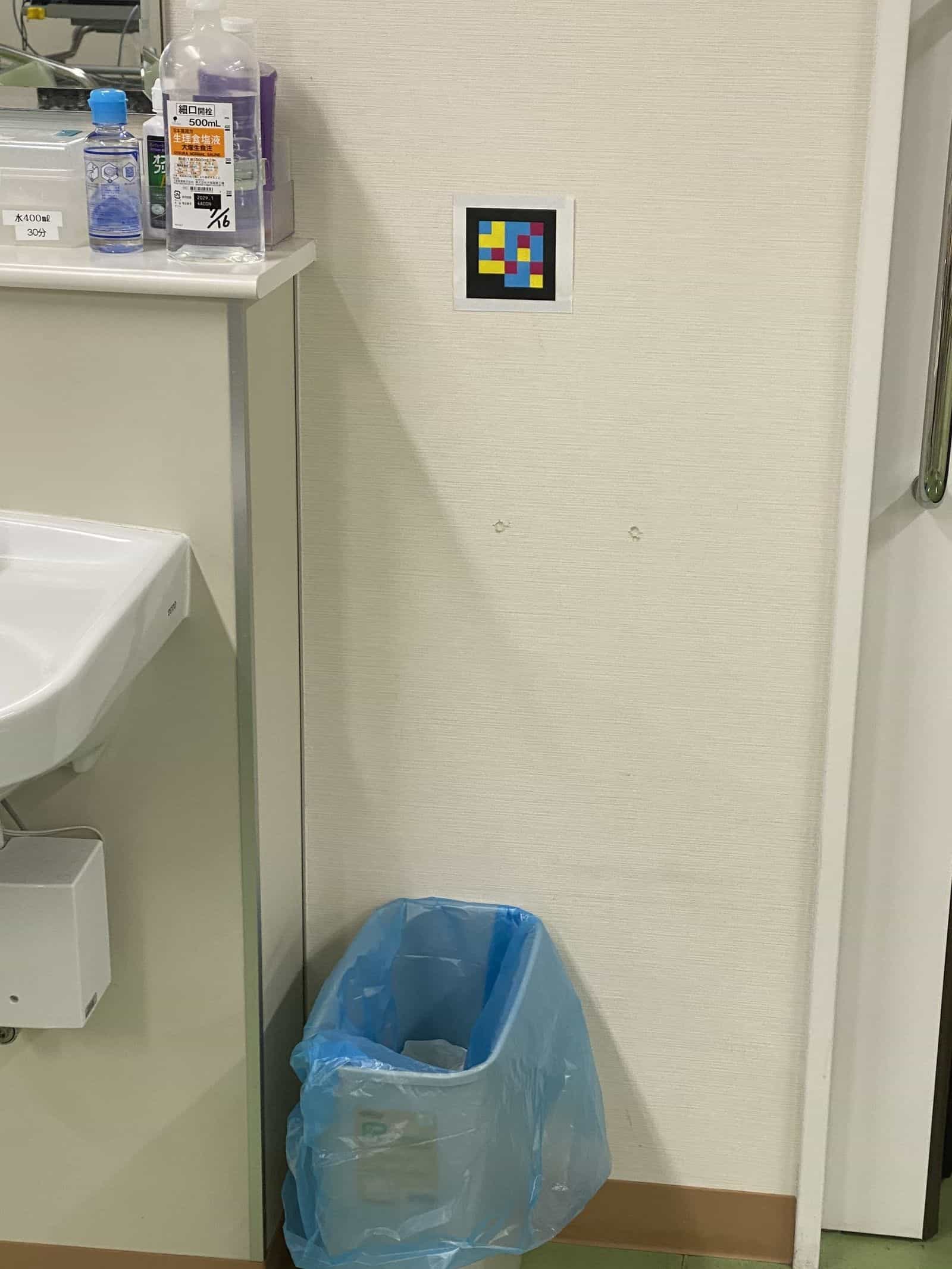
The restrooms in the department share cream-colored walls and lack a large outside pictogram — patients with low vision have to ask for directions to find them.
§ Solution
One NaviLens code per door, no building works.
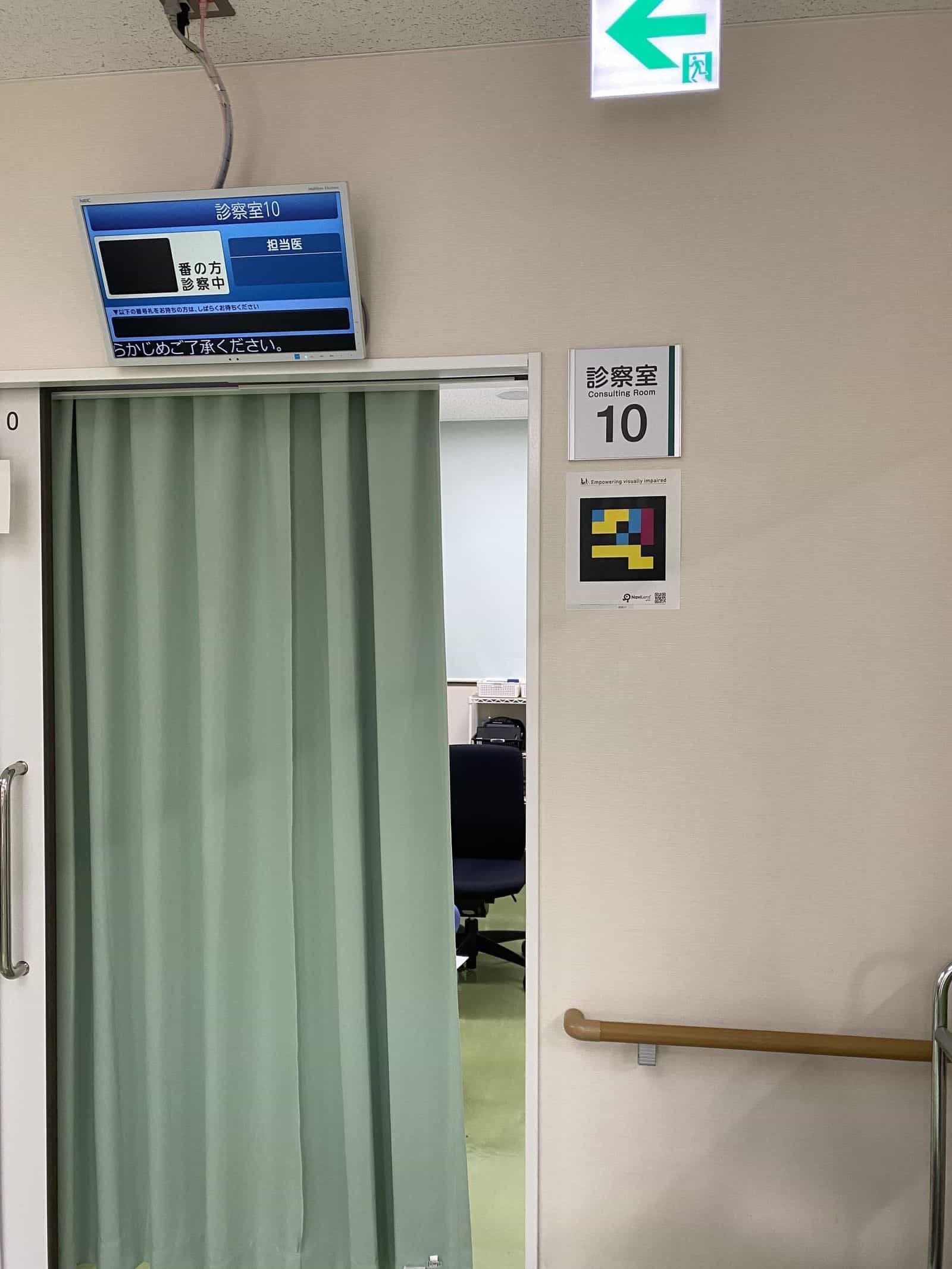
The department uses the NaviLens Public Kit: codes designed to be printed on A5 sheets and laminated. The hospital team sticks them with tape next to the official sign of each 診察室 and on the check-in totem.
When the patient points their phone, the app says by voice “Consulting Room 4 — Dr. Sato” in the user's language. With no technical install, no works and no IT coordination: accessibility is rolled out in a couple of mornings.
§ Through the rooms
Each 診察室 speaks for itself.
§ Timeline
From Kobe Eye Center to the university hospitals.
- 2020
NaviLens arrives in Japan
Kobe Eye Center becomes the first NaviLens deployment in Japan. The ecosystem of medical and transport institutions that will adopt the system begins to take root.
- 2022-2024
Japanese hospitals · public and private
Saiseikai Central Hospital (Tokyo) becomes the world's first general hospital with NaviLens. Coverage starts to spread to regional university hospitals.
- 2024
Oita University · Ophthalmology department
The 眼科 (Ophthalmology) department of Oita University Hospital places a NaviLens Public Kit code on the check-in totem and on each of the consulting room doors along the corridor.
- 2024-2025
Extension to auxiliary rooms and restrooms
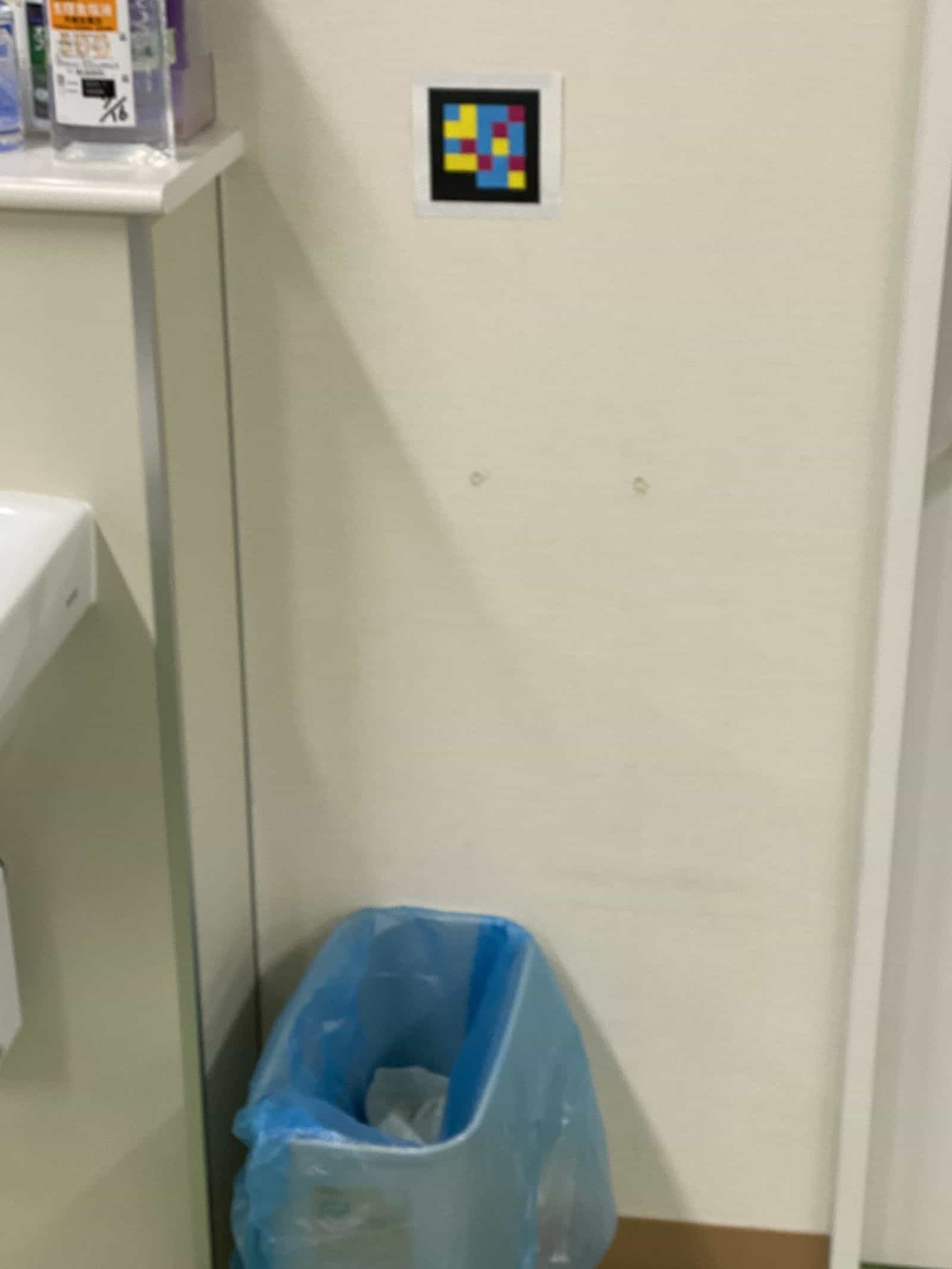
The rollout extends to the department's own restrooms: small codes on the wall at the patient's eye height, next to the bin and the sink, to make inside wayfinding easier.
§ What they said
What's being said about NaviLens in Japan.
“視覚障がい者を支援するため、スペインで開発されたスマホアプリ「ナビレンス」。わが国では2020年に神戸アイセンター(神戸市)で初導入された。”
“私たちは、眼の疾患に対する最新の診断と患者さん本位の最善の治療を行っています。”
§ Results
An ophthalmology department made accessible with a printable kit.
Door by door
Every 診察室 (consulting room) speaks for itself — number and doctor read by the app
No building works
Printable Public Kit: the hospital management needs no external installers
JP + EN
The phone's own language decides how the information is read — no configuration needed
§ And your campus?
Every classroom and clinic can be guided by voice.
Tell us about your facility, your journeys and your users. We’ll show you how NaviLens would make wayfinding easier.