§ Case study · Reykjavík · Bus
Strætó — when every biðstöð speaks your language.
In July 2023, Strætó and Blindrafélagið signed the rollout of NaviLens codes across every stop and bus in the capital region. The biggest accessibility leap in Icelandic public transport since on-board PA.
2023
Strætó · Blindrafélagið agreement
100%
Biðstöðvar in the capital area
Bus + stop
Codes on shelter and vehicle
First time
Accessible public transport in Iceland
Client
Strætó bs.
Blindrafélagið
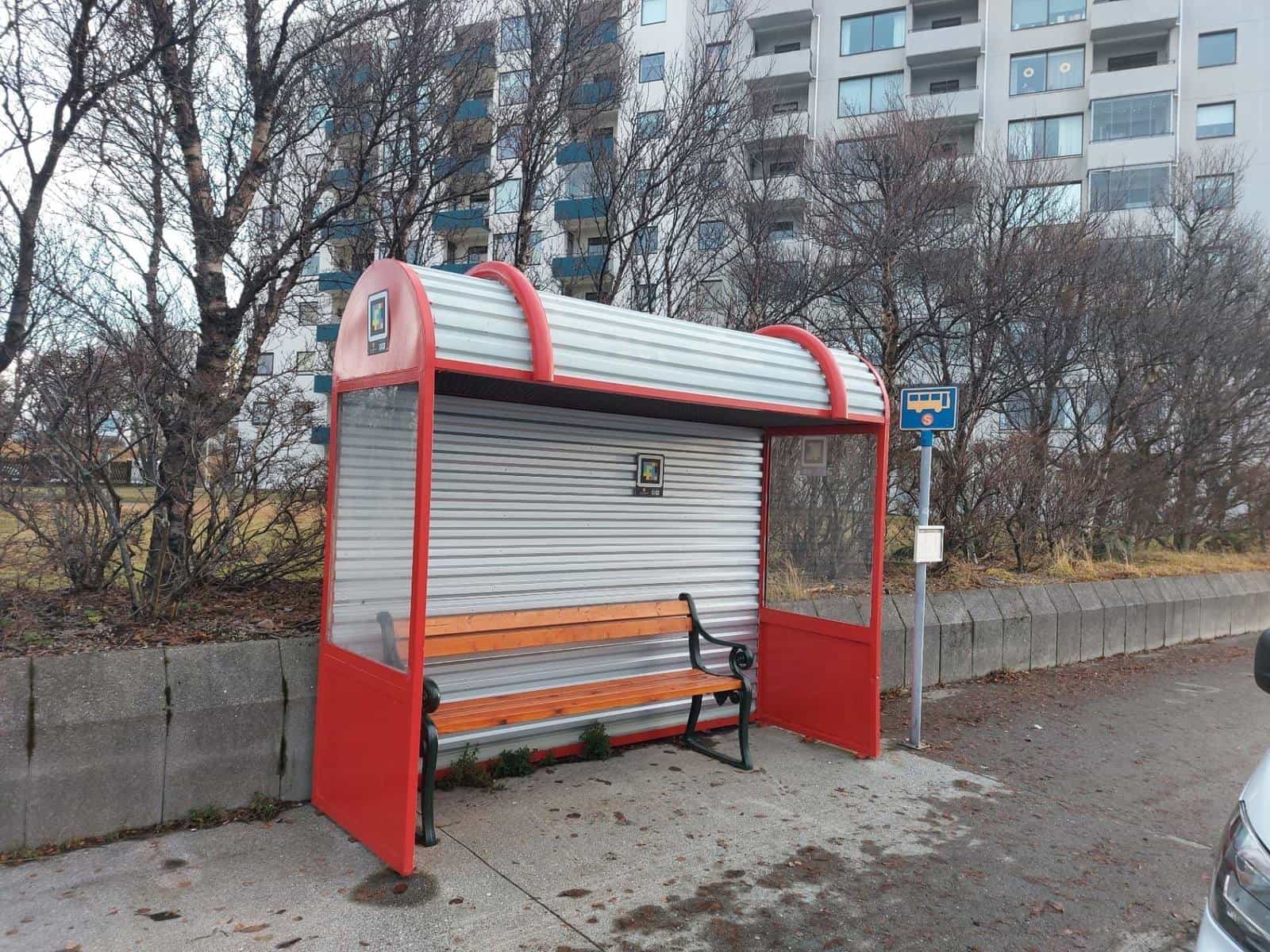
Strætó bs. is the public bus operator for the Reykjavík metropolitan area, owned by the capital's seven municipalities. Its network of biðstöðvar— recognizable by the red, curved-roof shelter—is the backbone of daily mobility in southern Iceland.
The project stems from the agreement signed on 5 July 2023 between Strætó and Blindrafélagið (the Icelandic Federation of the Blind), backed by the Ministries of Social Affairs and Infrastructure. Strætó leads the rollout, owns the codes and installs them on both the stops and the buses themselves.
Solution
Codes at every stop and on every strætó.
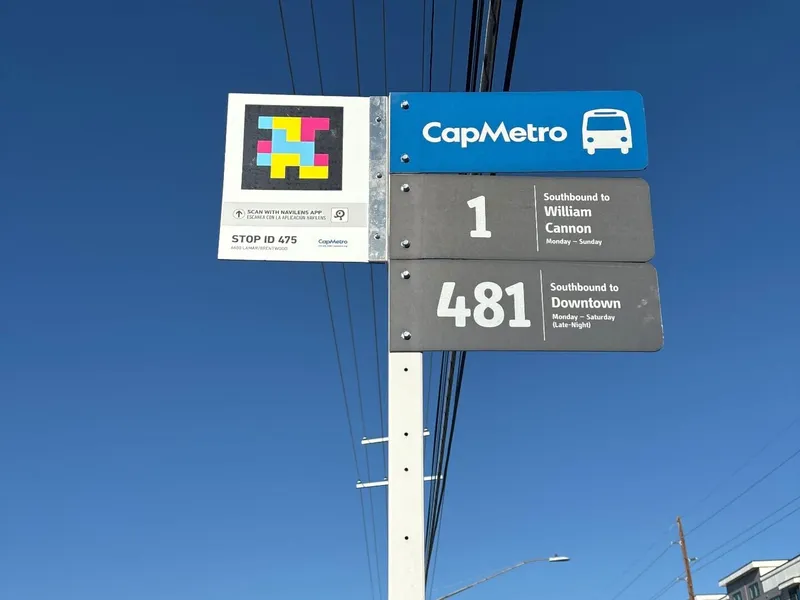
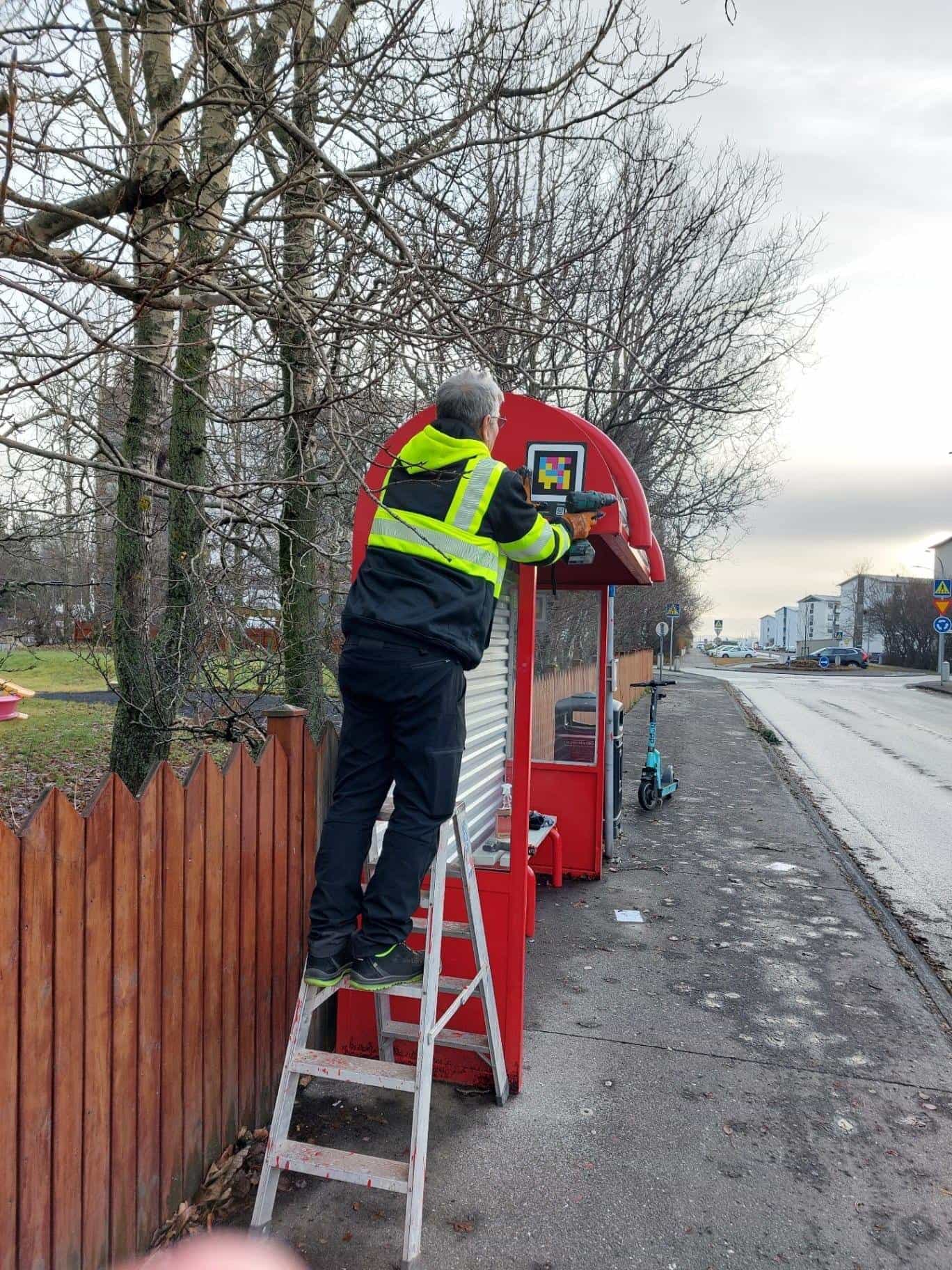
Each biðstöð gets two codes: one on the information panel at passenger height, and another on the curved roof headboard — visible and detectable from a distance for anyone approaching along the sidewalk.
Codes are also installed on the front and sides of the buses: blind and low-vision passengers know which line is arriving and in which direction, without having to ask for help. For the first time in Iceland, public-transport information is in the environment for those who cannot read it too.
§ Journey
From the biðstöð to the seat, with no need to ask.
Biðstöð · Panel & headboard
Two codes per shelter
The central-panel code reads out the stop name, lines and next departures in the passenger's language. The headboard one, detectable from the sidewalk, acts as a beacon to find the stop itself.
Rollout · Strætó crew
Stop-by-stop installation
Strætó owns and maintains the codes. The rollout advances biðstöð by biðstöð across the capital area, coordinated with the municipalities and monitored by Blindrafélagið.
Biðstöð · Vertical cabin
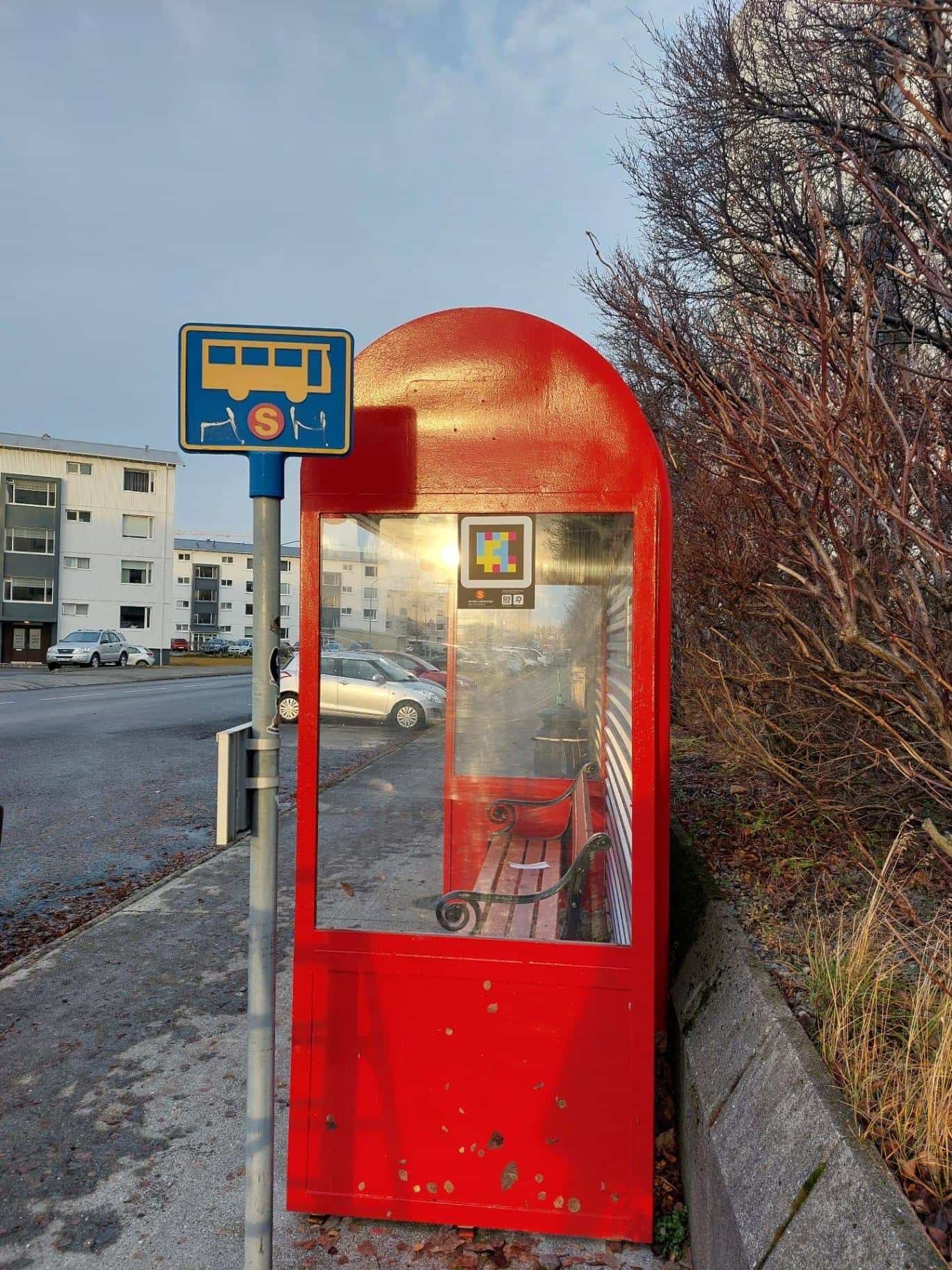
Code at passenger height
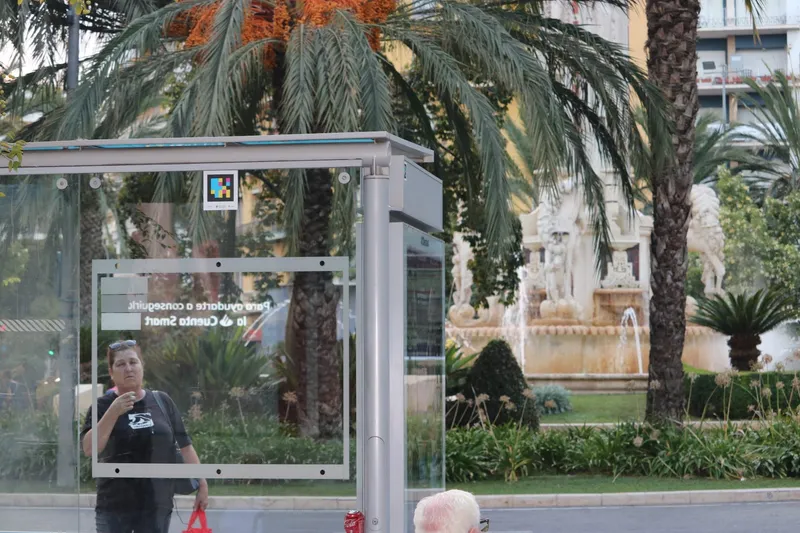
On the traditional capsule cabins in the outskirts, the code sits on the entry glass, next to Strætó's blue ‘S' pictogram, so it can be detected without entering the shelter.
Rollout · Detail
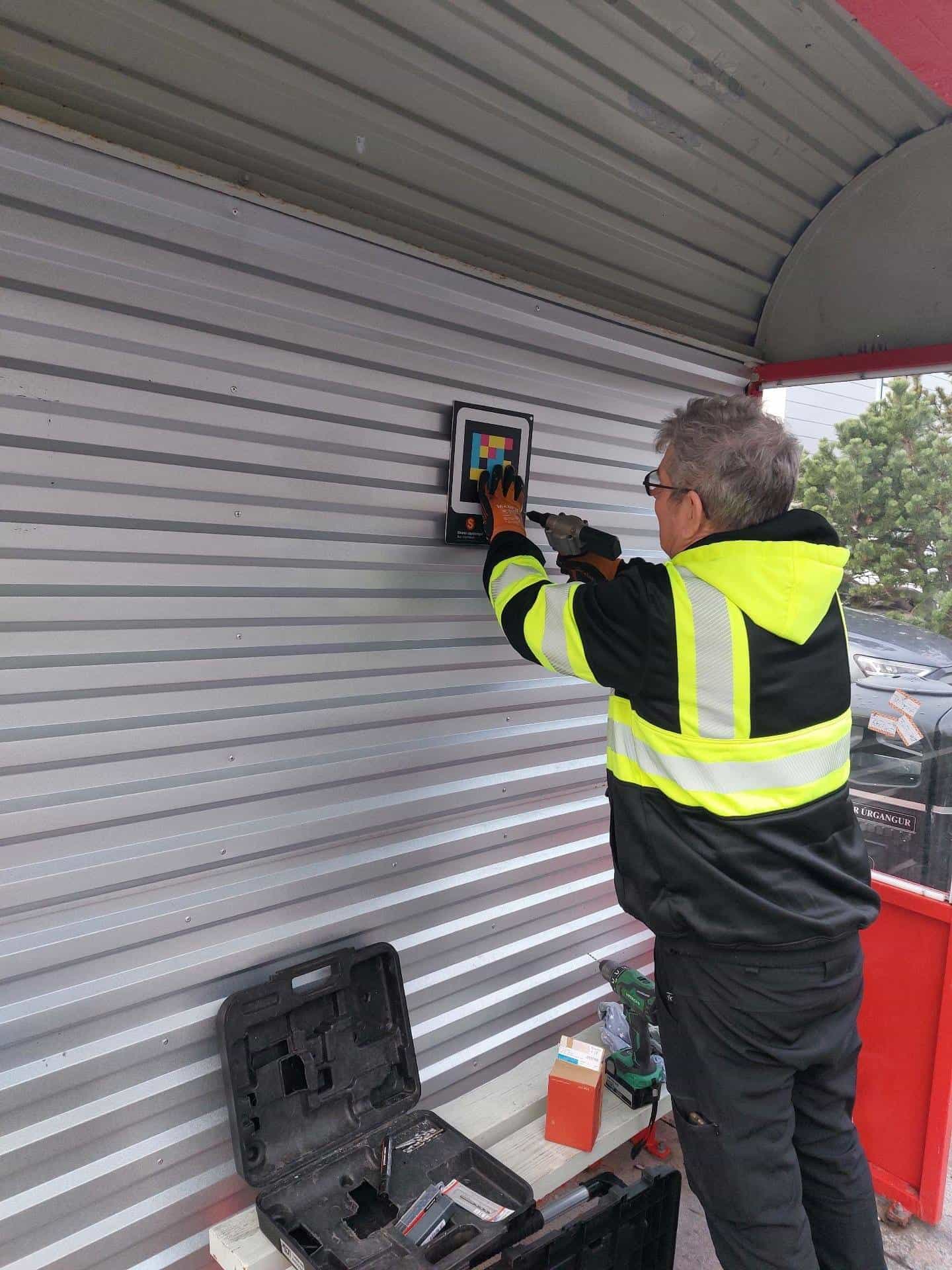
Screwed onto sheet metal
Rigid mount fixed to the corrugated inner sheet of the shelter: resistant to Atlantic wind and Icelandic winters, without losing legibility for the phone camera.
§ And your network?
Your next station can also speak.
Tell us about your network, your pain points and the KPIs you want to move. We’ll show you how NaviLens would fit—with comparable cases.