Case study · Valladolid
The ONCE house in Castile and León, guided by voice from the street.
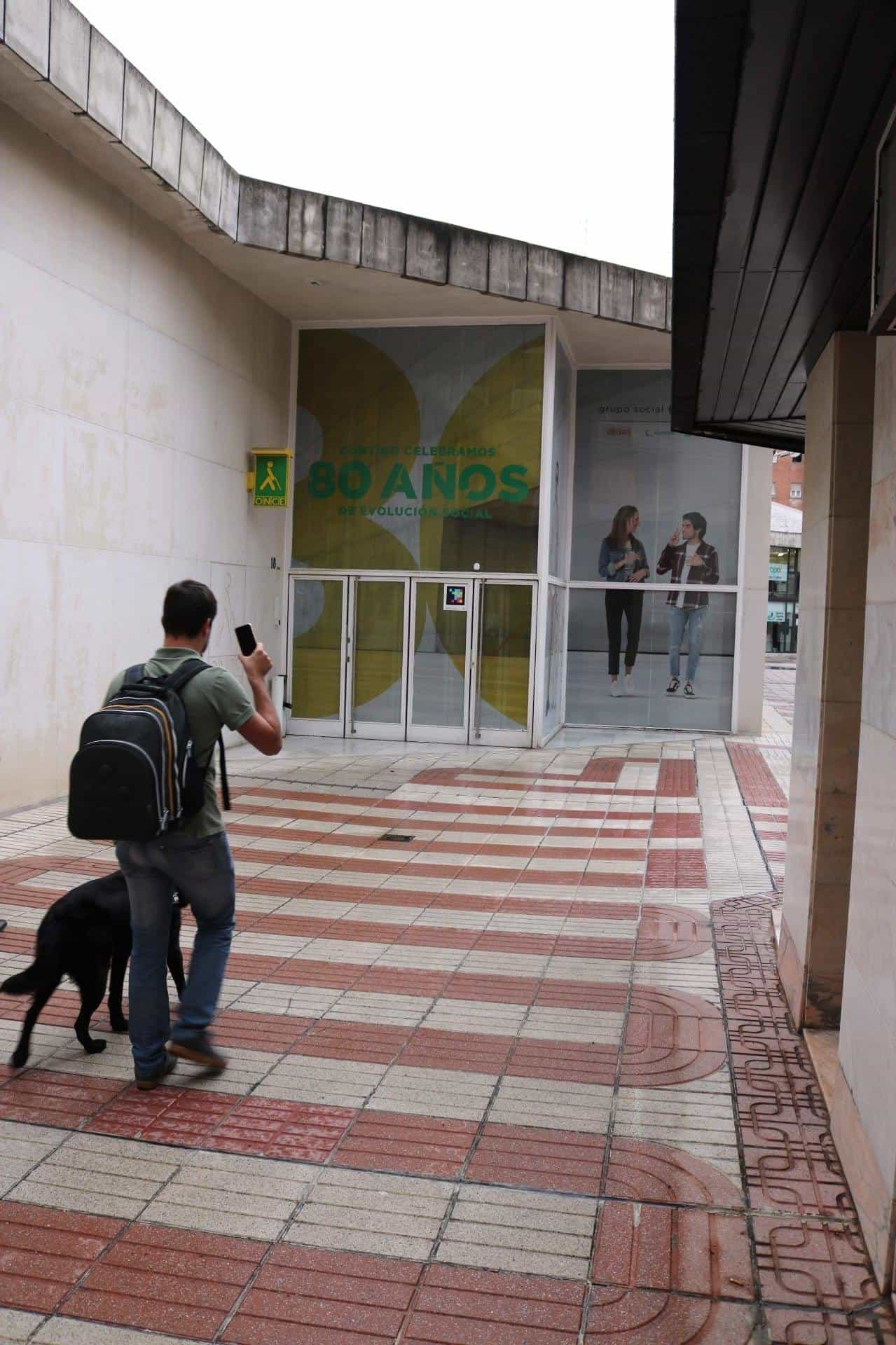
The ONCE Regional Office in Valladolid embeds NaviLens codes at entrances, lobby, fire hose reels, residence, library and offices, so that any blind or low-vision person—including guide-dog users—can navigate the whole building independently.
Valladolid
ONCE Castile-and-León Regional Office
80 years
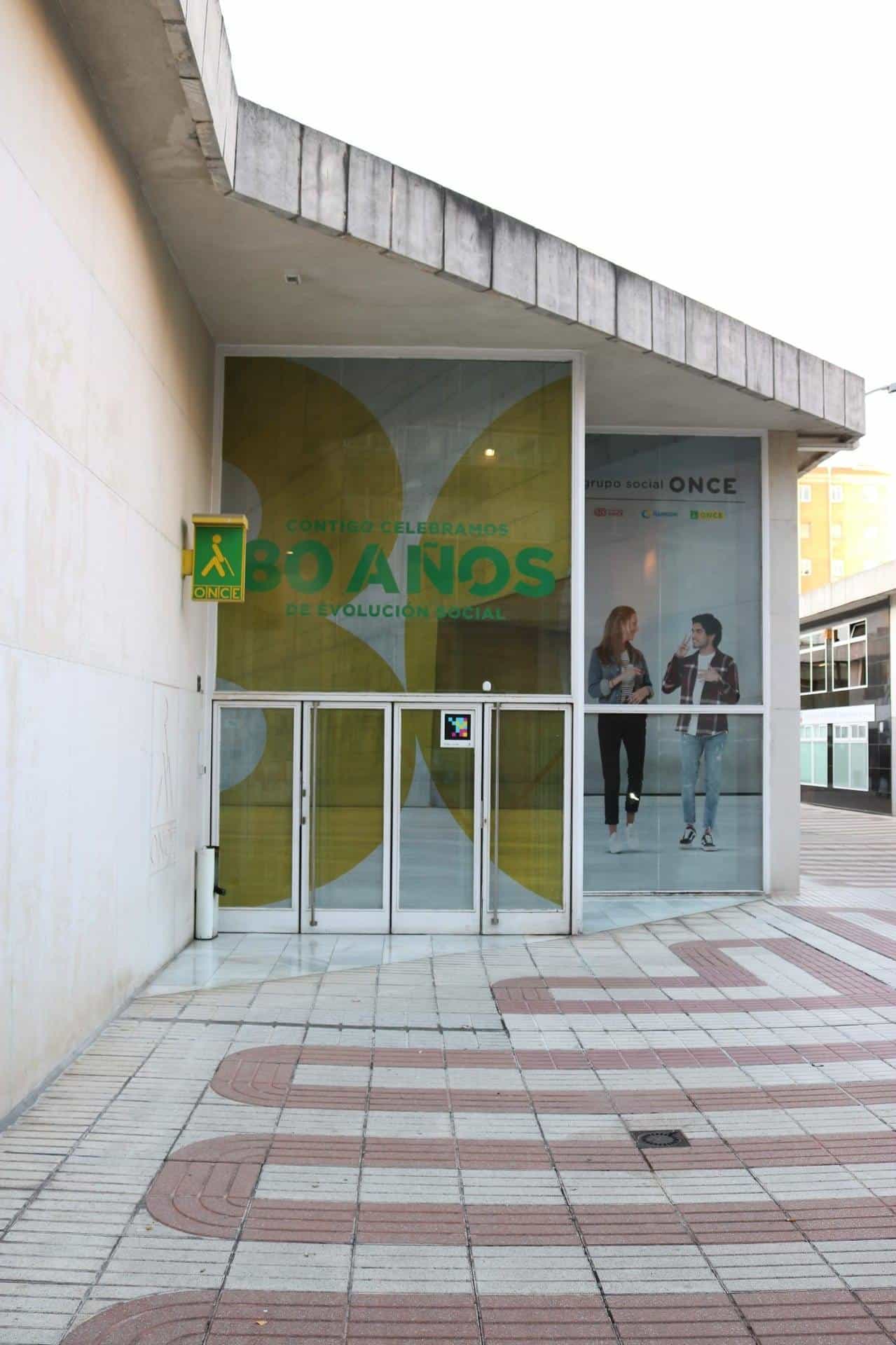
Campaign “Contigo celebramos 80 años de evolución social” (2018)
Full wayfinding
Entrance, lobby, fire hose reels, residence, library and offices
Co-validated
Tested with members and guide-dog users on site
The client
ONCE Valladolid
Castile-and-León Regional Office
The headquarters of the Spanish National Organization of the Blind in Valladolid bring together the services of the Castile-and-León Regional Office: membership, member care, library, shop-exhibition, event halls and the Low-Vision Unit, opened by the presidency of the regional parliament in 2000.
Coinciding with the “Contigo celebramos 80 años de evolución social” campaign, the office took its own accessibility one step further and rolled out NaviLens codes across the building: from the street door to the technical staff offices, through transit areas, stairs and member service spaces.
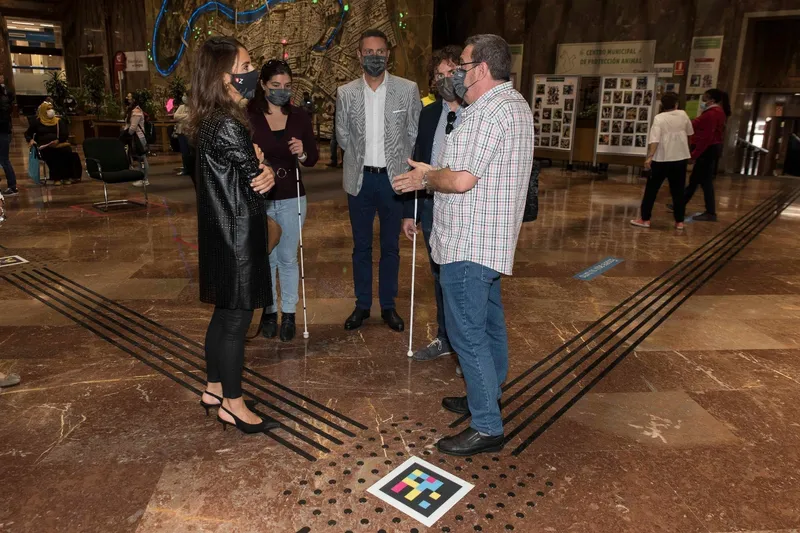
The rollout has been co-validated with members and guide-dog users, walking through the building with the NaviLens and NaviLens GO apps to check that each code is detected in time and delivers useful information.
§ The challenge
Making the ONCE office readable from 33 feet away.
- 01
A historic ONCE building
The Valladolid office hosts the Low-Vision Unit and the services of membership, library, shop and member care. A building with several floors, angled corridors and very different-use areas, in which visual orientation is non-trivial for a person with visual impairment.
- 02
Accessible signage that wasn't visible “from far”
The center already had braille, high contrast and tactile plaques, but the information was only available right next to each element. A “long-range” signage layer was missing, one that allowed doors, offices and common areas to be detected from several yards away.
- 03
Practicing what ONCE recommends outside
As a reference organization in accessibility, the office itself wanted to lead by example: turning its headquarters into an environment where any blind or low-vision person—member, visitor or staff—could move independently using NaviLens.
§ The solution
An audible layer on top of the signage that already existed.
The NaviLens codes have been placed next to the existing plates—office doors, emergency exits, fire hose reels, library and shop accesses—without replacing braille or high contrast, but adding to them.
The user opens the app, moves the phone and from more than 33 feet away hears aloud what's ahead: “Member service desk”, “Emergency exit”, “Library”, “Membership”…
Information is updated from the NaviLens panel without touching the physical signage: schedule changes, service relocations or one-off notices become instantly accessible.
§ Inside the office
From the street door to the last office, everything coded.
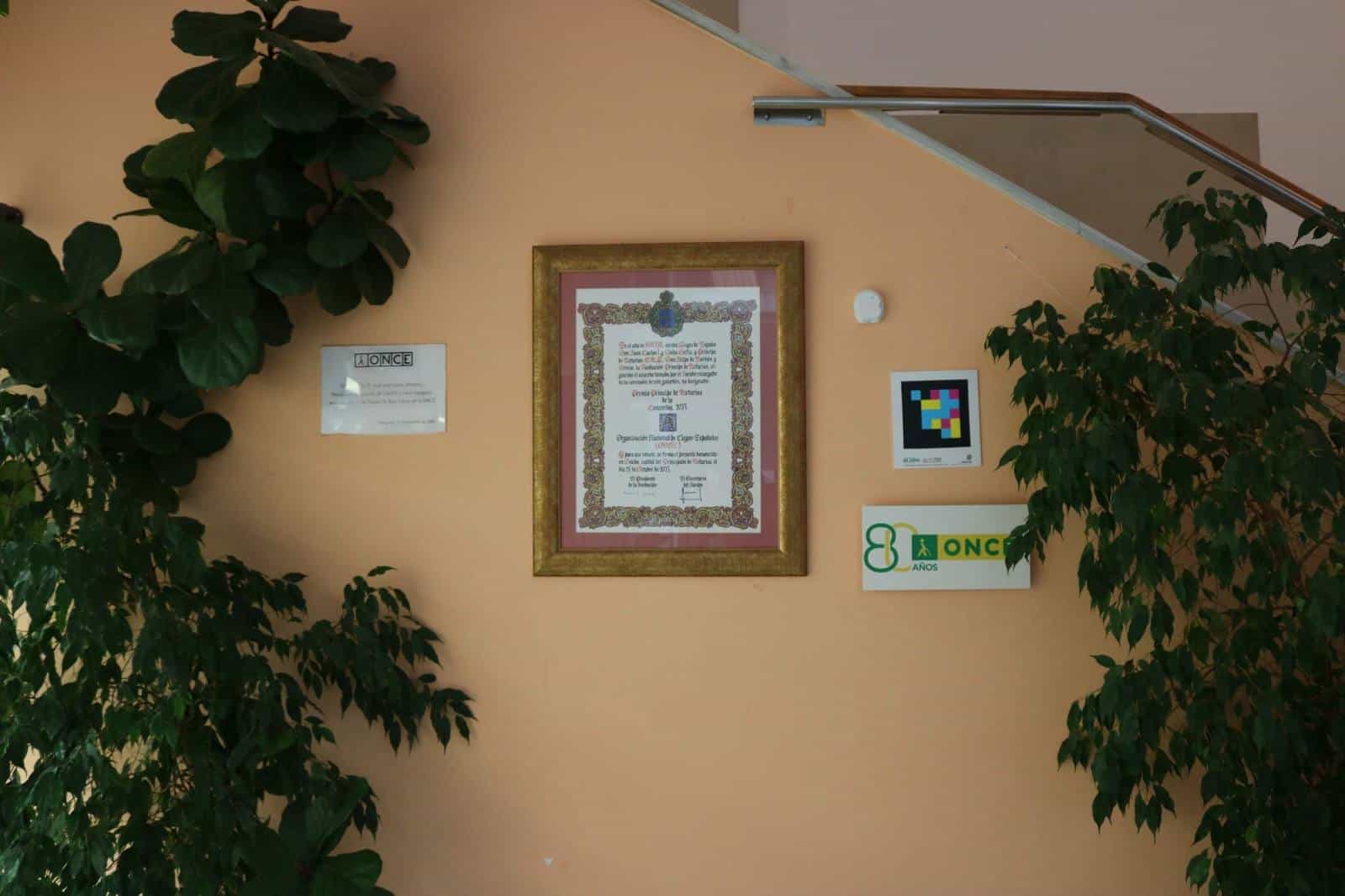
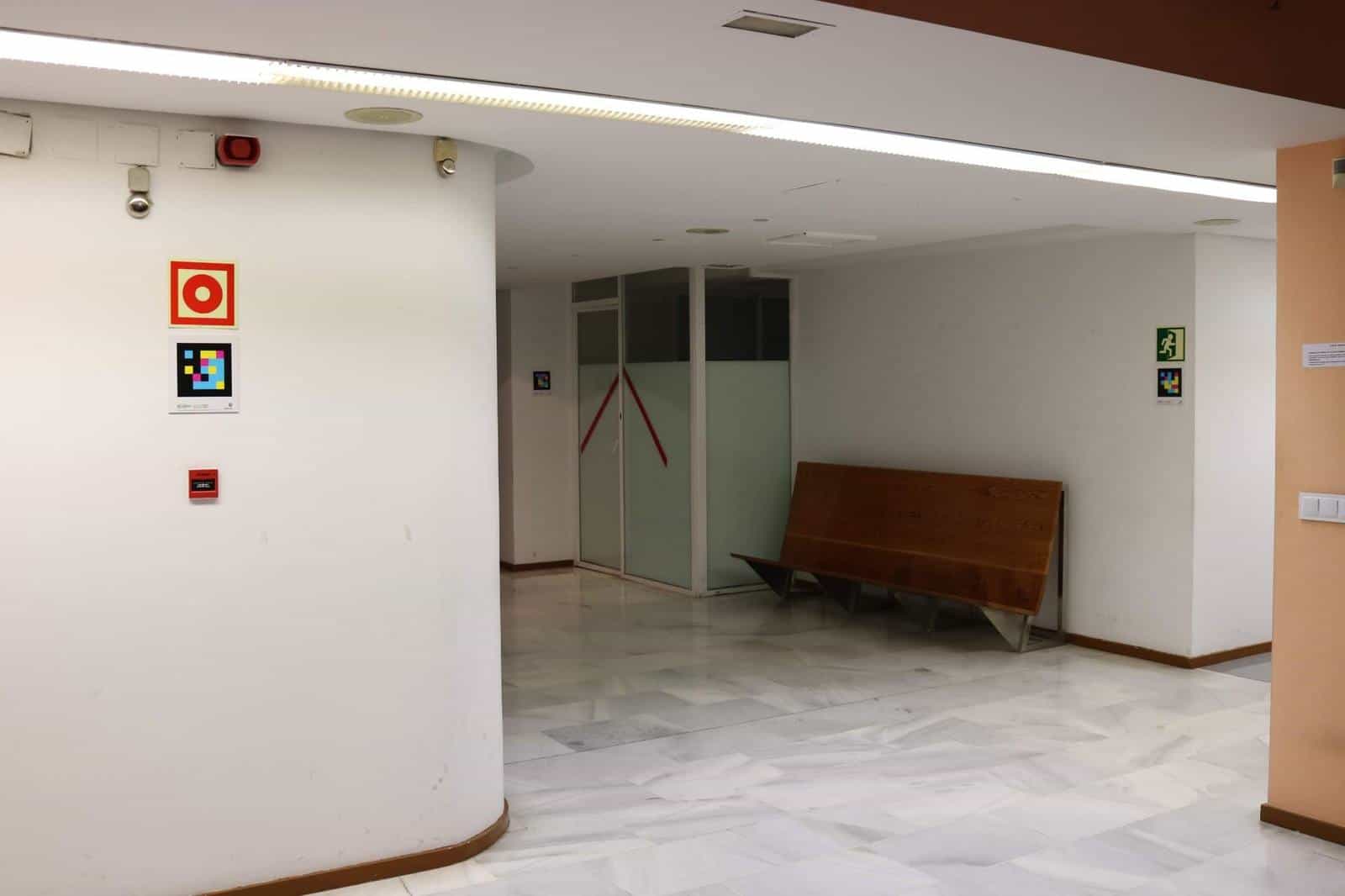
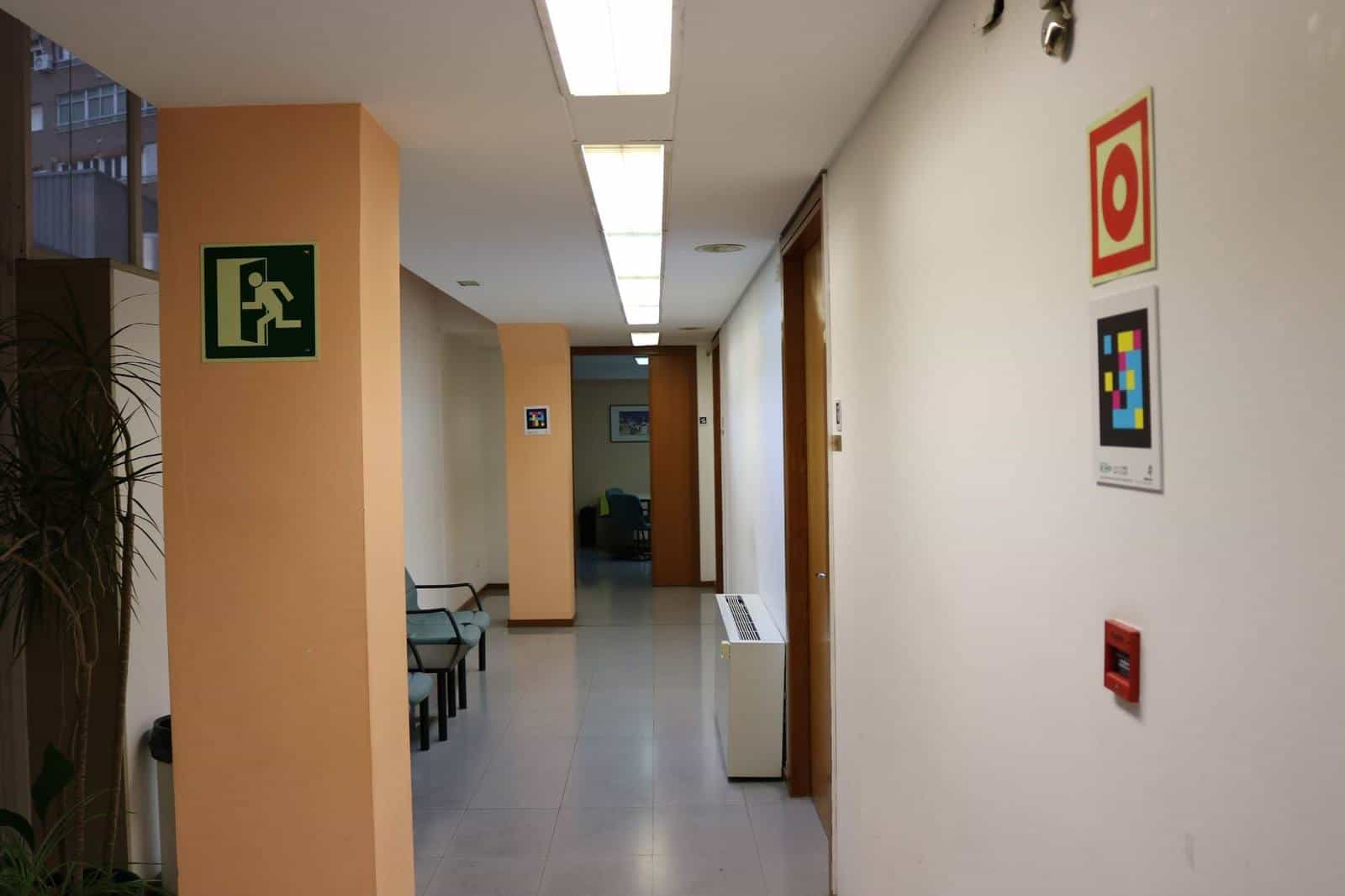
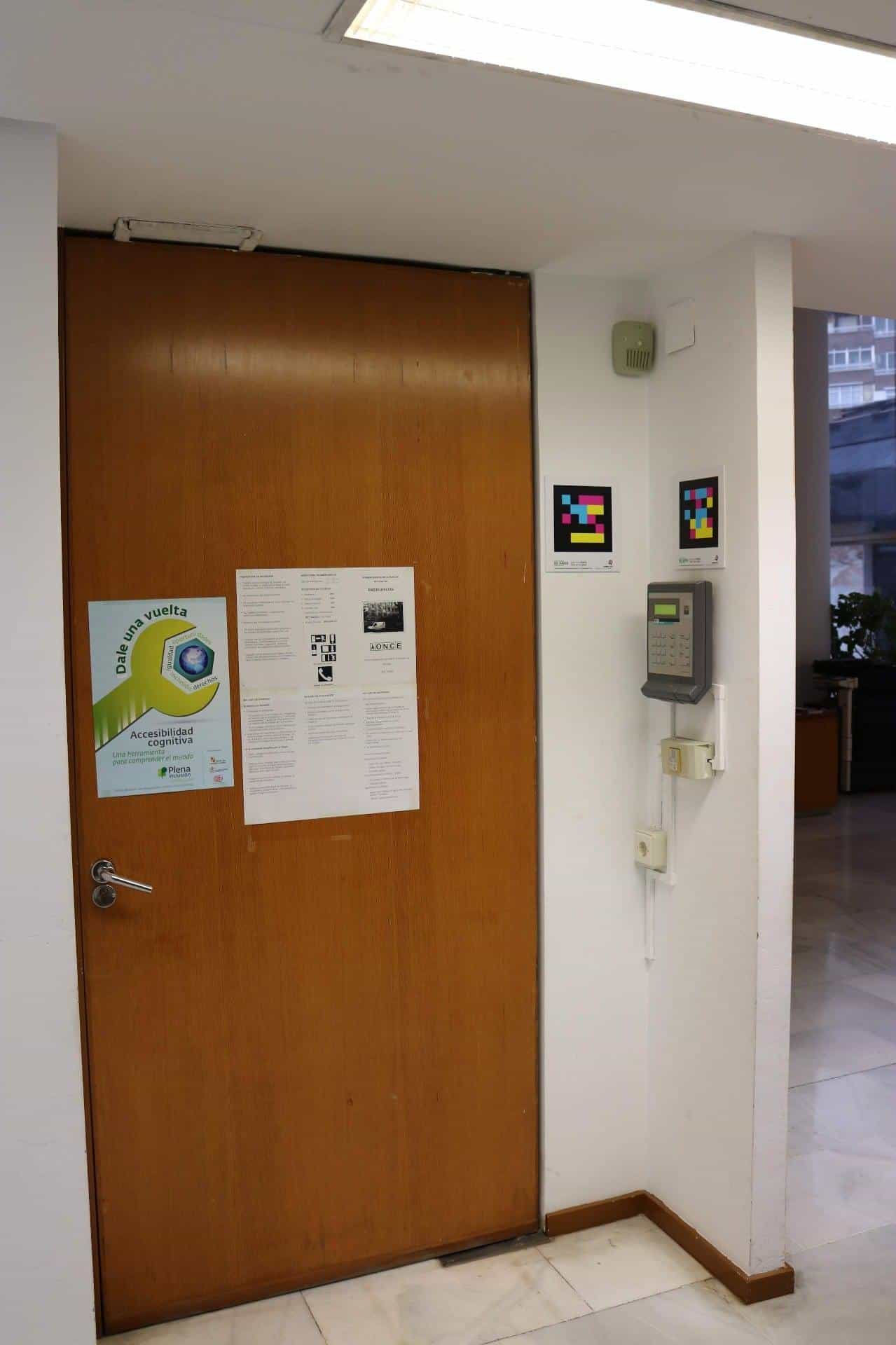
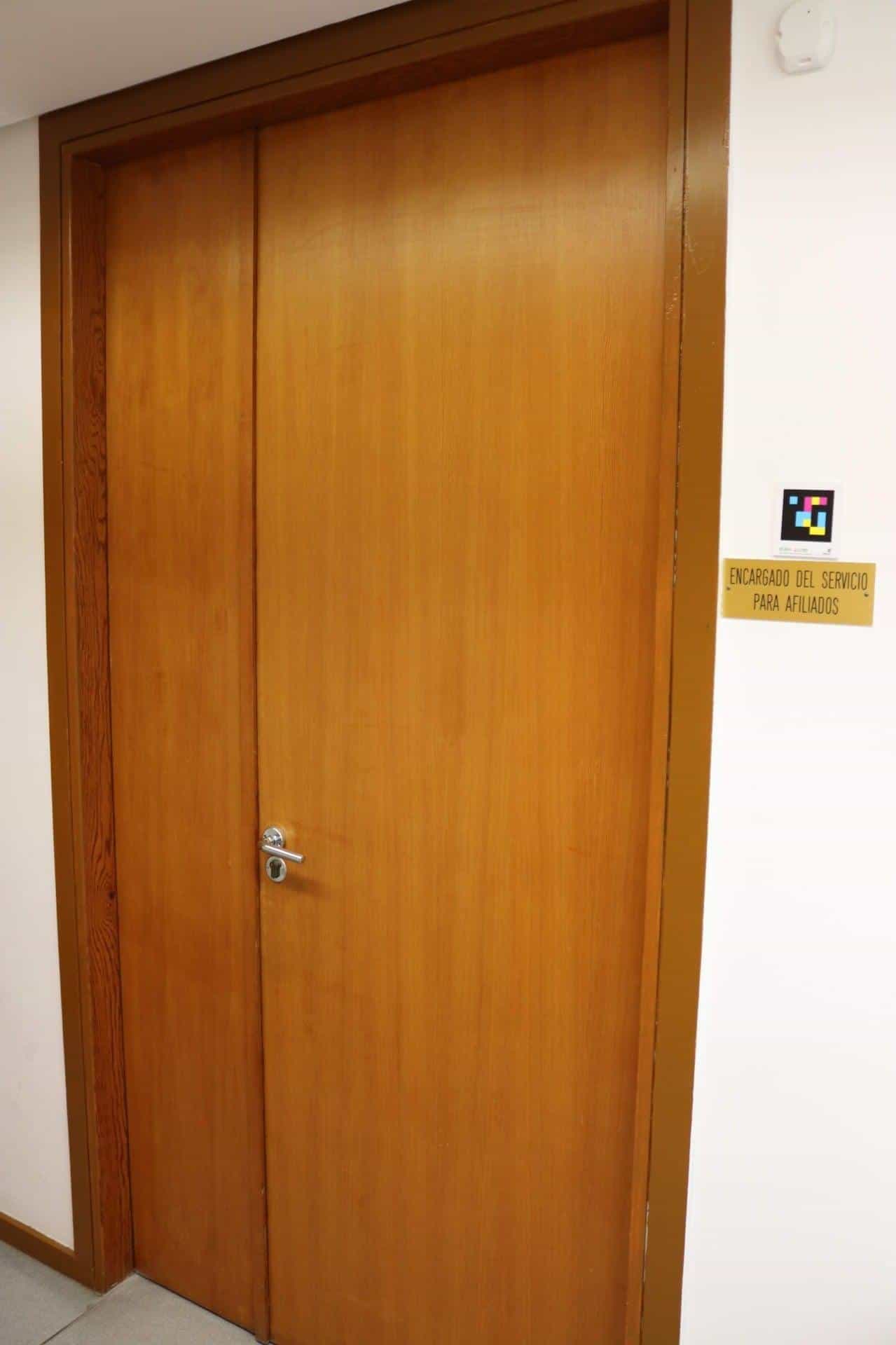
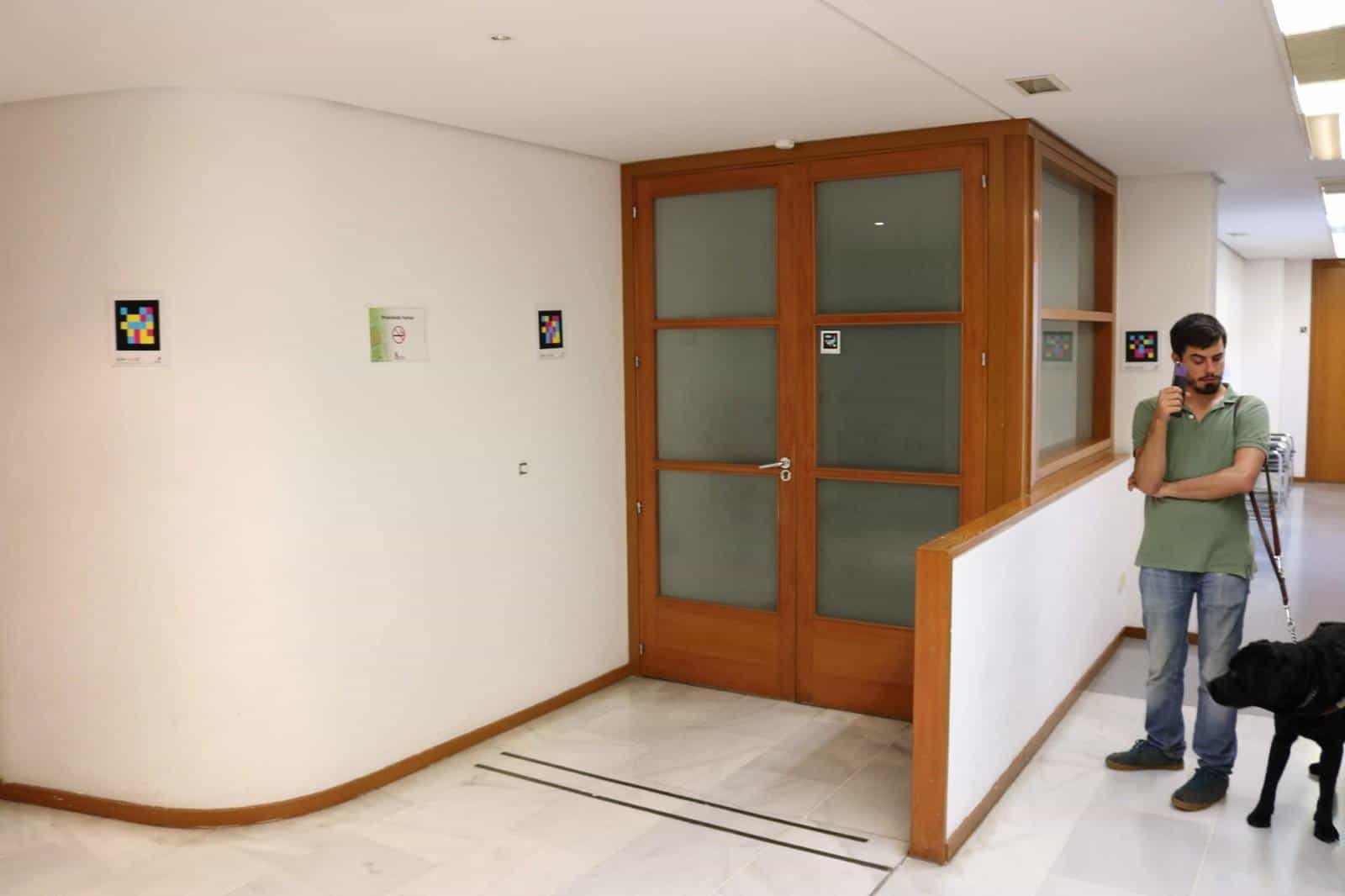
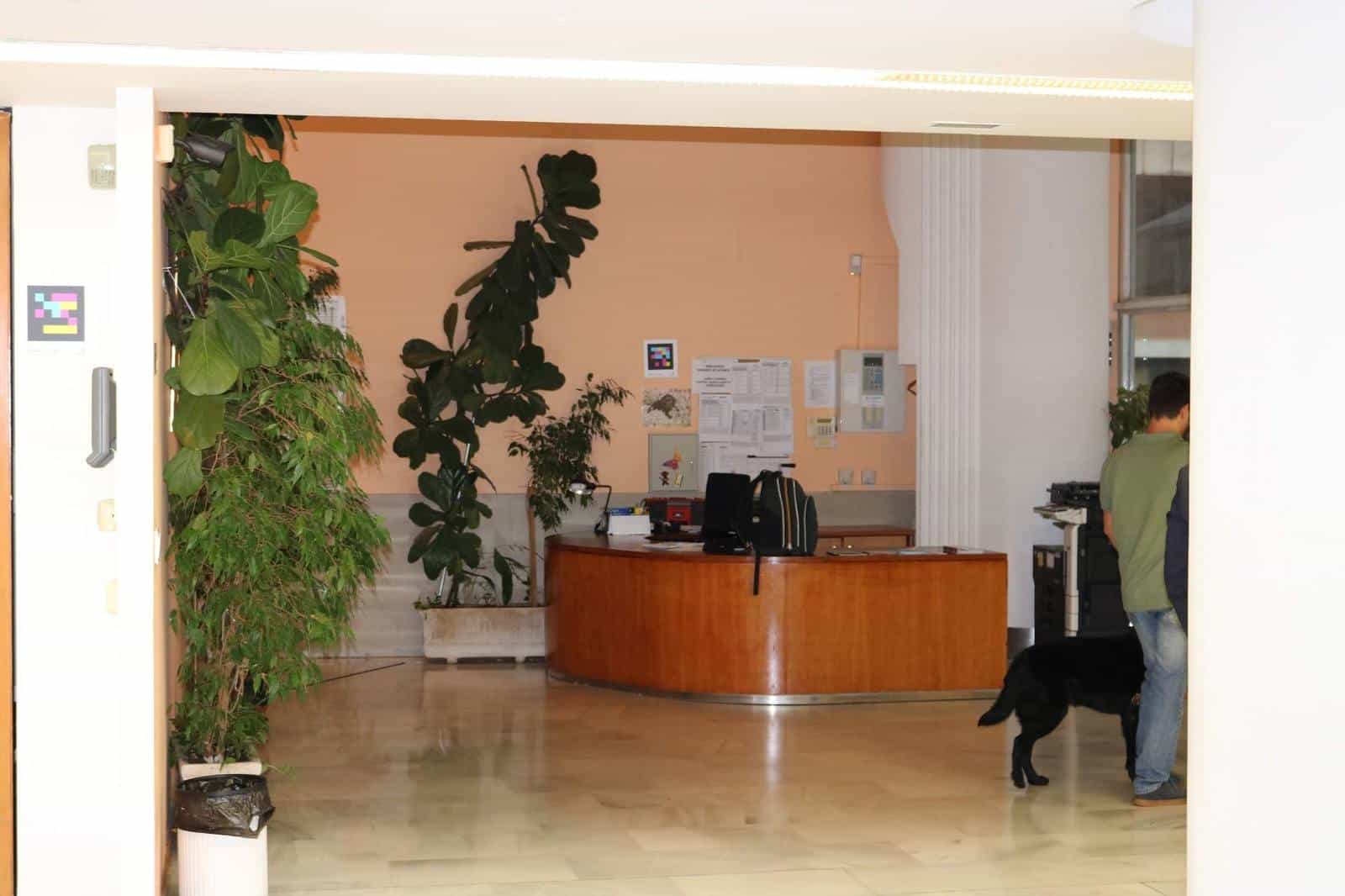
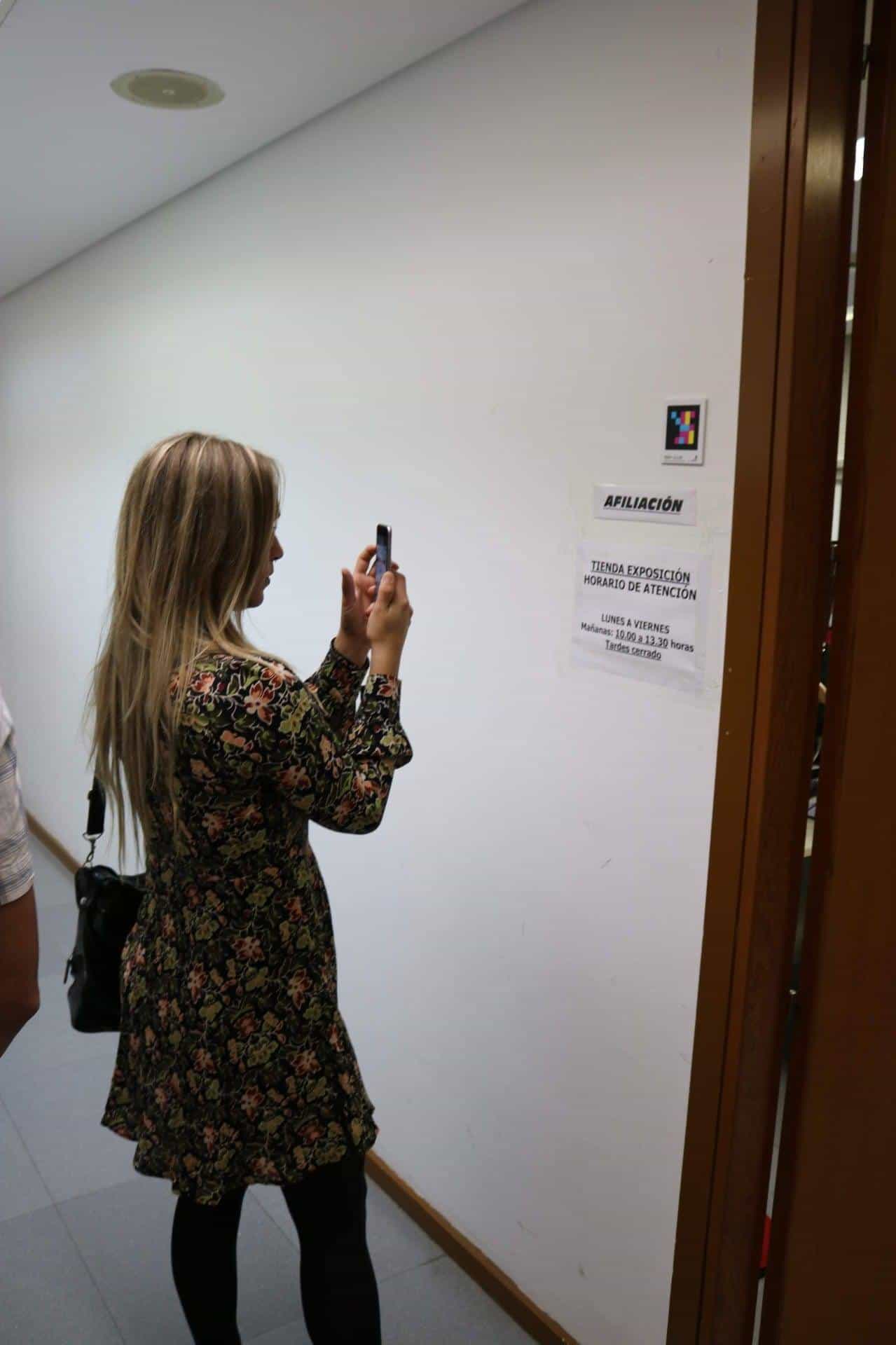
NaviLens codes are spread along the usual route of a member: street entrance, lobby, fire hose reels, corridors, waiting areas, library, exhibition shop, member service officer and technical offices.
§ Why it matters
ONCE uses, at home, what it recommends outside.
Real independence
Members and visitors enter, walk through and locate offices without having to ask or be accompanied.
Layer, not replacement
NaviLens lives alongside braille, high contrast, tactile paving and the existing emergency signage: it adds, it does not replace.
Replicable model
The rollout is scalable to other regional offices, educational resource centers and services of the ONCE Social Group.
§ And your headquarters?
Your office can also welcome in 42 languages.
Tell us about your building, your services and your visitors. We’ll show you how NaviLens would make your office truly accessible.