Case study · Cartagena, Spain
ALSA in Cartagena — the bus stop
that introduces itself.
How ALSA and Cartagena City Council made the city’s bus shelters—Asamblea, Line 7, Cercanías—accessible with NaviLens in 42 languages.
ALSA
Operator of Cartagena urban transport
Cartagena Council
Driver of the municipal rollout
42
Languages with voice readout
Real time
Lines, destination and next departures
The client
ALSA · Cartagena
City Council
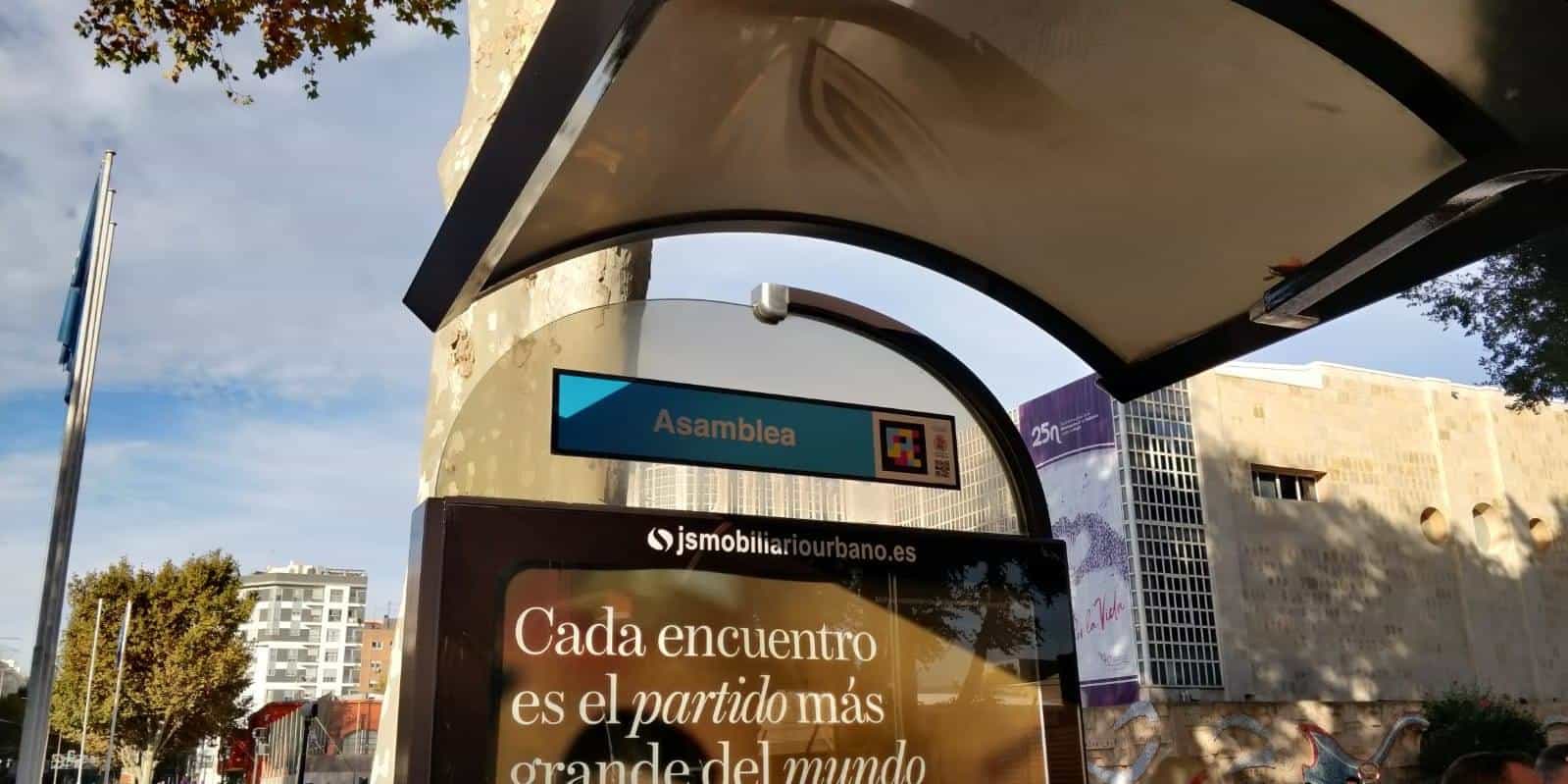
ALSA operates Cartagena’s urban and Cercanías transport, with lines connecting the city center, the University, hospitals and outlying villages. Every stop is identified by a blue sign with the Cartagena City Council crest.
With NaviLens, those signs stop being just signage and become stops that talk: travelers hear the stop name, the lines that call there, the destination and the next departures—in any language.
§ The challenge
So no one is left off their bus.
- 01
An urban network readable by anyone
Cartagena combines urban and Cercanías lines operated by ALSA. Signage, maps and schedules stuck to glass are barriers for blind, low-vision or older passengers and tourists who don’t read Spanish.
- 02
Spotting the shelter without seeing it
Finding the stop sign and line panels is not trivial with low vision. NaviLens is detected from several yards away, while moving and without focusing—even with the camera pointed from the sidewalk.
- 03
One language across the whole city
Cartagena City Council wanted a single standard to identify every bus stop—Asamblea, University, old town, neighborhoods—with the same brand and experience across all ALSA assets.
§ The solution
A code on every
blue sign.
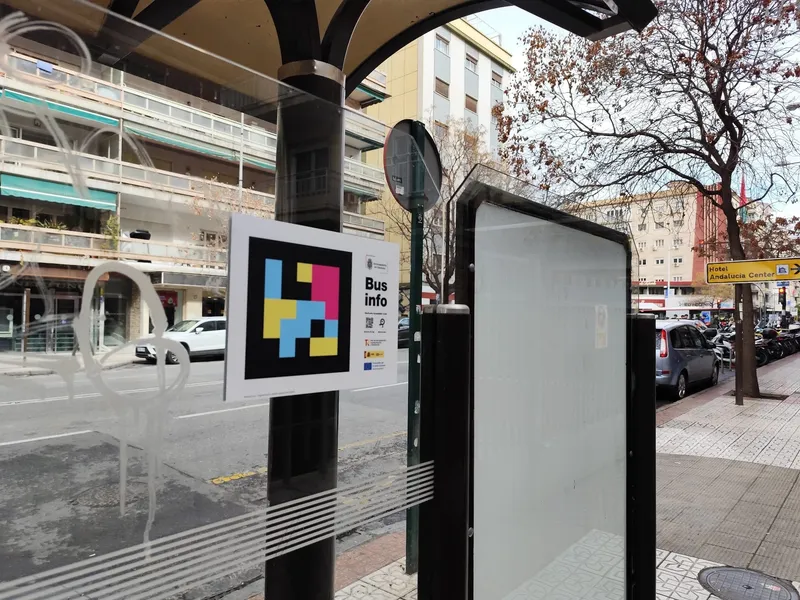
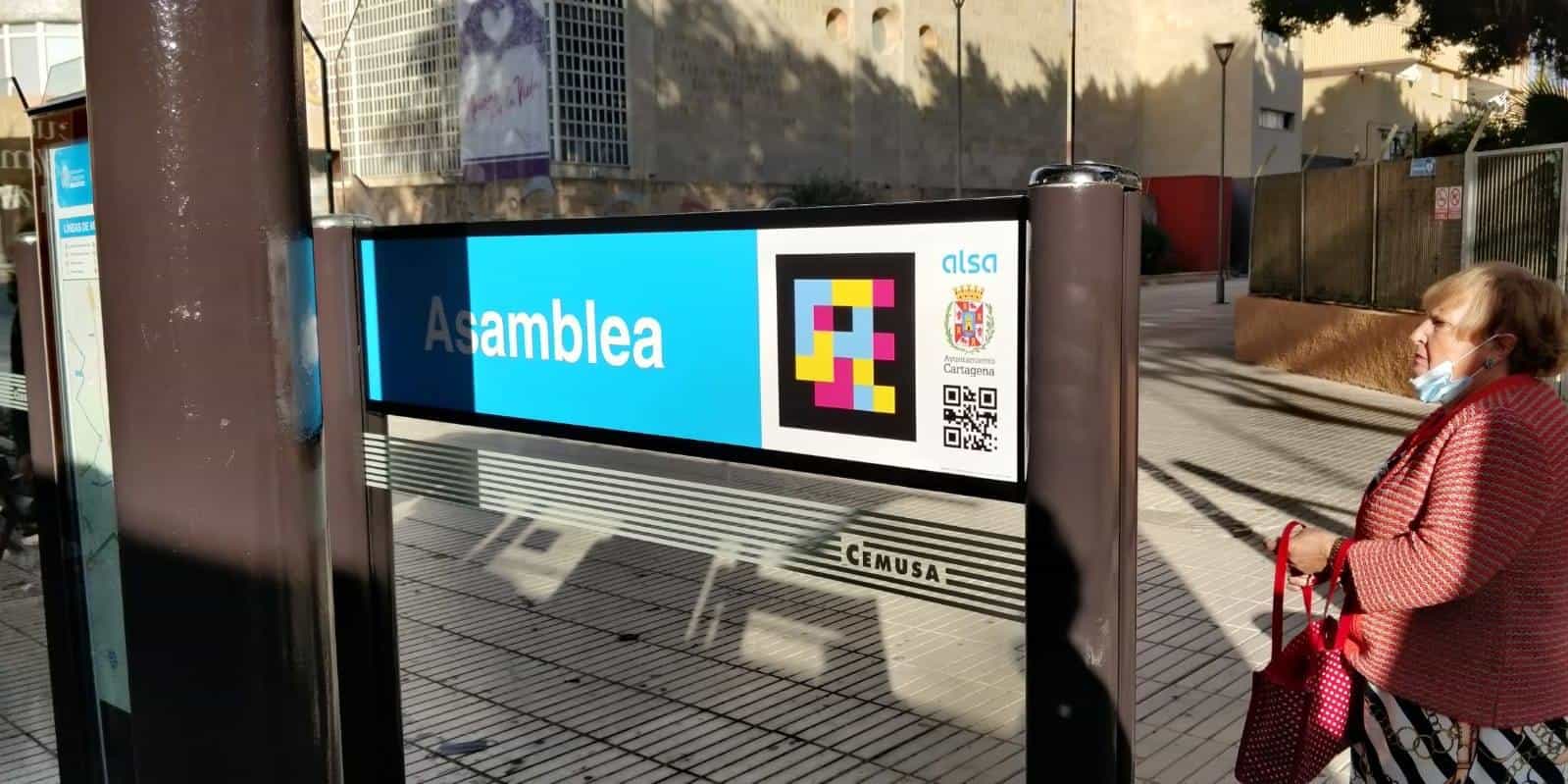
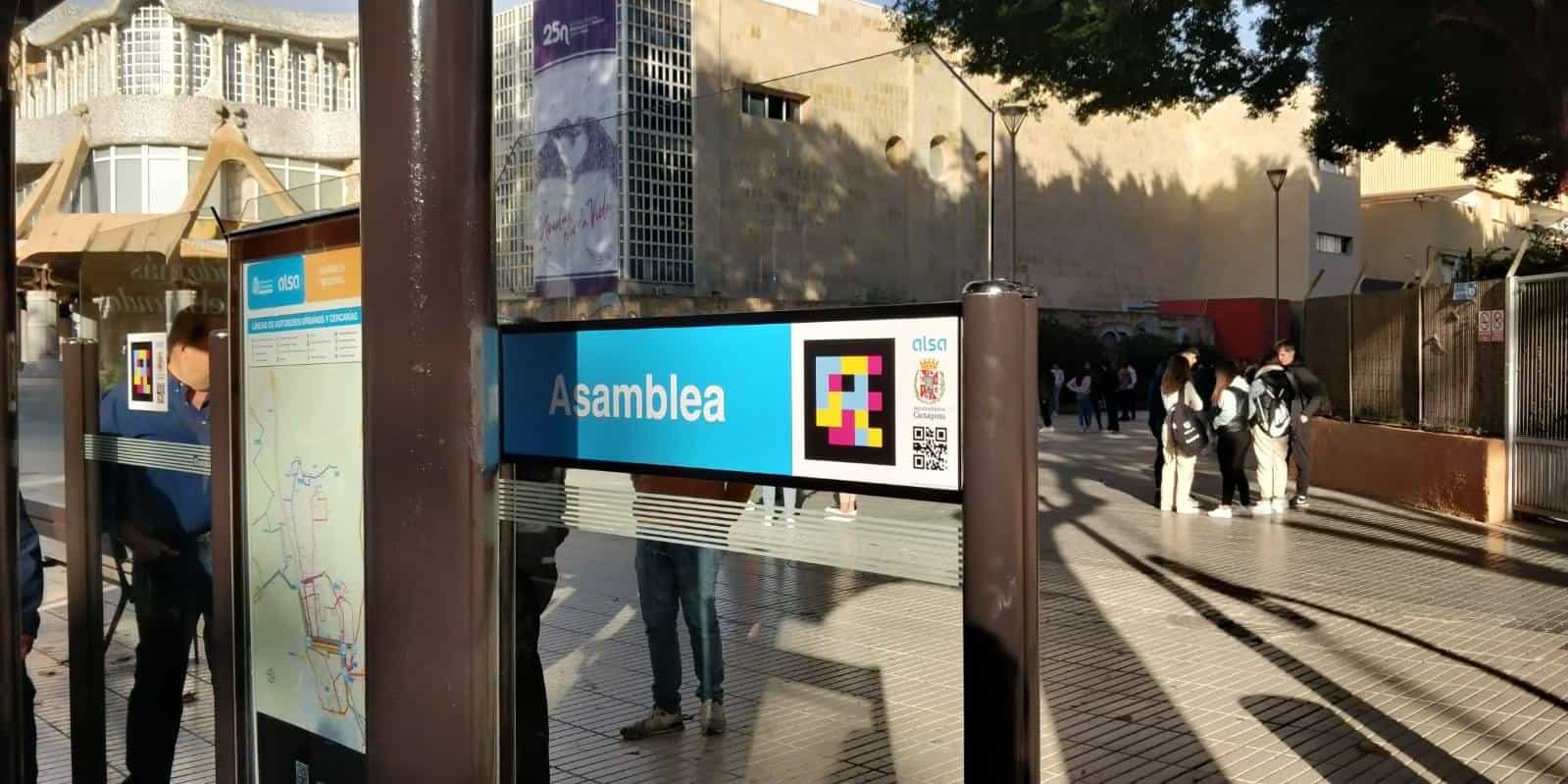
Every stop on Cartagena’s urban bus carries a NaviLens code next to the name and to the ALSA and City Council logos. It is detected from several yards away, while moving and without focusing.
The traveler hears the stop name (Asamblea, …), the lines that pass (Line 7, Cercanías), their destination and the next departures—even with low vision or without Spanish.
§ Timeline
From one stop to an accessible urban network.
- Dec 2022
Start of public transport digitisation
Cartagena City Council, with Sustainable City councillor Cristina Mora, launches the digitisation project with the first multifunction screen on Paseo de Alfonso XIII and prepares some twenty smart stops.
- 13 Nov 2024
Stops 2.0 with NaviLens, WiFi and AR
The Council announces that more than a dozen shelters will include NaviLens codes, WiFi and augmented reality, consolidating the accessible urban bus model operated by ALSA.
- Day to day
Asamblea, Line 7 and Cercanías by voice
The traveler points NaviLens GO at the “Asamblea” sign and hears the stop name, the urban and Cercanías lines that call there, their destination and the next departures—in their own language.
§ On the ground
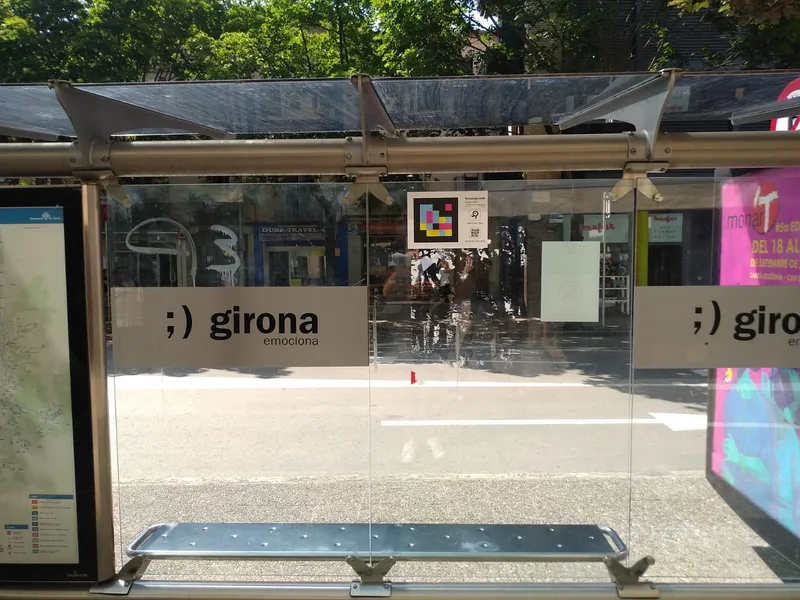
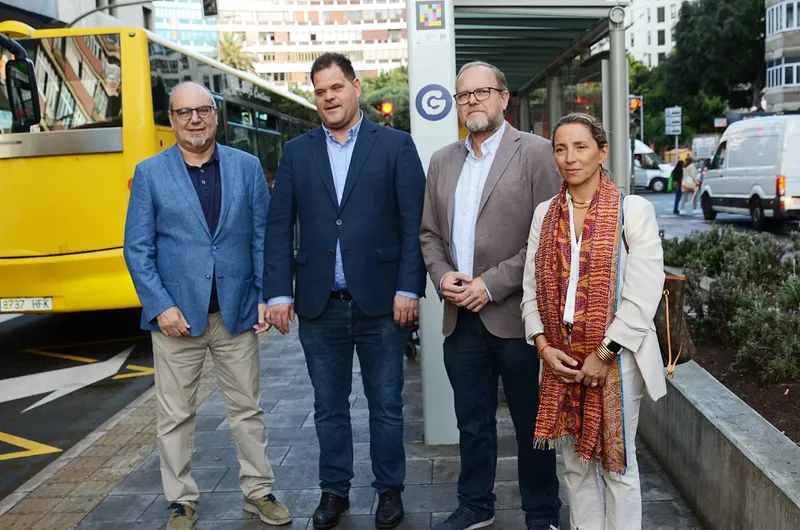
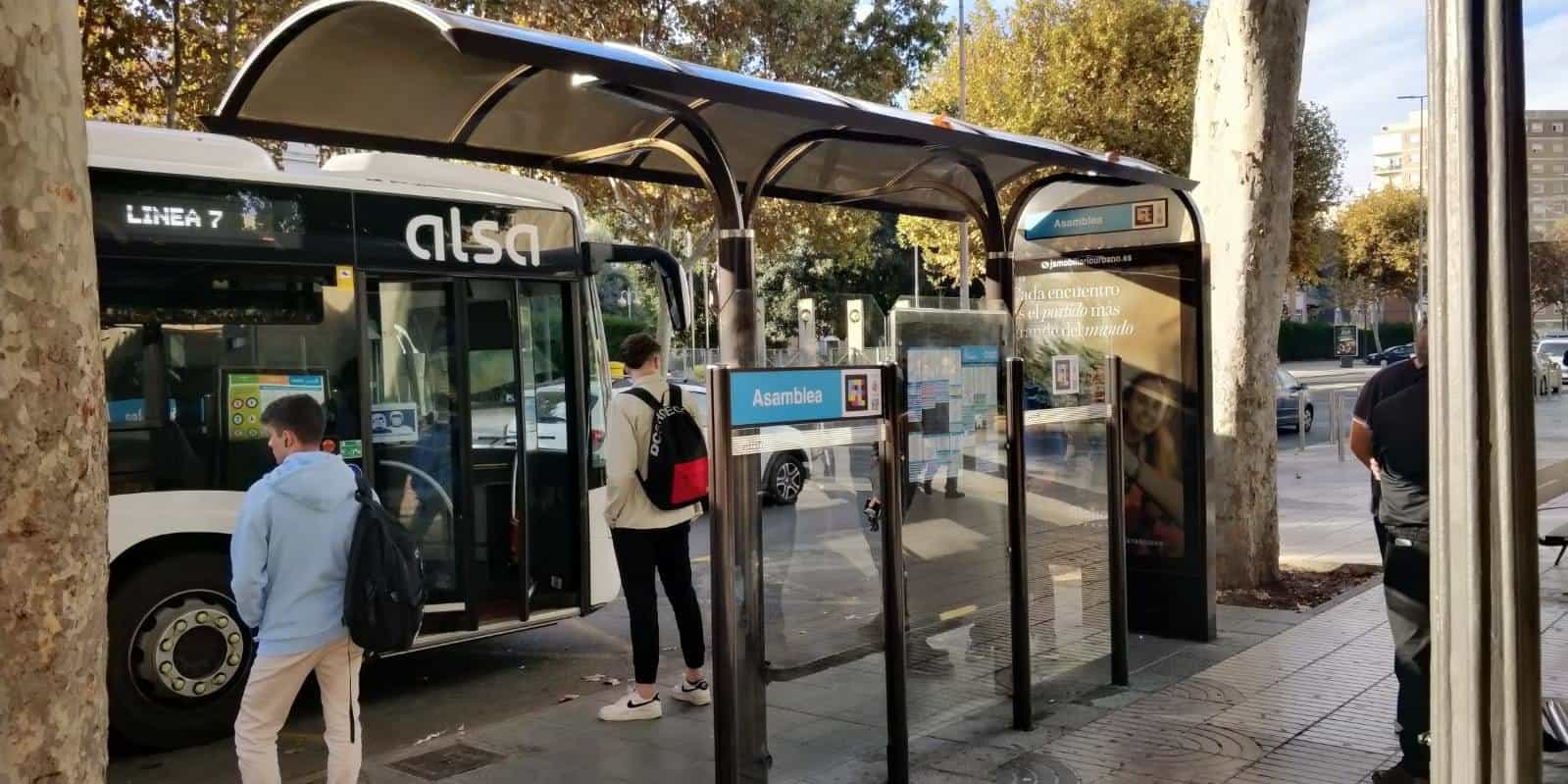
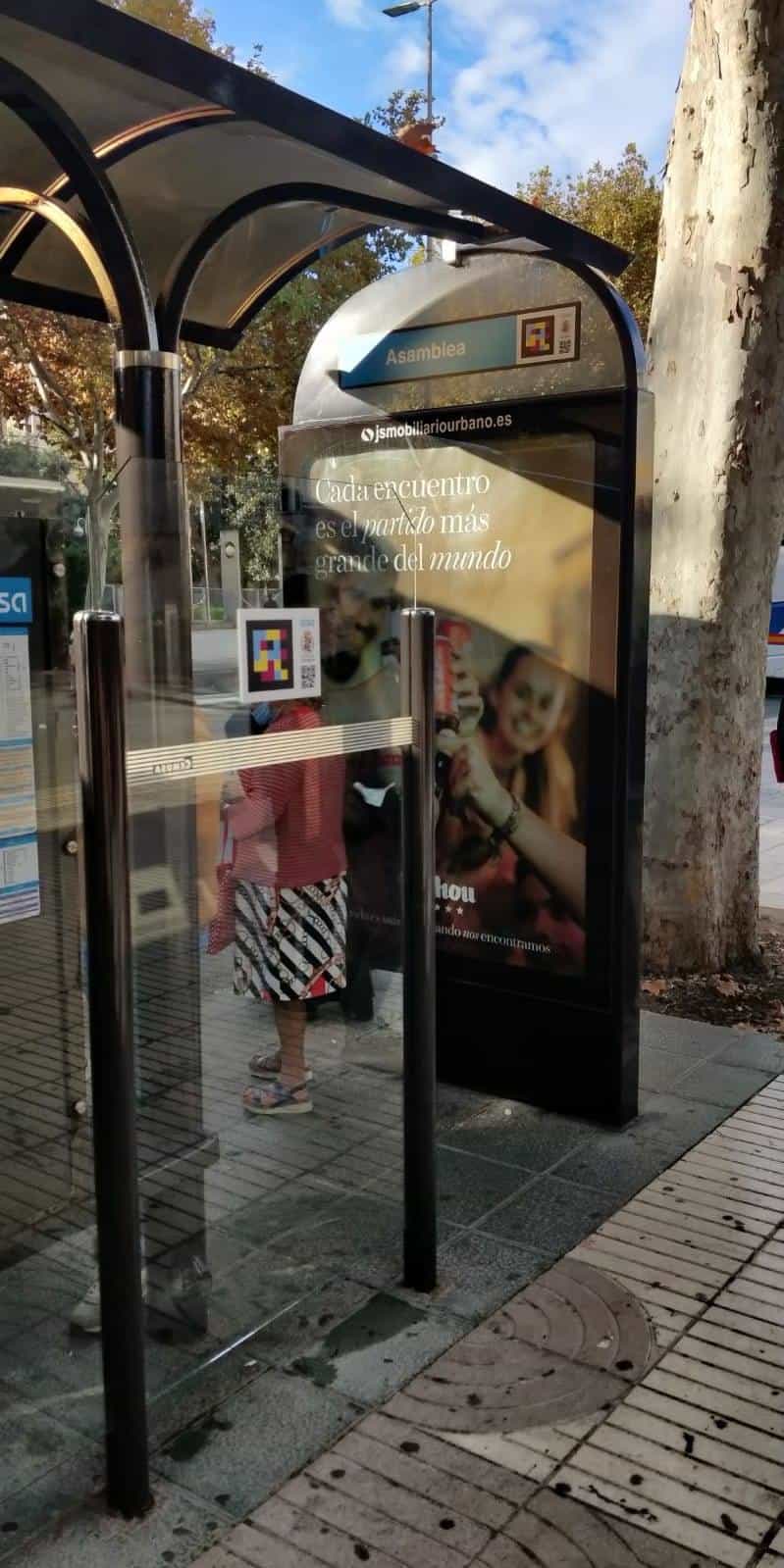
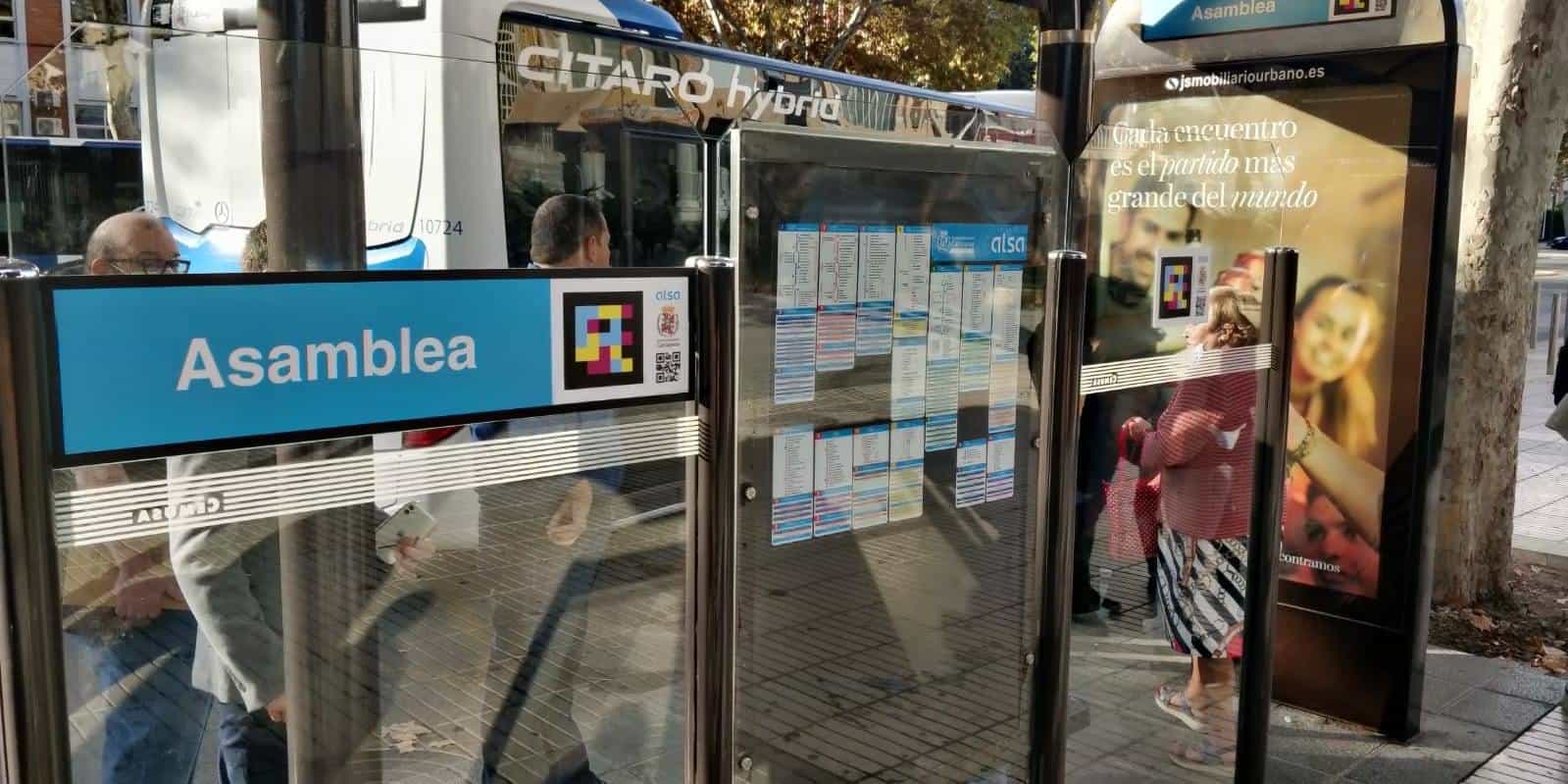
Signage, shelters and buses in Cartagena.
§ What they said
What the Council said.
“Las paradas de autobús de Cartagena incorporarán códigos NaviLens de realidad aumentada que devolverán la información de tiempos de espera. Las personas con discapacidad visual podrán utilizar estos códigos dirigiendo la cámara de su móvil a la parada, con lectura desde hasta 15 metros de distancia.”
§ Results
An urban bus that anyone can use.
100%
Of the sign’s information available by voice
42
Languages — including English, French, German and Arabic
0
Visual barriers to identifying stop and line
“A useful stop is one that any person—blind, elderly or tourist—can read without having to ask for help.”
§ And your network?
Your next station can also speak.
Tell us about your network, your pain points and the KPIs you want to move. We’ll show you how NaviLens would fit—with comparable cases.