Case study · Murcia, Spain · 2018
Murcia Tram — the first tram in Spain that speaks for itself.
In June 2018, the Murcia Tram became the country's first tram network with NaviLens deployed across 100% of its stops and inside every one of its vehicles.
2018
First Spanish tram with NaviLens
100%
Stops and vehicles covered
L1
Plaza Circular ↔ Universities
42
Languages read aloud
The client
Murcia Tram
Line 1 (L1)
The Murcia Tram operates Line 1, linking Plaza Circular with the Universities via Nueva Condomina Stadium, La Ladera and Nueva Condomina, serving students, residents and visitors.
With the 2018 NaviLens rollout, its shelters, ticket machines, Pantel info posts and vehicles went from glass and vinyl to a network that speaks in 42 languages to any traveler — including low-vision passengers, older adults and international tourists.
§ The challenge
Letting tram travel no longer depend on eyesight.
- 01
Finding the stop and the right platform
A blind passenger used to depend on others to locate the shelter, identify the platform and know whether the tram was heading to the Universities or to the city center.
- 02
Invisible on-board information
Line maps, next stops and notices were only readable for those who could see them. PA voice announcements were not always clear, nor did they help international passengers.
- 03
A network open to every kind of public
The tram links the center with the universities, Nueva Condomina Stadium and residential areas. It needed accessible information for international students, tourists and older adults — not only for low-vision passengers.
§ The solution
NaviLens codes at the stop and on board.
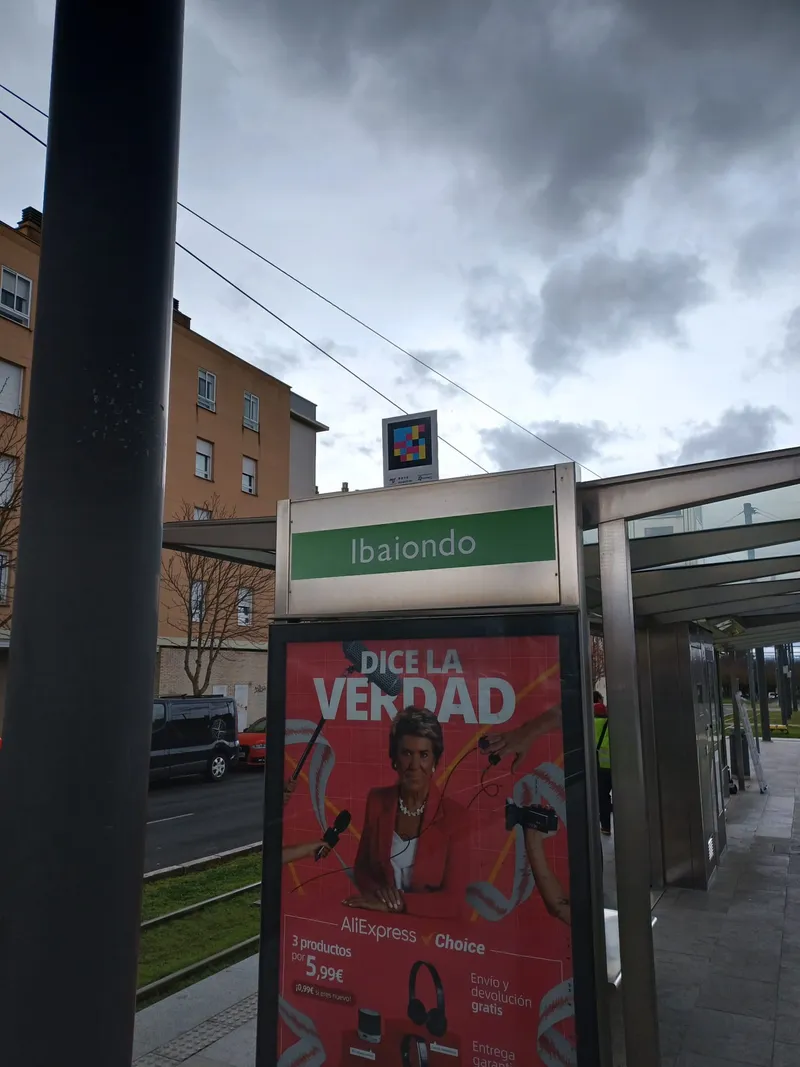
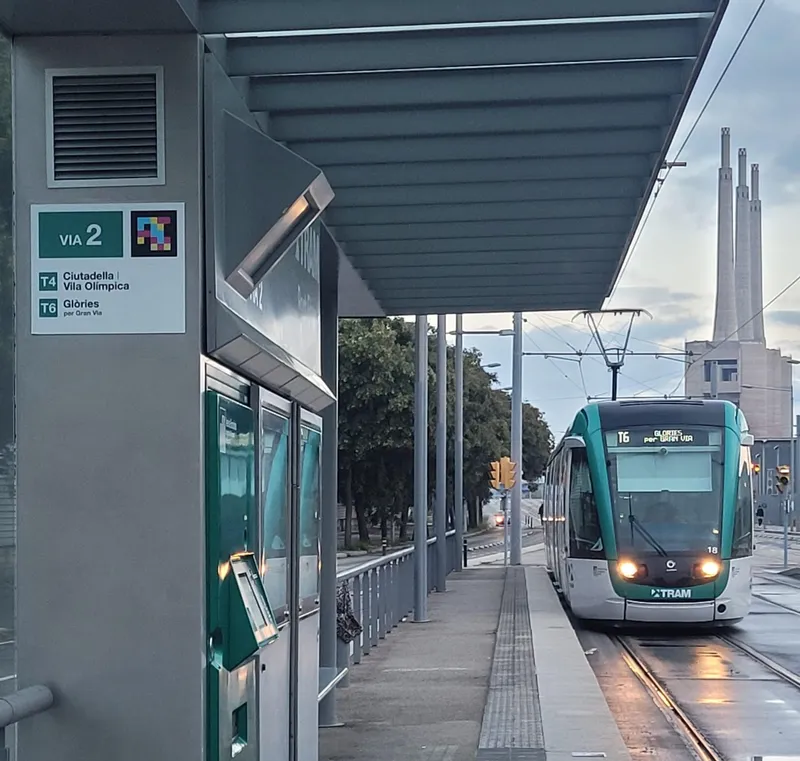
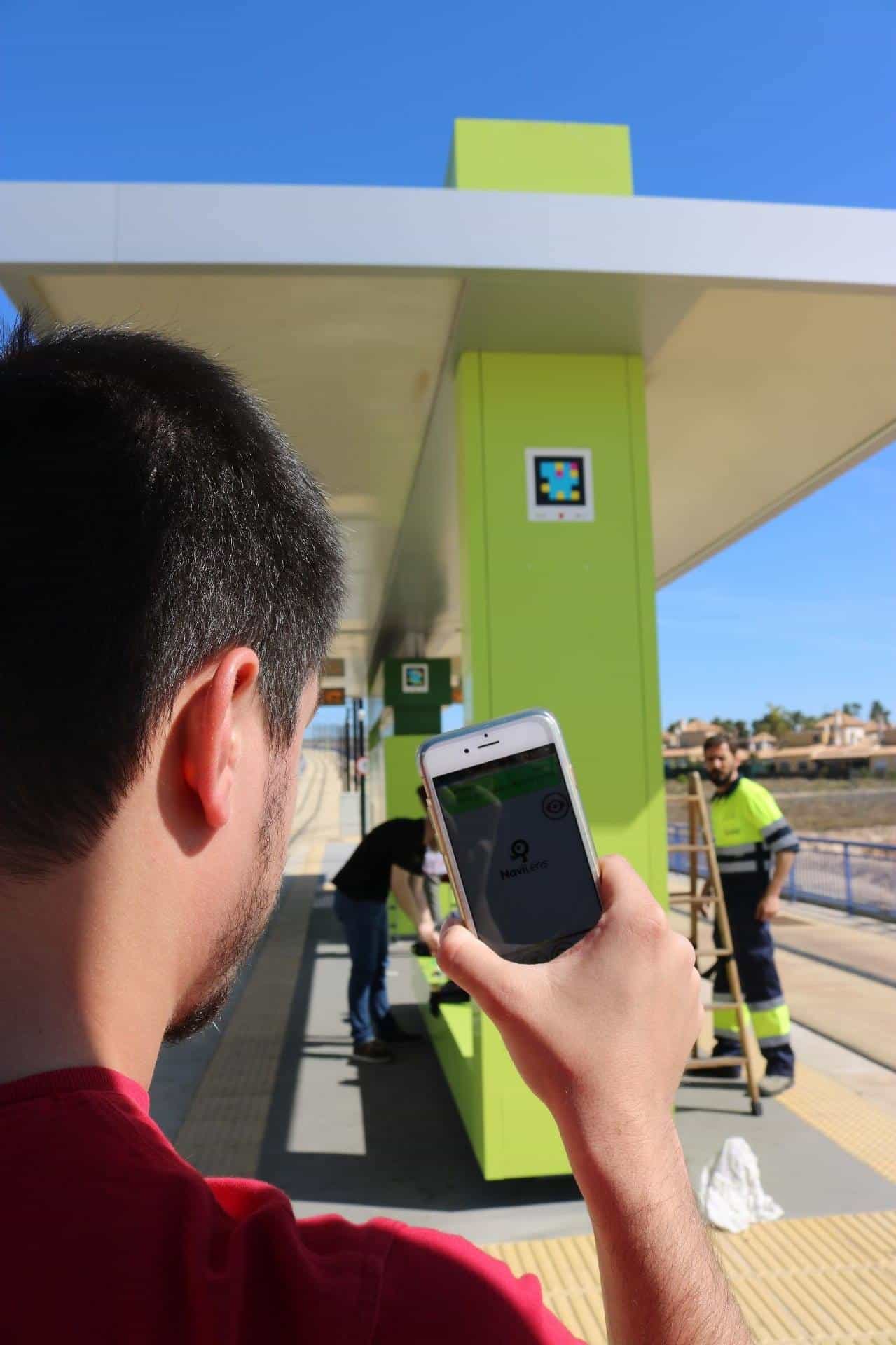
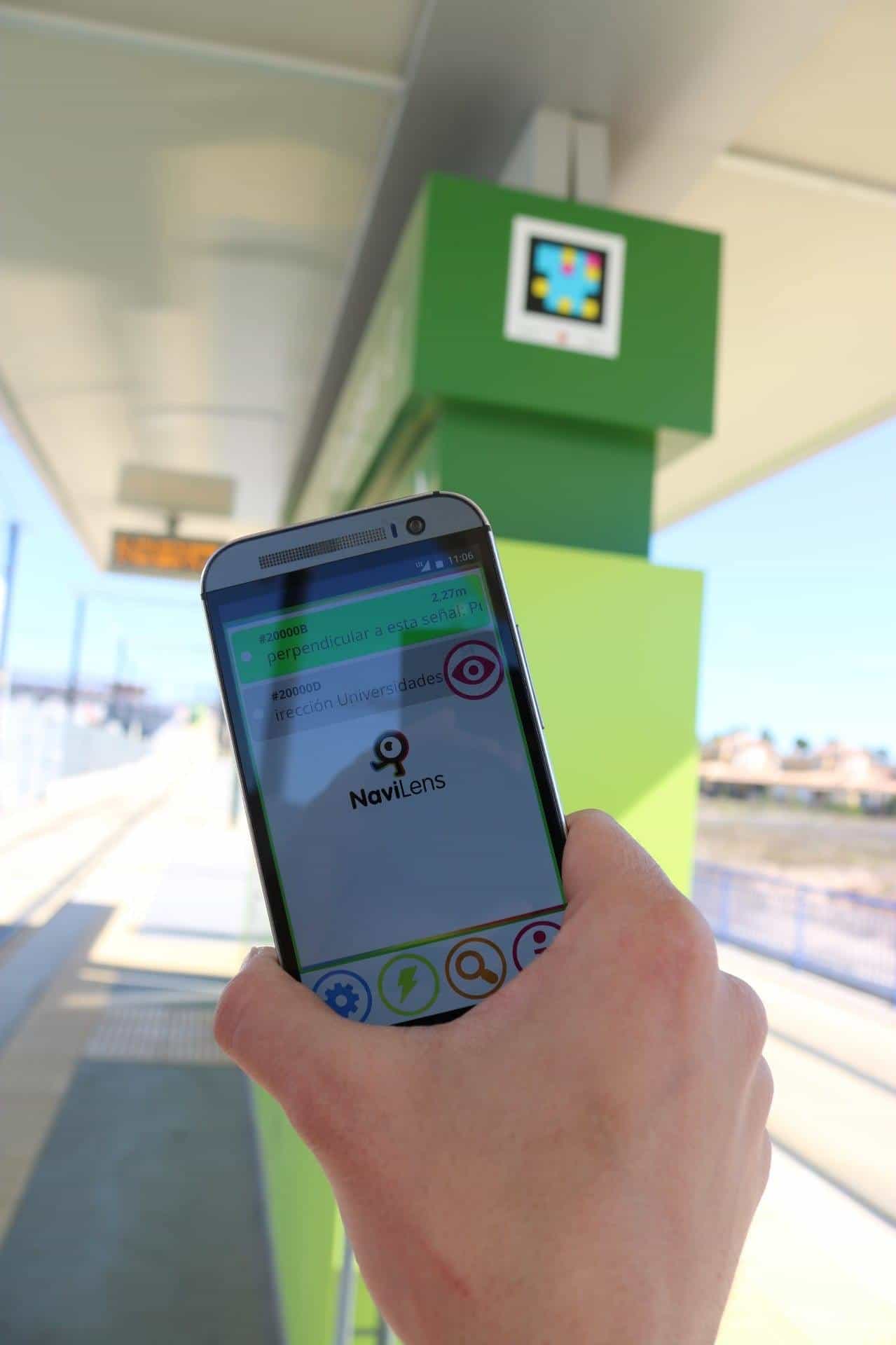
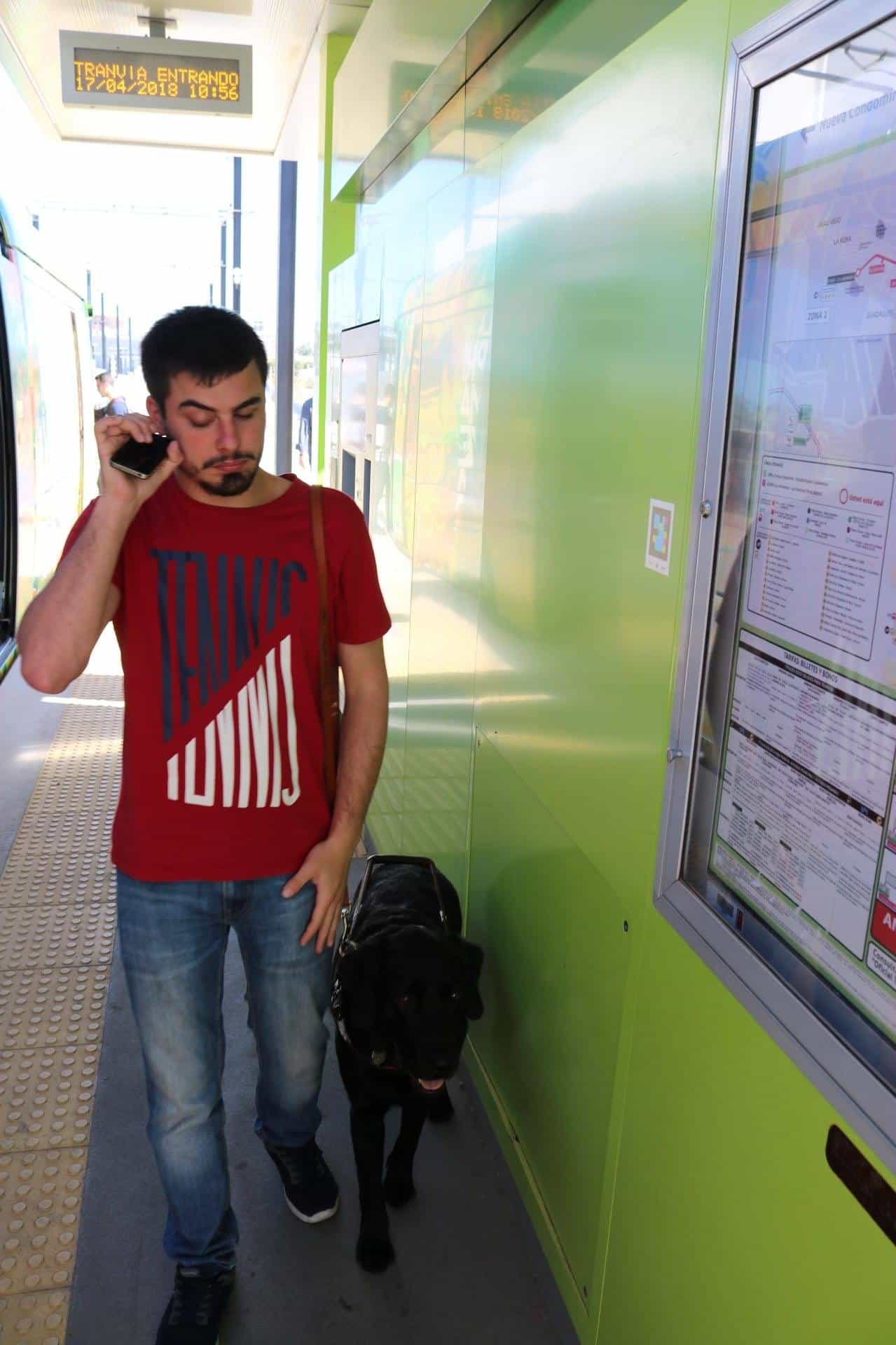
Every shelter has a NaviLens code at the top of its canopy, next to the network map. The app detects it from several yards away, on the move and without aiming, announcing the stop, line and direction.
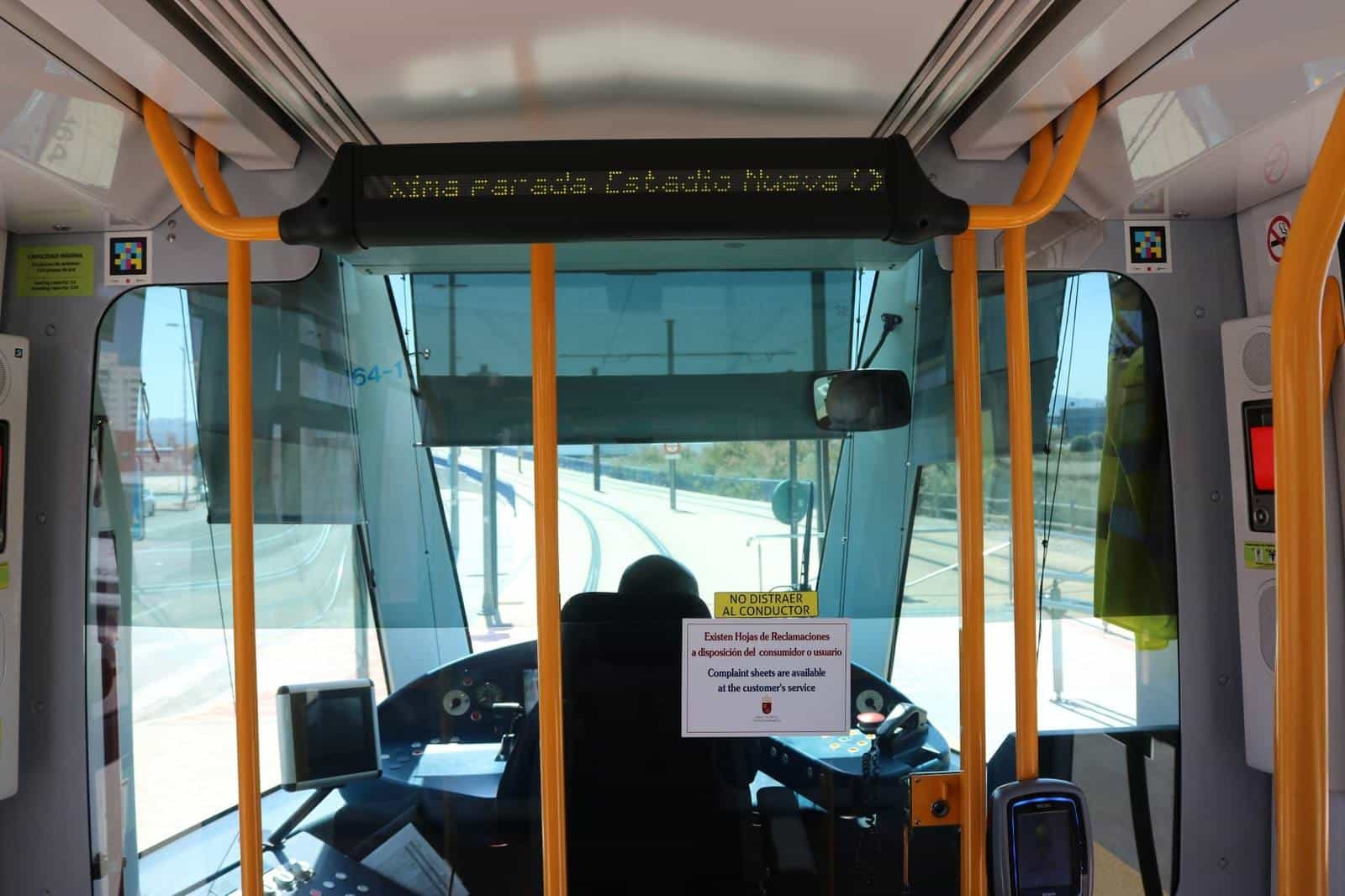
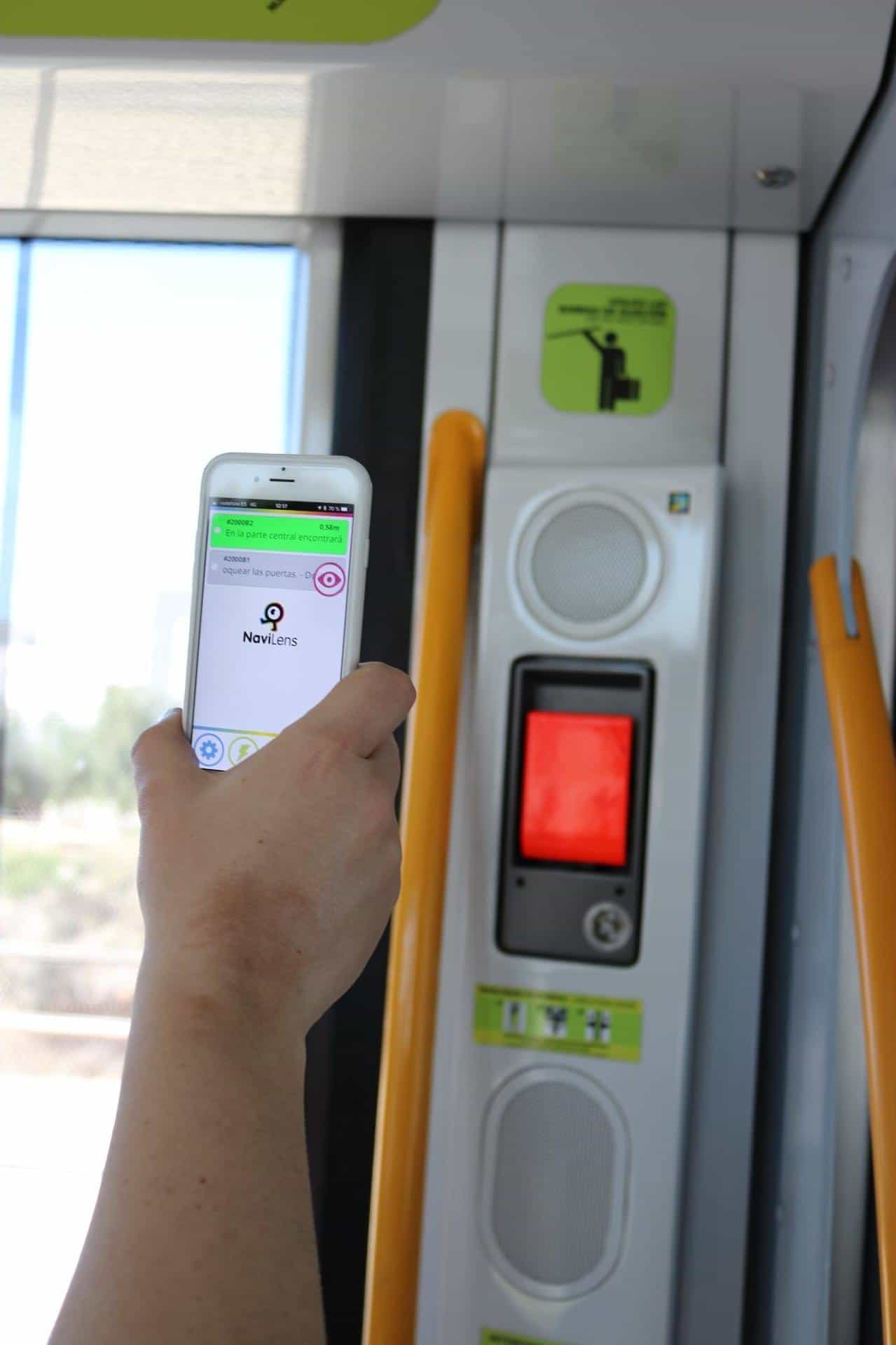
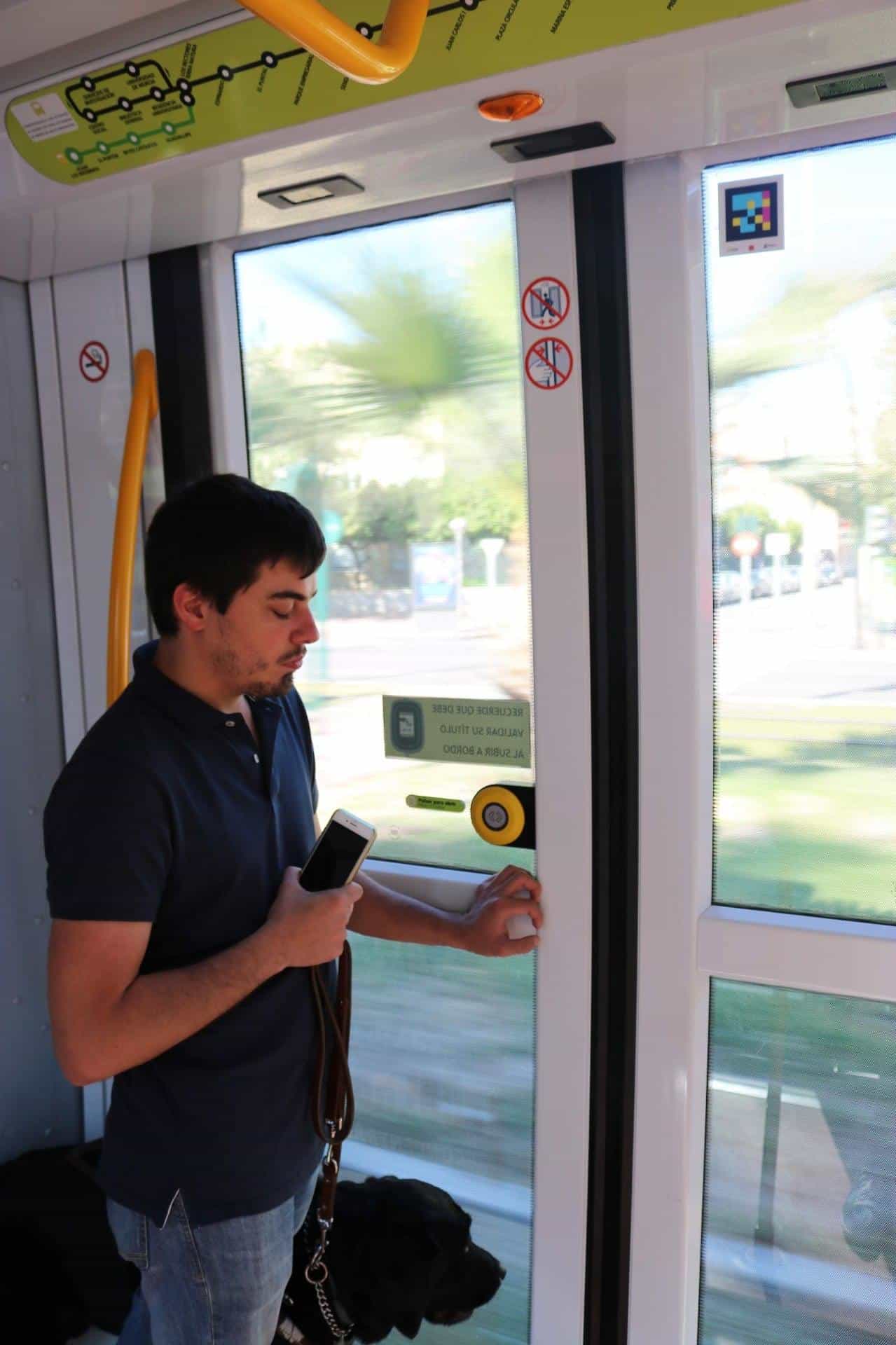
Inside the tram, codes next to doors, validators and Pantel posts indicate which door will open, where the emergency handrail is and the next stop — all in the traveler's language.
§ Rollout
From the shelter to the interior of the tram.


§ Timeline
From a pilot to a complete network.
- Jun 2018
Launch: Spain's first tram with NaviLens
On 6 June 2018 the NaviLens deployment is officially unveiled at the Murcia Tram with Neosistec, ONCE and the City Council. It becomes the first tram operator in Spain to roll out the system across its entire network.
- Stations
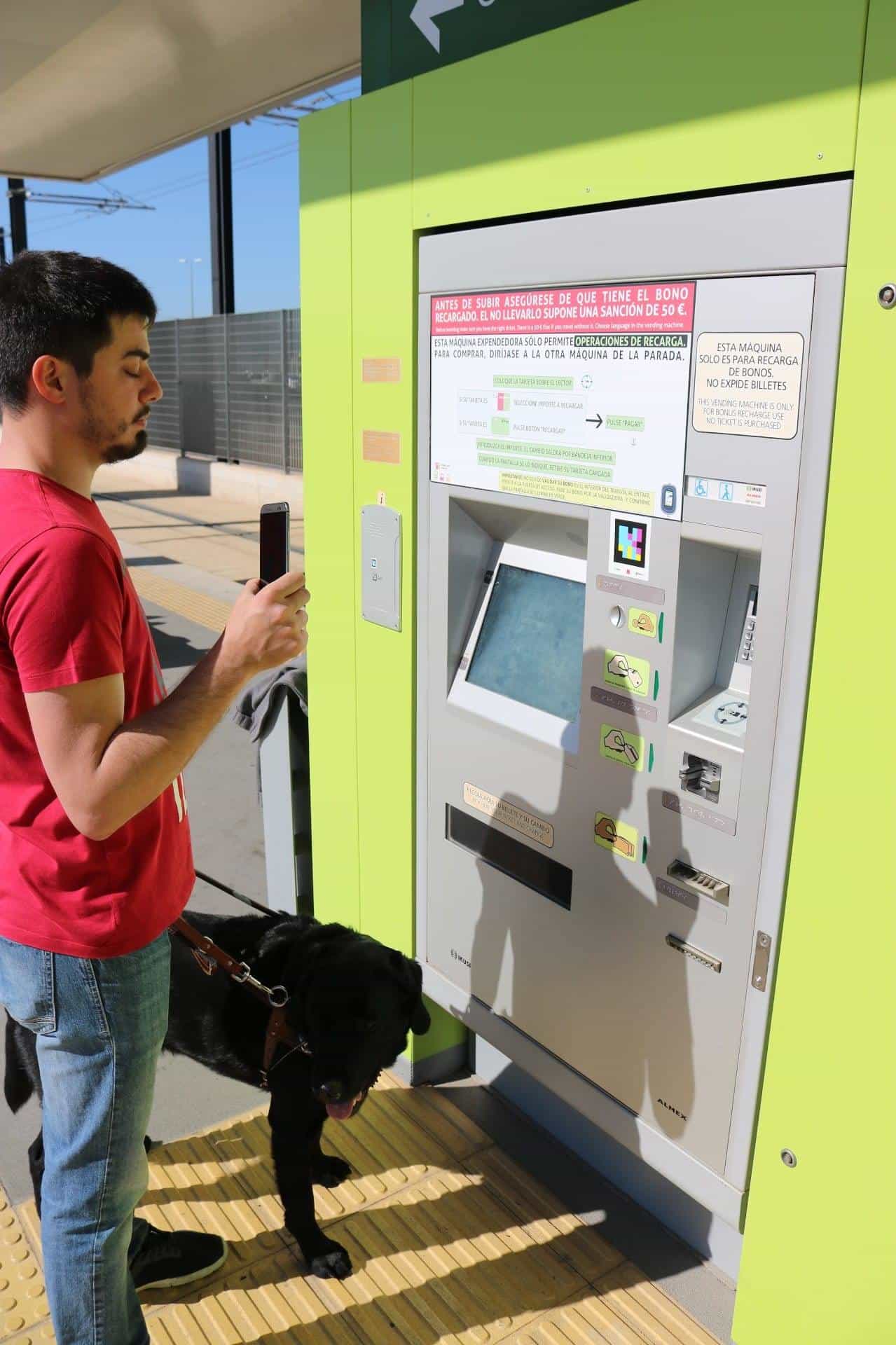
Codes on shelters, machines and info posts
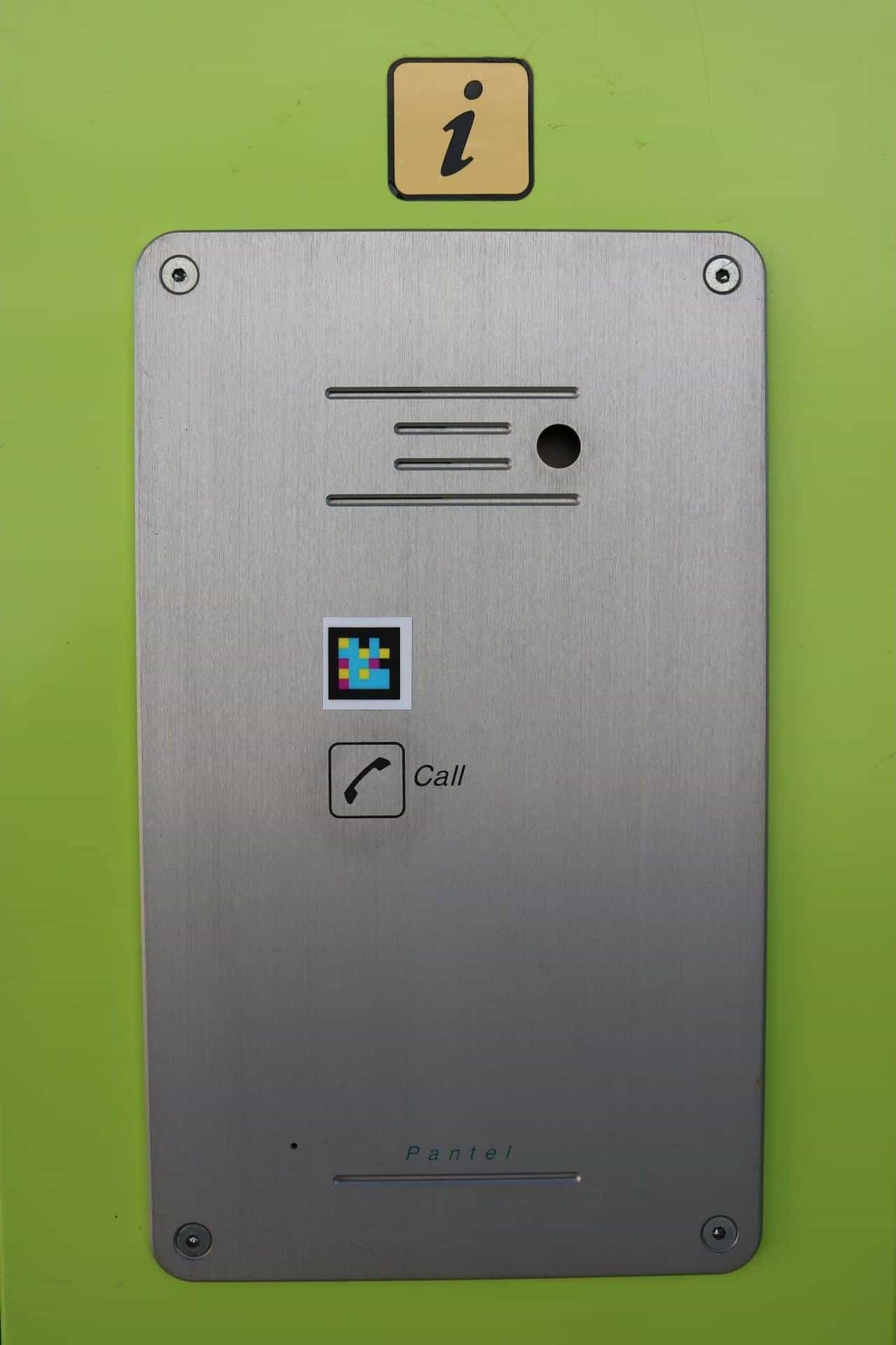
Each stop (La Ladera, Nueva Condomina, Estadio, Universidades…) gets NaviLens codes at the top of the shelter, next to network maps, on ticket-vending machines and on the Pantel posts for info and operator calls.
- On board
Codes inside every tram
Vehicles carry NaviLens codes next to doors, validators and button panels. The app announces which door will open, where the emergency handrail and button are, and the next stop.
- Today
A permanent info layer in 42 languages
Travelers point with NaviLens GO and hear, in their own language, the stop, line, direction, arrival times and instructions — without aiming and from several yards away.
§ What they said
What the press said at launch.
“It is the first tram in all of Spain to adopt this system, and to do it across every one of its stops and trams, contributing to better accessibility.”
“The tram unveils an innovative system that guides blind people and lets them move with full freedom. It is 100% Murcian technology that orients and provides real-time information to blind passengers.”
§ Results
A tram network that anyone can use.
1st
Spanish tram network with NaviLens across the whole line
100%
Of stop and on-board info also available by voice
0
Visual barriers to using the tram independently
Sources · InfoTecnoVisión (2018) · Cadena SER (6 Jun 2018) · Murcia City Council · ONCE · Así Somos
“A tram is only truly public if everyone—in any language and with any level of vision—knows where they are, which line it is and where it is going.”
§ And your network?
Your next station can also speak.
Tell us about your network, your pain points and the KPIs you want to move. We’ll show you how NaviLens would fit—with comparable cases.