Case study · Osaka (Japan)
A 1915 zoo learning.
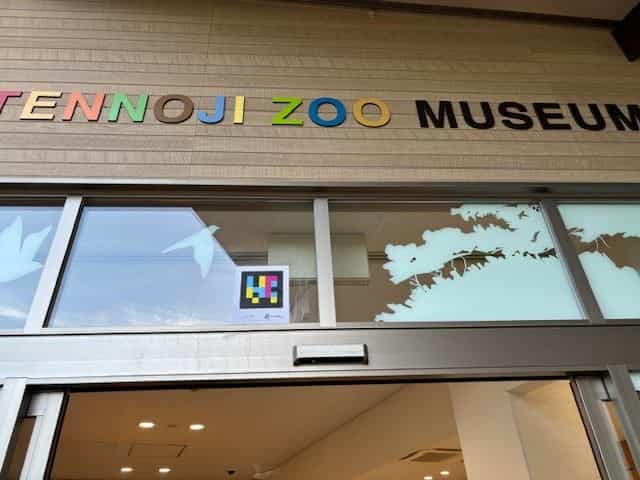
The TENNOJI ZOO MUSEUM, the museum building of Osaka's Tennoji Zoo, embeds NaviLens on its façade, in the multipurpose Daishin Wakuwaku Hall, the experiment room and the labels of skeletons and taxidermies — and forms station Q4 (Quality Education) of Mainichi Shimbun's SDGzoo Quiz Rally.
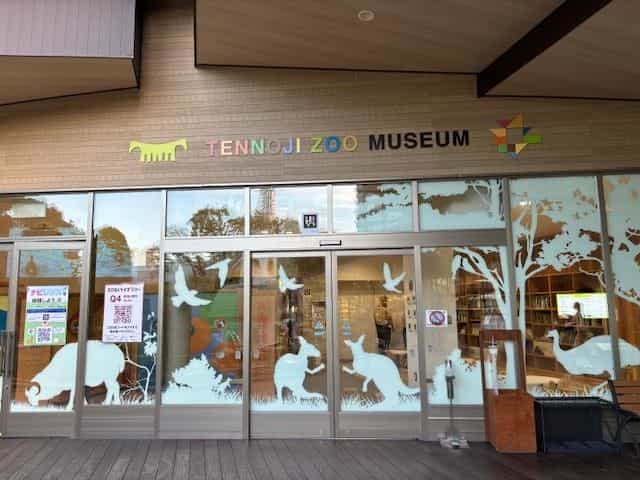
TENNOJI ZOO MUSEUM
Museum building of the Tennoji Zoo (Osaka)
SDGzoo
Mainichi Shimbun + Tennoji Zoo · 4 editions (2022–2025)
Q4 · Quality Education
NaviLens station inside the SDGs Quiz Rally
180 species · 1,000 animals
Tennoji Zoo — 1915, ~11 ha in central Osaka
The client
TENNOJI ZOO MUSEUM · Osaka
Tennoji Zoo (天王寺動物園, 1-108 Chausuyama-cho, Tennoji-ku, Osaka) opened on 1 January 1915, making it Japan's third-oldest zoo. It covers around 11 hectares inside Tennoji Park, in the heart of the city, and is home to roughly 180 species and 1,000 animals.
Within the zoo, the TENNOJI ZOO MUSEUM is its new museum building: a multipurpose Daishin Wakuwaku Hall (だいしんワクワクホール) for talks and workshops, an experiment room (実験・作業室), temporary exhibitions such as “Together 100号記念展” and a permanent collection of comparative skeletons and taxidermies. It is run by 地方独立行政法人 天王寺動物園 and the SDGs programs are produced together with Mainichi Shimbun.
§ The challenge
Make SDGs education accessible too.
- 01
A historic zoo opening a museum
Tennoji Zoo (天王寺動物園) opened in 1915 and is one of Japan's oldest. In 2024 it opens the TENNOJI ZOO MUSEUM, a building inside the zoo combining a multipurpose hall, temporary exhibitions and a collection of skeletons and taxidermies. It needed an accessible information layer for every audience.
- 02
An SDGs program that had to reach everyone
The “天王寺動物園で学ぶ SDGzoo” program, run by Mainichi Shimbun with the zoo since 2022, sets up a yearly Quiz Rally with stations (Q1…Q17 = the 17 SDGs). “Q4 — Quality Education for All” had to be, by coherence, the most accessible one.
- 03
Labels that only speak to Japanese readers
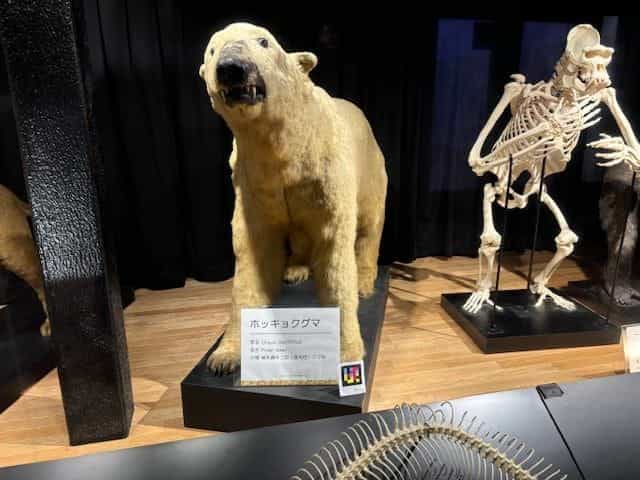
The museum shows skeletons and taxidermies—polar bear, tiger, deer—with Japanese labels. Visitors with visual impairment, children with reading difficulties and international tourists needed to hear the same content without depending on printed text.
§ The solution
An accessible layer on every label.
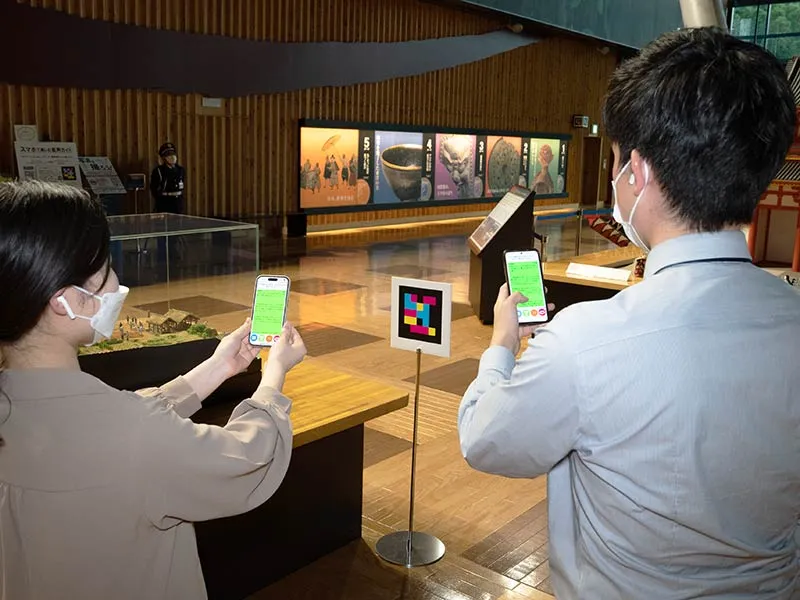
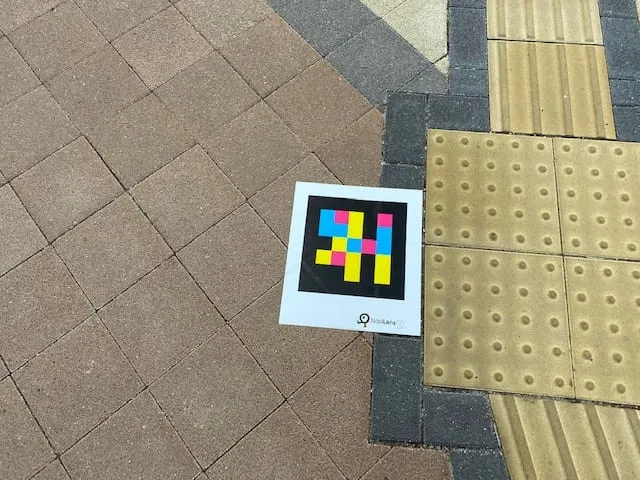
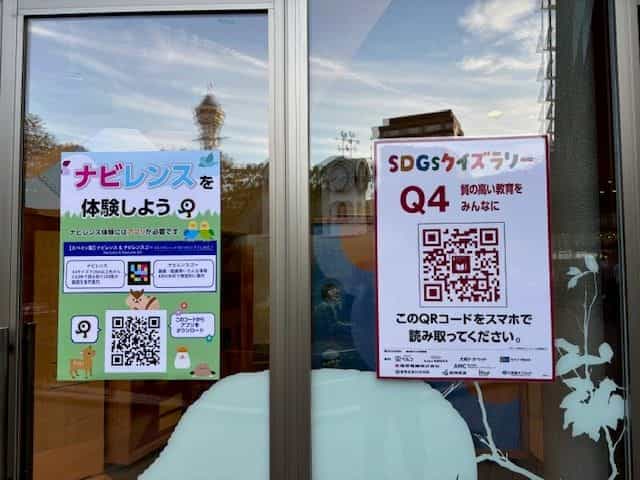
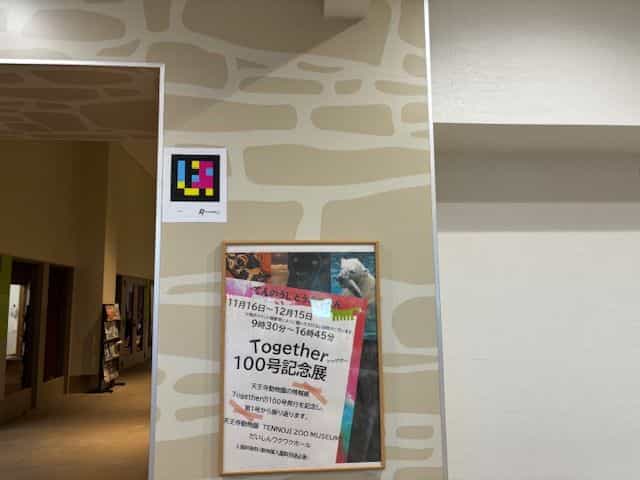
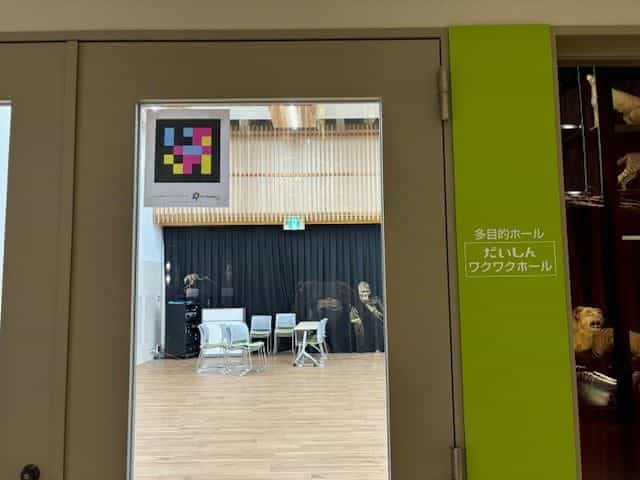
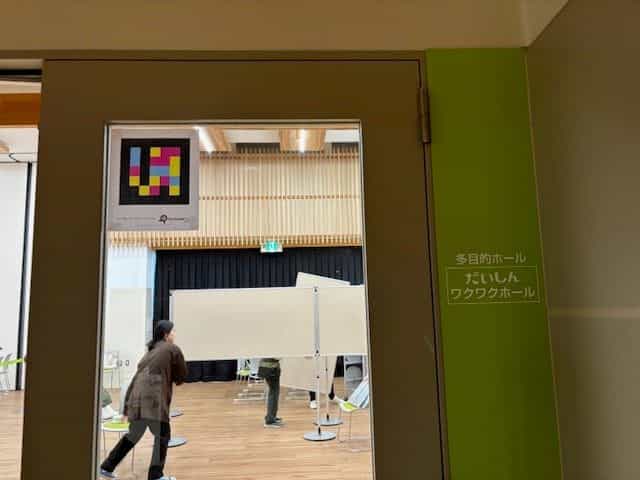
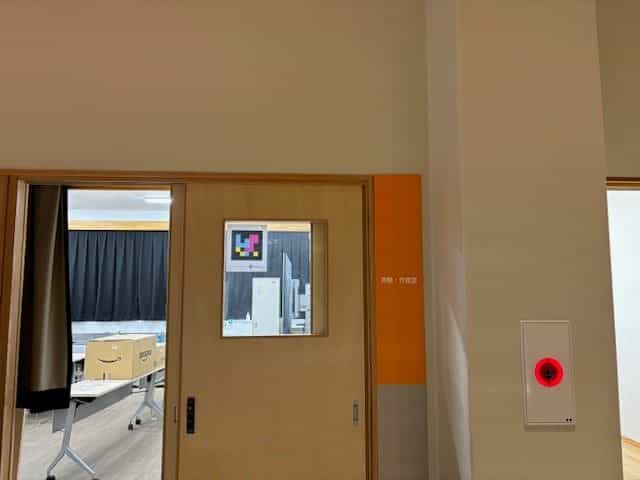
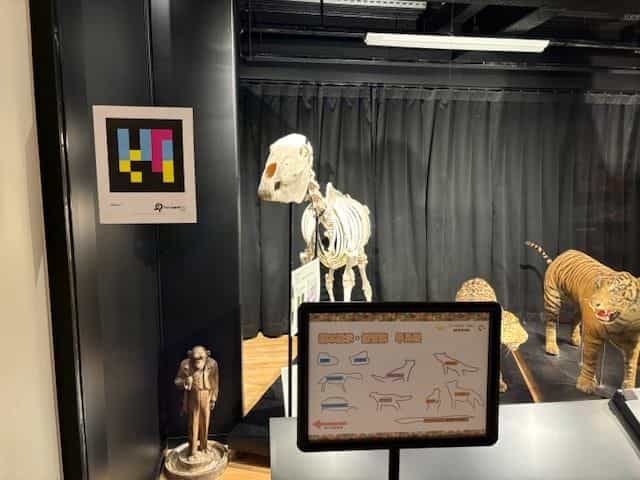
The museum places NaviLens codes on the glass façade door (next to a “ナビレンスを体験しよう” explanatory panel), in the temporary-exhibitions corridor next to the “Together 100号記念展” poster, at the entrance to the Daishin Wakuwaku Hall, on the door of the experiment room (実験・作業室) and beside the labels of the skeleton and taxidermy collection — polar bear (ホッキョクグマ), tiger, deer.
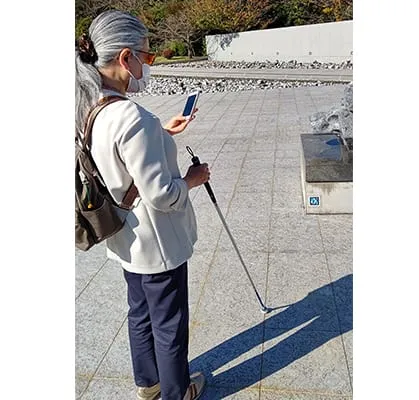
Each code is detected from several yards, at an angle and on the move, and narrates the content in Japanese, English and 40 other languages. The Q4 station of the SDGzoo Quiz Rally makes it a tangible piece of SDG 4 — Quality Education for All.
§ Timeline
From an annual program to a permanent accessible museum.
- 2022
“天王寺動物園で学ぶ SDGzoo” launches
Mainichi Shimbun and Tennoji Zoo launch the annual SDGzoo program, two days devoted to the Sustainable Development Goals with workshops, talks and a Quiz Rally across the zoo.
- 2024
TENNOJI ZOO MUSEUM opens
The zoo opens the TENNOJI ZOO MUSEUM, a museum building with animal-silhouette stained glass housing the multipurpose Daishin Wakuwaku Hall, an experiments / workshops room and a permanent collection of skeletons and taxidermies.
- Fall 2024
NaviLens on the façade, halls and labels
The team rolls out NaviLens codes on the museum's glass door, on the “ナビレンスを体験しよう” (Try NaviLens) panel next to the SDGs Quiz Rally Q4 poster, at the Wakuwaku Hall entrance, on the experiment room door and beside the labels of the taxidermies (polar bear etc.) and comparative skeletons.
- 16 Nov – 15 Dec 2024
Together 100号記念展 — first accessible exhibition
The museum celebrates 100 issues of its “Together” magazine with a temporary exhibition where NaviLens is part of the signage from day one, announced on the corridor poster next to the code.
- 15–16 Nov 2025
SDGzoo 2025 — “みらいを紡ぐ仲間たち”
Fourth edition of the program: “Quizoo Stamp Rally”, “動物園DE手話” (sign language at the zoo) workshop, sessions touching animal bones and 20+ family activities — with NaviLens live at the Rally's Q4 station.
§ What they said
What the zoo, Mainichi Shimbun and the SDGzoo program said.
“毎日新聞社と天王寺動物園は、動物を通じて環境問題や命のつながりについてより身近に考えていただけるよう「天王寺動物園で学ぶSDGzoo」を開催します。”
“「どうぶつQuizooスタンプラリー」を始め、「動物園DE手話ワークショップ」や動物たちの骨をさわって命の軌跡を学ぶ授業など、親子向けの企画を20本以上用意しました。”
§ Where the system lives
Façade, halls, skeletons and taxidermies.
§ Results
An accessible zoological museum.
1 app
Free NaviLens app — no extra in-room hardware
Multilingual
Labels read out in Japanese, English and 40 more languages
SDG-aligned
Tangible piece of SDG 4 inside SDGzoo
§ And your destination?
Your destination can also guide in 42 languages.
Tell us about your trails, visitor centers, landmarks or galleries. We’ll show you how NaviLens would make your offering accessible—with comparable cases.