Case study · Dazaifu, Fukuoka (Japan)
The national museum you can listen to in your own language.
How the Kyushu National Museum—Japan's fourth national museum, in Dazaifu (Fukuoka)—guides its Cultural Exchange Exhibition with “NaviLens de Kyuhaku”: spoken descriptions in the phone's language, wayfinding inside and outside the building and, through NaviLens GO, text, photos and Japanese Sign Language videos.
2nd
Formal NaviLens deployment in Japan (April 5, 2022)
42
Languages read aloud on the visitor's phone
20+
Works with Japanese Sign Language video
2005
Japan's fourth national museum, the first new one in a century
The client
Kyushu National Museum (九州国立博物館)
The Kyushu National Museum opened on October 16, 2005 in Dazaifu (Fukuoka), next to the Tenmangū shrine: Japan's fourth national museum—after Tokyo, Kyoto and Nara—and the first new one in over a century. Run by the National Institutes for Cultural Heritage, it is a history museum: it tells how Japanese culture took shape through its exchanges with Asia, and before the pandemic it welcomed about 670,000 visitors a year.
Its permanent exhibition, the Cultural Exchange Exhibition (文化交流展示室, 4th floor), runs from prehistory to the Meiji era with pieces that include National Treasures. And accessibility has deep roots here: the museum's sign language volunteer group (手話部会) has been bringing the collection to deaf visitors for two decades.
On April 5, 2022 the museum launched “NaviLens de Kyuhaku” (ナビレンス de きゅーはく) with local integrators KBC MoooV (KBC group, Fukuoka) and the NPO Ai Collaboration Kobe: the second formal NaviLens deployment in Japan, after the Vangi museum in Shizuoka.
§ The challenge
So the history of Asia doesn't stay on the panels.
- 01
A collection explained through text
Labels, timelines and panels carry the story of the Cultural Exchange Exhibition. Without an audio layer, blind and low-vision visitors depended on a companion even to know which piece was in front of them.
- 02
Multilingual without cluttering the galleries
Dazaifu is one of Kyushu's main tourist gateways and the museum welcomes visitors from all over Asia. Translating every label into several languages would have multiplied the text in the galleries: the languages had to multiply without adding a single panel.
- 03
Audio guides leave deaf visitors out
The museum has produced Japanese Sign Language content with its volunteer group for two decades, but it needed a channel to deliver it piece by piece, at the moment and place where each work is viewed.
§ The solution
A label that speaks, writes and signs.
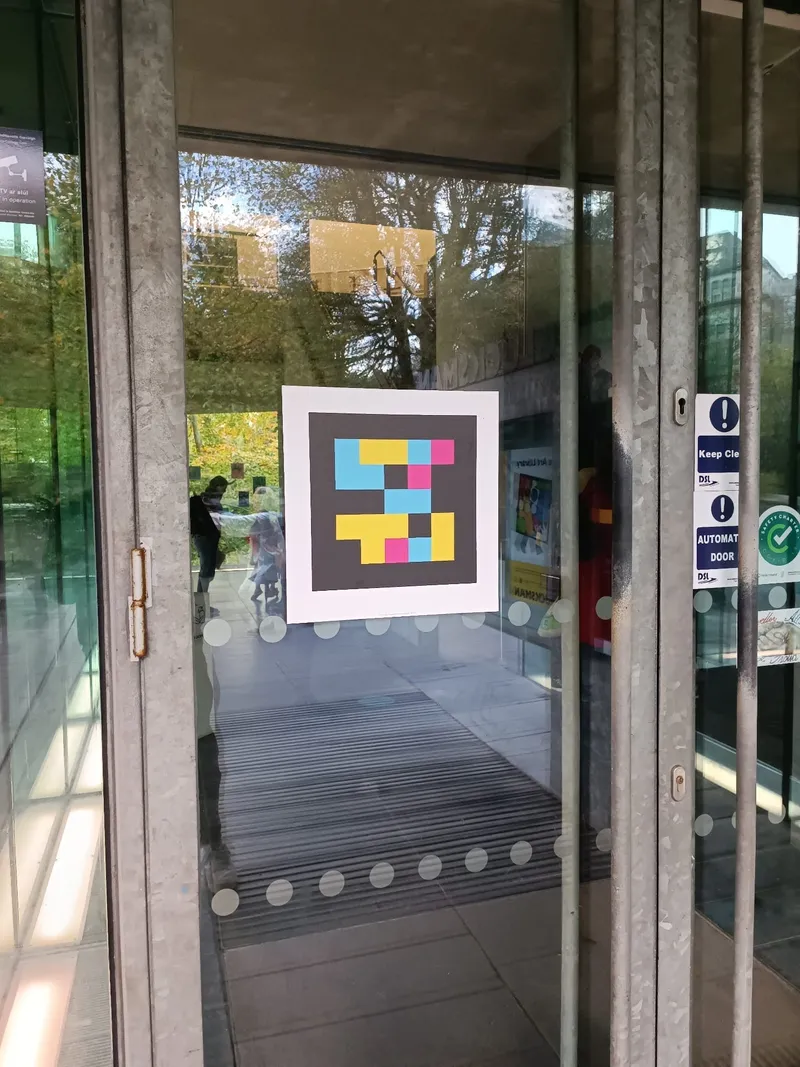
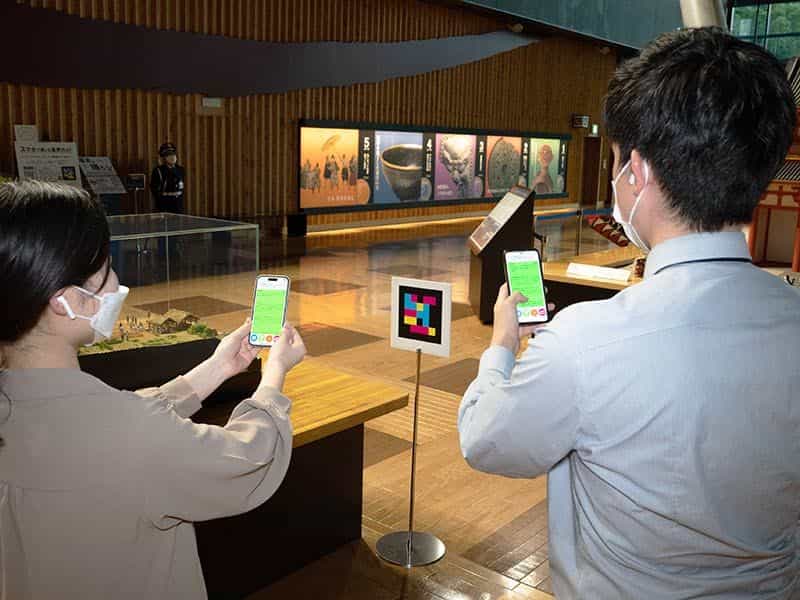
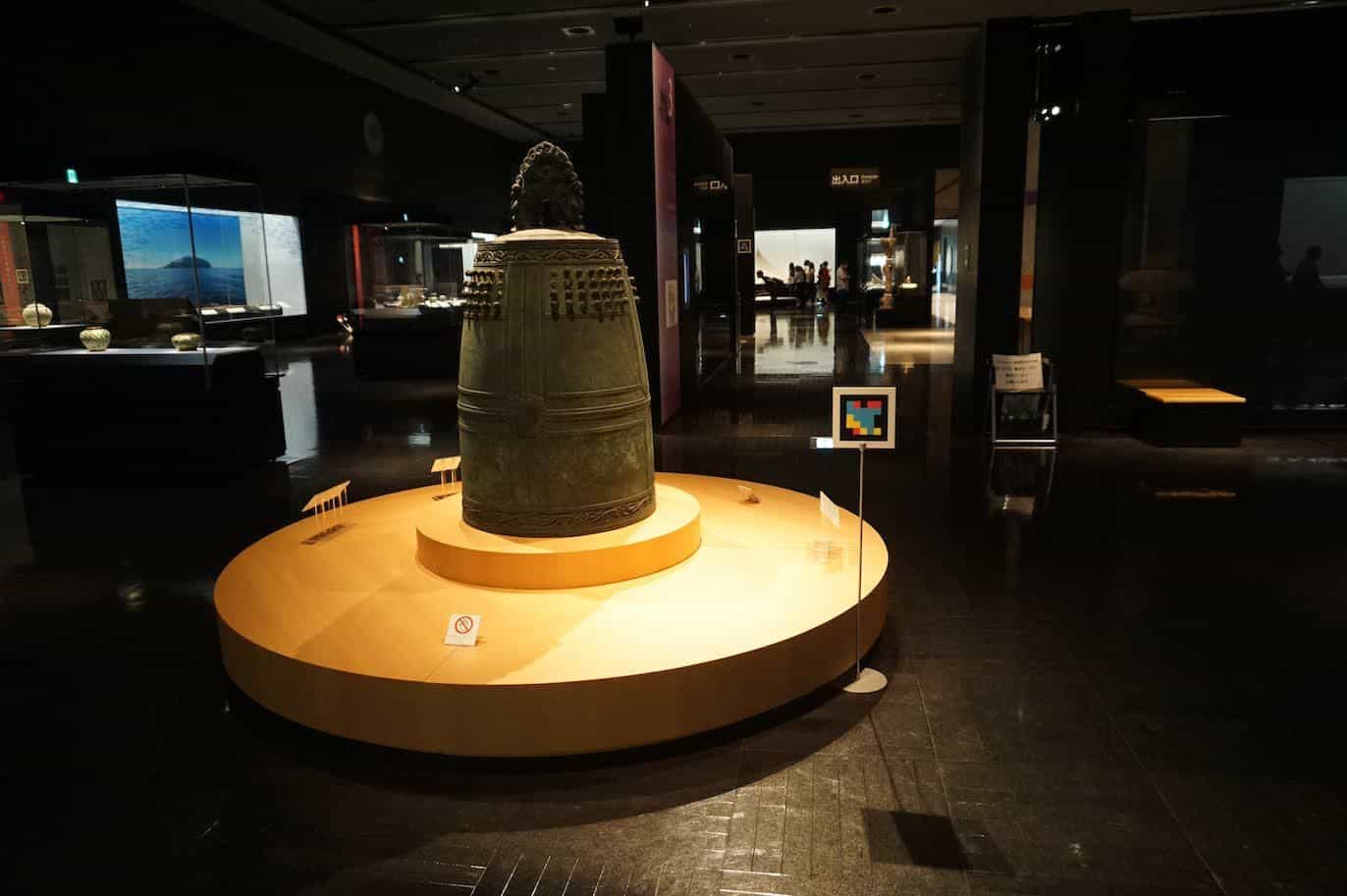
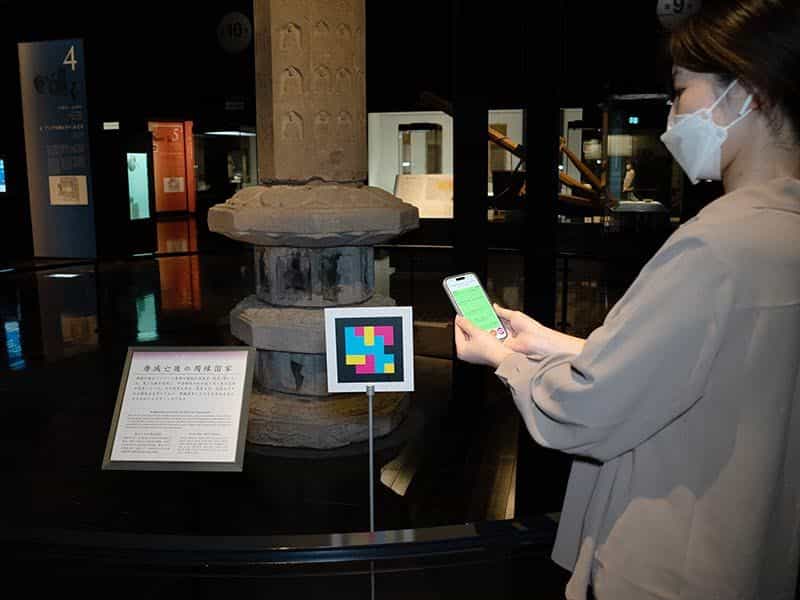
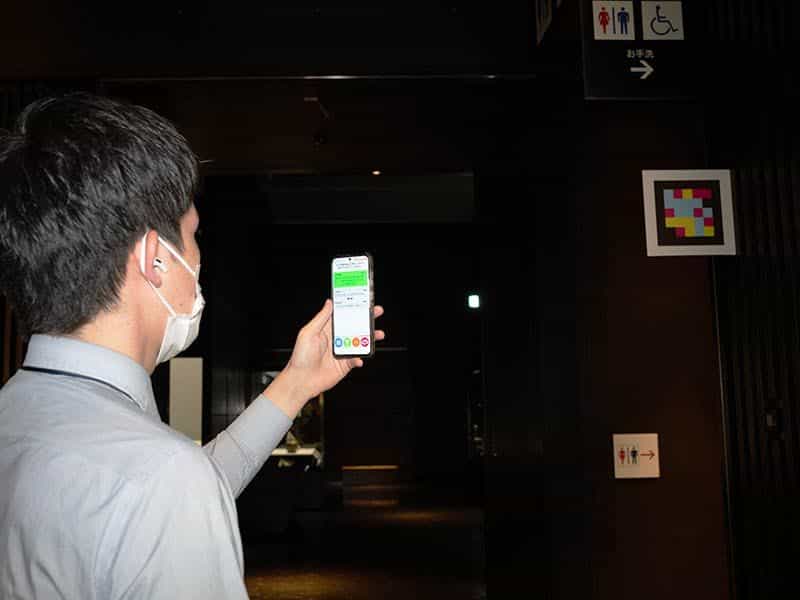
NaviLens codes are printed on the existing signage and labels: they cover wayfinding inside and outside the building and the content points of the Cultural Exchange Exhibition. The app detects them from a distance, on the move and with no need to aim, and the description starts on its own.
Each visitor picks their format: the NaviLens app reads the description aloud in the phone's language—42 languages—and NaviLens GO adds text, photos and Japanese Sign Language videos produced with the museum's volunteer group. More than 20 works in the permanent exhibition can already be toured in sign language.
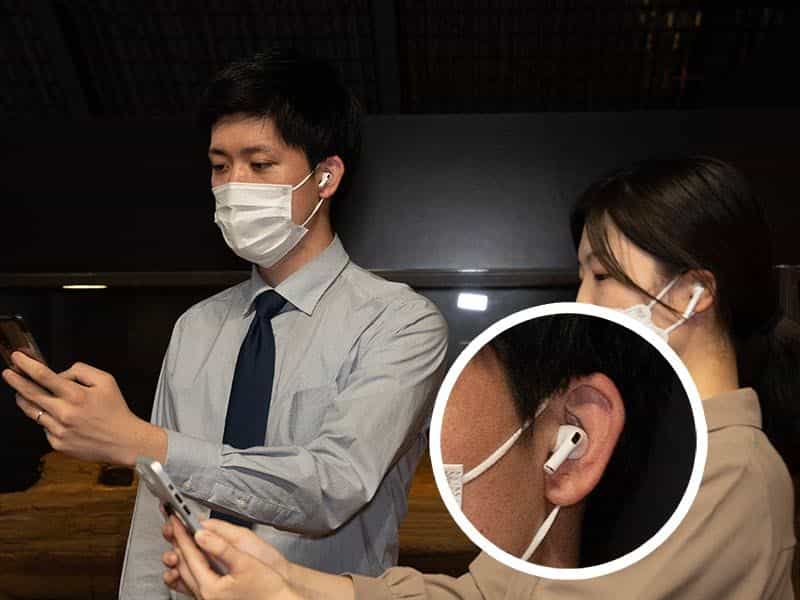
Visitors without a smartphone aren't left out either: the 4th-floor desk lends devices, and guests are asked for just one thing: bring your own earphones.
§ Gallery
One layer, from the artwork to the restroom.
§ What they said
What the museum, its integrators and its visitors say.
“Visually impaired visitors can make use of the NaviLens application to read and launch explanatory guides on the exhibits.”
“Making the museum easier and more enjoyable for blind and low-vision visitors too: a new audio guide service starts at the Kyushu National Museum.”
““I had no idea something like this existed!” “I want to tell the deaf people around me!””
§ Timeline
Two decades of museum, one new layer.
- Oct 16, 2005
Japan's fourth national museum opens
Japan opens its first new national museum in over a century in Dazaifu, dedicated to reading the formation of Japanese culture through its exchanges with Asia. A sign language volunteer group, the 手話部会, has been active since opening day.
- Apr 5, 2022
“NaviLens de Kyuhaku” launches
The museum launches its Cultural Exchange Exhibition visit guide with NaviLens: spoken descriptions of the works and wayfinding inside and outside the building. It is deployed by KBC MoooV (KBC group, Fukuoka) and the NPO Ai Collaboration Kobe, in the technology's second formal deployment in Japan.
- Nov 20, 2022
The visit gets signed
“NaviLens GO! de Kyuhaku” adds Japanese Sign Language videos to NaviLens GO, produced with the museum's volunteer group. Today more than 20 works in the permanent exhibition come with a signed description.
- 2025
From the permanent galleries to special exhibitions
NaviLens GO content reaches special exhibitions such as “National Treasures of Kyushu” and outreach workshops: in July 2025, 27 participants—10 of them deaf—toured the museum following the signed videos.
§ Results
The audio guide is no longer a device.
No works
Codes printed on existing signage and labels — no construction
3 formats
Voice, text with photos, and Japanese Sign Language from the same code
Loaners
Devices at the 4th-floor desk for visitors without a smartphone
§ And your destination?
Your destination can also guide in 42 languages.
Tell us about your trails, visitor centers, landmarks or galleries. We’ll show you how NaviLens would make your offering accessible—with comparable cases.