Case study · Cieza, Region of Murcia
Medina Siyâsa — the Ricote Valley, out loud.
How Cieza Council made the panels of the Andalusi site of Siyâsa—Ricote Valley, vestibule, ablutions—accessible with NaviLens in 42 languages.
Siyâsa
Andalusi settlement (11th–13th c.) on the Castle Hill of Cieza
Cieza
Cieza Council · Sardón de Almadenes · Region of Murcia
BIC
Site declared Property of Cultural Interest
42
Languages with voice readout
The client
Cieza Council
Medina Siyâsa
The Medina Siyâsa is the 11th–13th-century Andalusi settlement on the Castle Hill of Cieza, at the northern gate of the Ricote Valley. Together with the Ibero-Roman site of Bolvax, it forms one of the most significant archaeological complexes in south-east Spain.
Cieza Council, under the Sardón de Almadenes brand and the Siyâsa label, has rolled out NaviLens on the interpretive panels of the trail so any visitor—with low vision, older or international—can hear the information in their own language.
The Siyâsa museum project was honored on 25 October 2022 with the Regional Building Quality Award in the Accessibility category, after also receiving the IX Architizer International Award in New York for Architecture. The rollout is part of the regional CARM strategy, which acquired 1,000 NaviLens licences for museums and tourist sites across the Region.
§ The challenge
Letting Andalusi heritage tell itself.
- 01
An open-air site with no permanent guide
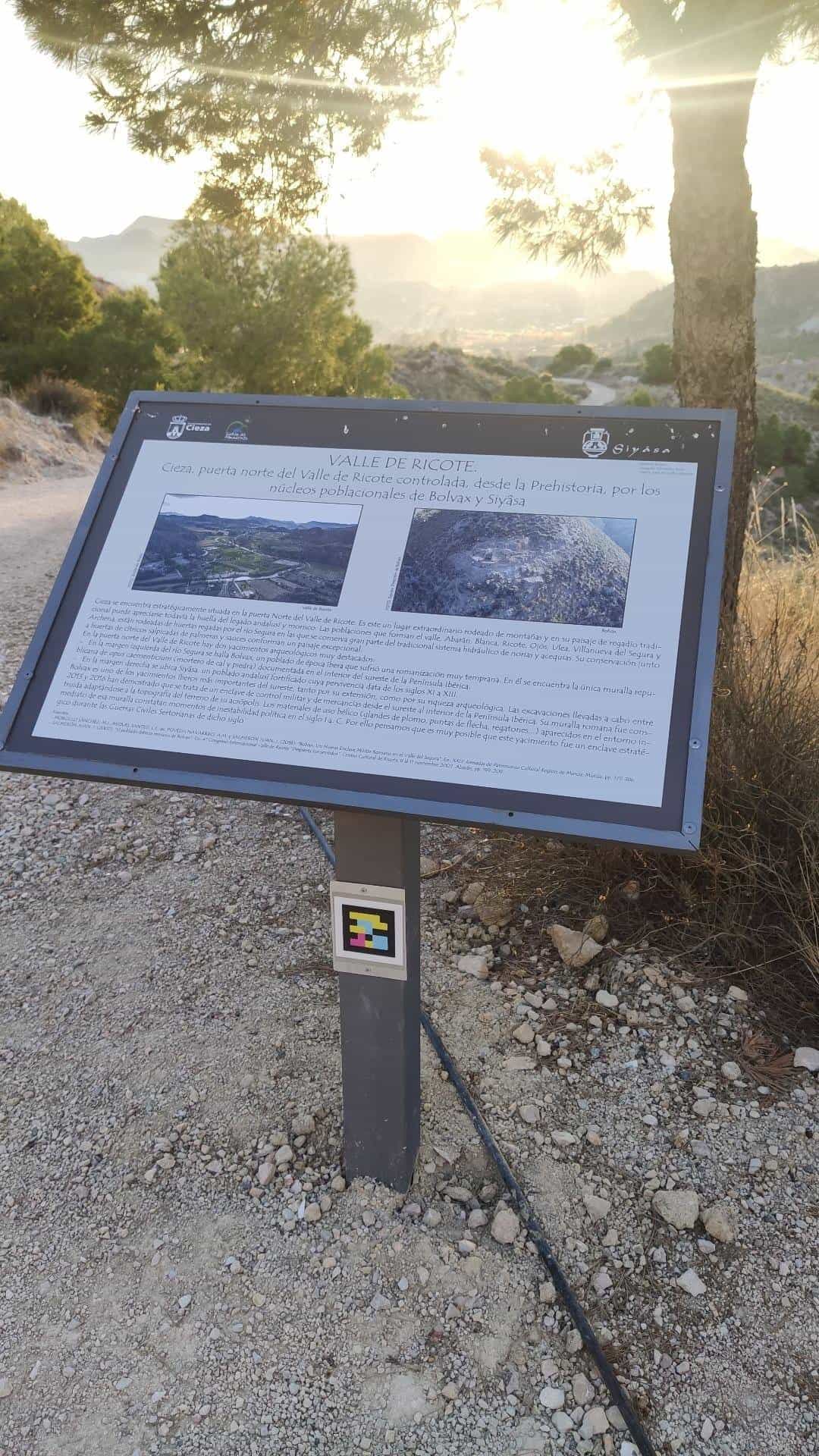
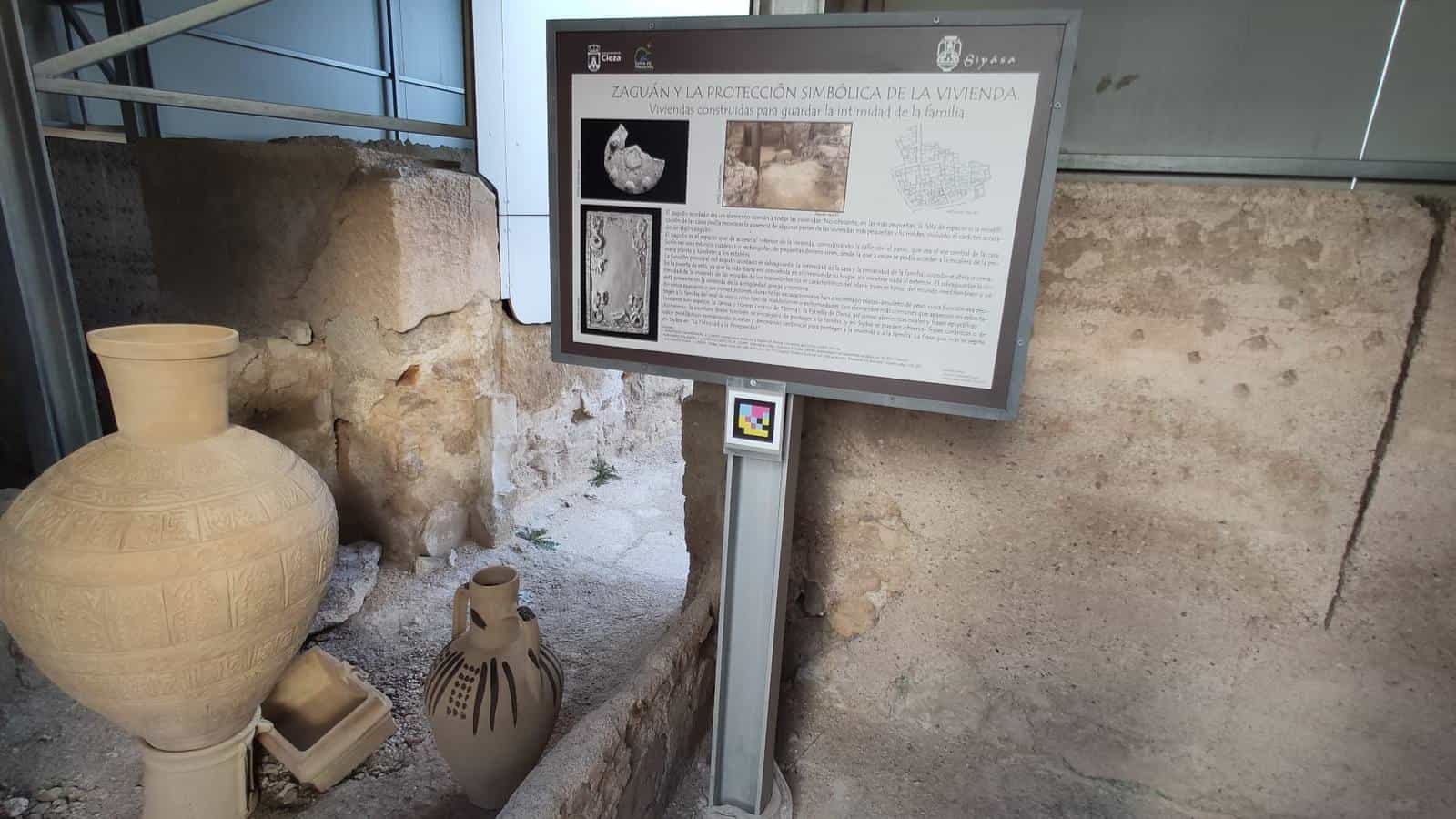
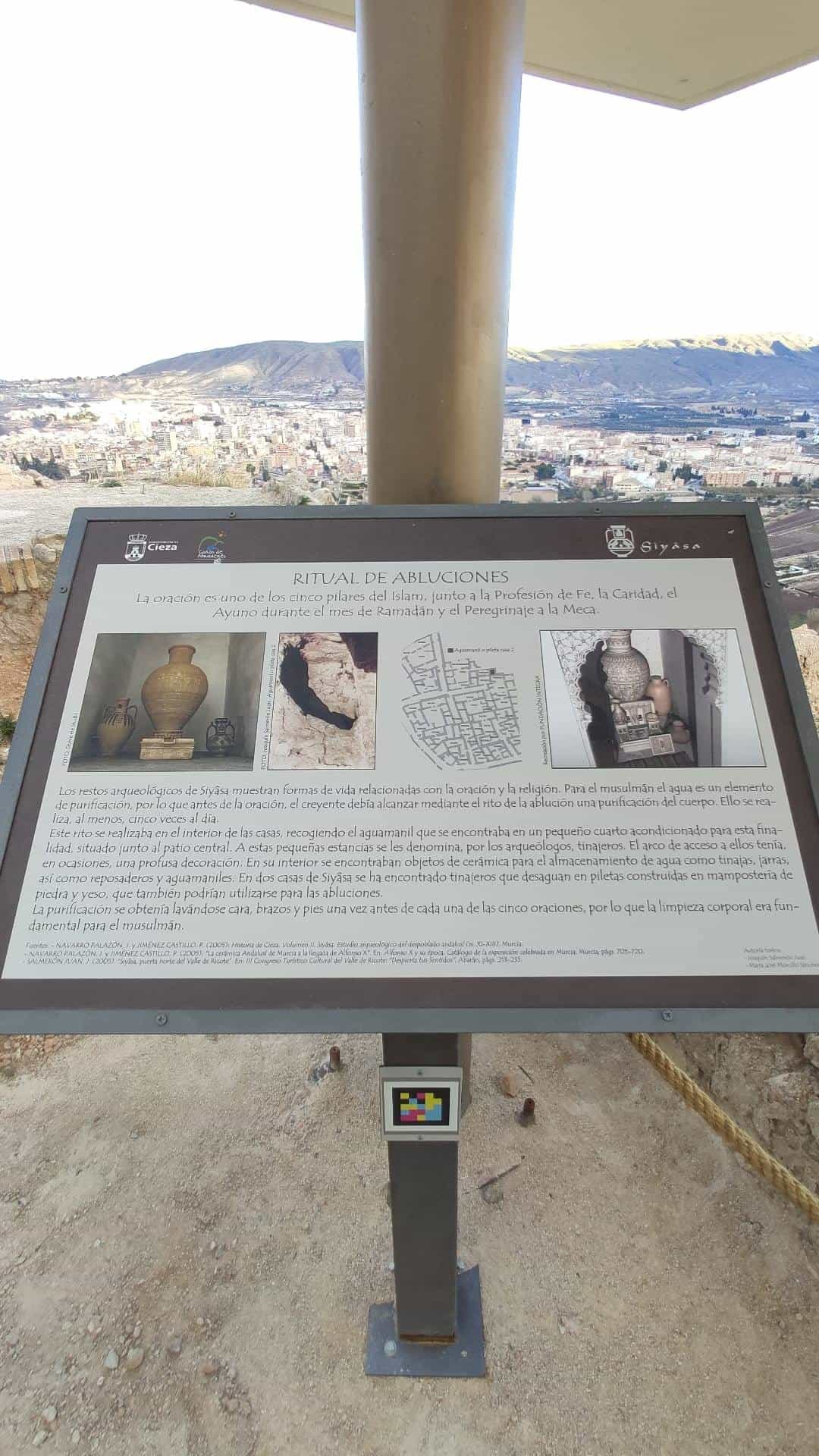
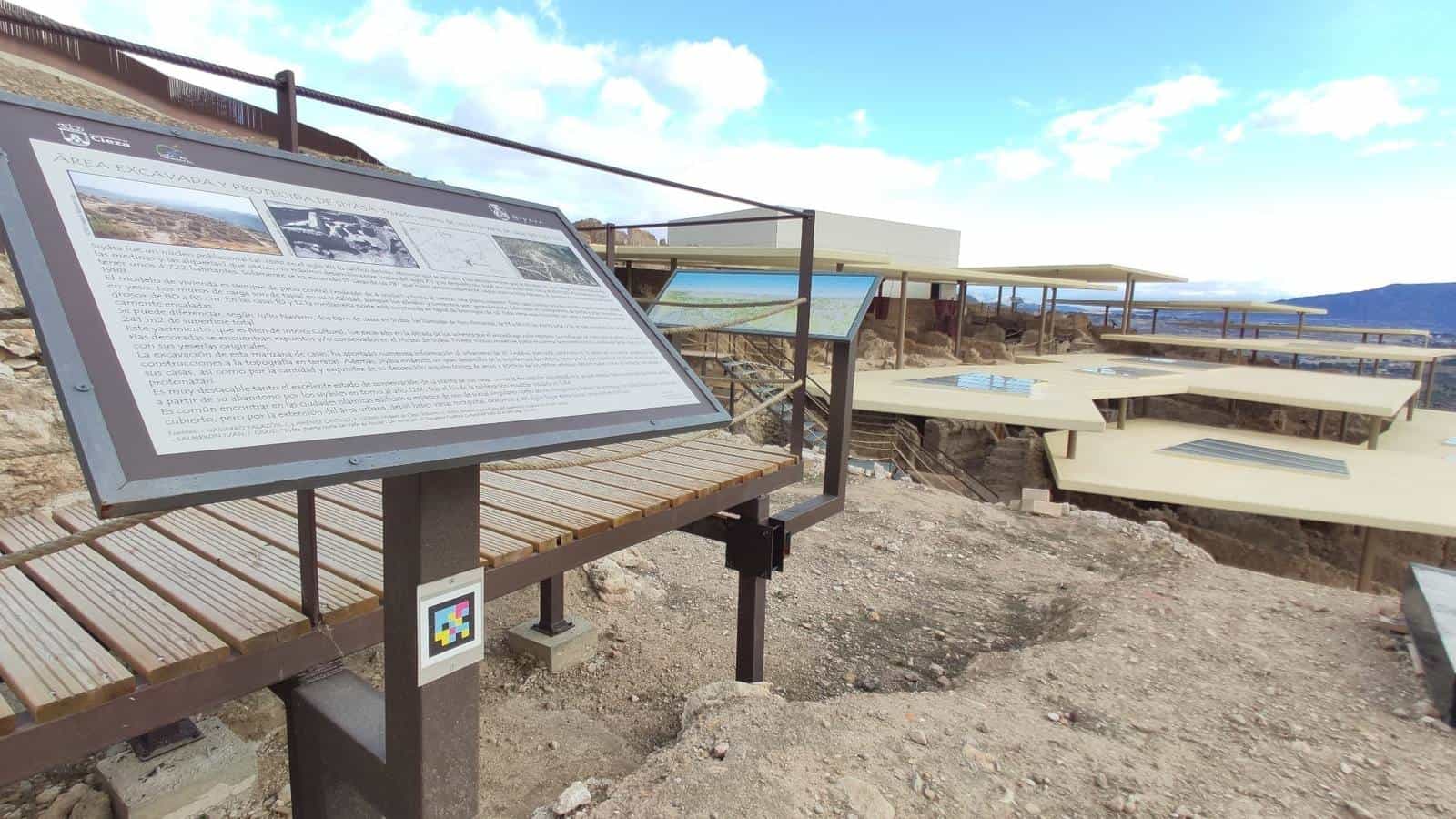
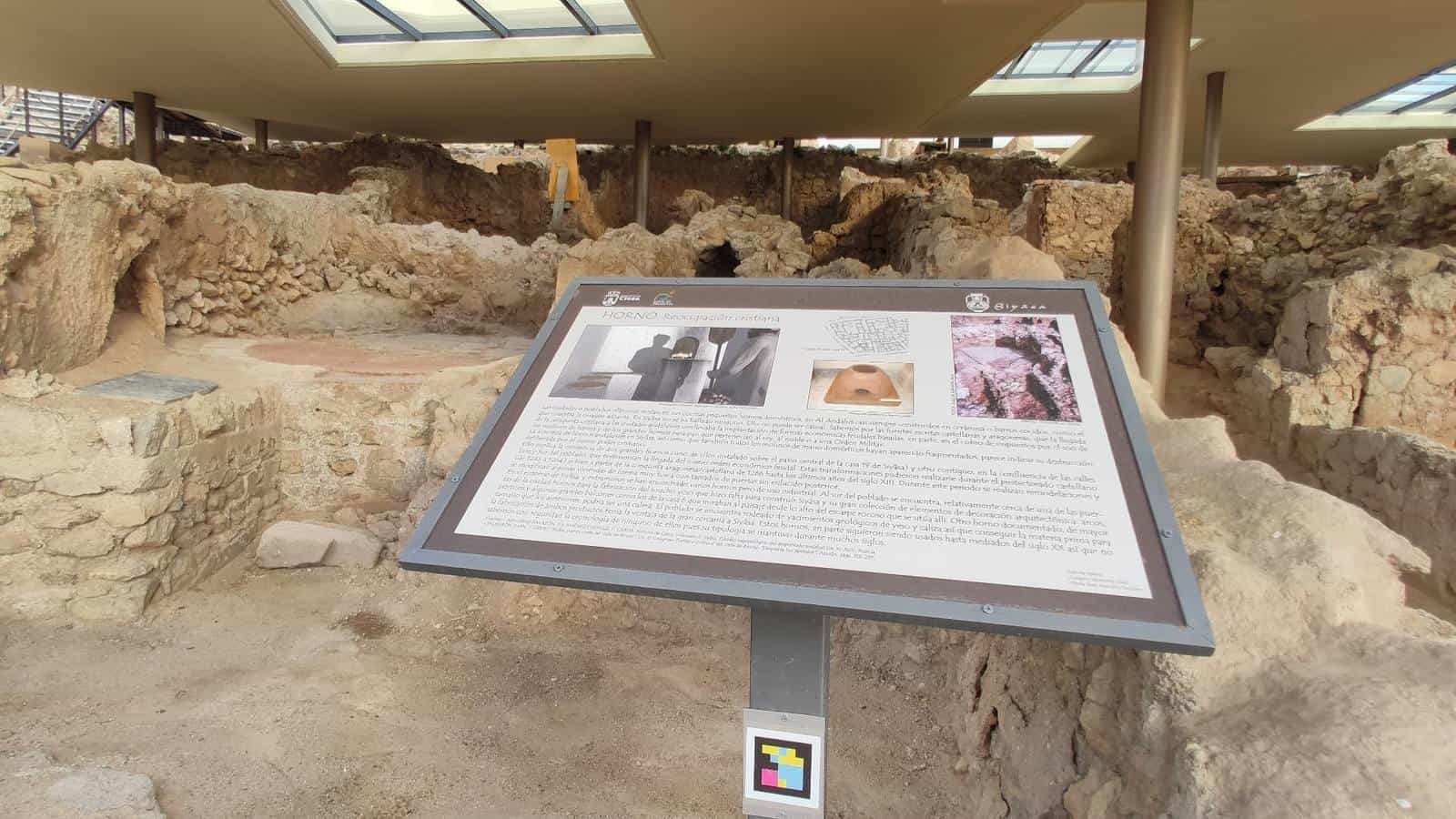
Medina Siyâsa is visited self-guided along the slope of the Castle Hill of Cieza. Its panels—Ricote Valley, dwellings, ablution ritual, vestibule, ceramology—stand in the sun and wind, with no staff at each stop to explain them.
- 02
Dense academic text in Spanish
The panels at Cieza, Sardón de Almadenes and Siyâsa carry detailed historical information (Andalusi settlement, opus caementicium, transhumance, material culture) hard to follow for people with low vision, older visitors and international tourists.
- 03
Ricote Valley heritage for every audience
The northern gate of the Ricote Valley receives national and international visitors. A layer of accessibility was needed, consistent with the existing museography, with no works and without downloading audio guides or borrowing devices.
§ The solution
A code on every
trail panel.
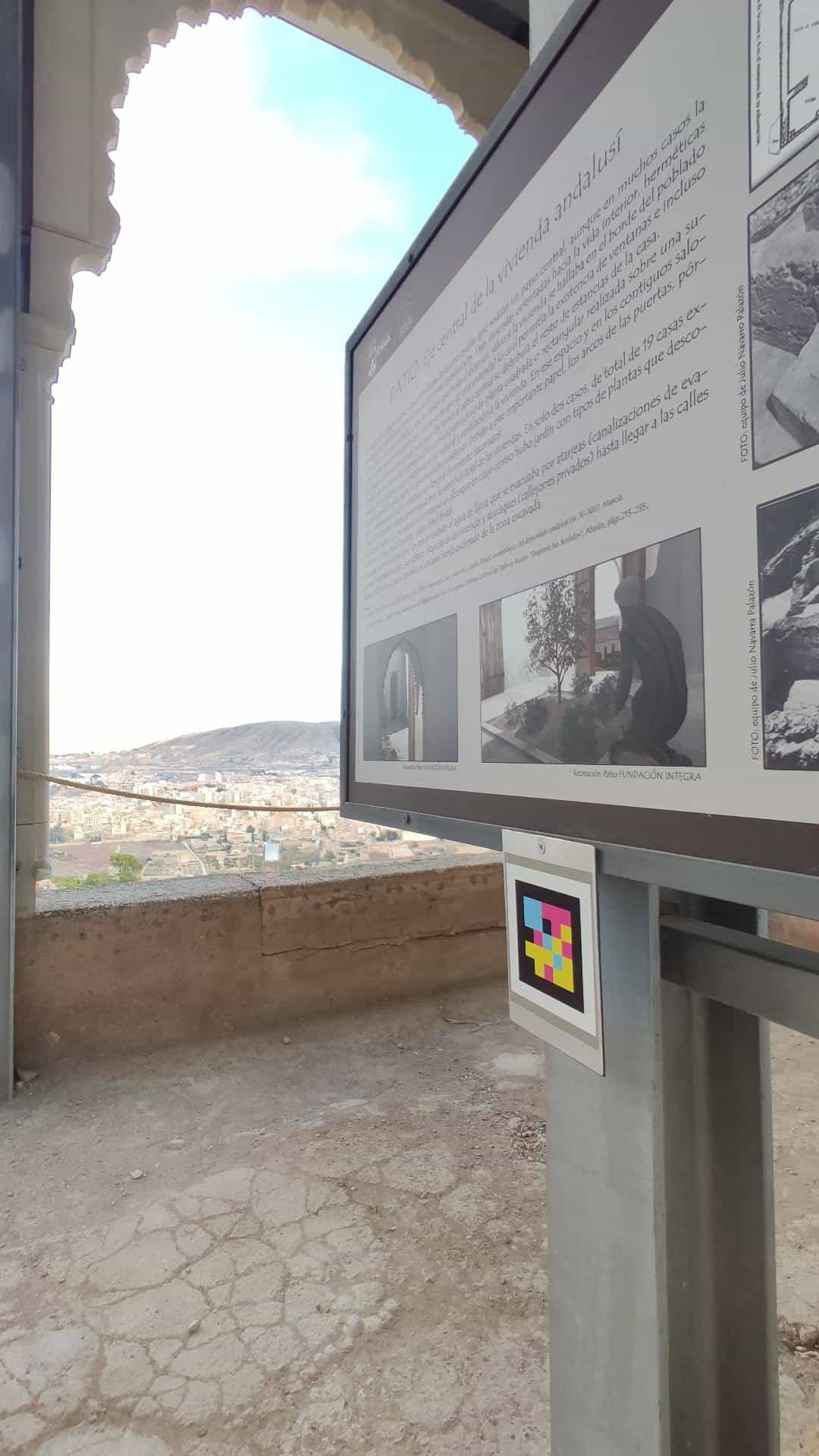
Every panel on the site carries a NaviLens code on the post, next to the sign. It is detected from several yards away, without focusing and also with low vision.
The visitor hears the panel content—Ricote Valley panorama, vestibule, ablution ritual, Andalusi ceramology—in their own language, without downloading extra content or requiring a live guide.
§ Timeline
From Bolvax to Andalusi Siyâsa.
- Rollout
NaviLens on every trail panel
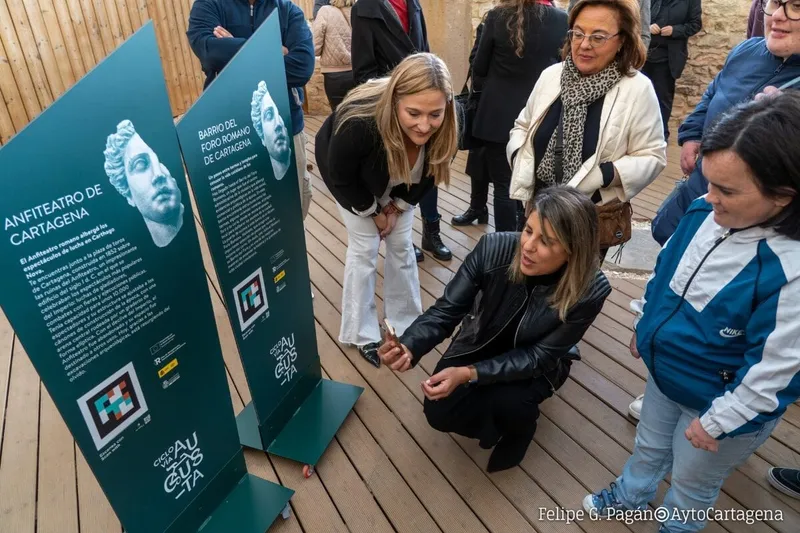
Cieza Council places NaviLens codes on the post of each interpretive panel of Medina Siyâsa and the surrounding Ricote Valley: Cieza and Bolvax panorama, ablution ritual, vestibule and symbolic protection of the dwelling, and every other stop along the archaeological trail.
- Visit
Voice readout in 42 languages
The visitor points NaviLens GO from several yards away—without focusing, also with low vision—and hears the panel content in Spanish, English, French, German, Arabic and 37 other languages, with play, pause and skip controls.
- Services
Accessible Andalusi heritage
Each code opens the panel’s information: historical context (Bolvax, Siyâsa, 11th–13th c.), pottery items (storage jars, jugs, ewers), religious practices (ablution, prayer) and bibliographic references, with nothing extra to download.
- Inclusion
From Cieza to Siyâsa, with no barriers
The rollout makes Medina Siyâsa one of the first Andalusi sites in south-east Spain designed at once for people with visual disability, older people and international tourism.
§ On the ground
Panels, codes and the Segura landscape.
§ Results
An Andalusi site anyone can read.
100%
Of the archaeological panels available by voice
42
Languages — including Spanish, English, French, German and Arabic
0
Visual or language barriers to visit Medina Siyâsa
§ What they said
What is said about Siyâsa.
“Siyâsa es el yacimiento islámico que mejor permite conocer el desarrollo urbanístico, la estructura doméstica y los elementos decorativos ornamentales de las ciudades andalusíes, convirtiéndose en un magnífico exponente de la arquitectura andalusí del Sharq al-Ándalus.”
“El despoblado de Medina Siyâsa es uno de los más importantes de Europa. Se encuentra situado en la Sierra de la Atalaya, en el municipio de Cieza, con cerca de 700 casas construidas en el siglo XI que alcanzaron su máximo esplendor durante los siglos XII y XIII.”
§ And your destination?
Your destination can also guide in 42 languages.
Tell us about your trails, visitor centers, landmarks or galleries. We’ll show you how NaviLens would make your offering accessible—with comparable cases.