Case study · Cartagena, Spain
2,000 years of history, from the saddle.
Cartagena City Council adds NaviLens to the Ciclo Vía Augusta totems—Amphitheatre, Roman Forum District, Punic Wall…—so any cycle tourist can hear the archaeological caption by voice, in 42 languages, without leaving the route.
1,600 km
Roman road between Cádiz and Tarragona, in 30 stages
2 routes
Urban (Torreciega → Old Town) and heritage-mining (Canteras → Tío Paturro)
€122,000
Municipal investment with NextGenerationEU funds
42
Languages read aloud from each NaviLens totem
The client
Cartagena City Council
Ciclo Vía Augusta
The Ciclo Vía Augusta turns the longest Roman road in Hispania—1,600 km in 30 stages between Cádiz and Tarragona—into a cultural cycle-tourism axis driven by the Ruta Bética Romana Association together with municipalities such as Cartagena, Lezuza and Tarragona.
Cartagena contributes some of the most unique Roman sites of the Mediterranean—Roman Theatre, Amphitheatre, Roman Forum District, Punic Wall and the Cartagena Puerto de Culturas network—and defines two local routes: an urban route between Torreciega and the Old Town and a heritage-mining route between the Roman Quarries and the Roman Villa of Tío Paturro, matching EuroVelo 8.
The municipal action—€122,000 funded by NextGenerationEU through the “Experiencias Turismo España” program—includes smart and inclusive signage, multilingual digital content, training for tourism agents and the “Bike-Friendly Cultural” seal for venues on the route.
§ The challenge
Don’t let the caption stop the pedalling.
- 01
A cultural route must be readable for everyone
The Vía Augusta crosses Cartagena past the Amphitheatre, the Roman Forum District, the Punic Wall and the Cartagena Puerto de Culturas sites. Each stop has a dense archaeological caption that a cycle tourist—especially low-vision users or non-Spanish speakers—must be able to consume in seconds.
- 02
International visitors and limited time
Mediterranean cultural cycle tourism happens in short days, with technical stops and little time to read long panels. Traditional signage solves neither the language barrier nor the accumulated fatigue of several kilometers of pedalling.
- 03
An accessible layer required by the European plan
The project is funded by NextGenerationEU within the “Experiencias Turismo España” program, which explicitly requires smart and inclusive signage, multilingual digital content and training for tourism agents. NaviLens is the accessible layer chosen for the municipality.
§ The solution
A NaviLens code on every heritage totem.
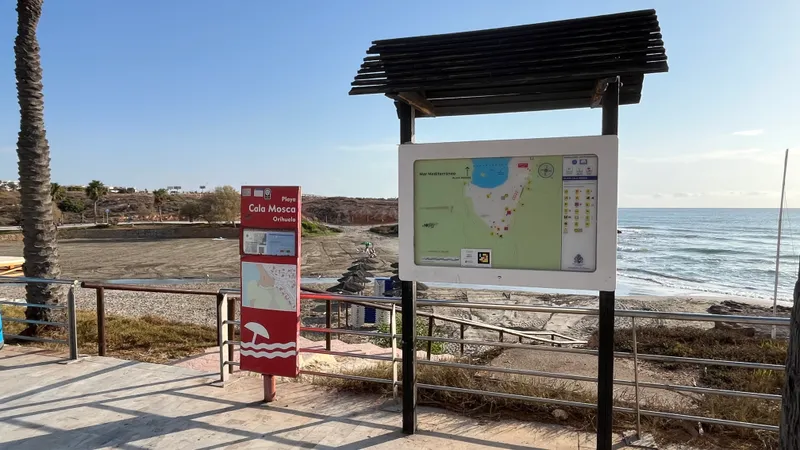
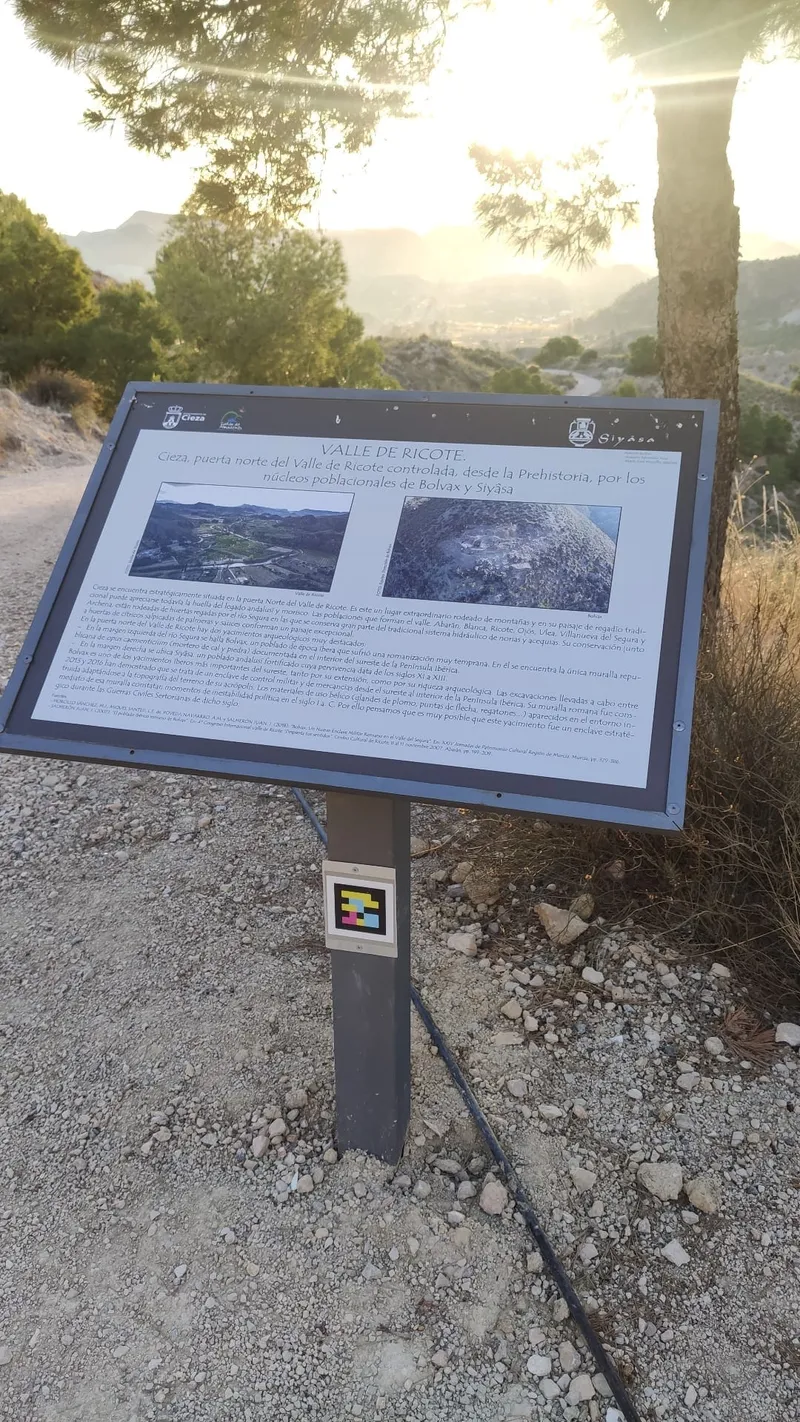
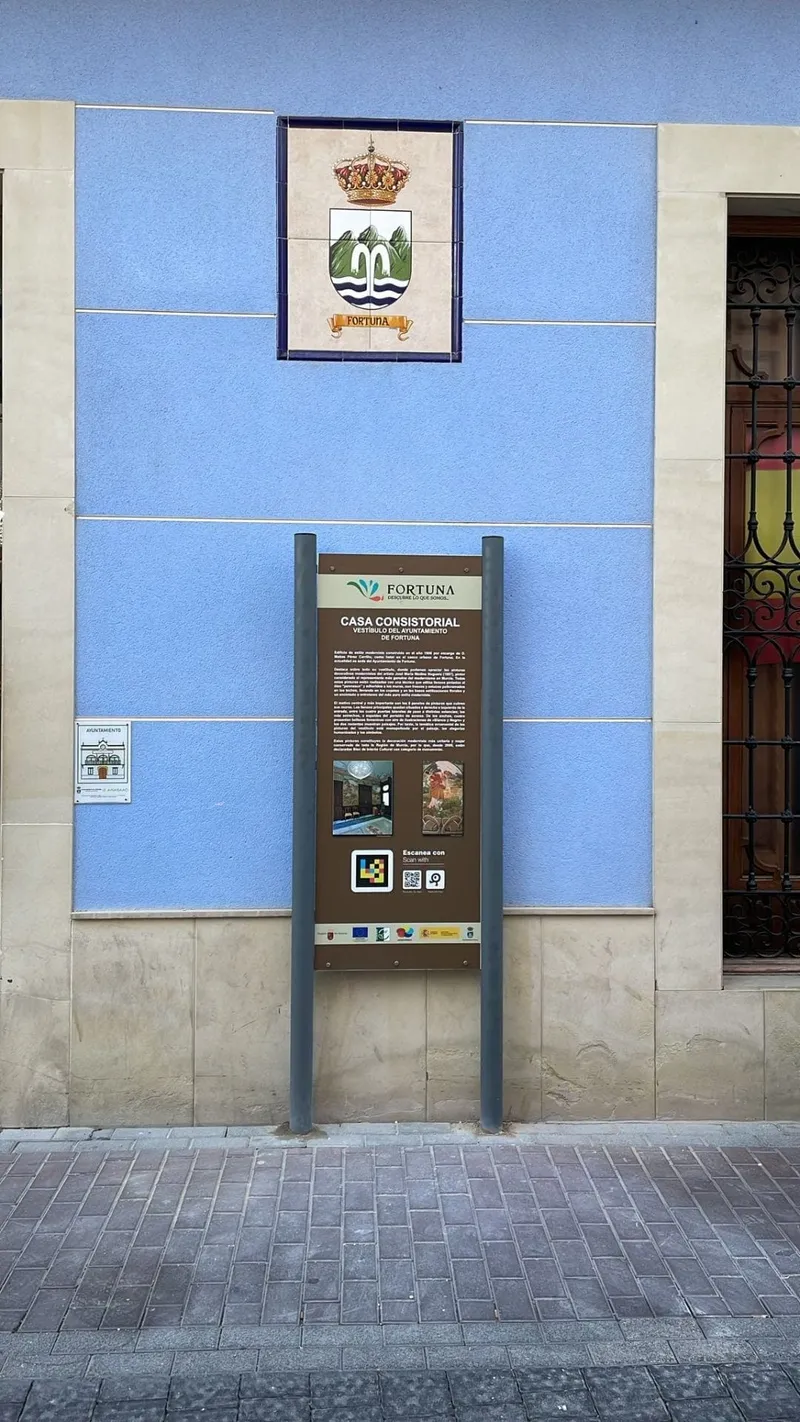
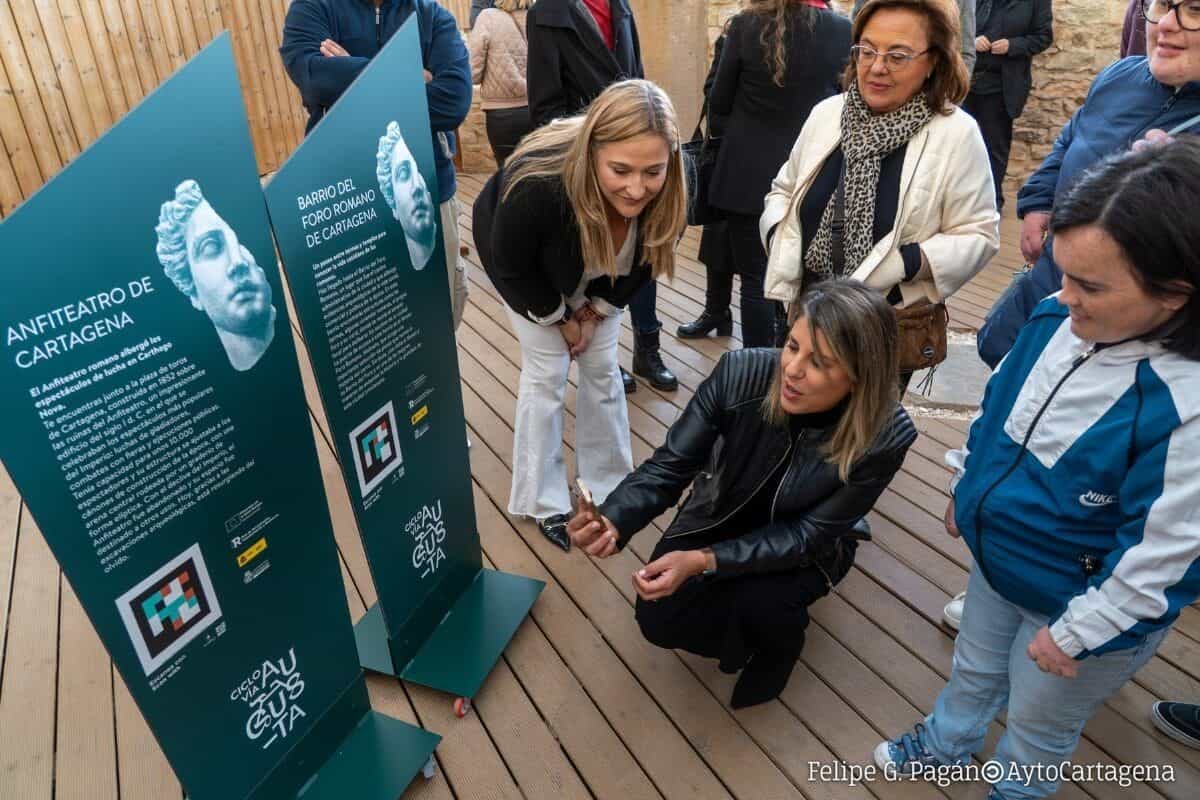
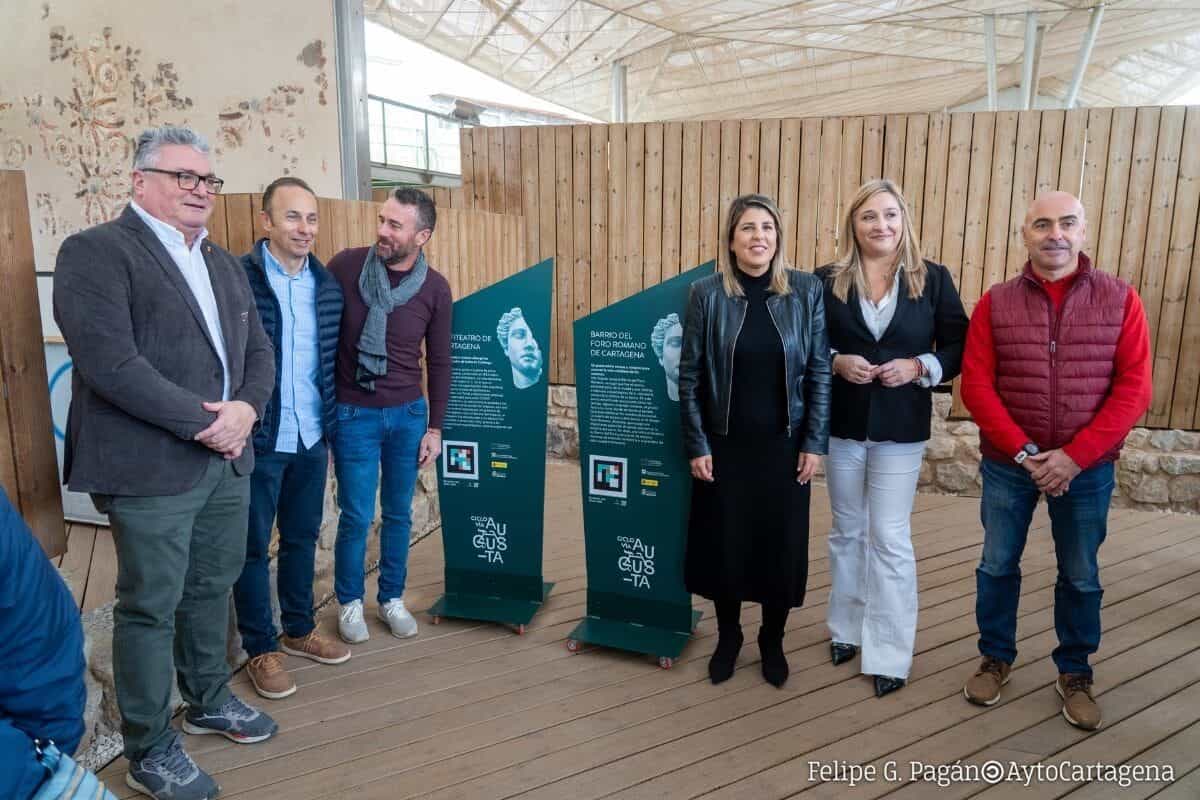
On the green Ciclo Vía Augusta totems—a shared visual identity with the Roman bust and the “Ciclo Vía Augusta” lockup—a large NaviLens code is printed under the legend “Scan with”.
The NaviLens app recognizes the code from several yards away, without focusing and on the move, and reads aloud the full archaeological caption of the site—historical context, dimensions, milestones—in 42 languages.
International cyclists get the information in their own language; low-vision visitors hear it without approaching the panel; and the time-pressed visitor decides whether to go deeper or carry on—without missing a single fact.
§ The rollout
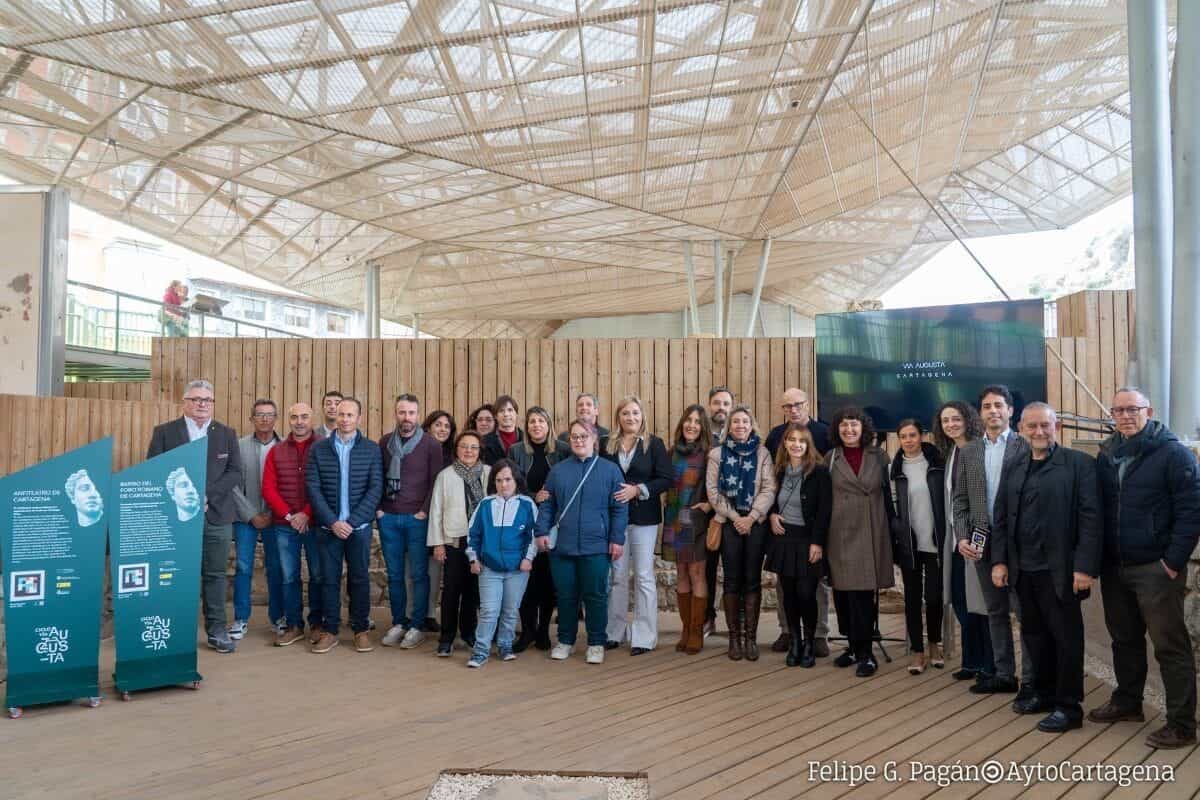
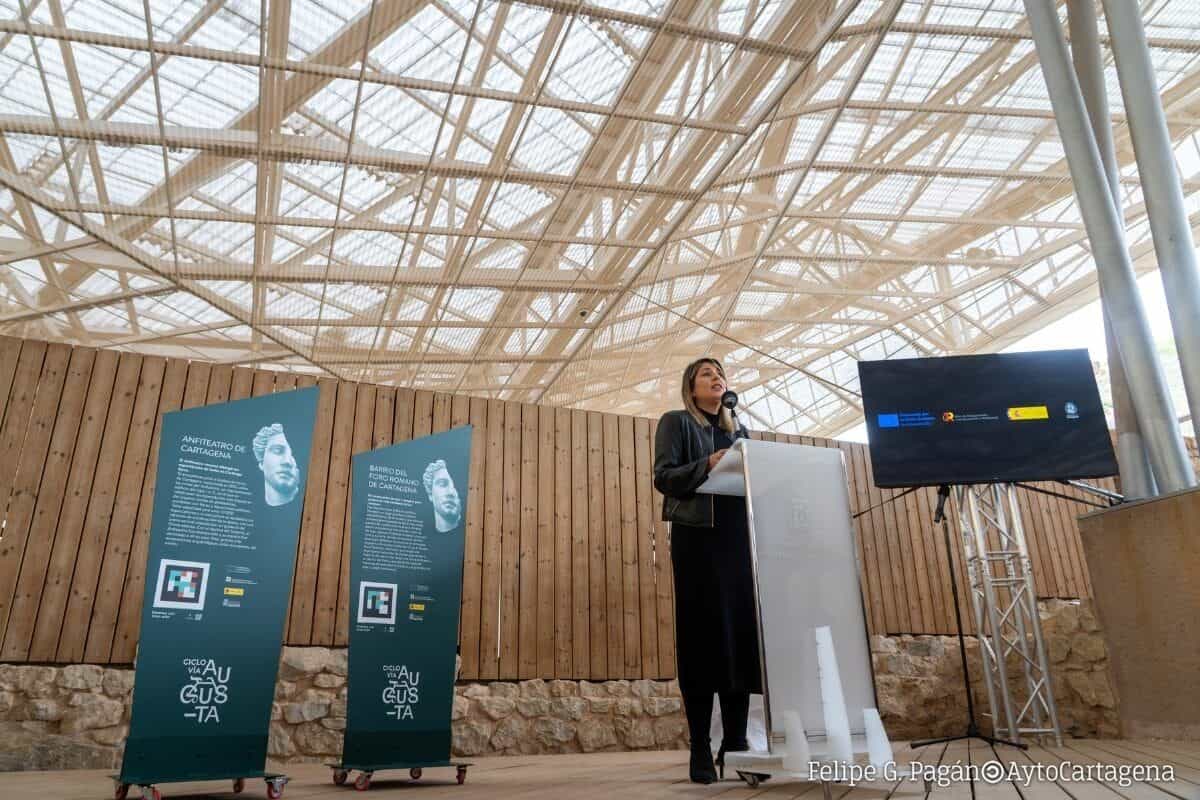
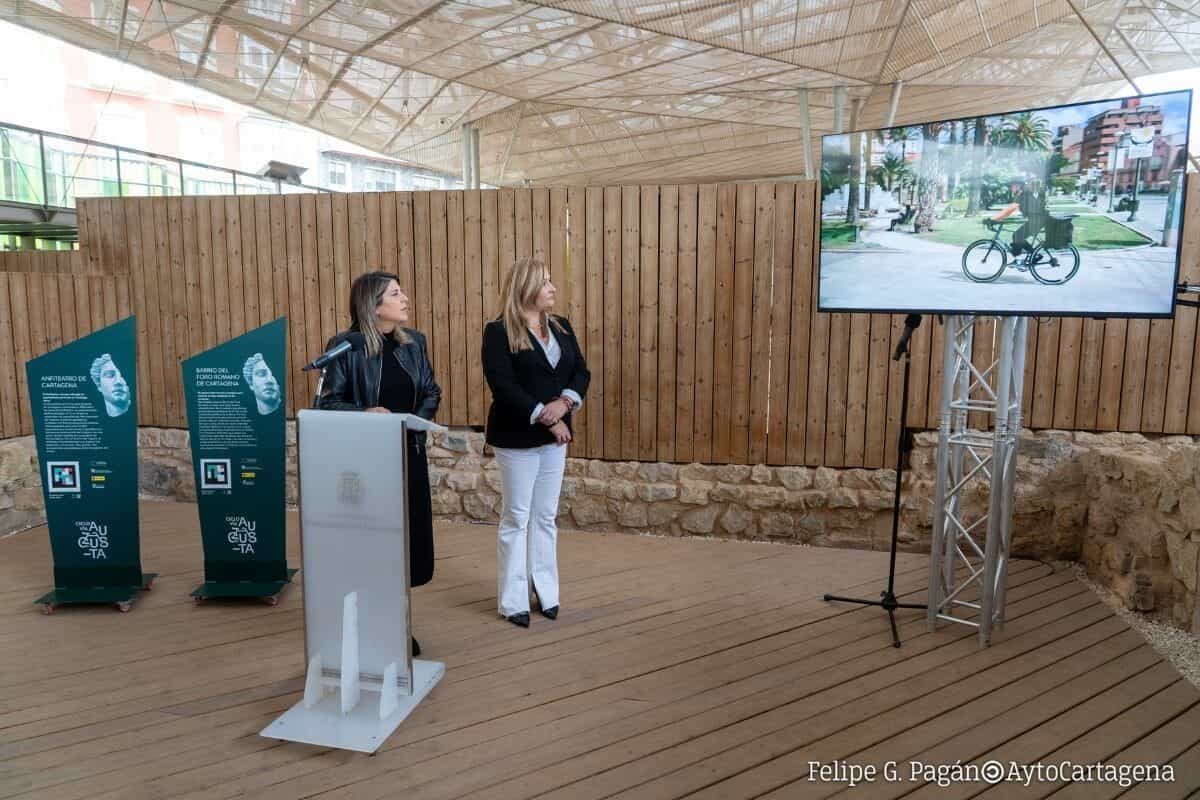
Launch event at the Roman Forum of Cartagena.
§ Timeline
From the Ruta Bética Romana to an accessible axis.
- Aug 2022
The Vía Augusta cycle route is born
The Ruta Bética Romana Association launches a cycle route along the Roman sites of the Vía Augusta, aiming to sustainably and inclusively revalue Hispania’s longest historical-cultural itinerary.
- Jan 2023
Official launch as a tourism product
The Vía Augusta cycle route is presented as a structured tourism product, with stages, a shared visual identity and a commitment to a multilingual digital layer at every site.
- Sep 2025
Cartagena joins as a star at Carmona
The Tourism councillor takes part in Carmona (Seville) in the Ciclovía Augusta presentation and positions Cartagena—Roman Theatre, Forum and Punic Wall—as one of the key hubs of the Mediterranean route.
- 24 Nov 2025
Launch at the Roman Forum of Cartagena
Mayor Noelia Arroyo and councillor Beatriz Sánchez del Álamo unveil at the Roman Forum the Ciclo Vía Augusta totems—Amphitheatre, Roman Forum District, Punic Wall…—with embedded NaviLens code under the legend “Scan with”.
§ What they said
What people said about the project.
“Cartagena se consolida como un referente nacional de cicloturismo cultural con el Ciclo Vía Augusta… La combinación de arqueología, historia y litoral mediterráneo posiciona a Cartagena como un destino singular en España para el cicloturismo cultural.”
“Vía Augusta: una ruta cicloturista para recorrer 2.000 años de historia. El nuevo trazado de 1.600 km y 30 etapas conecta enclaves romanos desde Tarragona a Cádiz, situando a Cartagena como una de sus grandes protagonistas.”
“Proyecto de cicloturismo cultural basado en la revalorización sostenible e inclusiva del itinerario histórico-cultural de la Vía Augusta, con señalización inteligente, contenidos digitales multilingües y formación a agentes turísticos.”
§ Results
Same route, now also audible.
Heritage
Archaeological captions audible in 42 languages, without focusing and from several yards away
Bike-friendly
Accessible totems compatible with the project’s “Bike-Friendly Cultural” seal
EuroVelo 8
NaviLens layer also on the heritage-mining branch, matching EuroVelo 8
§ And your destination?
Your destination can also guide in 42 languages.
Tell us about your trails, visitor centers, landmarks or galleries. We’ll show you how NaviLens would make your offering accessible—with comparable cases.