Case study · Taipei · Zhongshan District · Taiwan
Mackay speaks to Taiwan's 60,000 blind patients with NaviLens.
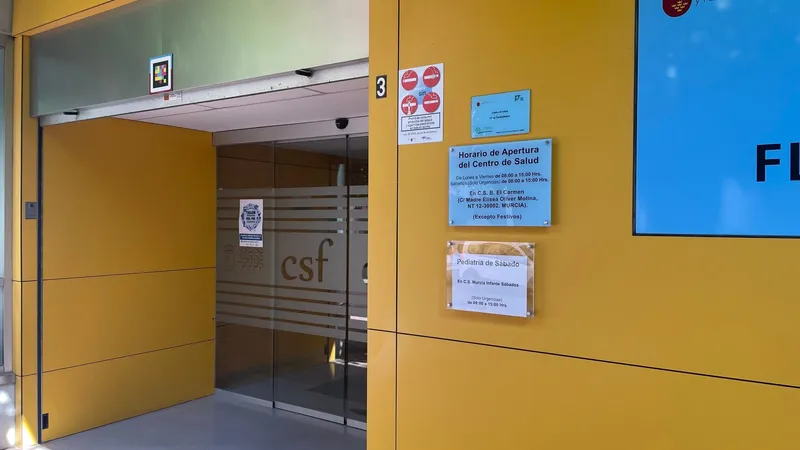
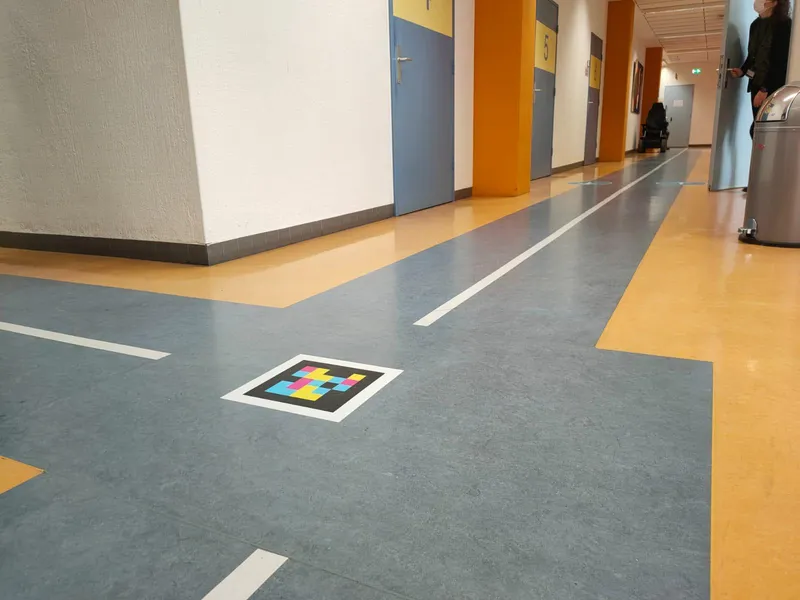
Mackay Memorial Hospital (馬偕紀念醫院) announces on December 1, 2025 Taiwan's first AI voice wayfinding service for blind patients inside a hospital. NaviLens color codes on the ground floor — entrance, information desk, registration and billing, main outpatient clinics, pharmacy and restrooms — guide the patient with direction, distance and turn-by-turn instructions spoken by the phone. The Ministry of Health and Welfare (衛福部社家署) backs the initiative.
1 Dec 2025
Official launch — Taiwan's first hospital with voice wayfinding for blind patients
~60,000
Blind people in Taiwan who can benefit
20–30 / month
Blind patients already asking Mackay's info desk for help
42 languages · 100 ft
Voice readout, no focusing — NaviLens
The client
Mackay Memorial Hospital · 馬偕紀念醫院
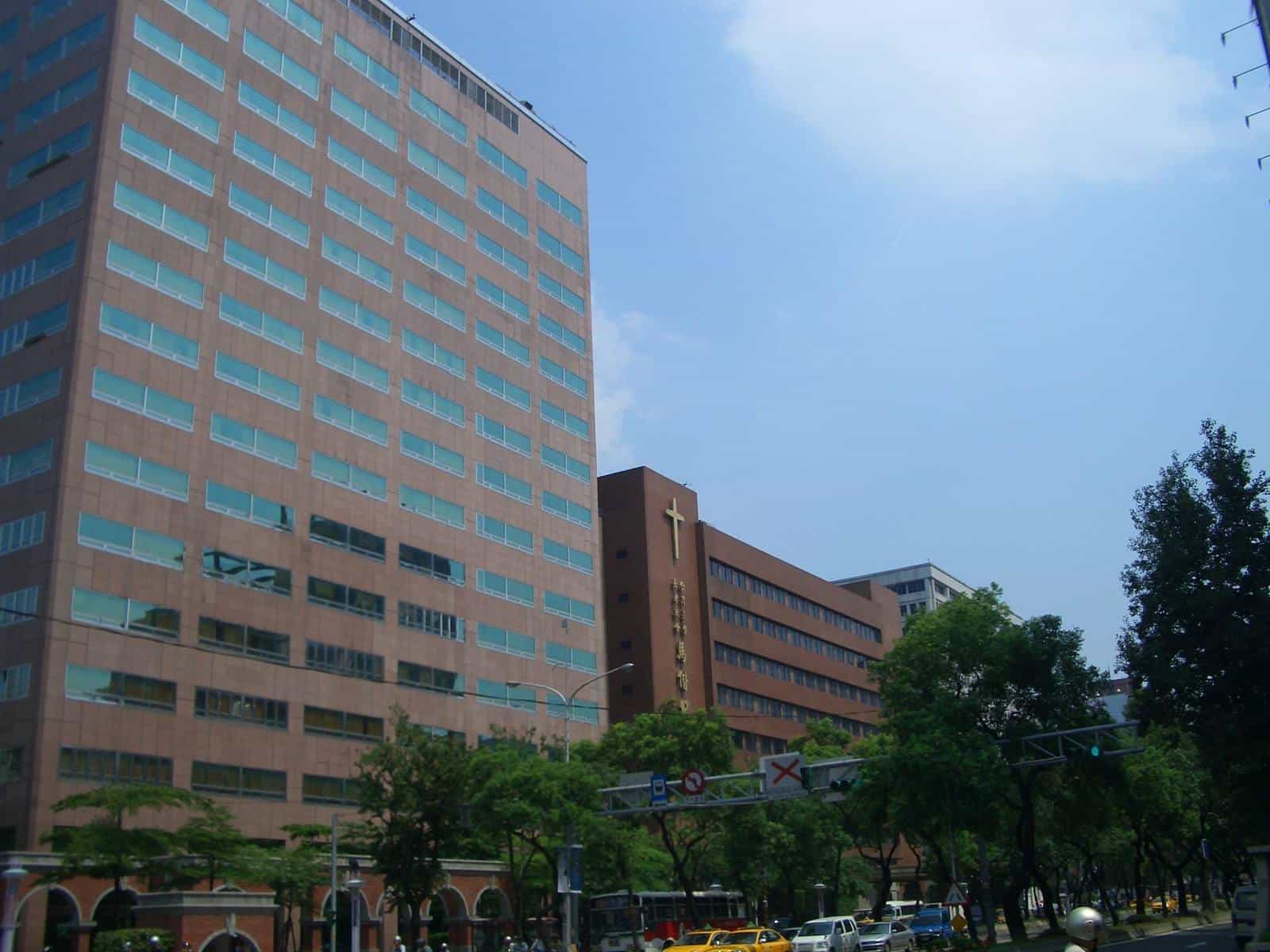
Founded in 1912 by the Presbyterian Church in Taiwan in memory of the Canadian missionary George Leslie Mackay, Mackay Memorial Hospital is one of Taiwan's leading general hospitals. Its main campus, at No. 92, Zhongshan N. Road Sec. 2, Zhongshan District, Taipei, sees thousands of outpatient, emergency and inpatient cases every day.
According to the hospital's own data, 20–30 blind patients per month ask for help at the information desk, most of them coming on their own. Their top questions: how to get to the pharmacy, to the assigned clinic and to test rooms. Until now, volunteers and service staff covered that function; the challenge was scaling it and giving the patient their own initiative.
President Chang Wen-han (張文瀚) puts it bluntly: “in an unfamiliar, complex hospital environment, blind people need clear direction, immediate information and safe companionship”. Chief ophthalmologist Tsai Hsiang-ling (蔡翔翎) adds that the same wayfinding also serves the growing elderly population with reduced vision — a key group in Taiwan's ageing society.
§ How it was deployed
Ground floor first, full patient path.
- 01
Flow re-walked “through the blind patient's eyes”
Mackay's team redesigned the patient flow with blind associations and placed NaviLens codes at the critical ground-floor points: main entrance, information desk, registration and billing area, main outpatient clinics, pharmacy and restrooms.
- 02
Voice that gives direction, distance and turns
When the patient scans with the phone camera, they hear the direction to take, the distance and remaining turns in their own language. The NaviLens app is free and reads codes at 100 ft, no focusing required — key in a crowded hospital.
- 03
Progressive rollout, user feedback driven
Mackay starts on the ground floor — from the entrance to the info desk — and plans to extend coverage floor by floor and to other campuses, based on user feedback and in continuous collaboration with blind-people associations.
§ The hospital
A historic campus, now audibly accessible.
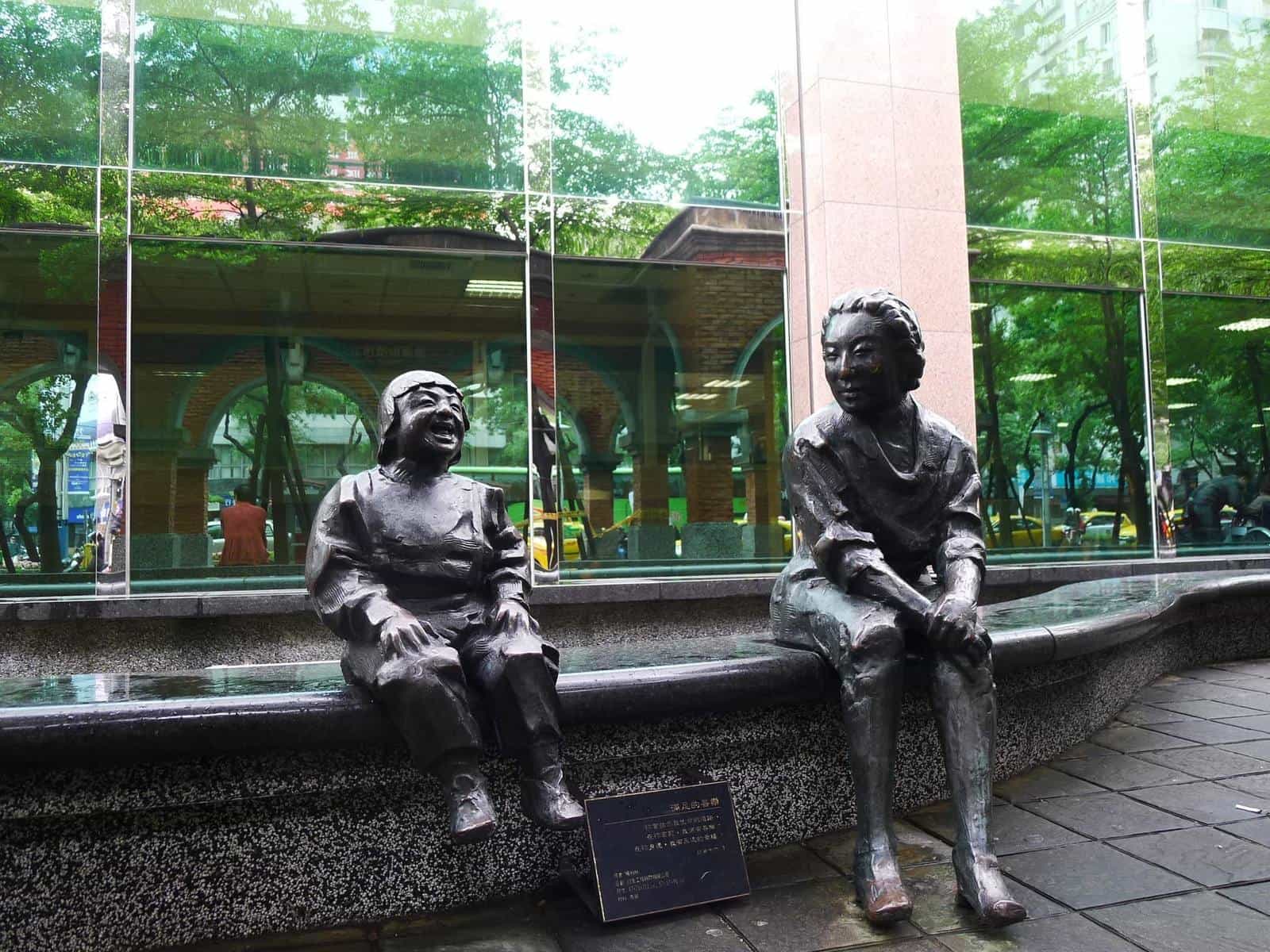
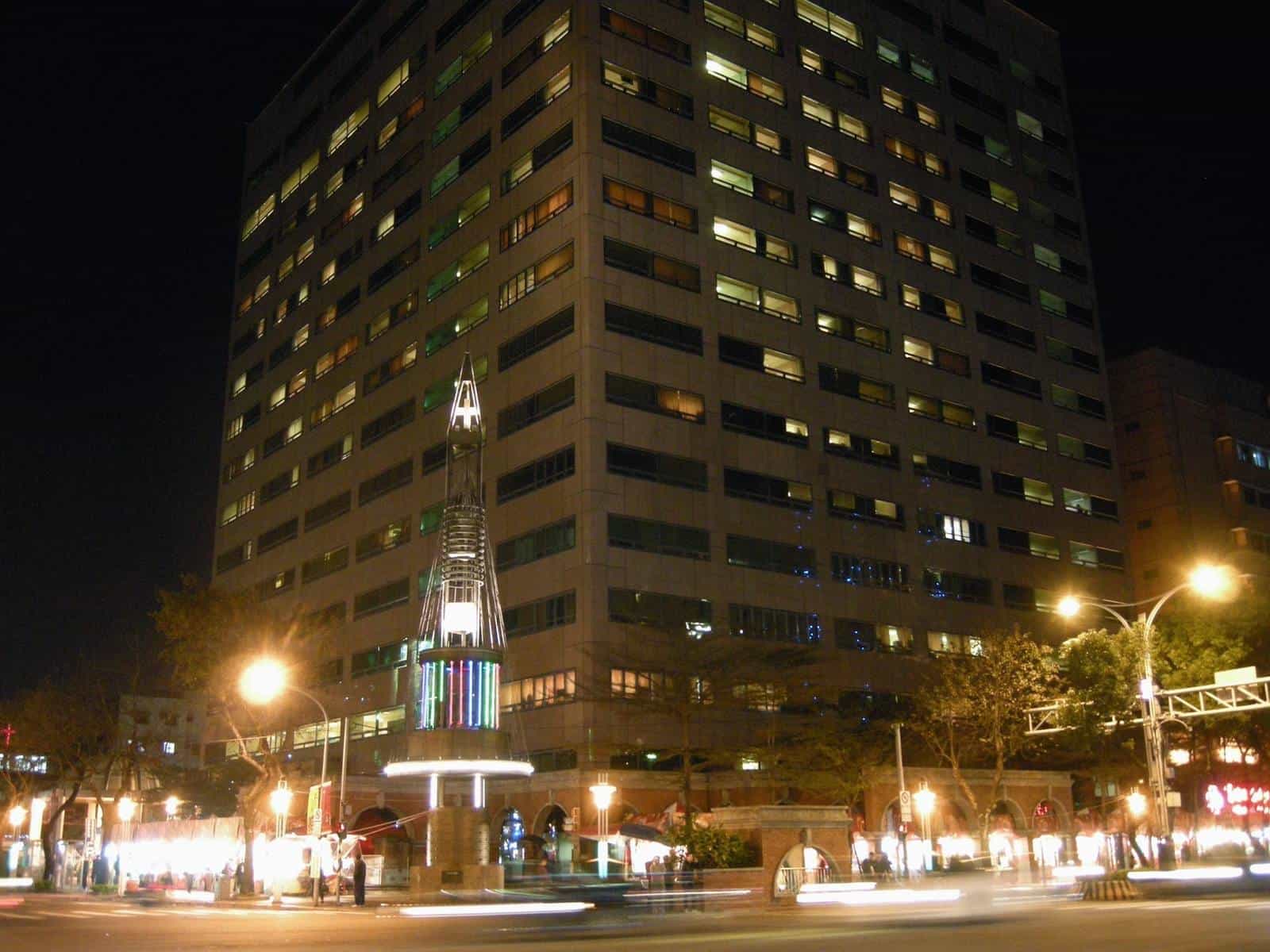
Hospital images: Wikimedia Commons (free license).
§ Why it matters
First hospital in Taiwan to speak to its blind patients.
First in Taiwan
Mackay explicitly claims “全台首創 AI 視障友善就醫環境” — Taiwan's first AI-powered, blind-friendly hospital environment. It sets the standard for the rest of the Taiwanese healthcare system.
Independence, not dependence
Until now, most blind patients depended on volunteers to move around the hospital. With NaviLens, the patient “hears the direction and takes initiative”, regaining autonomy and privacy in something as sensitive as a medical visit.
Twin demographic dividend
The same system that helps Taiwan's ~60,000 blind people also benefits the growing elderly population with reduced vision — critical in an ageing society like Taiwan.
§ And your campus?
Every classroom and clinic can be guided by voice.
Tell us about your facility, your journeys and your users. We’ll show you how NaviLens would make wayfinding easier.