Case study · Baltimore · Maryland · USA
The IBTC at the Jernigan Institute puts NaviLens on the world braille map.
The International Braille and Technology Center for the Blind (IBTC) — housed inside the Jernigan Institute, the national headquarters of the National Federation of the Blind in Baltimore — is the world's reference independent lab for nonvisual technology. Here, NaviLens is evaluated, demonstrated and taught as a key tool for wayfinding and information access for blind and low-vision people.
IBTC
World-leading vendor-free lab for nonvisual technology
Jernigan Institute
NFB national HQ, Baltimore — founded 2004
42 languages
Voice readout from over 100 ft, no focusing
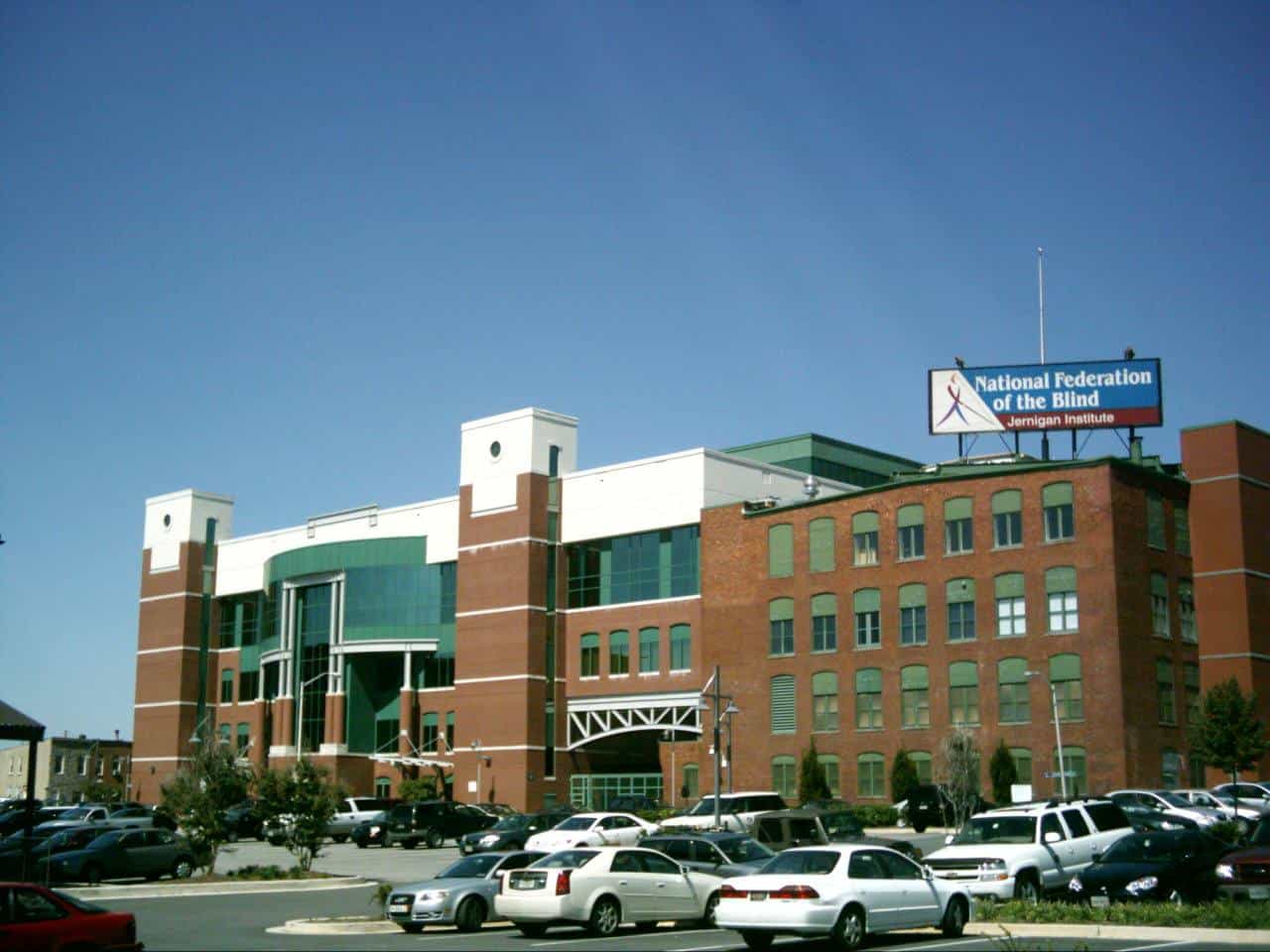
A full city block
200 E Wells St — NFB building, Riverside (South Baltimore)
The client
National Federation of the Blind · Jernigan Institute · IBTC
The National Federation of the Blind (NFB) is the largest organization of blind people in the United States. Its national headquarters at 200 East Wells Street, Baltimore occupies an entire city block in the Riverside neighborhood and, since 2004, has been named the Jernigan Institute in honor of Kenneth Jernigan.
Inside the Jernigan Institute sits the International Braille and Technology Center for the Blind (IBTC): an independent evaluation, demonstration and training facility that holds the world's largest collection of technology for blind and low-vision users — braille displays and notetakers, screen readers, OCR hardware, orientation devices — and offers vendor-free advice to users, agencies and companies.
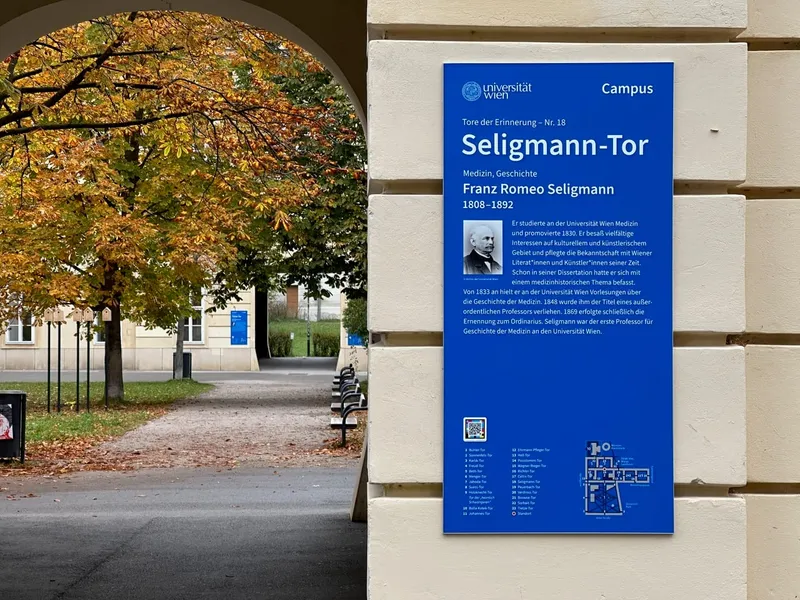
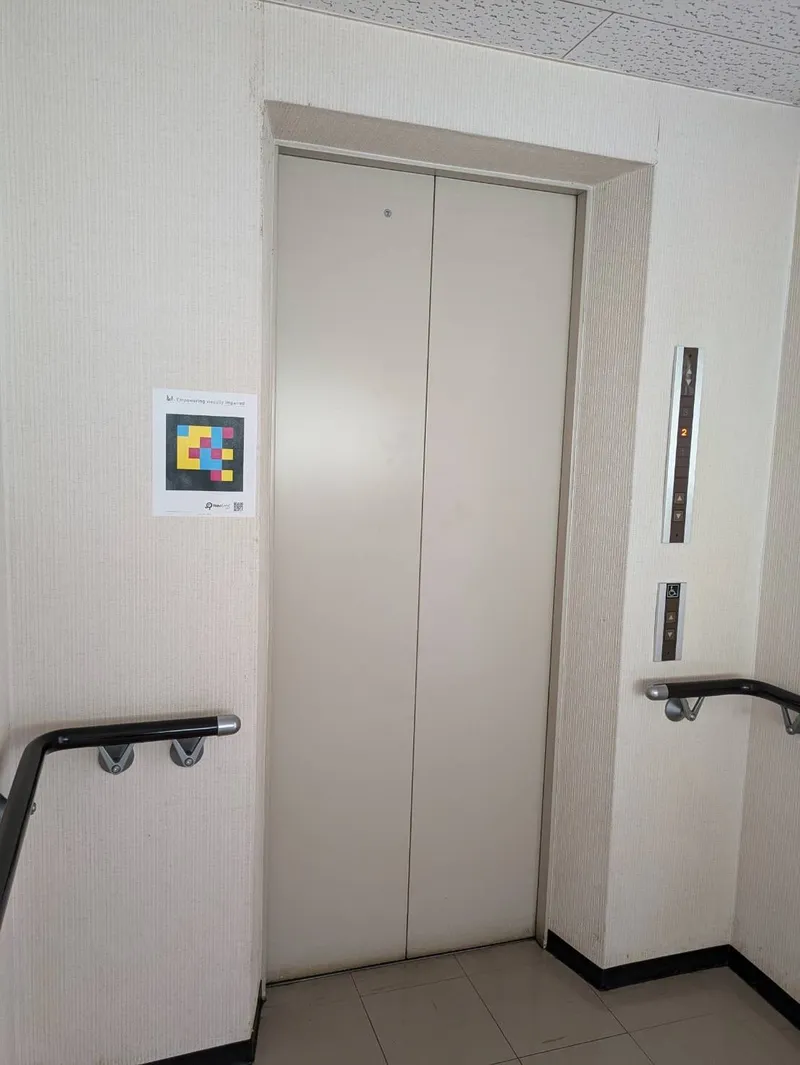
In this context, NaviLens is shown and demonstrated as an international benchmark for accessible wayfinding: high-contrast codes the phone reads at more than 100 ft with no focusing, translated into 42 languages and spoken aloud. What is seen and tested at the IBTC sets the standard for schools, rehabilitation centers, public transit and government agencies worldwide.
§ How NaviLens is used at the IBTC
Three ways NaviLens enters the IBTC curriculum.
- 01
Independent demo and evaluation
The IBTC lets blind users, rehabilitation professionals and public procurement officers try NaviLens hands-on — comparing it with braille, audio description, RFID and other systems — before adopting it in their own environment.
- 02
Training in accessible wayfinding
Jernigan Institute training programs (BELL Academy, transition programs, professional development) include NaviLens as a tool for teaching orientation, product label reading and document access without sight.
- 03
Bridge to industry and government
The IBTC acts as a showcase for manufacturers, cities and transit operators. NaviLens being evaluated and demonstrated here accelerates its adoption in US public transit — MTA NYC, NJ Transit, MBTA, LA Metro, CapMetro, St. Louis Metro — and in accessible packaging.
§ The headquarters
A full city block devoted to the independence of blind people.
Image: Wikimedia Commons (free license).
§ Why it matters
Being at the IBTC means being the standard.
Independent endorsement
The IBTC advises vendor-free: it does not represent manufacturers, it evaluates by real usefulness for blind people. A technology being there means it has passed the user filter, not the marketing filter.
Training reach
Every year the Jernigan Institute hosts rehabilitation professionals, braille teachers and blind youth from across North America. What they learn here travels back to their states, cities and schools.
Anchor in the NFB ecosystem
NFB is the organized voice of blind people in the US. Its validation opens doors in public transit, accessible retail packaging (Kellogg's, Coca-Cola, Pringles, Pampers…) and federal agencies.
§ And your campus?
Every classroom and clinic can be guided by voice.
Tell us about your facility, your journeys and your users. We’ll show you how NaviLens would make wayfinding easier.